
 Our top pick
Tokyo: Go Daikoku PA Fast & Furious 3 Sports Car Meetup
Great music inside the carFree access to Daikoku PA car meeting pointsMeet people from all over the world
From$47 /person
See dates and book Free cancellation
Book your seat and get to Daikoku PA without renting a car or gambling on a return taxi. Join thousands of travelers who ride with local enthusiast drivers from central Tokyo and Yokohama pickup points, with the trip back to the city already secured.
“Brilliant trip and our guide was the kindest, sweetest woman. She made the whole experience so enjoyable and never once felt out of place. Thanks to everyone!”
Every tour here solves the access problem the same way: a vehicle on the expressway takes you in and brings you back. They run 2.5 to 4 hours from pickup points across Tokyo and Yokohama, with tolls and parking covered.
Our top pick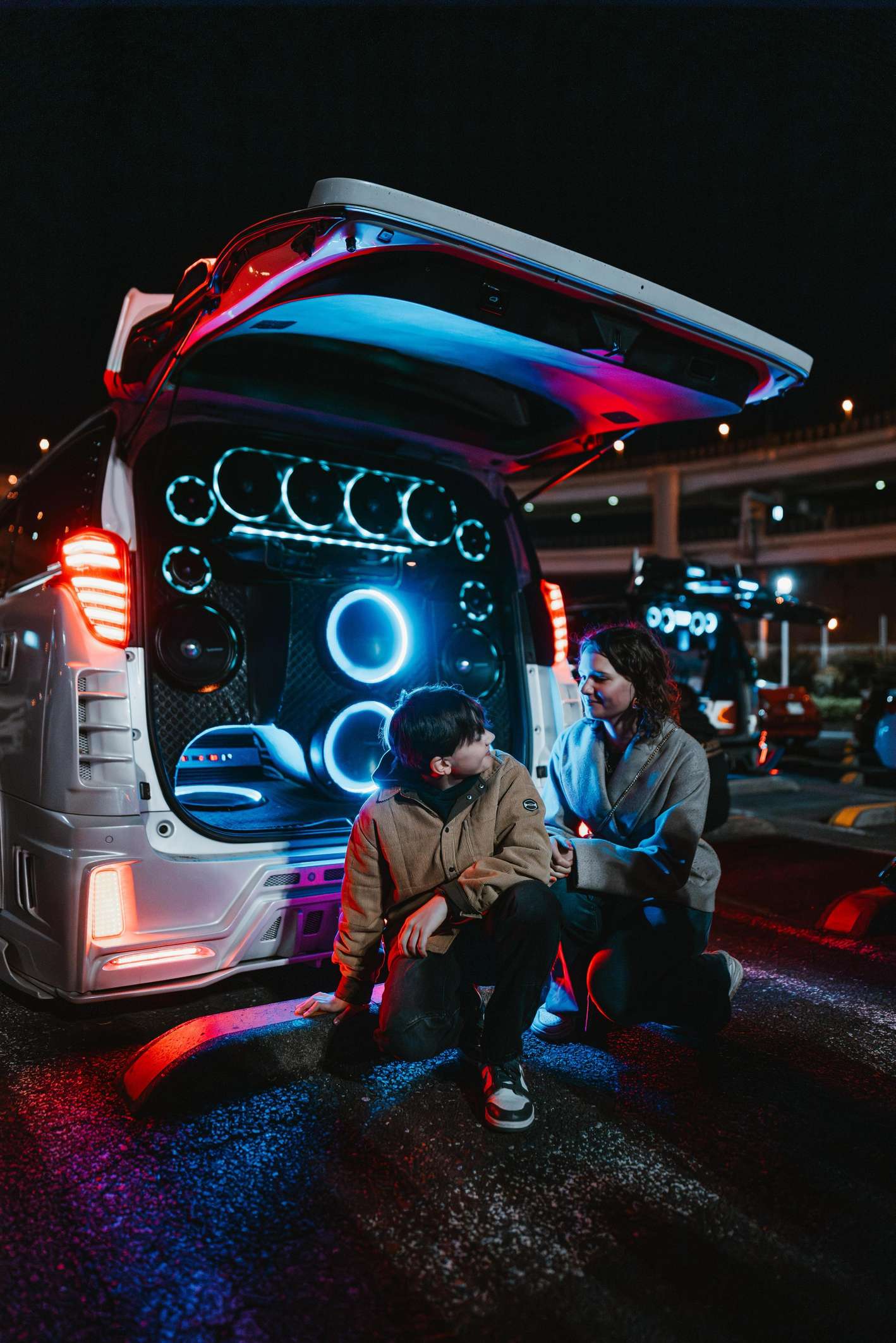
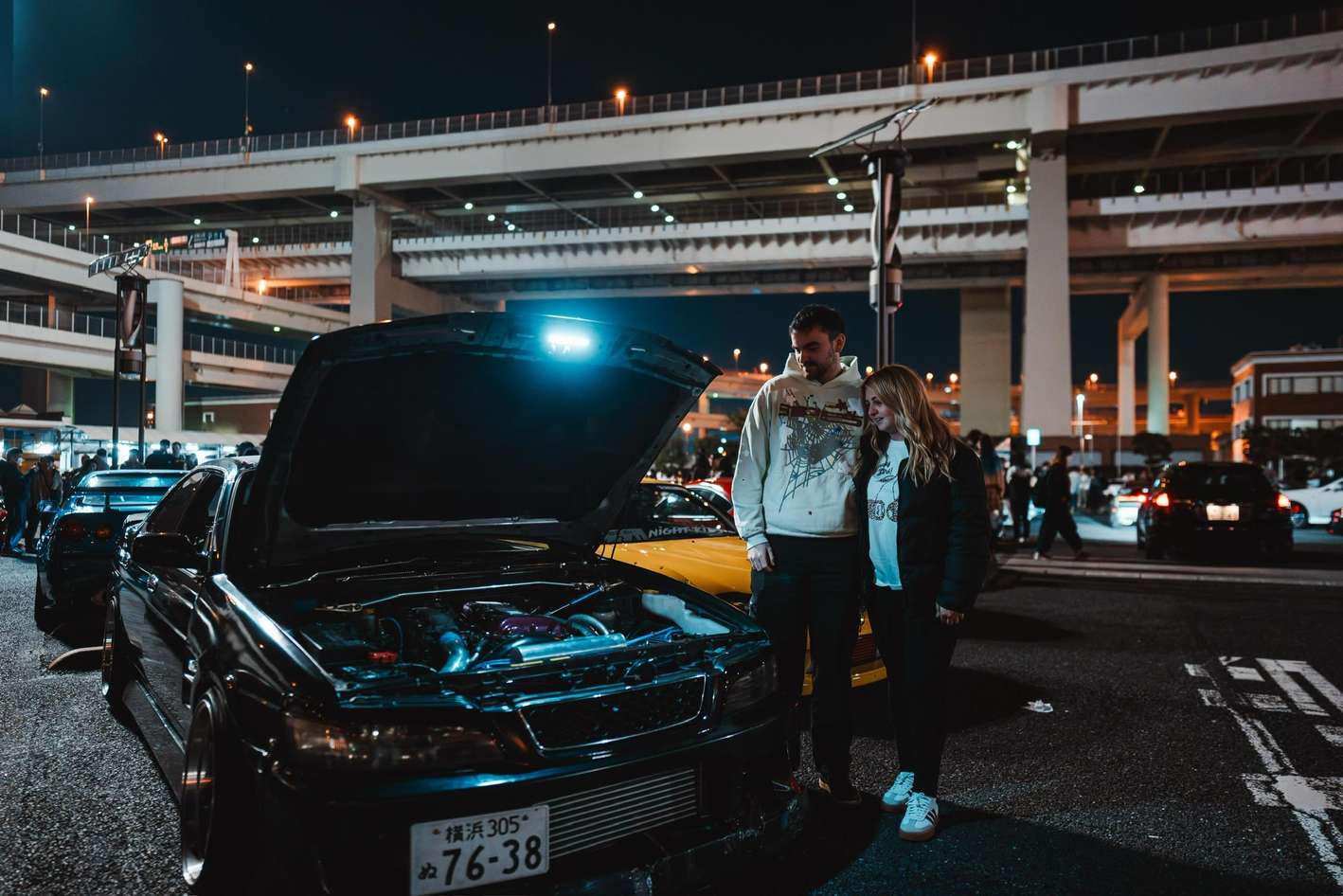
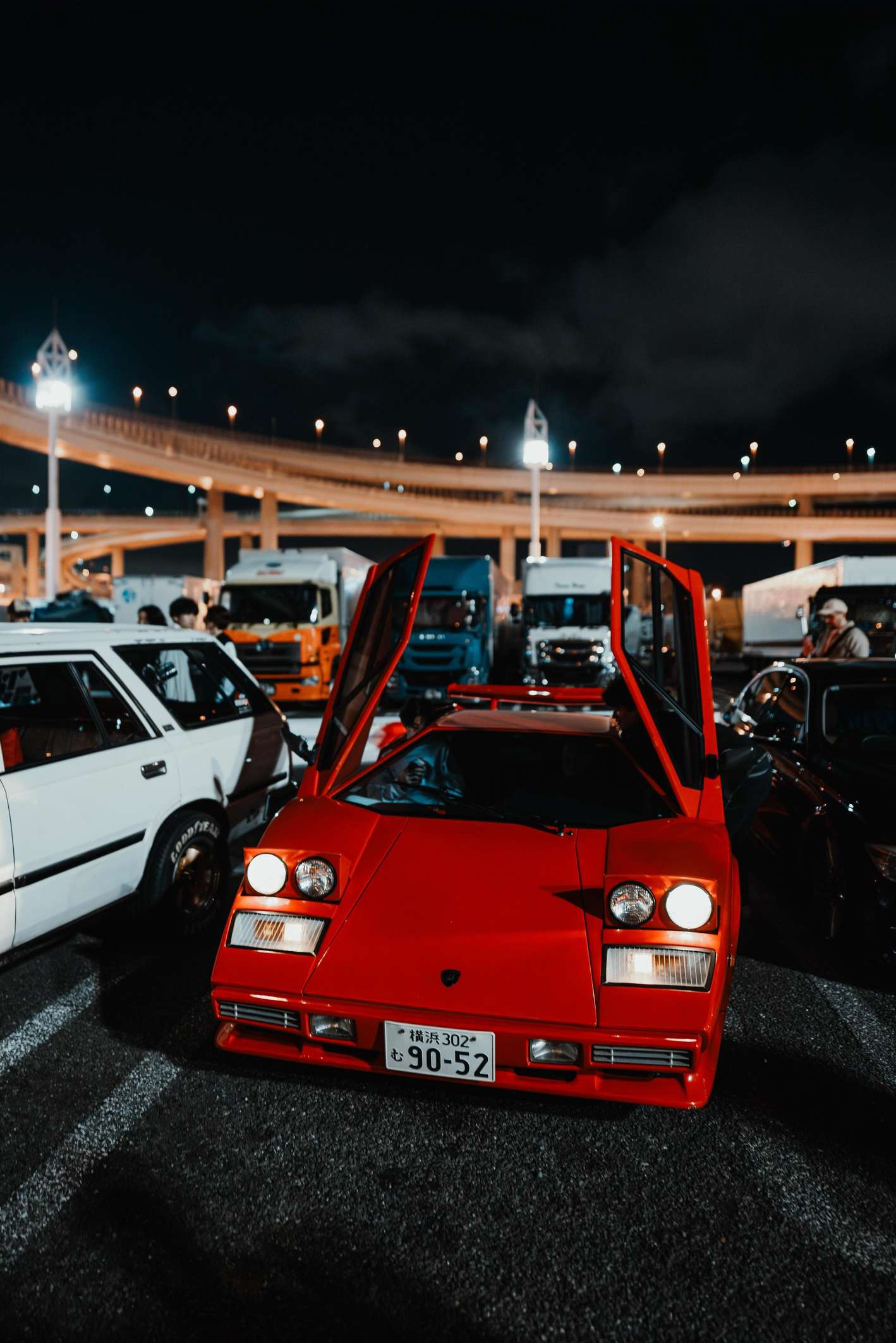
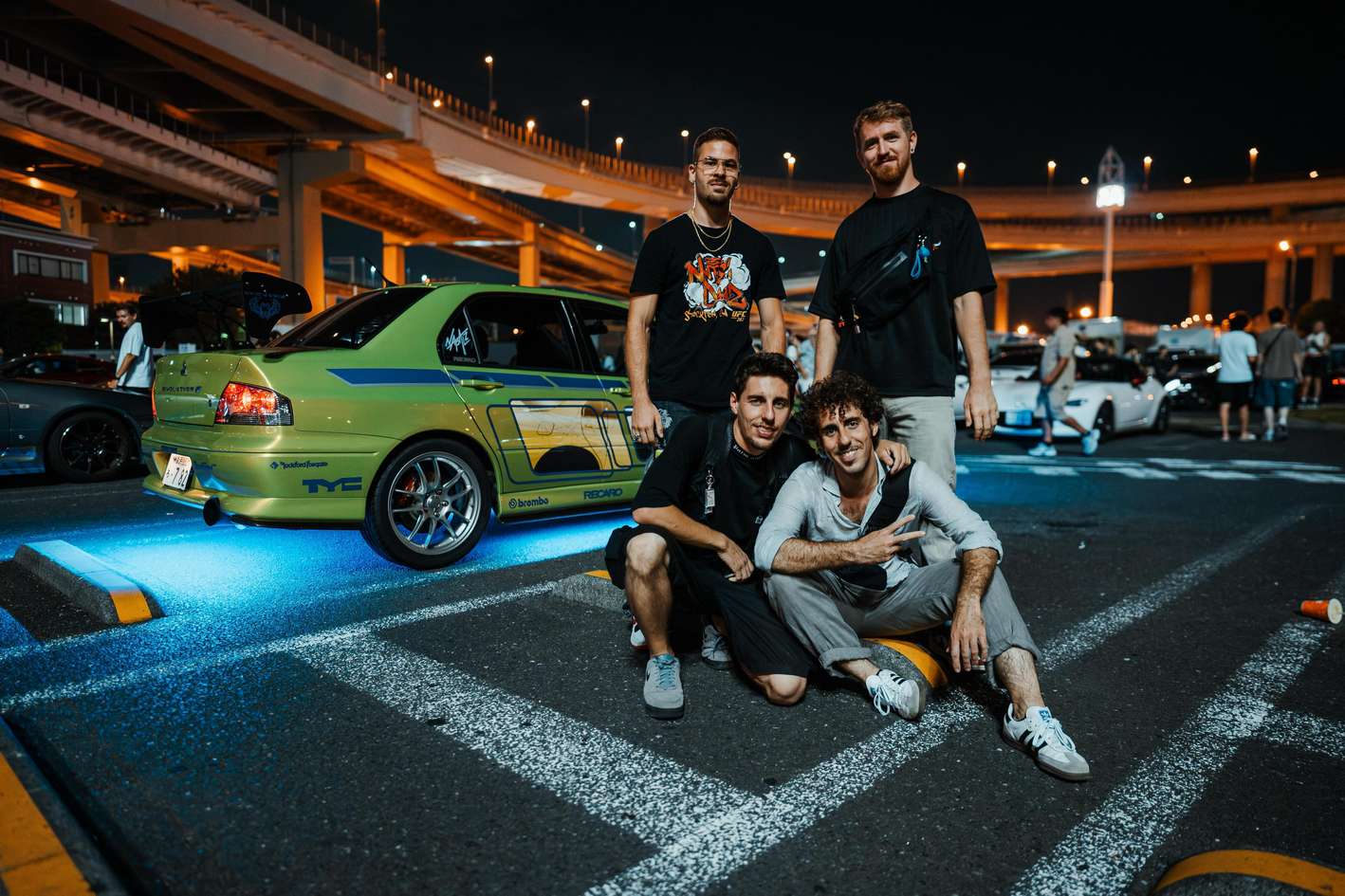
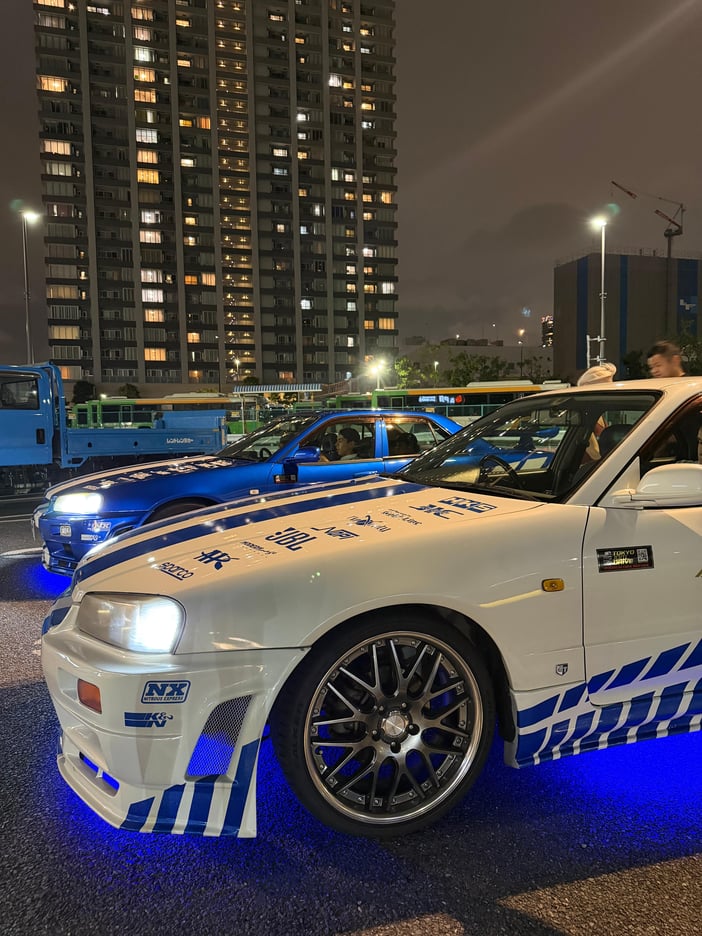
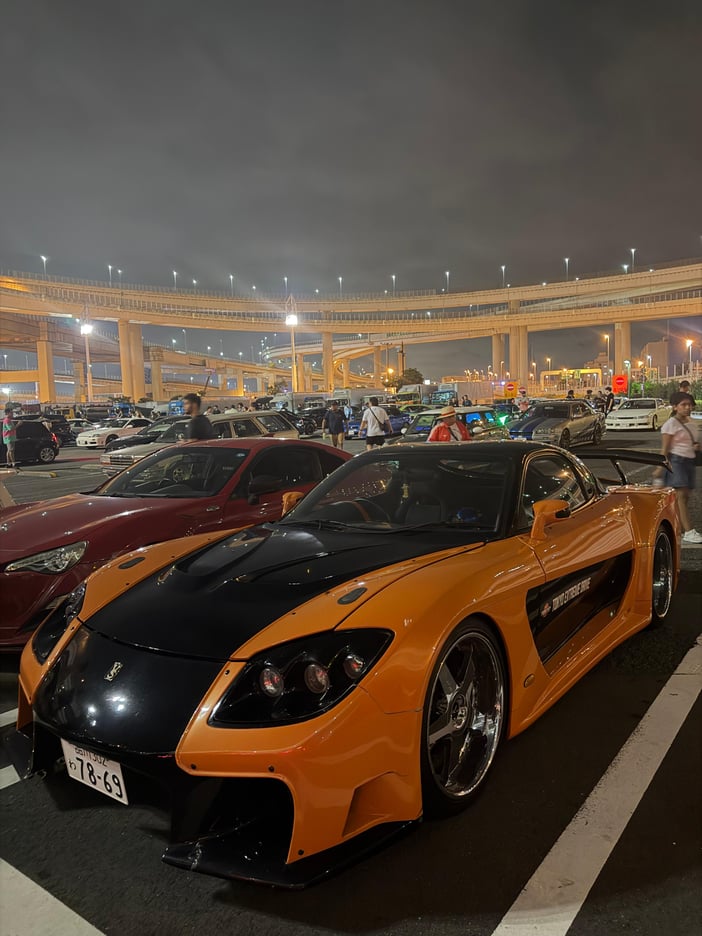
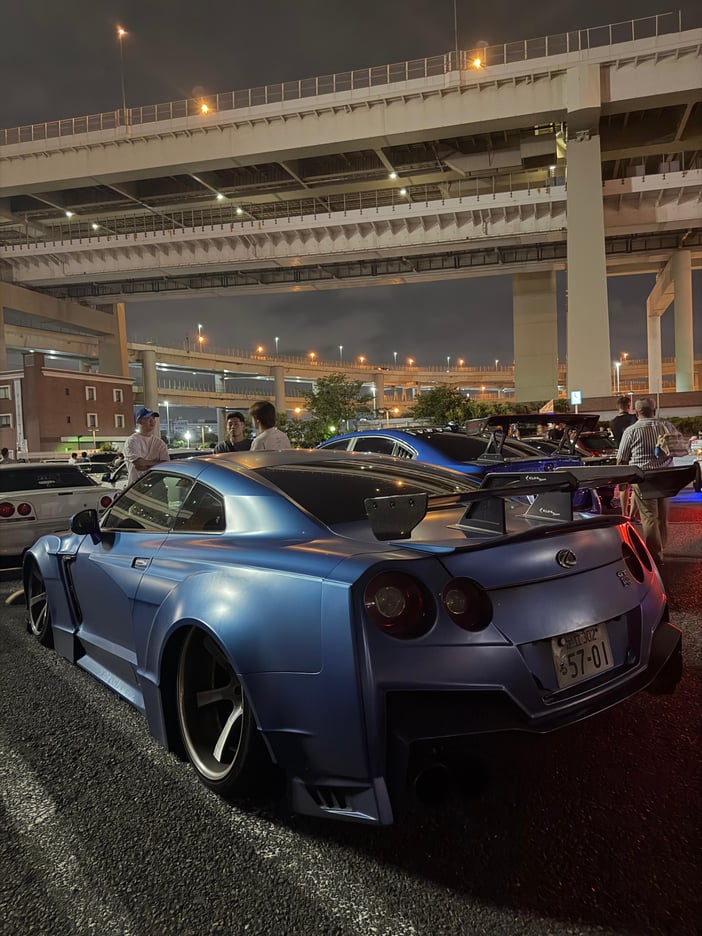
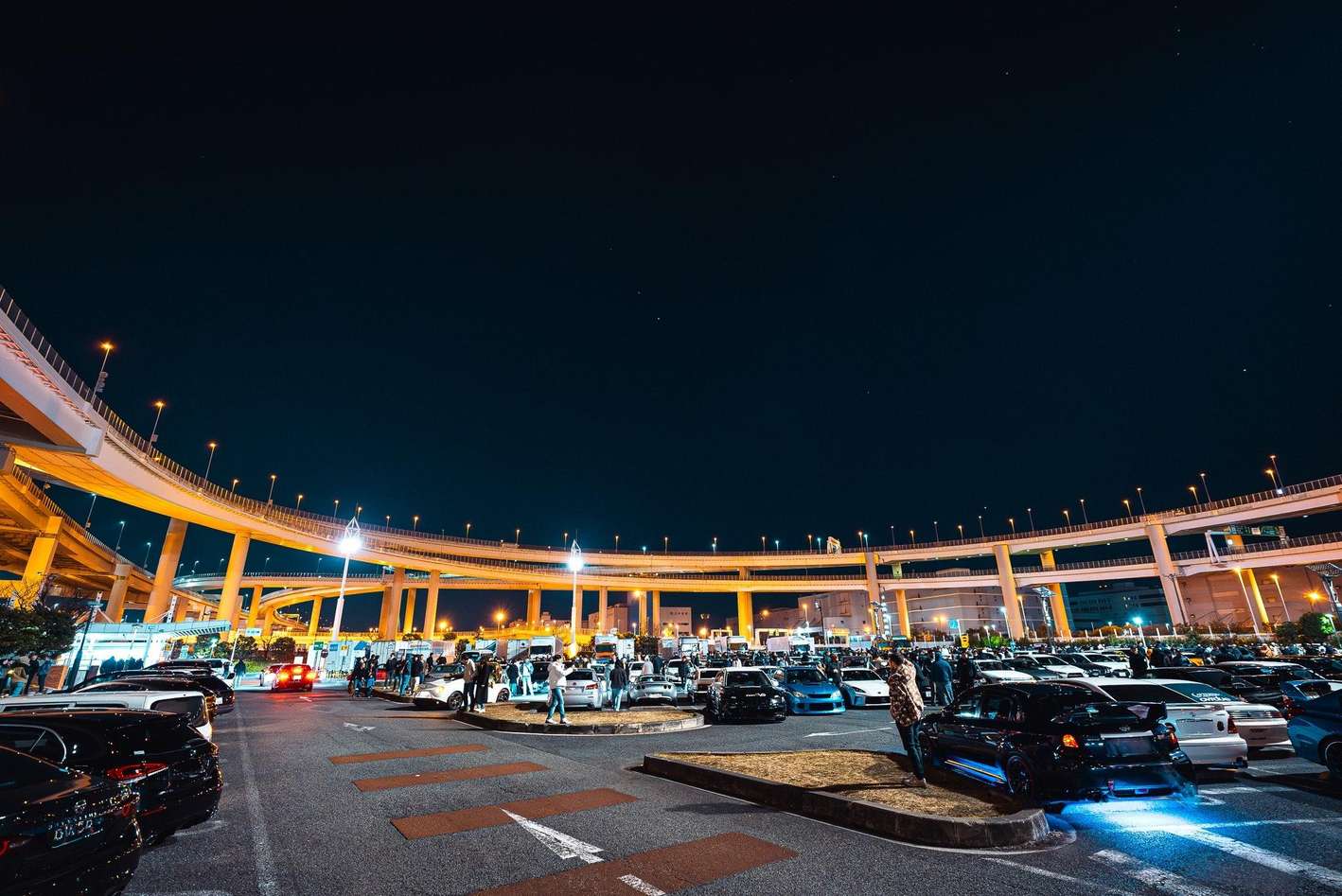
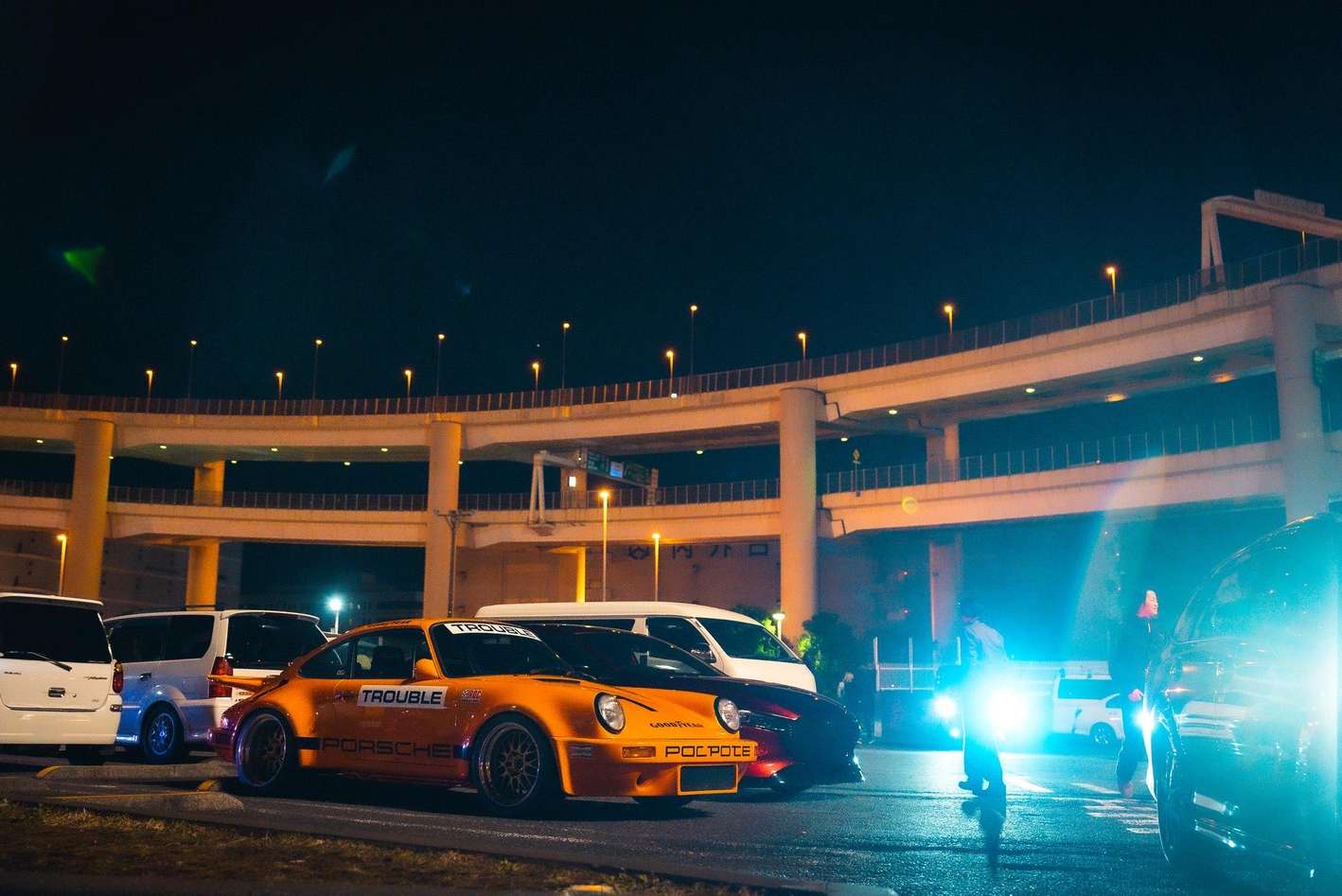
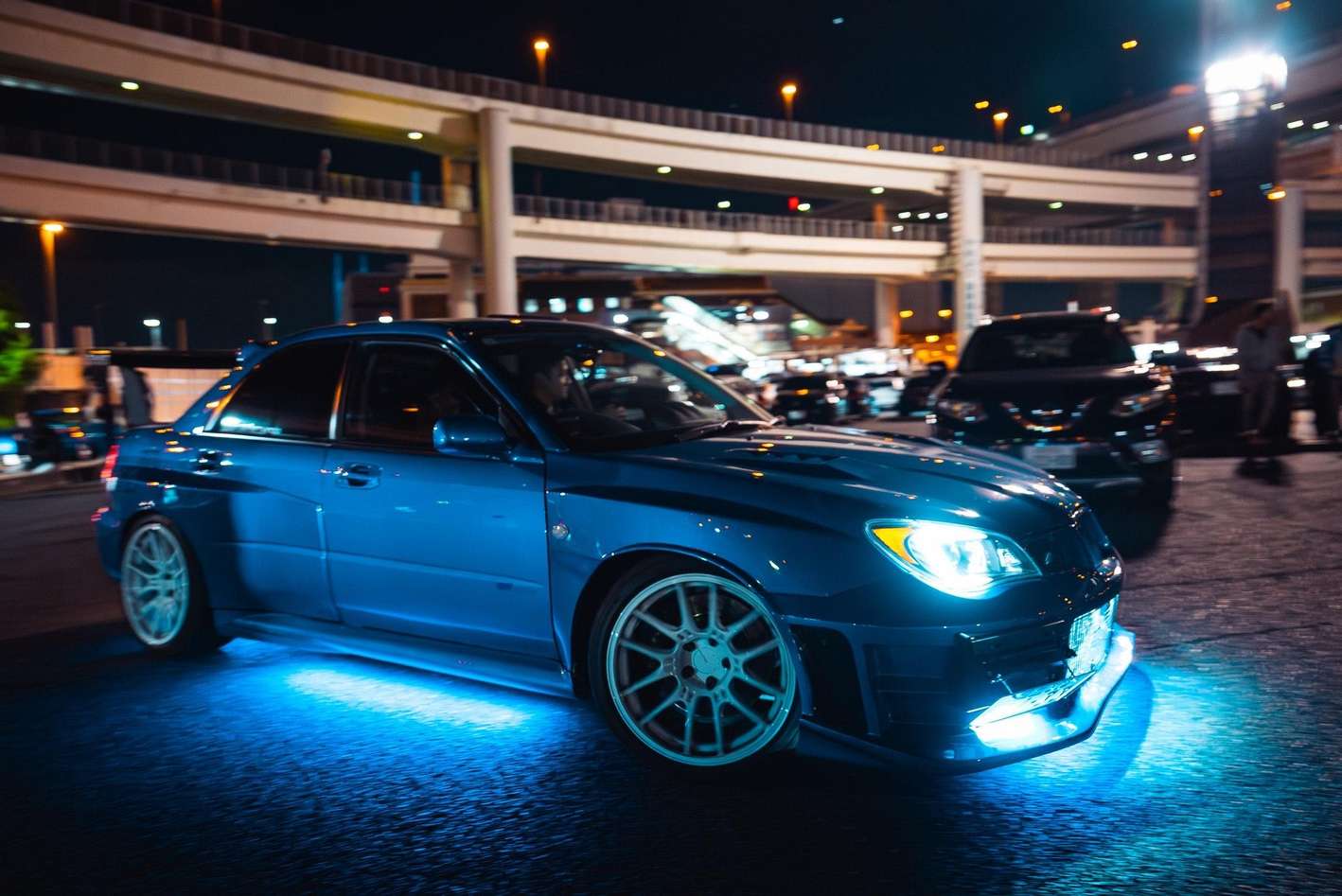
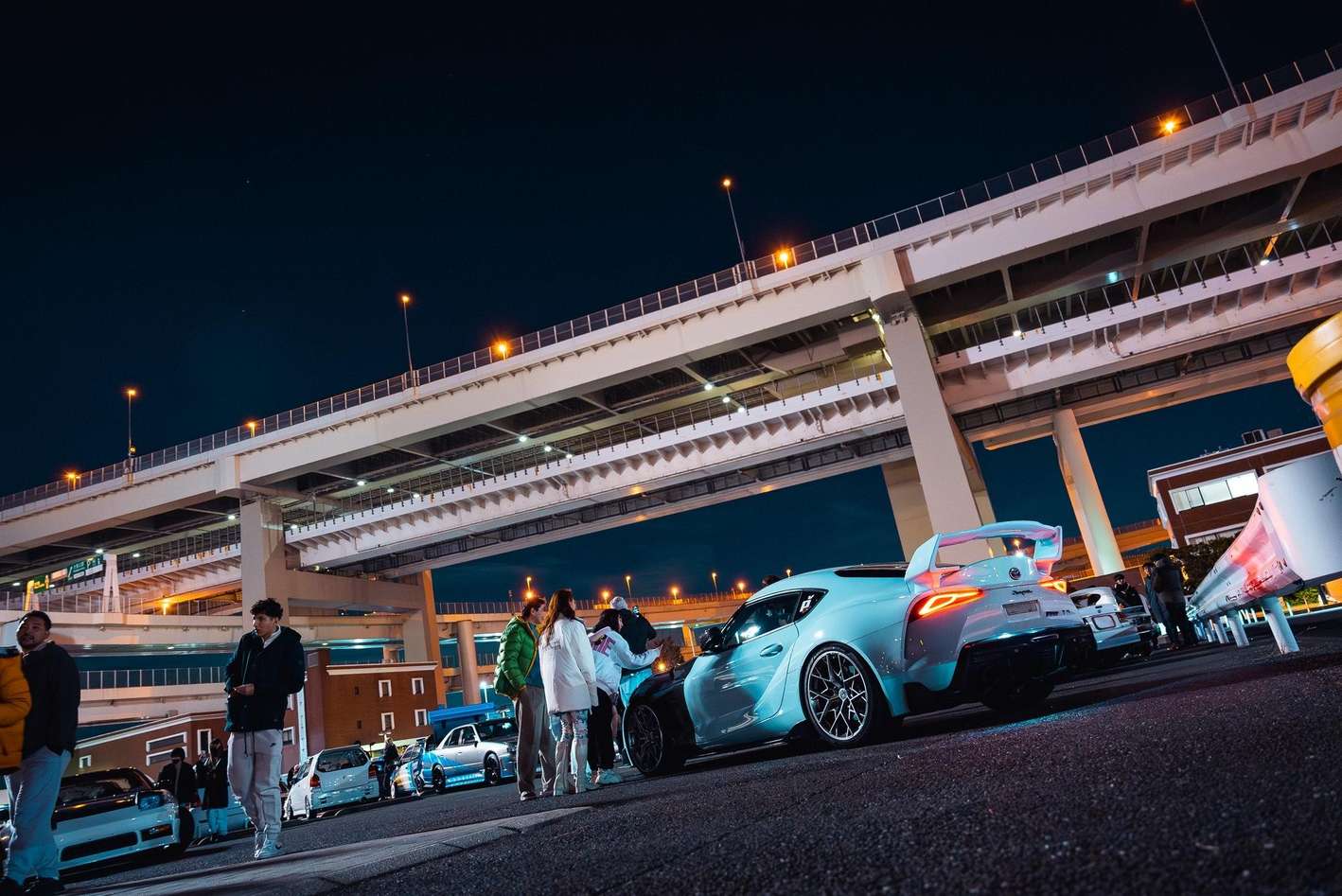
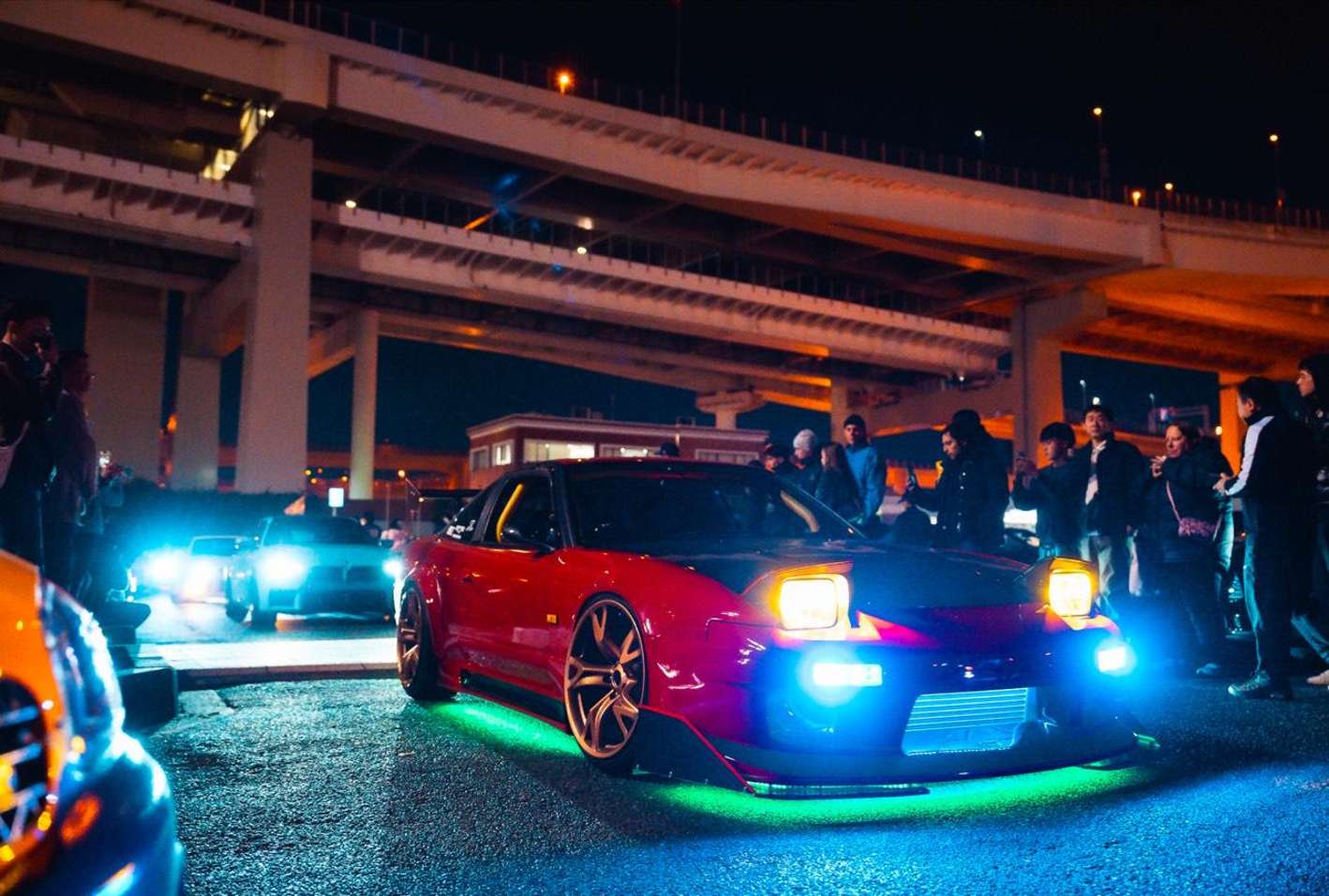
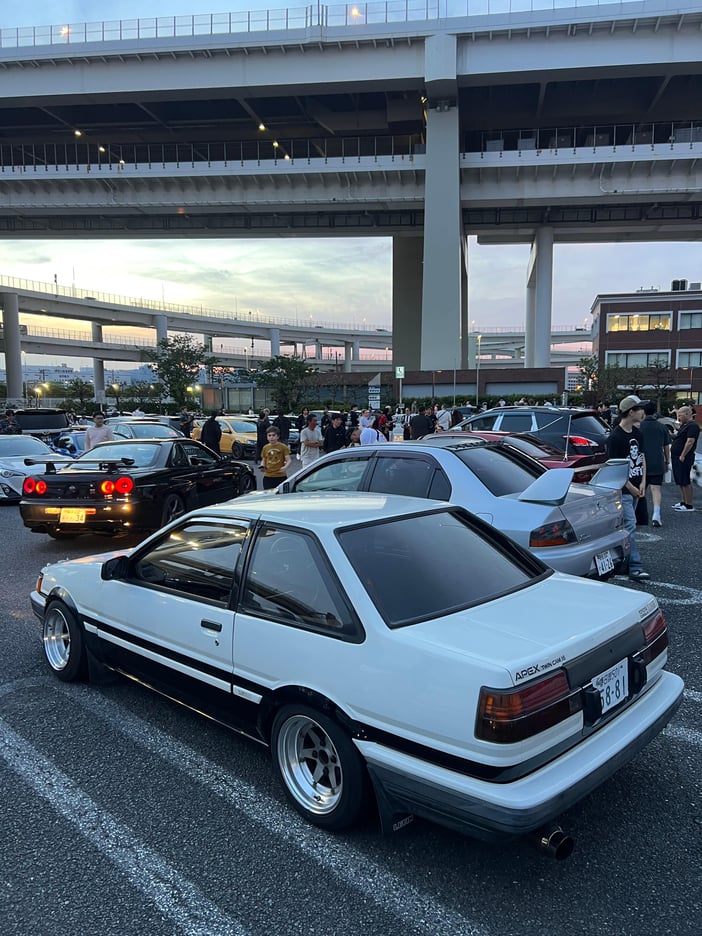
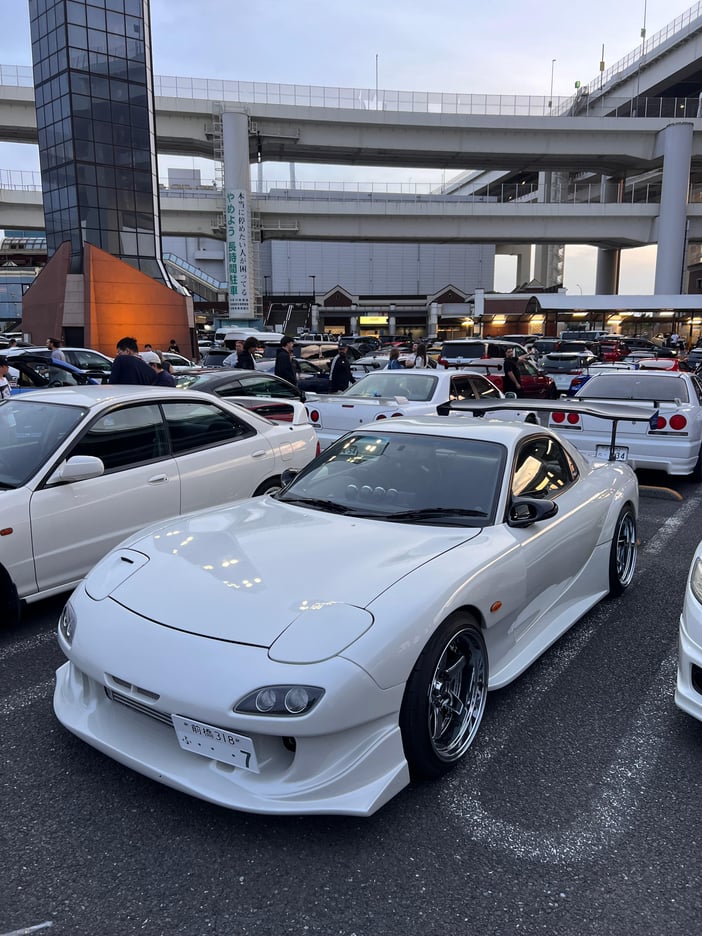
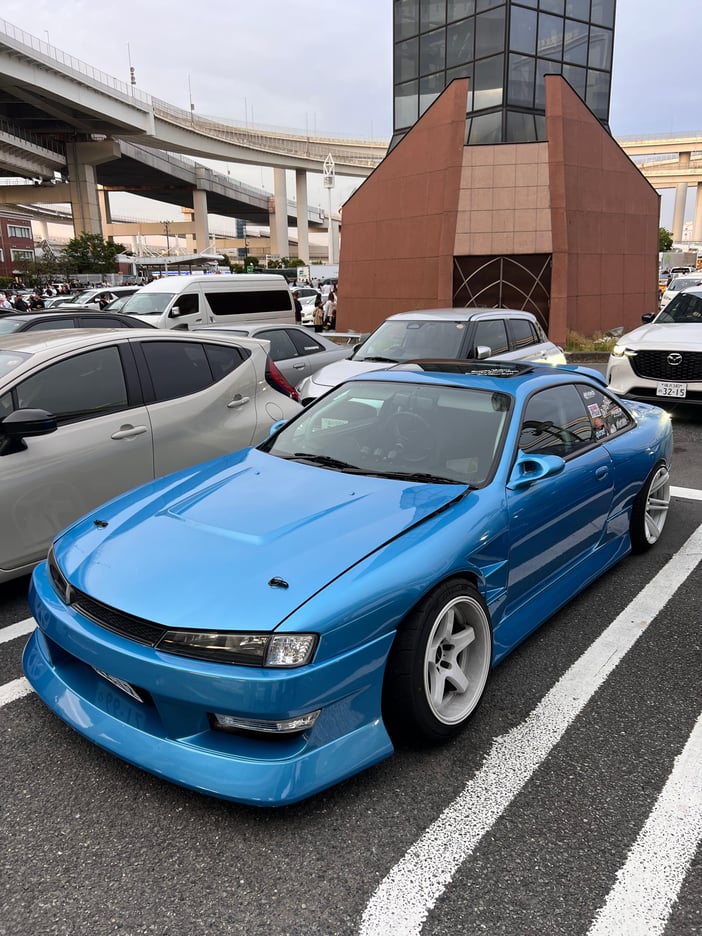
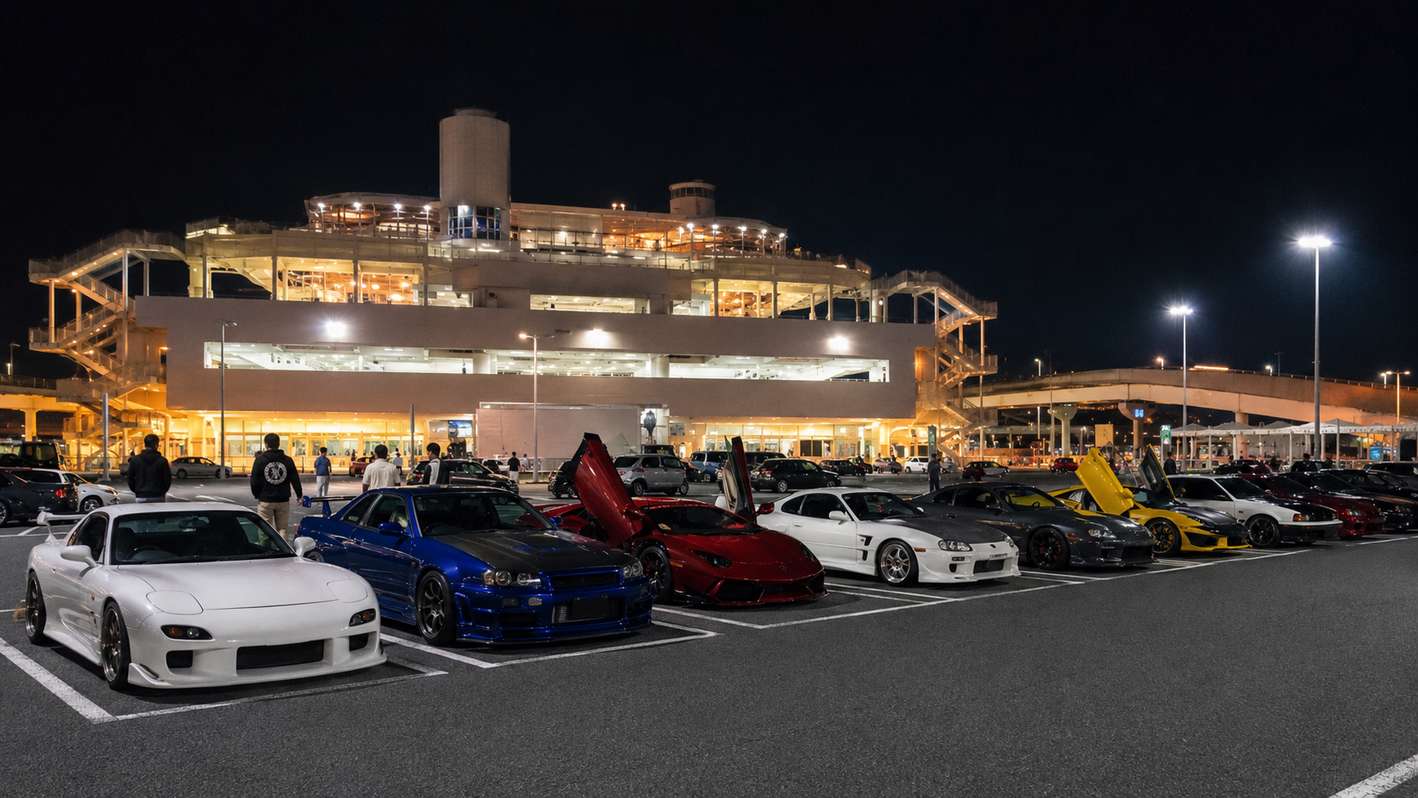
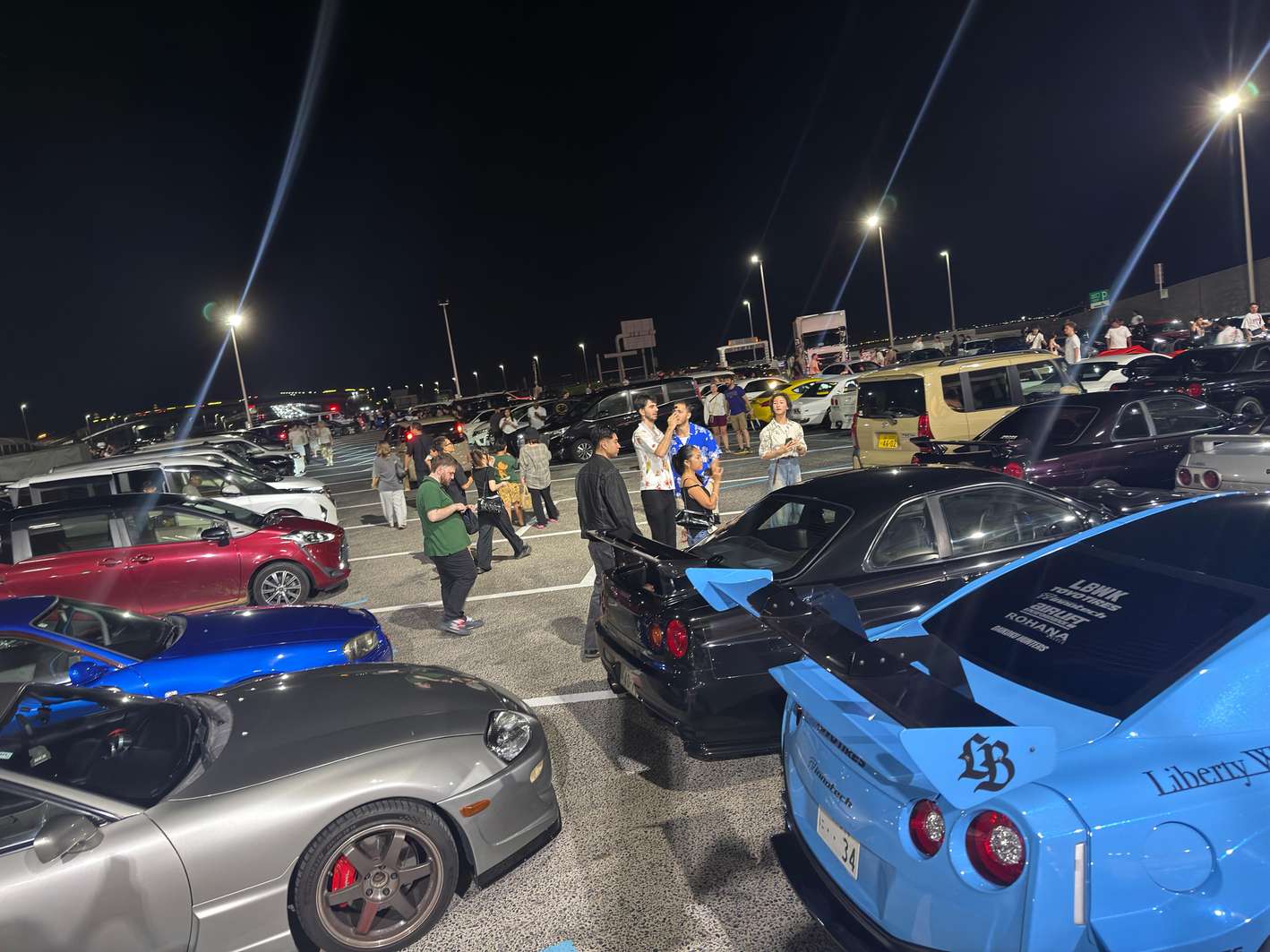
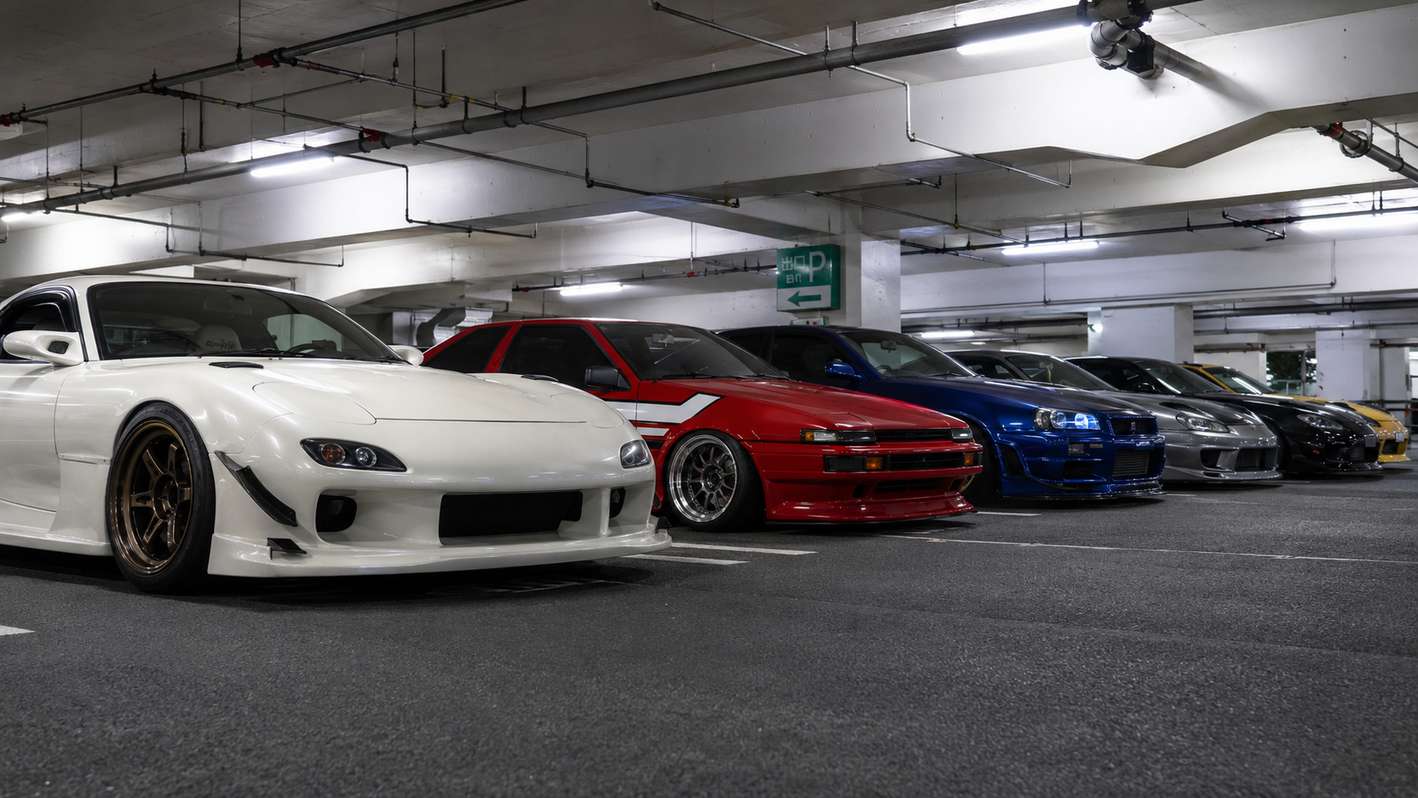
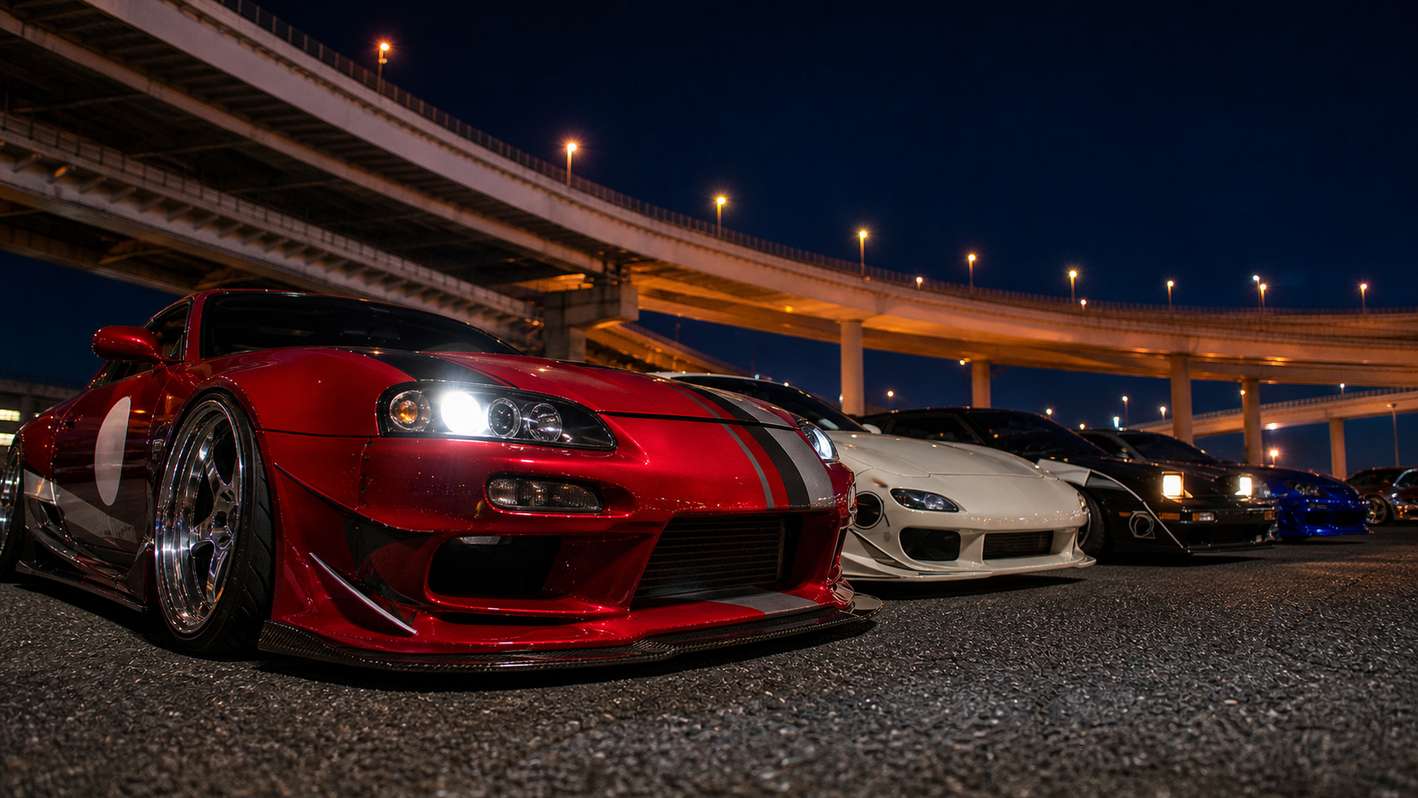
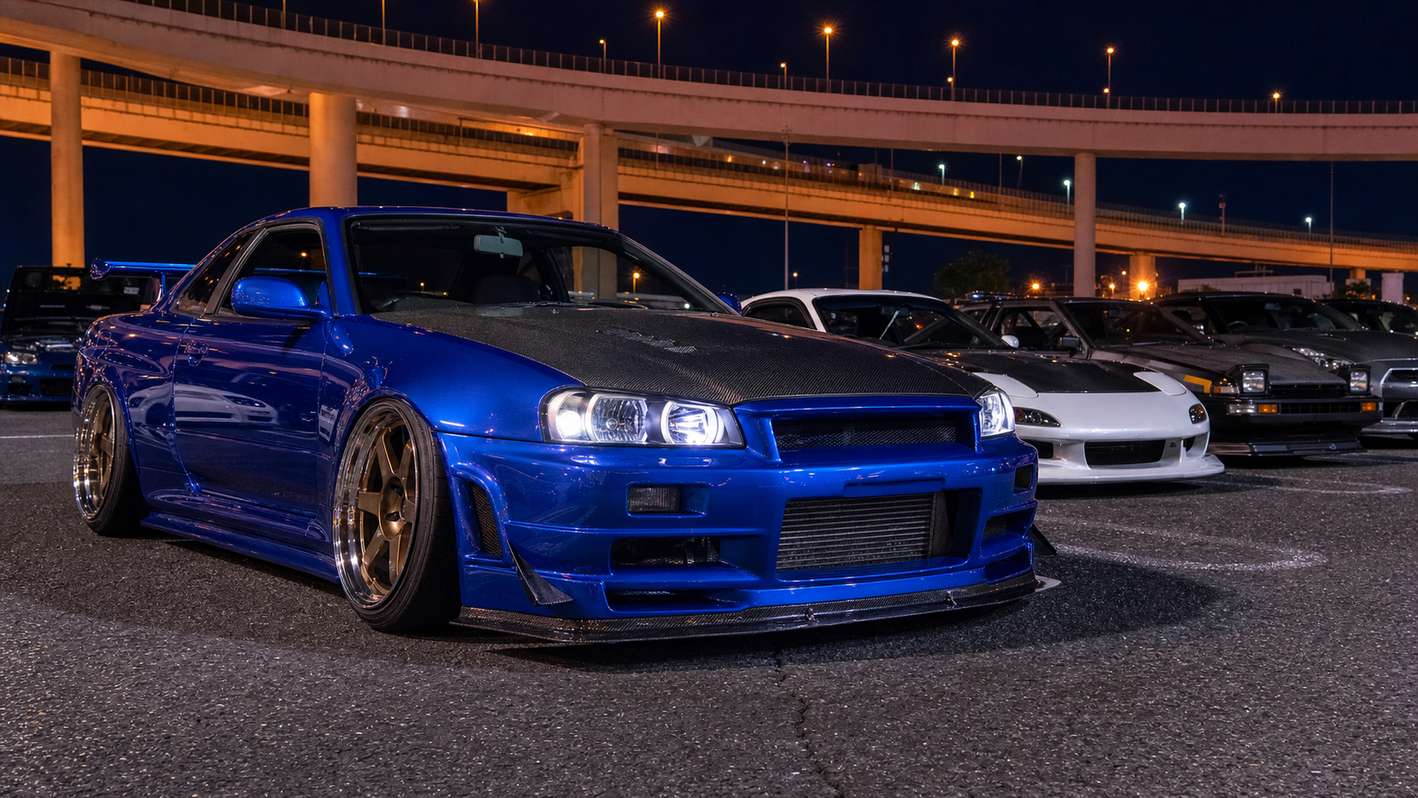
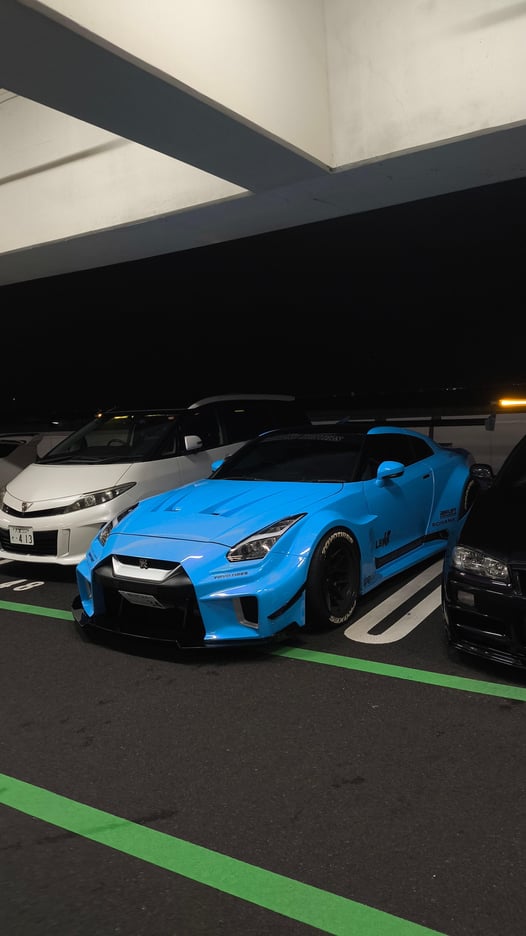
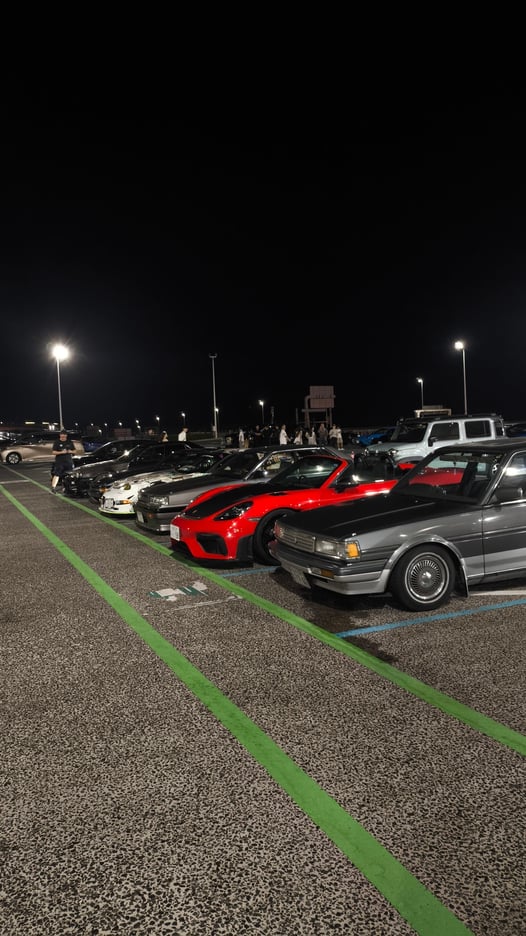
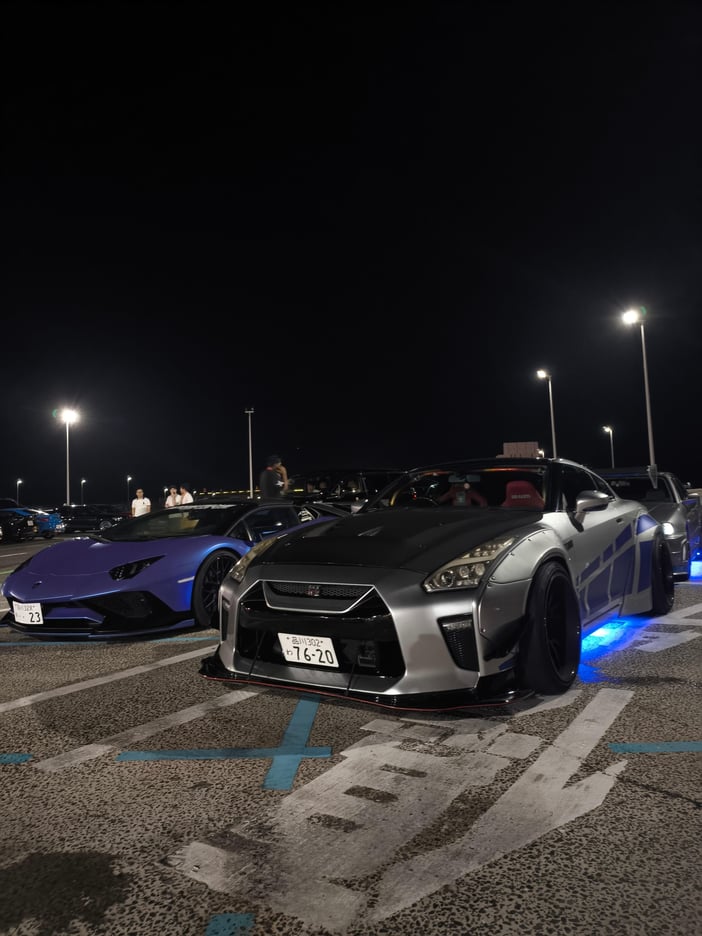
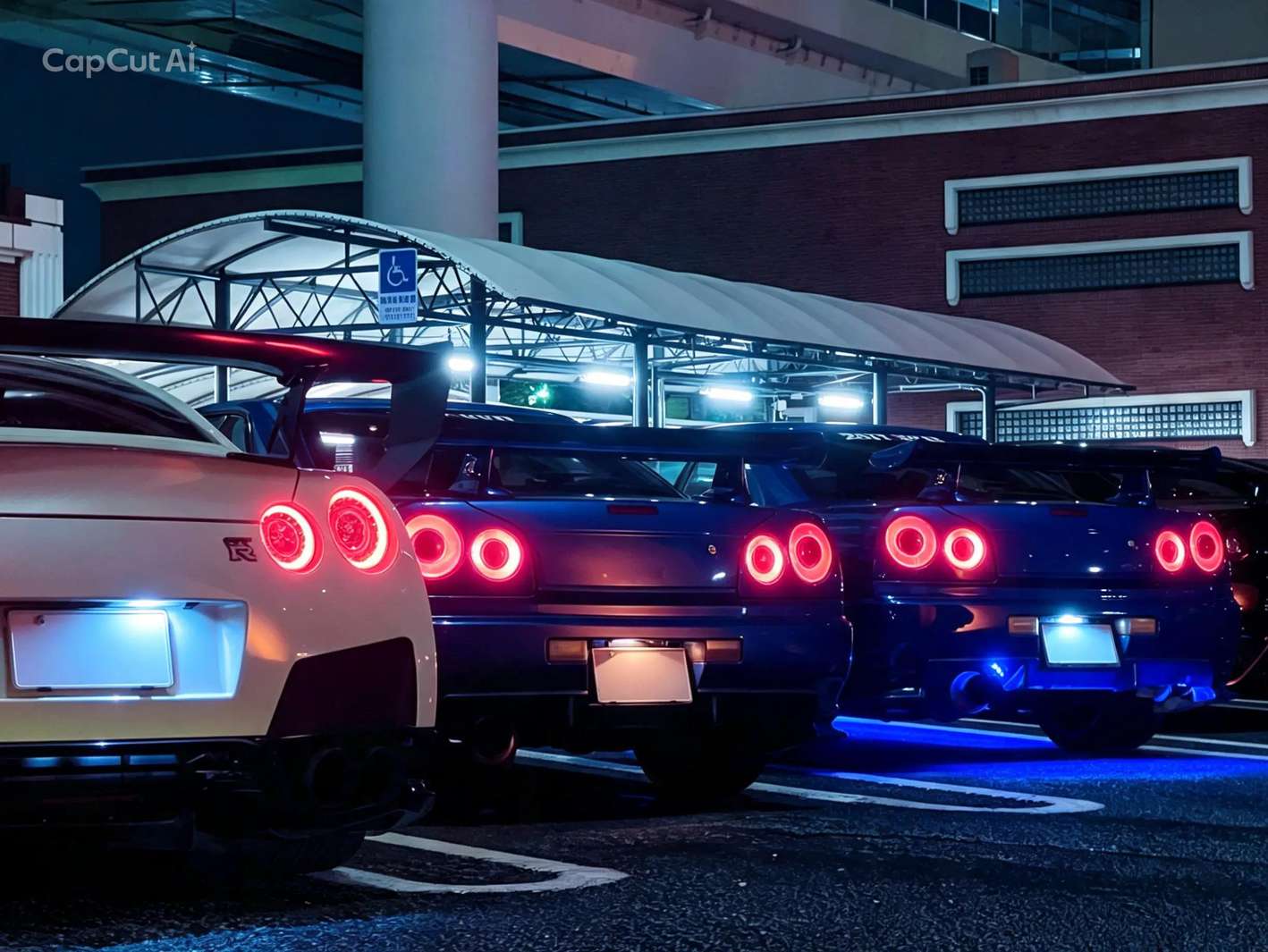
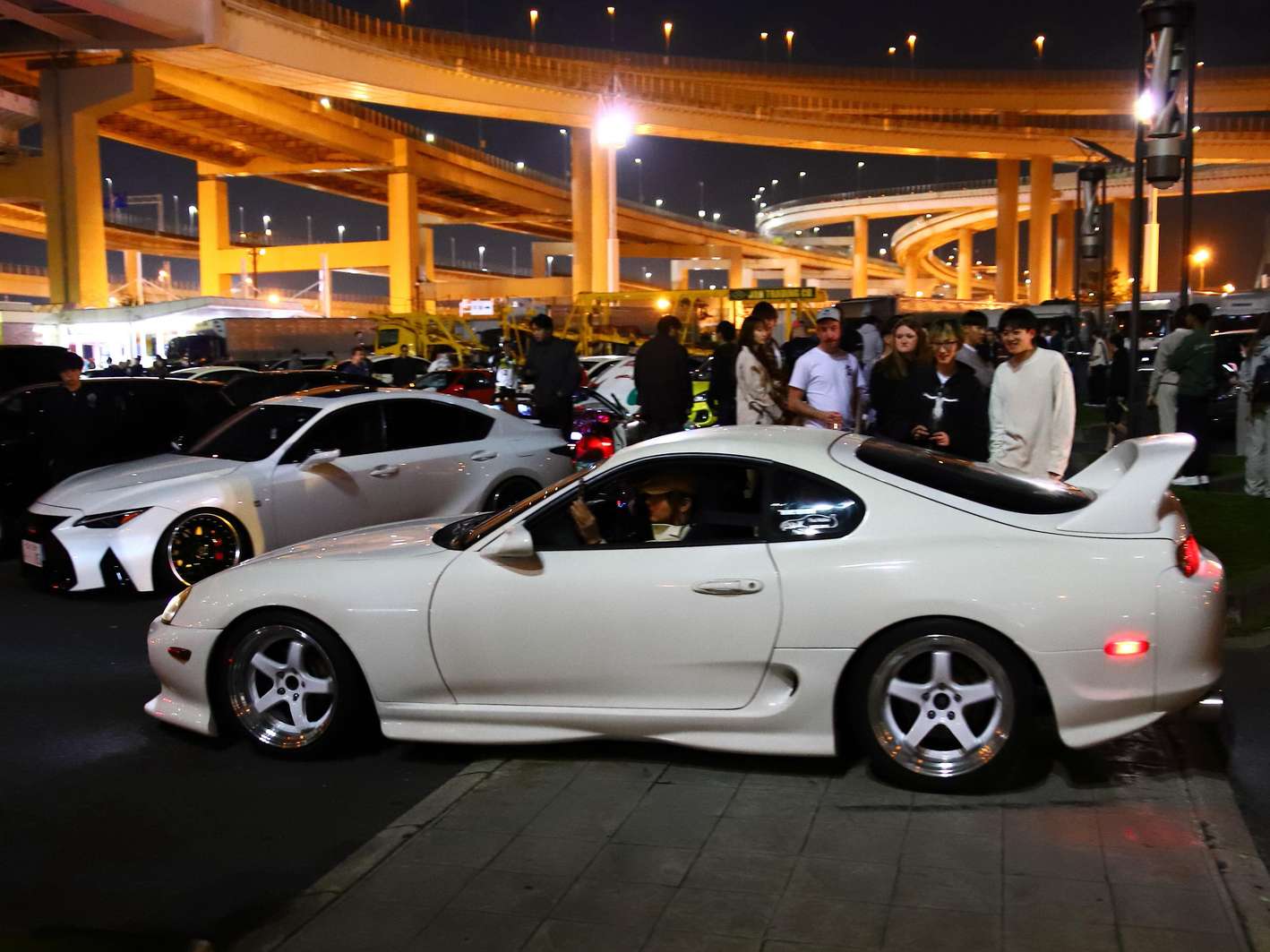
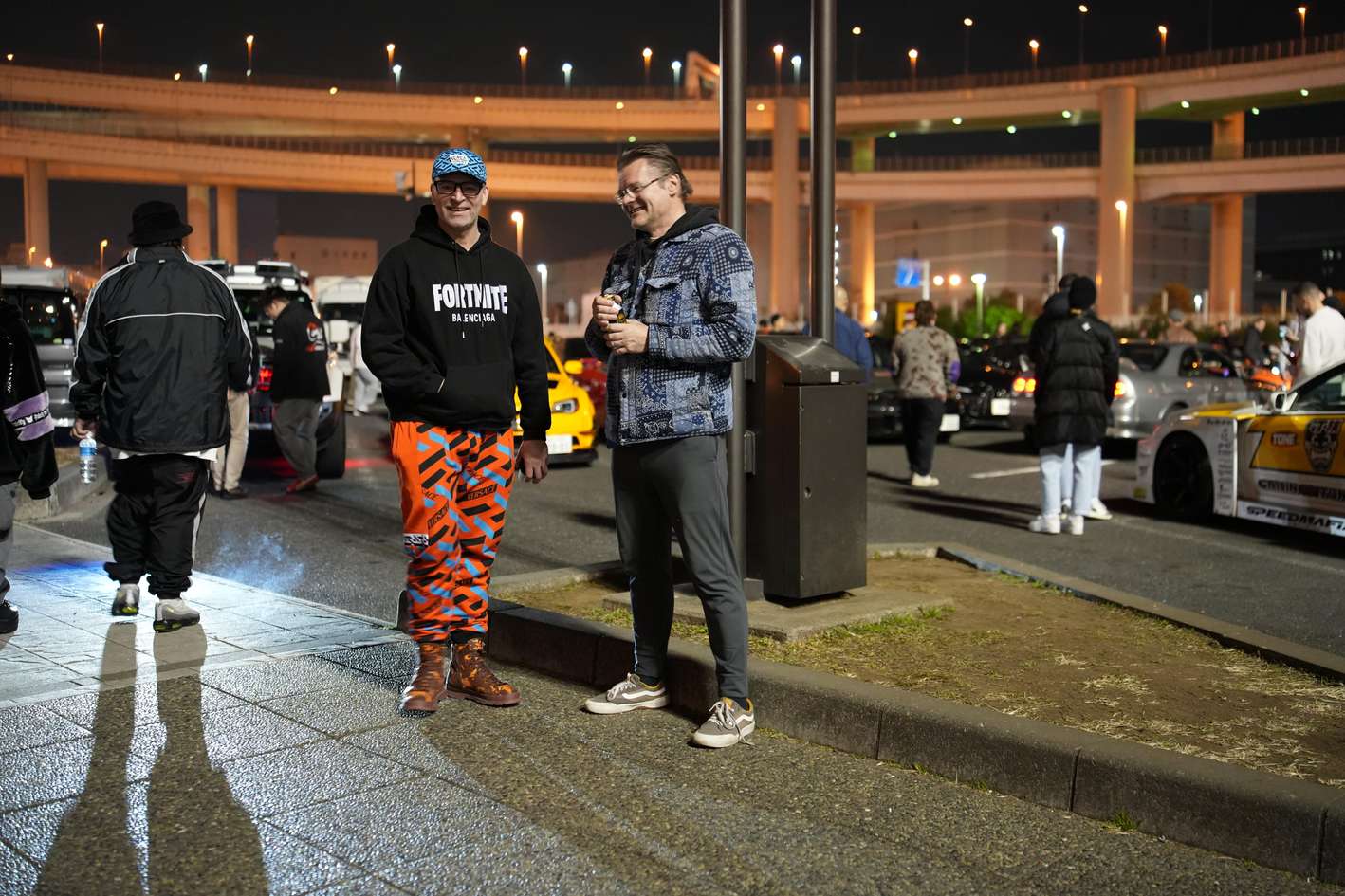
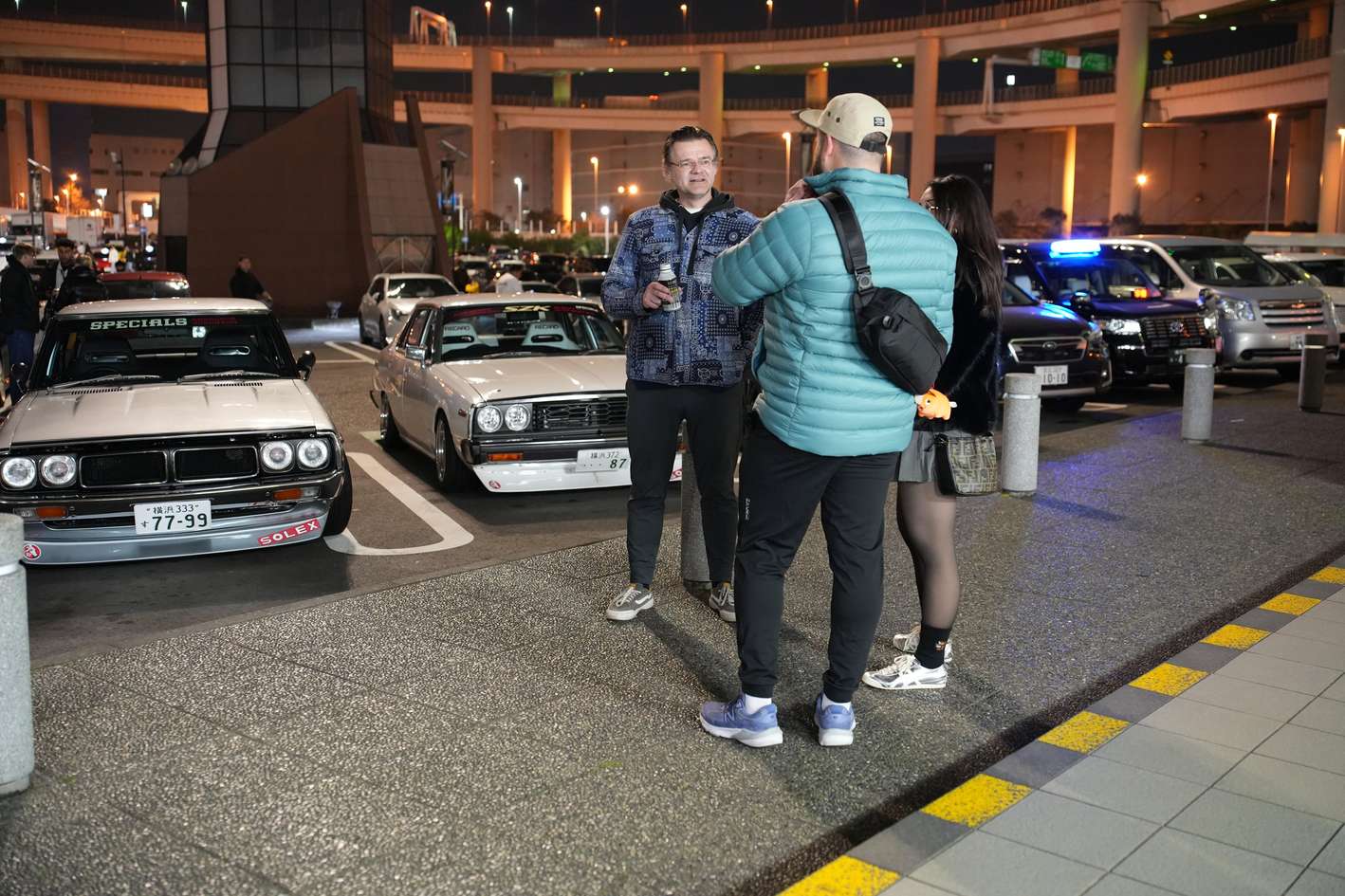
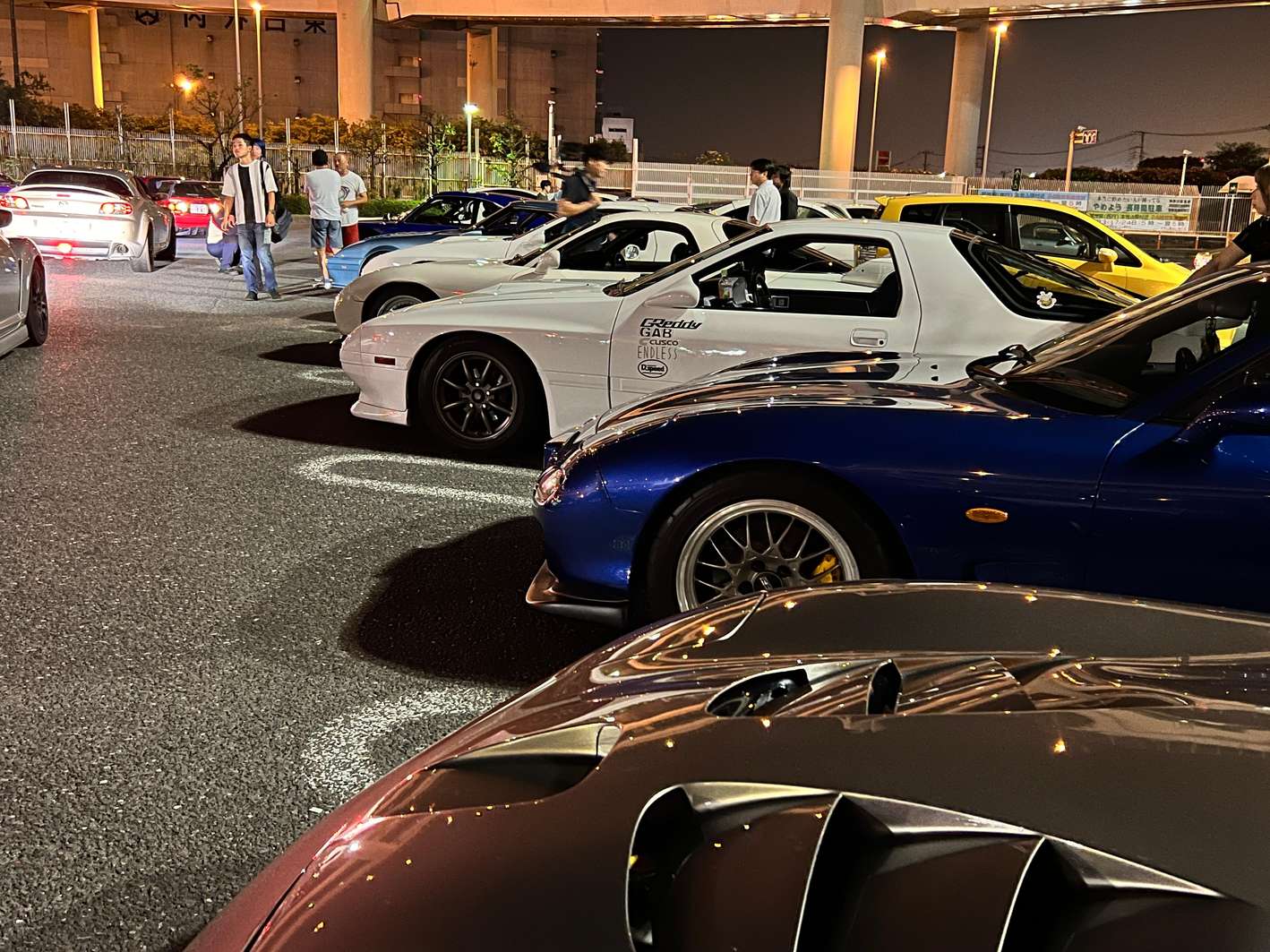
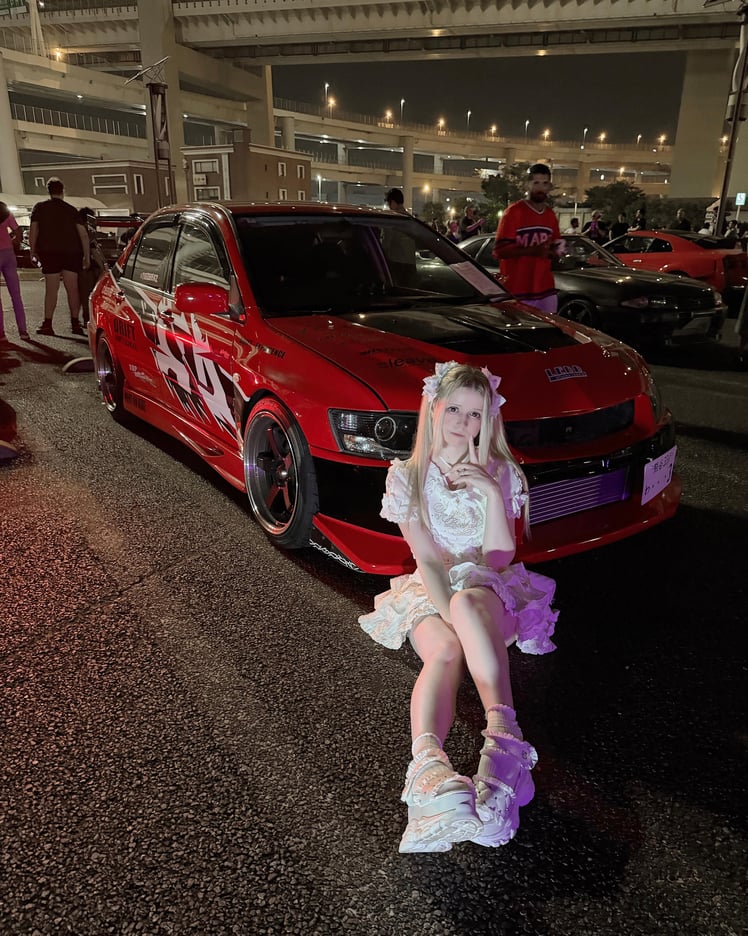
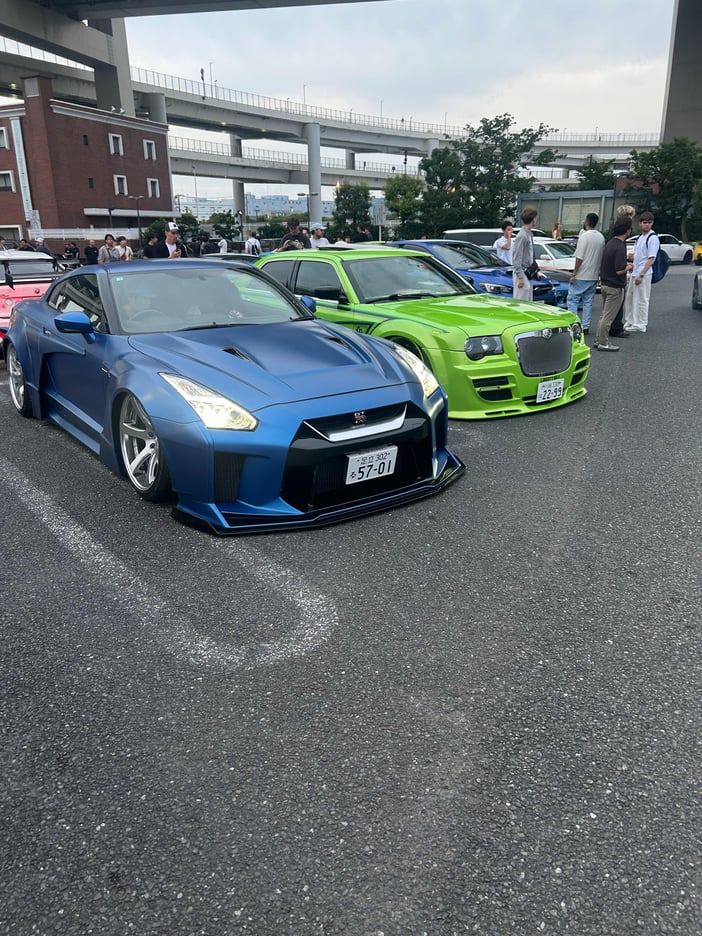
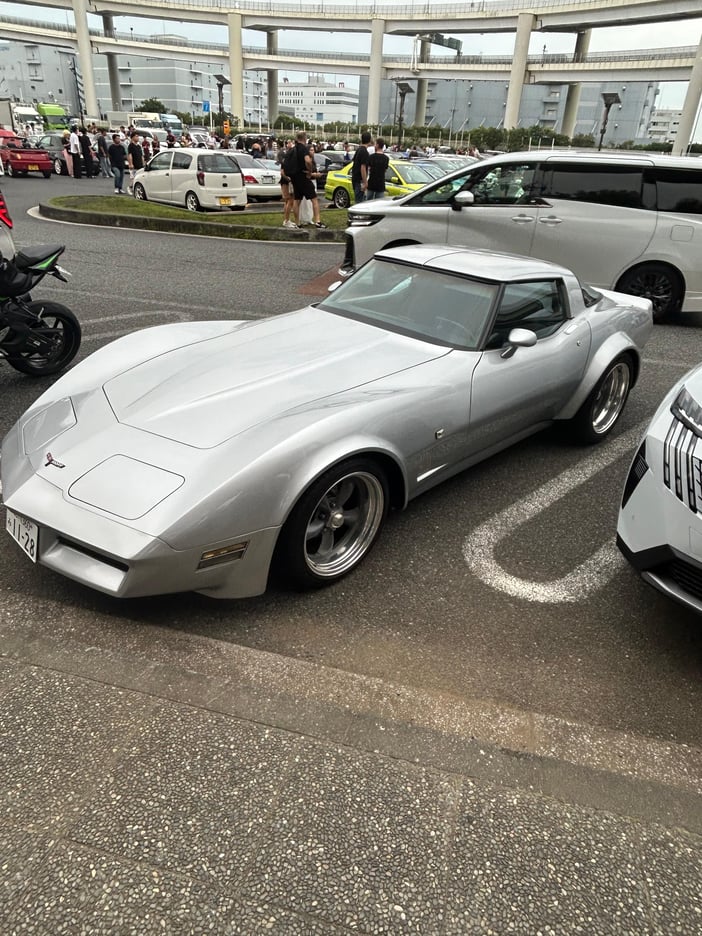
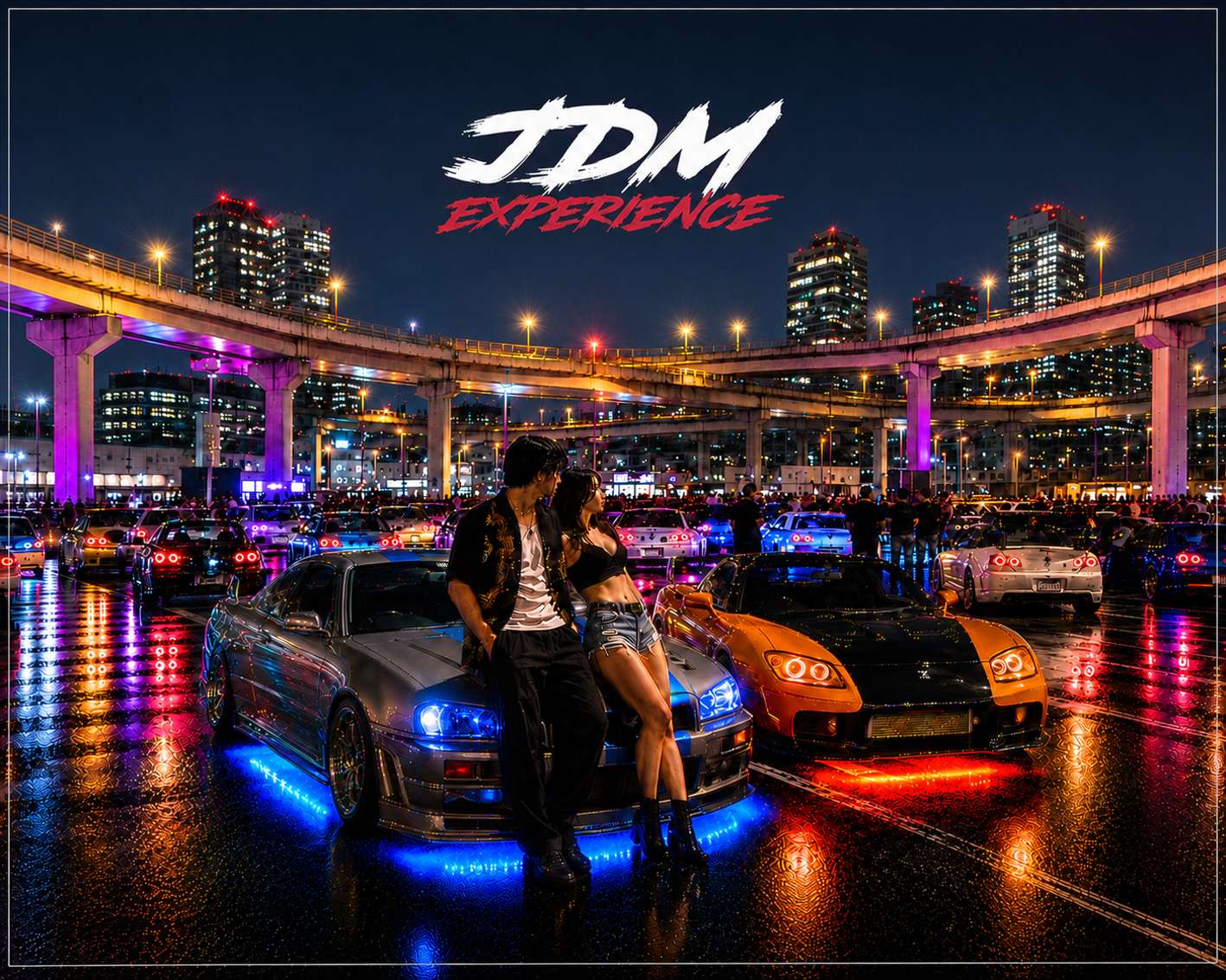
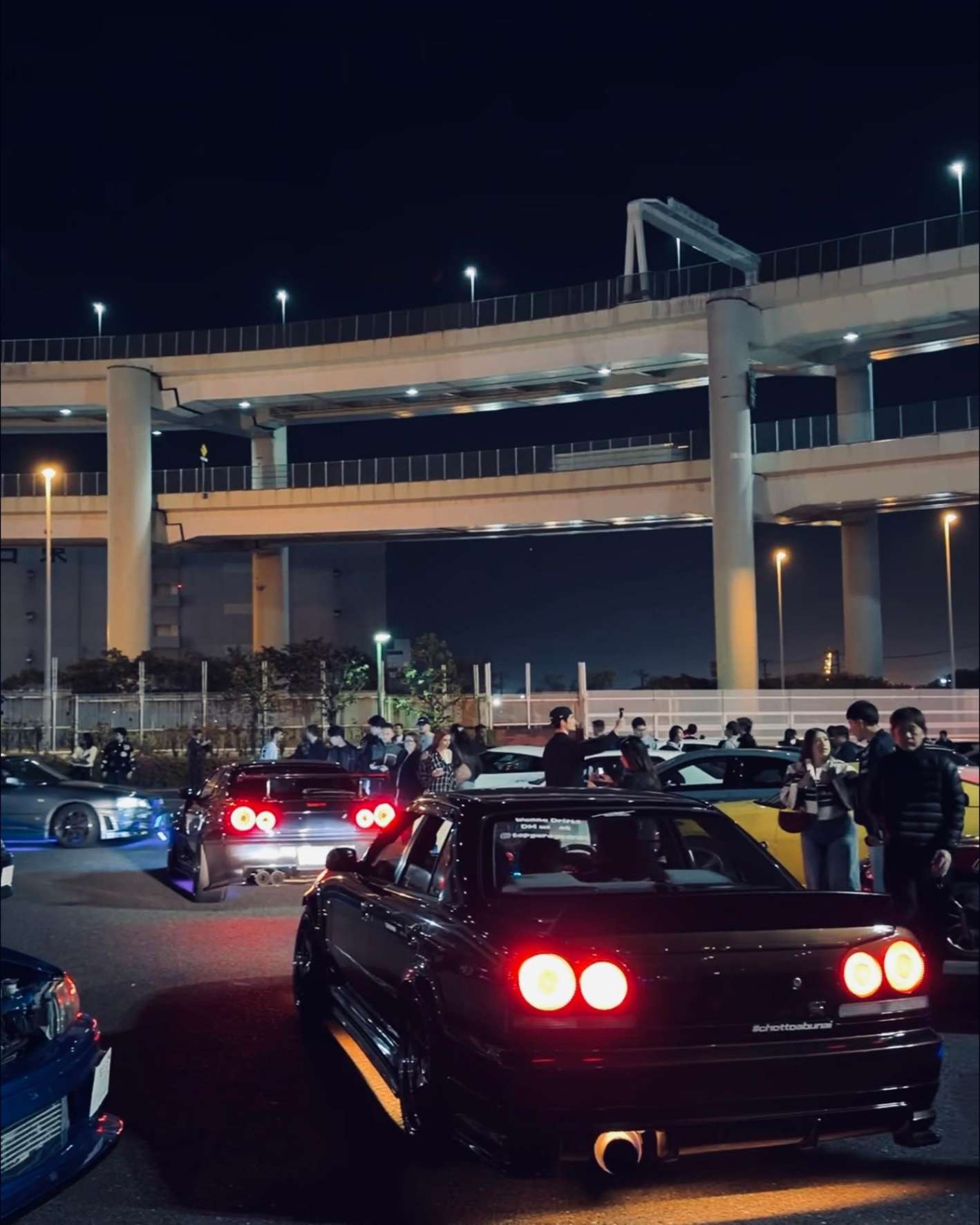
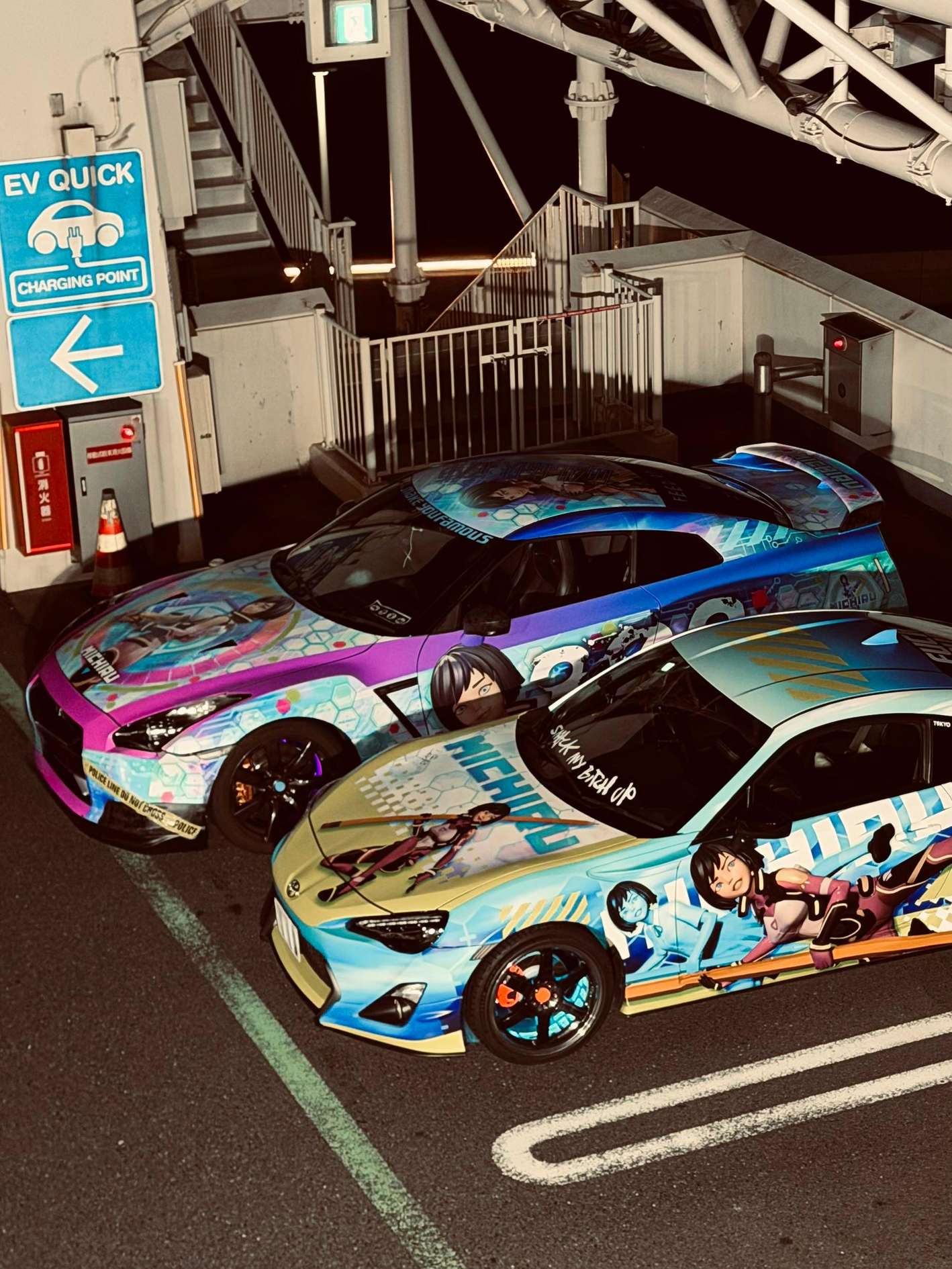
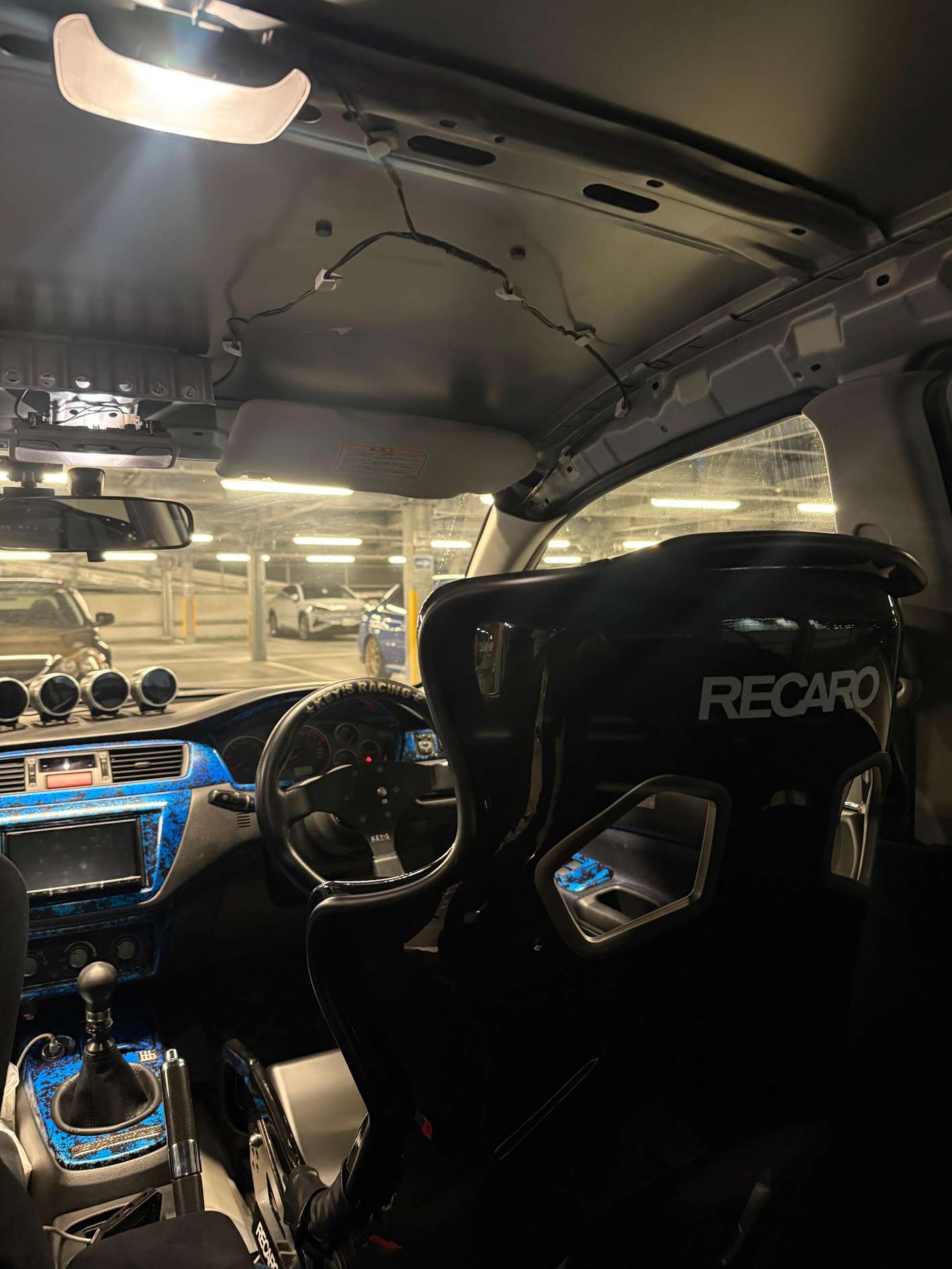
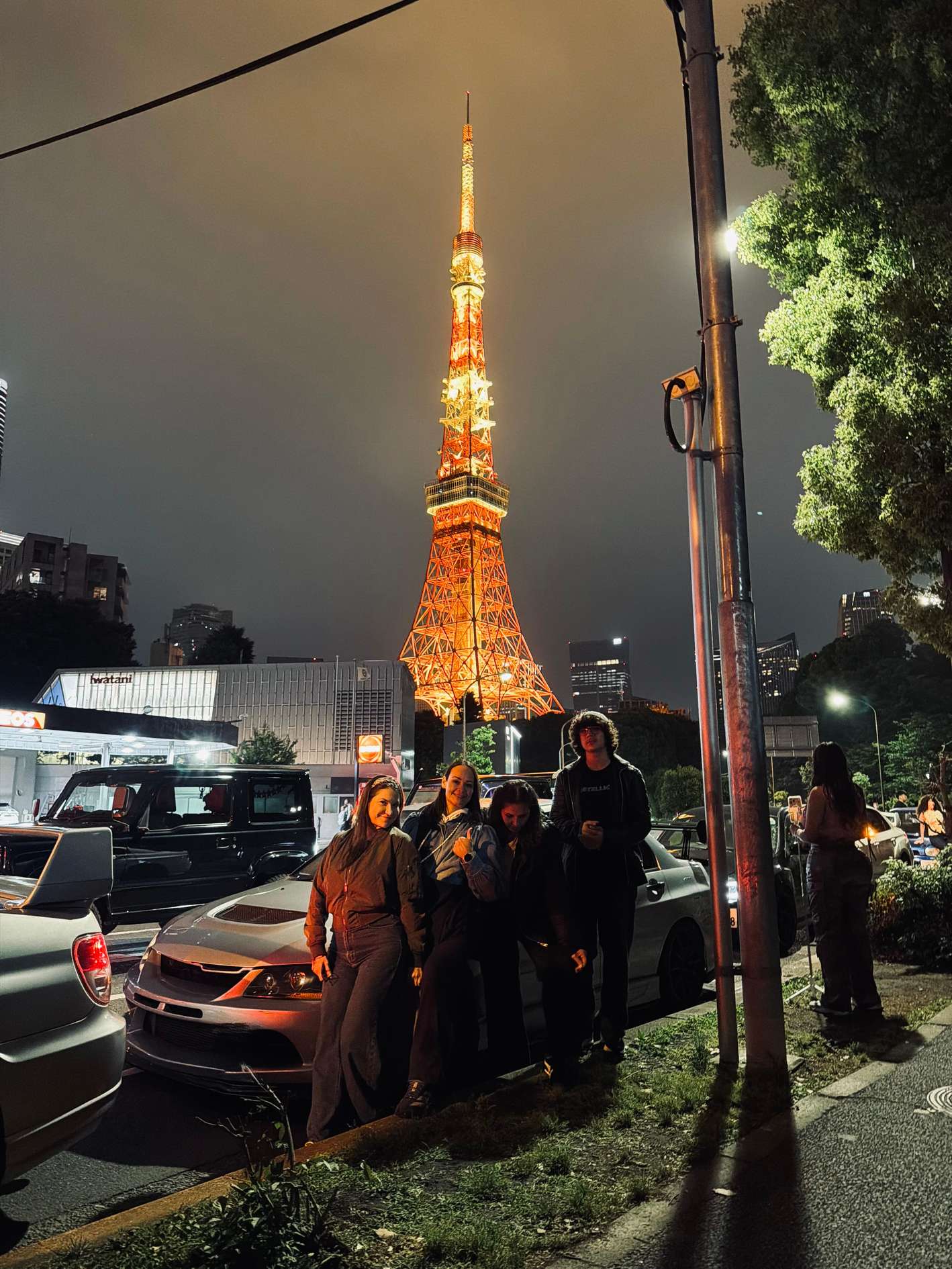
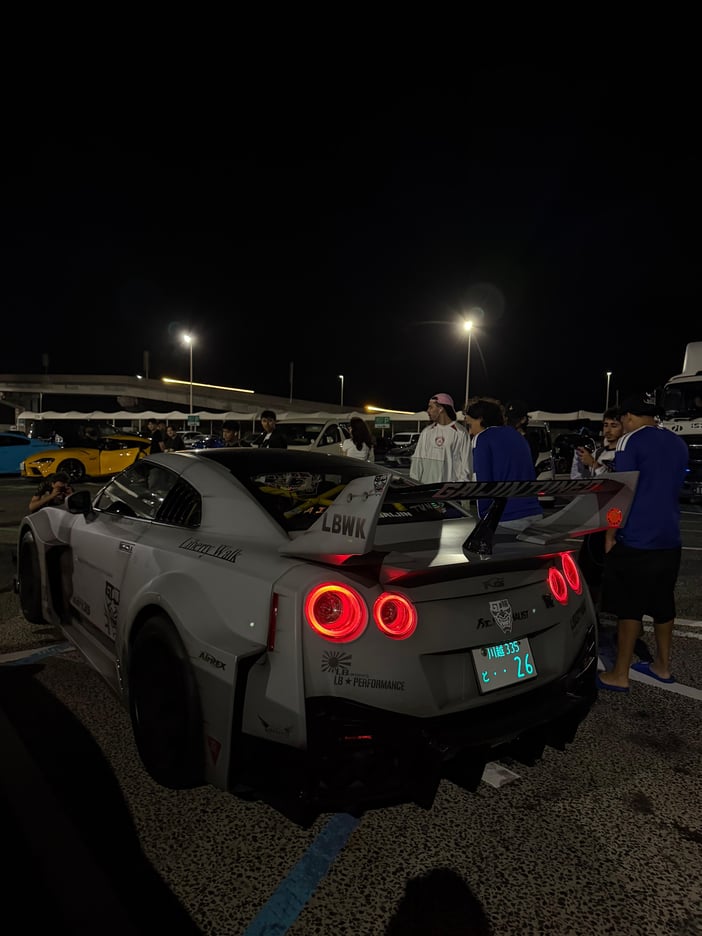
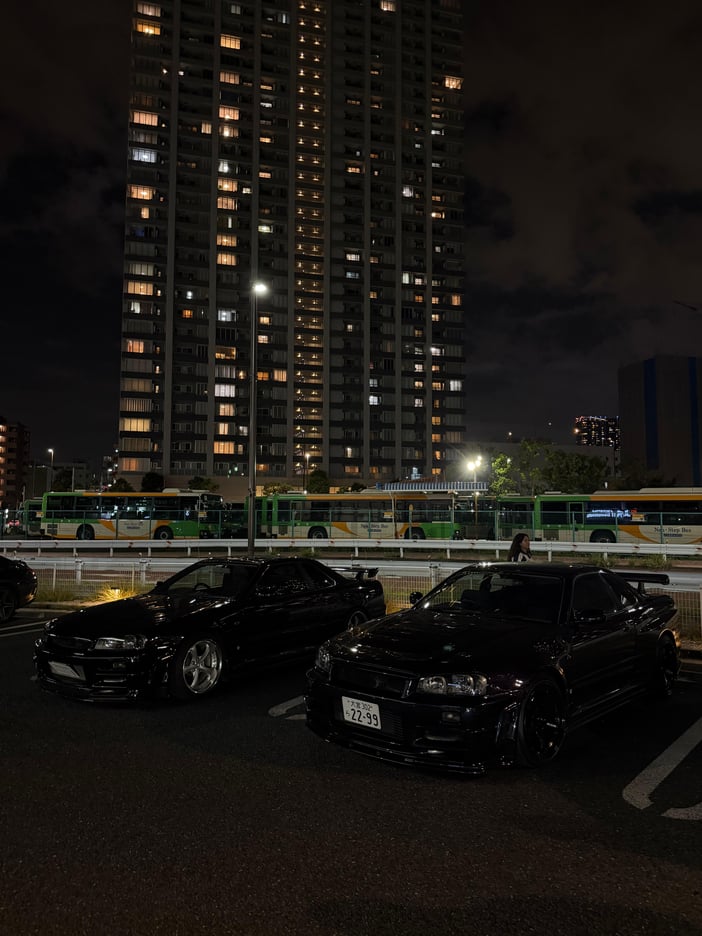
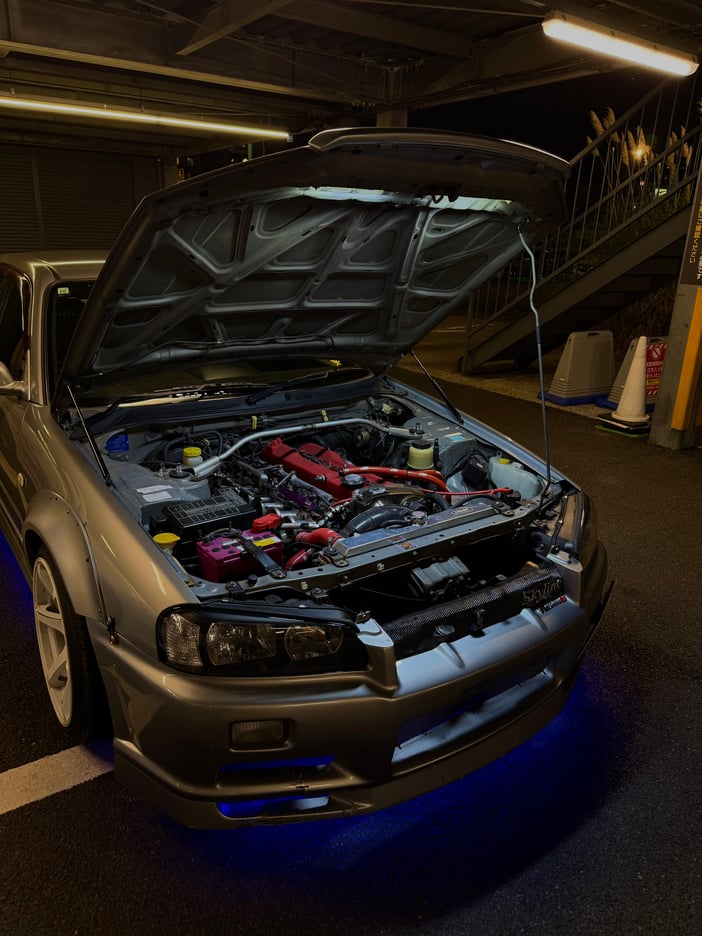
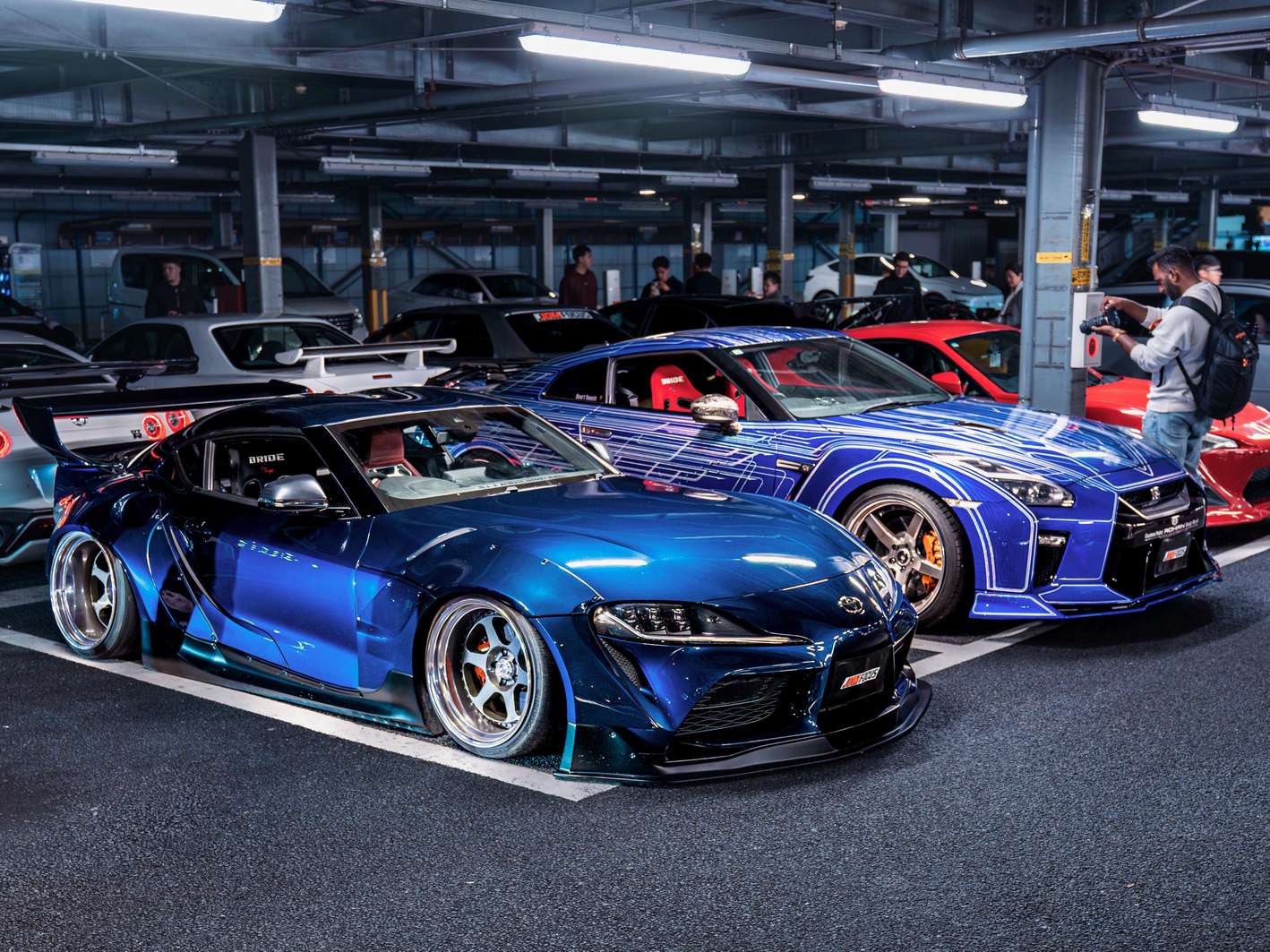
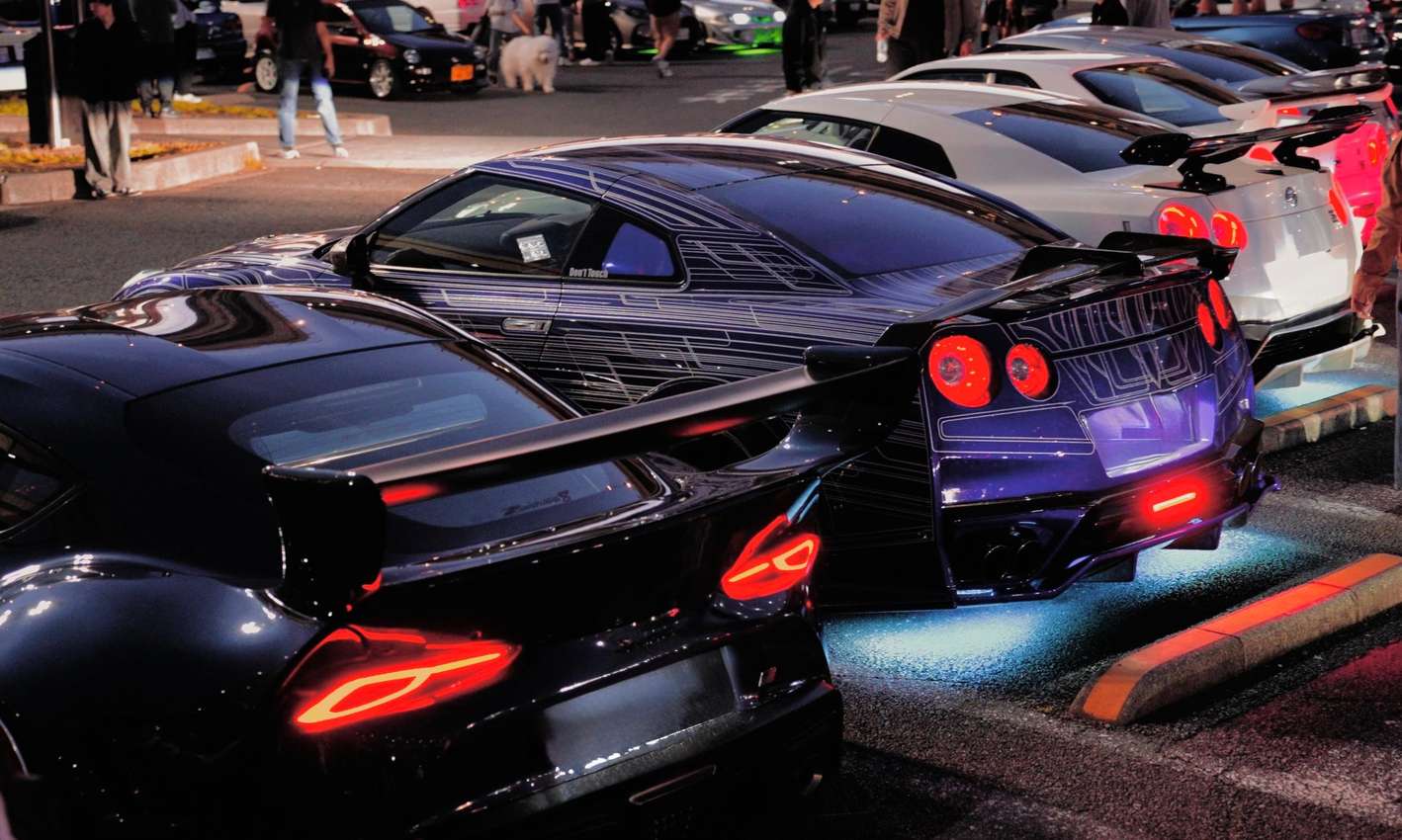
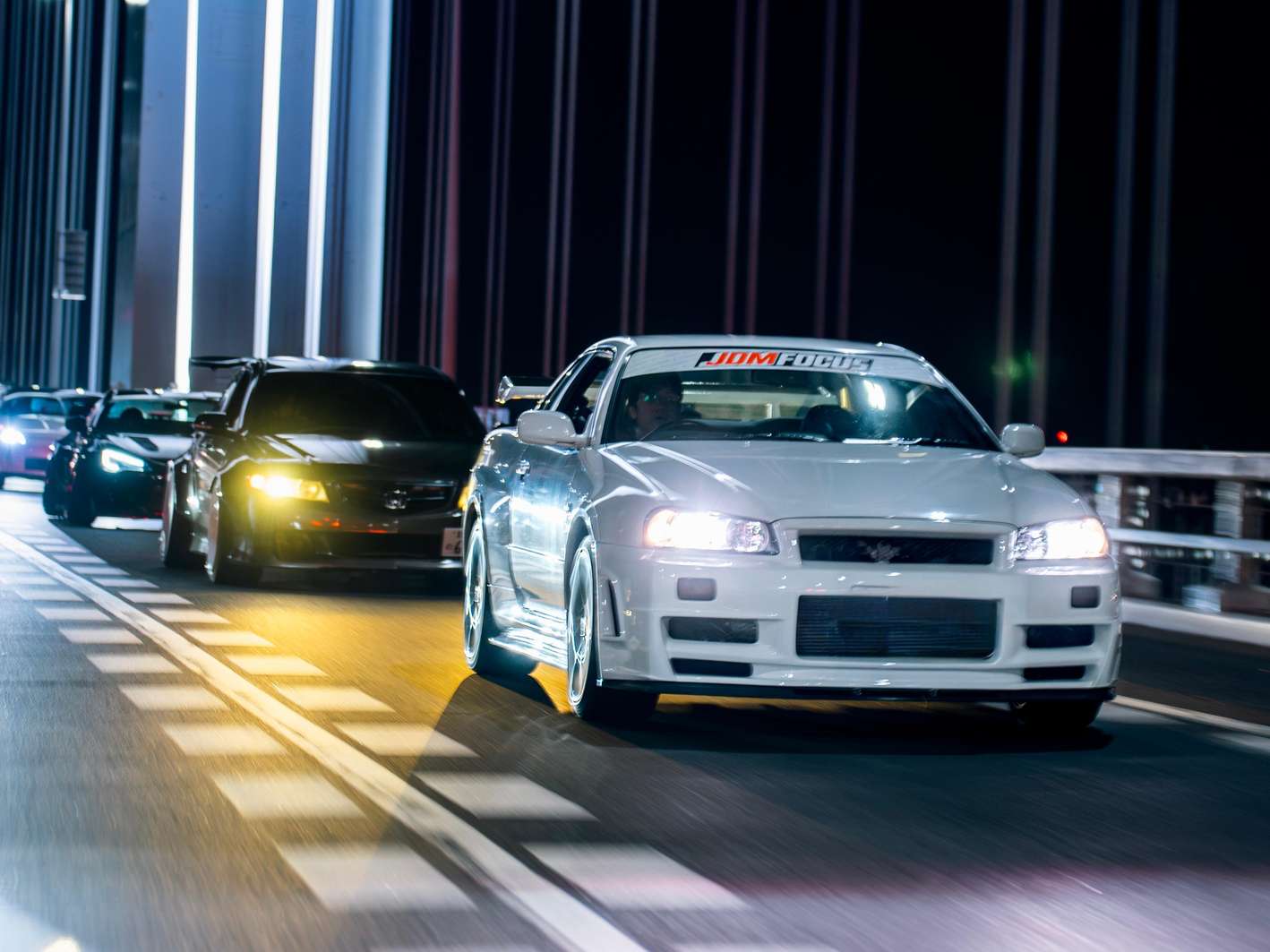
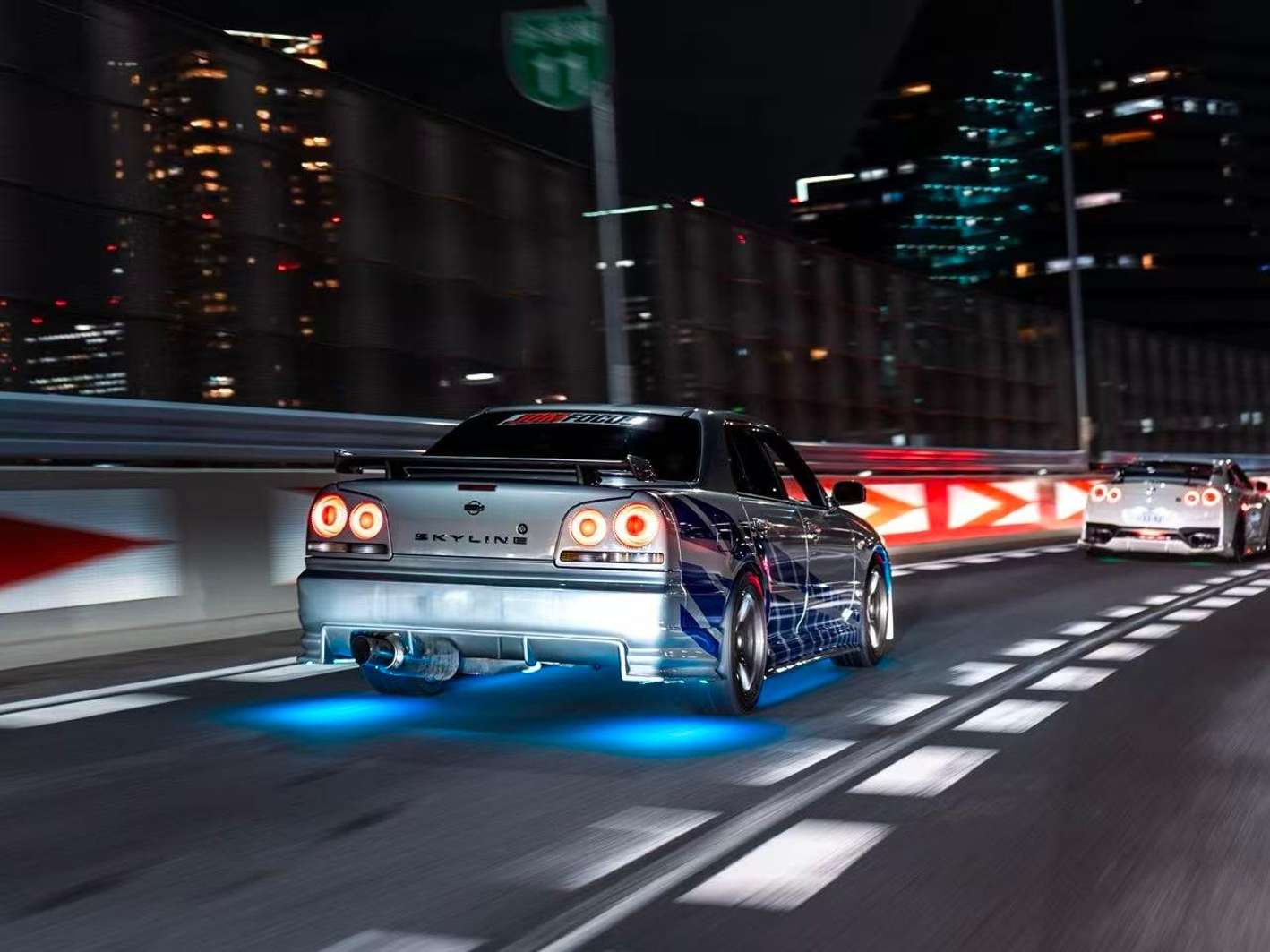
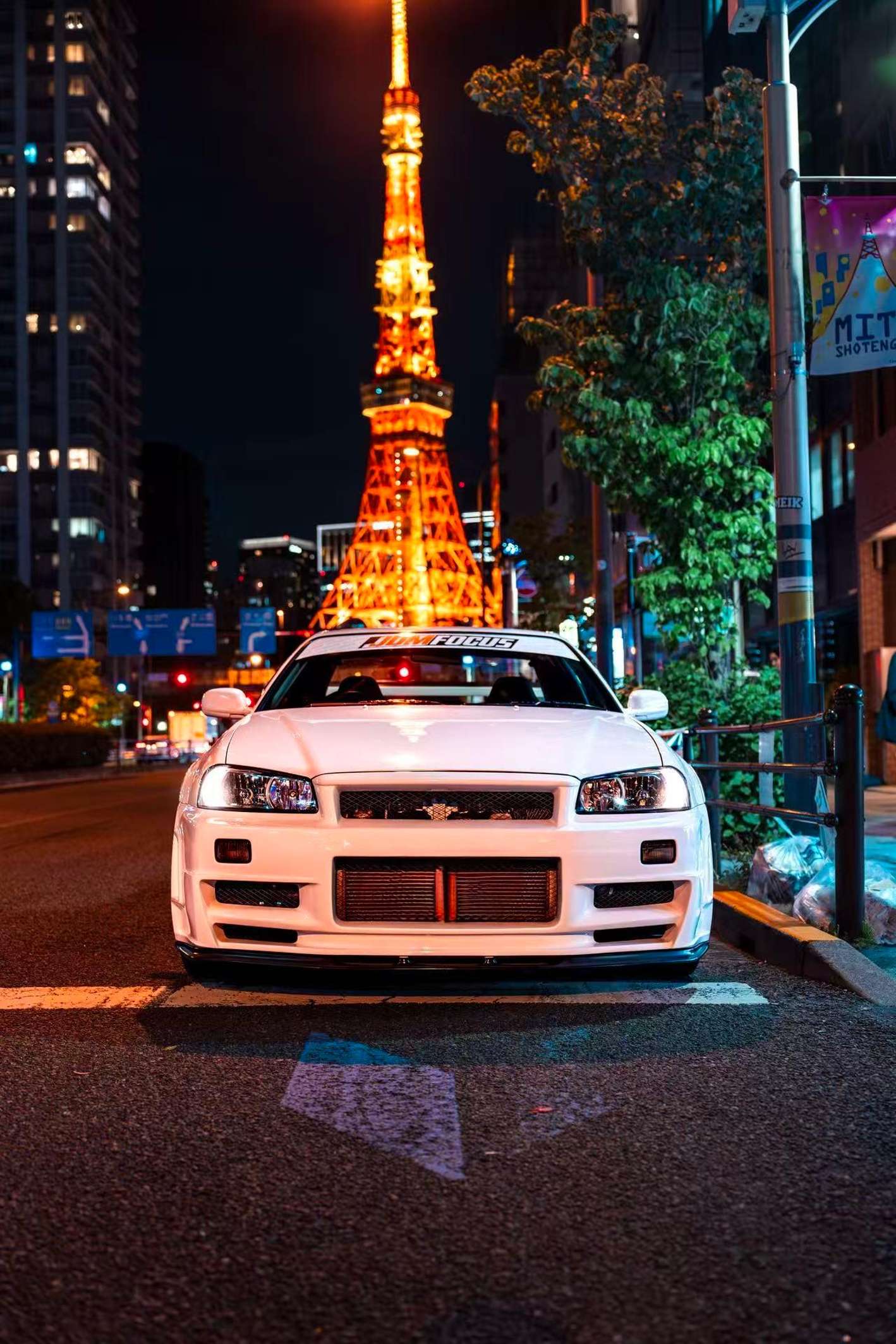
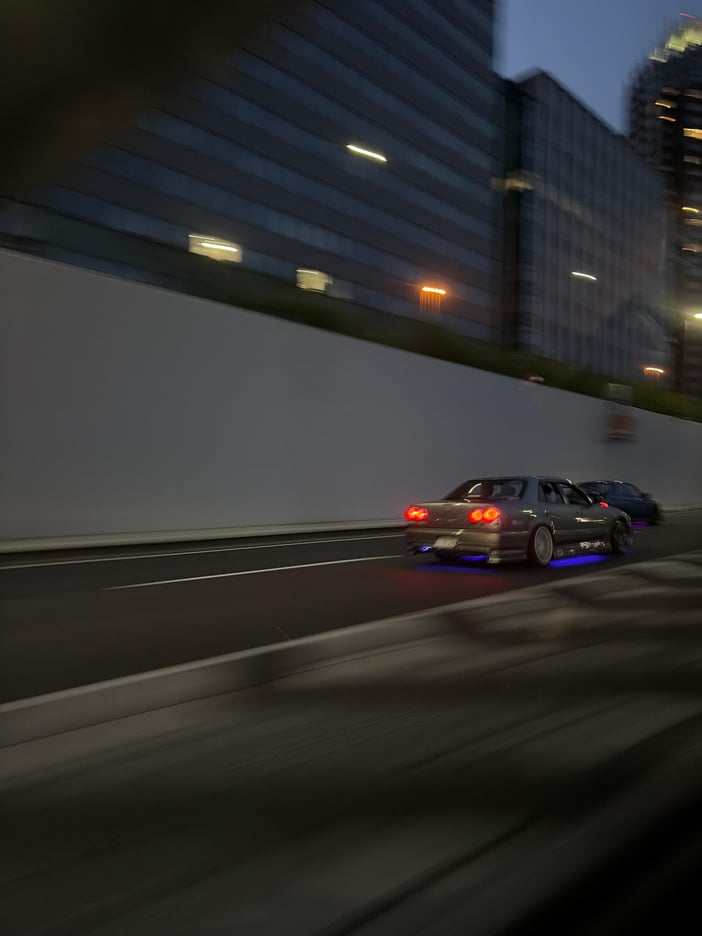
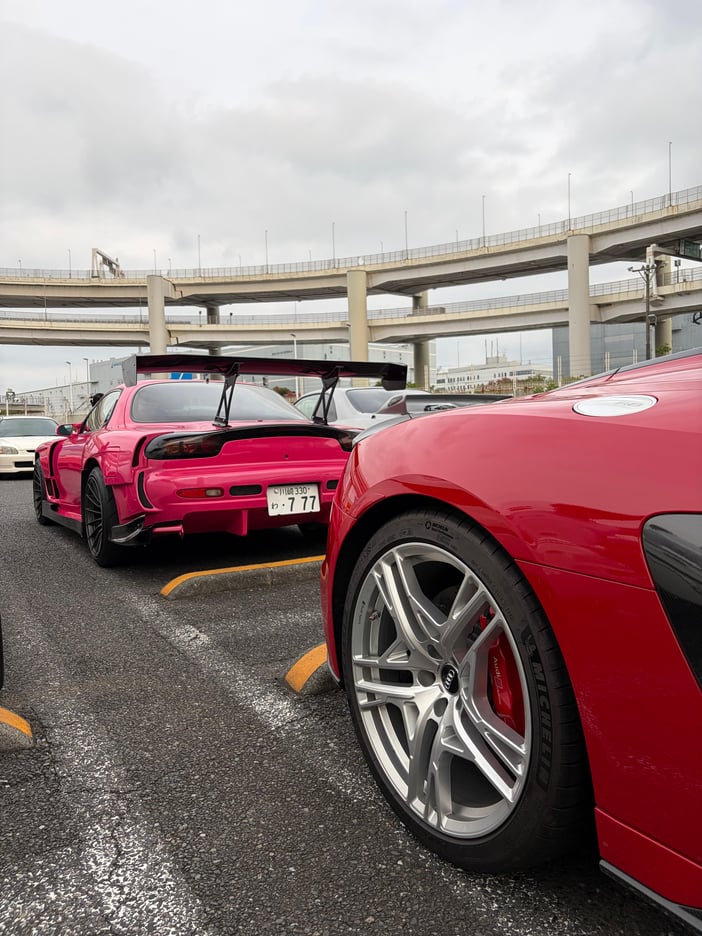
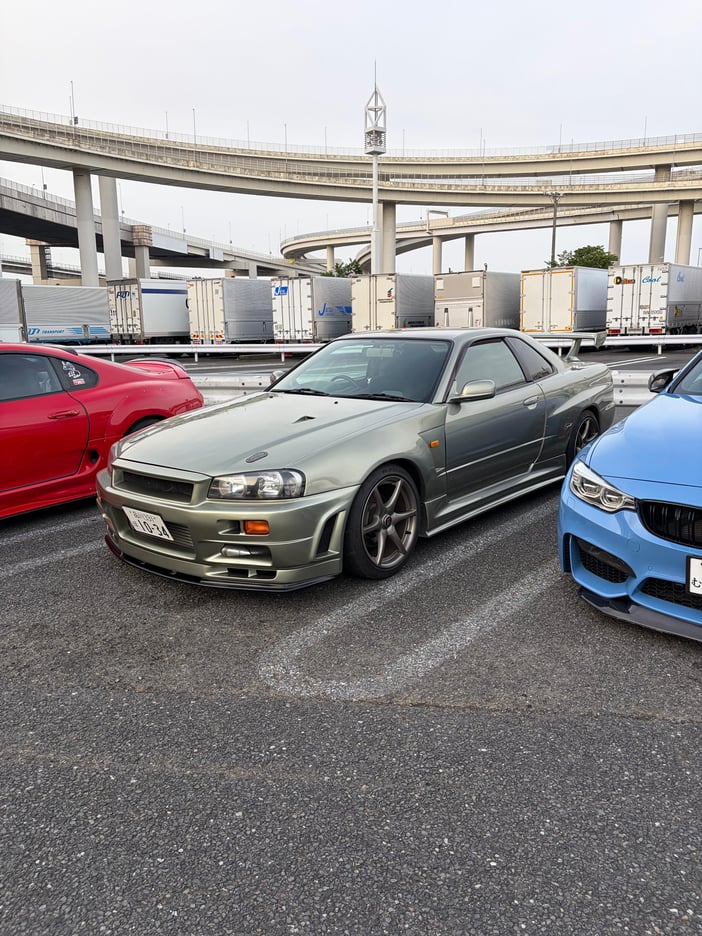
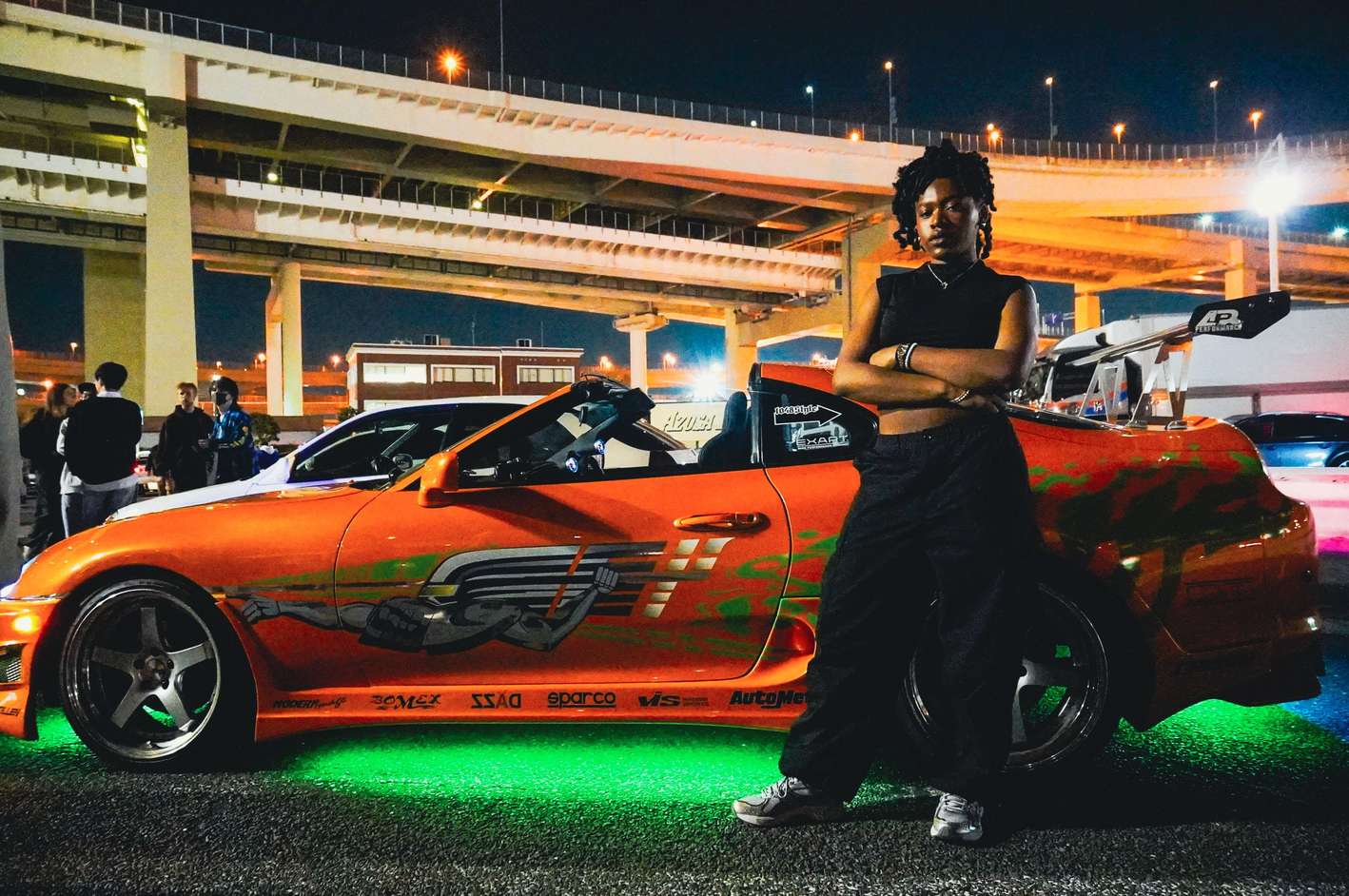
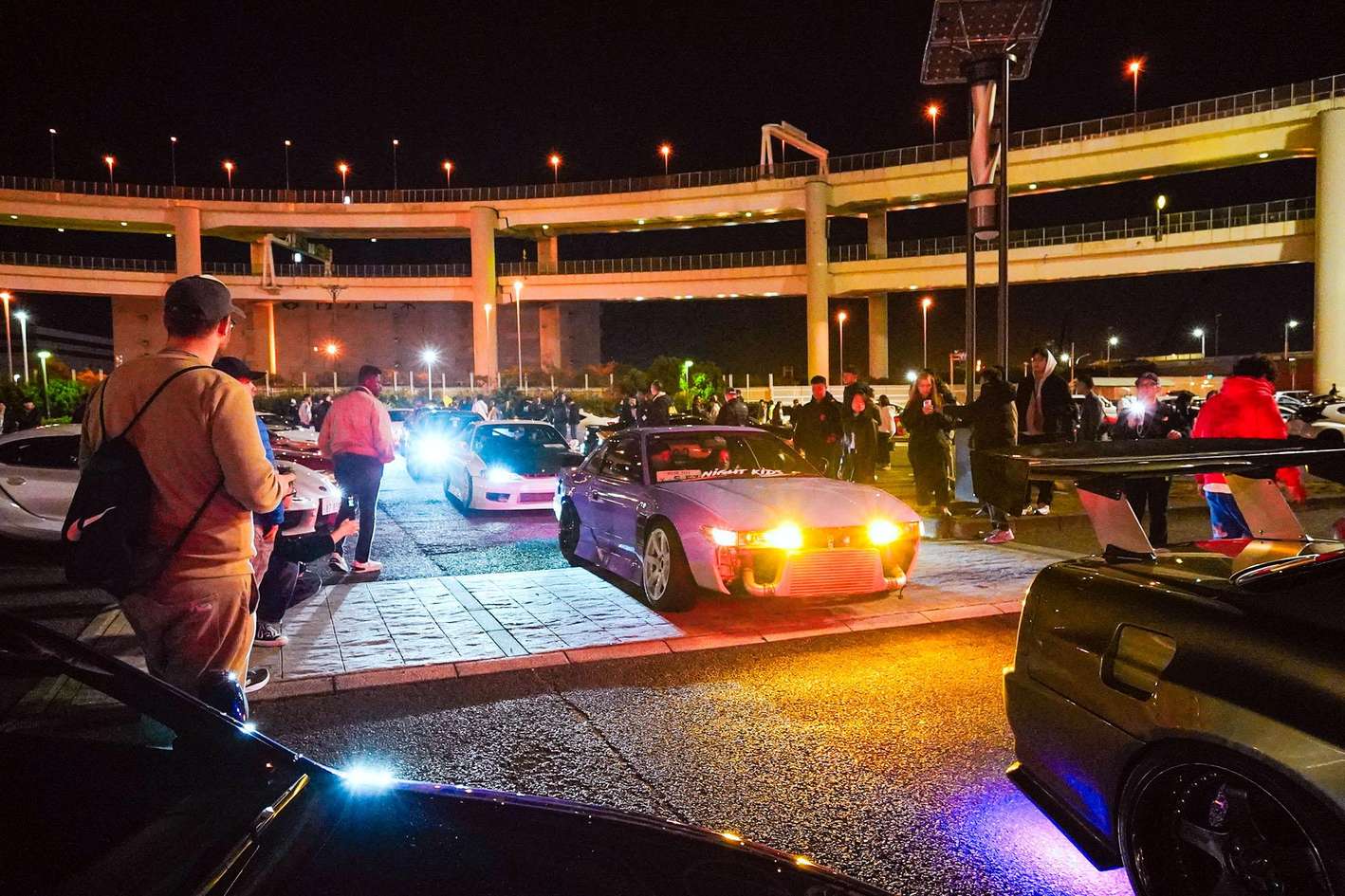
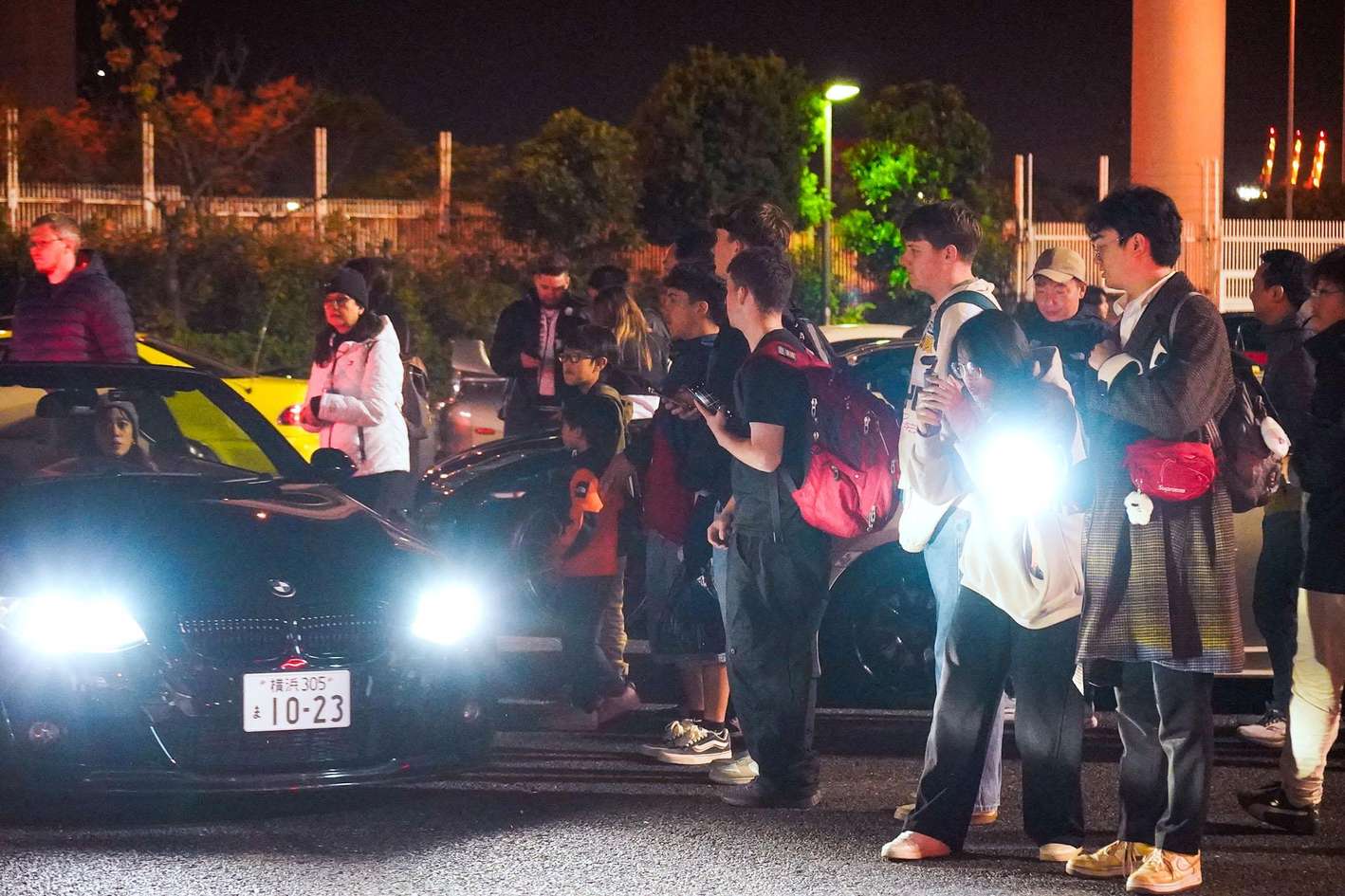
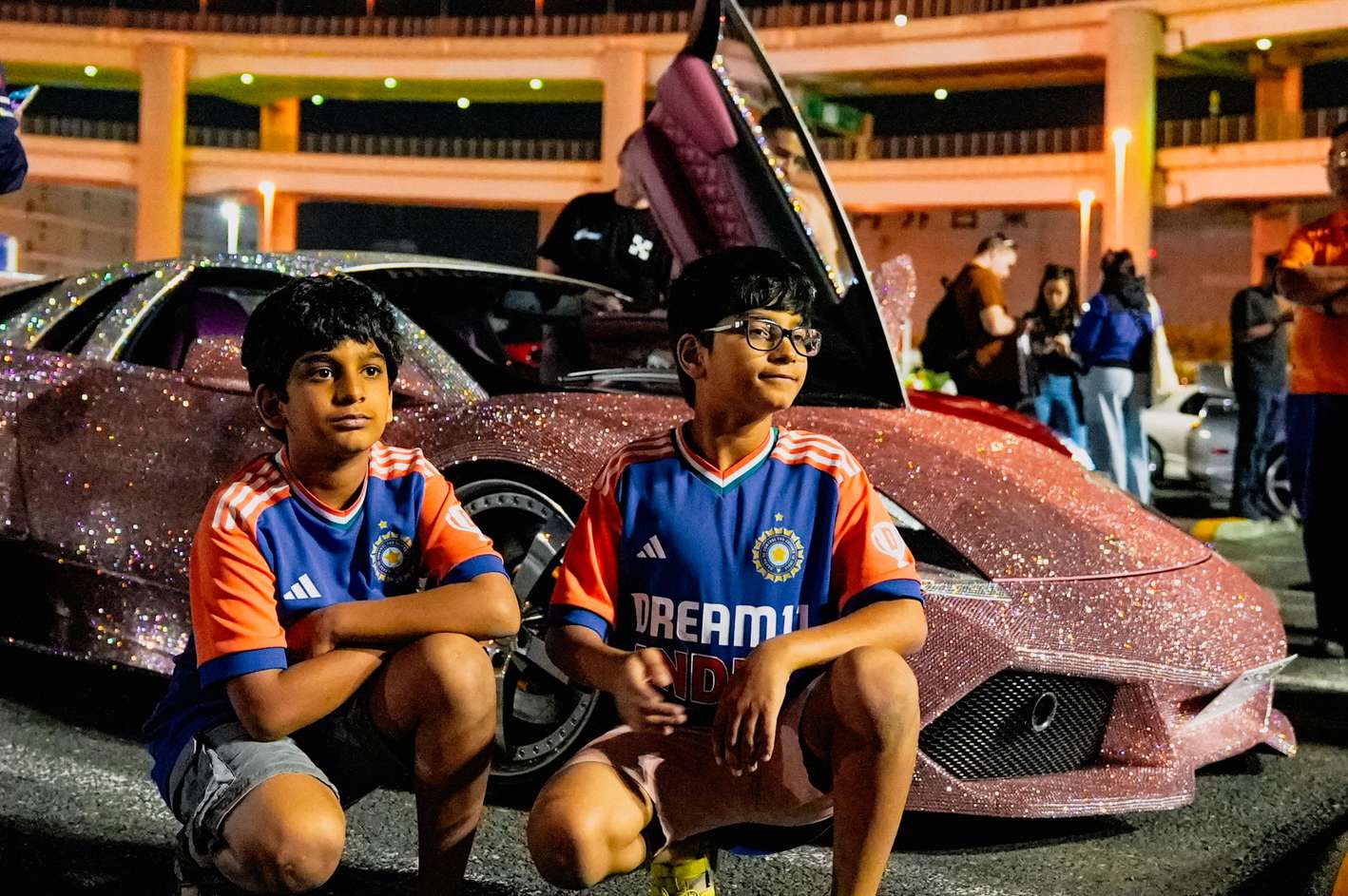
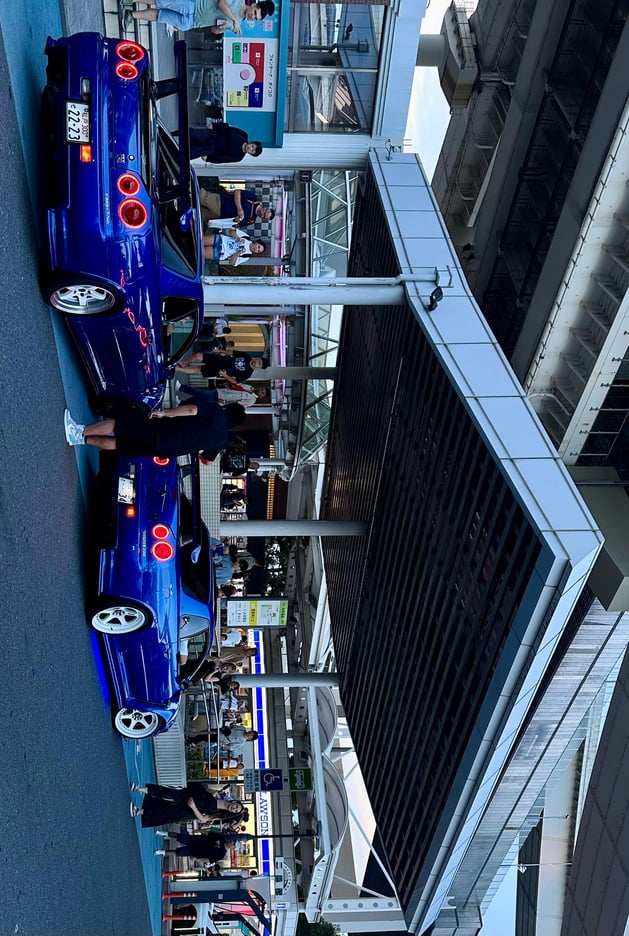
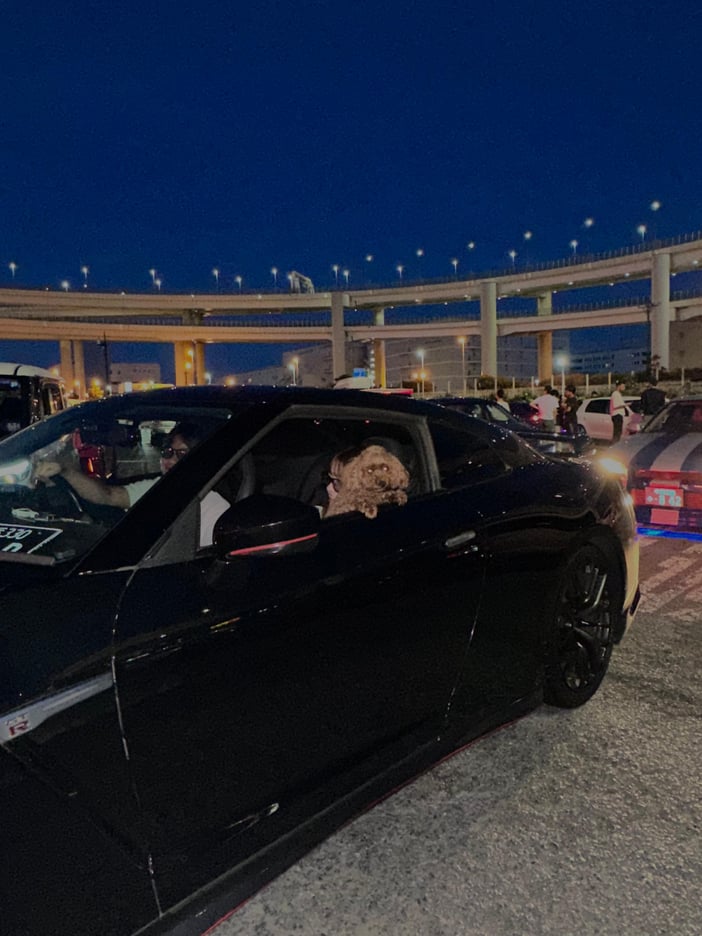
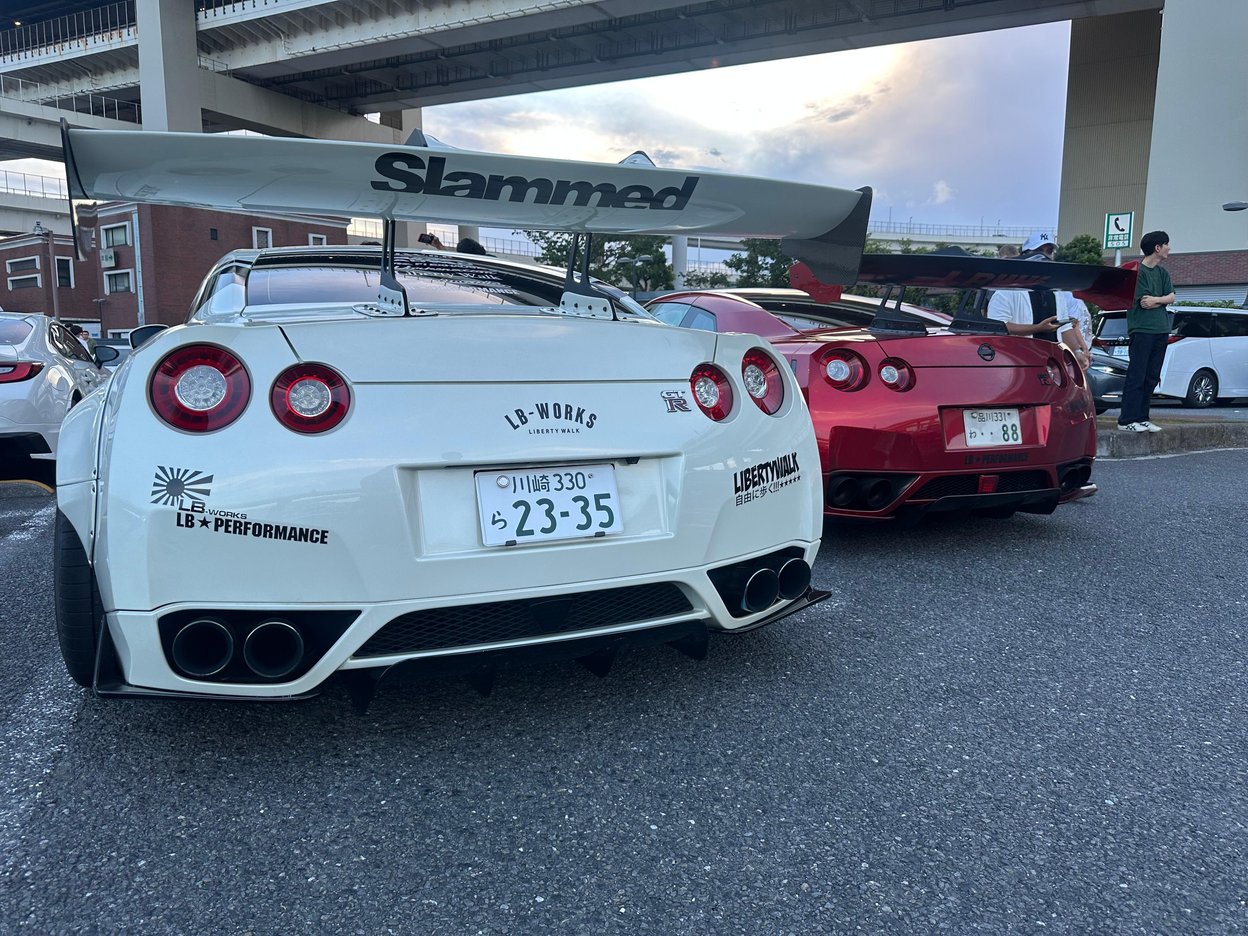
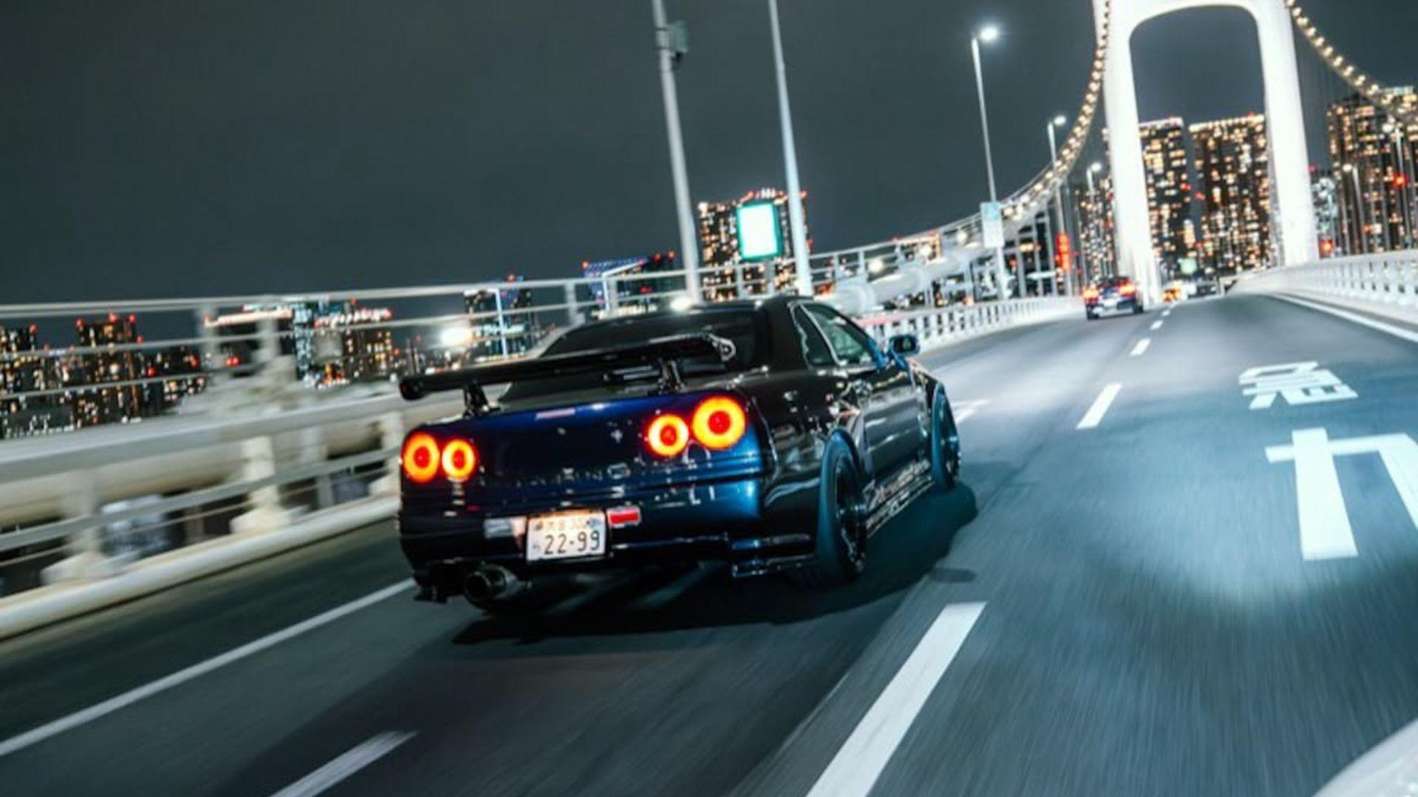
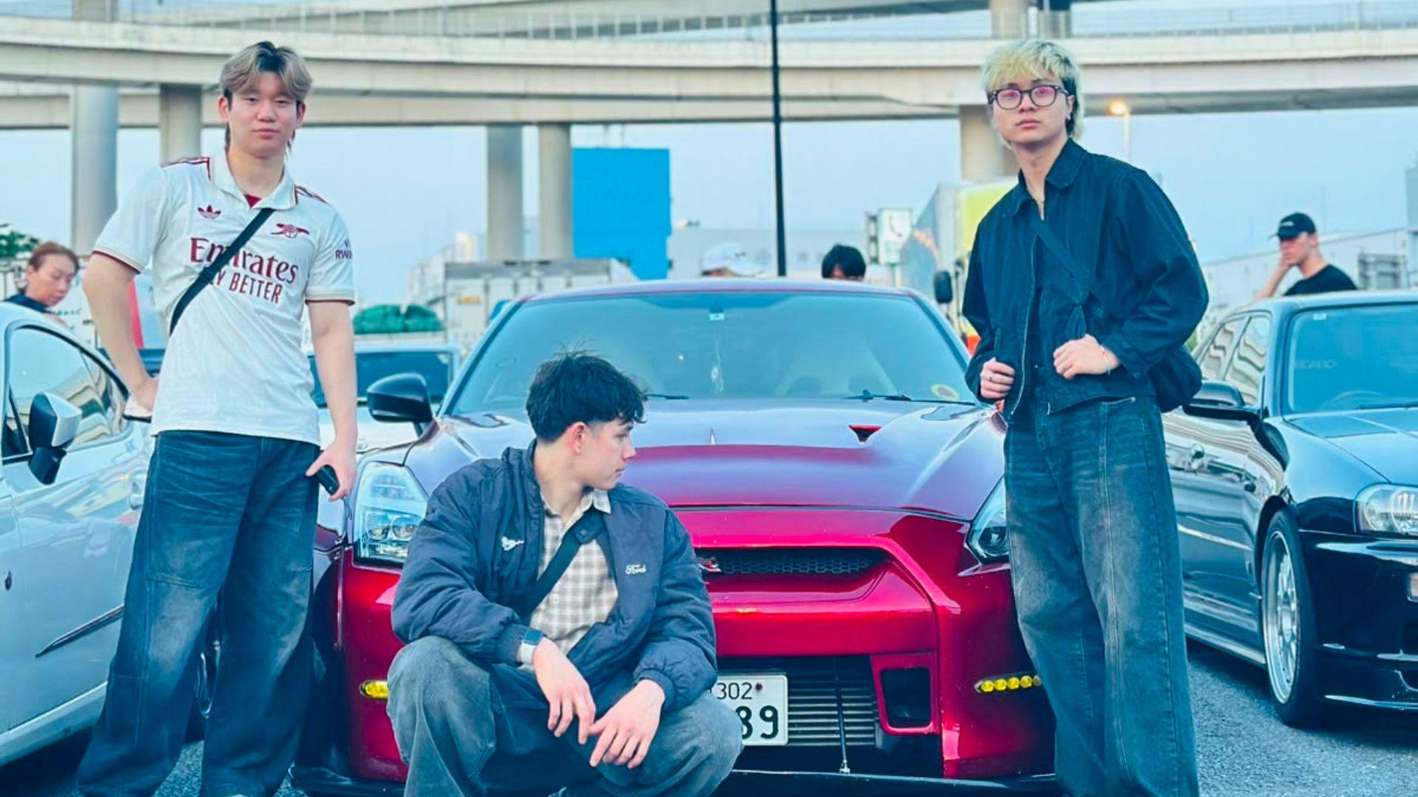
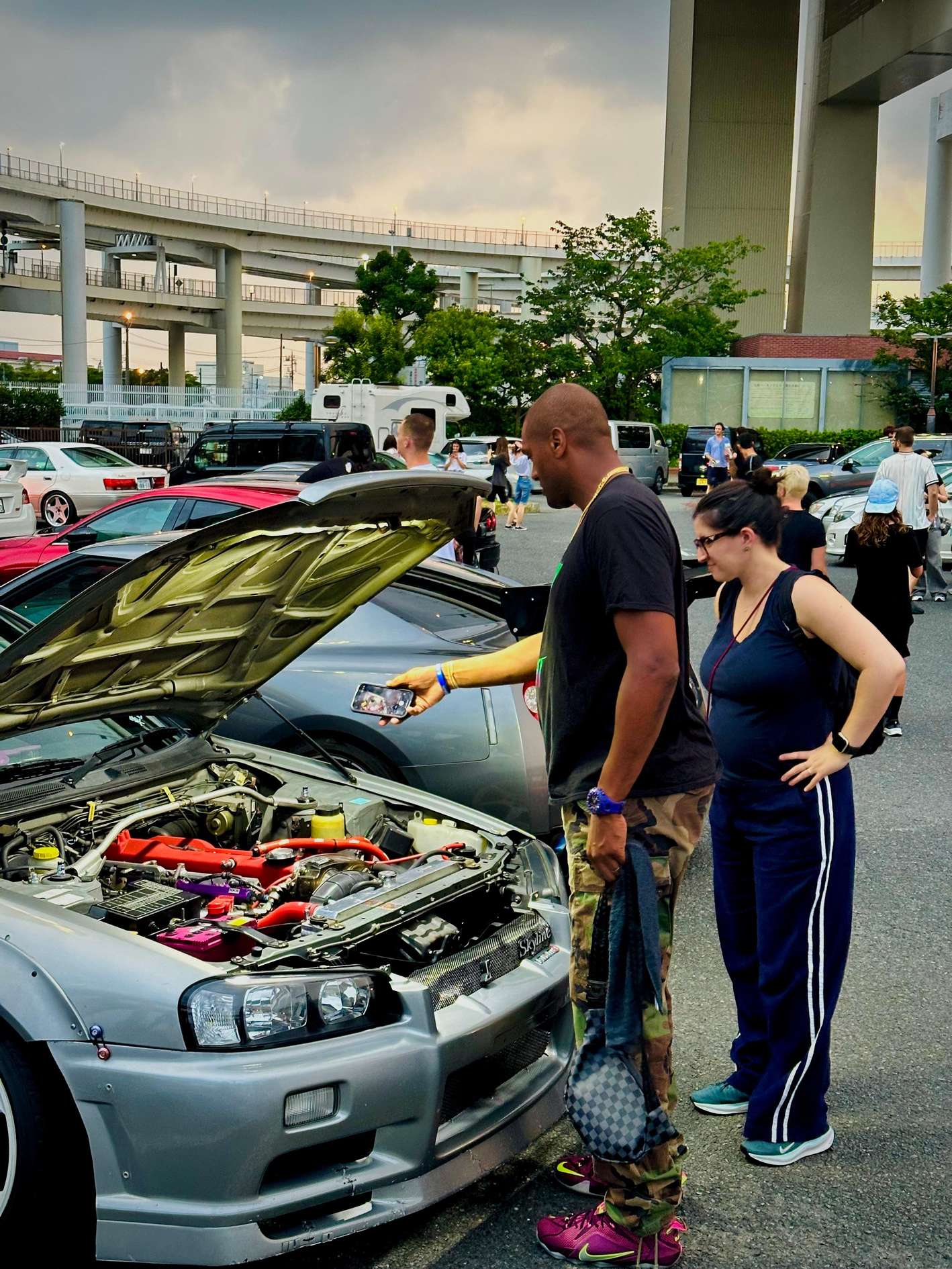
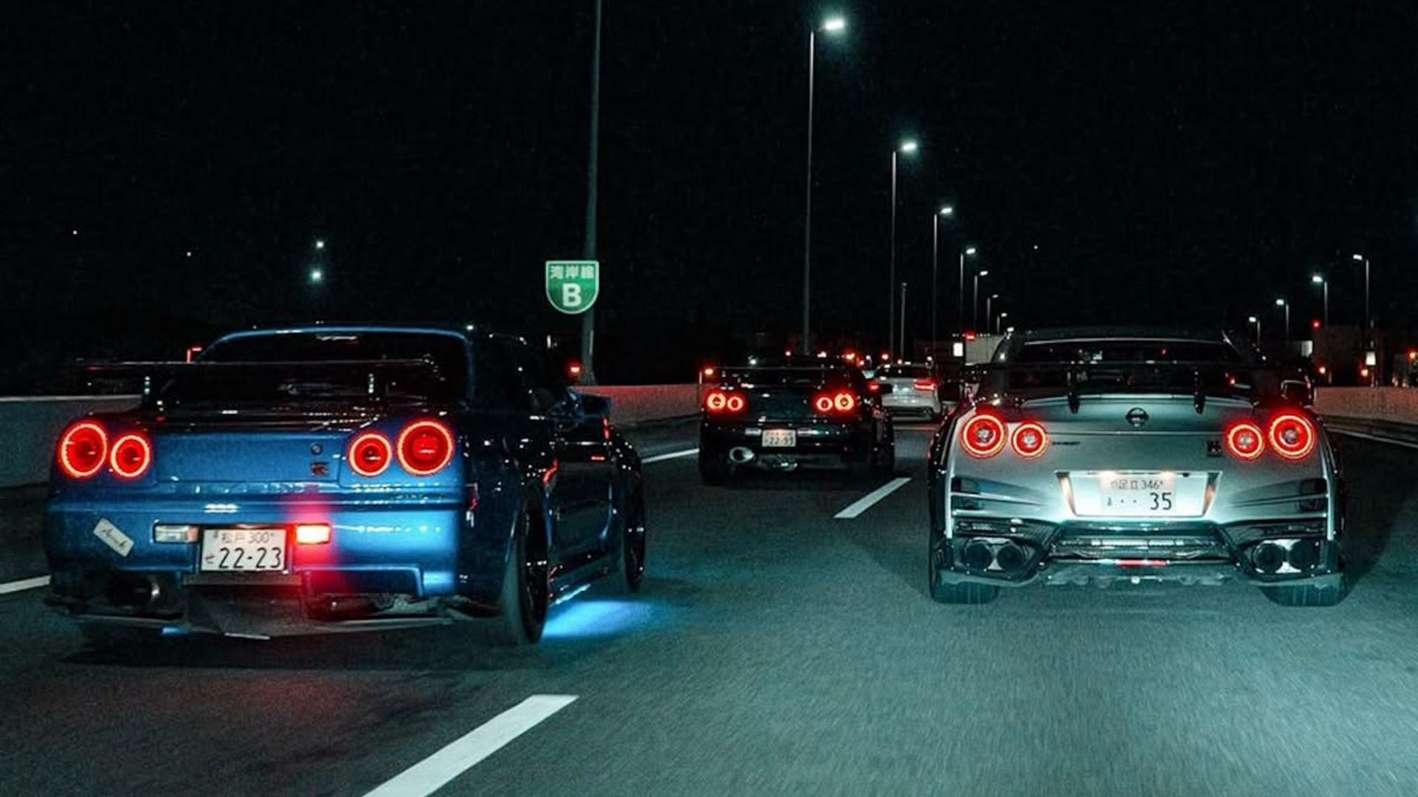
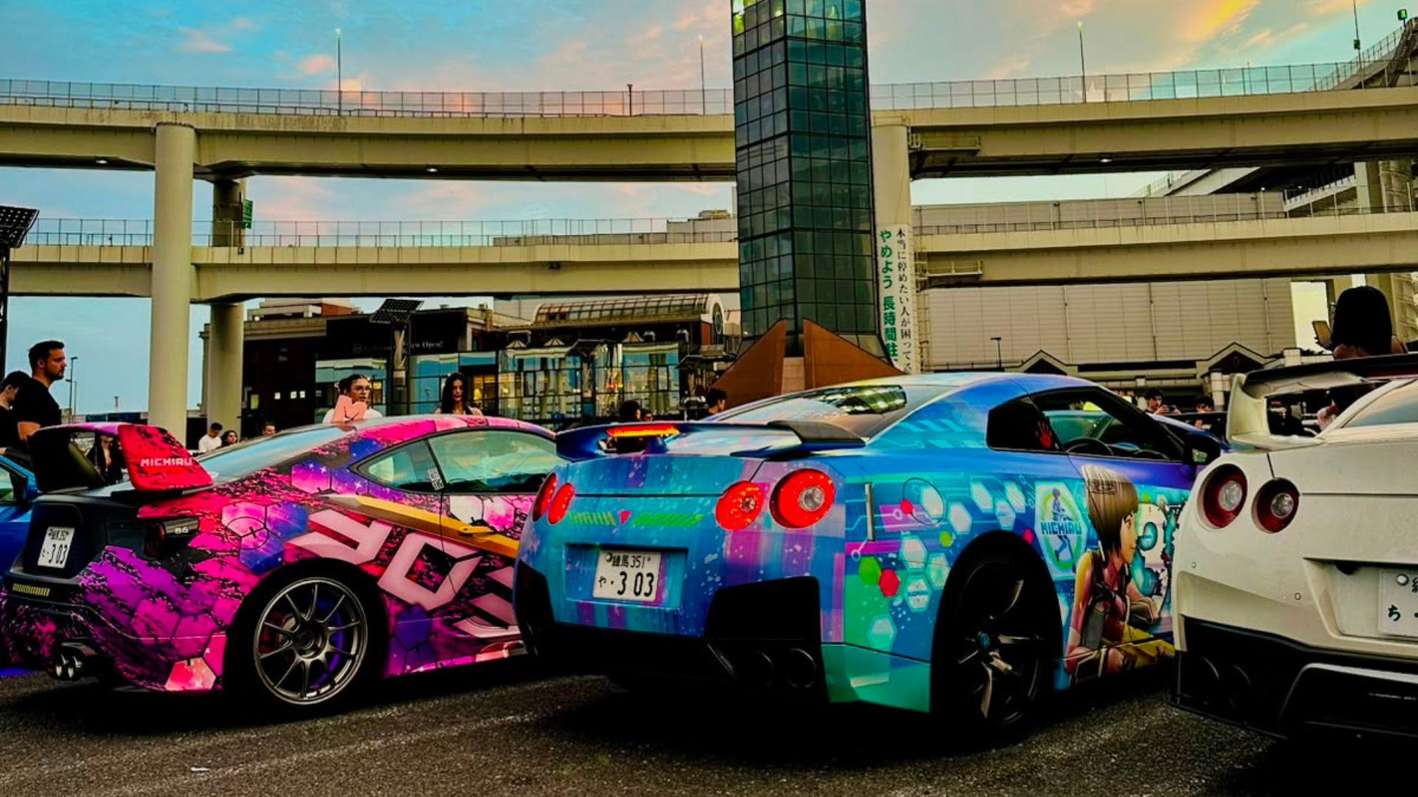
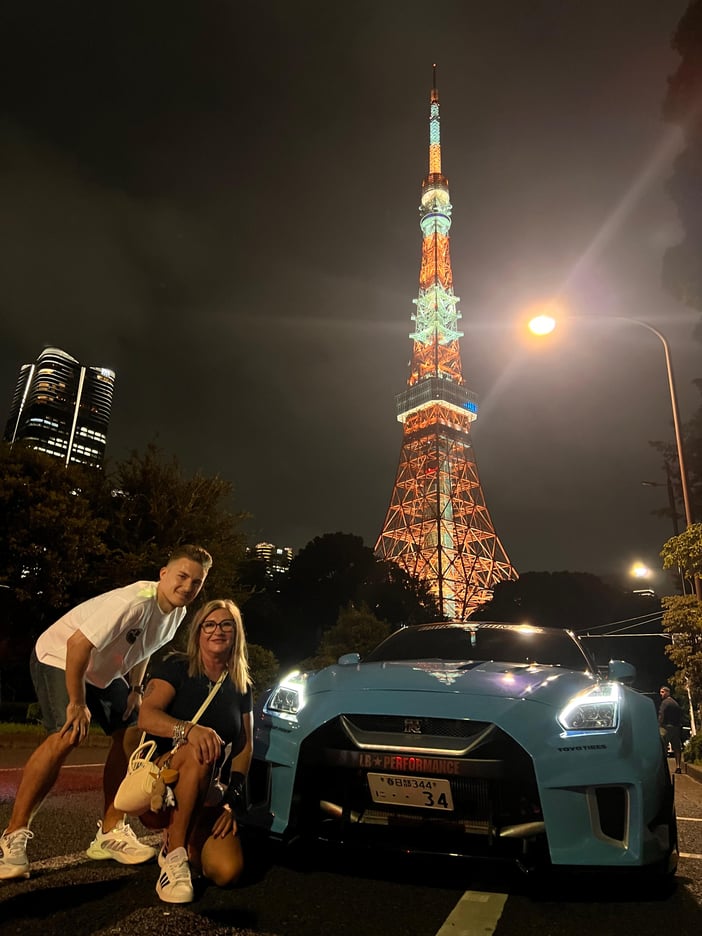
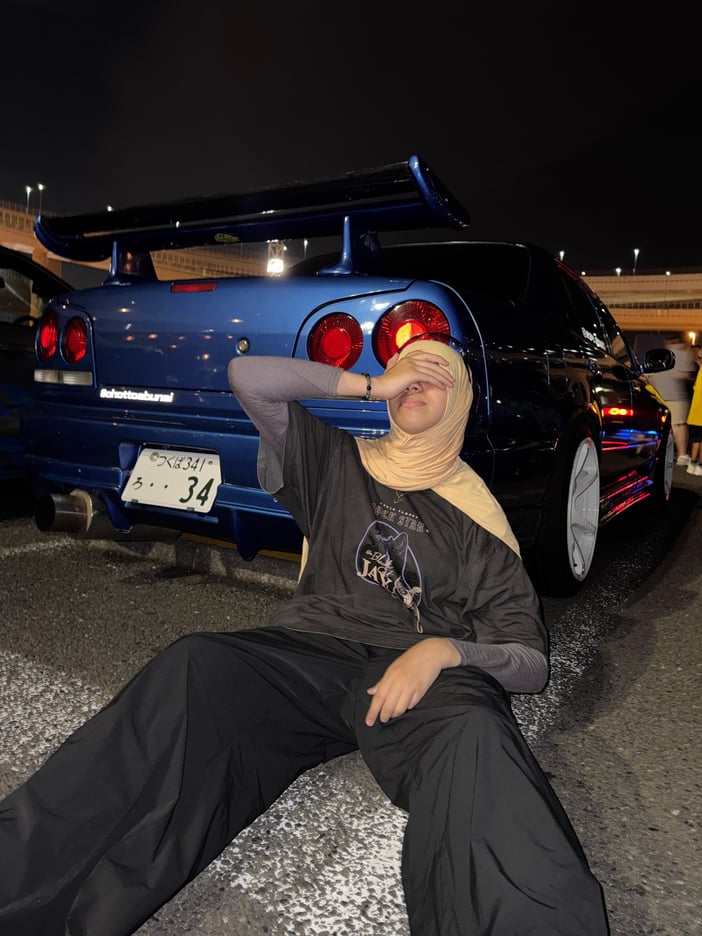
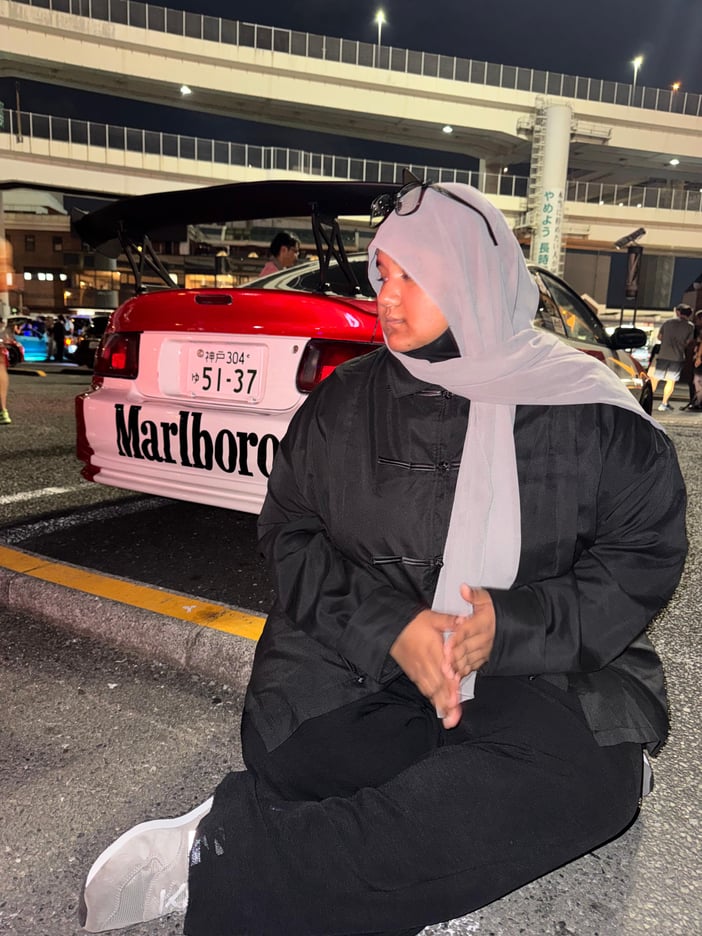
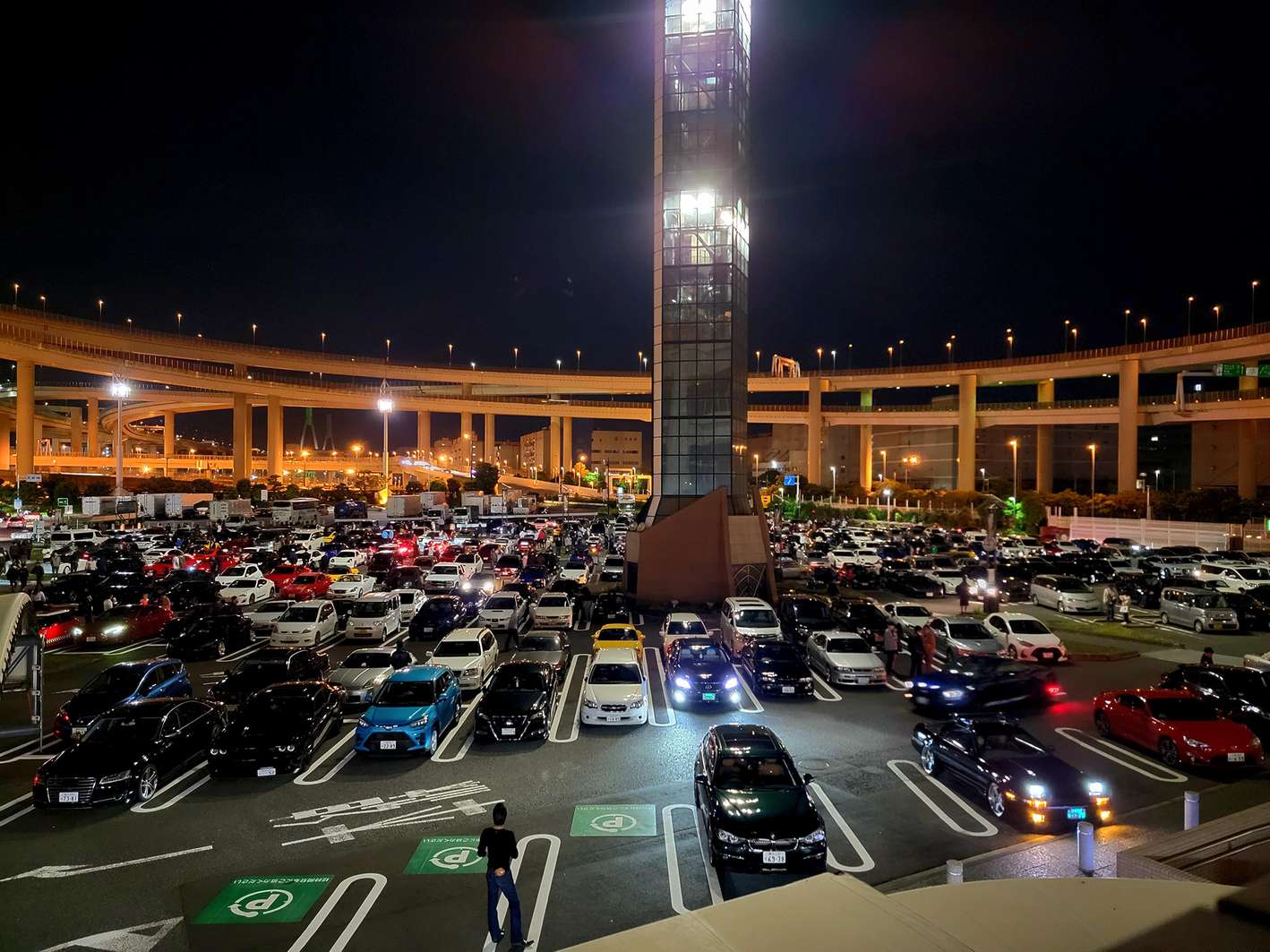
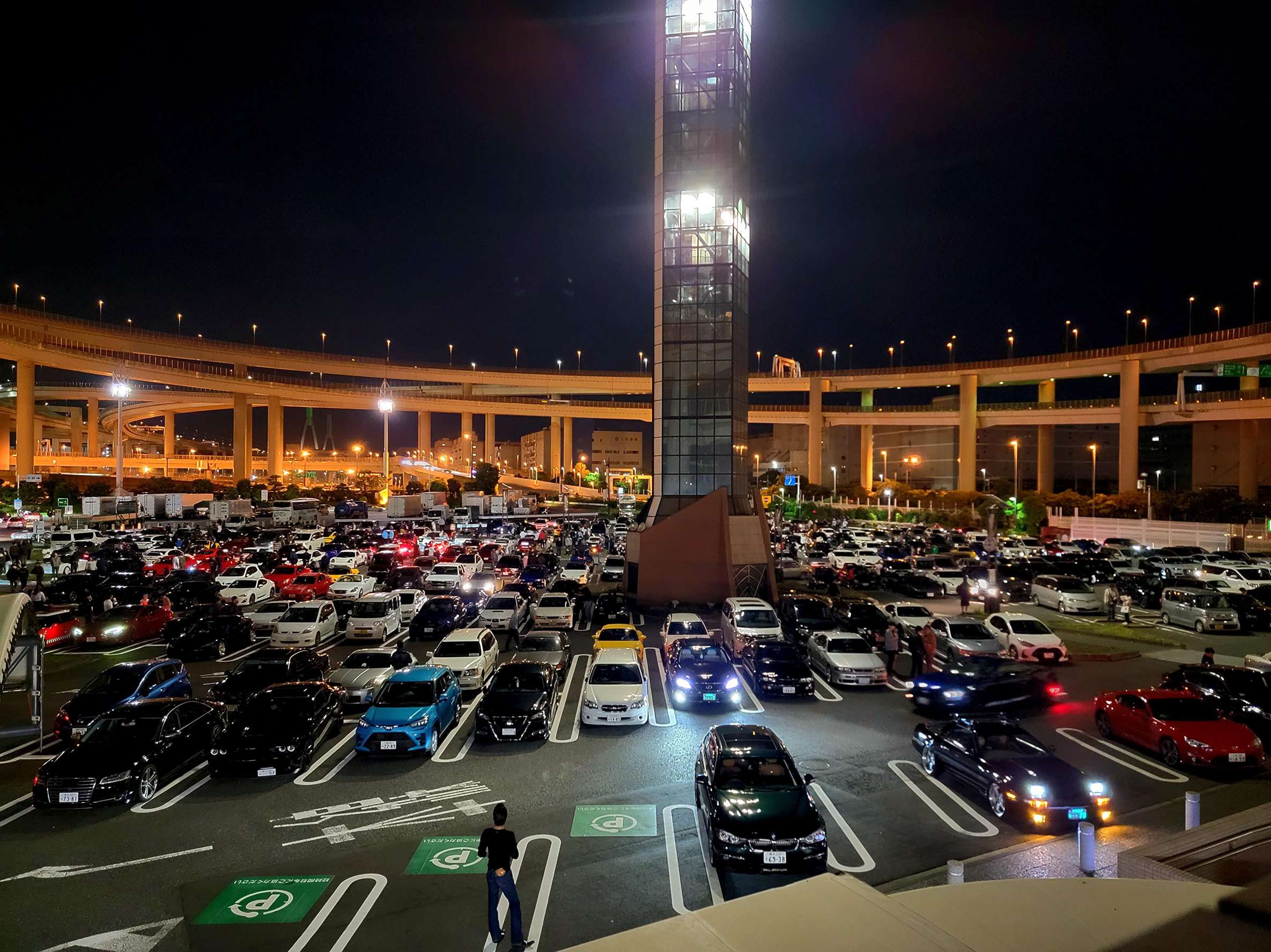
The drive from central Tokyo runs about 44 km and takes 55 minutes or less without traffic, but the last stretch is the part no train, bus or pair of shoes can cover. Daikoku PA sits inside the Shuto Expressway junction on an island in Yokohama Port, fenced off with no pedestrian entrance.
What decides the way is simple: you need a vehicle already on the expressway. Driving yourself means a Geneva Convention permit, complex multi-level interchanges and left-side traffic.
A taxi can take you out, yet drivers rarely come back to collect you, and a round trip with waiting time can run past the price of a tour.
That leaves the organized ride as the option that closes every gap at once. A guide handles the toll gates and the navigation, the return is booked before you arrive, and if police shut the lot early, your driver reroutes to Umihotaru or Tatsumi instead of leaving you standing there.
東京テレポート駅
Visit (1 hour)
Sightseeing, Pass by, Scenic views on the way (5 minutes)
Visit, Shopping, Self-guided tour (30 minutes)
東京テレポート駅
Shibuya
Photo stop, Guided tour, Free time, Sightseeing, Walk, Self-guided tour, Scenic drive, Scenic views on the way (30 minutes)
Break time, Photo stop, Visit, Sightseeing, Self-guided tour (1 hour)
Shibuya
Shin-Yokohama Station
Guided tour
Guided tour
Guided tour
Visit, Guided tour (1.5 hours)
Visit, Guided tour (20 minutes)
Shin-Yokohama Station
Daikoku PA sits inside the Shuto Expressway with fences around it, so walking, cycling, buses and trains cannot get you in or out; the only entry is by vehicle on the Bayshore Route or Daikoku Line.
Book a round-trip tour or ride with a pick-up and guaranteed drop-off in central Tokyo or Yokohama, since taxis cannot be hailed from the parking area late at night and there is no taxi stand, bus stop or station inside.
The map looks kind and the road disagrees. Daikoku Parking Area sits in Tsurumi-ku, Yokohama, on an artificial pier inside the Shuto Expressway junction, and the only thing that can enter it is a vehicle already running on that expressway. Every plan starts from that one fact.
So the field runs three wide: a guided ride with a local driver, a rental car you drive yourself, or a taxi. The expressway drive from Shinjuku covers about 36 kilometers and from Shibuya about 39, and either leg takes close to 50 minutes without traffic.
A metered taxi covers the same roads a shade faster when they run clear. A tour does the whole run in roughly 30 to 45 minutes and turns straight around with you aboard.
| Legal access | Late-night return | Round-trip cost | Documents needed | Police closure backup | |
|---|---|---|---|---|---|
| Guided tour | Professional driver, always legal | Guaranteed round-trip transport | $47-54 per shared seat | None, just physical passport | Reroutes to Umihotaru or Tatsumi |
| Self-drive rental | Legal with correct permit | Own car, no stranding | Solo cost near tour price | 1949 Geneva IDP plus passport | Drive yourself to alternatives |
| Taxi or ride-hailing | Drop-off allowed, no stand | Severe stranding risk | ¥20,000-35,000 from Tokyo | None, just physical passport | None, drivers won't return |
| Public transit | Impossible, expressway-locked | No return, fences block exit | not known | not known | not known |
The return leg decides everything here, so each road below gets judged on it.
The transit plan dies at the fence. Daikoku PA belongs to the expressway network itself, reached only by the Bayshore Route or the Daikoku Line, with no rail station, no bus stop and no pedestrian entrance anywhere on its perimeter.
A city bus from Yokohama gets you near the port, then stops: from that stop, the parking area stays out of reach.
The fences carry real weight. Walking the expressway shoulder or climbing over toward the PA counts as trespassing, and Kanagawa prefectural police patrol the restricted zones around it. People caught on foot there risk fines or arrest, and the highway itself is no place to walk at night.
Watching the cars once you are inside, though, is fully legal. The gathering is informal but lawful, and one local rule deserves memory: if an officer tells a crowd to stop cheering a car on, stopping separates a good night from a fine in the Daikoku Futo zone.
Entry is expressway-only, and walking in is a police matter. That leaves the three roads that actually work.
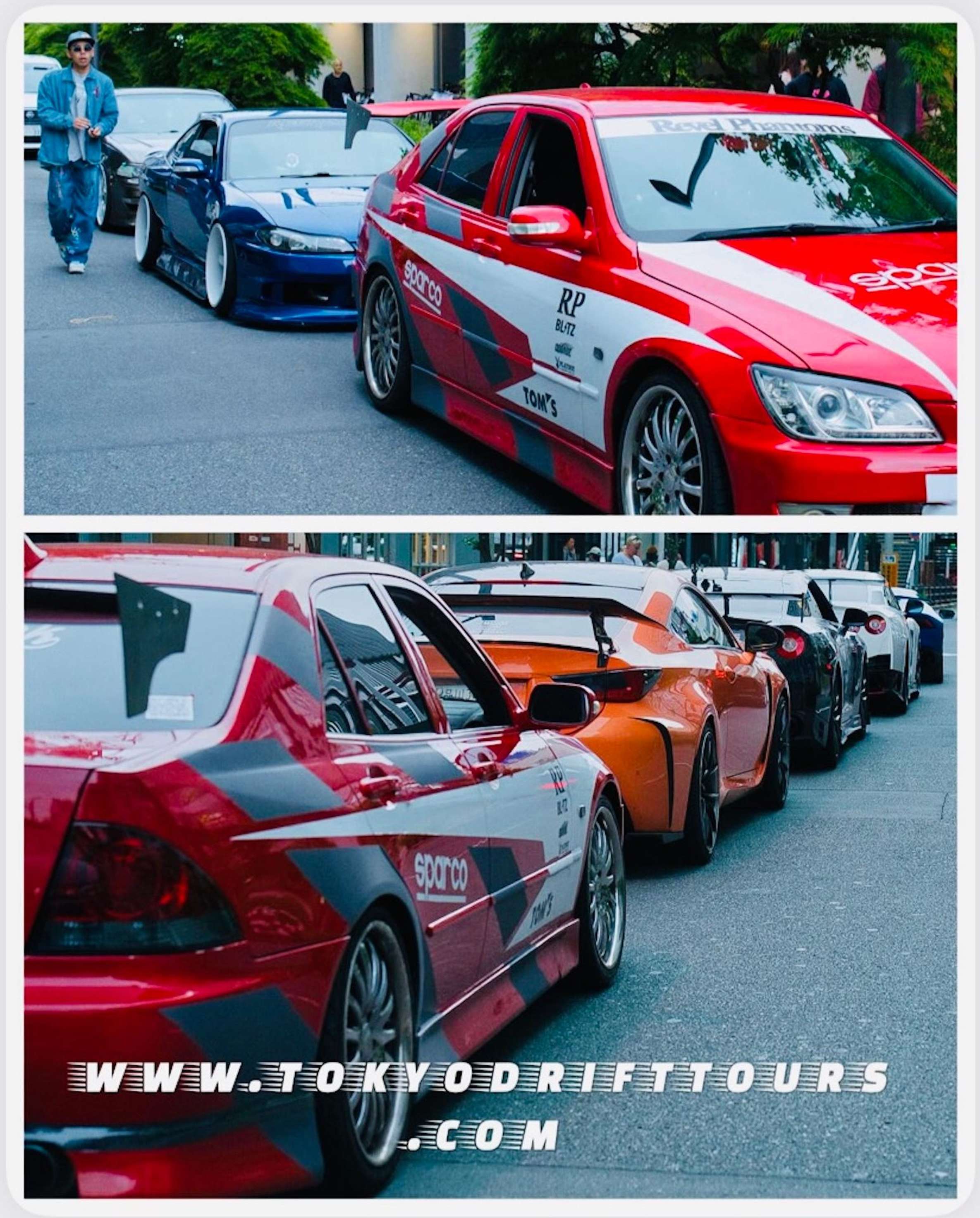
A guided ride asks nothing from you but the passport Japanese law already makes you carry. A professional local driver does all the driving, so an International Driving Permit never enters the question, and the trip home is booked before the night begins.
The choice inside the choice is a van or a shotgun seat. A group van takes you to the lot to look at the cars; a passenger ride puts you inside one, an R34 Skyline or an Evo, running the Wangan with a driver narrating the builds.
On the Daikoku:Experience Tokyo's Car Culture in Iconic JDM Cars tour, riders swap cars at each stop, three to a car, and the English-speaking crew talks shop all night. Pickup hubs cover Shibuya, Shinjuku, Tokyo Station, Akihabara, Odaiba and the Shin-Yokohama rotary.
Excellent night of Japanese car culture. As a car industry guy and JDM owner, I was in my element. Good variety of cars, constant turnover kept it interesting.
The guide earns their seat at the meet too. Bilingual guides translate greetings and questions about what is under the hood, read the etiquette of the lot for you and keep you from hovering at the edge of it.
A passenger ride needs no driving permit at all. Rear seats in coupes run tight: over 1.90 meters or 90 kilos, ask about seating before booking.
Getting out there by cab is the easy half. A metered taxi makes the run from central Tokyo in roughly 40 minutes when the expressway flows, close to the 35-to-50-minute window cabs usually take, and drops you inside the PA without trouble.
The return is where the plan breaks. There is no taxi stand at Daikoku PA, none at all, and no queue of cabs waiting for fares.
Drivers will not enter a toll road on the chance a passenger is standing there, least of all late at night, so calling a ride back from the parking area is a gamble that mostly loses.
If a driver does agree to wait for you, the meter keeps running through an hour or two on the lot, and expressway tolls add to the fare in each direction.
Run the whole bill in your head before you wave one down: a round trip with waiting time from central Tokyo costs about what a private guided tour costs, which removes the reason for choosing the taxi.
The outbound cab is simple; the return cab is a gamble you should leave to the operators who already solved it.
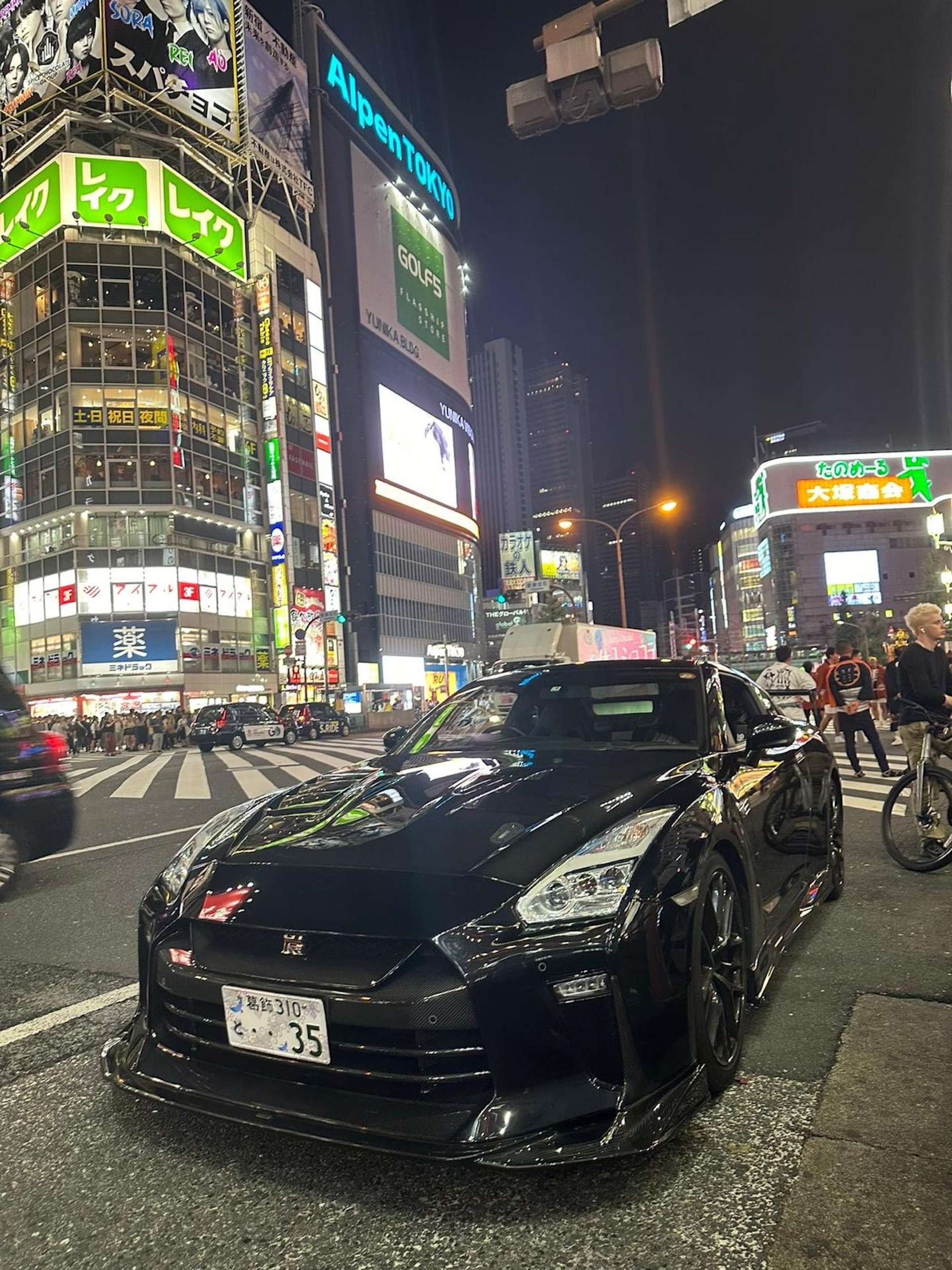
The self-drive route starts with paperwork. Renting in Japan takes a physical passport with an immigration entry stamp, your original domestic license, a credit card in the driver's name and a driving permit in the right format: a paper booklet issued under the 1949 Geneva Convention.
Permits under the Vienna Convention, digital copies and card-type versions are not recognized. Licensed drivers from Germany, France, Switzerland, Belgium, Monaco or Taiwan skip the permit and carry an official Japanese translation instead.
Then comes the driving. Tokyo expressways run left-hand, narrower than most highways you know, with exits on the left, the right and occasionally the middle, and the Shuto Expressway stacks it all in multi-tier interchanges.
Rental operators suggest practicing on ordinary roads first, and many JDM rental firms hand keys to nobody under 23 with less than three years of driving; premium cars often wait until 25 or 26.
The reward arrives once costs split. Parking at Daikoku PA itself is free, and you pay only the distance-based expressway toll. Your car also frees you from the closure schedule, letting you divert to Tatsumi or Umihotaru on your own clock.
The paperwork decides this chapter before the driving does: check your permit format before you book anything.
Look past the sticker fare and add waiting time and tolls before comparing anything. A round-trip taxi from central Tokyo, metered through an hour or two of waiting plus tolls each way, lands around what a private guided tour costs, sometimes above it for one or two passengers.
From Yokohama Station the one-way fare starts far lower, but the return problem from the last chapter still stands.
The rental car splits well. For three or four travelers sharing rental fee, insurance and tolls, the per-person bill drops well below a shared tour seat, which makes it the cheapest way for a confident group.
For a solo traveler the arithmetic flips: rental, insurance and tolls together land near the price of a mid-tier guided tour, and you carry all the driving.
A guided tour bundles everything, tolls, parking and waiting, into one per-seat fare, with shared van seats at the low end of the market and shared JDM rides above them. Nothing extra arrives at the toll gate.
Groups of three or four with a valid permit save most by renting; solo travelers pay about the same either way, and everyone else pays a premium to a taxi driver willing to wait.
Here is the fear worth naming: standing on a highway island with every door out closed. Tokyo and Yokohama trains run their last services between midnight and 12:45 am, and the first morning trains resume around 4:30 am to 5 am.
In between, the PA offers a 24-hour Lawson, restrooms and vending machines, but no taxi stand, no bus and no legal way out on foot.
City trains run normally, but Daikoku Parking Area has no taxi stands, buses, or pedestrian exits.
Subway and JR trains depart on their final runs, cutting off transit connections across Tokyo and Yokohama.
All train networks are closed, and taxis cannot be hailed from inside the expressway rest area.
First trains resume operation from central hubs in Tokyo and Yokohama around 4:30 am to 5 am.
Only transport arranged before you go guarantees the ride home. Standard evening tours deliver it comfortably: about an hour walking the lot, wheels rolling off Daikoku between 9:45 pm and 10 pm, and a drop at Shinjuku Station or near Tokyo Tower ahead of the last train.
Midnight-run tours end well after the trains stop, so they pair with hotel drop-offs instead. The Tokyo: Go Daikoku PA Fast & Furious 3 Sports Car Meetup runs the shuttle pattern from Odaiba, with same-day bookings possible.
Heavy traffic shifts start times, and tours message the change by email or WhatsApp.
Closures happen often, and guides treat them as a redirect. When the lot overflows or the noise draws complaints, Kanagawa police direct drivers out over loudspeakers, owners comply without fuss, and the cars pour back onto the expressways together.
On Friday and Saturday evenings the clearing most often starts between 7:30 pm and 8:30 pm, and inbound ramps can stay shut until midnight or 2 am; weeknights rarely close before 8:30 pm
| If this happens | What happens then |
|---|---|
| Police clear Daikoku early | Guides reroute the same evening to Umihotaru PA, about 28 minutes away, or Tatsumi PA |
| Daikoku closed by authorities on tour day | Some operators offer a full refund instead |
| Severe storm or road closure | The tour is rescheduled, or canceled with a full refund |
| Tour canceled for weather or minimum numbers | A full refund, treated as an operator cancellation |
Guides treat a closure as a redirect, and the night keeps going. Umihotaru holds its own meet on an island mid-bay, Tatsumi sits closer to the city, and A PIT Autobacs Shinonome covers the shop-crawl fallback. One Friday group reported being cleared out around 7:30 pm and still getting a full night of cars elsewhere.
If the lot shutting down would wreck your whole evening, book with an operator whose terms include the refund, and read that clause before paying.
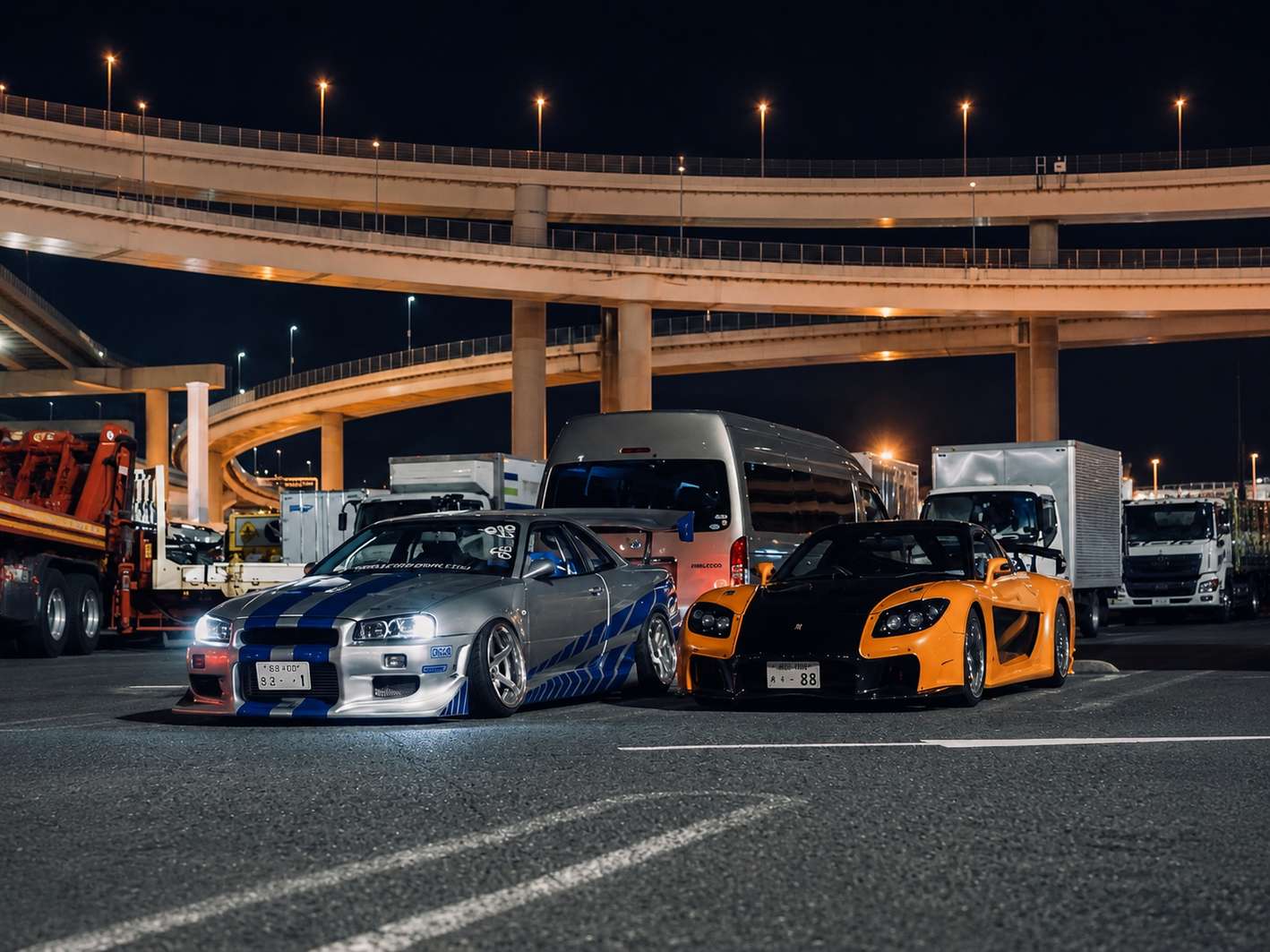
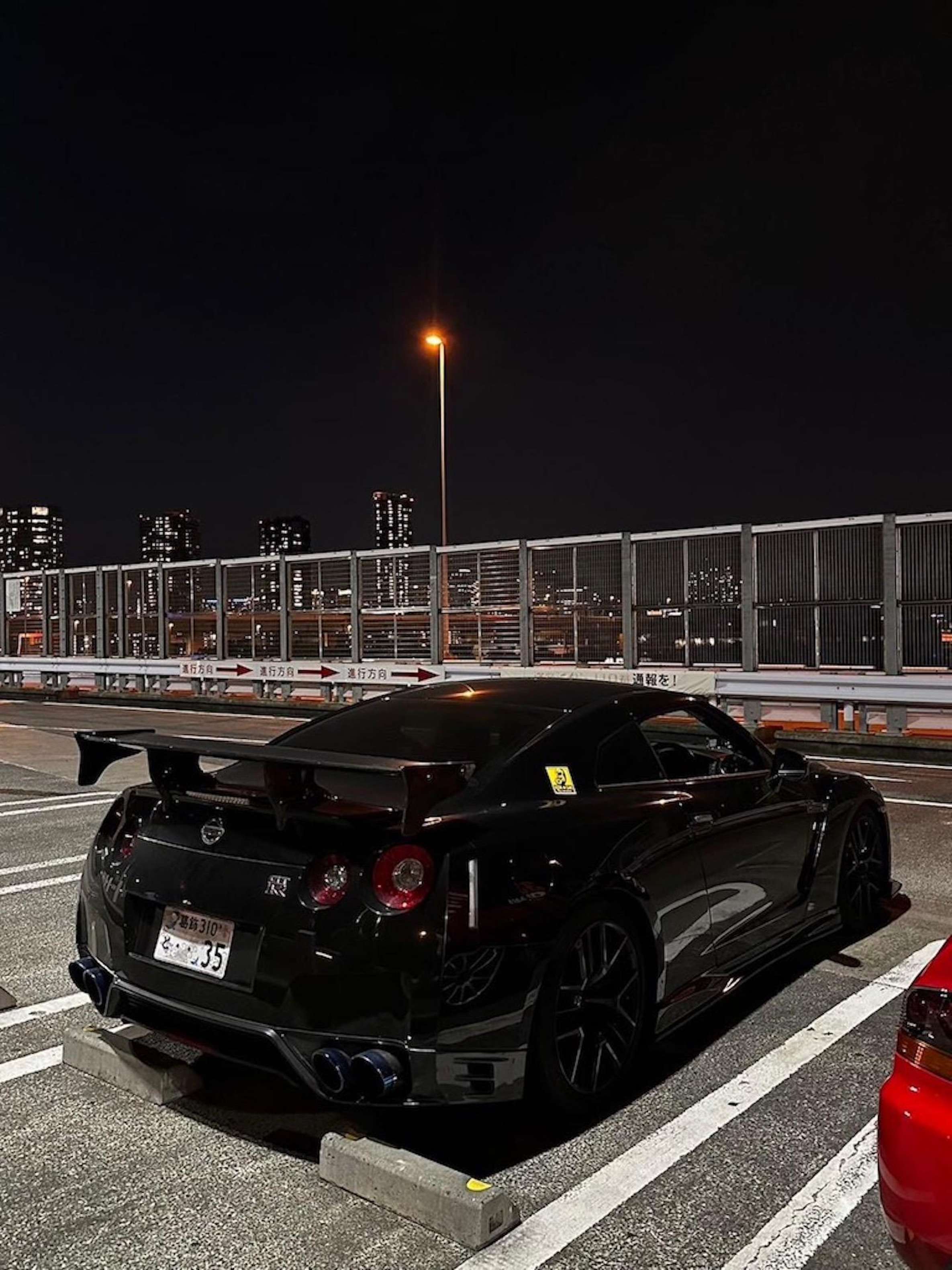
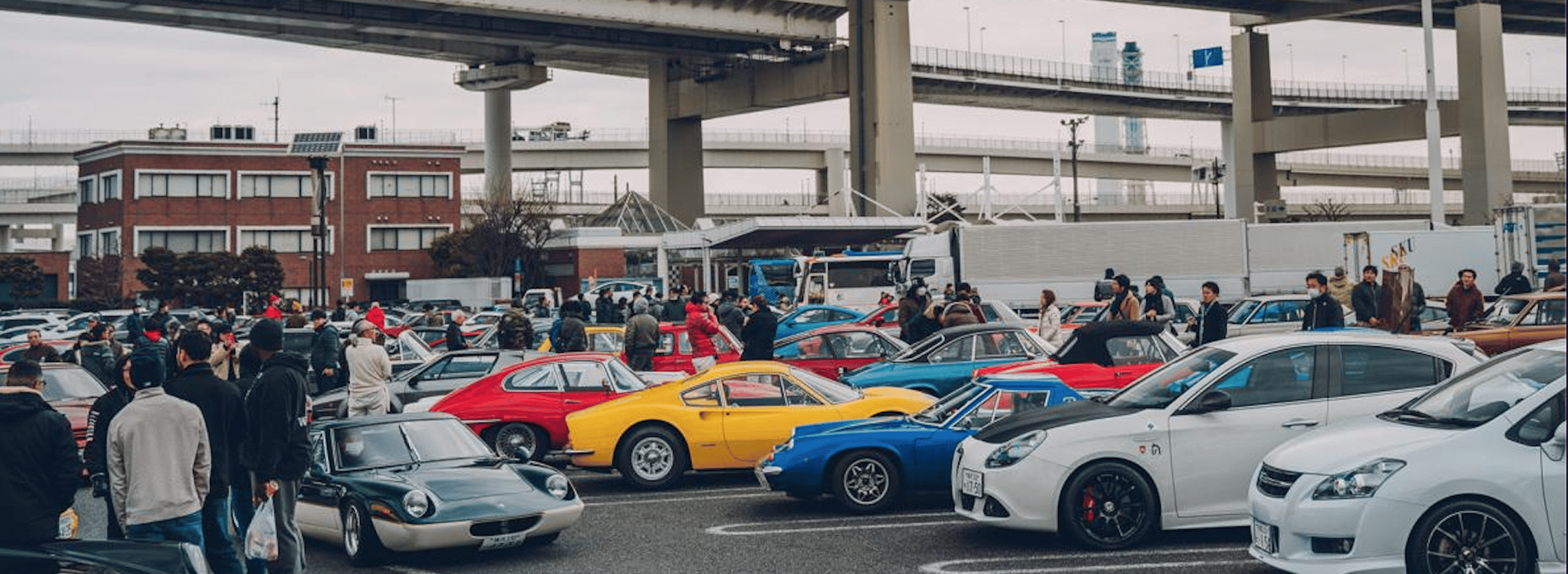
Friday and Saturday evenings carry the biggest shows and the biggest risk. Cars roll in between 5 pm and 6:30 pm, and Saturday gathers the widest mix of the week, modified JDMs beside modern supercars in something close to an exhibition.
Friday runs looser and more local, classic tuners after work with lighter police attention. Both nights invite gate restrictions or early clearing from 7:30 pm onward.
Sunday mornings are the dependable alternative. Enthusiasts arrive from 6 am, the meet peaks between 8 am and 10 am with classic models and European exotics in daylight, and police closures are rare before the cars thin out by early afternoon.
Weeknights, Monday through Thursday, run smaller and steadier from about 7:30 pm, with Thursday often matching a weekend turnout.
April: 4 out of 5 for how busy it gets.
Tap a month to read it.
How busy it gets (out of 5): Jan 2, Feb 2, Mar 3, Apr 4, May 4, Jun 3, Jul 3, Aug 3, Sep 4, Oct 4, Nov 4, Dec 1
Dress for the wind either way: the lot sits open over Yokohama Port, autumn evenings slide from the mid-teens Celsius toward single digits, and winter meets feel near freezing with the bay wind on you. Families with keen teenagers do best on a Sunday morning slot.
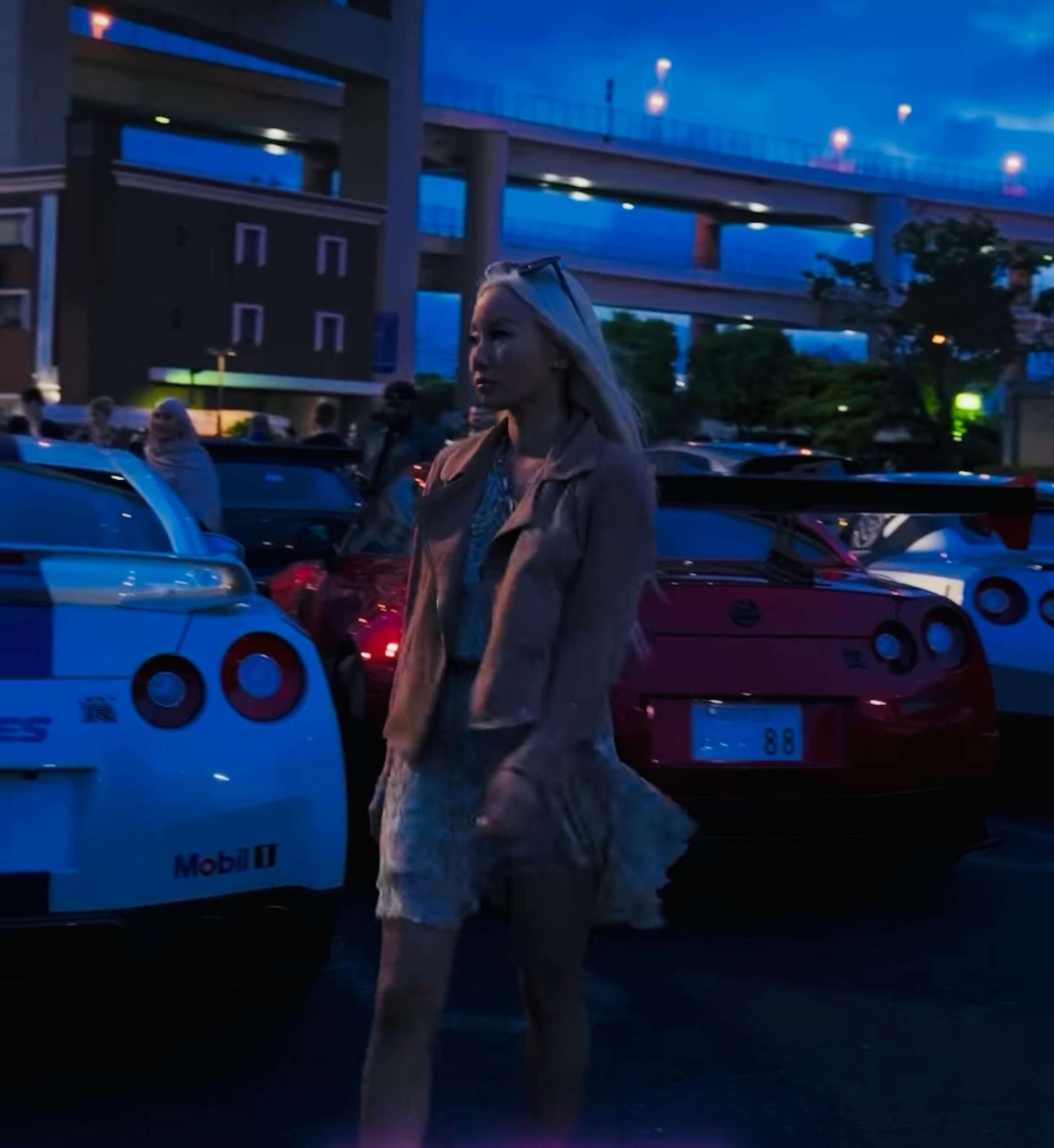
Set the movie expectations down at the toll gate. Daikoku is a working highway rest stop where owners gather spontaneously and park: stationary cars, engines off, no drifting and no stunts, with police watching the lot the whole time.
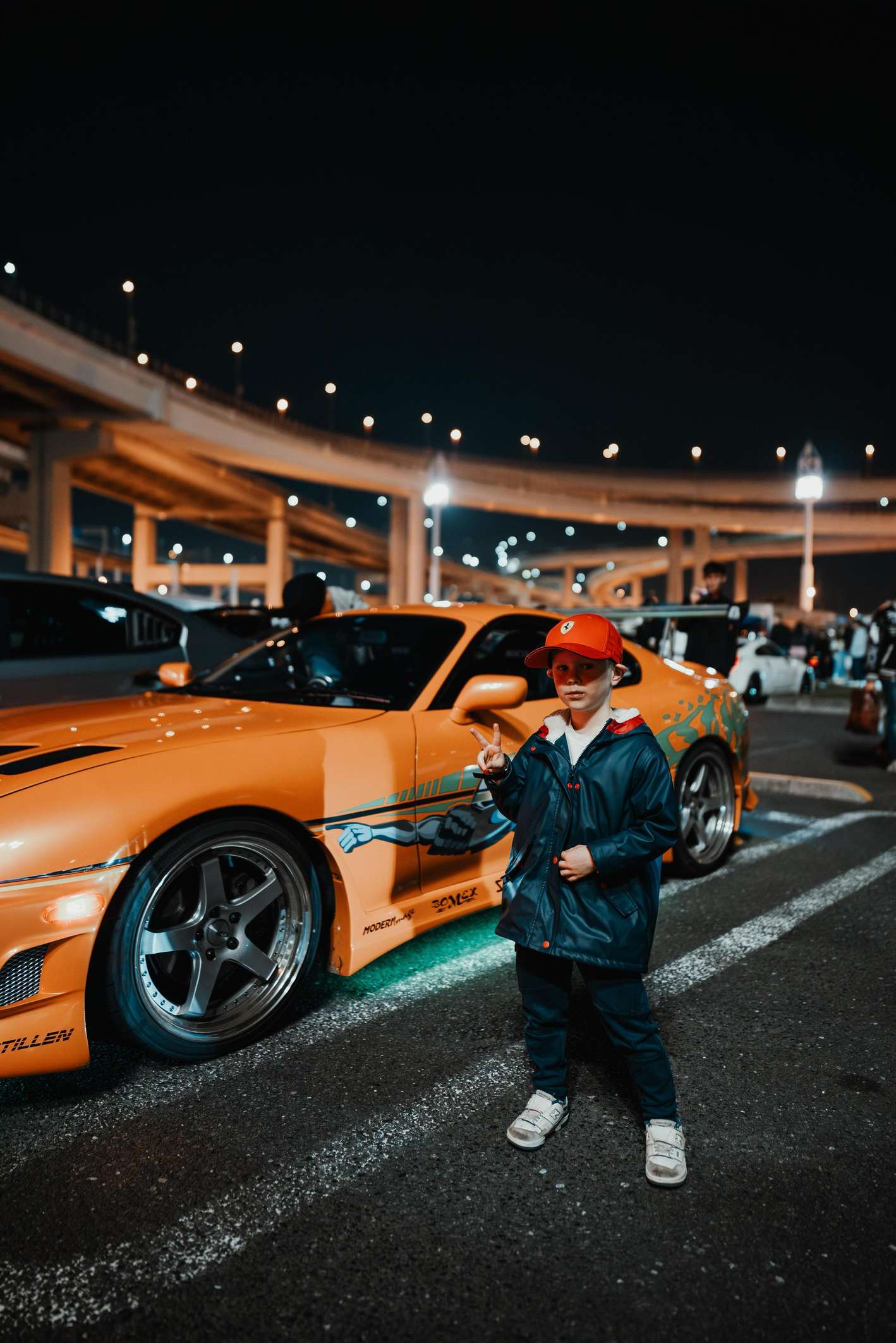
What people come for is the metal itself, an RX-7 here, a wild custom build there, changing every single night.
After the food court closes at 9 pm and the coffee shop an hour before that, the 24-hour Lawson in the second building, the vending machines and the restrooms carry the night. Hot chocolate from a machine on a cold lot is part of the experience.
Owners talk freely when asked, and a refused photo is a signal to move on
One careless hood-sit can turn the whole lot cold toward visitors
Cars move between bays all night, and blocked lanes draw police
After dark, small children among moving traffic are a real safety concern
The etiquette that keeps the meet alive is simple: no revving requests, no flash into cars, music down, trash out with you. Follow the crowd's code and the crowd talks to you.
Build the day around the drive. In Ginza, Nissan Crossing pairs a cafe with rotating road and concept cars; in Harajuku, Liberty Walk Tokyo shows the brand's wide-body work from 11:30 am to 8 pm.
A PIT Autobacs Shinonome sits a one-minute walk from Shinonome Station on the Rinkai Line and keeps parts-and-apparel hours from 9 am to 9 pm, and its customer parking draws enthusiasts of its own. The NISMO showroom at the Omori Factory in Yokohama opens weekends from 10 am to 5 pm.
Closer to free-time browsing, the underground garage at Akihabara UDX pulls modified cars on weekends, Daikanyama T-Site shelves deep automotive reading, and Up Garage sells second-hand wheels and exhausts across town.
On tour nights, several itineraries fold these in: one operator's fleet of 30-plus cars stops at the A-Pit Autobacs store, where some 30,000 car-related items wait under one roof. Pair a shop afternoon with an evening lot, and the day fills itself.
Take a guided tour if you lack a valid Geneva-format permit, travel alone or as a pair, or simply want the return leg settled before the night starts.
Drive yourself only if you hold the right paperwork, have left-side expressway experience and travel three or four strong, where the rental beats everything on price. A taxi can drop you off; the return leg is where cabs fail you.
Booked the Saturday 10 pm tour and loved it.
Best part of our Tokyo trip. Experiencing Japanese car meets after Tokyo Drift was a dream, and this exceeded expectations.
Highly recommend this JDM tour! The driver arrived right on time and drove thrillingly. Daikoku Futo was amazing, so many unique custom cars.
Excellent night of Japanese car culture. As a car industry guy and JDM owner, I was in my element. Good variety of cars, constant turnover kept it interesting.
Absolutely fantastic experience! Our Tokyo Drift night tour was a real highlight of our trip.
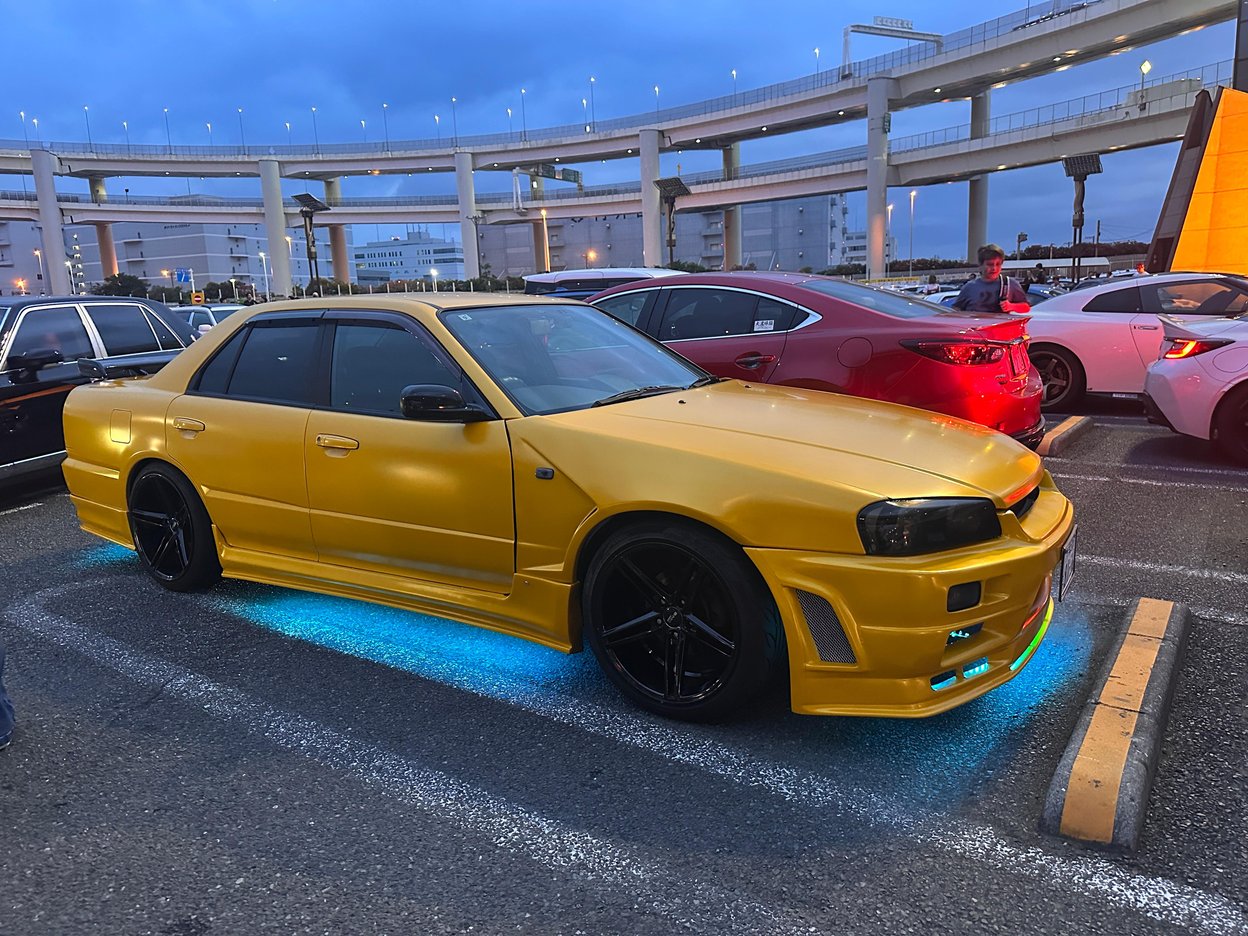
My family enjoyed every moment! From customer support to pickup, the drive, and the tour, awesome driver Gianni showed us so much about Japan, our first visit.
Great excursion with several stops: A Pit store, then Daikoku PA, ending with a Tokyo Tower photo stop. A very affordable way to access the car meet.
Friendly guides who knew every car made the night for most travelers, sharing stories and taking photos.
Several did not expect the meet to stay lively on a rainy or off-peak weeknight and loved it anyway.
A few families wished for more time at the meet itself, wanting the night to run longer.
No. Daikoku PA sits inside the expressway network on an artificial island in Yokohama Port, with no railway station, no bus stop and no pedestrian entrance. Entry is only by a vehicle driving in on the Bayshore Route or the Daikoku Line.
Walking in is prohibited and punishable by law, and the perimeter fences make it physically impossible anyway. You need a vehicle on the expressway to enter, which is why most visitors arrive on a tour or in a car they are riding in.
A taxi can drop you off earlier in the evening, but there is no taxi stand inside and drivers will not enter a toll road for a speculative pickup late at night. Counting on a return ride from the parking area risks being stranded.
Only prearranged round-trip transport. There is no taxi stand, bus stop or station at Daikoku, and the fences block leaving on foot. Trains in Tokyo and Yokohama stop running between midnight and 12:45 am, with the first morning trains around 4:30 to 5 am.
It sits about 36 to 39 expressway kilometers from Shinjuku and Shibuya, roughly 46 to 52 minutes of driving without traffic. Organized tours cover the round trip from central pickup points in about 3 to 4 hours, including about an hour parked at the meet.
Departure points include Shibuya Station, Akihabara, Tokyo Station's Marunouchi exits, Tokyo Teleport Station in Odaiba and Shinjuku. Some private tours collect you directly from your hotel anywhere in central Tokyo.
Yes. The parking area is actually in Yokohama's Tsurumi ward, between Yokohama and Tokyo, and one tour departs from the Shin-Yokohama Station rotary.
For a group of three or four, splitting a rental car and tolls costs the least per person.
Not if you book a passenger ride or guided tour, because a local driver handles all the driving. You do need a permit issued under the 1949 Geneva Convention format if you plan to drive yourself, along with your physical passport and original license.
On Friday and Saturday evenings, police frequently restrict entrance gates or clear the lot starting between 7:30 pm and 8:30 pm. Local guides reroute the group to other car spots, usually Umihotaru PA, sometimes Tatsumi PA or the A PIT Autobacs store.
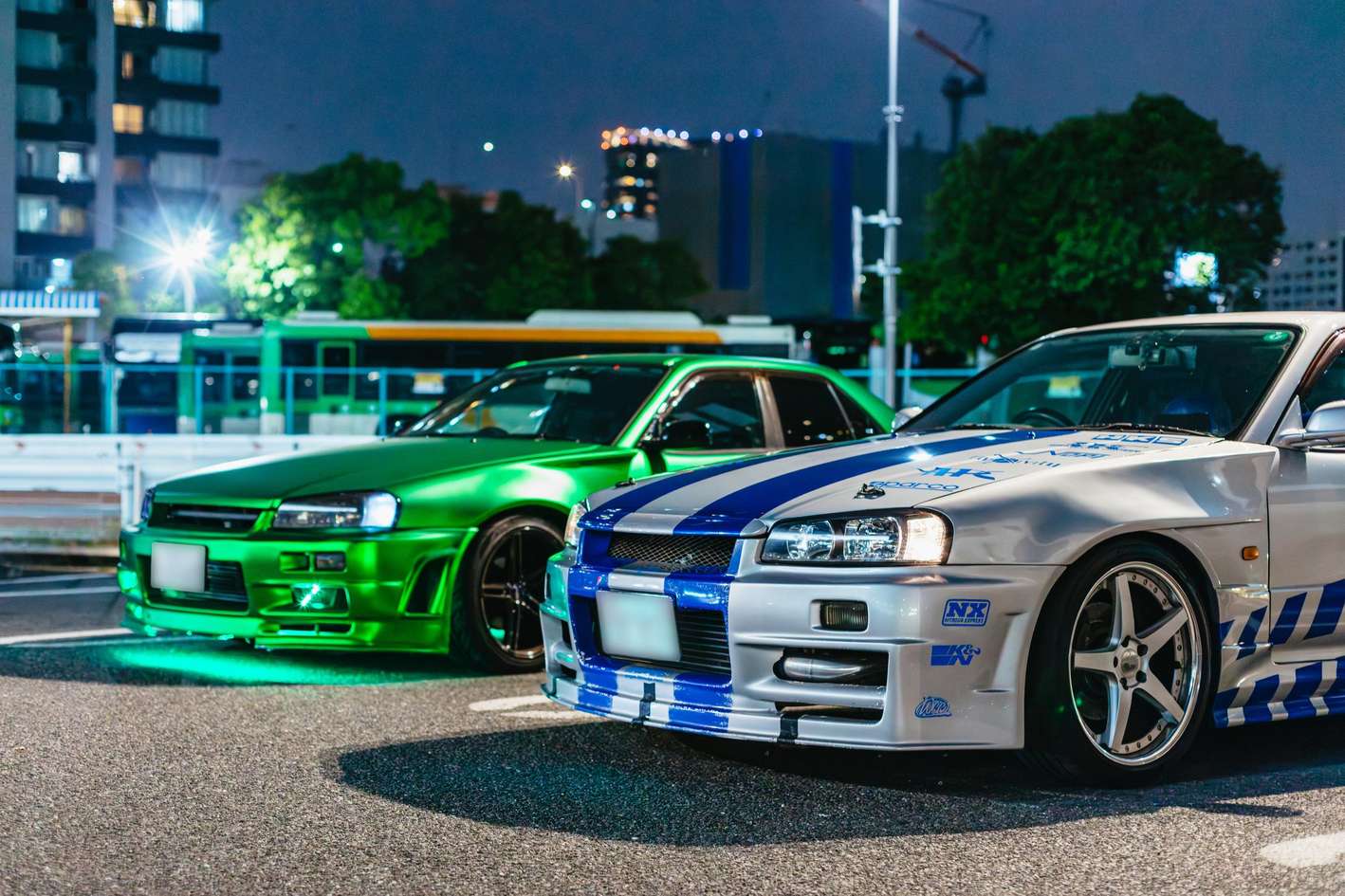
What the Daikoku car meet itself is like, from the cars on show to the etiquette on the ground.
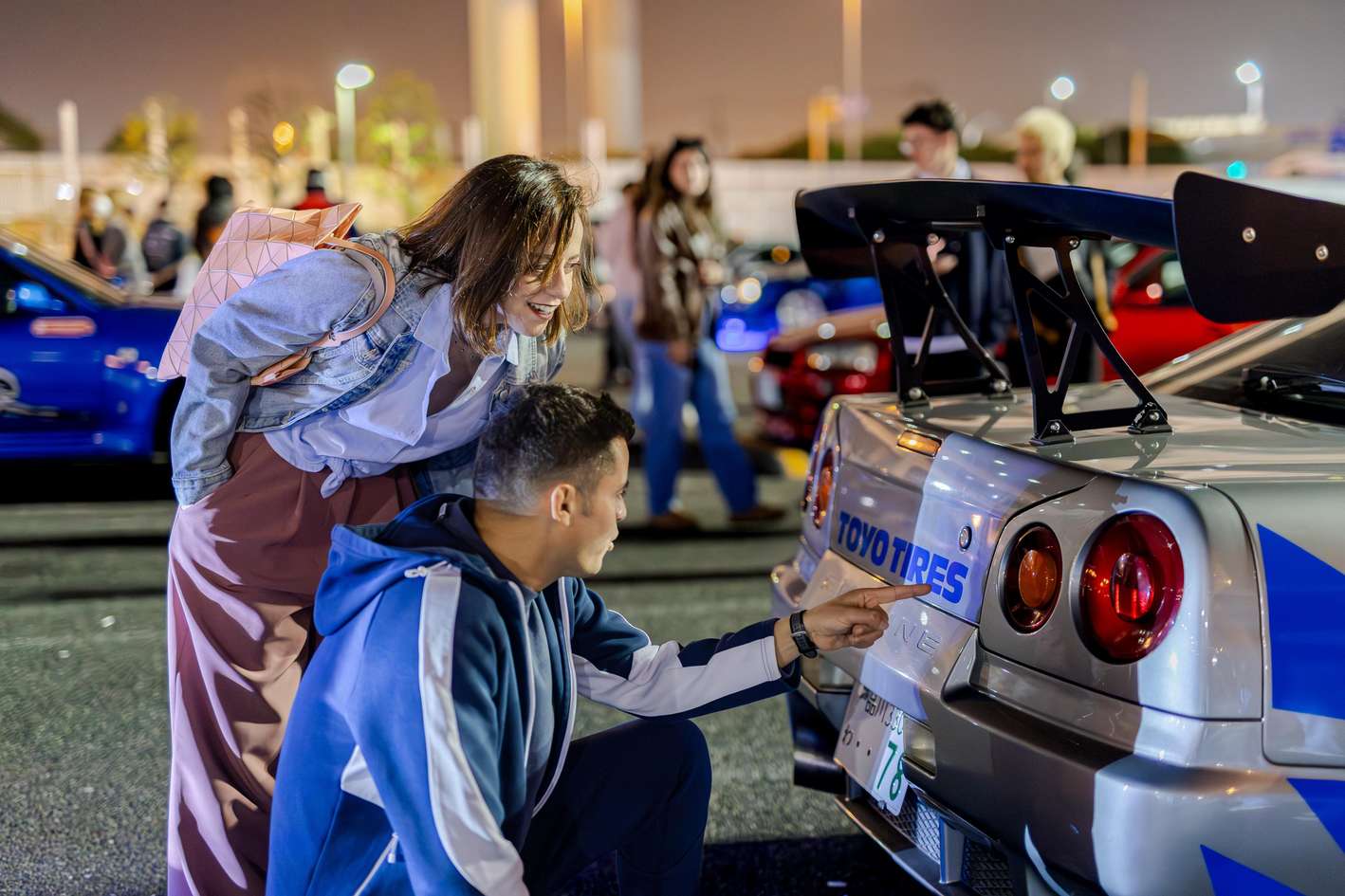
Which days and hours draw the biggest turnouts, and when police closures are most likely.
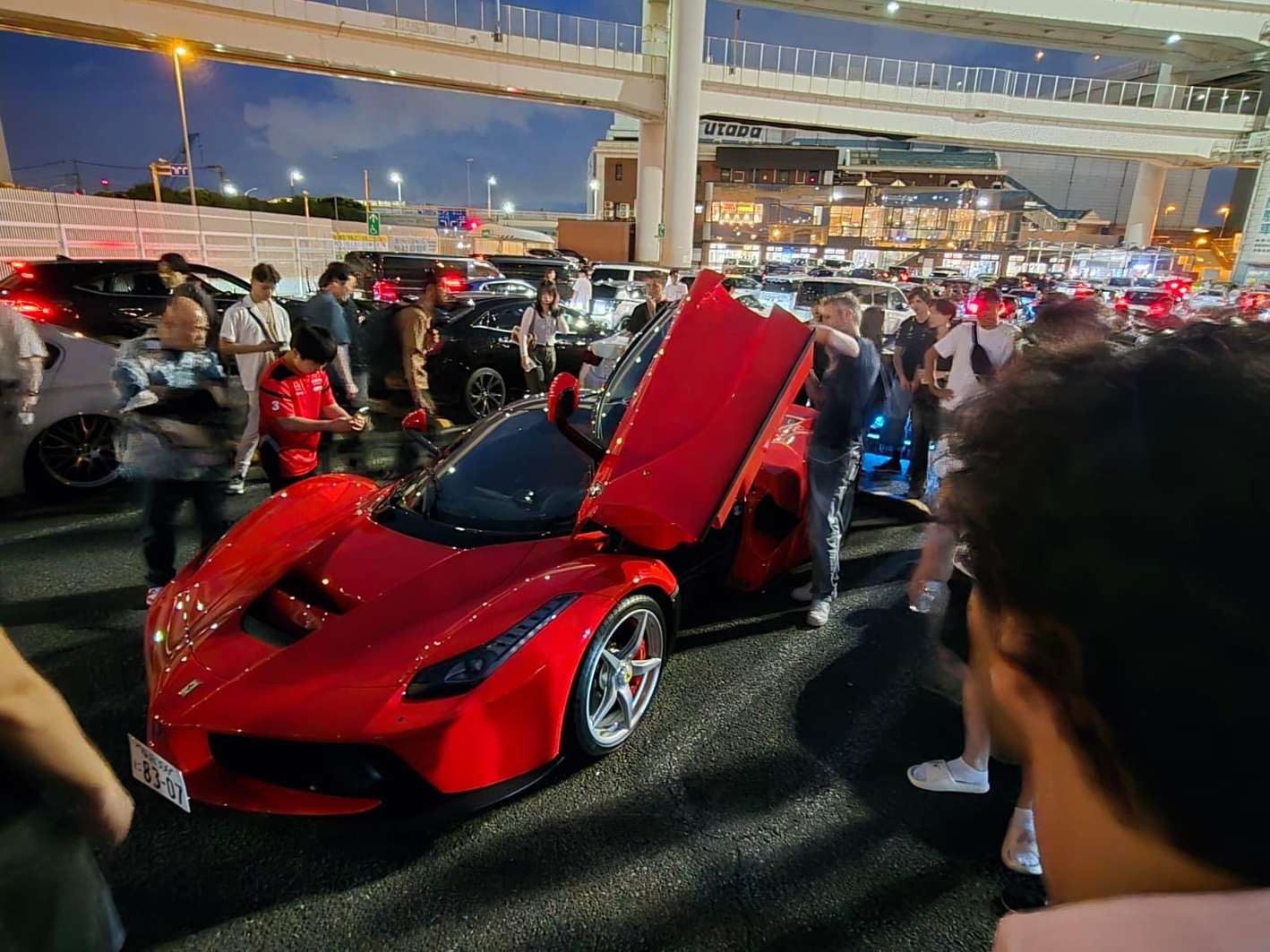
Hold a valid license? Compare self-drive convoy runs where you follow a lead car yourself.
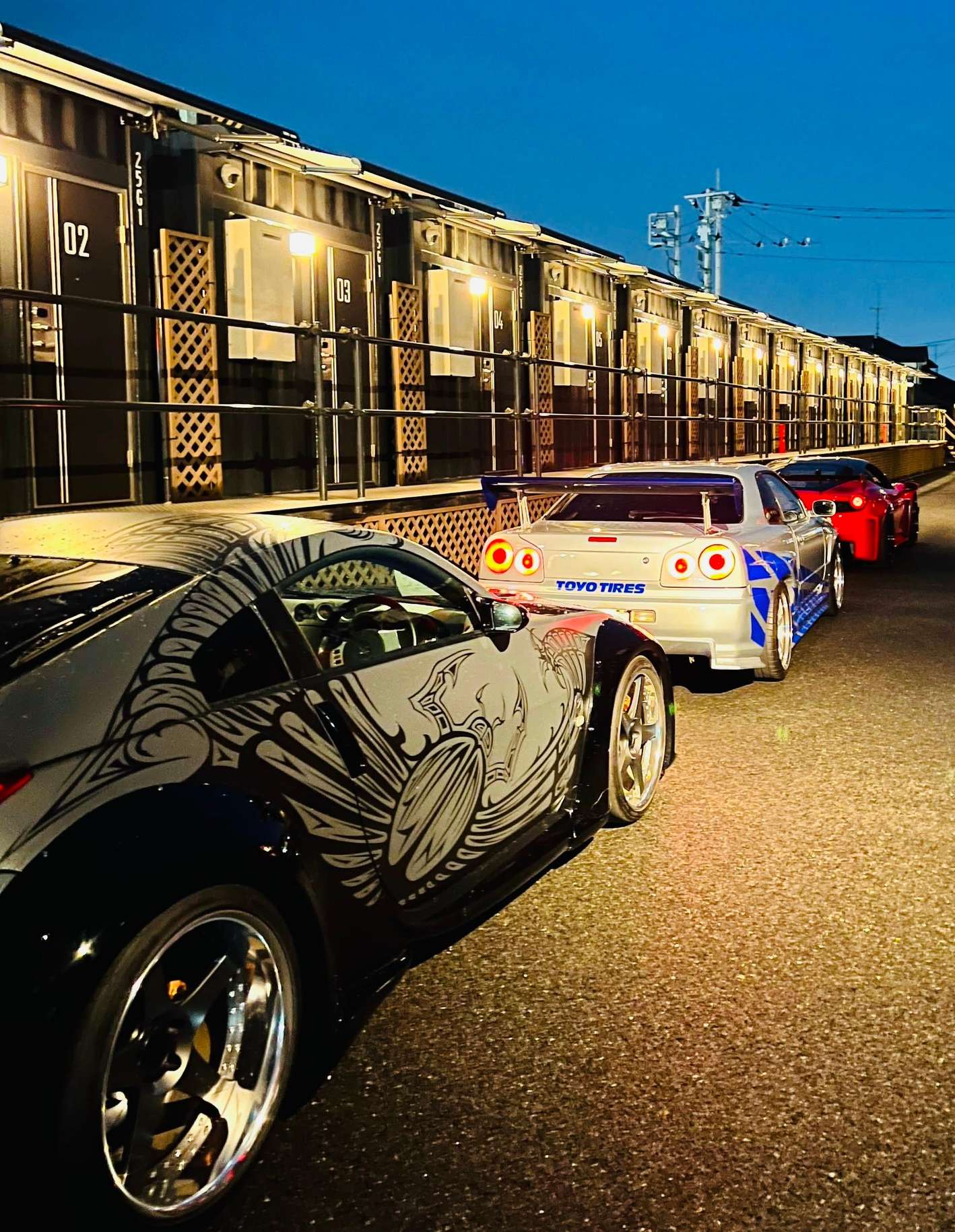
A Tokyo Drift styled night out to Daikoku, with the movie locations folded into the route.
Book a seat on a shuttle from Odaiba to the Daikoku PA car meet, with return transport included, and cancel up to 24 hours ahead for a full refund.