
3 hours·English, German
5.0(76)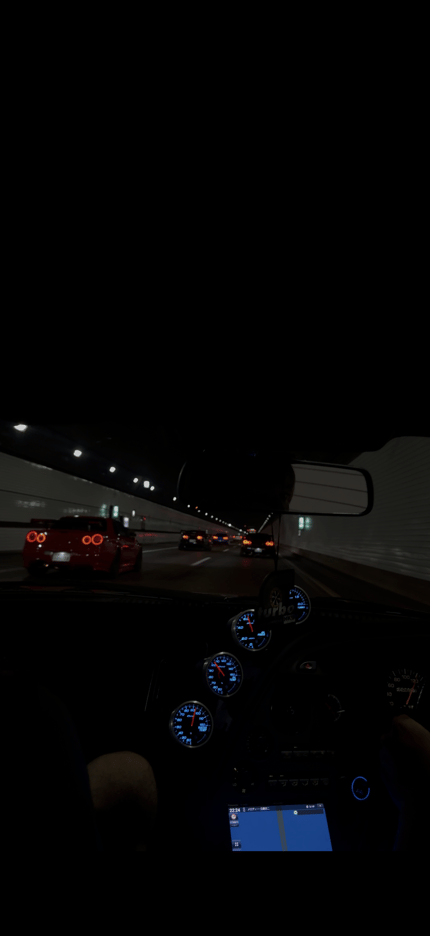
Tokyo Private JDM Tour: R34, R35, Supra, Silvia & RX-7
Free cancellationHotel pickup includedPrivate tour participation fee with guide
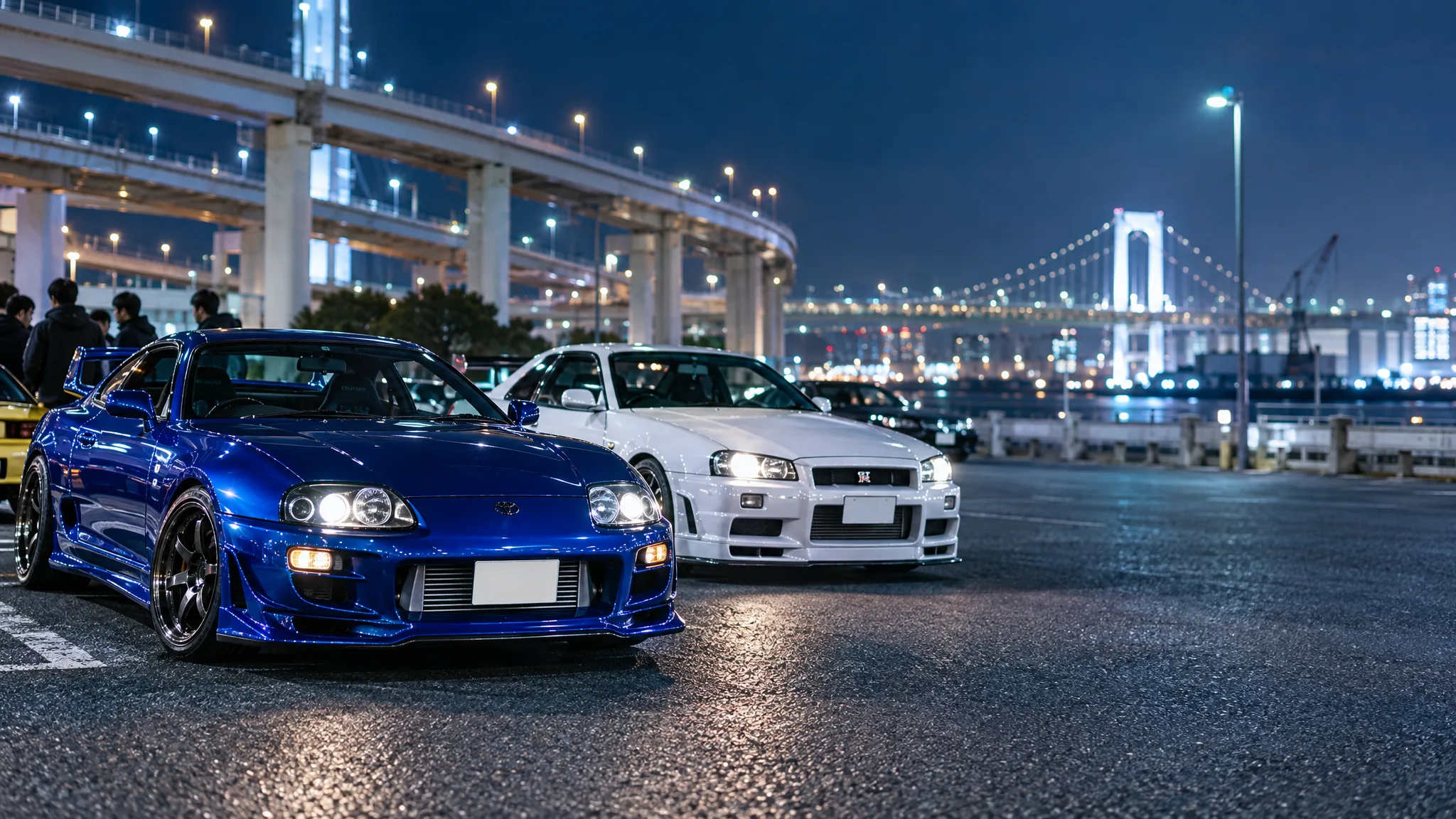
Ride a real Skyline or GT-R to Japan's most famous car meet. Join a guided night run with local enthusiast drivers, hotel drop-off in central Tokyo included, and a plan that holds even when police clear the lot early. Book your seat for the night the expressways come alive.
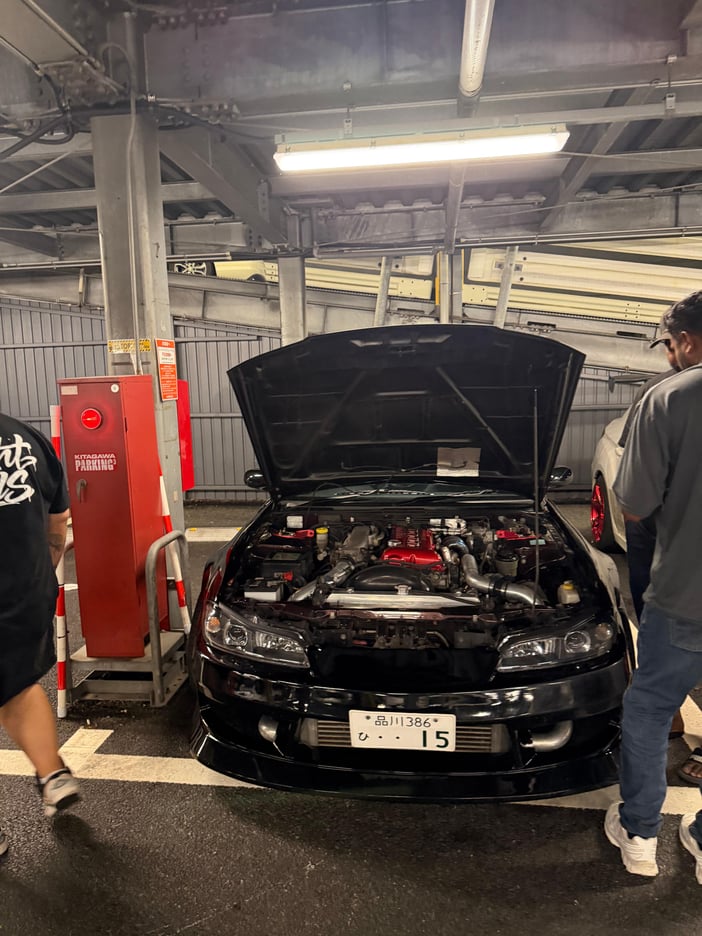
"Amazing activity for car lovers and adrenaline seekers, highly recommended. Big shoutout to our driver Oliveira for his friendliness, charisma, and good energy the whole ride."
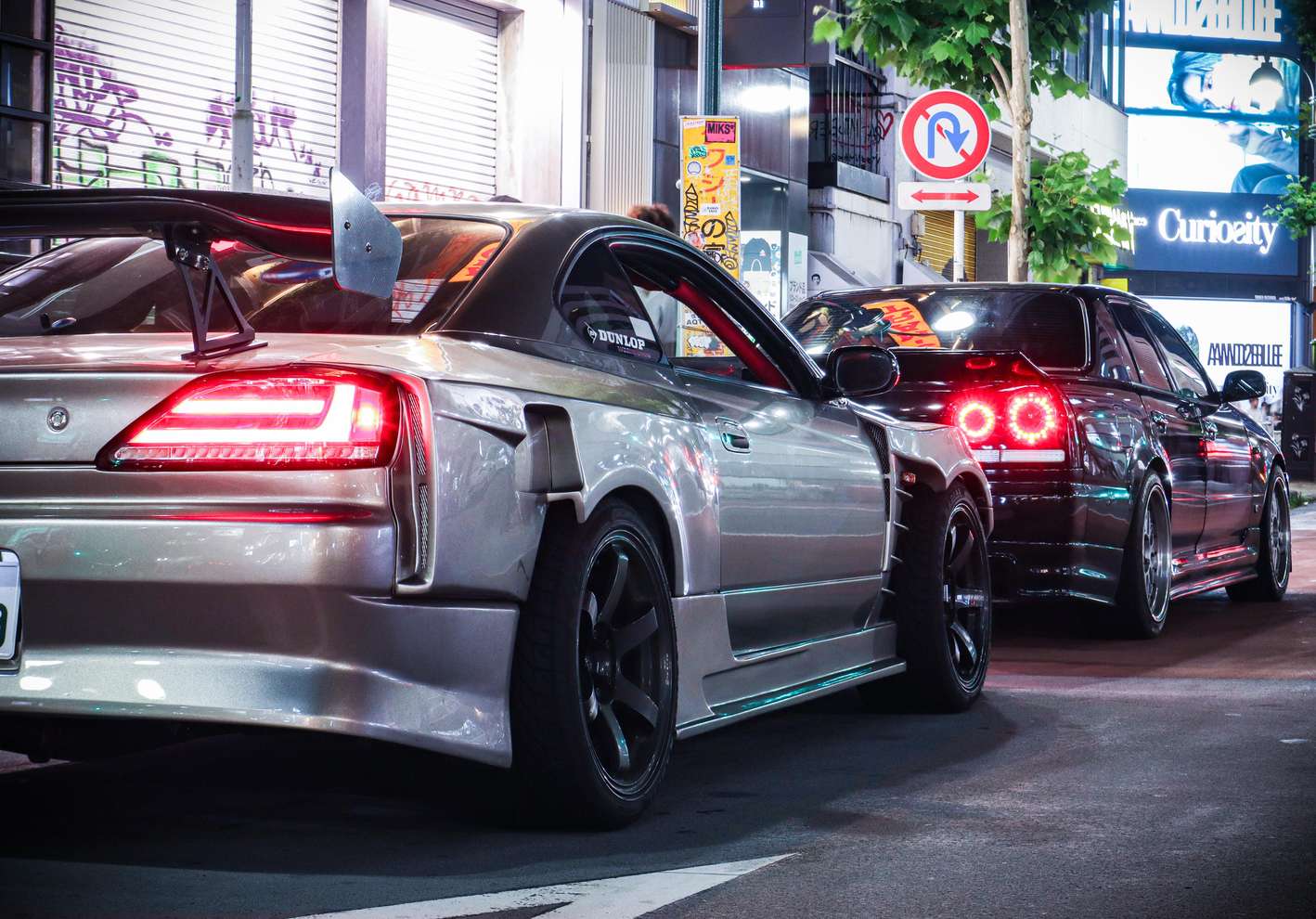
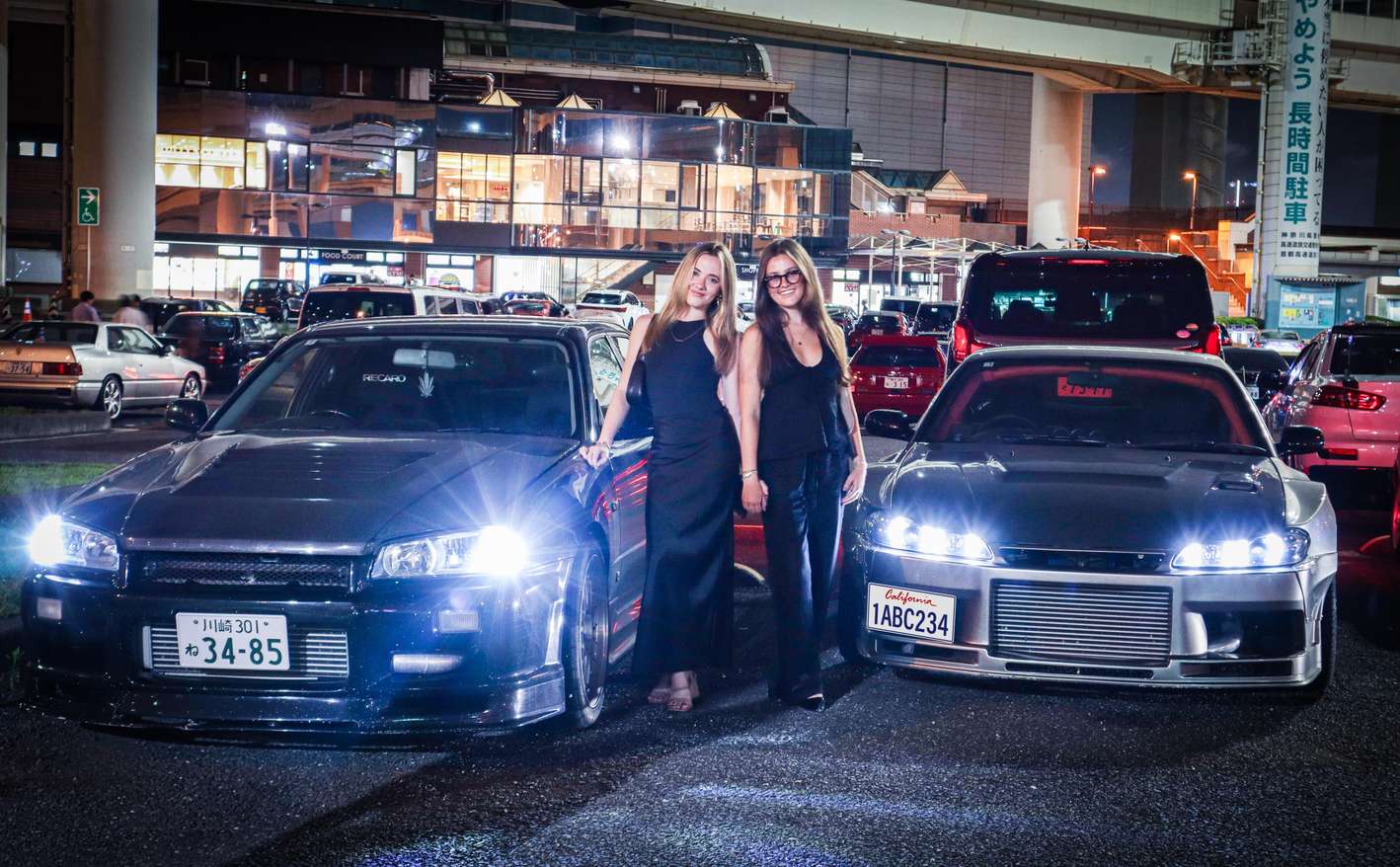
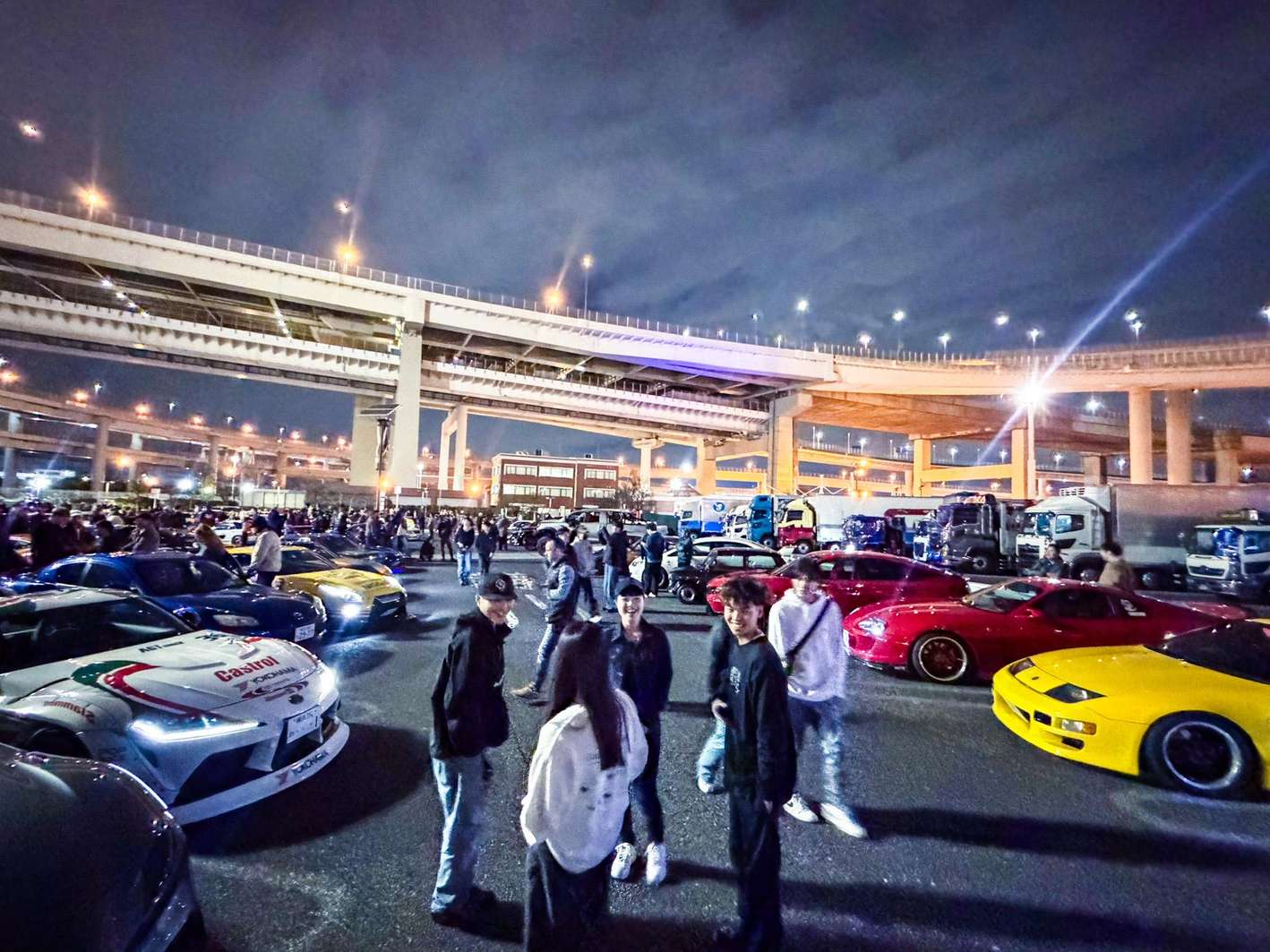
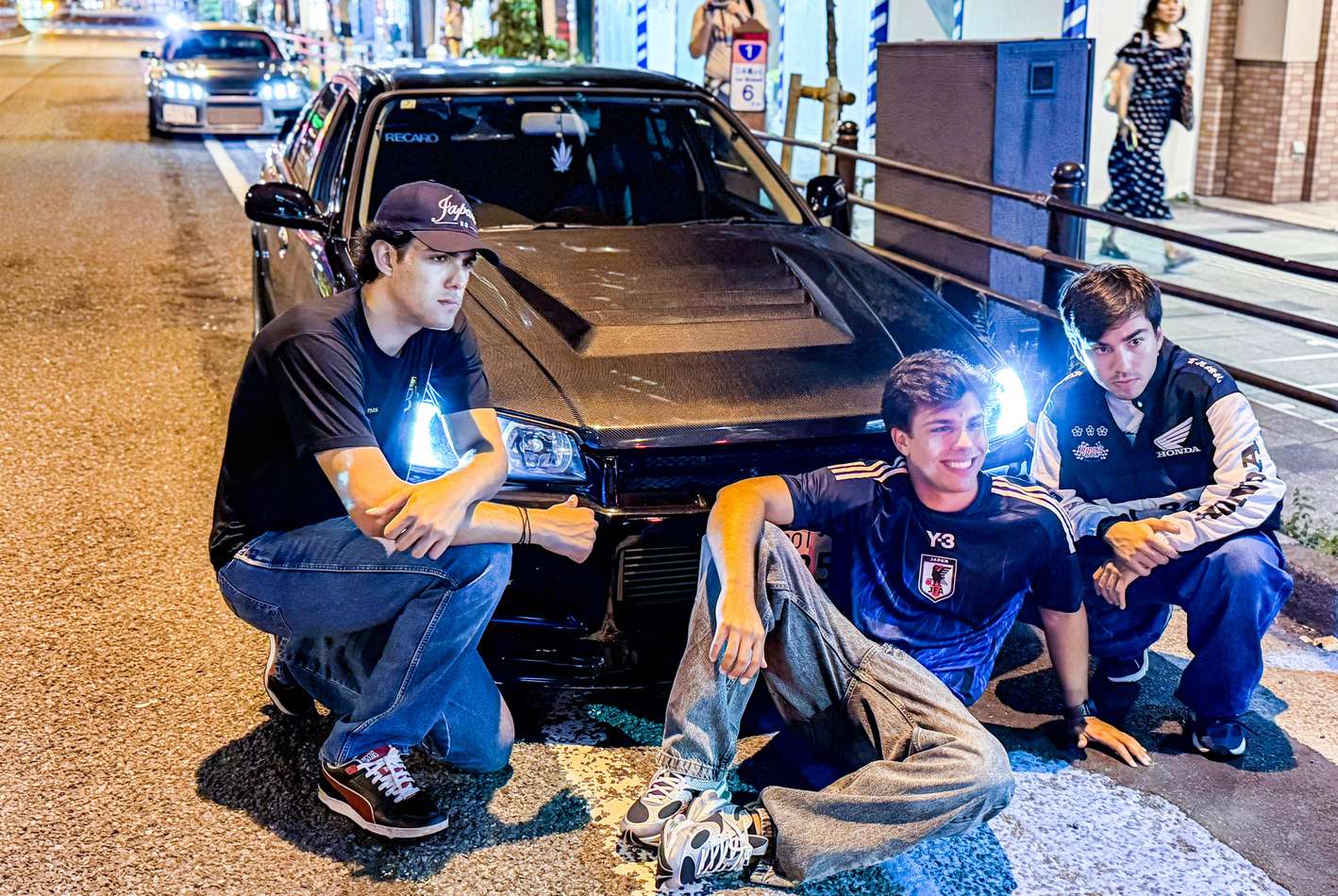
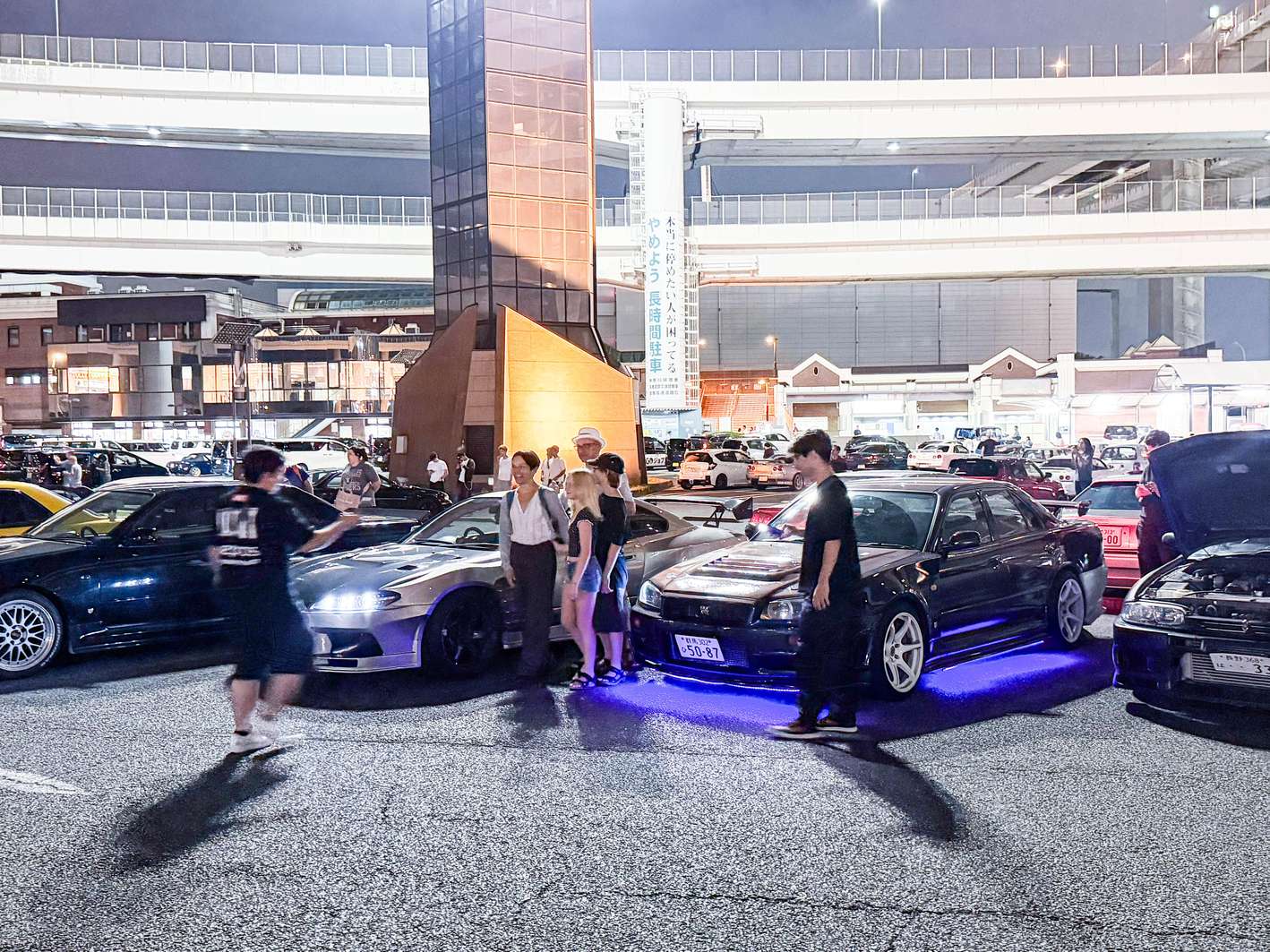
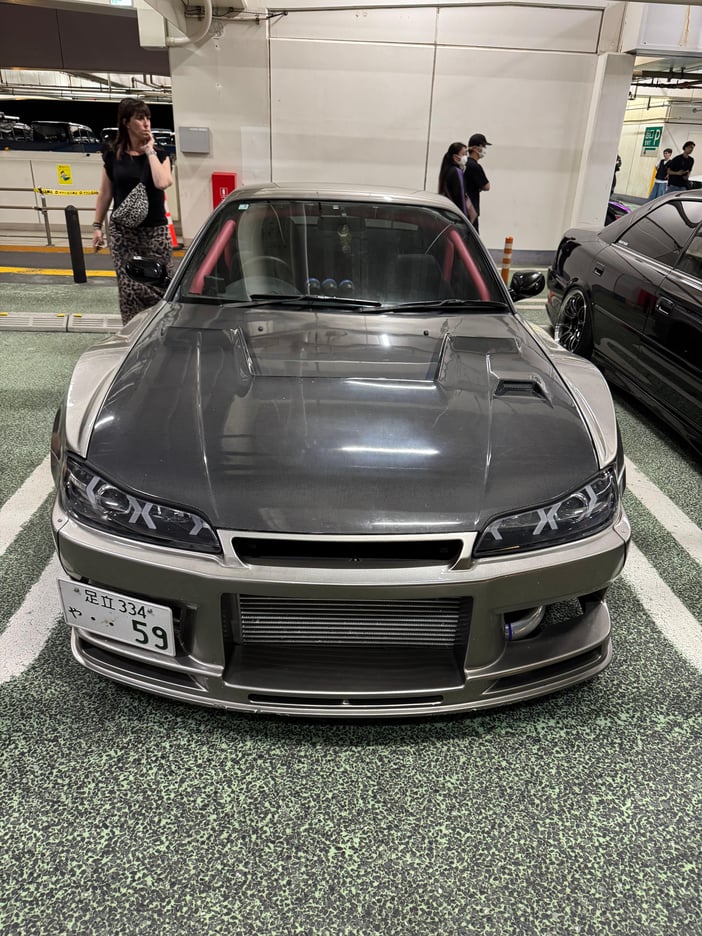
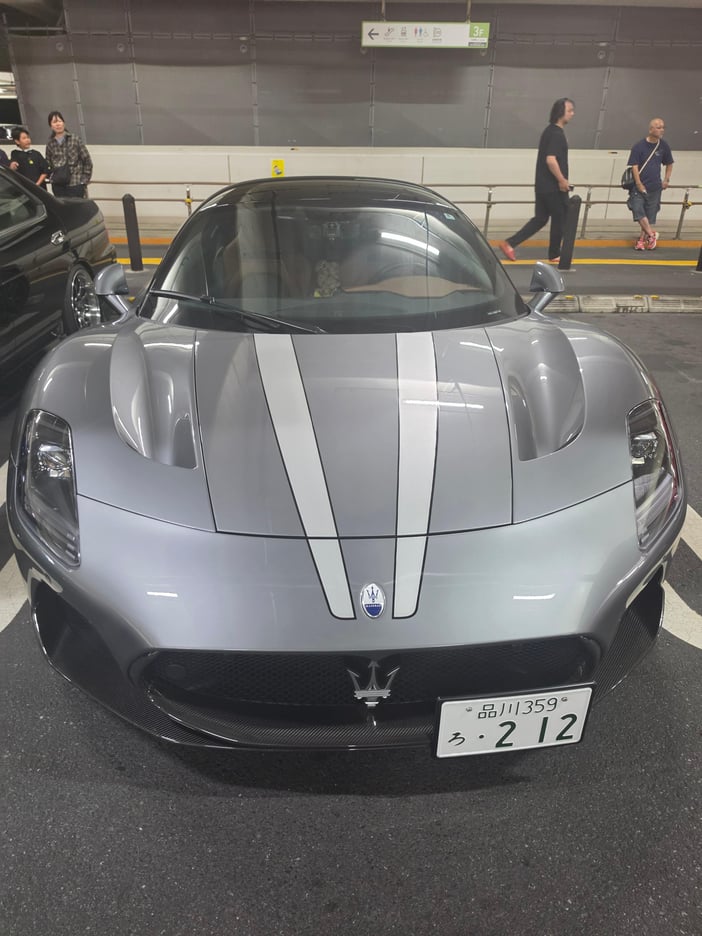
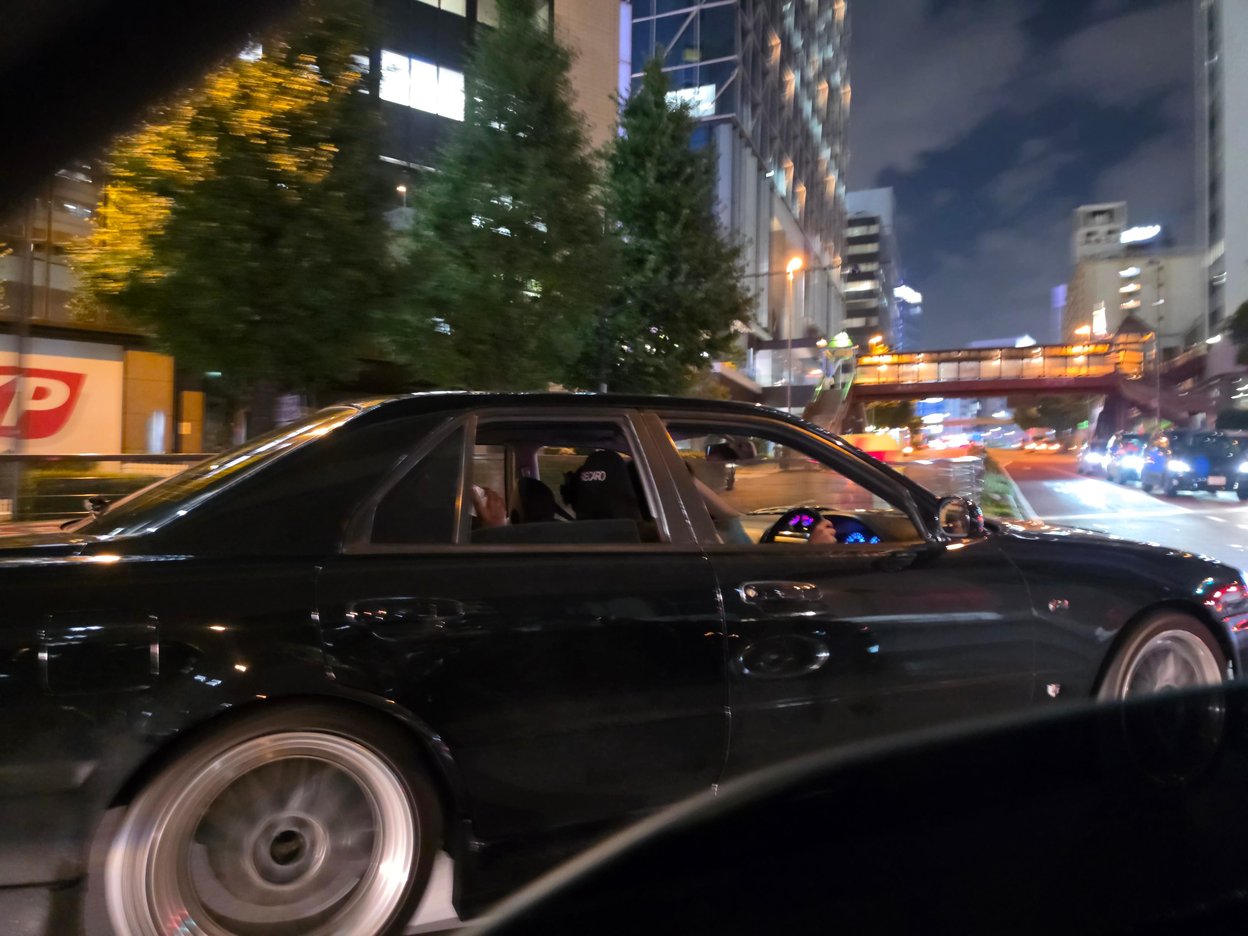
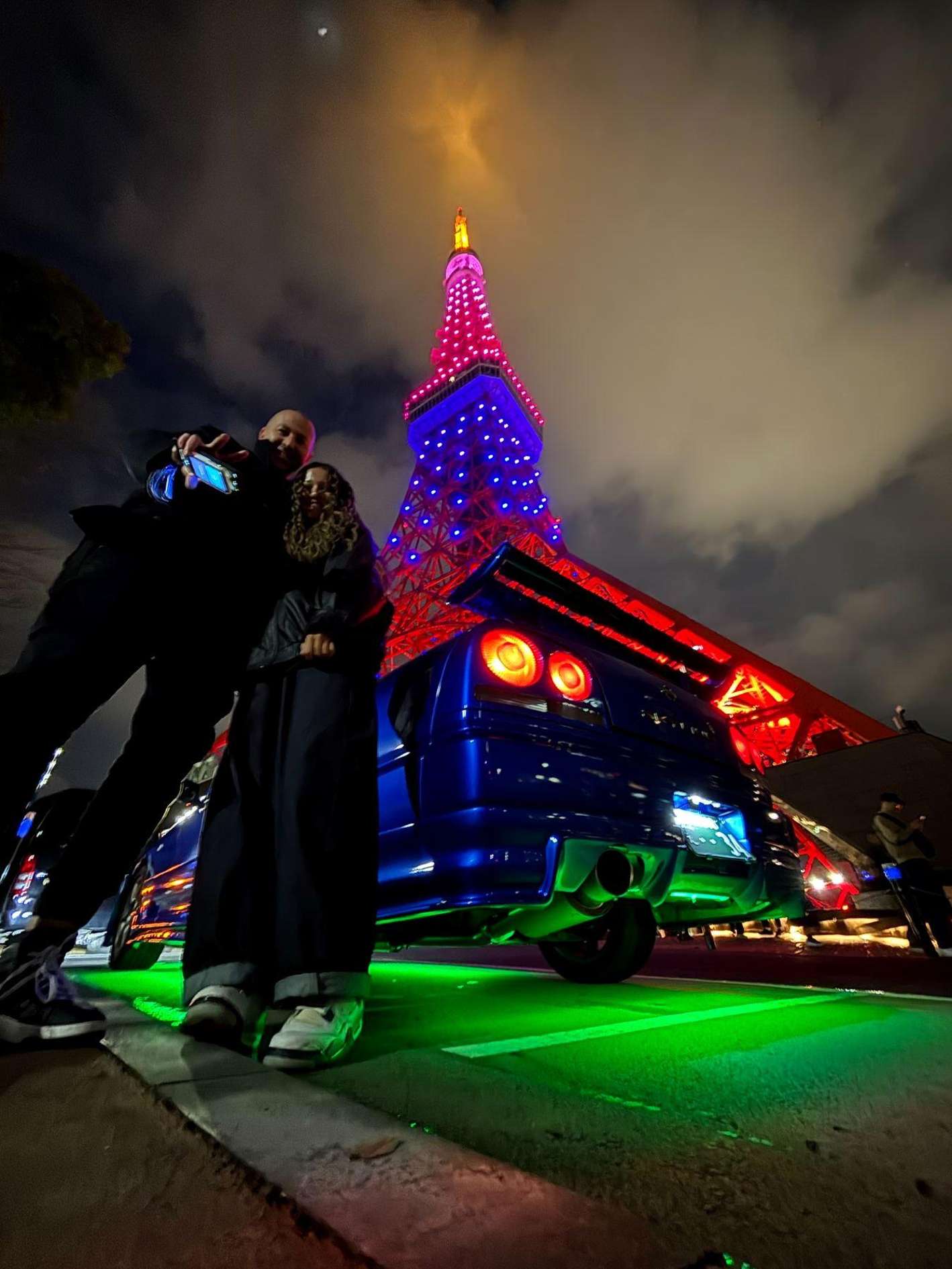
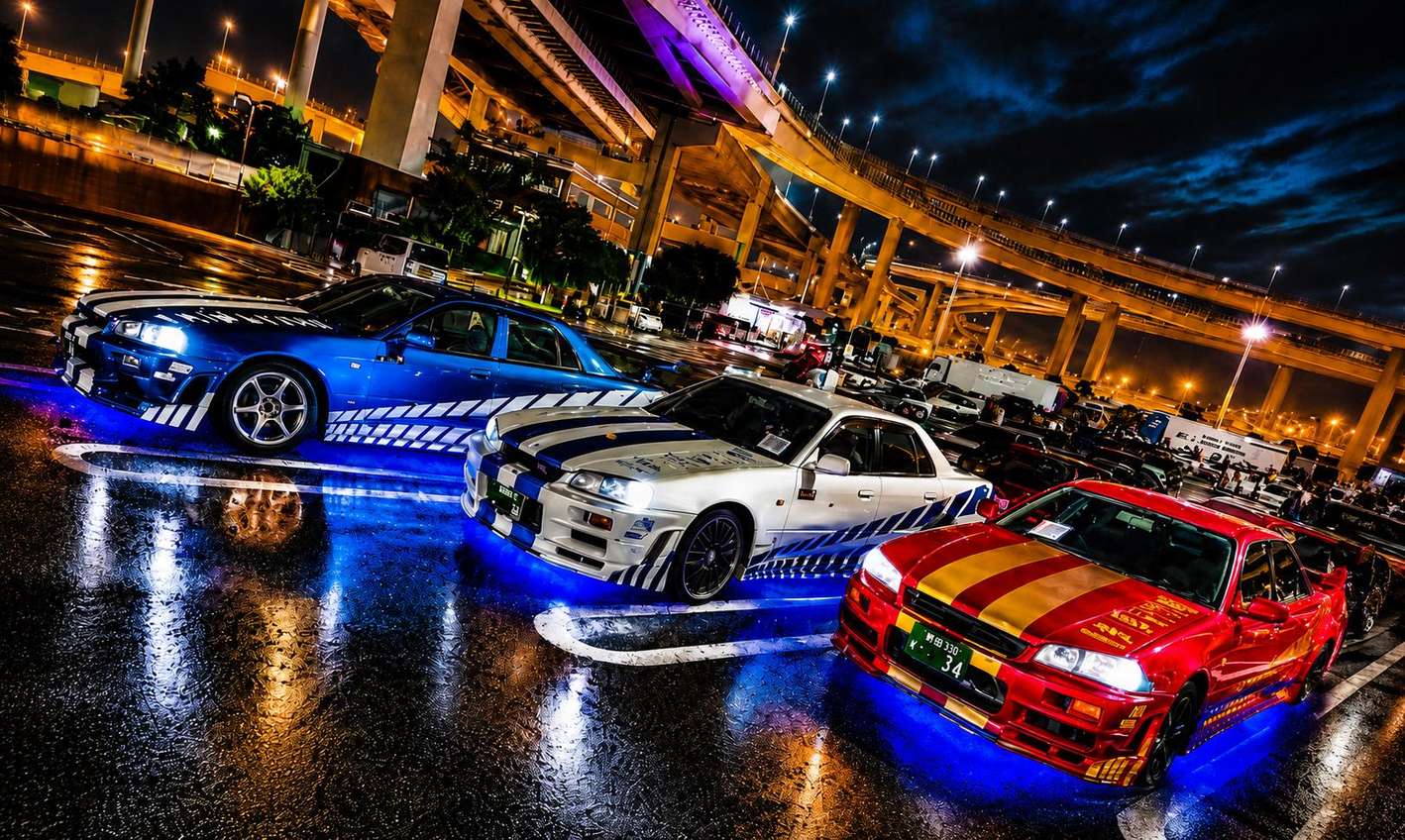
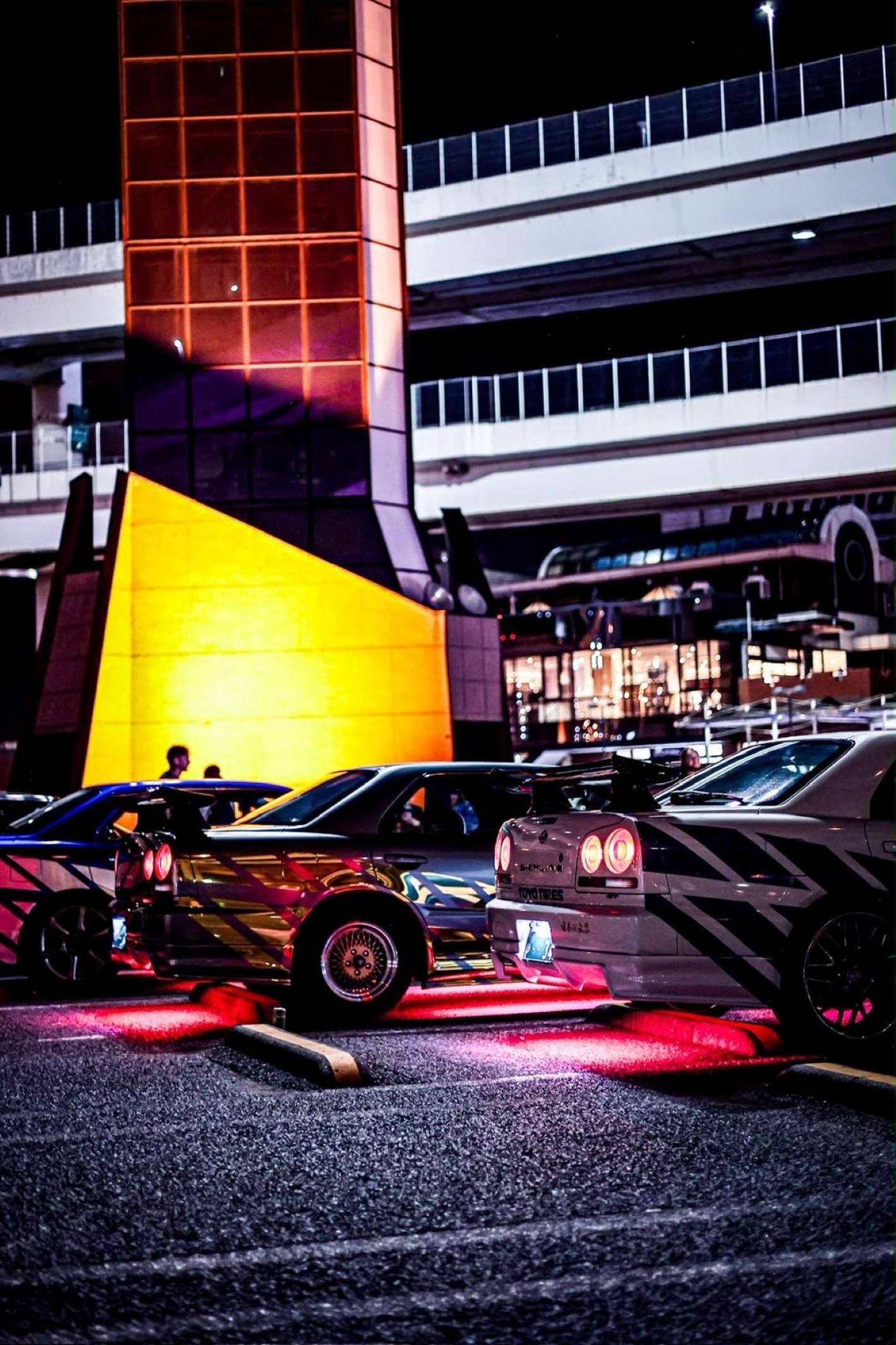
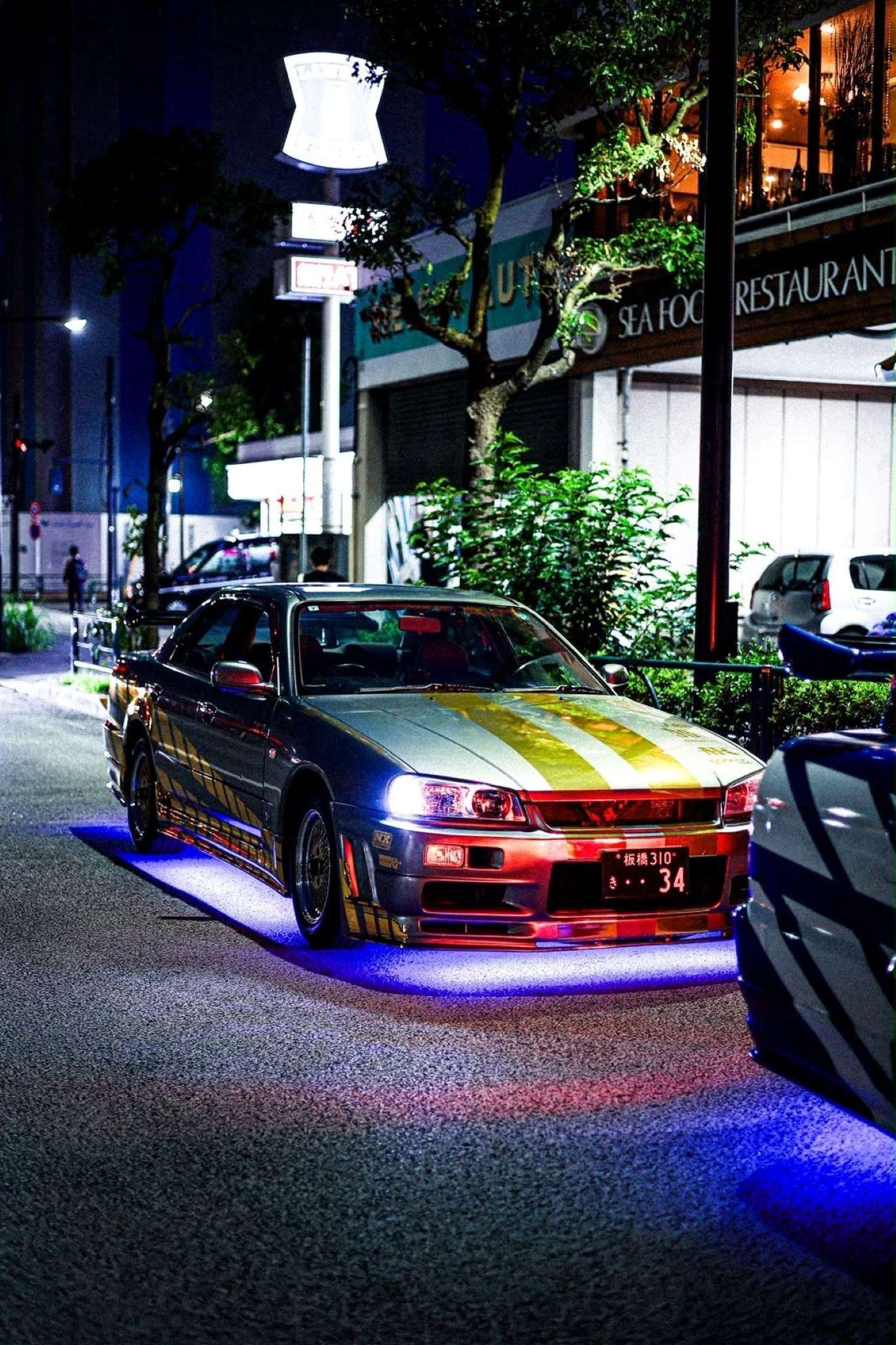
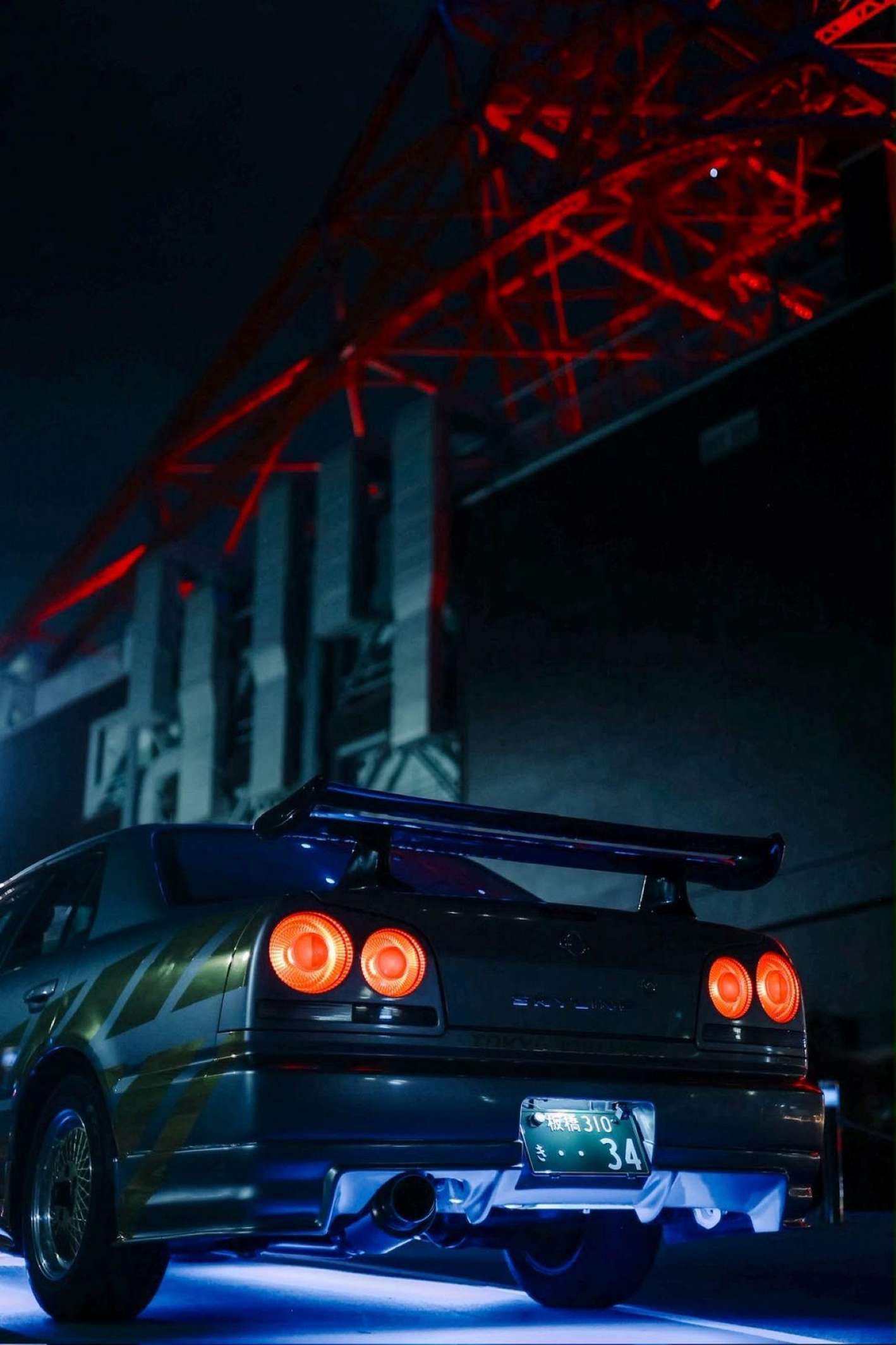
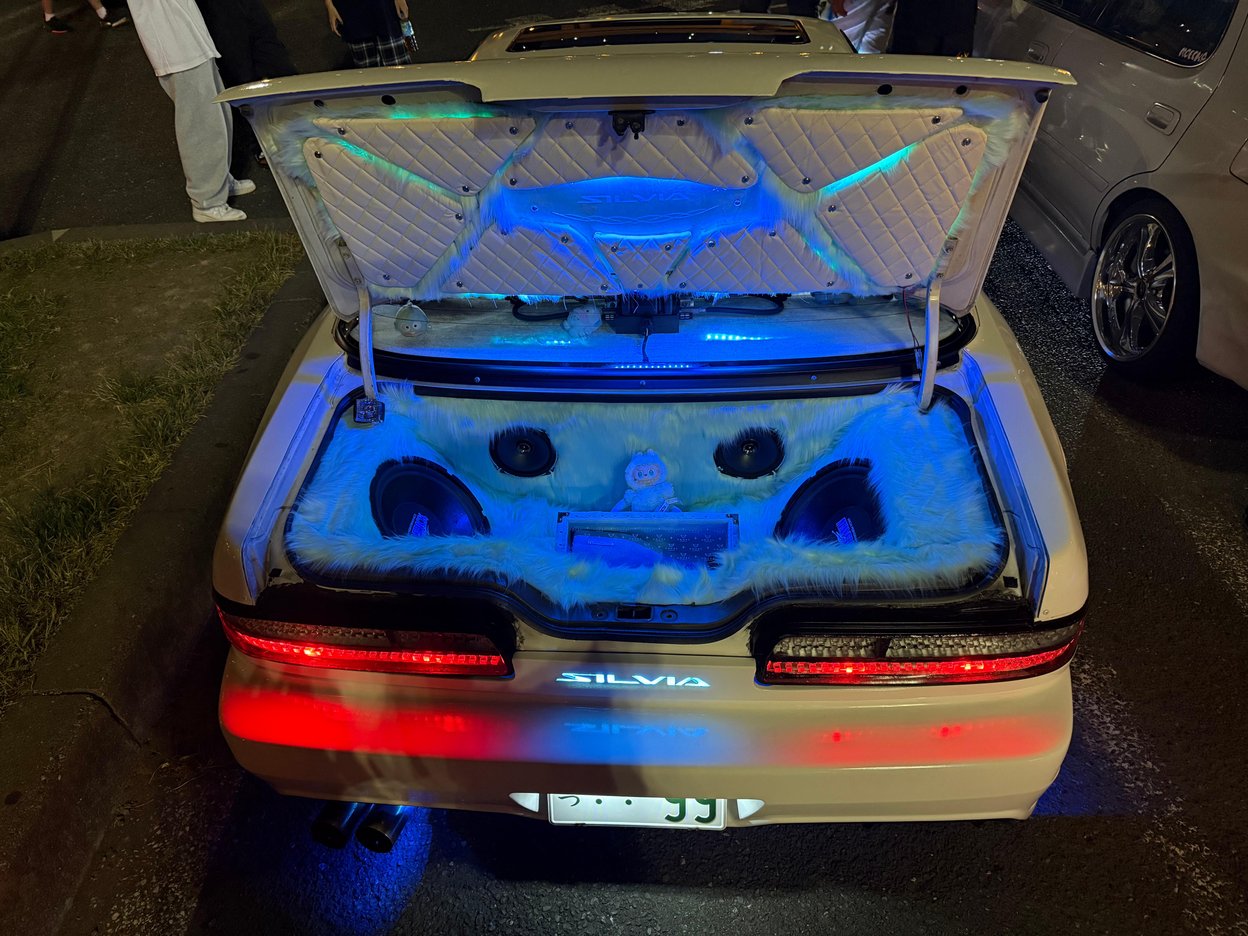
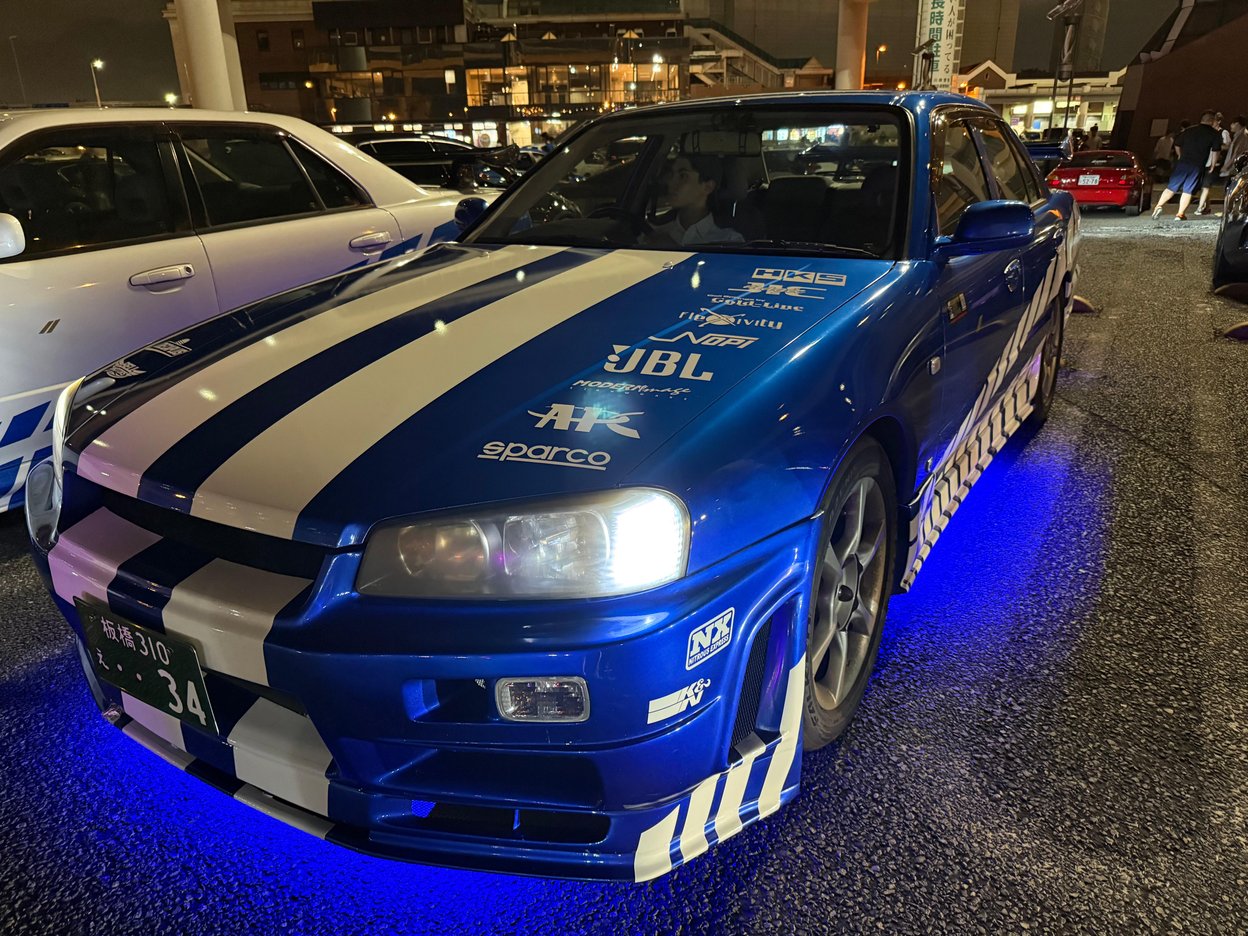
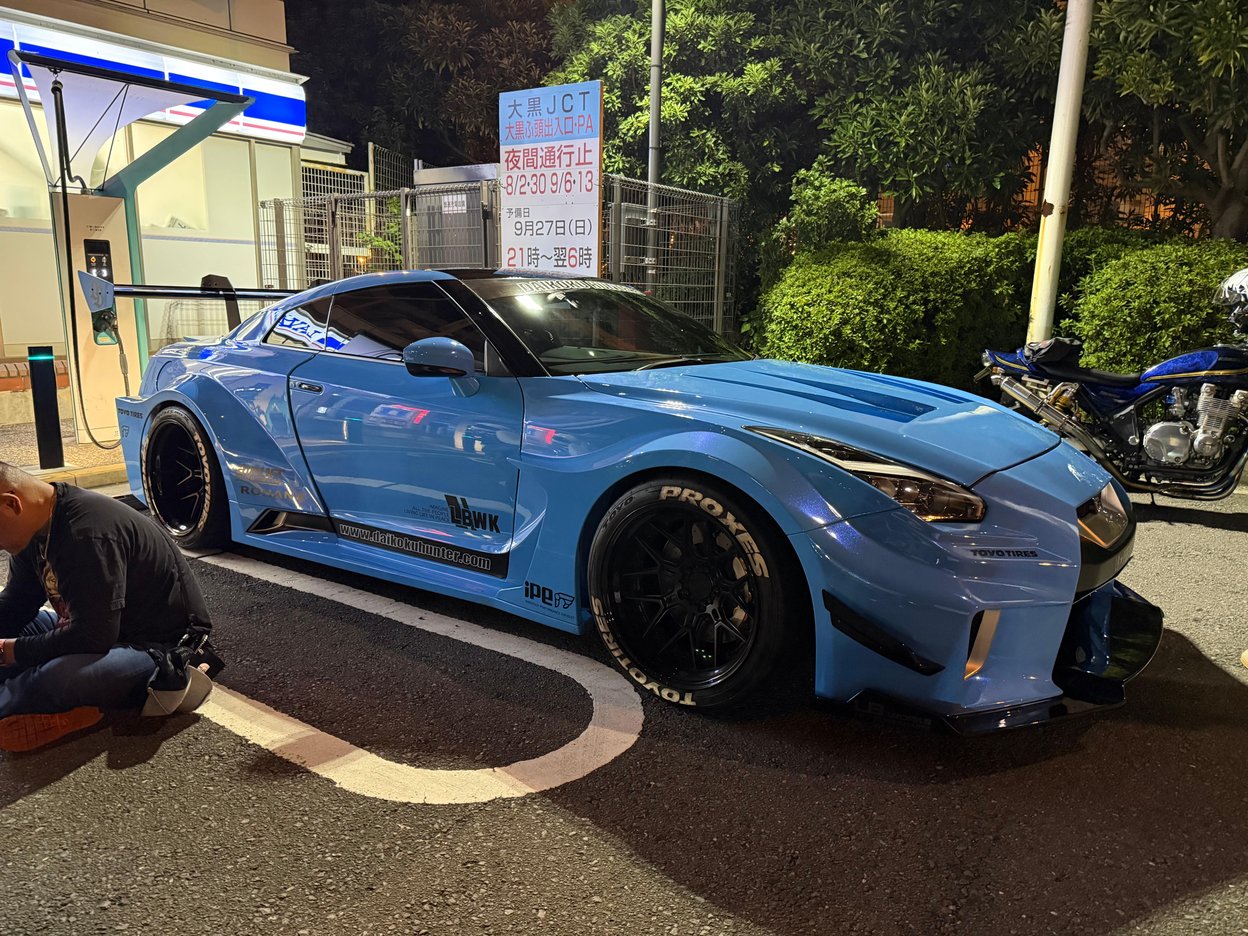
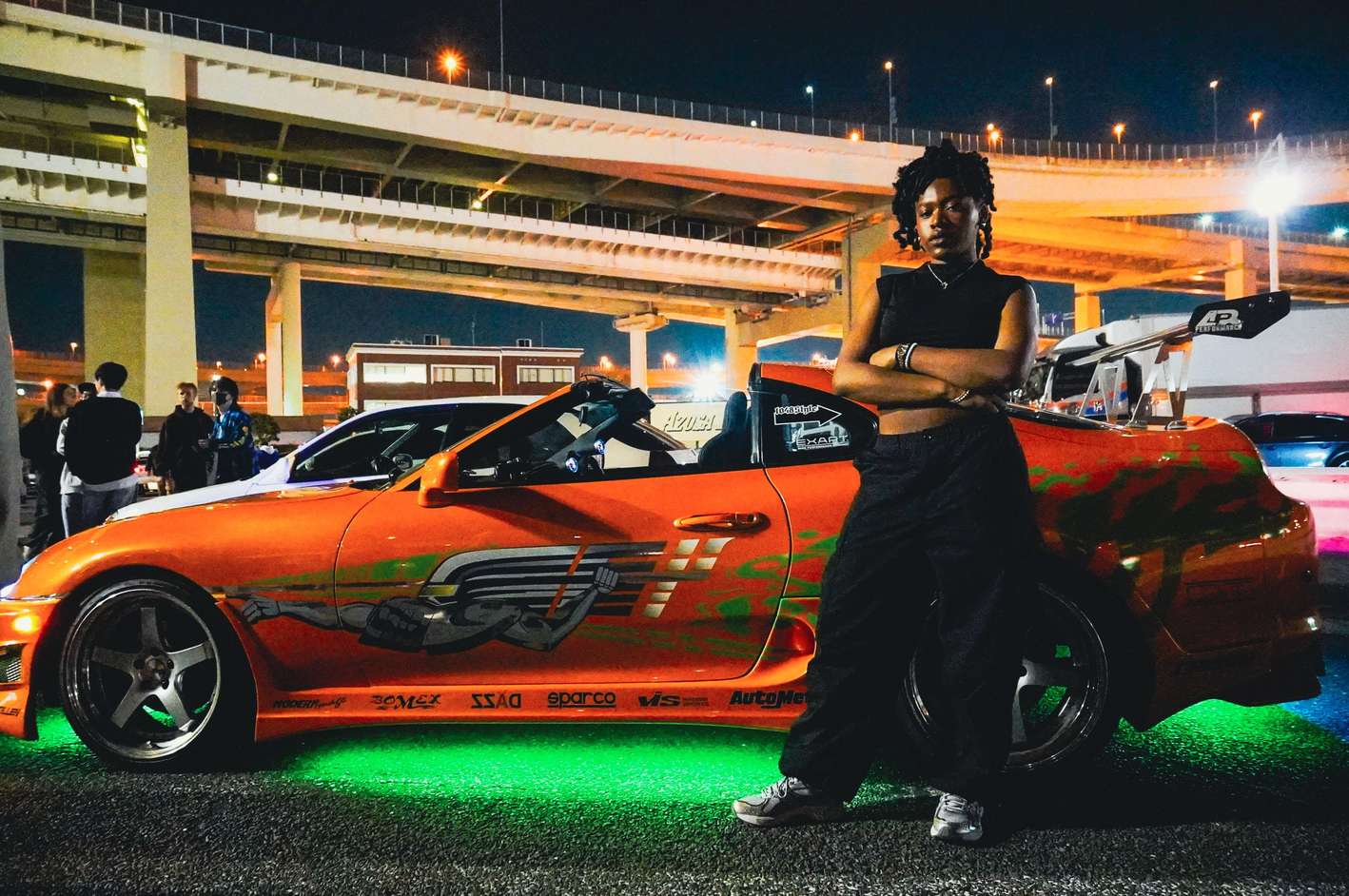
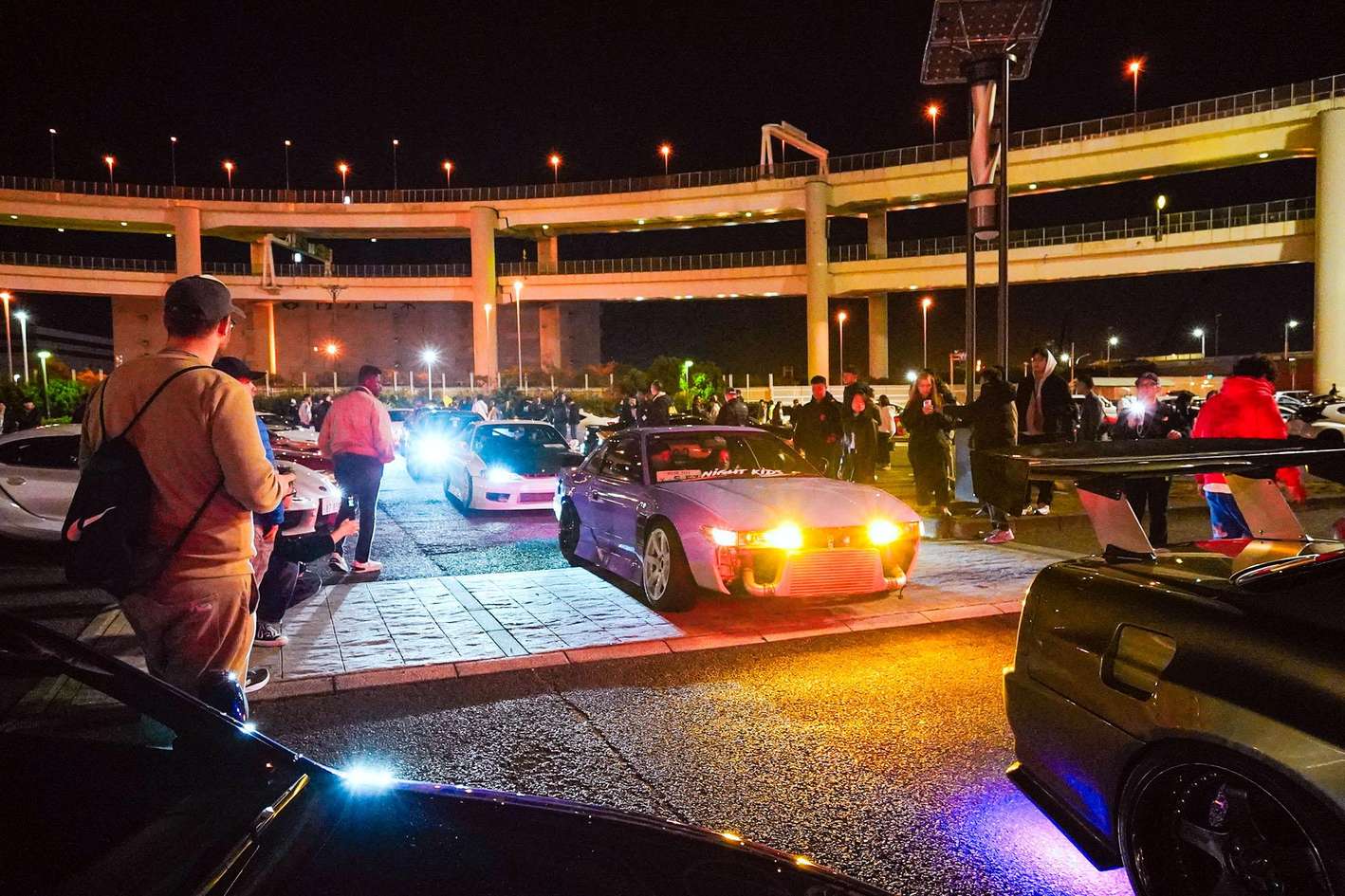
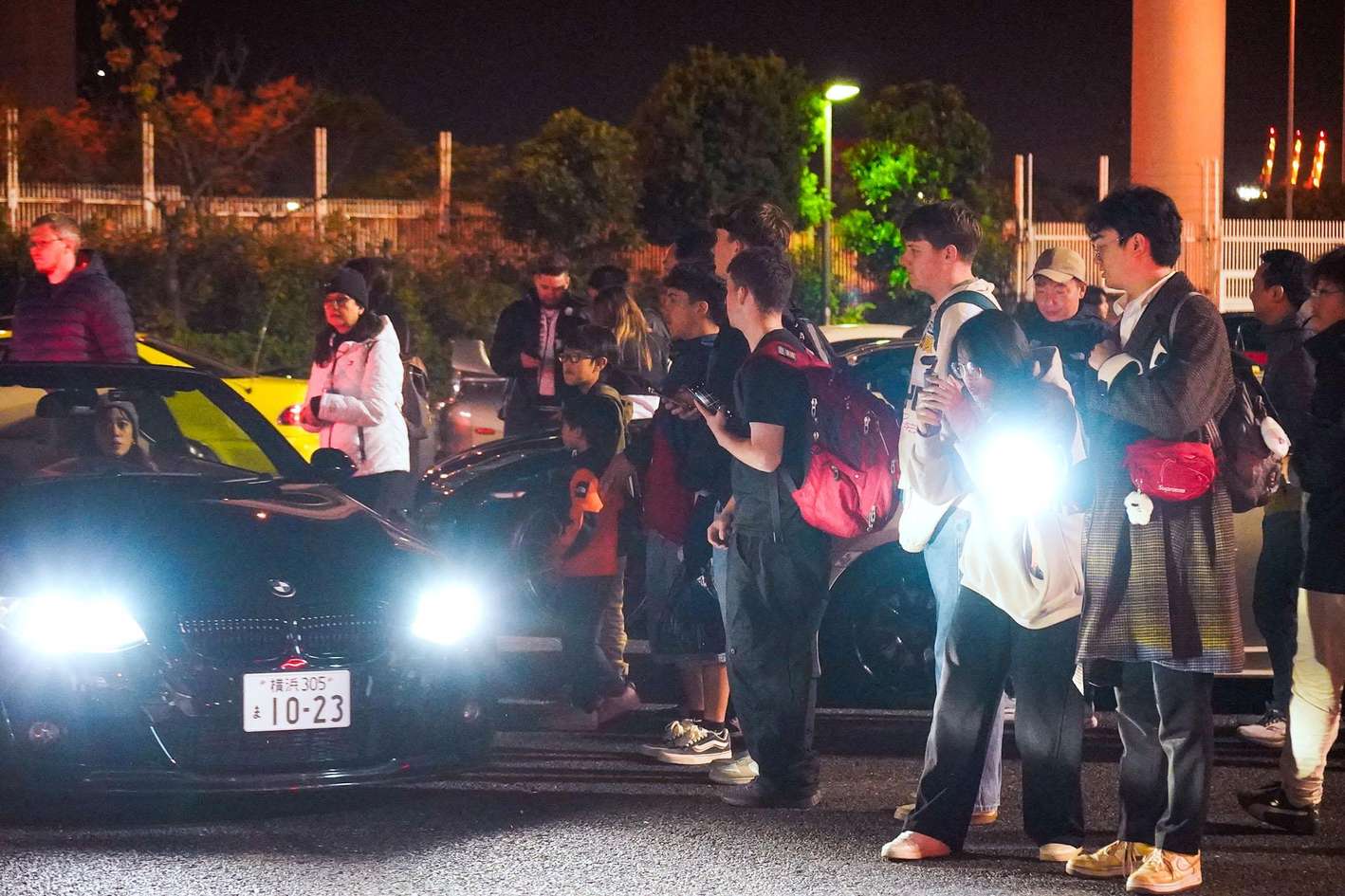
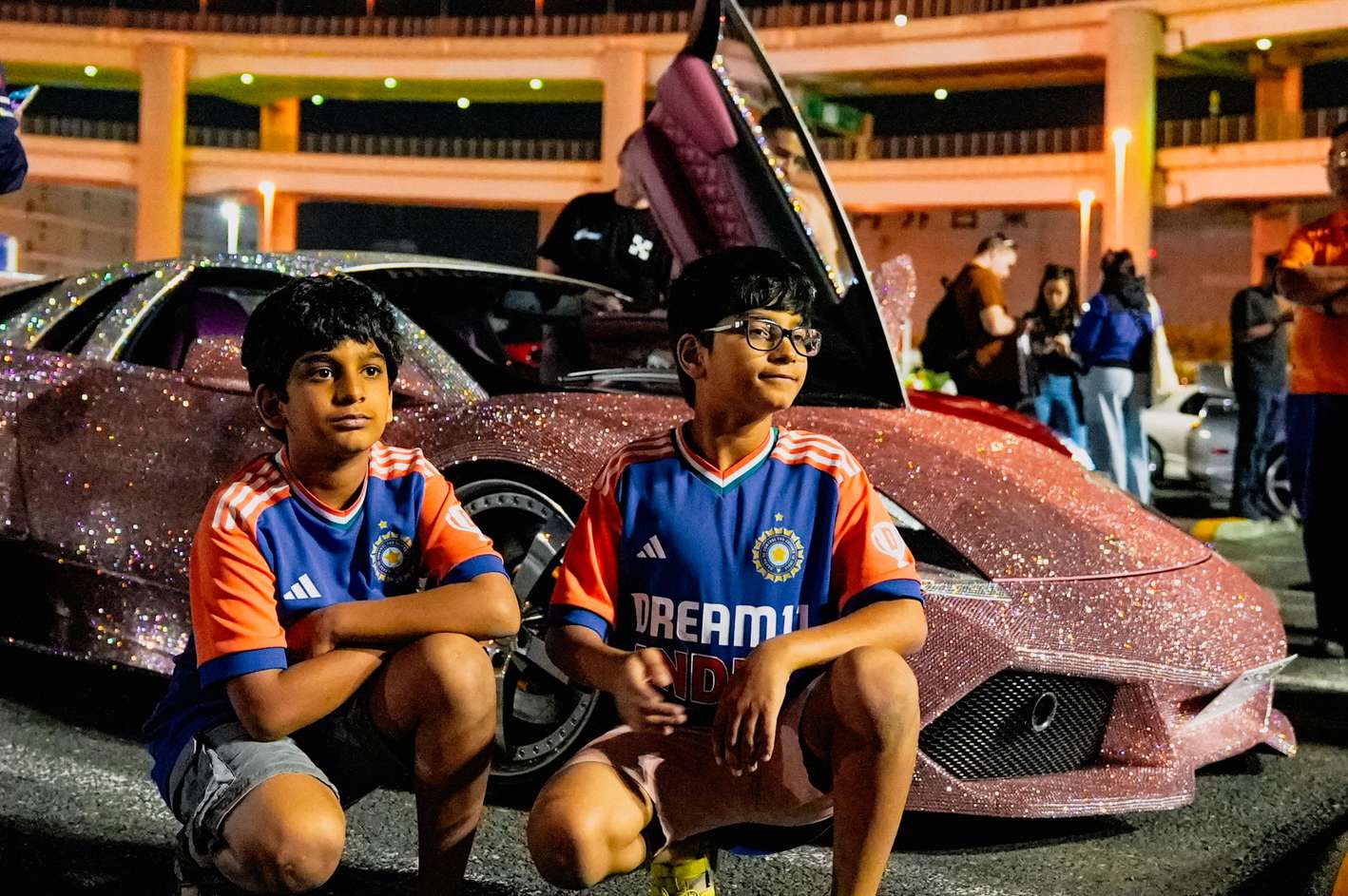
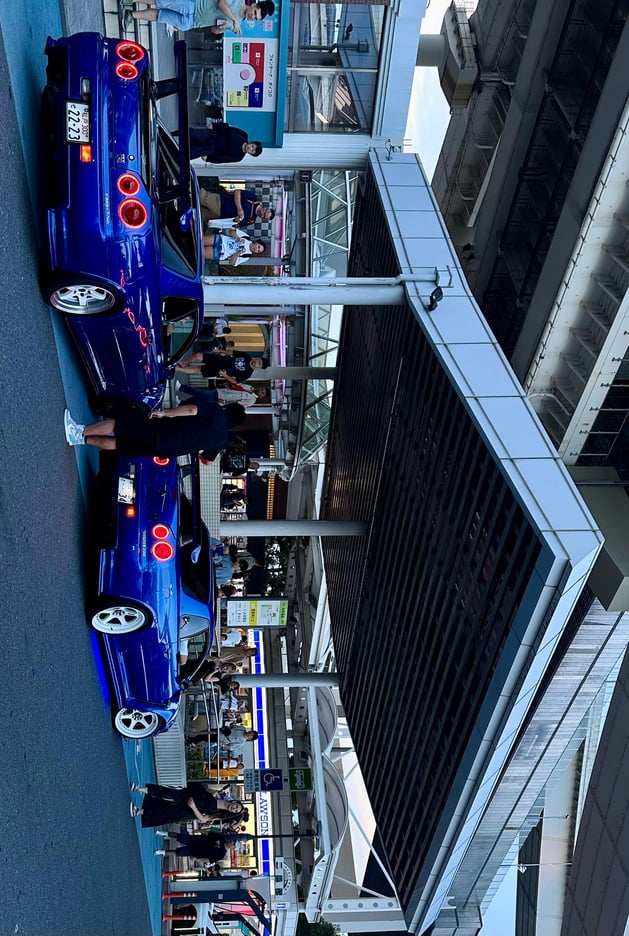
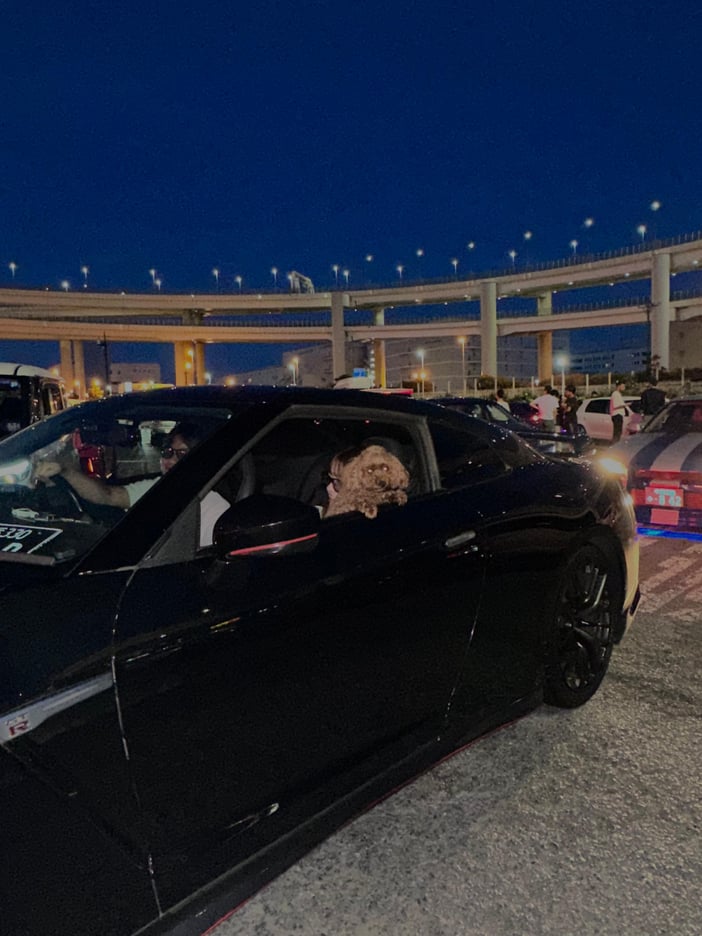
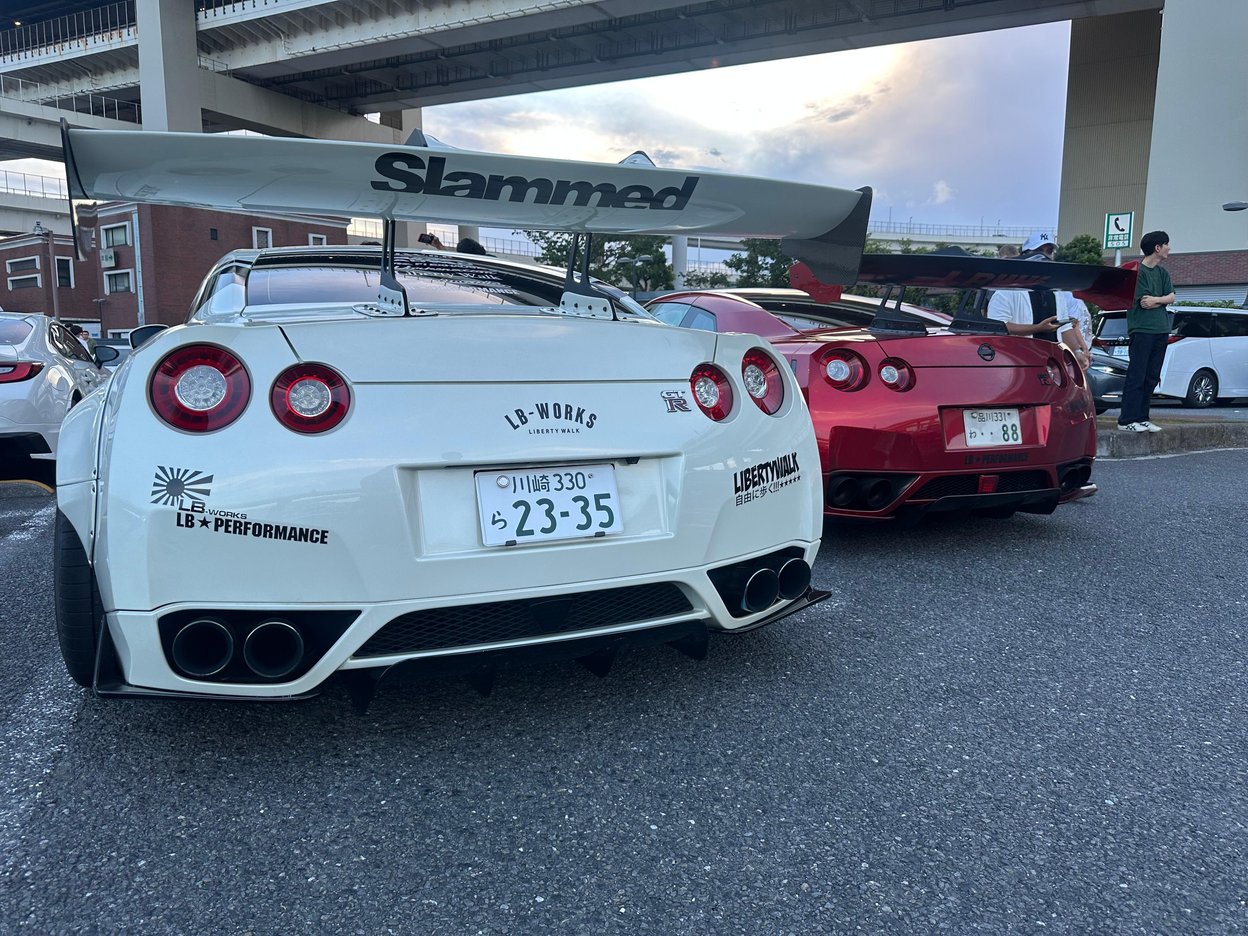
Every Daikoku night runs on its own rhythm, and knowing the schedule decides whether you meet the cars or an empty lot.
Every night has a different crowd, and the police clock decides how long it lasts.
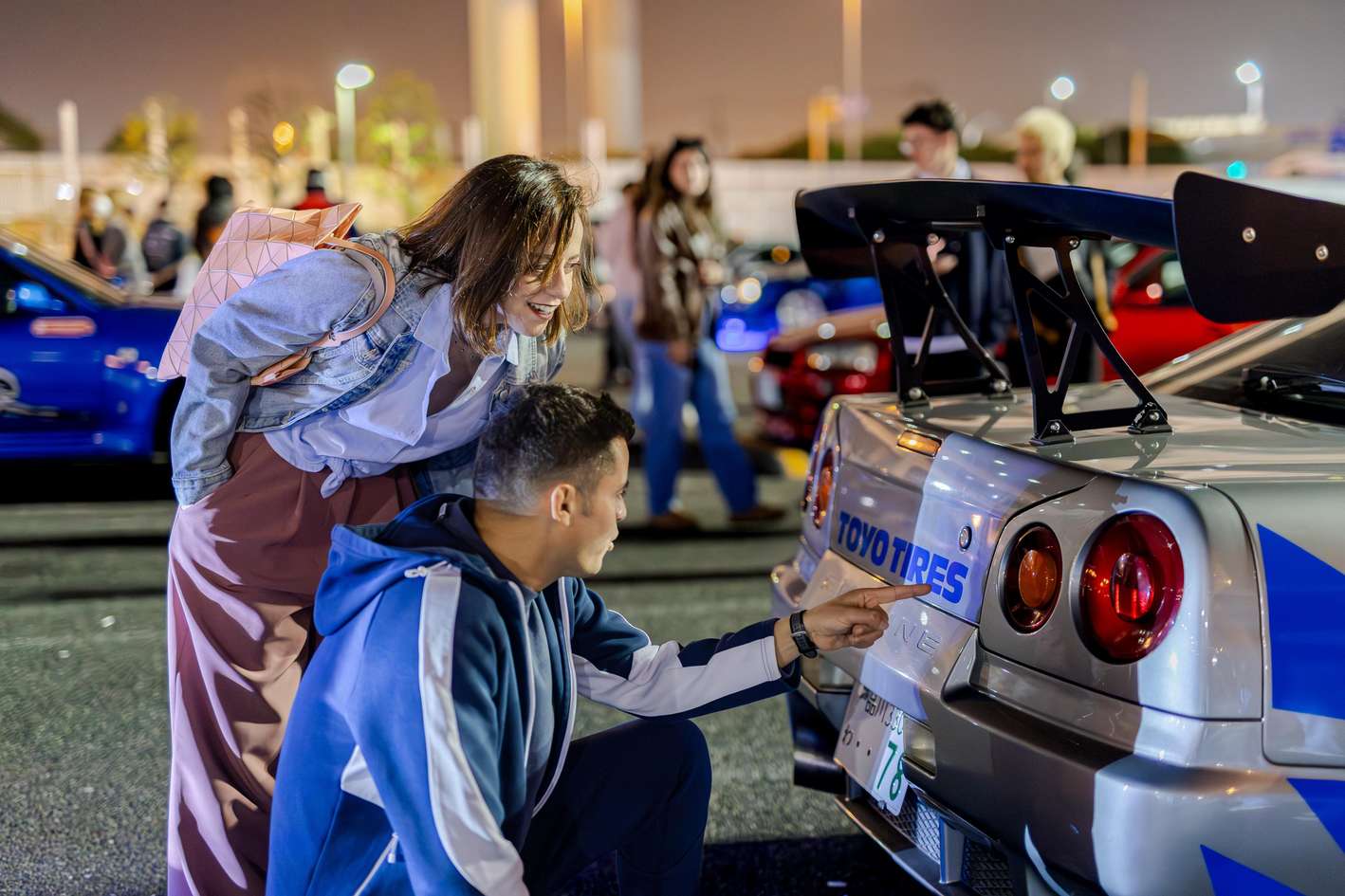
Friday and Saturday nights pack the deck with modified JDM cars, and they also carry the highest chance of a police clear-out between 7:30 pm and 8:30 pm. Sunday mornings bring daylight, European exotics and few closures. Weeknights sit in between, with Thursday often matching weekend turnout.
Pick your night before you book, because it decides what you will see. Guides reroute to Umihotaru or Tatsumi when the ramps close early, and standard evening runs drop you back in Tokyo before the last trains. Rain thins the lot without emptying it.
Daikoku PA opened in 1989 as a plain highway rest stop; enthusiasts turned it into Japan's most famous car meet. It sits on an island no train reaches, so the ride there and back decides everything.
Daikoku PA is a free, self-policed gathering at a working highway rest stop in Yokohama, running since 1989, never a ticketed show.
No train, bus or footpath reaches the island; entry runs only through the expressway, and walking in risks fines or arrest.
A taxi can take you out, but drivers rarely return for pickups, and Tokyo's trains stop around 12:30 am.
A standard tour gives you about 60 minutes on the lot inside a 3-to-4-hour night and drops you back before the last trains.
Friday and Saturday nights fill the bays widest and carry the earliest police clear-outs, between 7:30 pm and 8:30 pm.
Go with a guided tour: when the lot closes, guides reroute to Umihotaru or Tatsumi, and one operator offers a full refund instead of the detour. A weeknight or Sunday morning lowers the risk, and never try to walk in from the port, because that is illegal.
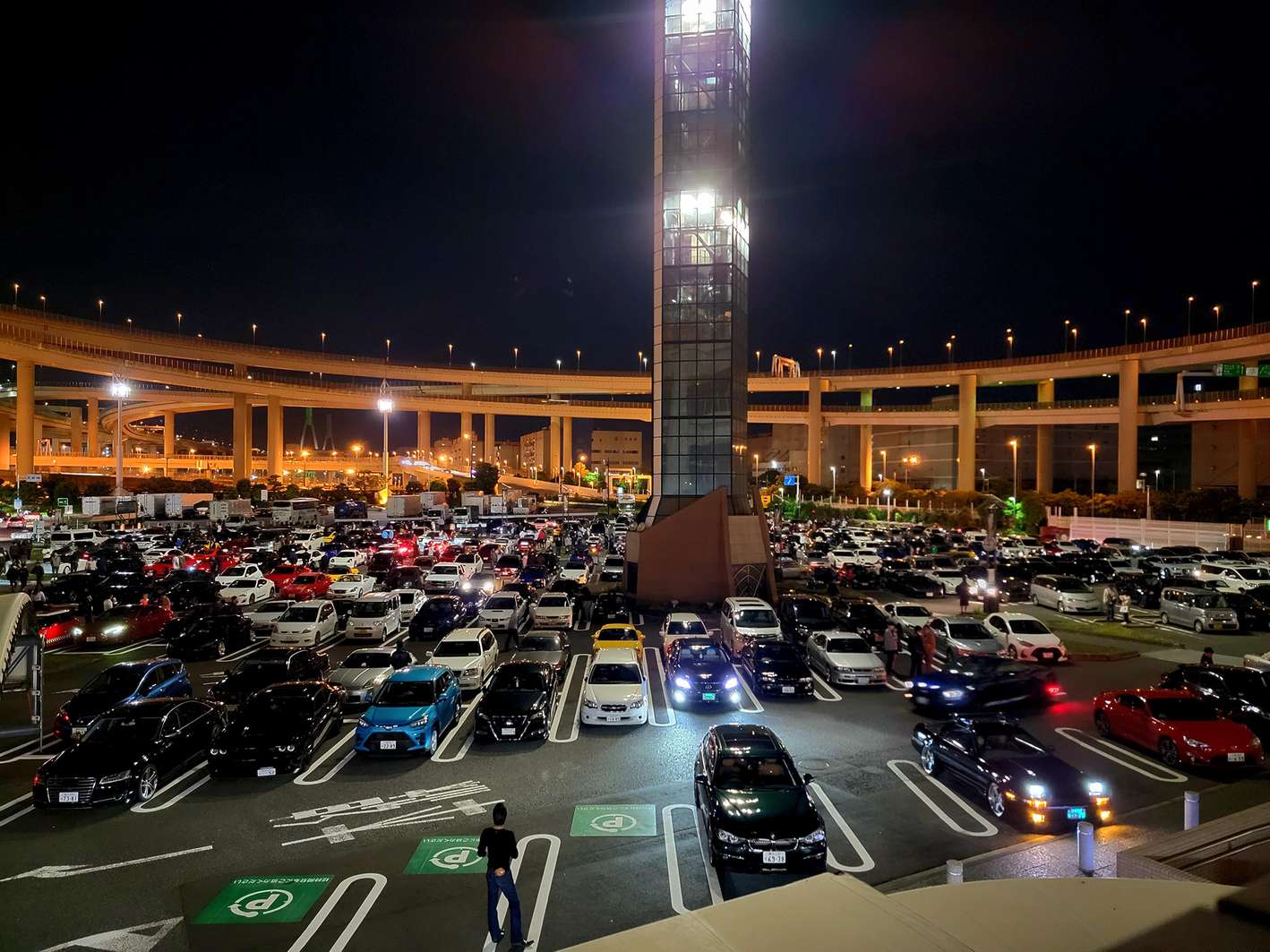
Daikoku PA is a working highway rest stop, fenced in on an artificial pier in Yokohama Port, and that is exactly why the meet here feels real.
Enthusiasts have gathered since the lot opened in 1989 alongside the Yokohama Bay Bridge, back when the Mid Night Club ran its expressway circuits past the water.
Nobody organizes what you will see: no ticket booths, no roped-off displays. The gathering forms itself, free of charge, and the community polices it. Pick a night, book your ride in advance, and the island handles the rest.
That calls for one reset before you spend money or hope. The movies put drifting in every parking lot; here police watch the site constantly and stunts stay off the menu.
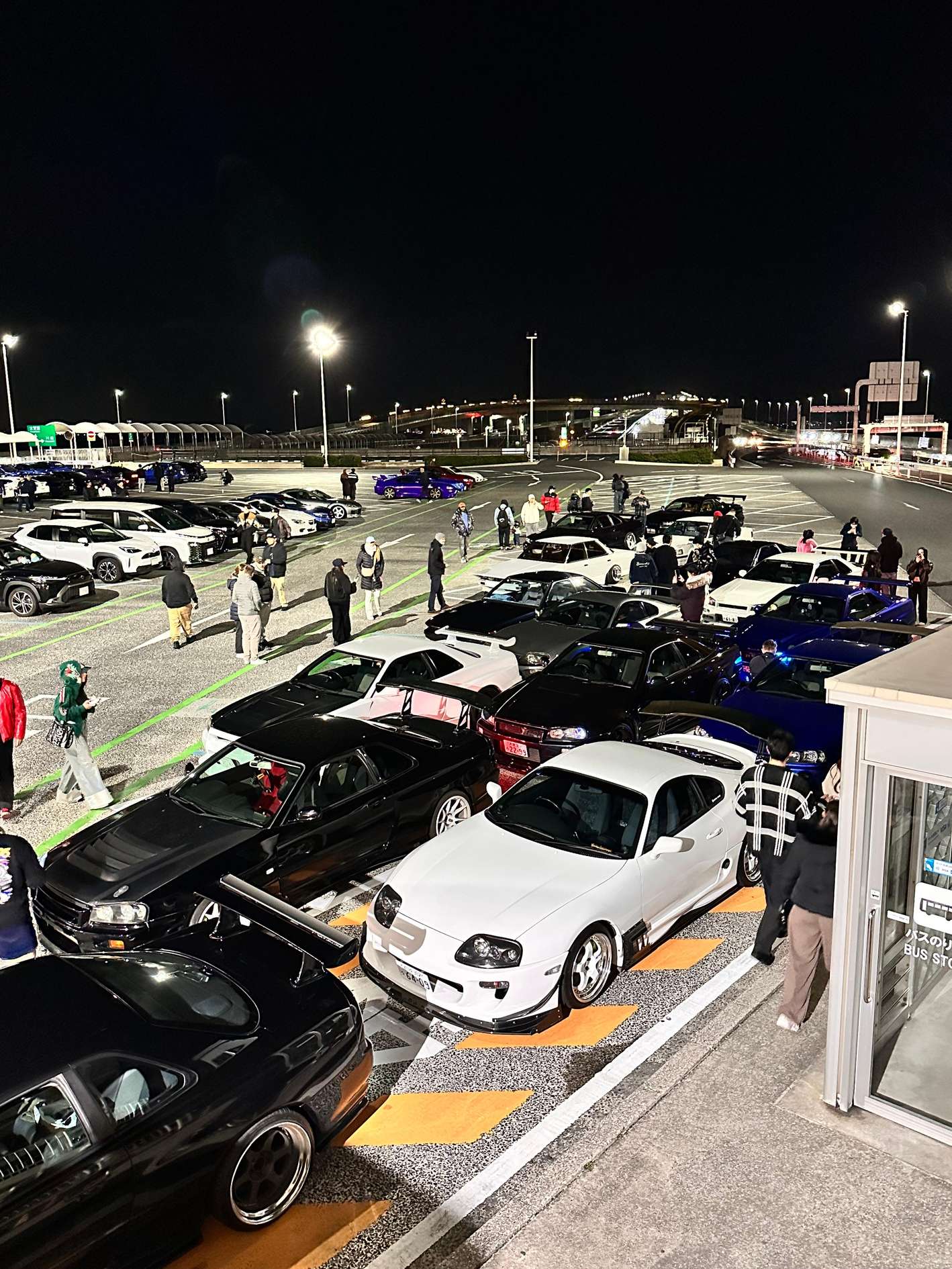
What you get is a stationary gathering of heavily built cars with engines off, owners leaning on fenders and talking shop. On a strong night that fills every bay. On a slow one it doesn't, and no lineup is ever guaranteed. That unpredictability is what keeps regulars coming back.
Entry and parking cost nothing; the gathering happens at a public rest stop with no tickets or staff
Police monitor constantly and stunts are illegal; the gathering is stationary cars
Numbers, types and styles vary by night, weather and conditions
Missing the staged-show myth matters for one practical reason: what you book is a seat in a car and an hour on a public lot, and the cars decide the rest. Operators who run these nights constantly read the scene better than any schedule can.
Look at a map and the island of Daikoku Futo sits in Yokohama Port, about a 40-minute drive from Shibuya when traffic behaves.
What the map hides is the hard part: the rest stop lives inside the expressway junction itself, sealed behind perimeter fences with locked gates. No train stops here, no city bus calls here, and no footpath crosses the water.
Route apps sometimes show island bus stops a short walk away. Ignore them. Pedestrians who walk the ramps or climb the fences are trespassing on a live expressway, and Kanagawa police treat it that way, with fines or arrest on the table.
The only legal way in rides on the toll expressway, by the Bayshore Route or the K5 Daikoku Line.
That single fact shapes every later choice: whatever gets you onto the expressway also has to get you home.
Walking the ramps or climbing the fences onto Daikoku Futo Entry on foot is illegal trespassing, punishable by fines or imprisonment, and route apps showing island bus stops change nothing
Once a seat on the expressway is booked, the island stops being an obstacle and becomes a destination. The remaining question is which seat you take.
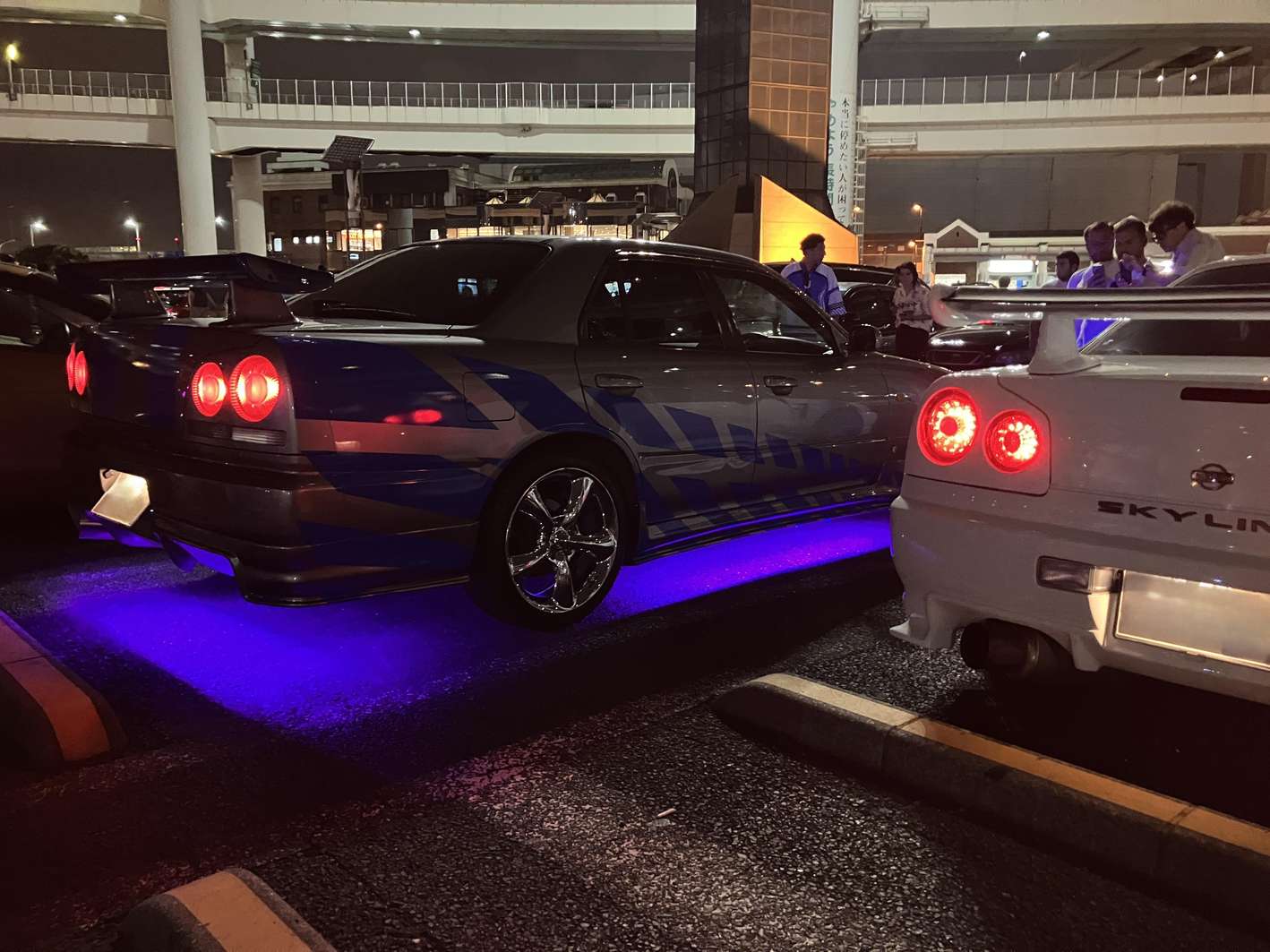
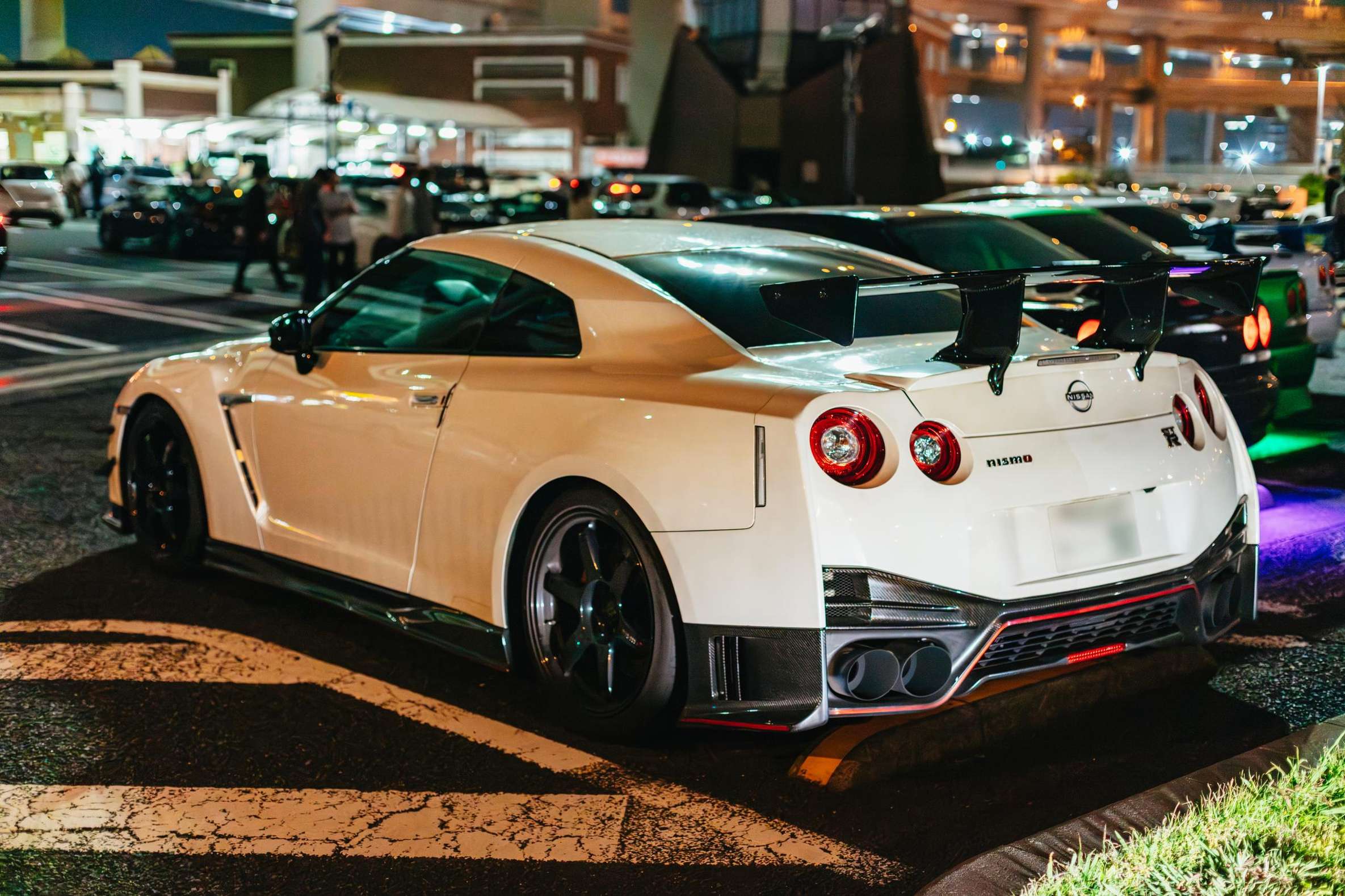
Three ways onto the island exist, and they are not equal.
A guided tour is the round trip in one package: the tour named Tokyo: Night JDM Car Cruise to Daikoku PA or Alternate Stop picks you up in a modified car, covers every expressway toll and the fuel, and lands you back in Tokyo at the end, in about 30 to 45 minutes each way.
A taxi makes the same drive out in 35 to 50 minutes, and that is where its usefulness ends. Drivers will not enter a toll road for a speculative pickup, there is no taxi stand on the lot, and Tokyo's train lines shut down around 12:30 am.
Renting a car works too, roughly 37 minutes without traffic, and parking at the meet is free beyond the tolls.
The fuller logistics, the bus routes that go nowhere and the cheapest combinations, get their own guide at How to Get to Daikoku PA.
| Guided tour | Taxi or Uber | Rental car | |
|---|---|---|---|
| Round trip | Guaranteed, the driver waits and returns | Ride out only; return pickups rarely happen | Yours to manage, both directions |
| Getting home after midnight | Drop-off included, often at your hotel | Trains stop around 12:30 am and no taxi comes for you | You drive back yourself |
| Cost shape | One per-person price covers tolls and fuel | Meter, tolls and wait time pile up | Rental, tolls and parking split across the group |
| Paperwork | Passport only, no driving permit needed | None | Geneva-format permit or Japanese translation plus a credit card |
Weighed that way, the tour wins for most visitors, and it wins hardest for anyone traveling solo or without a confident driver in the group. The taxi gamble and the rental math both rest on assumptions the island does not honor.
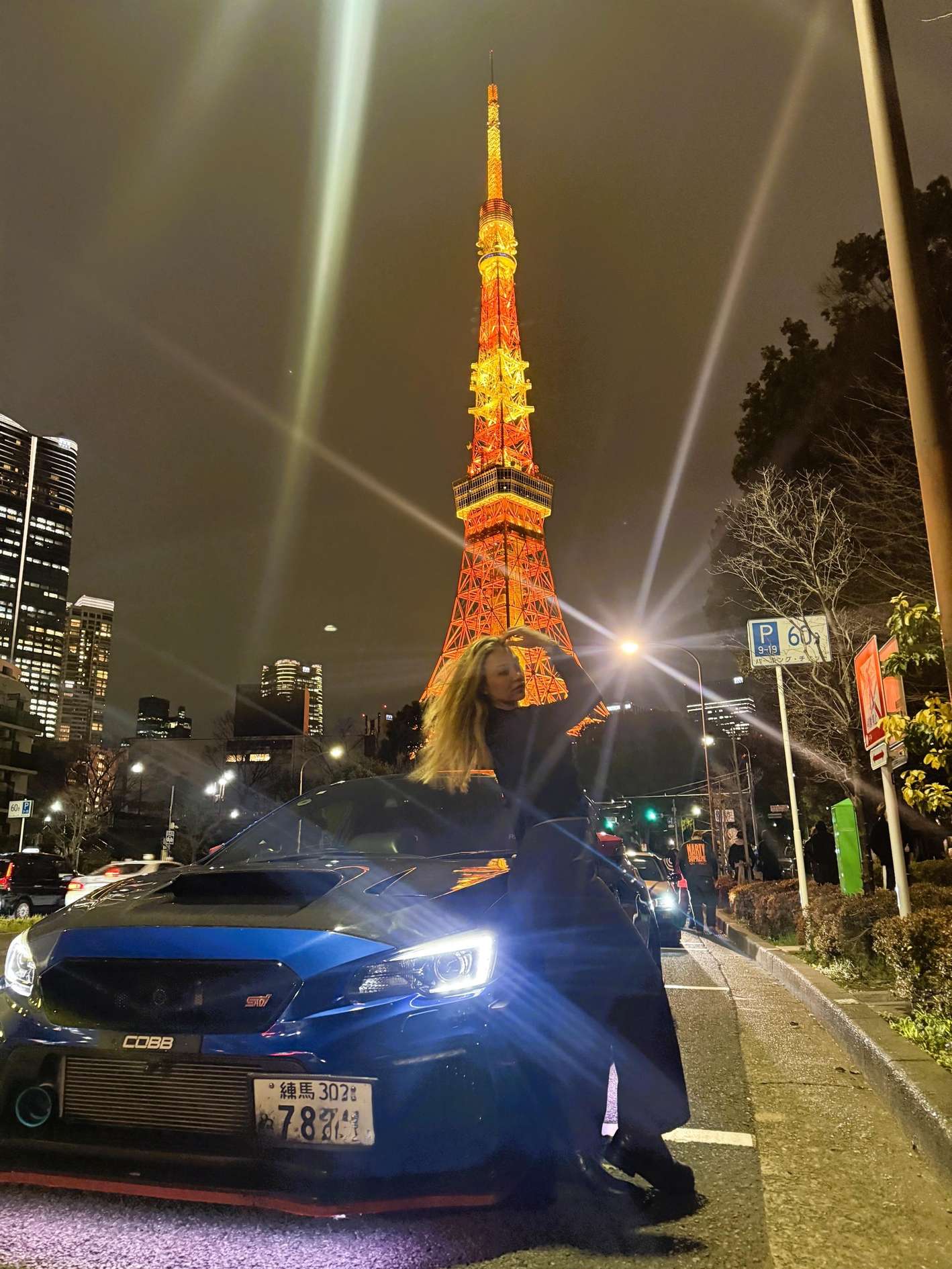
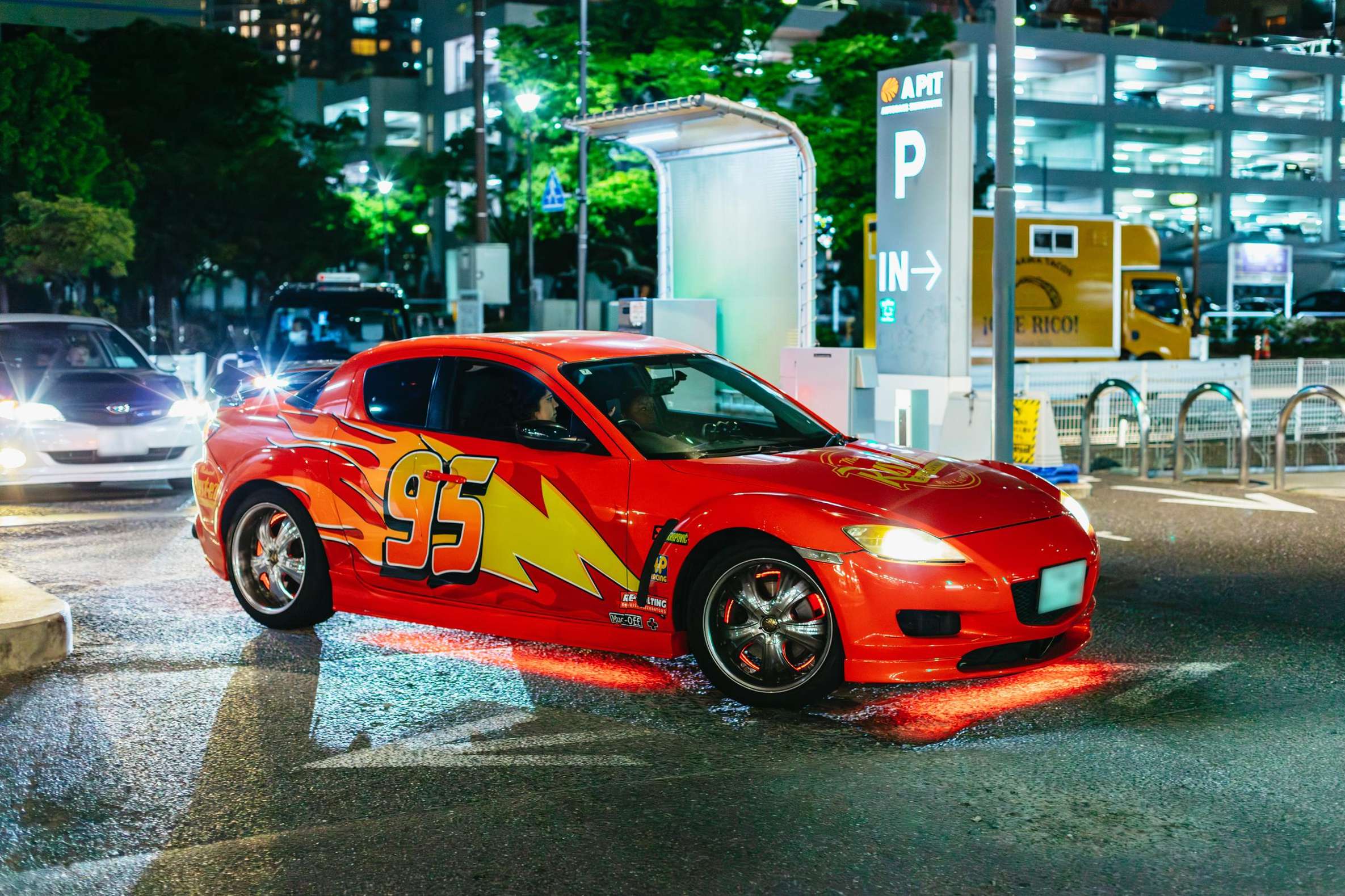
Book a guided ride and the night takes a shape.
Pickups cluster around Shibuya Station, with other groups meeting at Akihabara Station, the Tokyo Station Marunouchi North taxi stand or Tokyo Teleport Station in Odaiba; Shibuya sits 7 minutes from Shinjuku on the Yamanote Line and 20 to 23 minutes from Tokyo Station. Some operators add hotel pickup across central Tokyo.
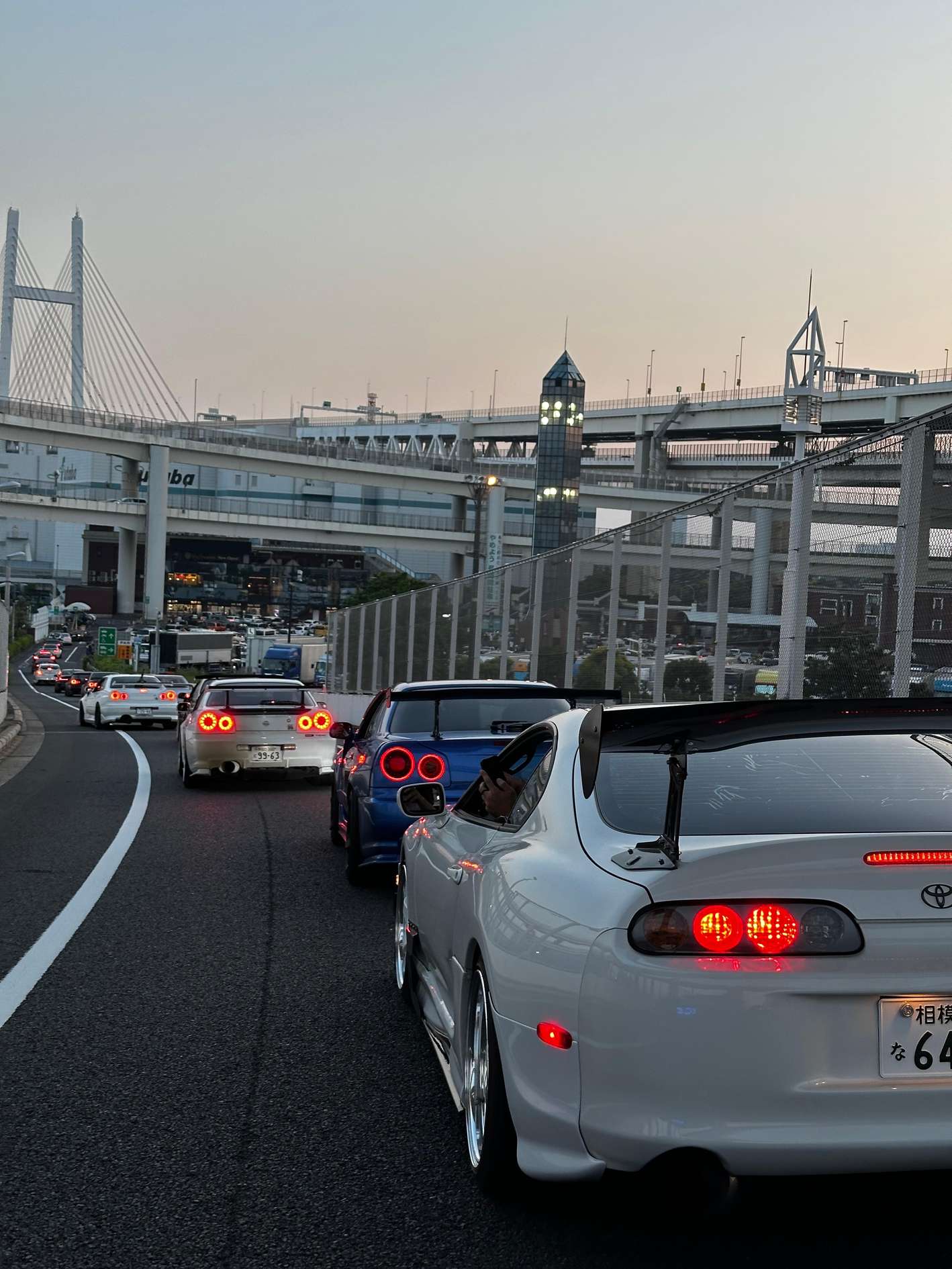
Inside a 3-to-4-hour night, expect about 60 minutes on the ground at Daikoku walking the cars, with the rest spent cruising the Wangan expressways or stopping at shops and landmarks.
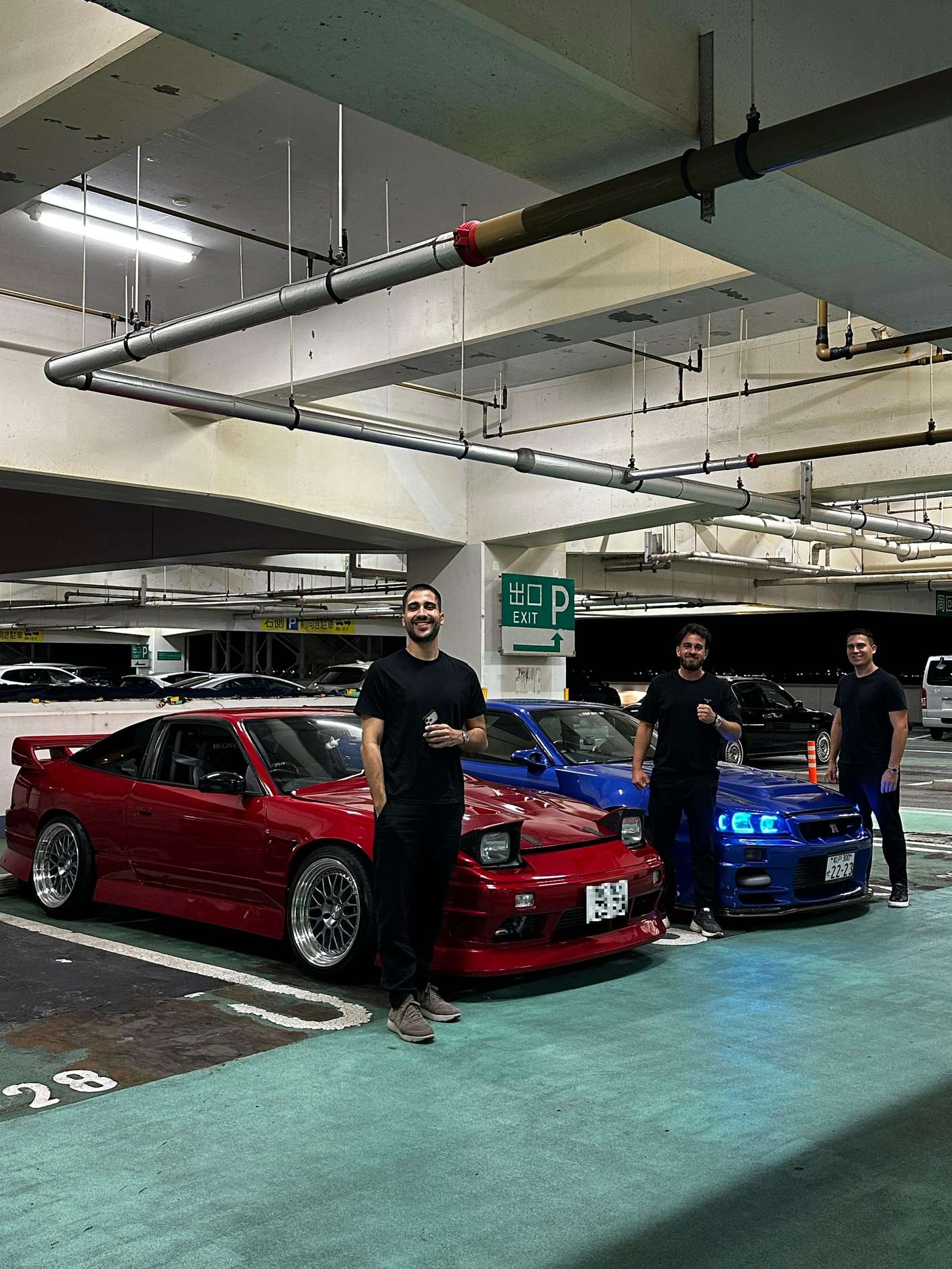
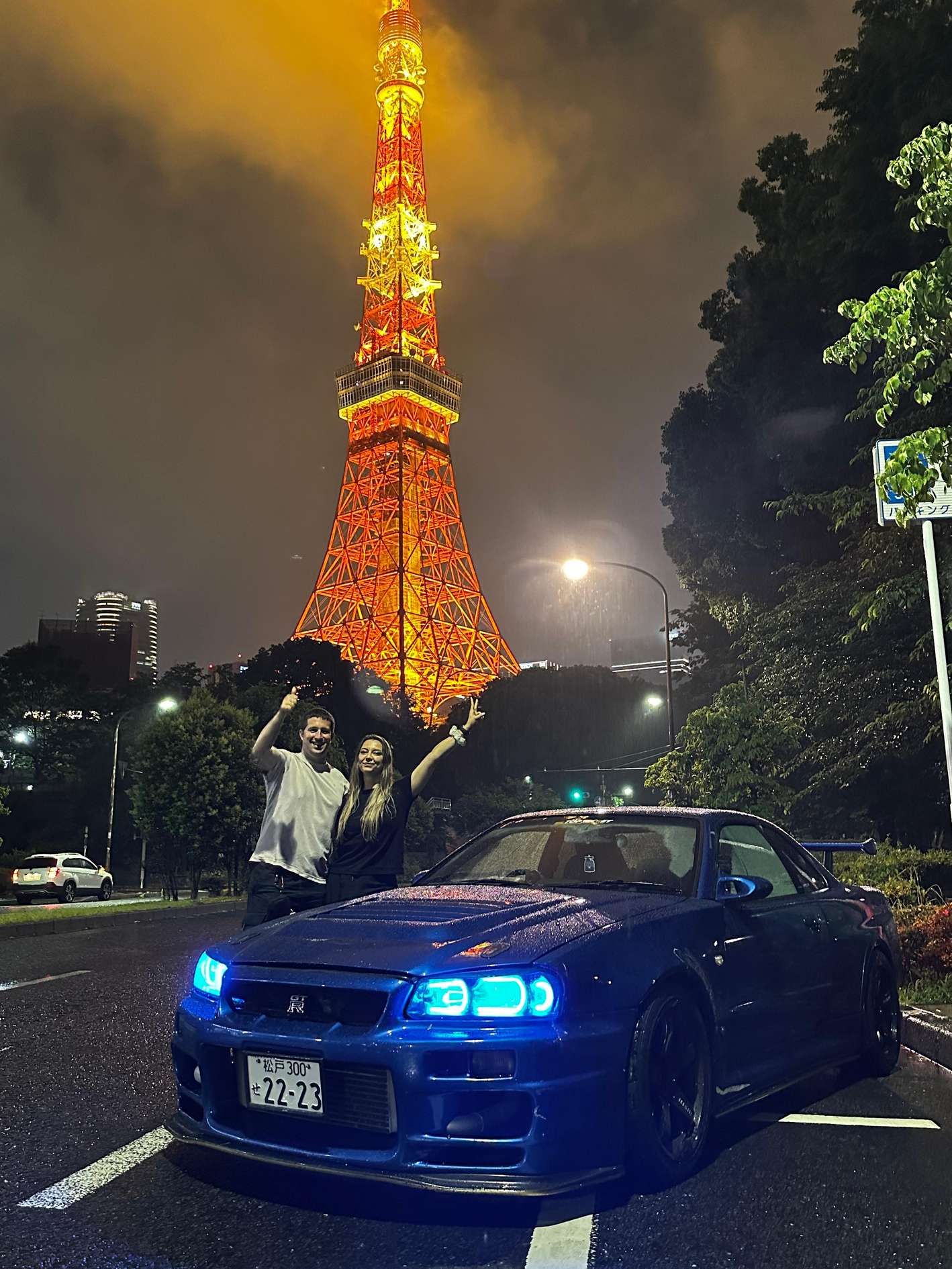
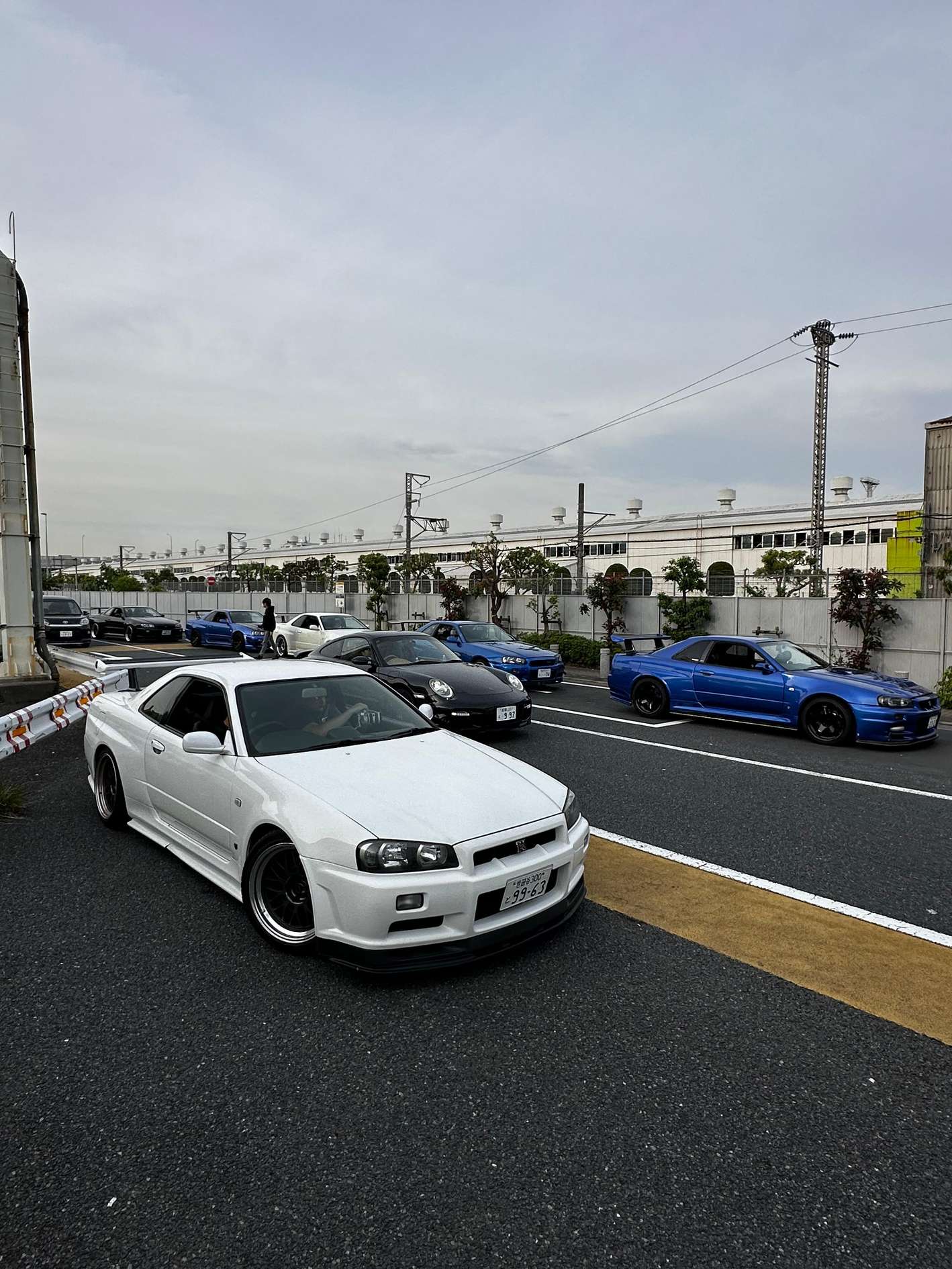
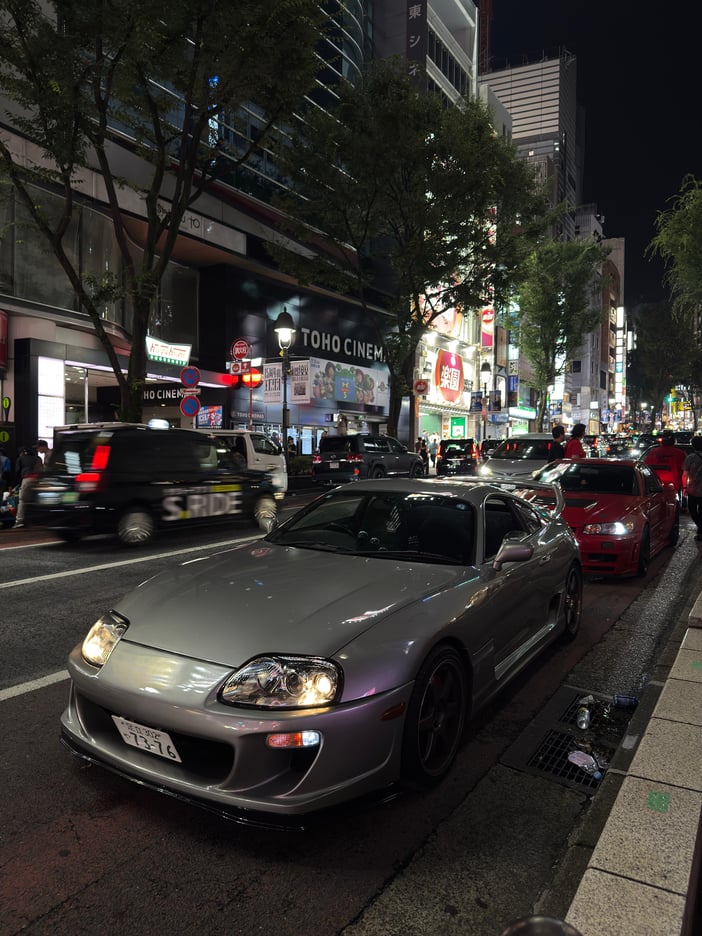
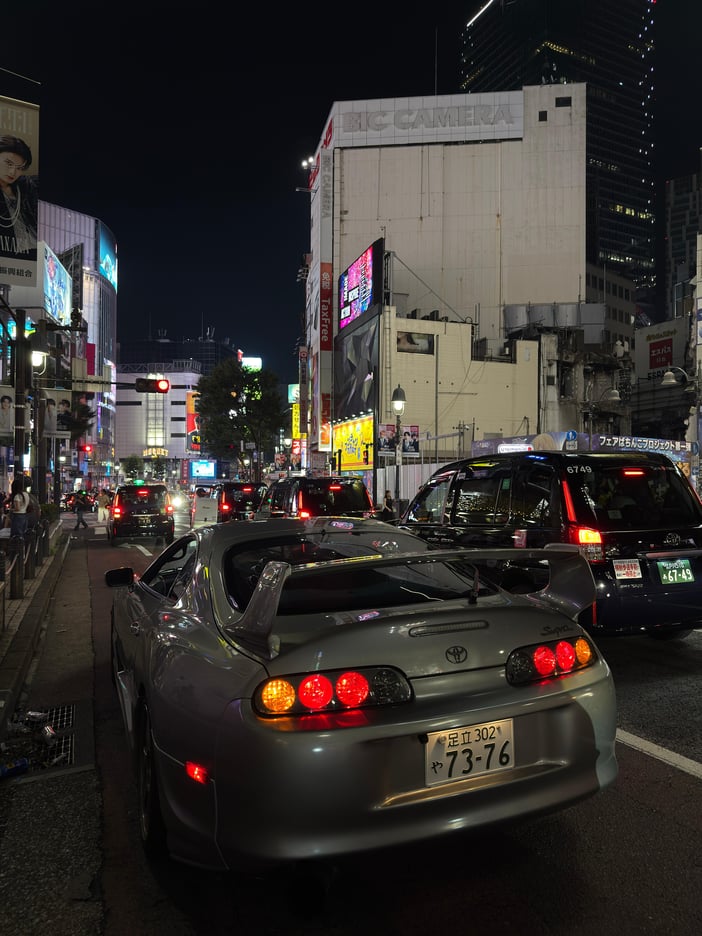
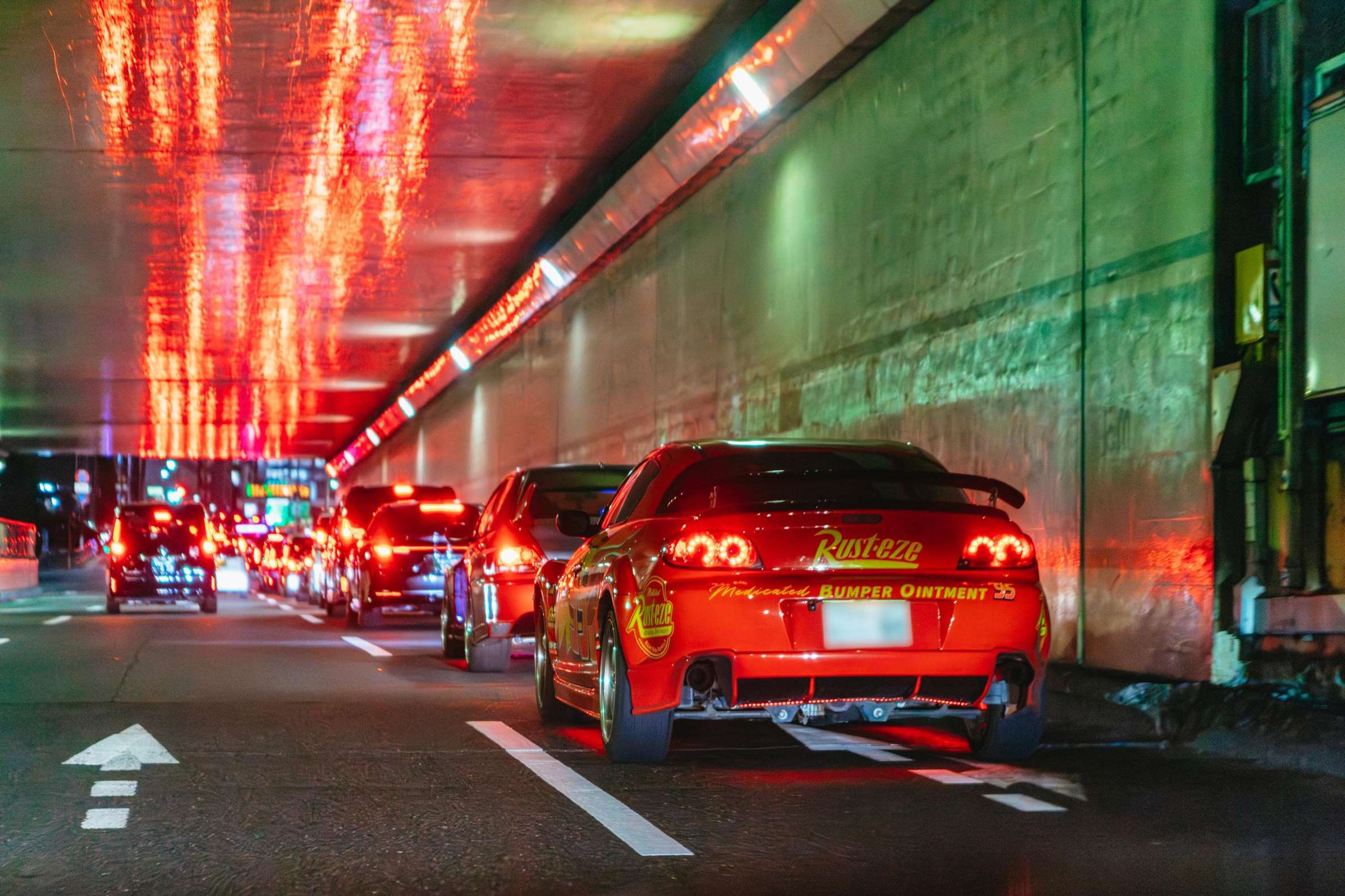
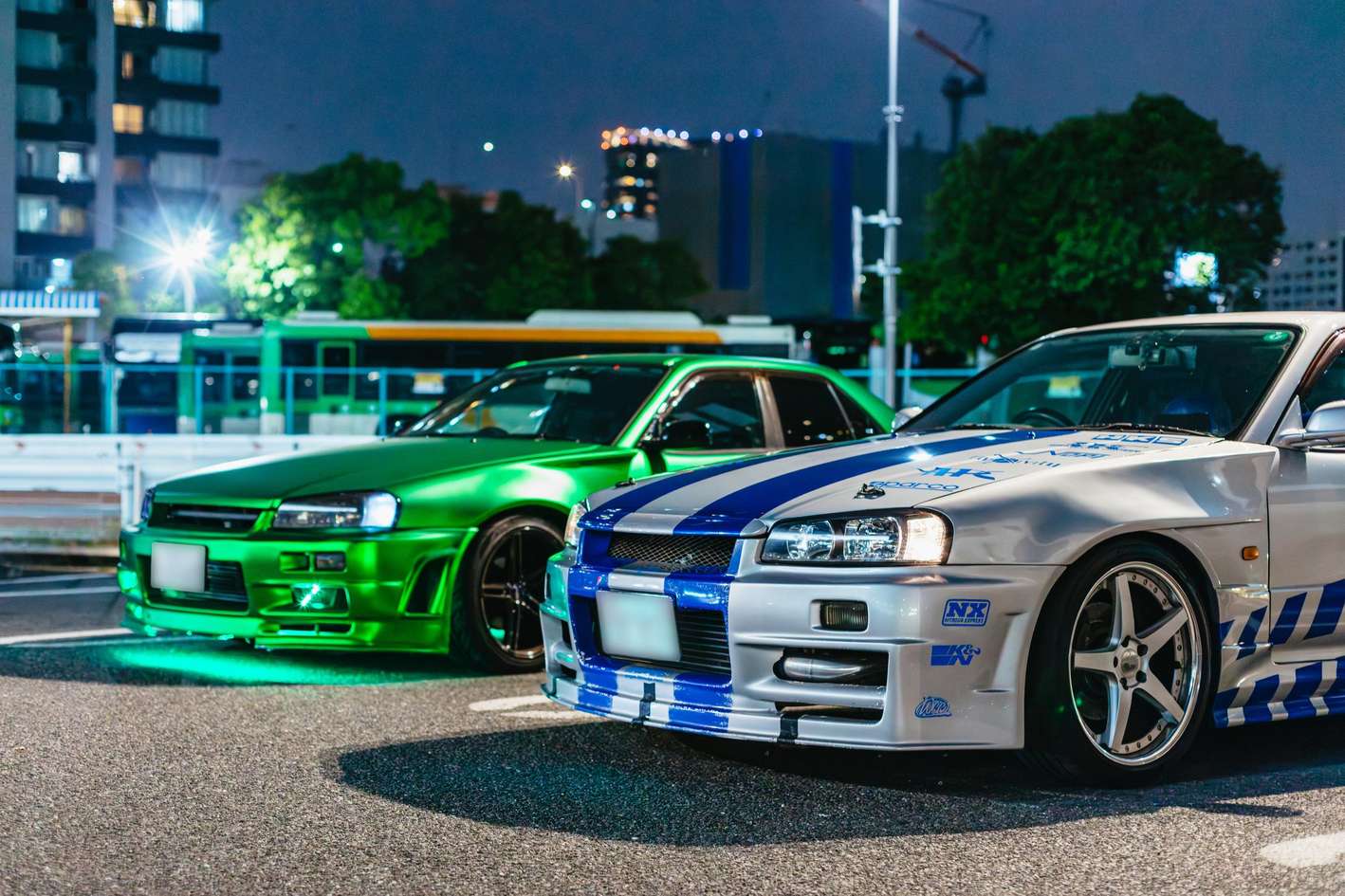
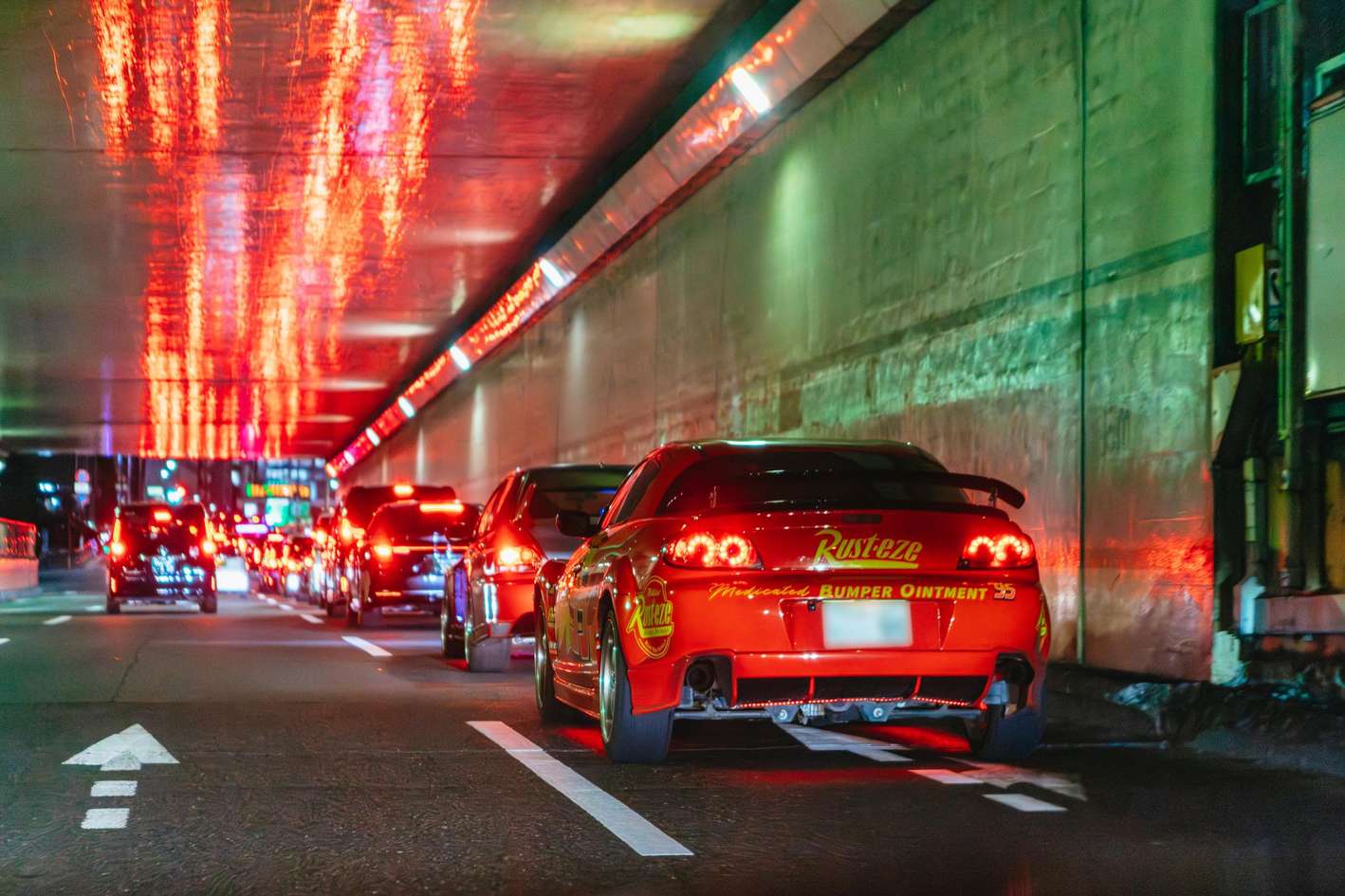
The cars are the point: R34 Skylines, GT-Rs, Supras, Silvias, Lancer Evolutions, RX-7s, sometimes an AE86. The Tokyo: Fast & Furious Daikoku JDM Night Tour - EVO,WRX&More puts you shotgun in an EVO X or WRX STI while a guide narrates the Wangan run.
The machines set physical limits. Operators turn away guests over 6 ft 6 in or 220 lbs, wheelchair users cannot join, and a coupe like the AE86 reaches its rear seats through the front doors. Passengers need no driving permit, but your passport travels with you by law.
| Check | Why it matters | Our pick |
|---|---|---|
| Legal operation | Paid transport in a private car without permission is illegal under Japan's Road Transport Act; guided car-culture experiences with incidental seating are the compliant shape | Runs as a guided car culture experience, with the ride incidental to it |
| Car actually promised | Vague listings can put you in a van | Pick the JDM Sports Car option for a modified sports car; the basic option rides in a comfortable car that is not one |
| Pickup point | Sets where your evening starts and ends | Hotel pickup available; check availability for your date |
| Size and seating limits | Racing buckets and small cabins turn guests away at 6 ft 6 in or 220 lbs | Sports cars seat 3 or 4; contact the operator before booking if a child needs a booster seat |
Run those checks against any booking before you pay, and the evening holds together from pickup to drop-off. The one thing a sports car cannot flex on is luggage, which brings its own packing decision.
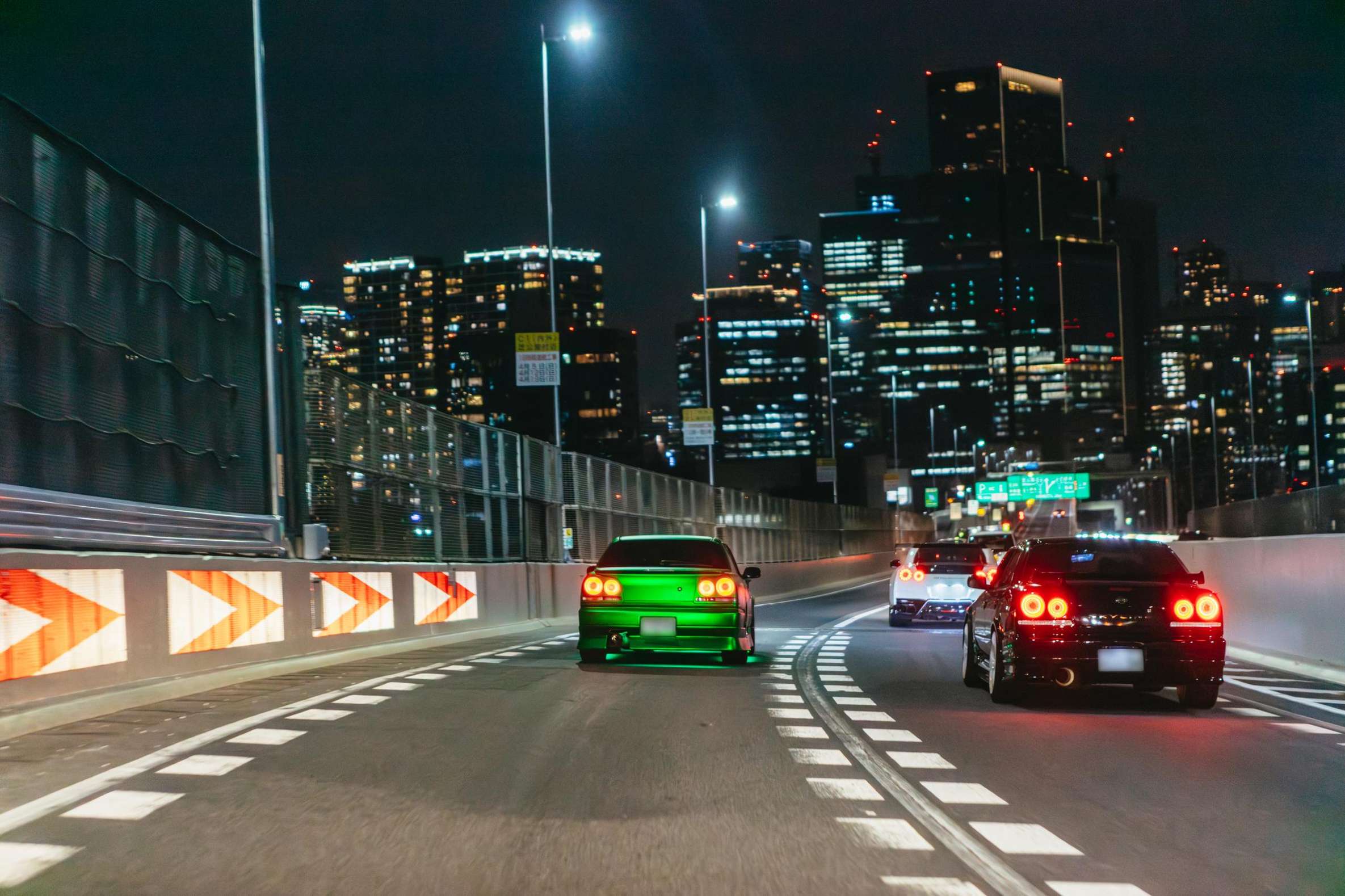
For three or four people confident on the left side of the road, renting starts to make sense. The drive from central Tokyo runs about 37 minutes without traffic, 30.8 kilometers down the Bayshore Route or the K5 Daikoku Line, and parking at the meet costs nothing beyond the tolls.
A clear-road estimate, in other words. Evening congestion on the Bayshore Route stretches both numbers, so build in margin before the bays fill. The whole self-drive setup, route by route, gets its own guide at Daikoku Self Drive Tour.
First the paperwork. Rental counters want a physical passport with an immigration stamp, your original domestic license, and a paper International Driving Permit issued under the 1949 Geneva Convention, or an official Japanese translation if you hold a German, French, Swiss, Belgian, Monacan or Taiwanese license.
Licenses from China, Vietnam, Brazil and Indonesia do not work in Japan at all.
Then the road. Tokyo's expressways are narrow, exits sit on the left, the right and the middle, and right-hand drive means shifting with your left hand.
Regulars say an evening of car share, tolls and hotel parking adds up to about what a tour costs one person; a group tips the math the other way. And zero alcohol before driving: Japan's limit is effectively none, and penalties run to prison.
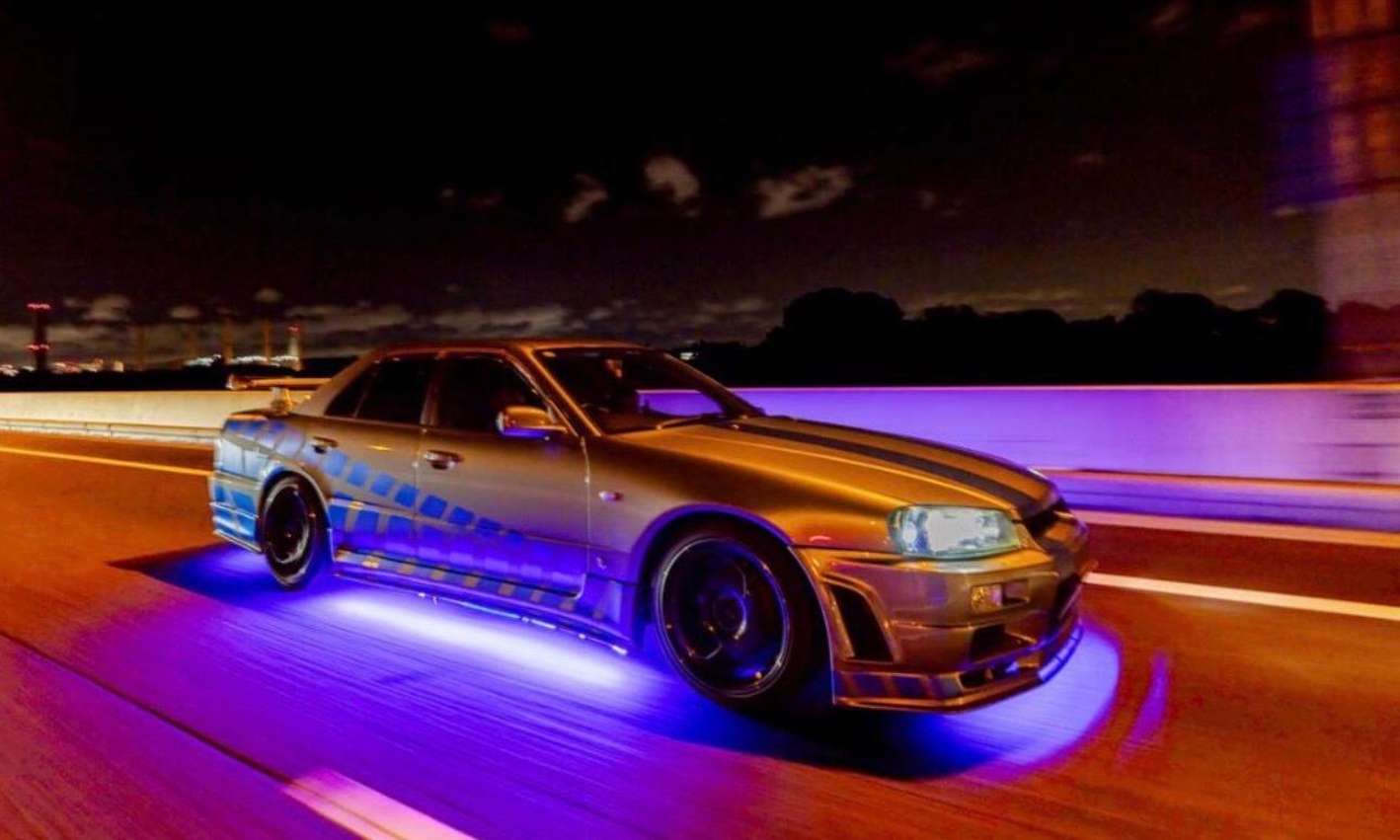
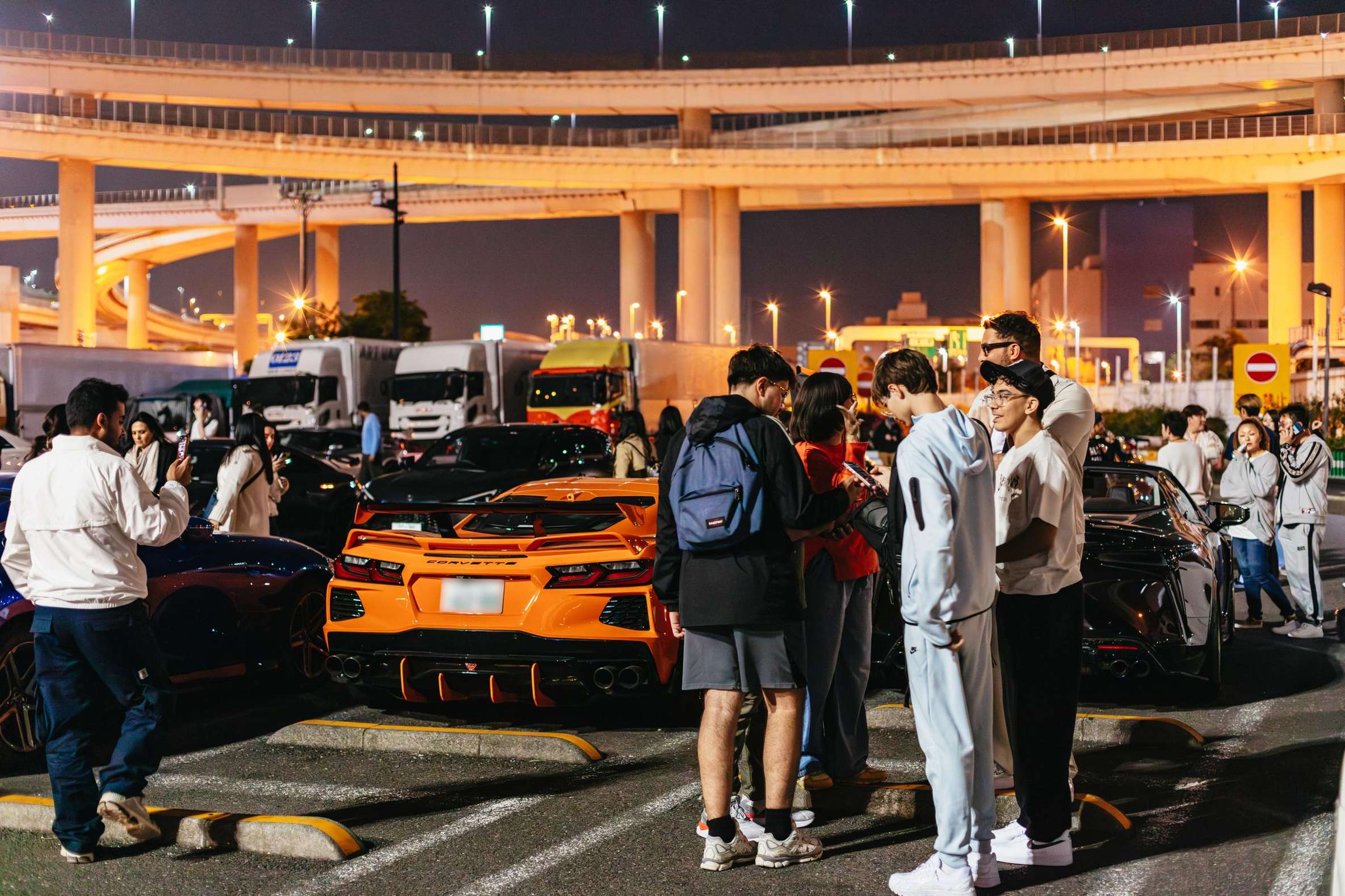
The night you pick decides the cars. Friday brings a relaxed after-work crowd of tuners and classic JDM builds. Saturday packs the lot with the widest mix of the week, modified JDMs beside modern supercars, and carries the highest chance of a police clear-out.
Sunday morning trades all of it for daylight European exotics. Weeknights run steadier than their reputation; Thursday often fills the bays like a weekend.
Timing matters as much as the day. Weekend arrivals begin between 5 pm and 6:30 pm, and police start restricting gates between 7:30 pm and 8:30 pm
Arrivals begin with access open and closures rare before bays fill.
Police routinely block ramps and order parked cars to vacate.
Ramps remain blocked to spectator cars, redirecting traffic to alternate spots.
Barricades are lifted and normal highway parking resumes.
Turning up after 9 pm on a Friday or Saturday risks finding the ramps shut until after midnight, which is why guides plan around that window. Every night's rhythms and closure odds get their own breakdown in Daikoku Car Meet Schedule.
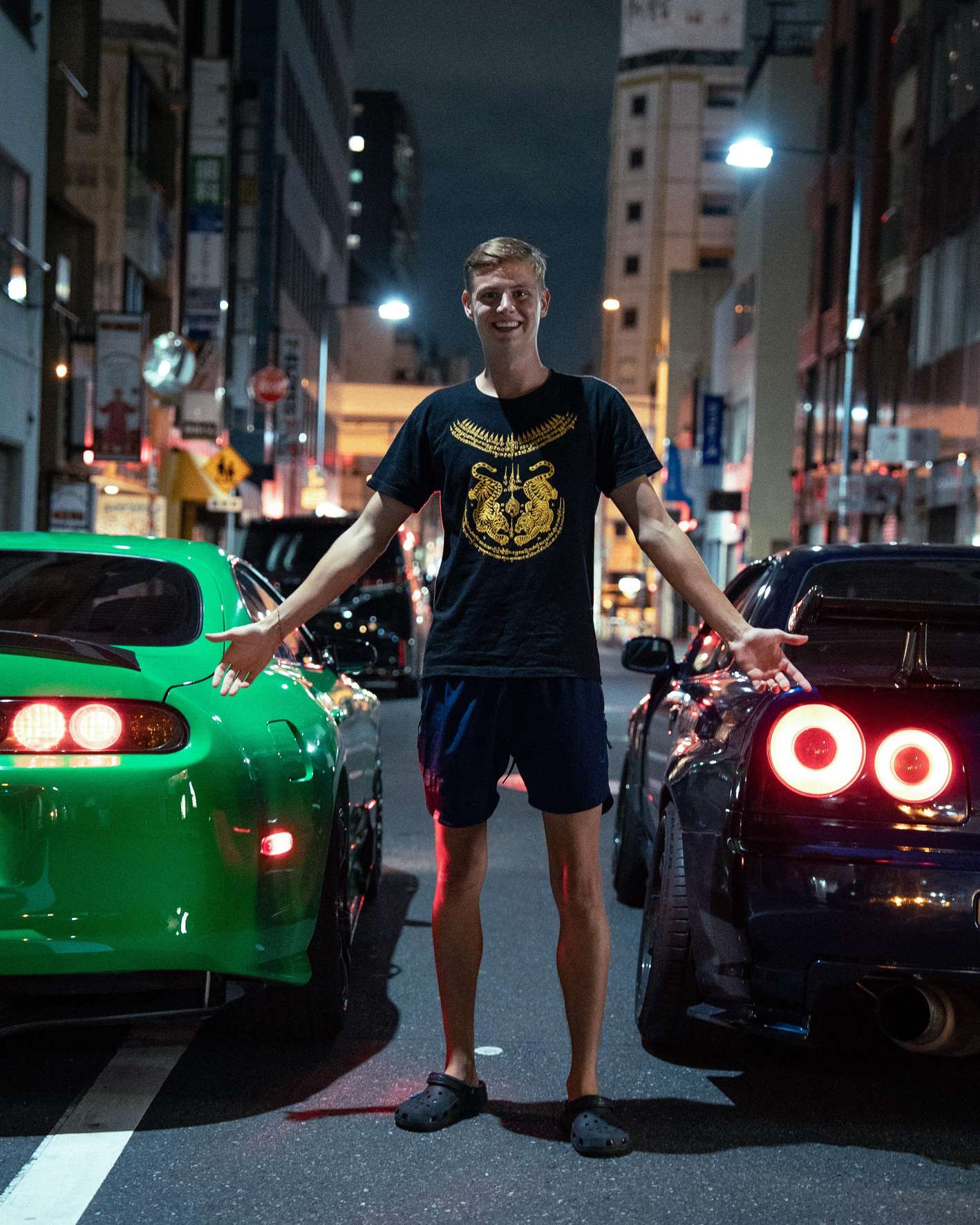
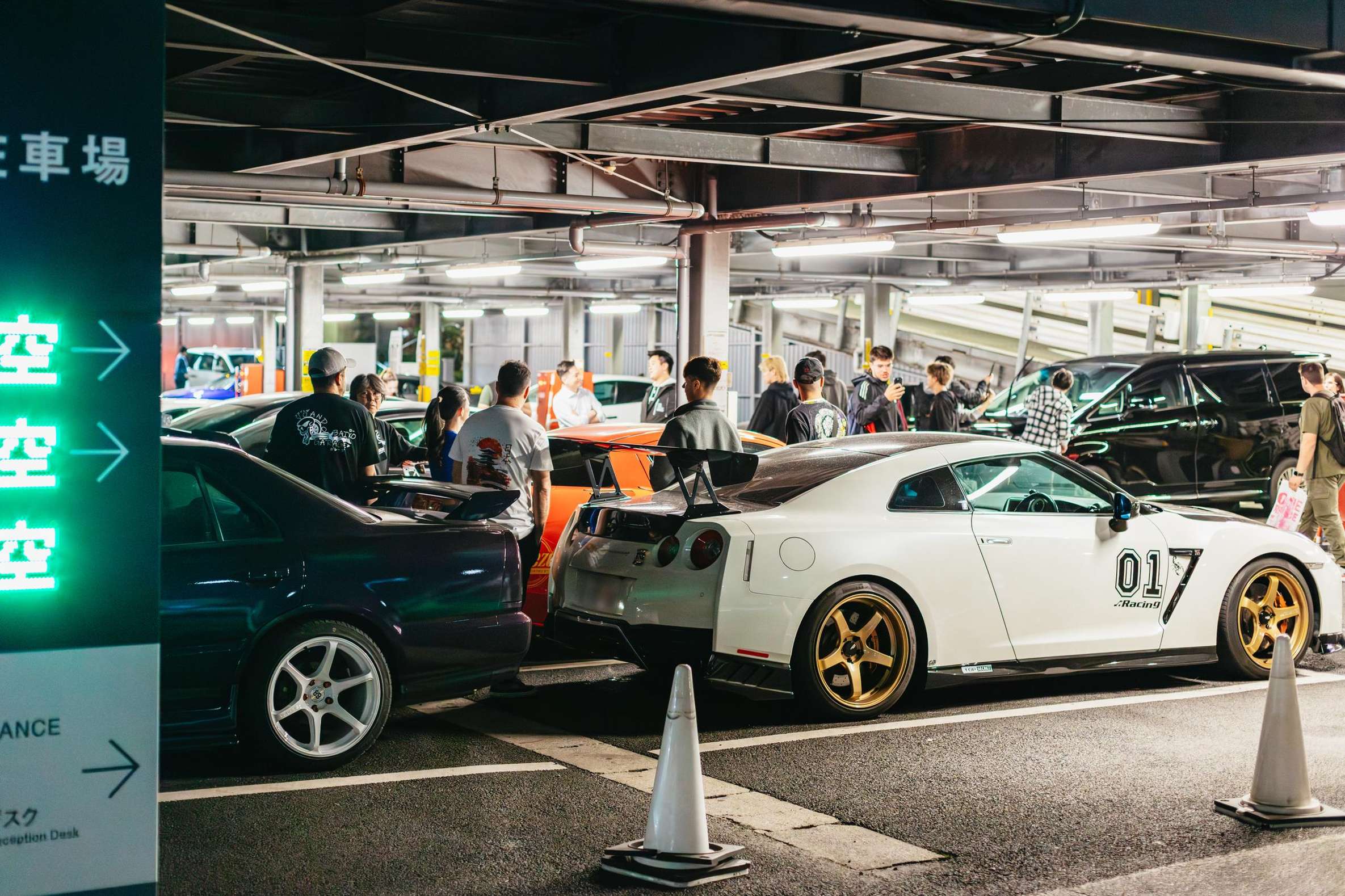
Walk the deck on a Friday night and the variety does the talking. Heavily built Nissan GT-Rs and Toyota Supras sit beside rotary Mazdas and modern supercars. VIP sedans on air ride, Wangan racers, vans stuffed with stereos, the onkyo-zoku crews who fit speaker walls inside their cars.
Lowriders, kyushakai motorcycles, a dekotora truck if the night runs kind, itasha hatchbacks, kei cars, an American hot rod or a Hummer. Silvias, Civic Type Rs, Imprezas and M3s hold down the traditional end of the lot.
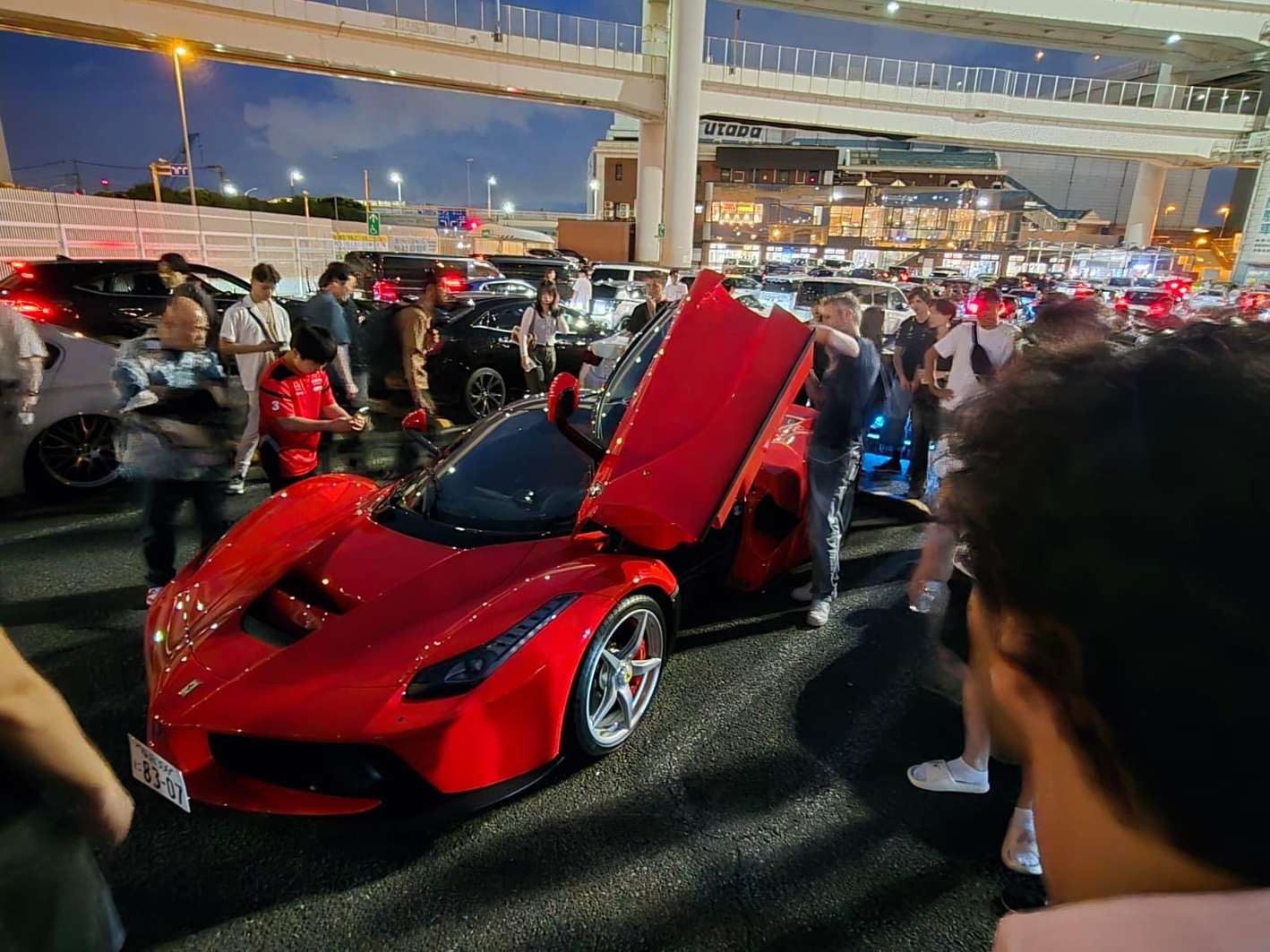
Weekend mornings rewrite the cast entirely. Saturday and Sunday mornings bring out the Ferraris and Lamborghinis. Same island, different crowd, and worth knowing before you fix your night.
Rainy or quiet nights still deliver, in other words. The meet has survived forty years of weather by showing up anyway.
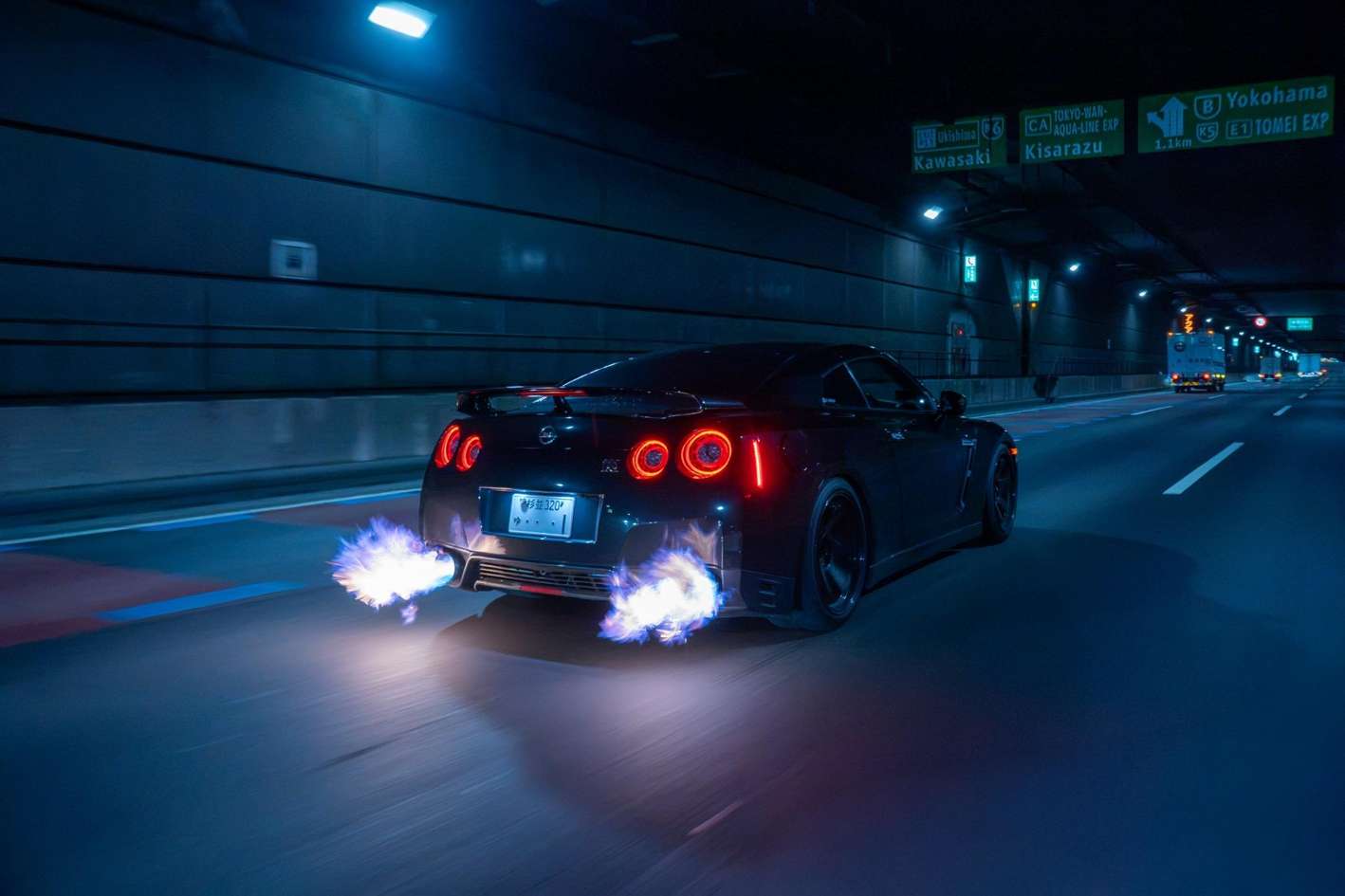
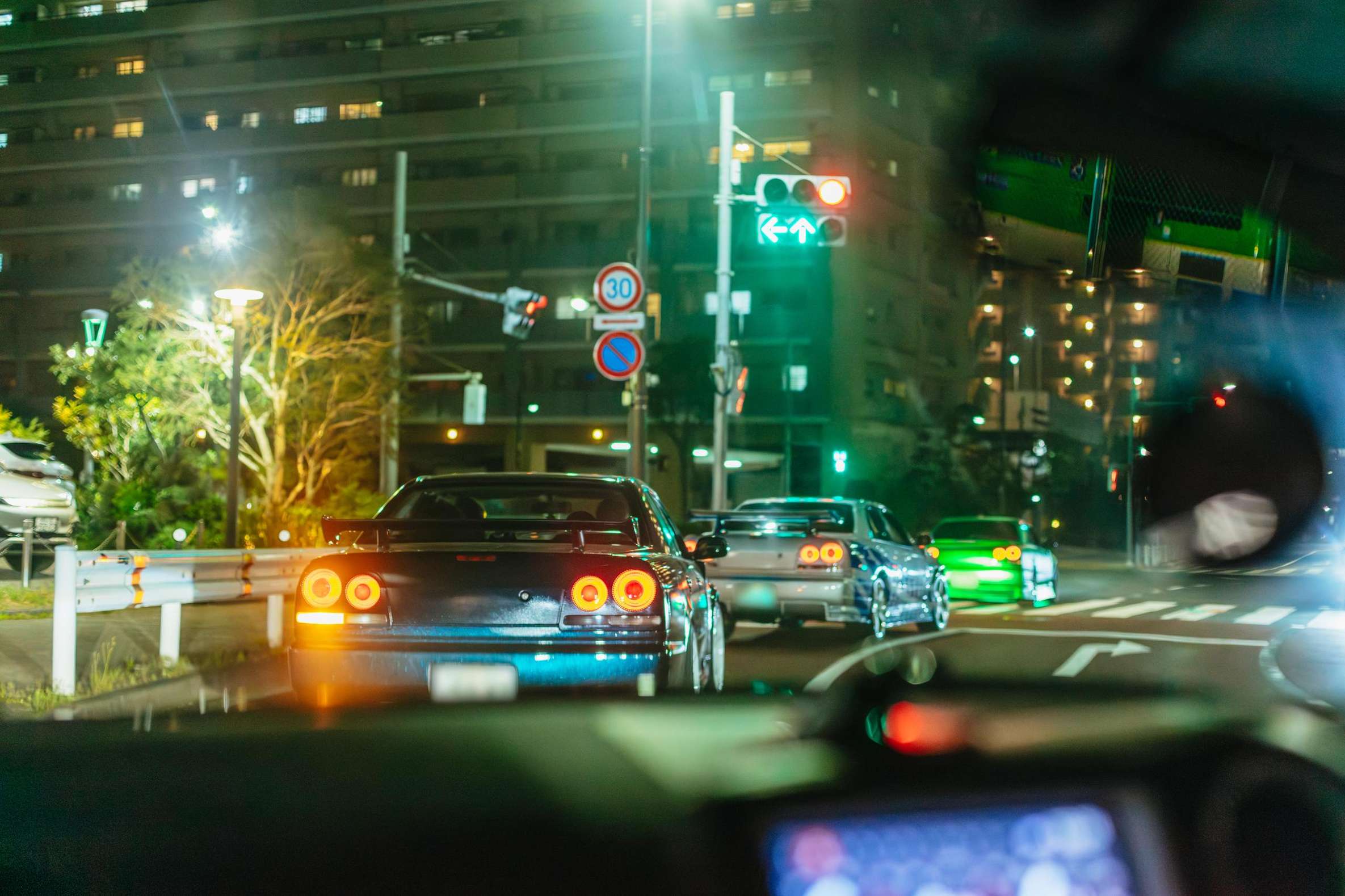
The rules on the lot stay unwritten until someone breaks one. Never lean on a car, sit on a hood or touch the paint; a watch strap dragged across a panel is damage.
Ask before a close-up photo of an owner or a specific car, keep flash out of cabins, and skip anyone who has turned away.
Stay out of the driving lanes, keep tripods clear of bays and walkers, and leave drones at the hotel. Never encourage a driver to rev, launch or make noise; the meet survives because the crowd stays quiet about it.
Police watch all of it. Rowdy crowds get car clubs ordered out or the whole lot shut down, and officers move gatherings along over loudspeakers while owners comply without argument. If a closure lands while you are there, walk back to your ride calmly and go with it.
Rowdy behavior gets car clubs ordered out or the entire parking area closed
After an officer orders you to stop, encouraging it in the Daikoku Futo zone brings a fine under a Kanagawa ordinance
Set up only where nothing blocks a lane, a bay or a walker
Follow those lines and nobody remembers you were there, which on this lot is the highest compliment. The gathering runs on owners trusting the crowd around their cars.
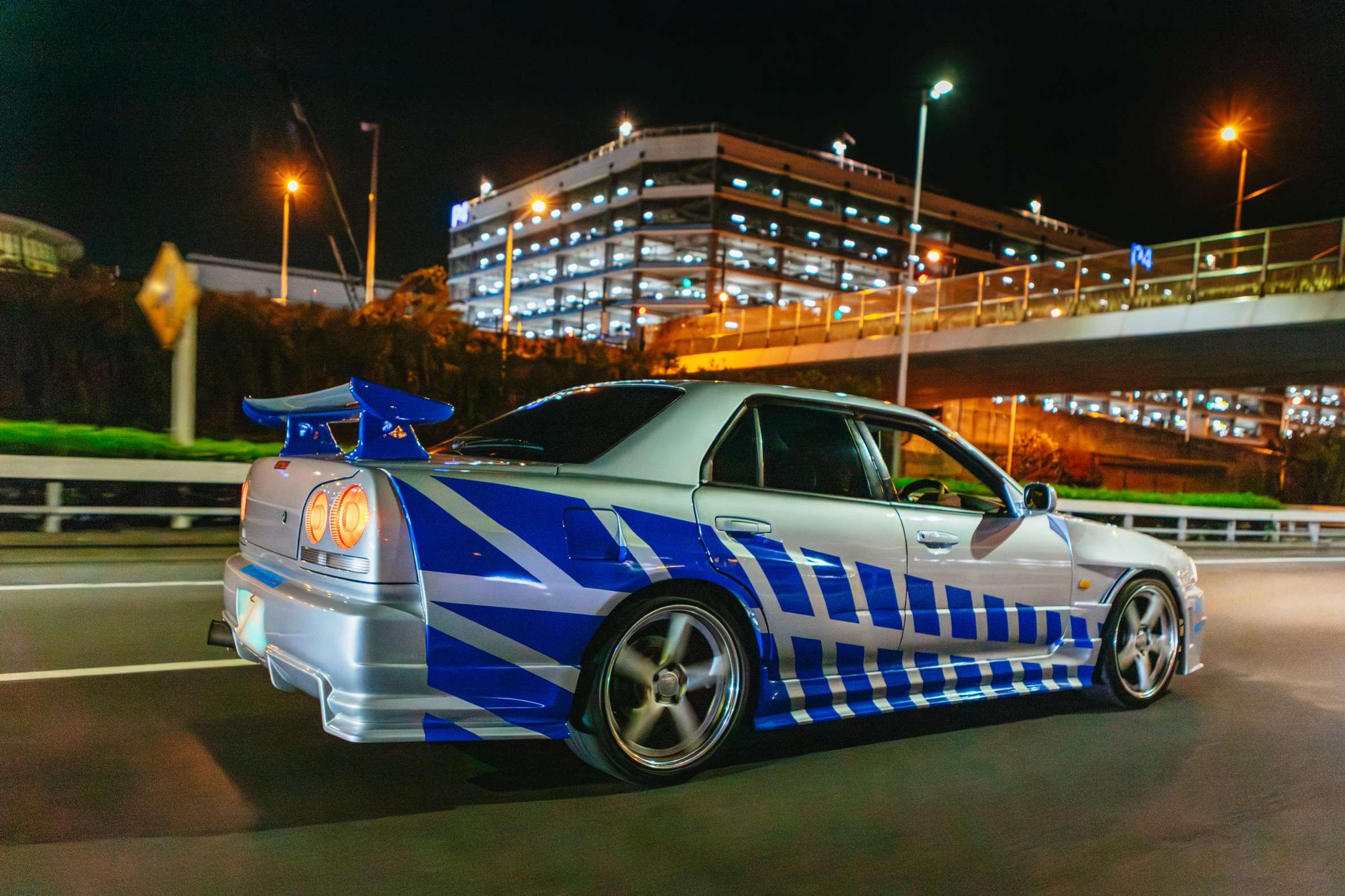
The deck is open air on an artificial island, and Tokyo Bay makes its presence felt.
October nights sit around 15 degrees and November closer to 10; from December through February the lot runs between 1 and 4 degrees, and the coastal wind pushes the feel past near freezing. A real jacket earns its place in the car.
Food sorts itself inside the main building. The food court runs until 9 pm with Yokohama ramen, soba, udon and a beef hotpot, a Tully's Coffee on the second floor serves sweets until 8 pm, and hot chocolate comes from vending machines. Daikoku pork buns travel well back out to the lot.
Rain thins the meet without emptying it. Committed regulars and their tuner cars still appear between 8 pm and 10 pm, and one operator runs rain or shine, rescheduling only for a severe storm or a closed road.
April is one of the busiest months, with 12.4 rainy days, 17.6 dry days and a 19°C average high.
Tap a month to read it.
May is busier than usual, with 14.4 rainy days, 16.6 dry days and a 22.2°C average high.
Tap a month to read it.
May is busier than usual, with 14.4 rainy days, 16.6 dry days and a 22.2°C average high.
Tap a month to read it.
January is near-ordinary for tours, with 5 rainy days, 26 dry days and a 9.6°C average high.
Tap a month to read it.
August is among the quieter months, with 13.2 rainy days, 17.8 dry days and a 31.7°C average high.
Tap a month to read it.
When police clear the lot instead of the weather, the night continues. Convoys roll on to Umihotaru or Tatsumi, or to A PIT Autobacs in Shinonome, and some operators refund you in full if Daikoku closes on your day.
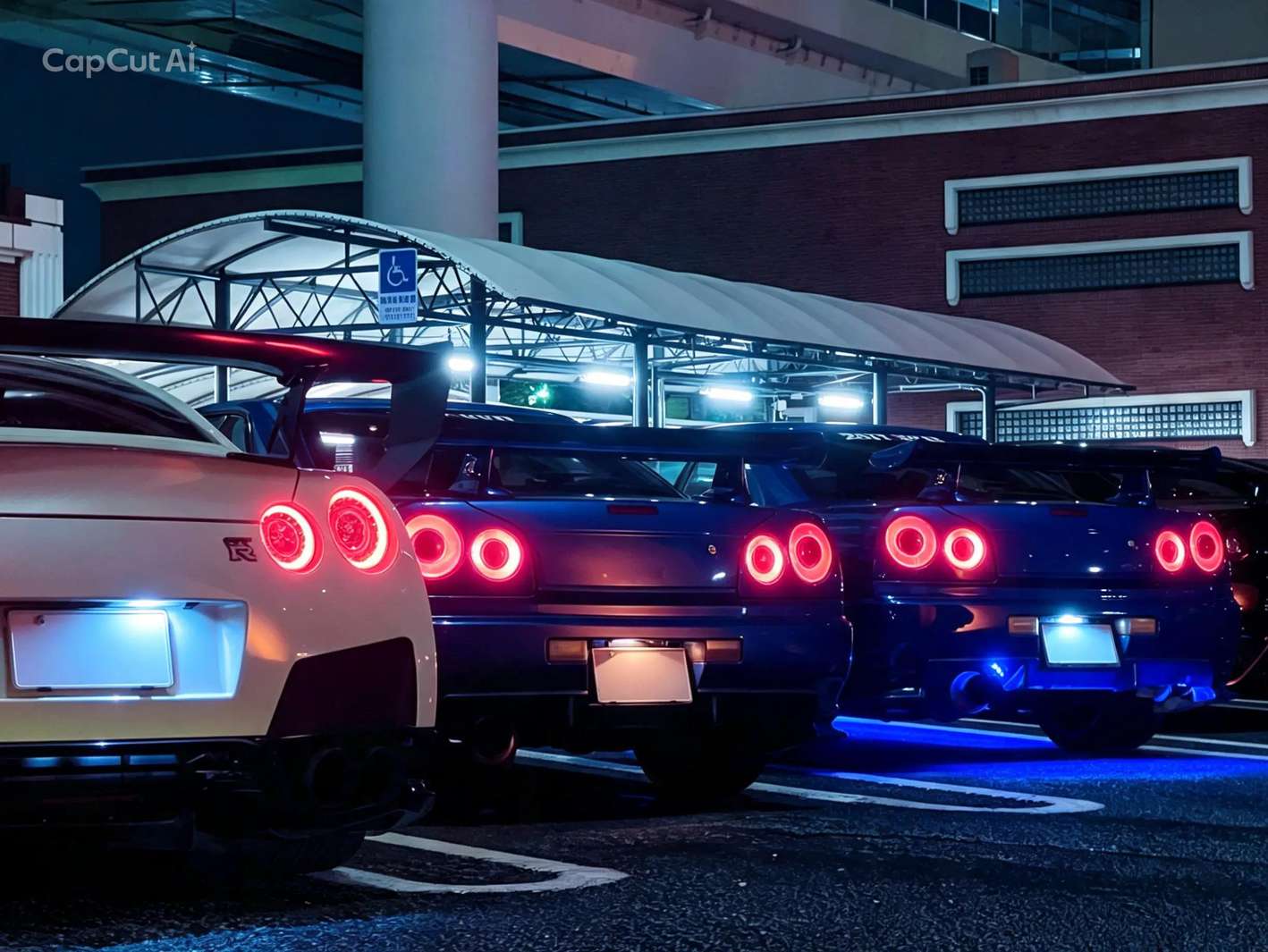
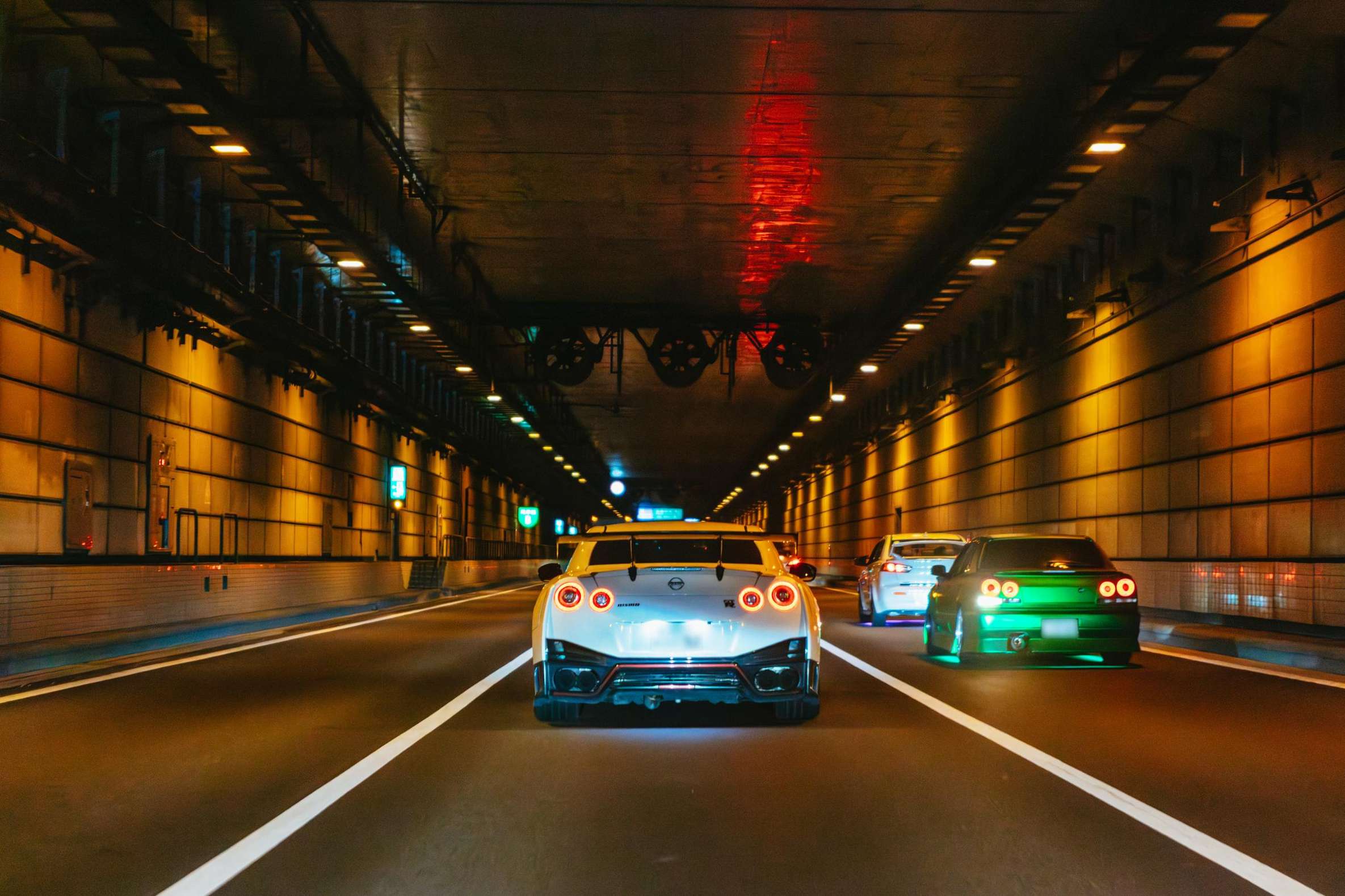
One night rarely closes the file. Liberty Walk Tokyo in Harajuku shows the brand's wide-body world from 11:30 am to 8 pm. Nissan Crossing in Ginza pairs a cafe with rotating road and concept cars.
The underground garage at Akihabara UDX draws modified cars on weekends, and A PIT Autobacs in Shinonome, a minute's walk from Shinonome Station, keeps its own enthusiast-drawing parking lot until 9 pm, an easy stop before an evening departure.
Across the bay, the NISMO showroom at Omori Factory in Yokohama opens Saturday and Sunday from 10 am to 5 pm with heritage and motorsport metal. For a slower afternoon, Daikanyama T-Site stacks car books beside its cafes.
Most of that list sits within a short drive of the pier, so self-drivers can chain Tatsumi PA and Akihabara UDX onto the same run, while tour guests can fold an Autobacs stop into the evening before the convoy heads south.
Worth it, if you solve the ride home first. Daikoku delivers the real thing, a spontaneous gathering on a working rest stop, but only for travelers who fix access and timing before the night arrives.
Take a guided round trip unless your group drives the left side confidently, pick Friday or Saturday for scale or Sunday morning for daylight exotics, and treat any lineup as a bonus that no booking can promise.
Every way to reach the PA from Tokyo or Yokohama, plus the transport mistake that leaves people stranded.
Want to take the wheel yourself? Here is how a self-drive convoy run to Daikoku works and what it books like.
Fans of the films get the movie locations along the route and the late-night drift scene around them.
Straight answers to what travelers ask before they book a Daikoku car meet up in Japan.
 Yokohama2026
No. The parking area sits inside the Shuto Expressway on Daikoku Futo, an island in Yokohama Port, and only vehicles on the Bayshore Route or the Daikoku Line can enter. A guided tour solves this with round-trip transport from central Tokyo.
None of these work, and walking in is illegal, not just difficult. The complex is fenced with locked gates, and stepping onto the expressway ramps counts as trespass with fines and even arrest as possible outcomes.
Do not count on it. There is no taxi stand at Daikoku PA, drivers rarely accept a speculative pickup on a toll road after dark, and trains stop around 12:30 am. Tours handle the return leg, dropping you in central Tokyo before the last trains.
It is a working public rest stop where enthusiasts gather on their own. There are no ticket booths, roped-off exhibits, judges, or emcees, and the crowd polices itself. The turnout changes with the day, the weather, and the season.
The fleets include Nissan Skylines from the R32 through the V36, the GT-R R35, Toyota Supras, the Silvia S15, Lancer Evolutions, Subaru WRXs, the RX-7, the GR86, the 370Z, the Chaser, and the AE86. You ride as a passenger with a local driver, so no license is needed.
Friday and Saturday closures happen most often between 7:30 pm and 8:30 pm, and guides adapt fast. Tours reroute to other spots such as Umihotaru PA, Tatsumi PA, or A-PIT Autobacs, and some operators offer a full refund instead.
No, because a local driver operates the car and you ride along. Do carry your physical passport, since Japanese law requires foreign visitors to have it on them at all times.
Monday through Thursday evenings host real meets that pick up from around 7:30 pm, and Thursday frequently fills out like a weekend. Turnouts can be thinner, but you also face far less risk of an early police shutdown.
Turnout drops sharply in bad weather, though regulars and modified tuner cars still gather between 8 pm and 10 pm. One tour operator runs in the rain and only reschedules for a severe storm or road closure.
Families with car-mad teenagers go often, and the hot chocolate vending machines help. Small children after dark are a concern because cars move between spaces all night, so a Sunday morning or daytime tour is the easier pick. Age minimums vary by operator.
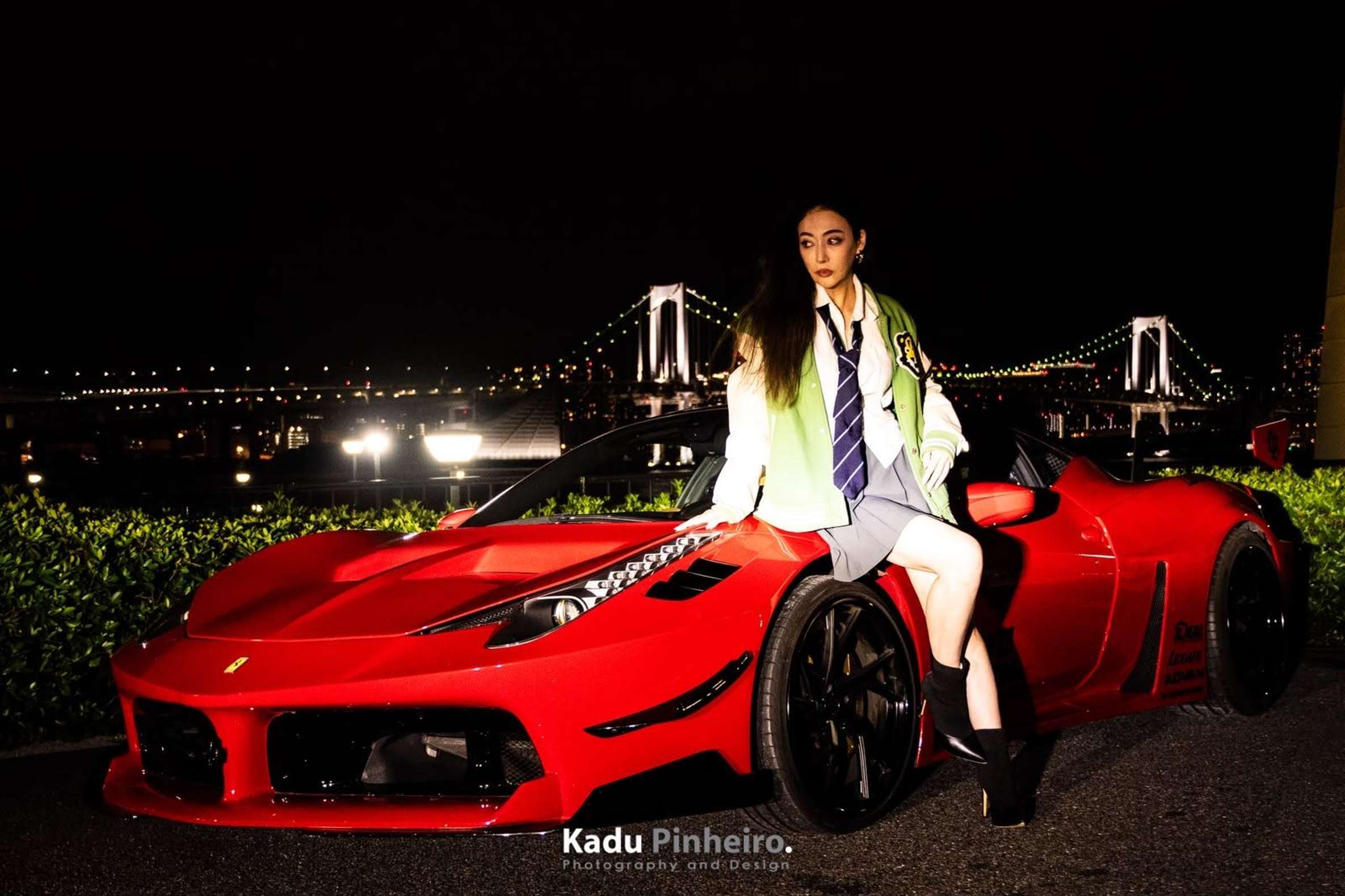
Ride a JDM fleet to the meet, then get dropped at your door in central Tokyo, and cancel free up to 24 hours before.