
3 - 4 hours·English, Arabic
4.9(186)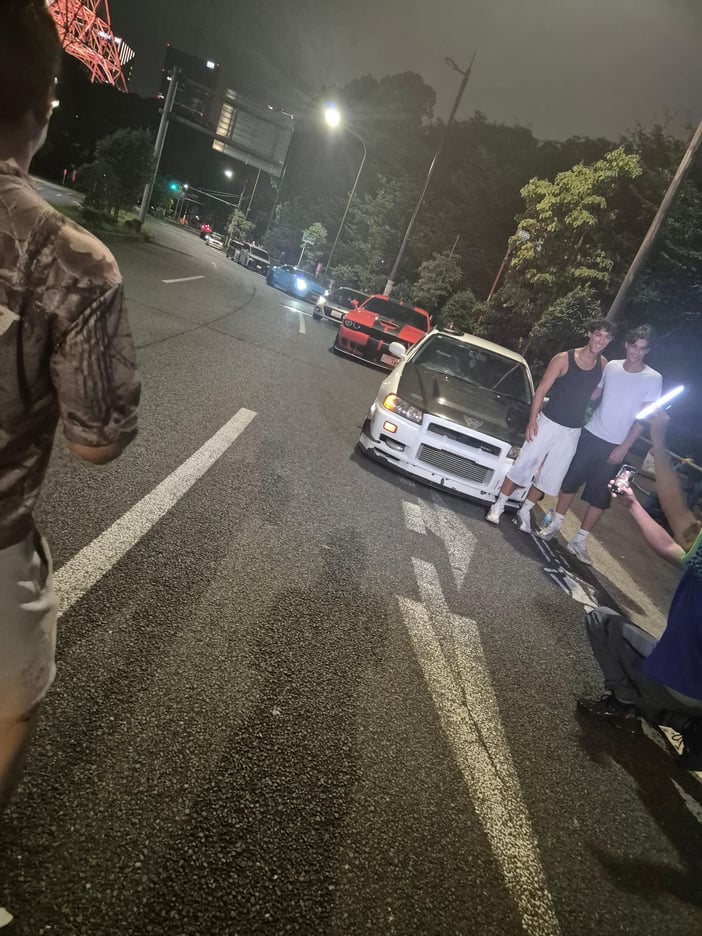
Tokyo: JDM Night Drive to Daikoku PA in Skyline R34 or Evo X
Free cancellationsports carsFuel and toll fees
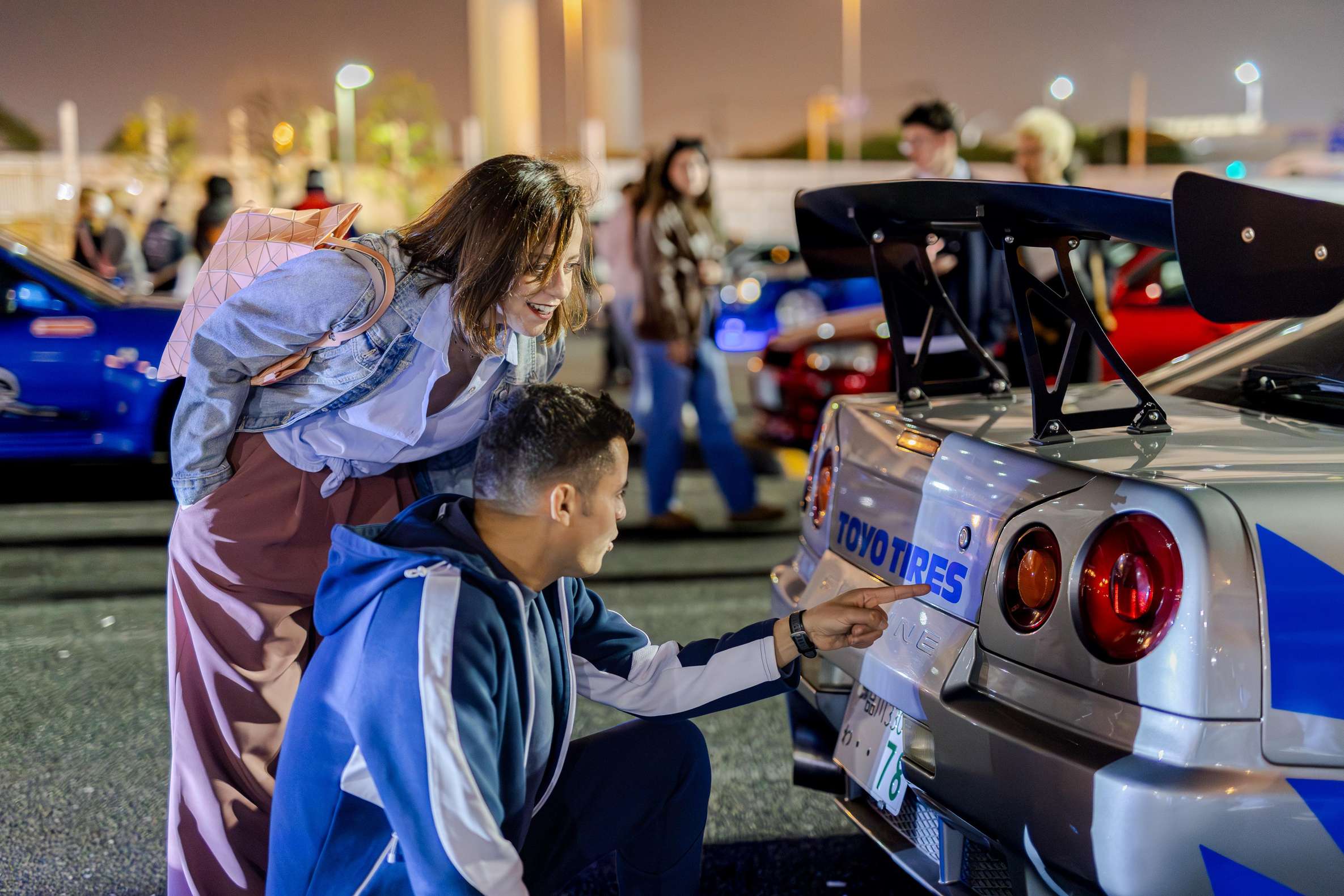
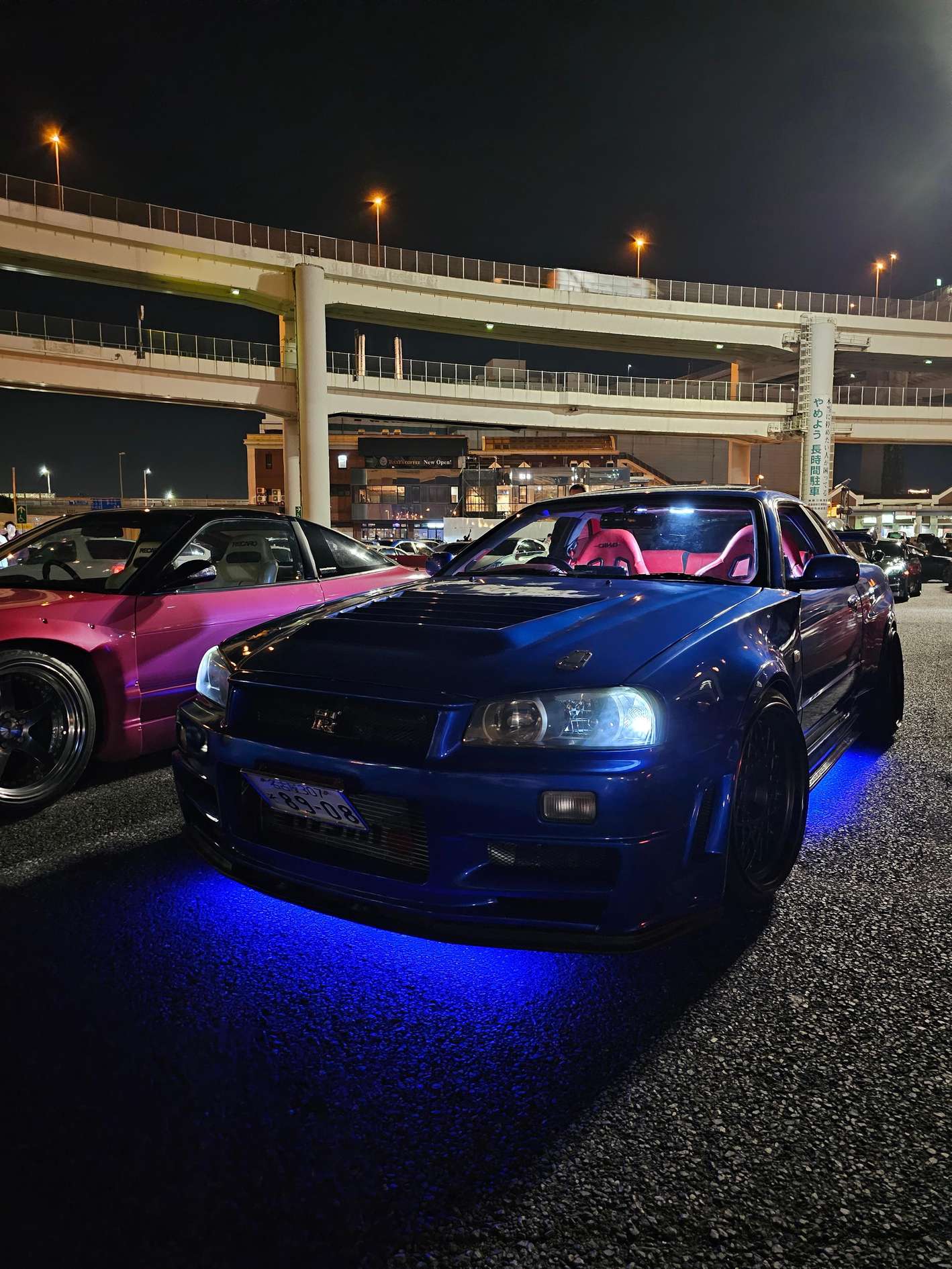
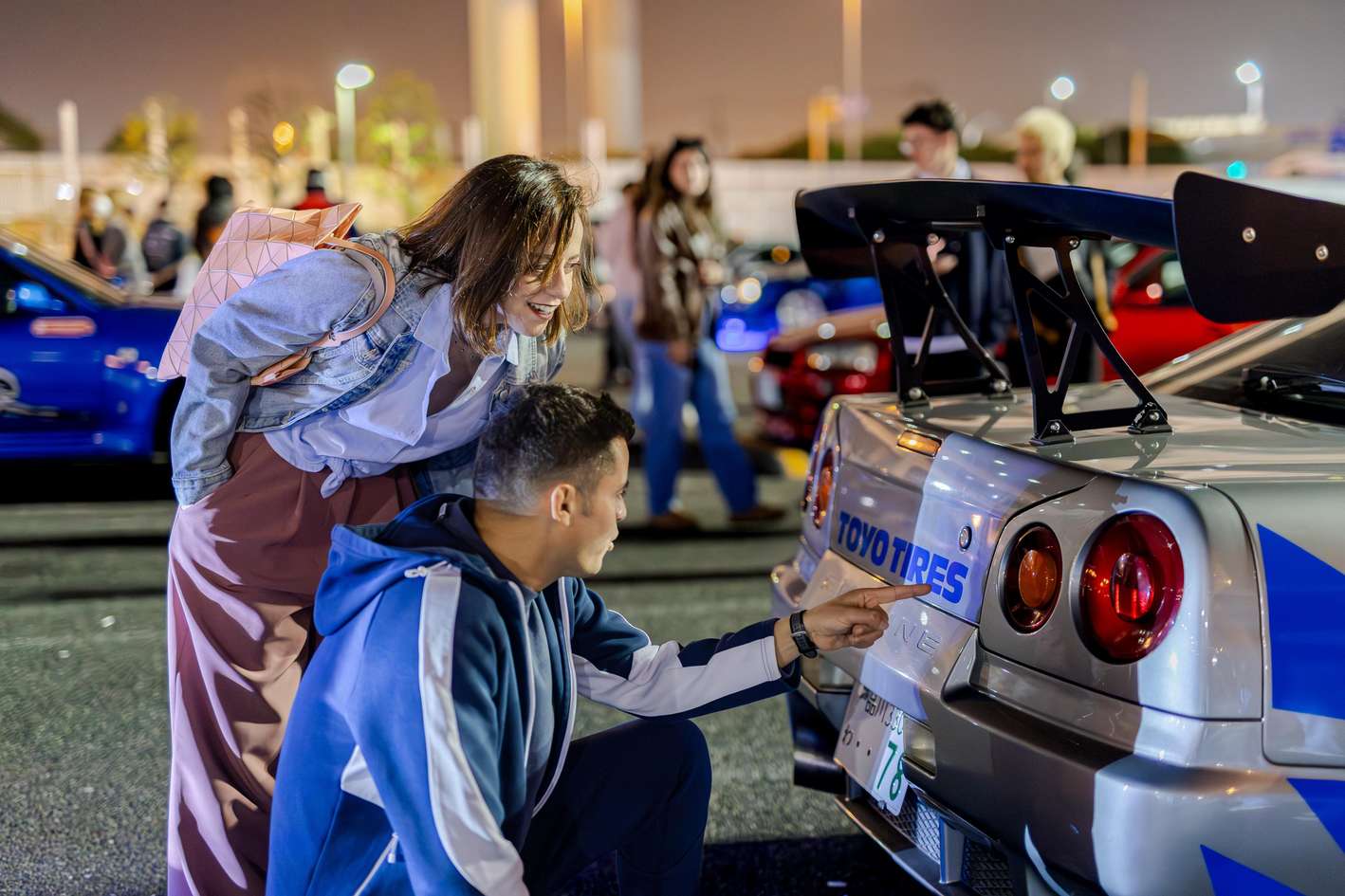
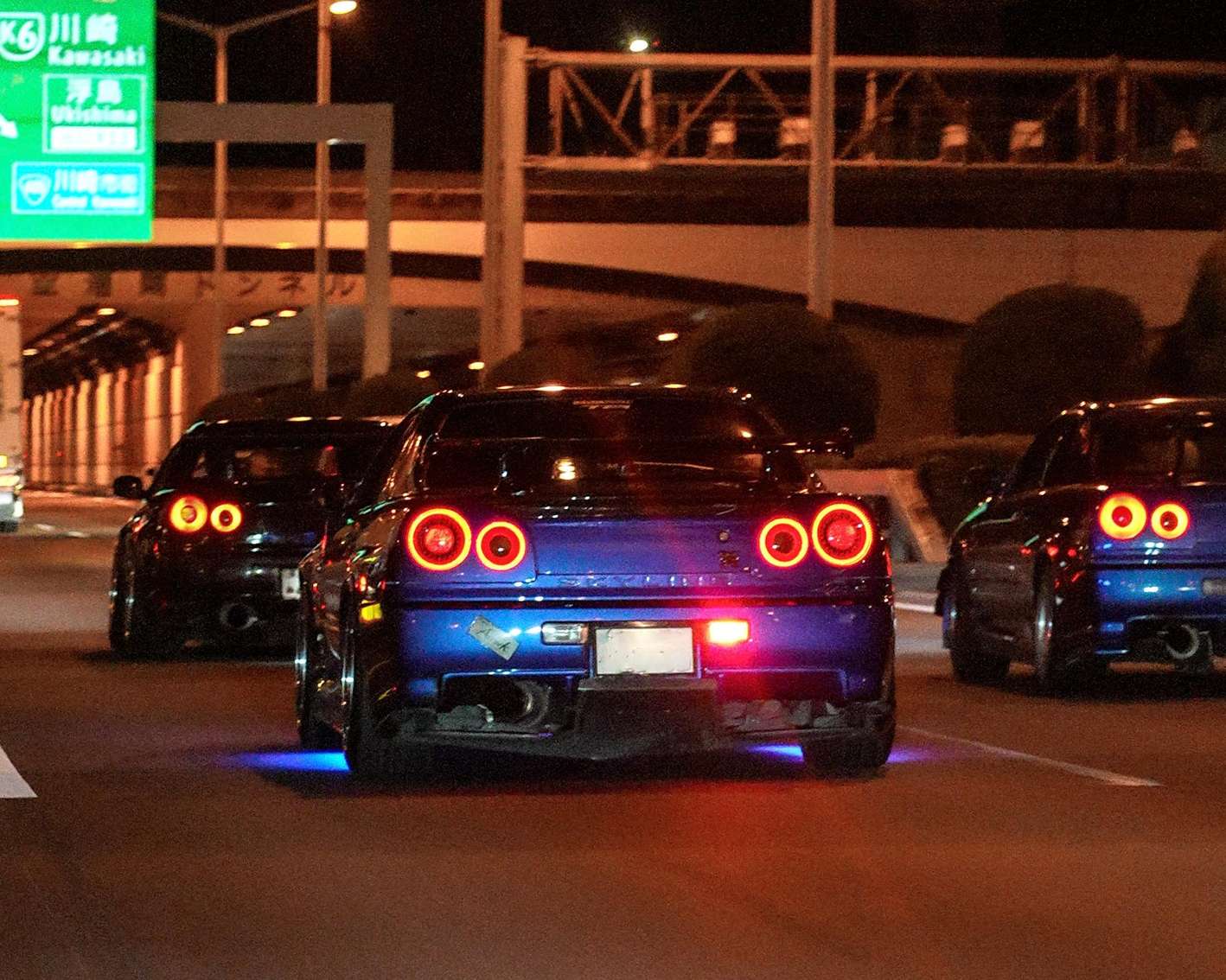
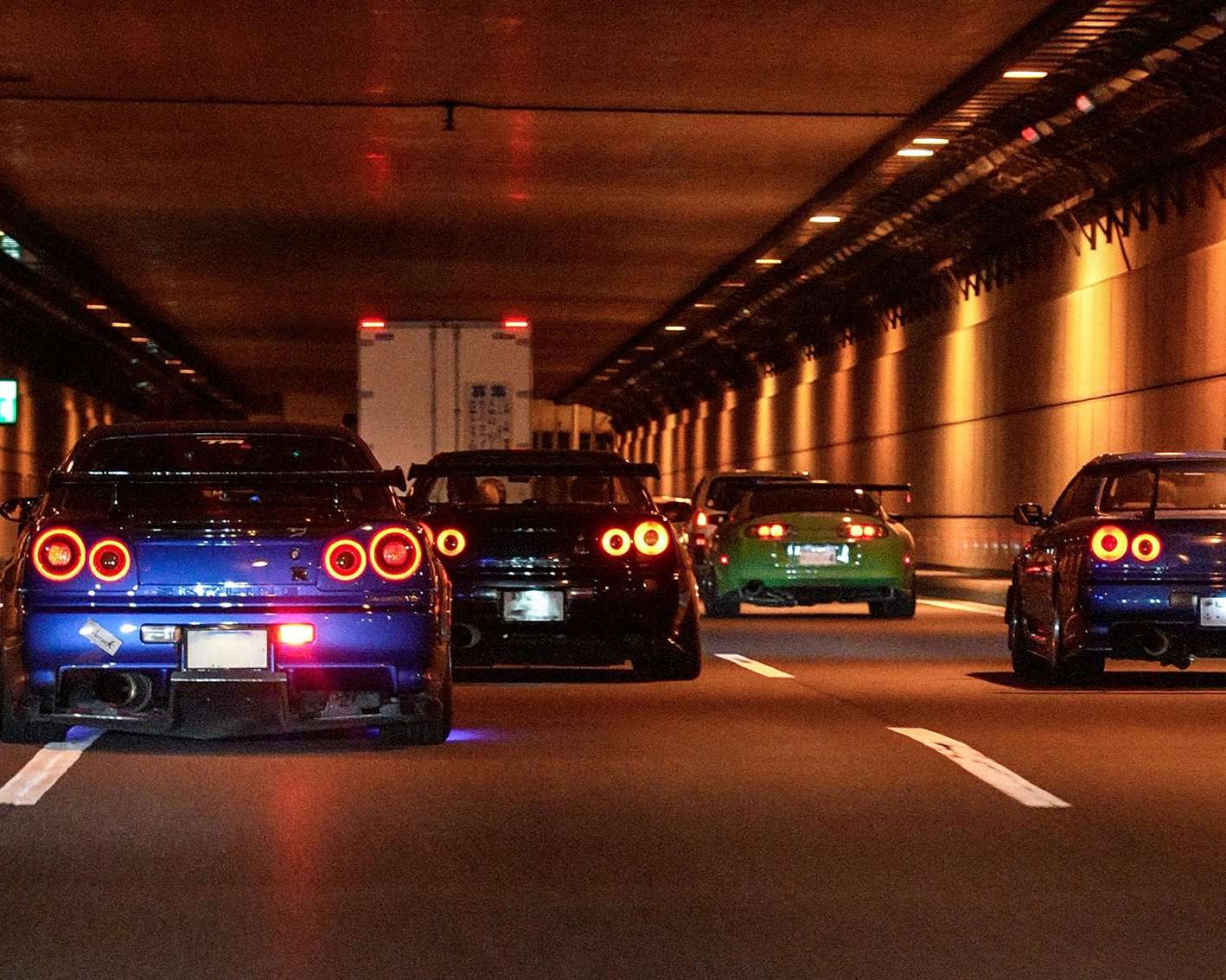
Time your Tokyo trip to the nights Daikoku PA fills with tuned Skylines and Supras. Ride with local drivers who know the meet schedule, steer around police closures, and drop you back in Tokyo after midnight.
"Loved this tour! Sam was fantastic, great English, knows cars and Tokyo well, gave good tips. His car was spotless and fun. He walked us through everything with amazing attention to detail. Highly recommend!"
Cars roll into Daikoku PA from 5 pm on Friday and Saturday and the deck peaks between 7 and 9:30 pm, but police can clear it from 7:30. The night you pick decides whether you see the meet at all.
Friday and Saturday evenings draw the densest modified JDM turnout of the week, with cars arriving from 5 pm and peak crowds between 7 and 9:30 pm.
Police closures most often begin at 8:30 pm on weekends, though dispersal can start as early as 7 pm, with ramps shut to new arrivals until about 2 am.
Sunday mornings from 8 to 10 am bring classics and rare European exotics with almost no police risk.
Monday to Thursday nights see smaller, steadier meets from 7:30 pm and rarely any closures.
You cannot walk into Daikoku PA: the only way in is by expressway vehicle, and the only way home after midnight is a tour drop-off.
Go by car, whether your own rental on the Bayshore Route or Daikoku Line, a taxi out, or a guided tour that handles the round trip, and never walk or climb onto the expressway.
Daikoku PA keeps no calendar, yet it keeps a rhythm all the same.
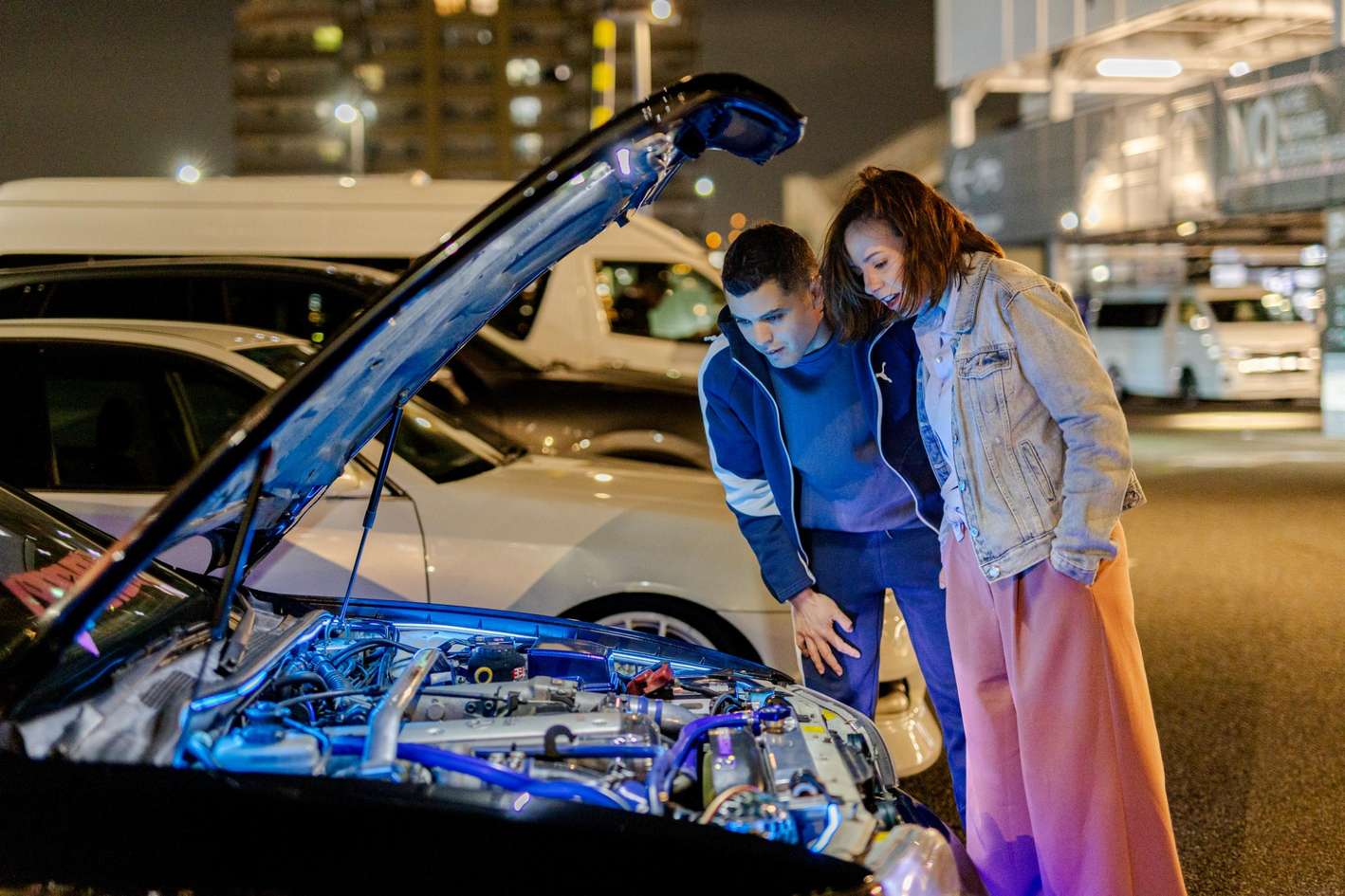
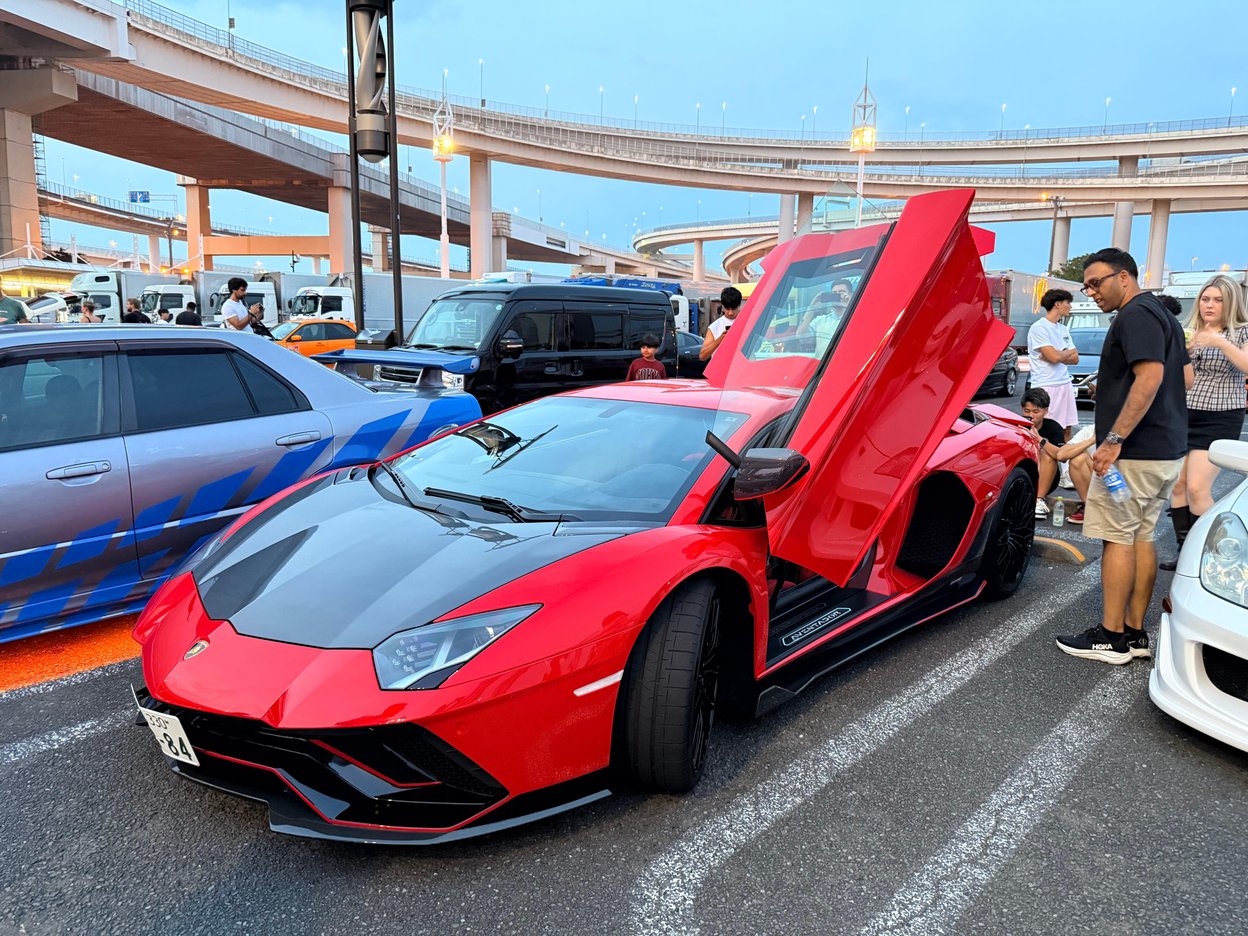
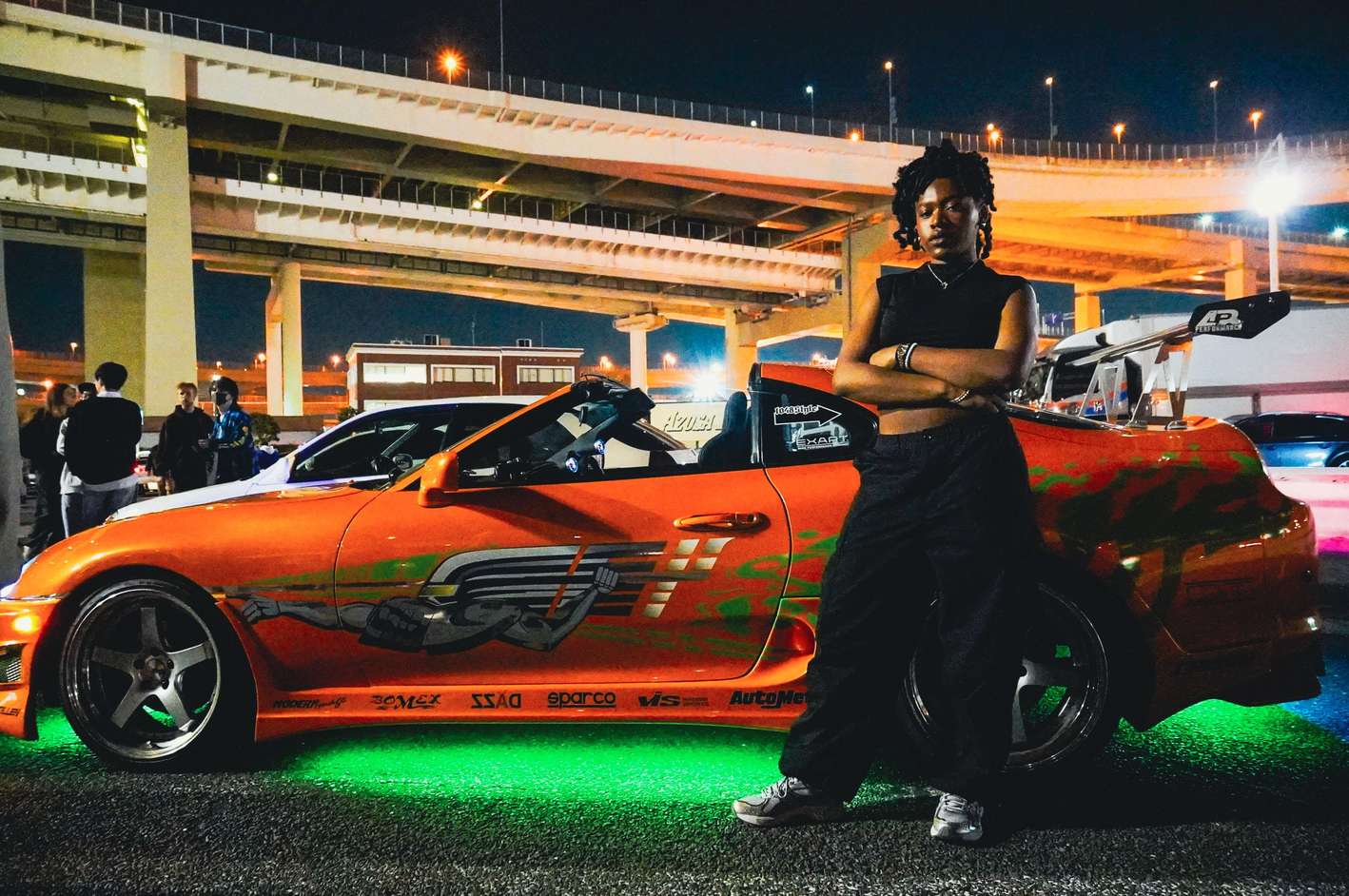
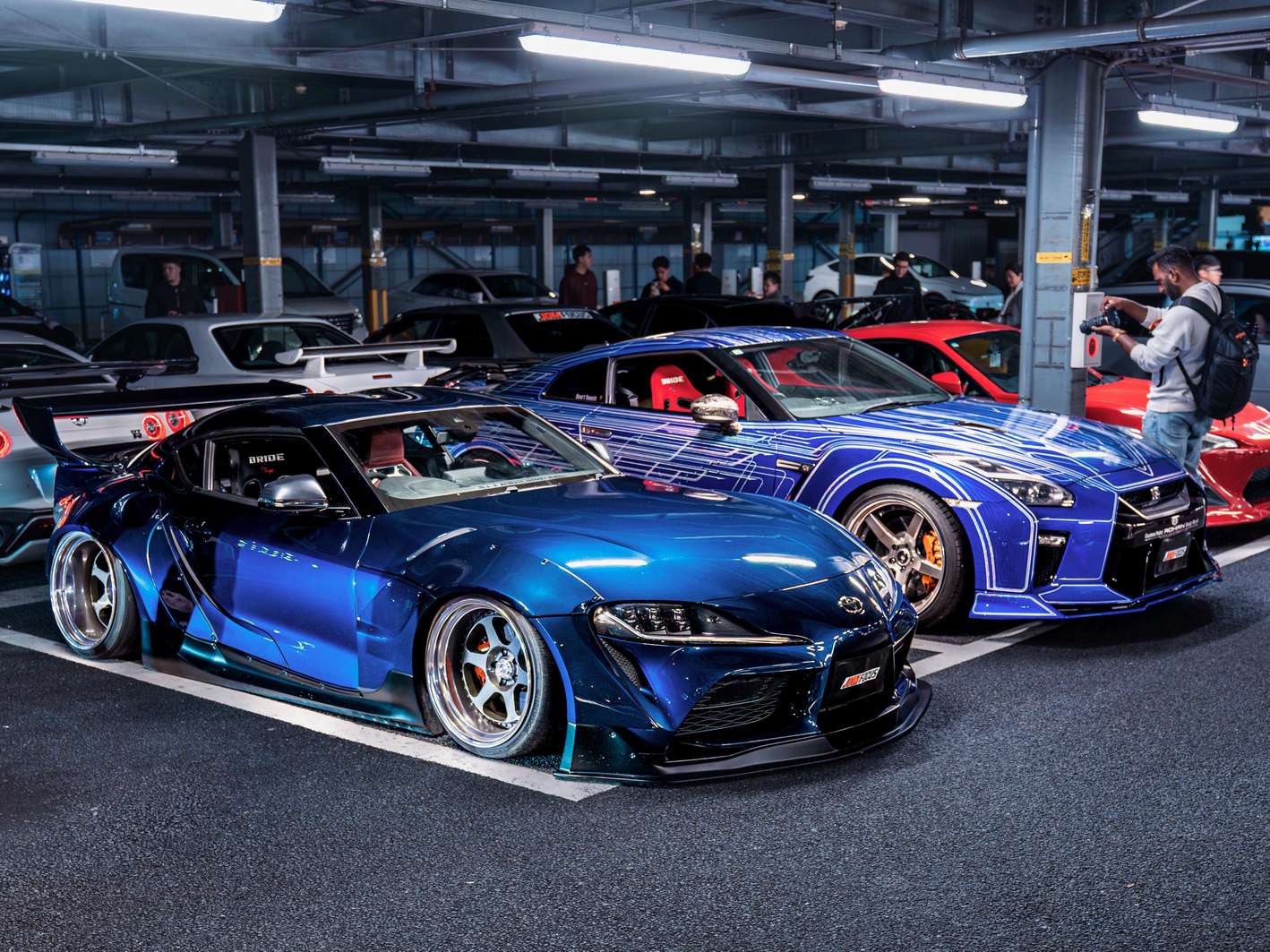
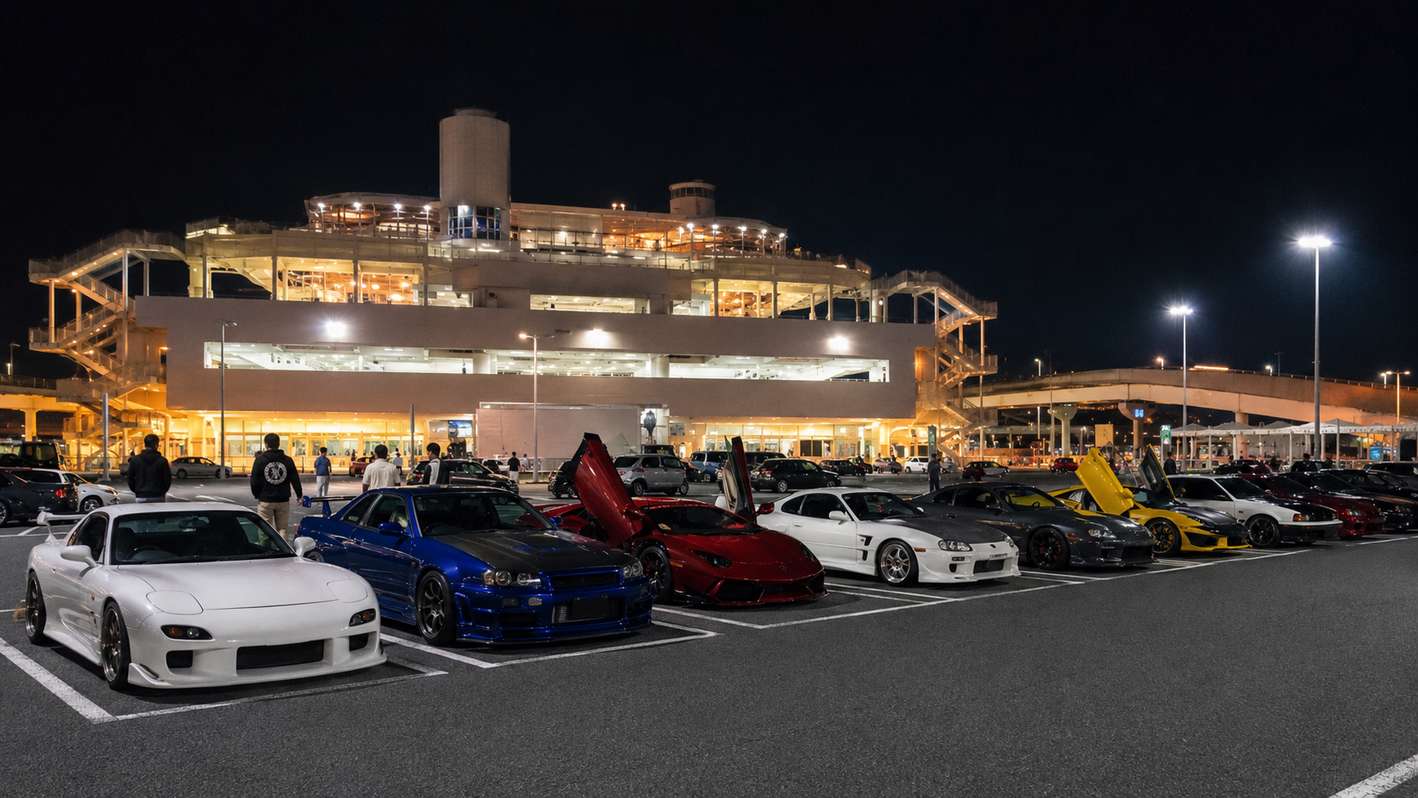
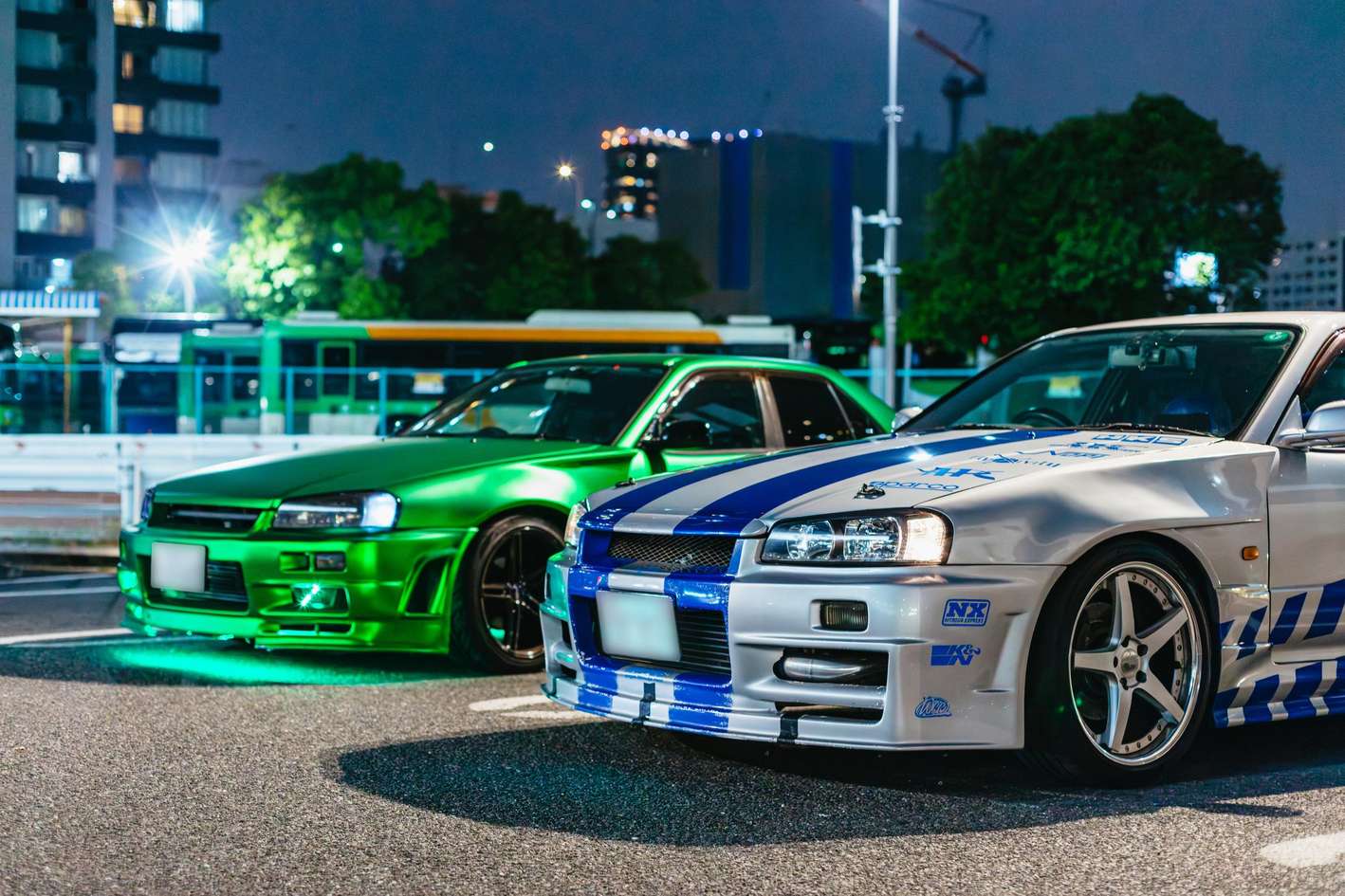
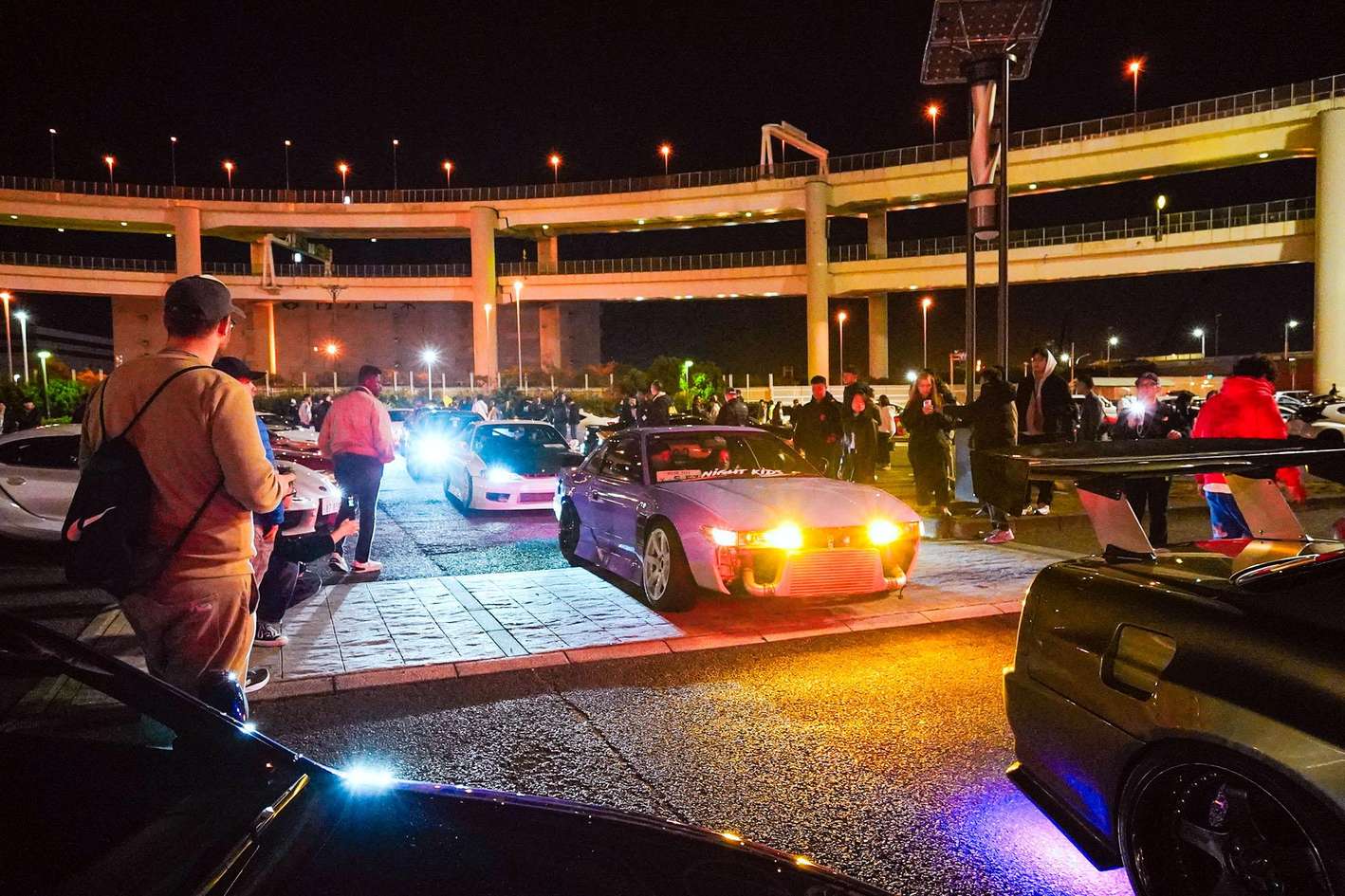
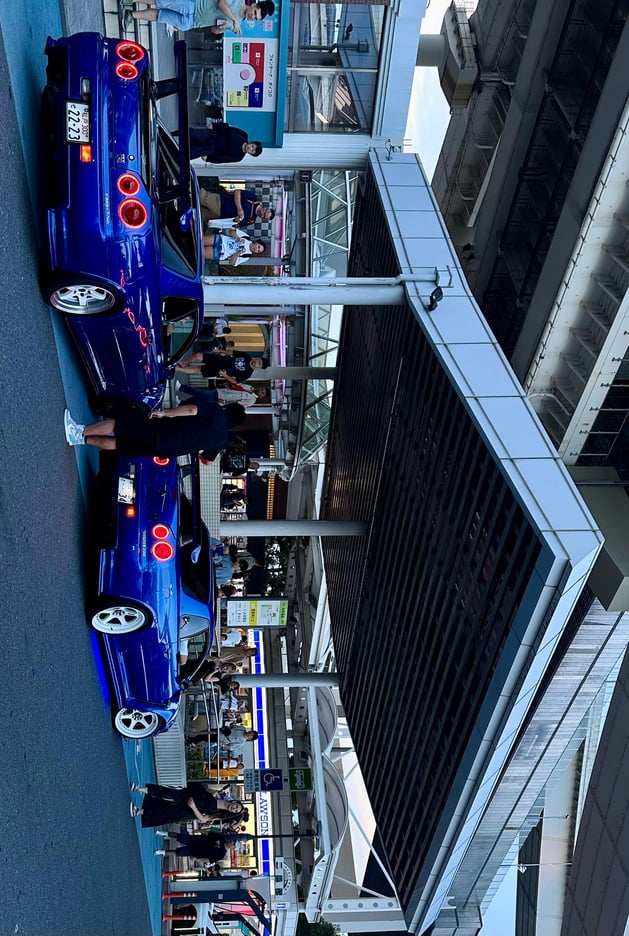
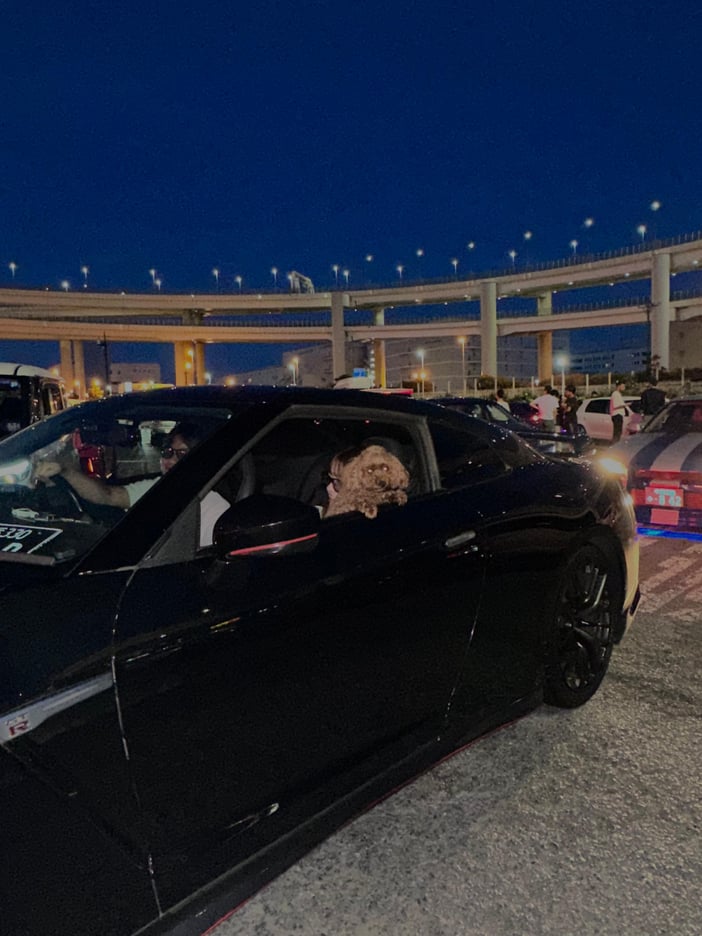
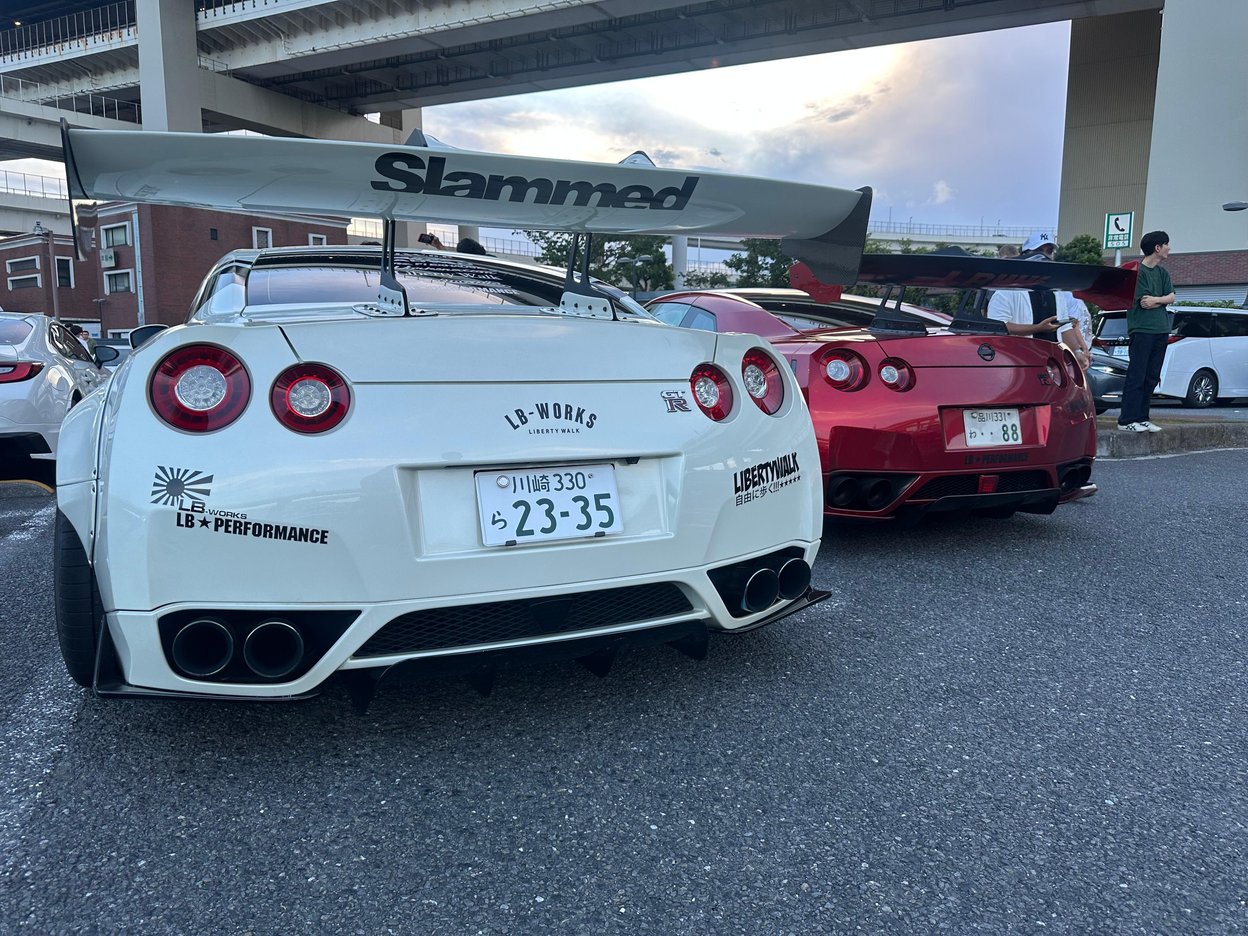
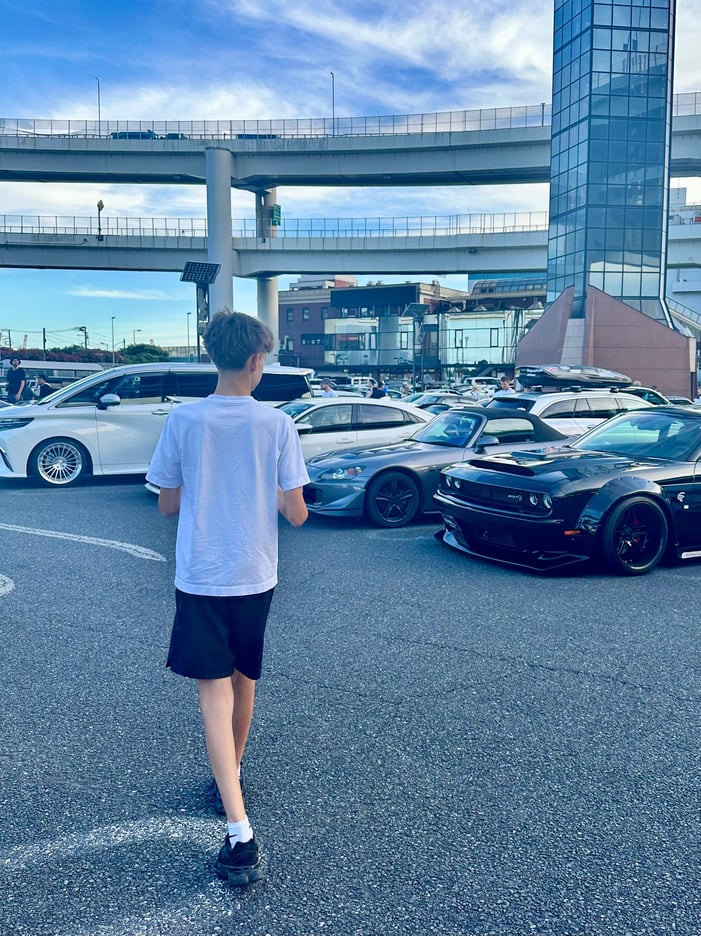
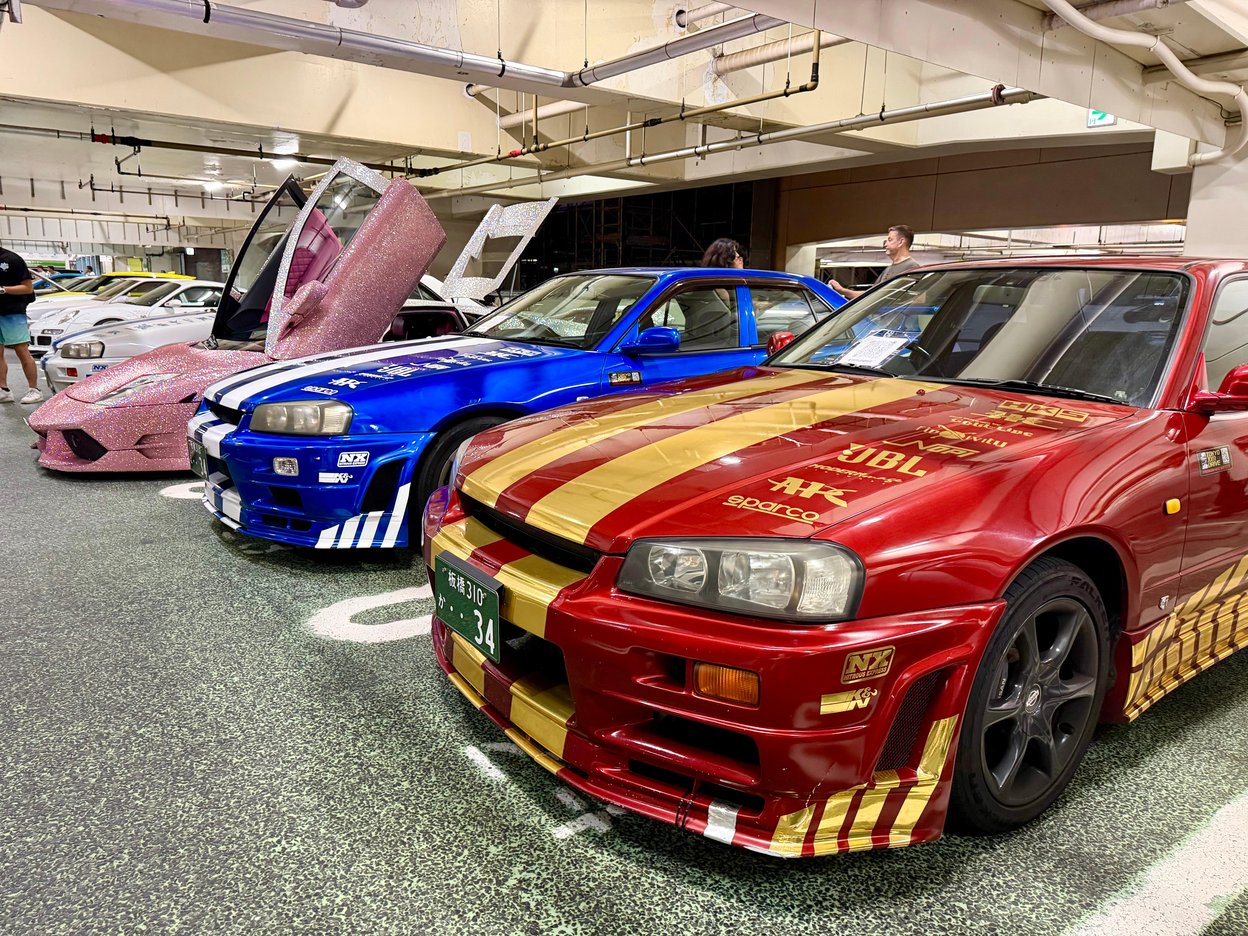
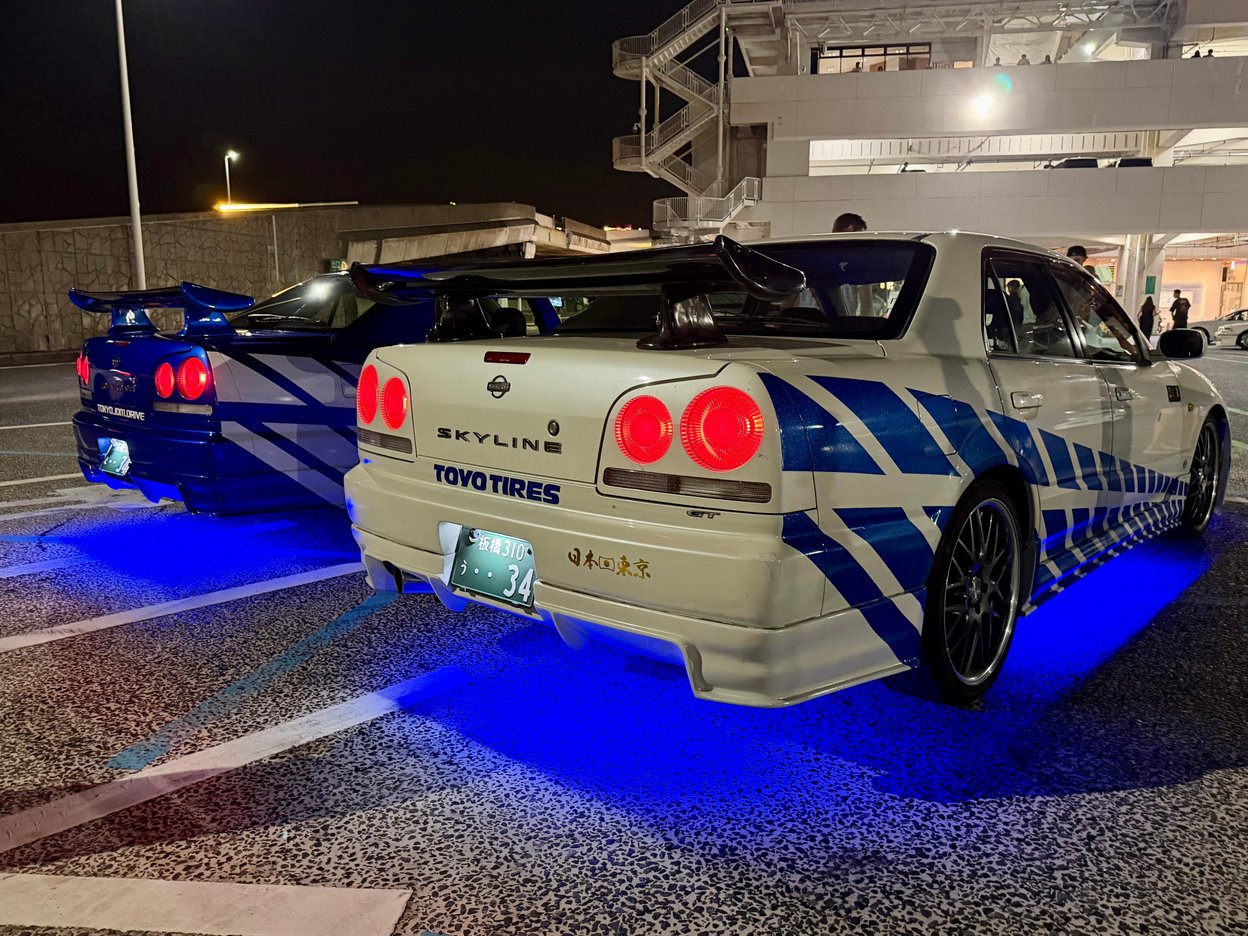
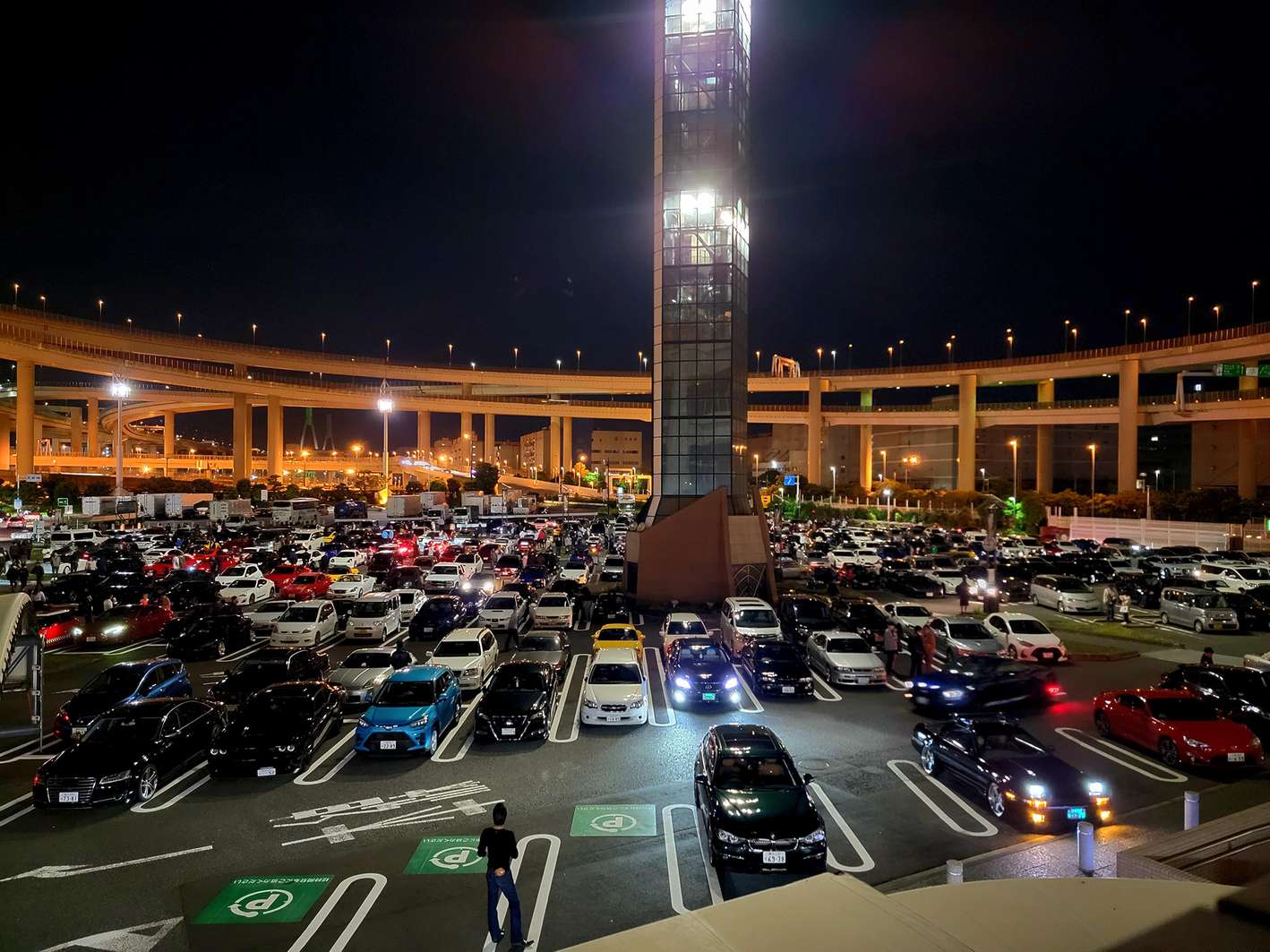
Friday and Saturday evenings are the prize: cars start rolling in from 5 pm and the deck fills to its densest between 7 and 9:30 pm, tuned Skylines parked hood-up beside slammed Silvias and wide-body Supras. Owners stand around their engines talking shop until the small hours.
The other nights answer a different purpose. Monday through Thursday draws a smaller after-work crowd from about 7:30 pm, calm enough that you get space around each car, and closures are rare.
Sunday evenings thin out early, so if a quiet Tuesday is your only free night, go anyway; just know the turnout rests on whoever happens to drive in. Pick your night around what you want to see and the rest of the week falls into place.
The two 5-rated bars are the weekend nights worth building a Tokyo itinerary around, and the 2-rated weekdays are the fallback when nothing else fits. Sunday earns its 3 for the morning meet rather than the evening, which the next chapters take up.
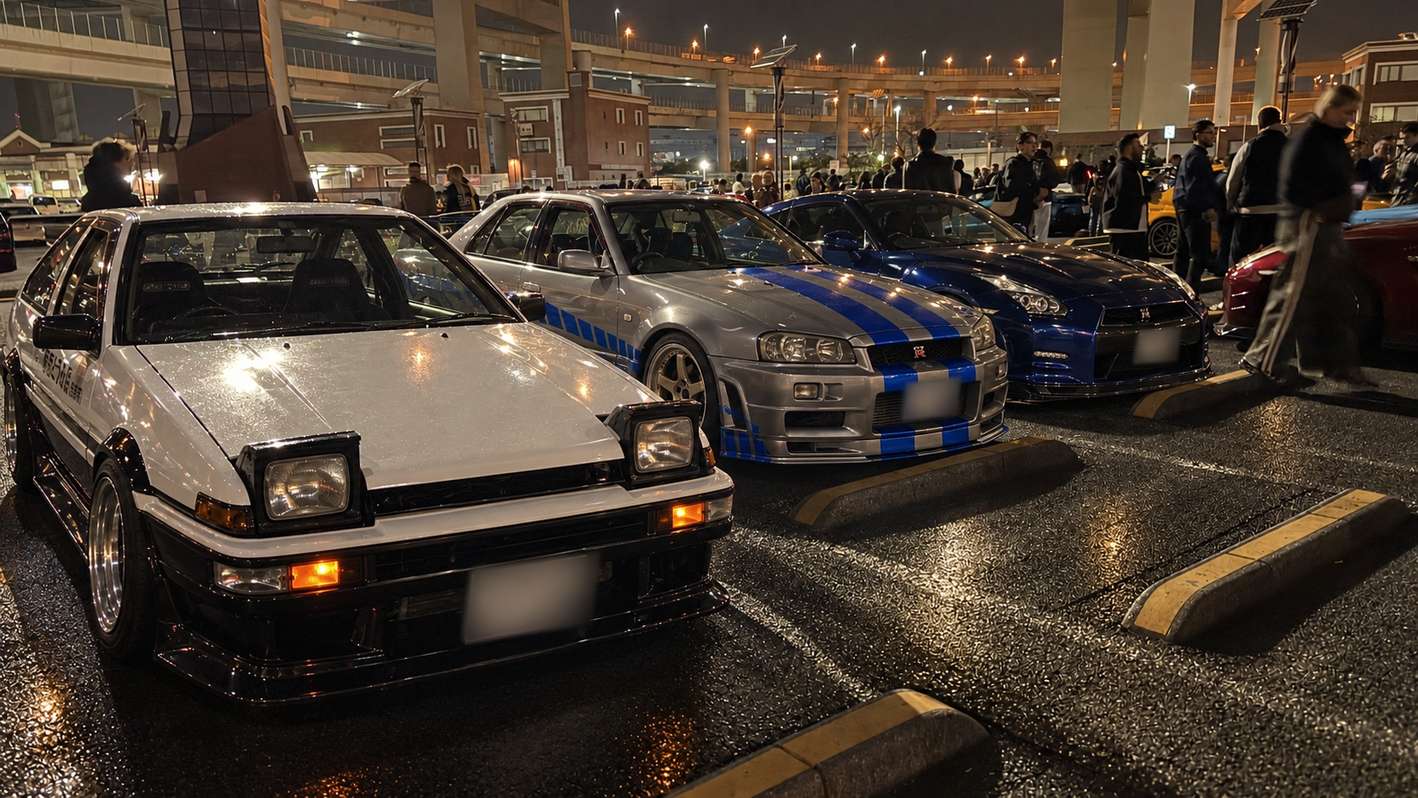
An evening at Daikoku unfolds on its own clock. On weekend nights the meets get underway after 7 pm, but the cars themselves begin arriving an hour or two before that, which is when the best parking bays go and owners still linger by open hoods.
Arrive in that first wave and you watch the deck fill.
Show up late and you watch it leave. Arriving after 11 pm on a Friday is the classic mistake, because police clearing often happens hours earlier, and by the time most late trains reach Yokohama the lot can hold little more than trucks.
The window you want sits in the early evening, and the timeline is how regulars talk about the night.
Owners arrive straight from work and linger by their hoods
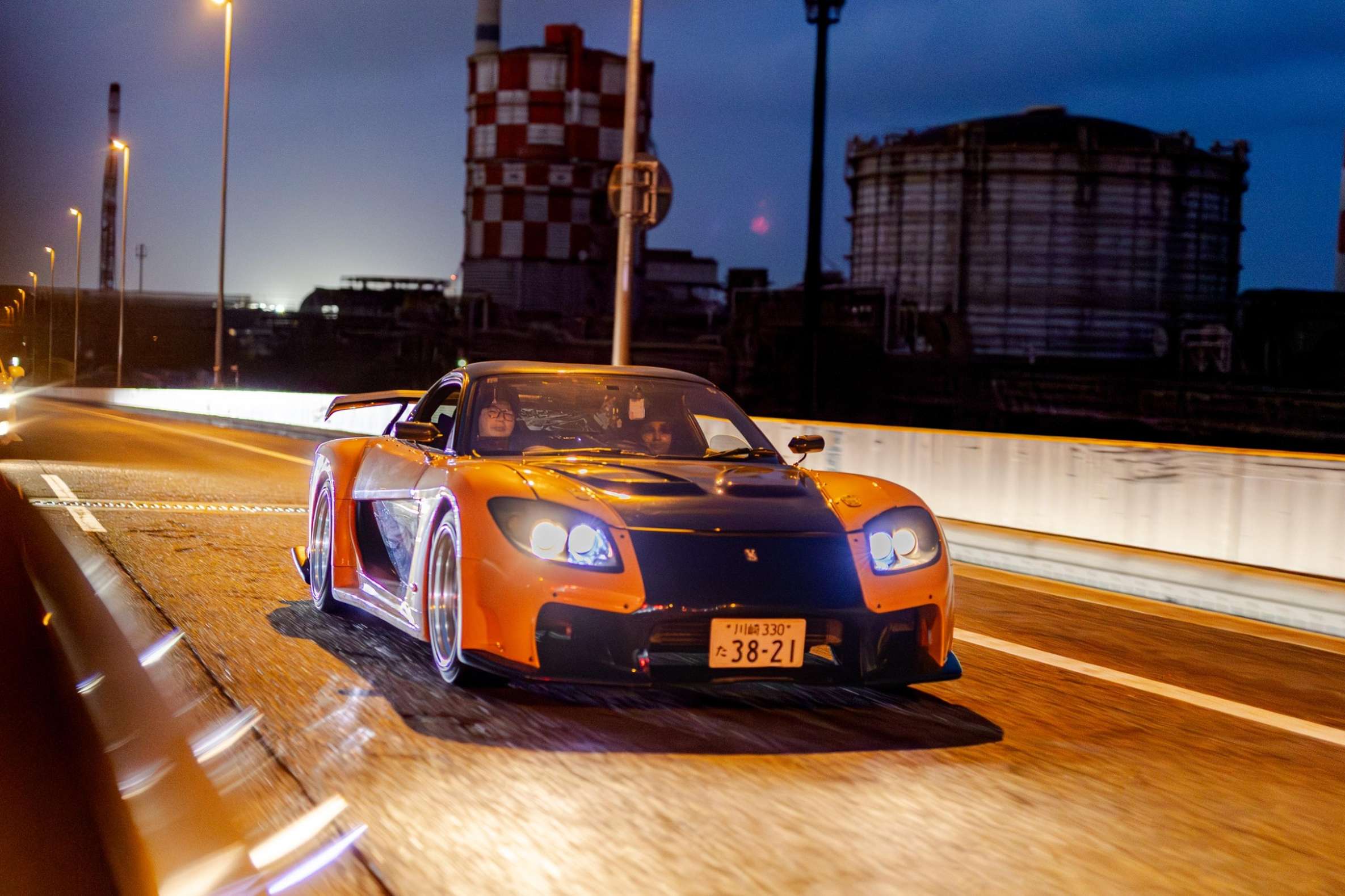
GT-Rs, RX-7s and one-off builds crowd the circular deck
Loudspeakers politely ask drivers to clear out
Normal access returns between 3 and 5 am
Read top to bottom, the timeline gives you your target: aim to be standing on the deck by 7 pm, and treat anything after 10 pm as a gamble on cars that may already be gone.
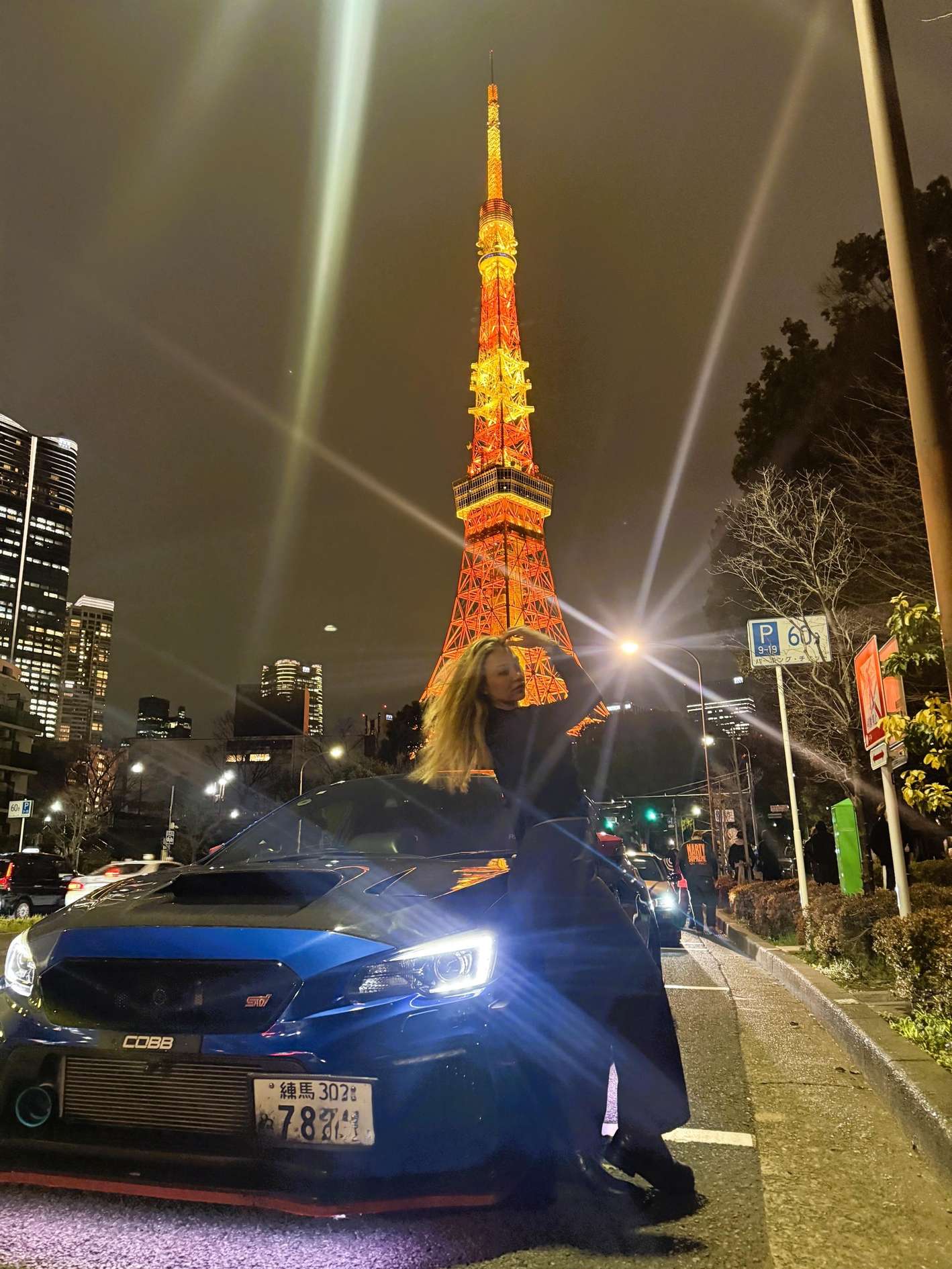
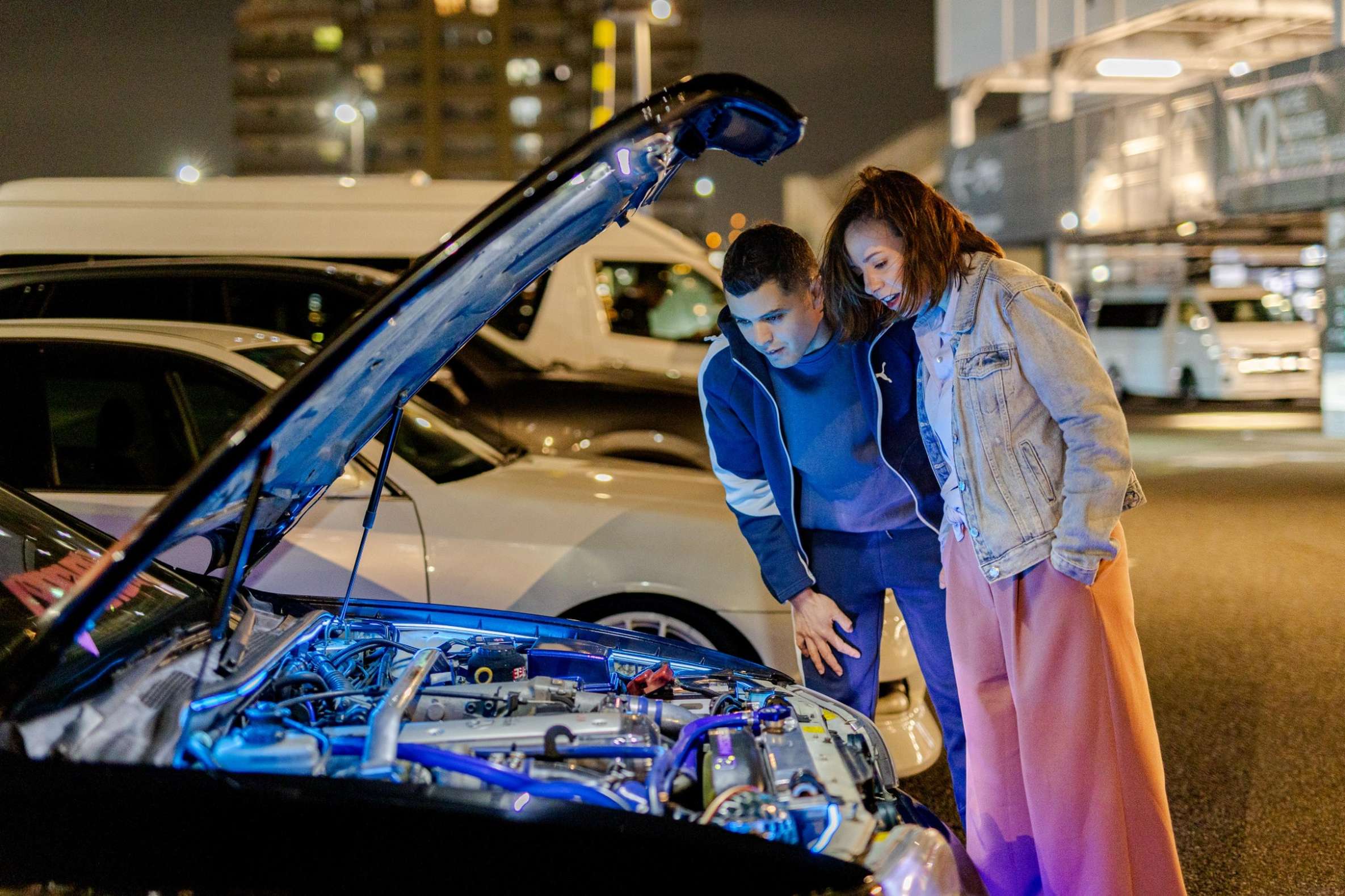
Friday has the local feel. Tuners and classic JDM owners come straight from work into a relaxed gathering, few exotic supercars appear, and police oversight stays a touch lighter. It suits people who want to talk builds with the owners more than they want a queue for a photo.
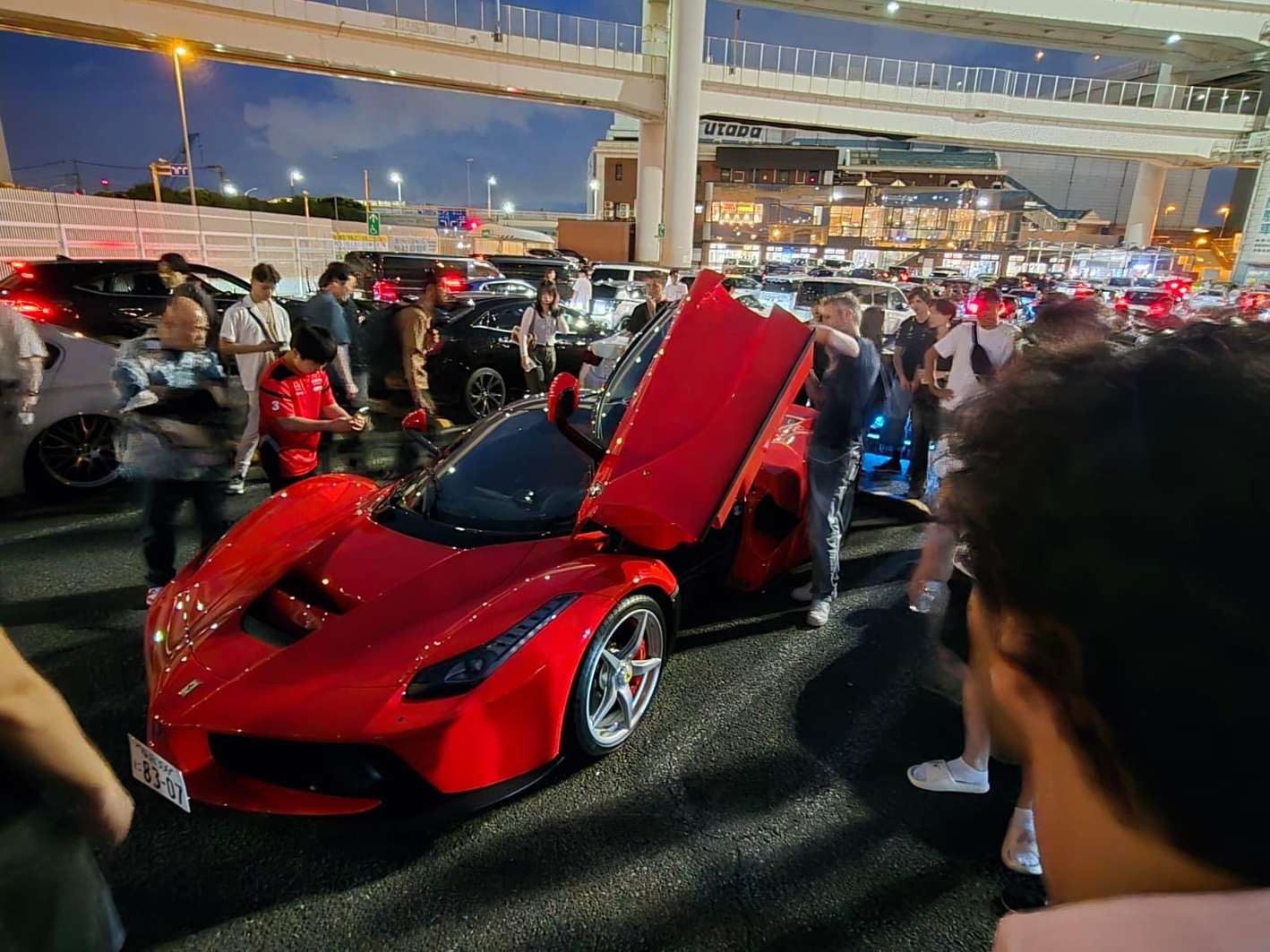
Saturday is the spectacle. It draws the largest crowds and the widest vehicle variety of the entire week, modified JDMs parked beside modern supercars and exotics in something close to an exhibition, and it carries the highest chance of police clearing the lot or closing the ramps between 7:30 and 9:15 pm.
The two figures regulars quote are the same story told twice: 8:30 pm is the single most common time the dispersal order lands, while 7:30 to 9:15 pm is the wider stretch in which police action can occur on a badly crowded night.
| Full but manageable | The biggest of the week | |
|---|---|---|
| Car variety | Classic JDM and tuners | Modified JDMs, supercars and exotics |
| Police closure risk | Slightly lighter, still common | Highest of the week, most often starting 8:30 pm |
| Atmosphere | Local hangout, easy conversations | Exhibition-style spectacle |
If you would rather let the night decide, the Tokyo: JDM Night Drive to Daikoku PA in Skyline R34 or Evo X runs 3 to 4 hours on the Wangan and C1 routes and puts you in the meet for its prime hours, whatever night you book.
While most visitors chase the night scene, a second meet runs in daylight. From about 7 am on Sundays the deck fills with rare European supercars, vintage classics and pristine restorations, a calmer gathering with minimal threat of a police closure.
The rhythm is early. Enthusiasts start arriving between 6 and 8 am, the meet peaks between 8 and 10 am, and by early afternoon most cars have driven off.
Sleep in and you miss it entirely, which makes Sunday morning the answer for families, early risers, and anyone who would rather see Ferraris and restored GT-Rs in sunlight than fight a Saturday night crowd. Regulars also head to Gingko Avenue around 8 am for vintage exotics parked along the trees.
Some operators run dedicated morning options, and the Sunday Morning Exotic Car Tour of Tokyo runs 4 hours straight into that window. Off-peak and even rainy visits reward you too, as one traveler put it:
Even a thin turnout leaves something worth the trip, which is why the morning meet works as a backup for almost any traveler, whatever their schedule does to them.
Daikoku's biggest schedule risk is a shutdown, and it is worth facing plainly. Kanagawa police and expressway patrol close the lot when it overflows, when cars park outside the marked bays, or when exhaust noise and loud stereos draw complaints.
On Friday and Saturday nights the dispersal order most commonly lands at 8:30 pm, sometimes as early as 7 pm on a badly overcrowded evening, and the ramps stay shut to incoming cars until roughly midnight to 2 am.
Shutoko's own posted closure for weekend nights runs from 7:30 pm to 2 am, which is the facility's version of the same window.
What happens next is orderly: officers direct drivers out over loudspeakers, owners comply without argument, and the meet disperses onto the surrounding expressways all at once. A guide who knows the scene turns that into a detour instead of a lost evening.
The Tokyo: Daikoku or Umihotaru Tour (Silvia S15, GR86, 370Z) plans its route on the day and moves to Umihotaru or Tatsumi when Daikoku closes, so the night still ends standing beside real cars.
Car meets form while the lot stays open, though early crowd closures can occur by 7:30 pm.
Patrol units most commonly issue dispersal orders and close the parking area at 8:30 pm.
Expressway access to the parking lot remains blocked to standard passenger vehicles.
Police barriers are removed between 3 am and 5 am, restoring standard access.
The heaviest bars sit in the 8-to-9 pm block, which tells you exactly when to be in the lot and when to be leaving: arrive well before 8 pm, and let a guide handle whatever the patrol cars decide after that.
Rain is the wildcard every schedule ignores. It thins the meet, since owners guard million-yen paintwork, but it does not reliably empty the deck: recent rainy-night visits ranged from somewhat empty to surprisingly busy.
One operator keeps its tours running in the rain and reschedules only when a severe storm or road closure makes the roads unsafe, so a wet forecast is a reason to dress well, not a reason to cancel.
Cold is the surer seasonal fact. The rest stop sits outdoors on an artificial island in Yokohama Port, and the coastal wind off Tokyo Bay makes winter evening meets feel near freezing, even though the December-to-February lows read mild on paper.
Bring far more layer than the temperature suggests, check the month you plan, and treat spring and late autumn as the comfortable seasons for a long night on the deck.
April is one of the busiest months, with 12.4 rainy days, 17.6 dry days and a 19°C average high.
Tap a month to read it.
May is busier than usual, with 14.4 rainy days, 16.6 dry days and a 22.2°C average high.
Tap a month to read it.
May is busier than usual, with 14.4 rainy days, 16.6 dry days and a 22.2°C average high.
Tap a month to read it.
January is near-ordinary for tours, with 5 rainy days, 26 dry days and a 9.6°C average high.
Tap a month to read it.
August is among the quieter months, with 13.2 rainy days, 17.8 dry days and a 31.7°C average high.
Tap a month to read it.
The chart's busiest bars sit in April and November, the months when a jacket is enough, while the winter months pair their quieter meets with the kind of windchill that ends a night early.

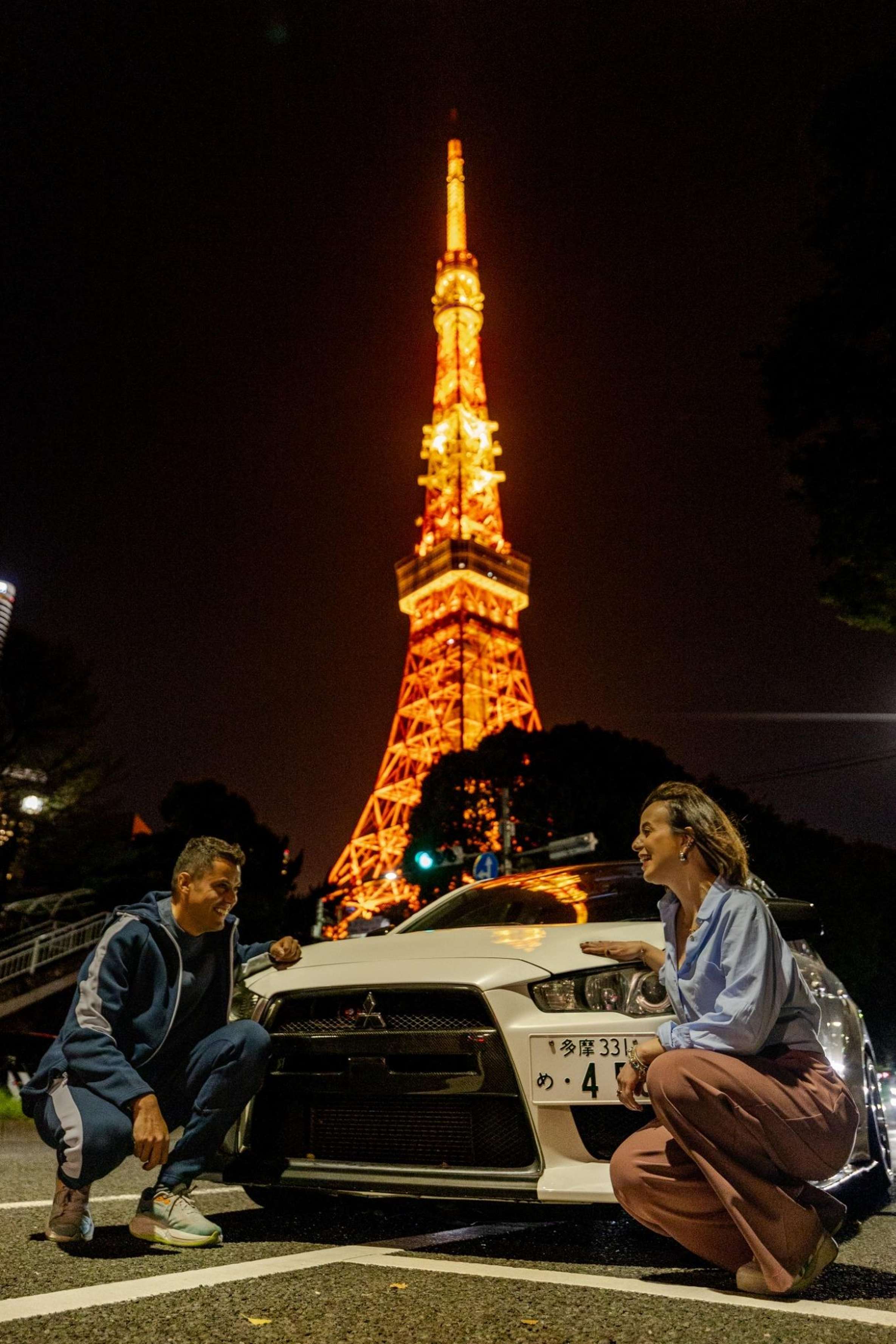
Beyond the weekly rhythm, three dates pack the lot with chassis you rarely see elsewhere. July 7th is 7's Day, celebrated in honor of the Mazda RX-7.
March 2nd, 3rd and 4th run R32, R33 and R34 Days, one for each generation of the Nissan Skyline GT-R. August 6th is 86 Day, for the Toyota AE86 and its GT86 and BRZ successors.
Book around those dates if a specific model is the reason for the trip, because themed meets pull dedicated owners from across the region.
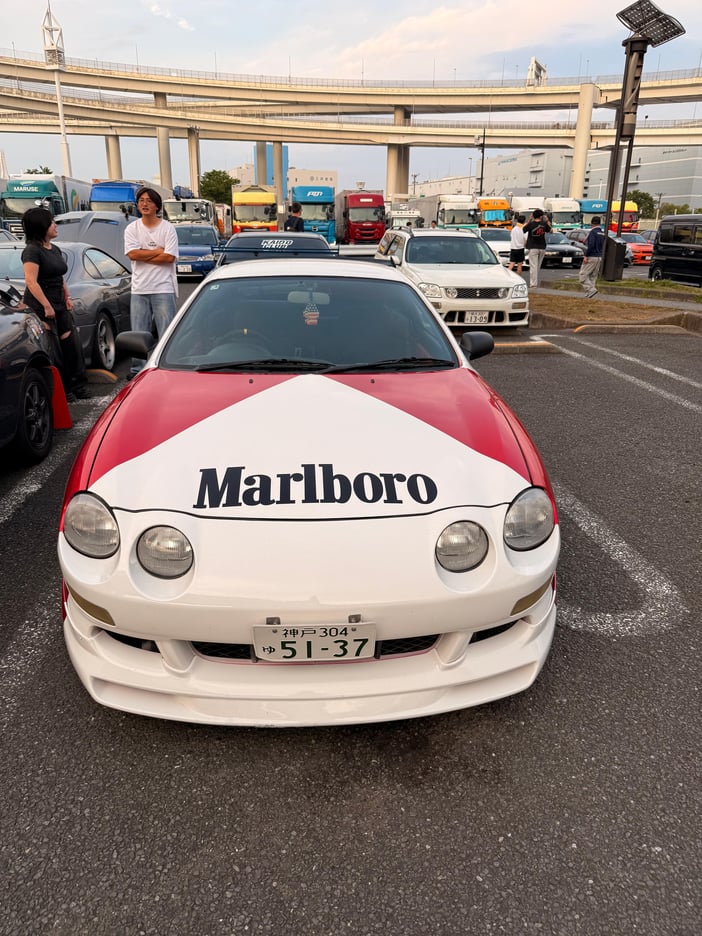
Just carry the right expectation with you: Daikoku is a working highway rest stop where cars park and owners talk, under constant police monitoring. Nobody drifts, nobody races, and the gathering forms on its own.
It is a stationary car meet inside a working rest stop, with no drifting or racing under constant police watch
There is no organizer: owners simply drive in and park, and the crowd forms around them
There is no calendar: turnout depends on the night, the weather and whoever shows up
Regulars add one more thing: connect with local car clubs and you hear about smaller, under-the-radar meetups across the Tokyo region that no schedule lists.
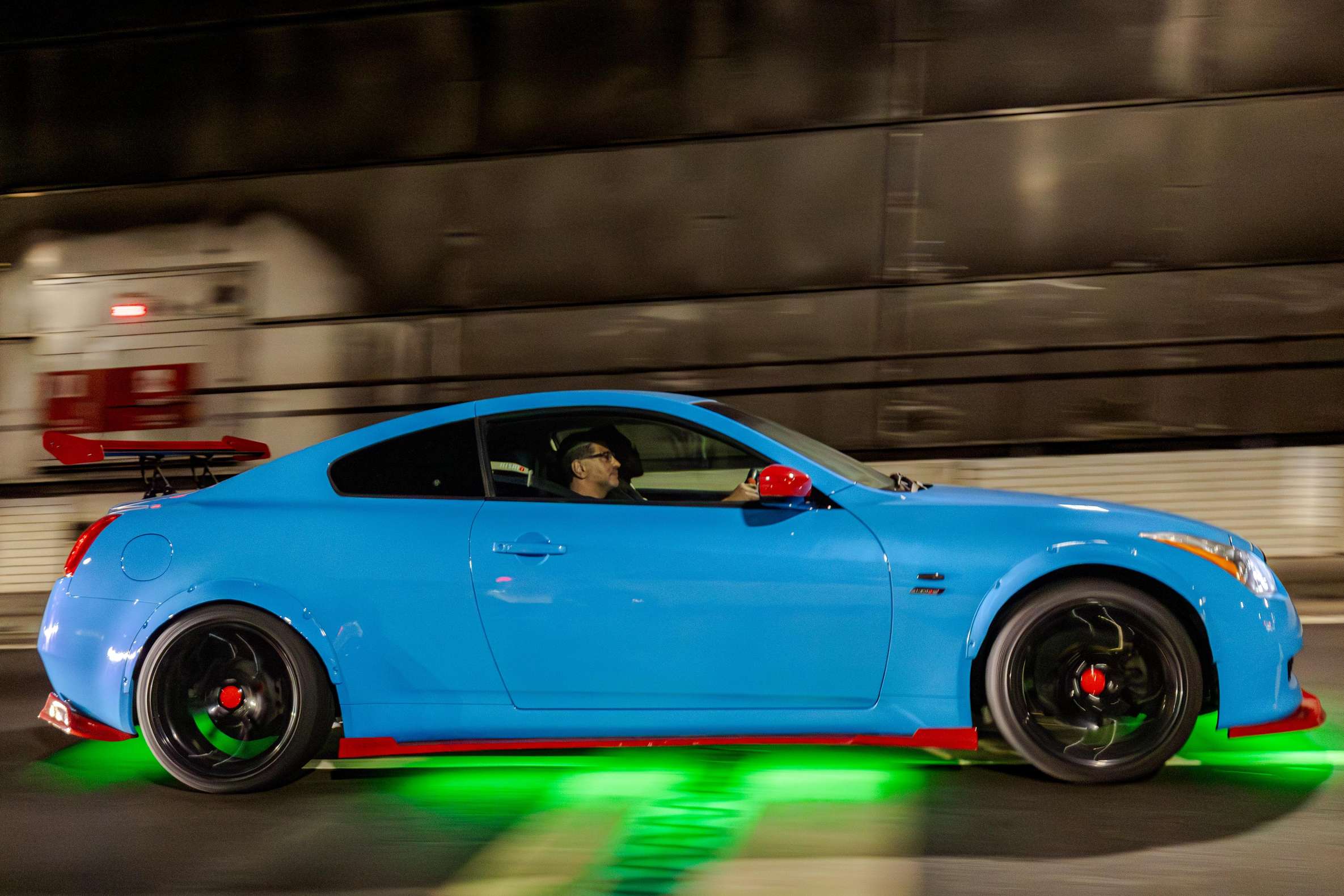
This is the rule that stops most first-timers, so read it before you plan anything else.
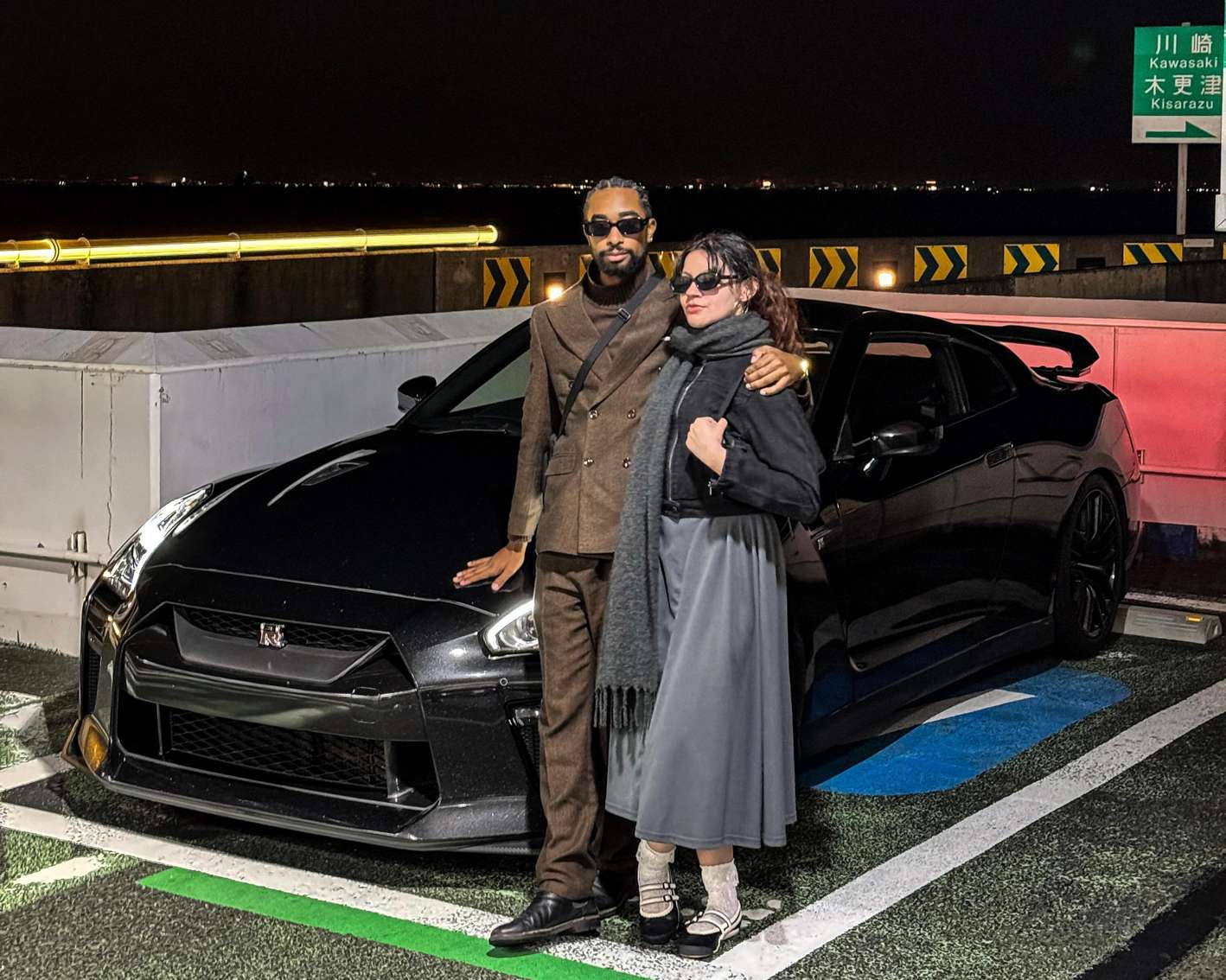
Daikoku PA sits inside the Shuto Expressway junction on Daikoku Pier in Yokohama, and the only way in is a vehicle using the expressway, via the Bayshore Route or the Daikoku Line. No train, no bus stop, no pedestrian entrance.
Entering Daikoku PA on foot, even by climbing the fence It is illegal trespass on a live expressway, and people who try it risk arrest or heavy fines, so enter only by vehicle
Driving yourself works. A rental covers the 30 to 45 minutes from central Tokyo, parking at the PA itself is free, and you pay just the expressway toll.
A one-way taxi gets you out there fine; it is the ride home that fails, as the next chapter explains. For most visitors, a guided tour solves access and the return in one booking.
Most of the spots worth a detour sit around the tour departure points in the city rather than the island itself, so plan them before or after the drive, and keep the meeting-point area in mind when you book.
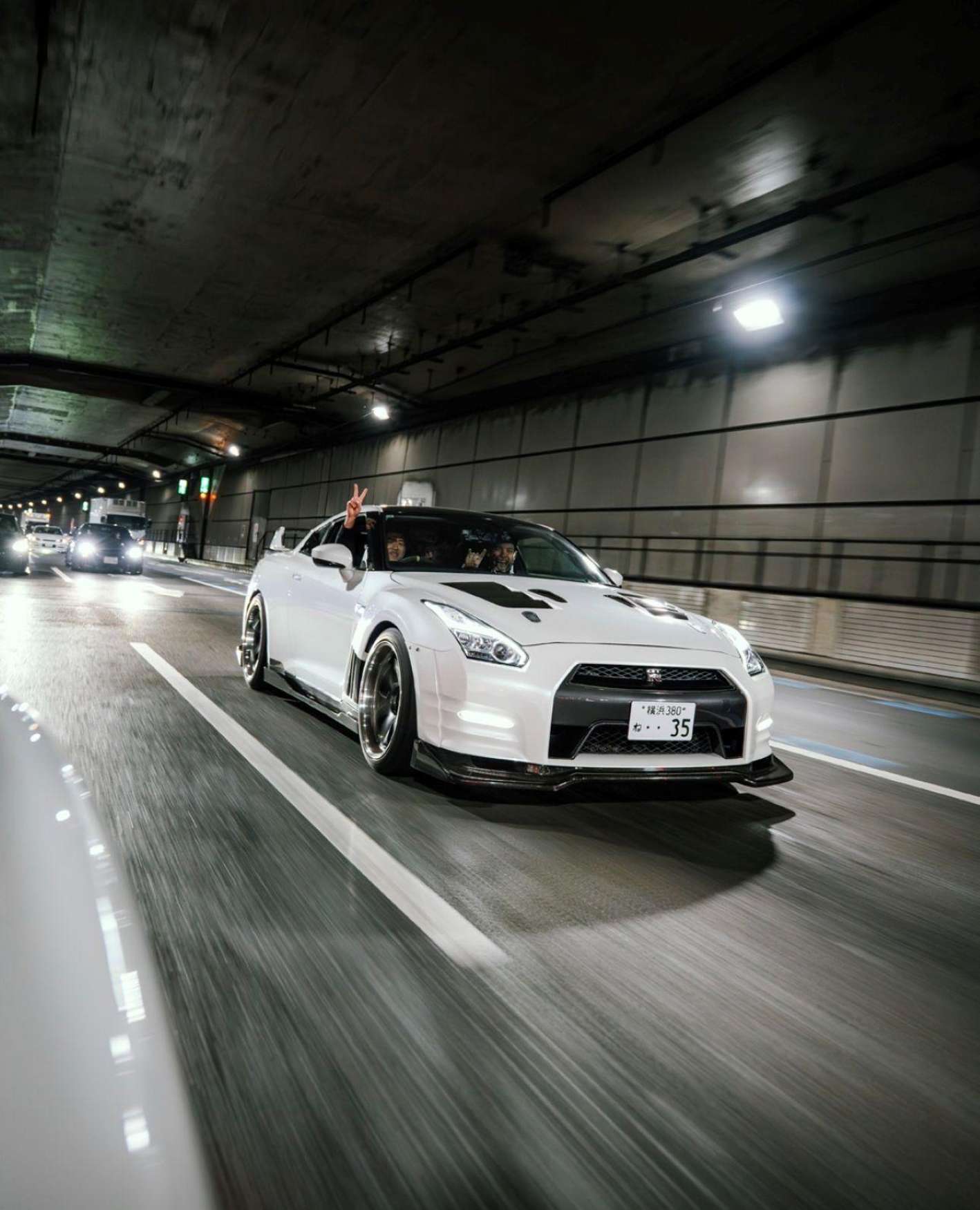
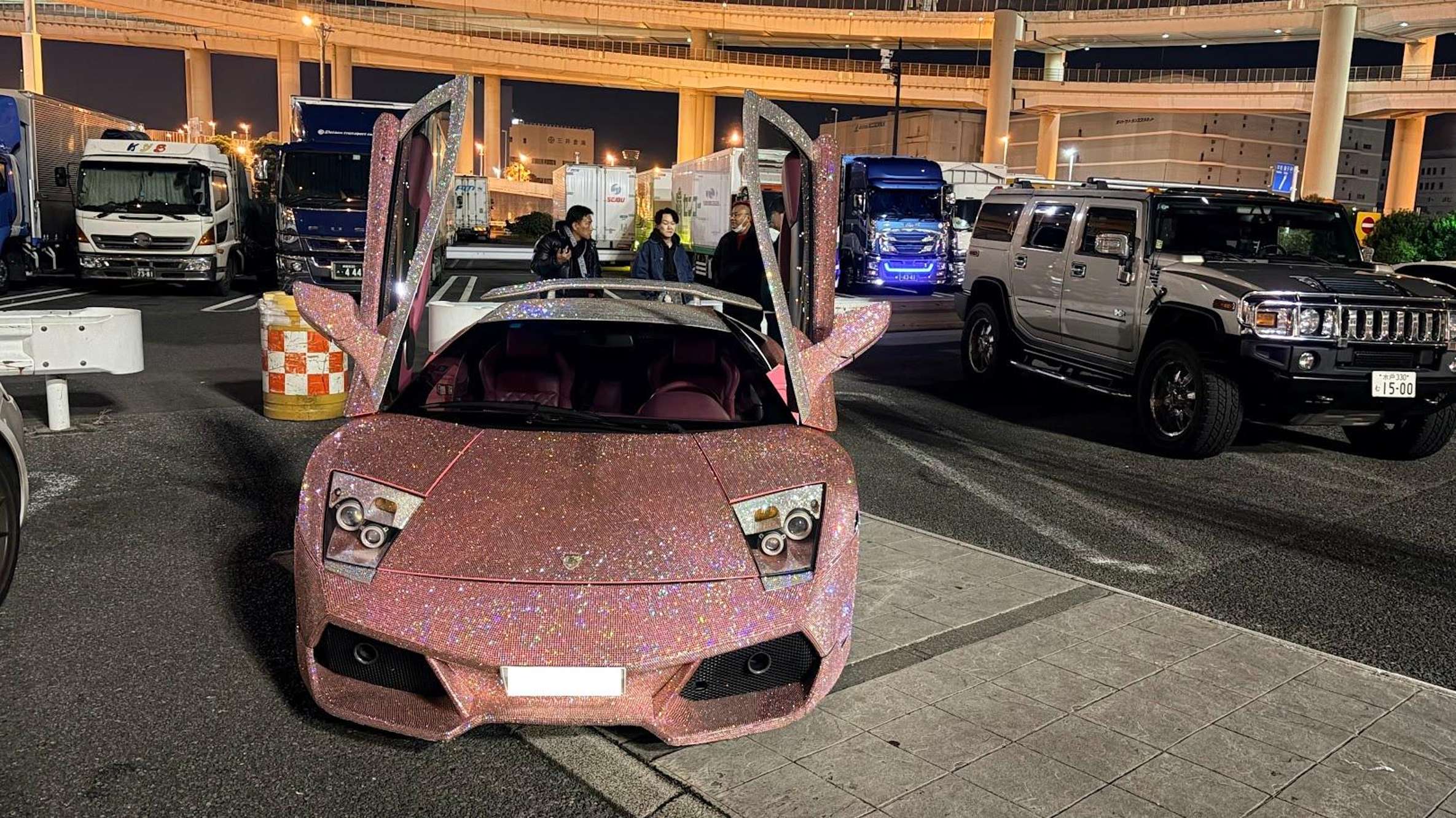
Tokyo's trains and subways stop between about 11:30 pm and 12:30 am, and Daikoku has no taxi stand. Drivers will not enter a toll road for a speculative late pickup, so the one-way cab that brought you out will rarely bring you back.
Standard evening tours time around this: they leave Daikoku between 9:45 pm and 10 pm and drop you at hubs like Shinjuku Station in time for the last train.
Midnight runs play by different rules. Tours departing between 10 and 11:30 pm finish well after the last train, which is why the ones worth booking include hotel drop-off.
The 【R34】Daikoku PA Private Tour bundles hotel pickup and drop-off in the Tokyo area with a 3-hour night in an R34, so the ride home is never your problem. Keep your phone charged, whatever format you choose, because a dead battery at 1 am on a toll road is not a fixable situation.
| If this happens | What happens then |
|---|---|
| Standard tour finishes by 10 pm | You get dropped at a major hub like Shinjuku Station for the last train |
| Midnight tour runs past the last train | Hotel or central Tokyo drop-off covers the ride home |
| Police close Daikoku early on the night | Guides reroute to Umihotaru or Tatsumi so the meet continues elsewhere |
| One-way taxi dropped you off | There is no taxi stand and drivers rarely return for a late pickup |
The table settles the only late-night decision that matters: book the format whose last stop is your bed, and never the one whose last stop is an empty toll booth.
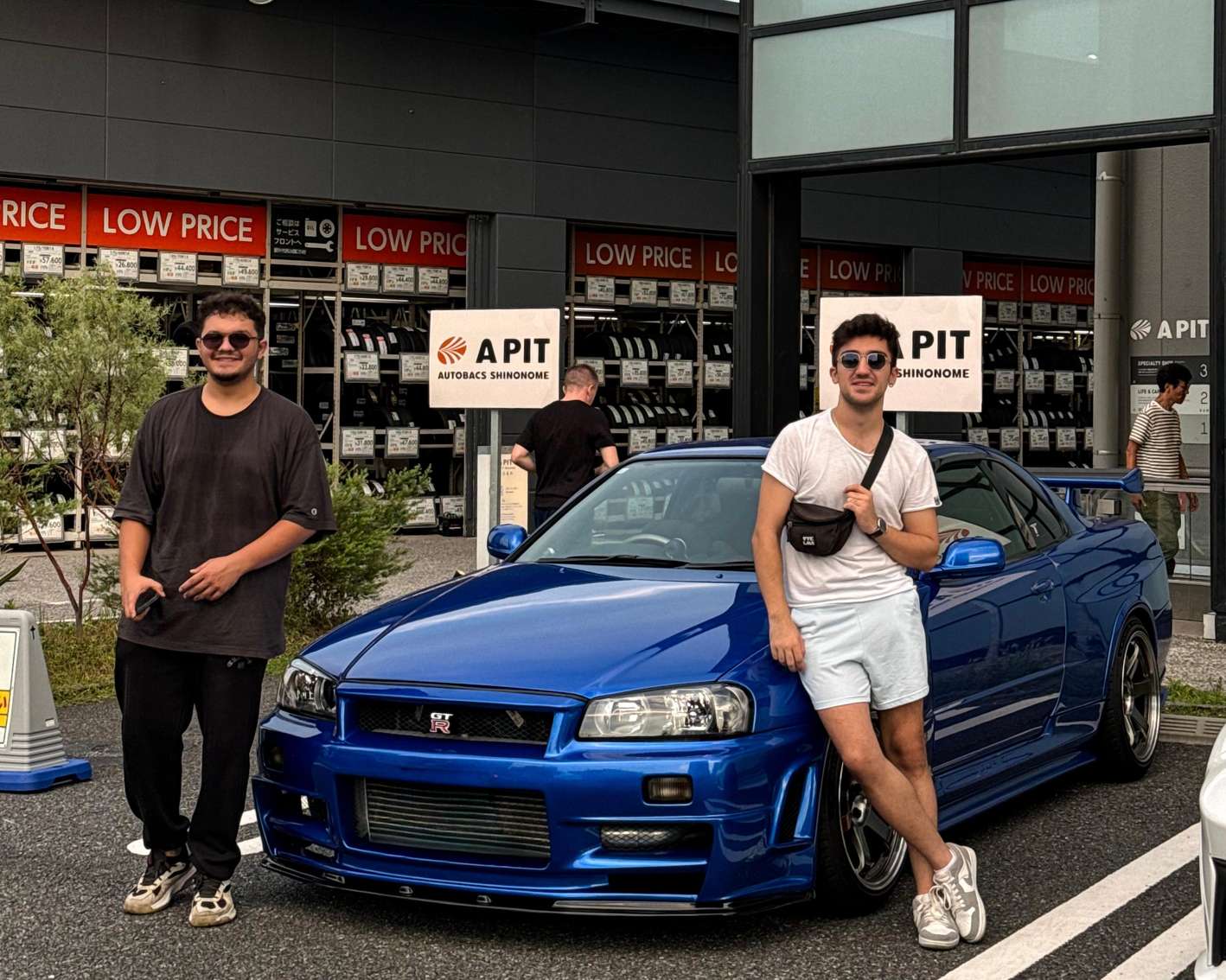
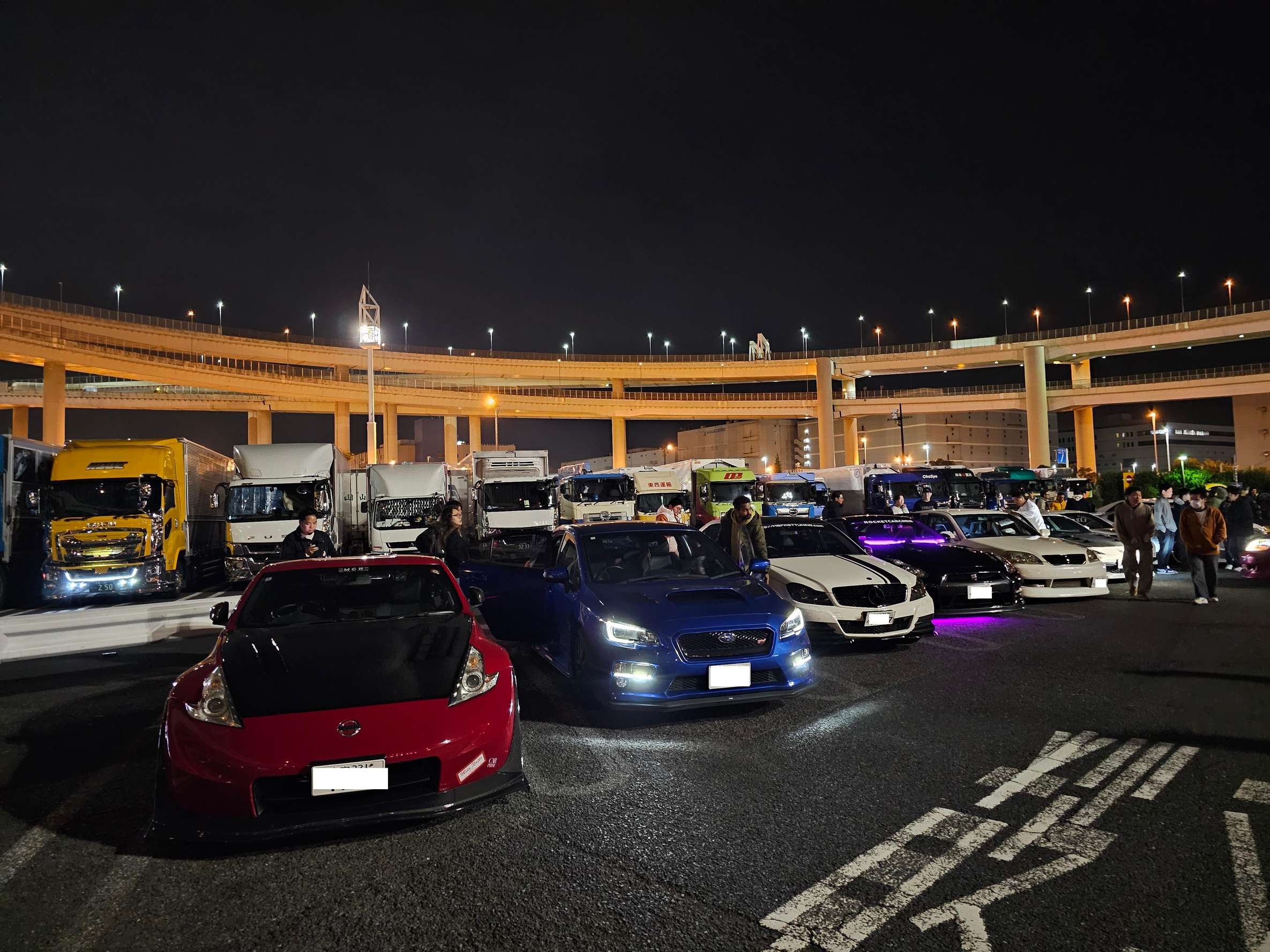
Daikoku PA rewards the right night and punishes the wrong one. Friday and Saturday from 5 pm fill the deck with modified JDM and risk a shutdown after 8:30 pm; Sunday morning trades neon for classics in daylight. Book a timed tour with round-trip transport and the schedule works for you instead of against you.

What Daikoku PA is, why its meets happen, and how the gathering works from night to night.
Every way to reach the parking area by car, taxi or tour, and why going on foot fails.
Take the wheel yourself: what self-drive convoy tours to Daikoku involve and how to book one.
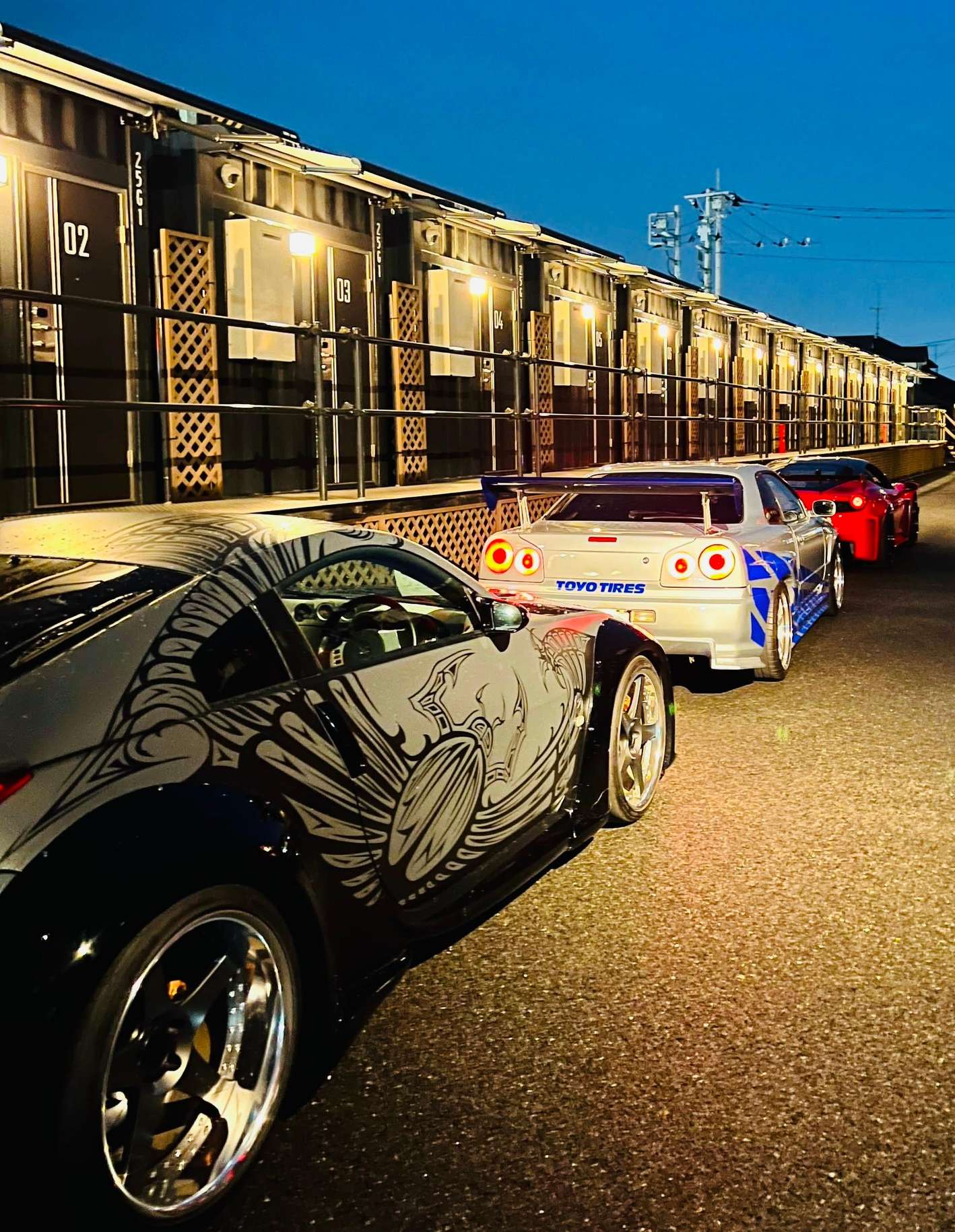
Tokyo Drift fans' guide to the movie-linked JDM rides and routes that end at Daikoku PA.
When do the cars roll in, which nights fill the lot, and what to do when the police close the ramps.
 Yokohama2026
Friday and Saturday evenings draw the densest modified JDM turnout, with cars arriving from around 5 pm and crowds peaking between 7 pm and 9:30 pm. Monday through Thursday brings smaller gatherings from roughly 7:30 pm, and Sunday morning runs from about 6 am to midday.
Friday or Saturday night, if you want maximum cars: the lot fills with modified JDM builds, loud exhausts and exotics. The trade-off is crowding, since police often restrict access or clear the area starting between 7:30 pm and 8:30 pm.
Sunday morning. Between about 7 am and 11:30 am the meet is calmer, runs in daylight and is dominated by rare European supercars, vintage classics and pristine restorations, with minimal risk of police closures.
Monday through Thursday evenings host real meets that pick up from around 7:30 pm. Turnouts are smaller and occasionally sparse, but closures are rare, and Thursday nights often reach crowds comparable to weekends.
Most often on Saturday nights and frequently on Fridays, commonly starting around 8:30 pm, with early dispersal from 7 pm on packed evenings. Closures to arriving cars usually run until about 2 am, with normal access back between 3 am and 5 am.
Yes, the expressway facility stays open year-round with no closed days, and the Lawson convenience store runs 24 hours. Food stands operate from 7 am to 9 pm and the restaurant from 11 am to 9 pm.
No. The parking area sits on the expressway network with no pedestrian entrances and no bus or train stop, and entering on foot is illegal. You need a vehicle traveling the Bayshore Route or Daikoku Line.
Guides adapt on the spot. Tours commonly reroute to other active spots such as Umihotaru Parking Area or Tatsumi Parking Area, and some stop at A-PIT Autobacs Shinonome instead, so the evening keeps going.
Standard evening tours drop you off at major hubs like Shinjuku or near Tokyo Tower in time for the last train, which stops around 11:30 pm. Late-night midnight runs finish after the trains stop, so those include hotel drop-off or a taxi ride.
Rain can thin the turnout but rarely empties the lot: recent rainy-night visits ranged from somewhat empty to surprisingly busy. Tours continue in the rain and are rescheduled only for severe storms or road closures.
Yes. Watching and photographing the gathering is not illegal under Japanese law. What gets people fined is encouraging reckless driving after a police order, or entering the parking area on foot.
A few fixed dates draw themed crowds: July 7th celebrates the Mazda RX-7, August 6th honors the AE86 and GT86, and early March (the 2nd through 4th) hosts Skyline GT-R days for the R32, R33 and R34.
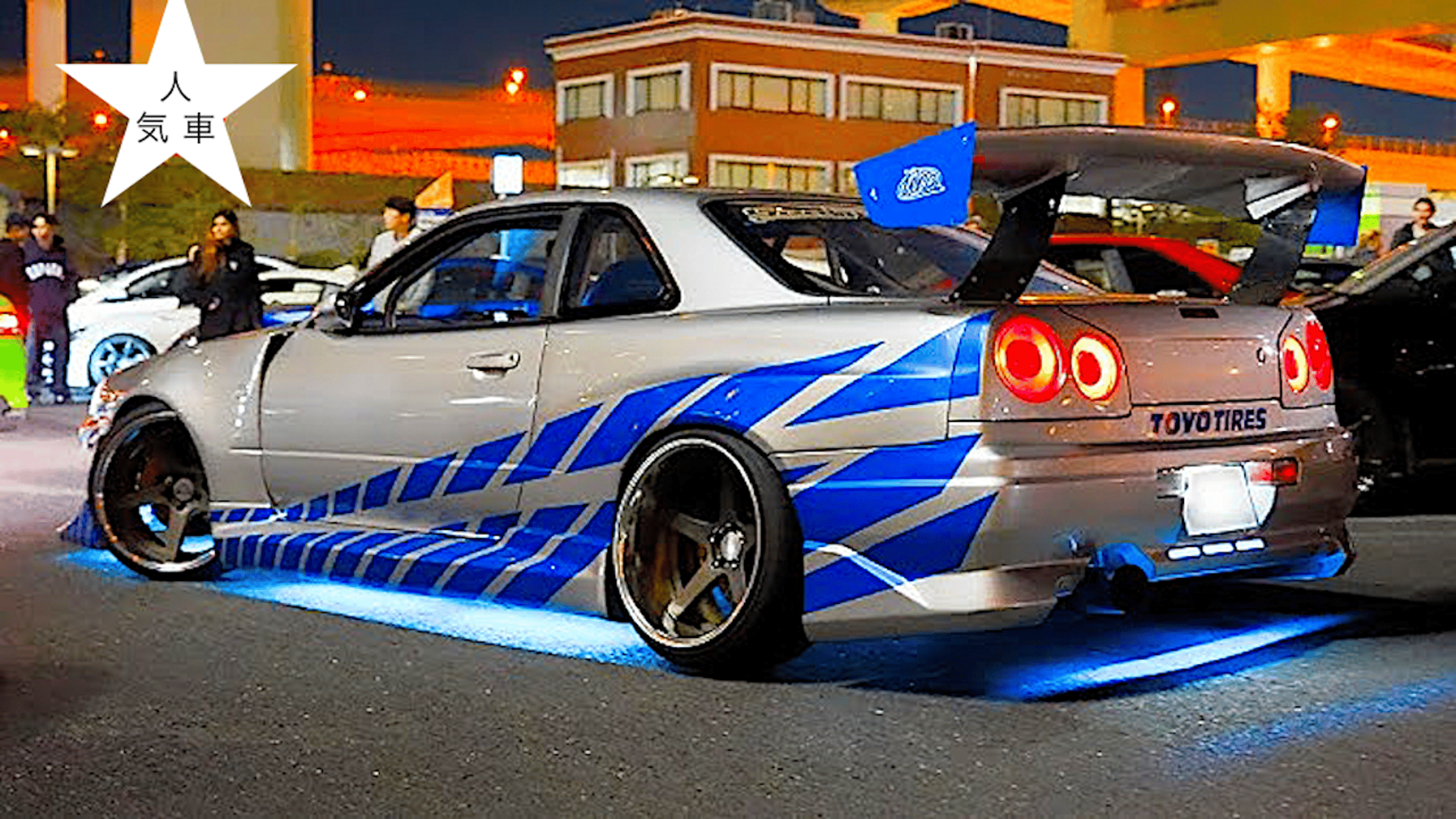
Ride a real Skyline R34 or Evo X to the Friday and Saturday night peak at Daikoku PA, and cancel up to 24 hours ahead for a full refund if your plans move.