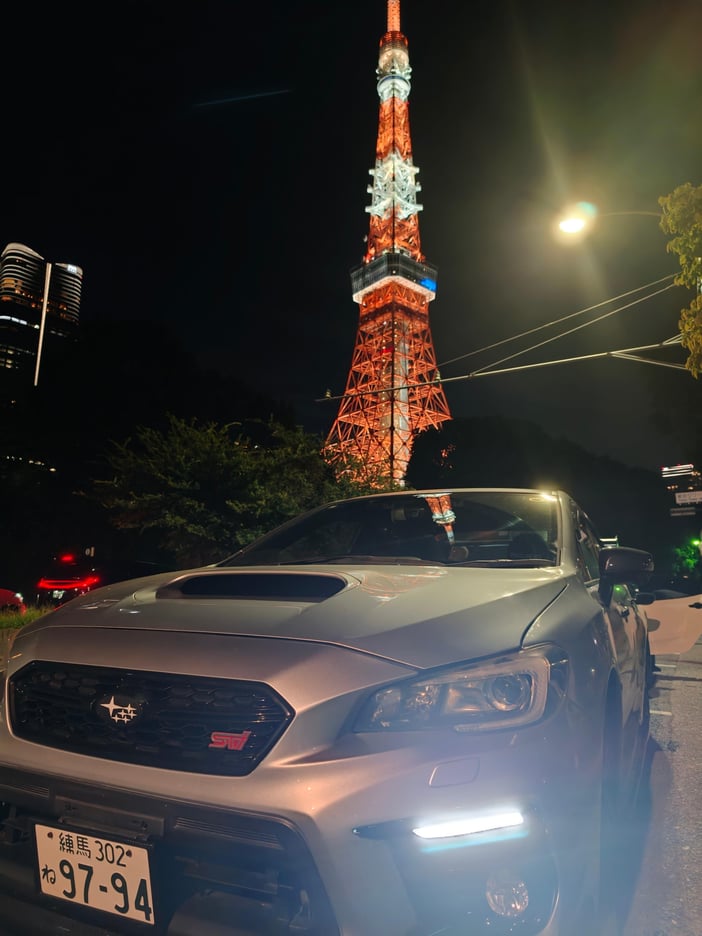
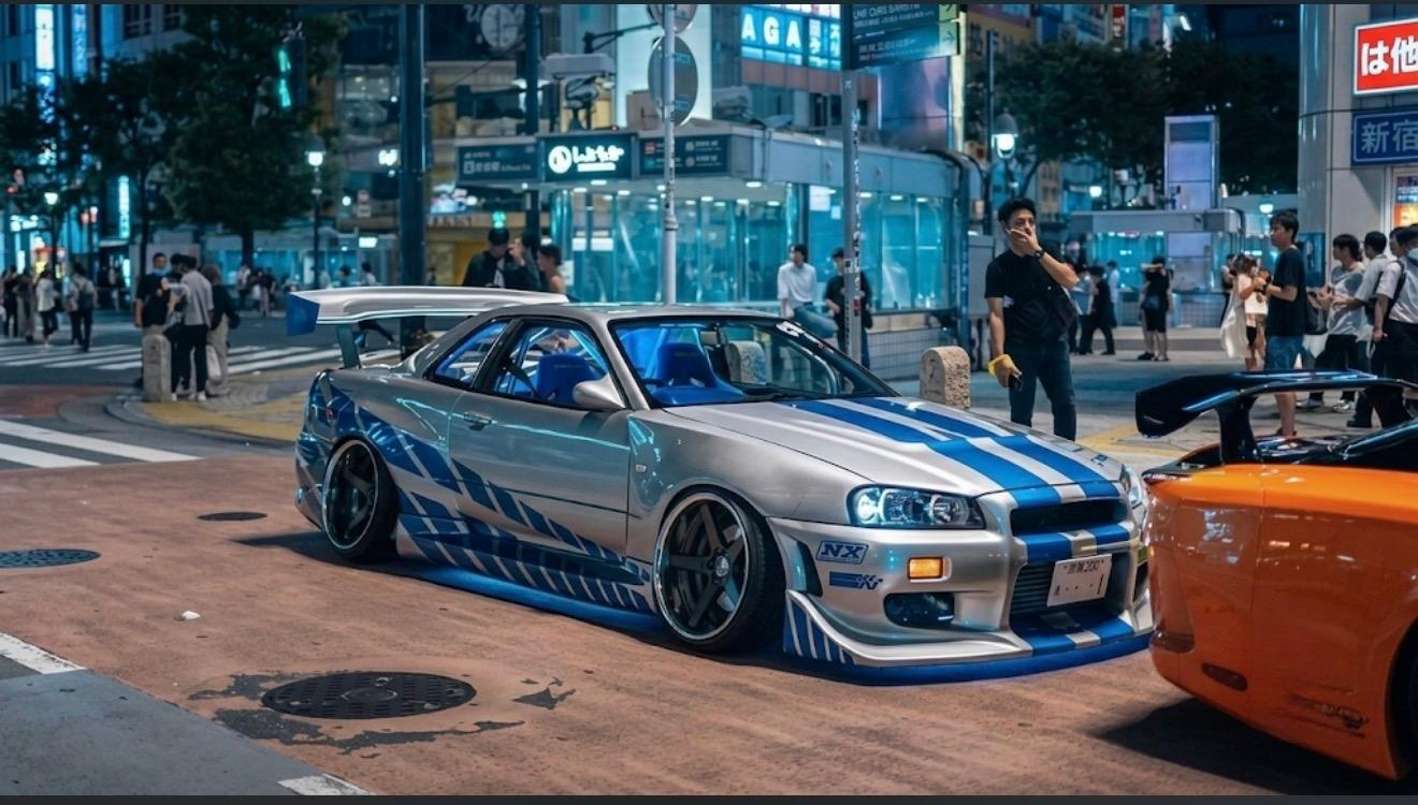
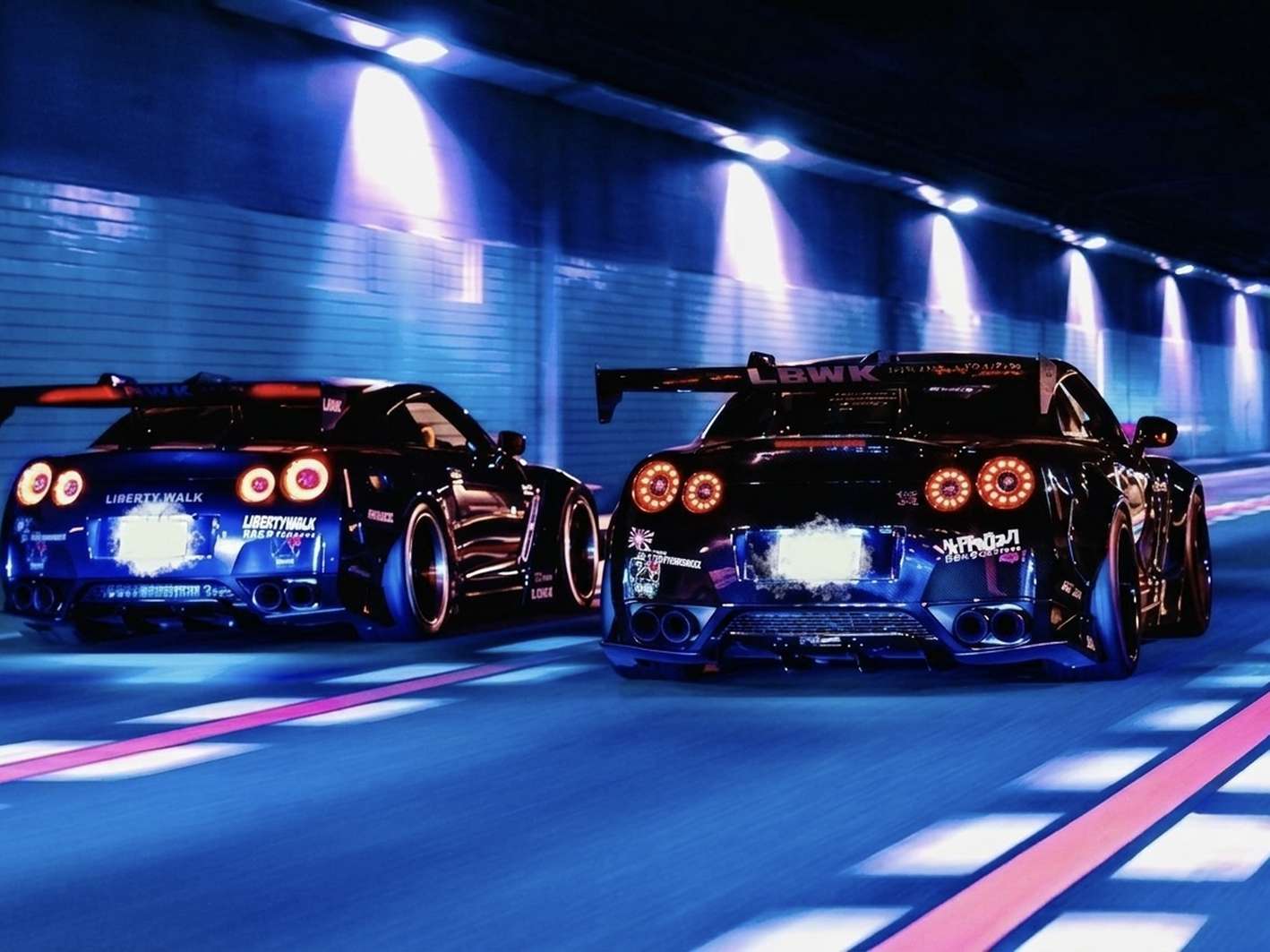
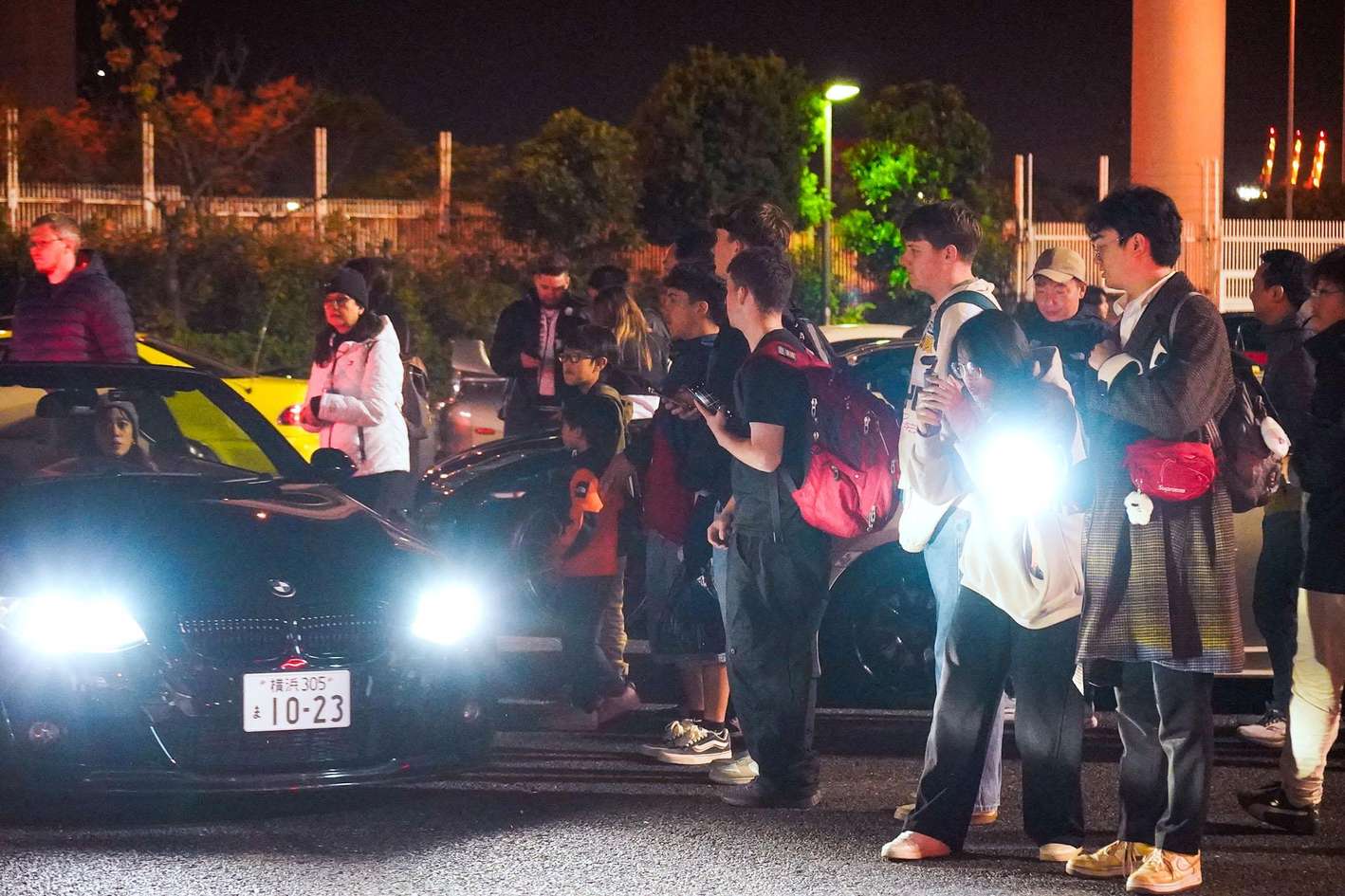
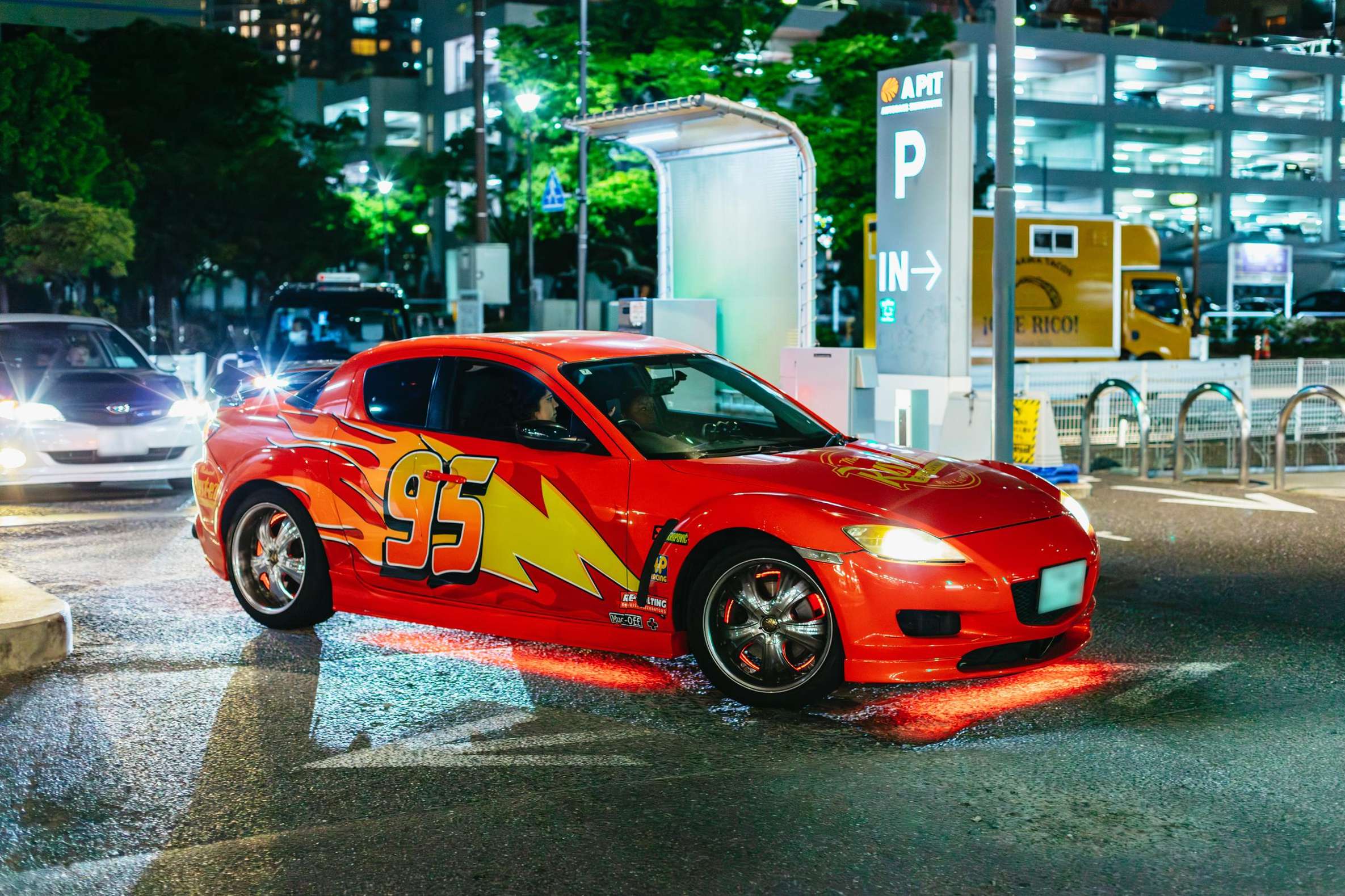
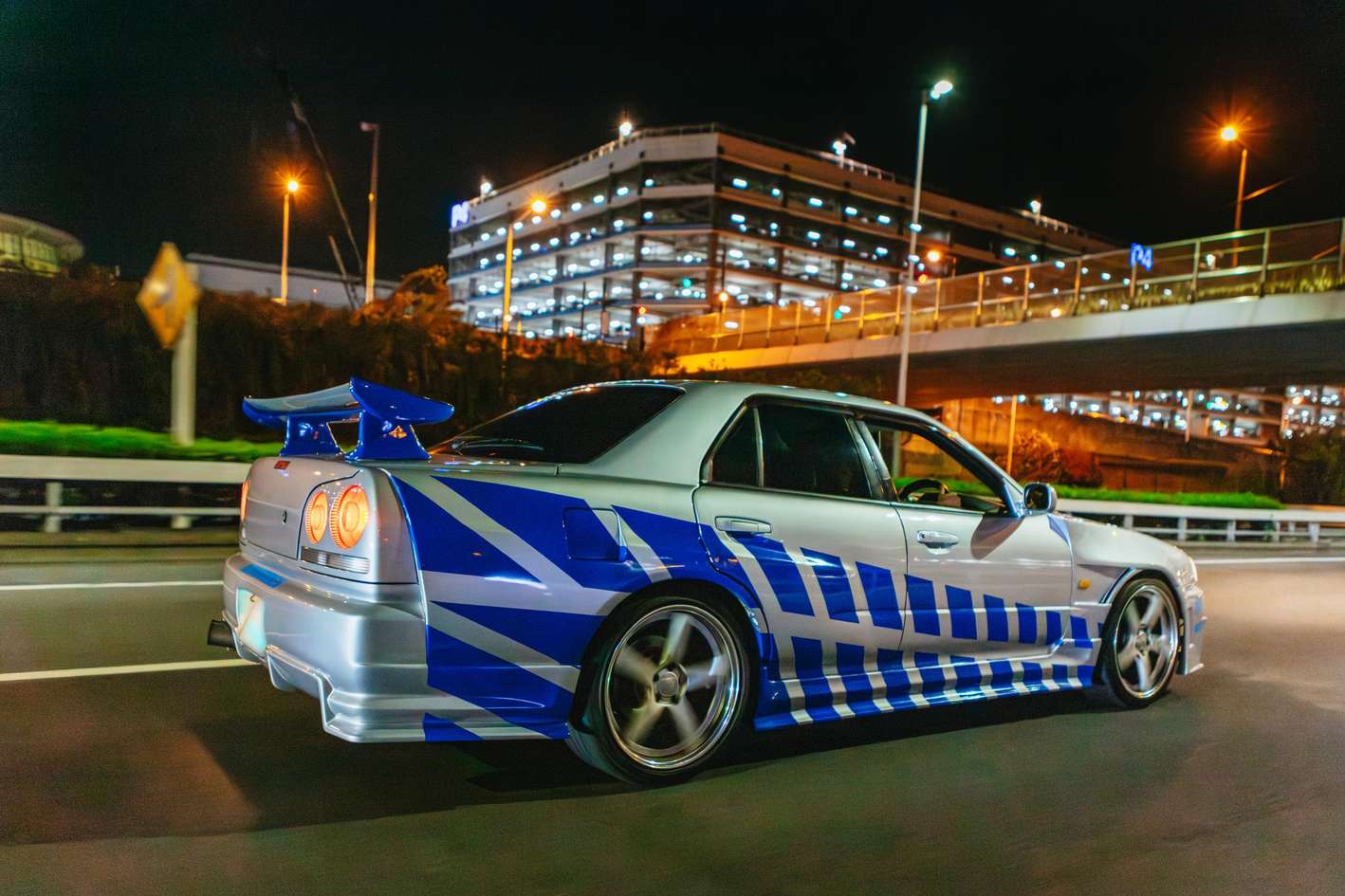
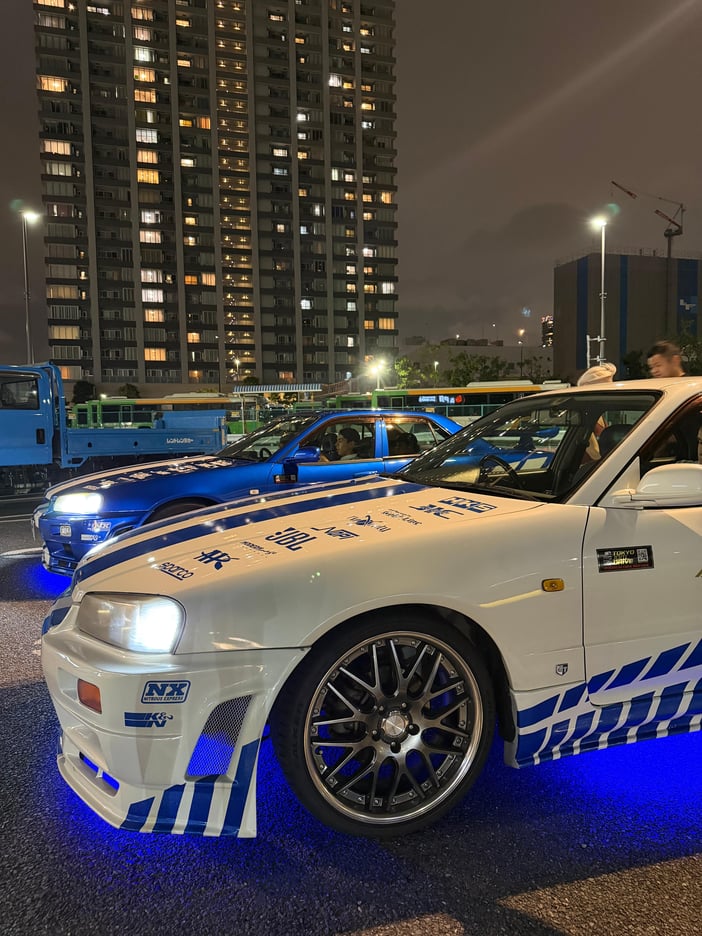
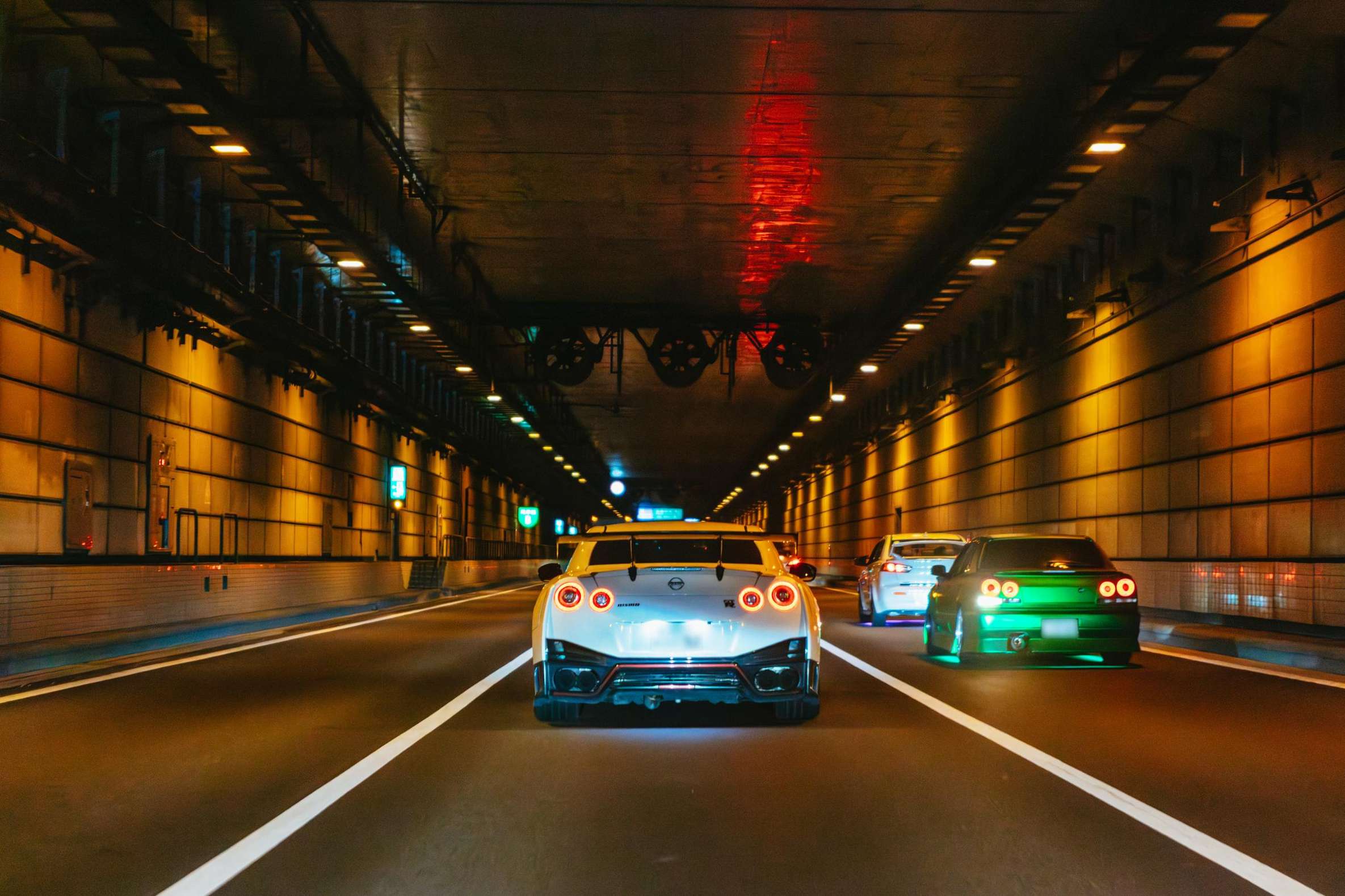
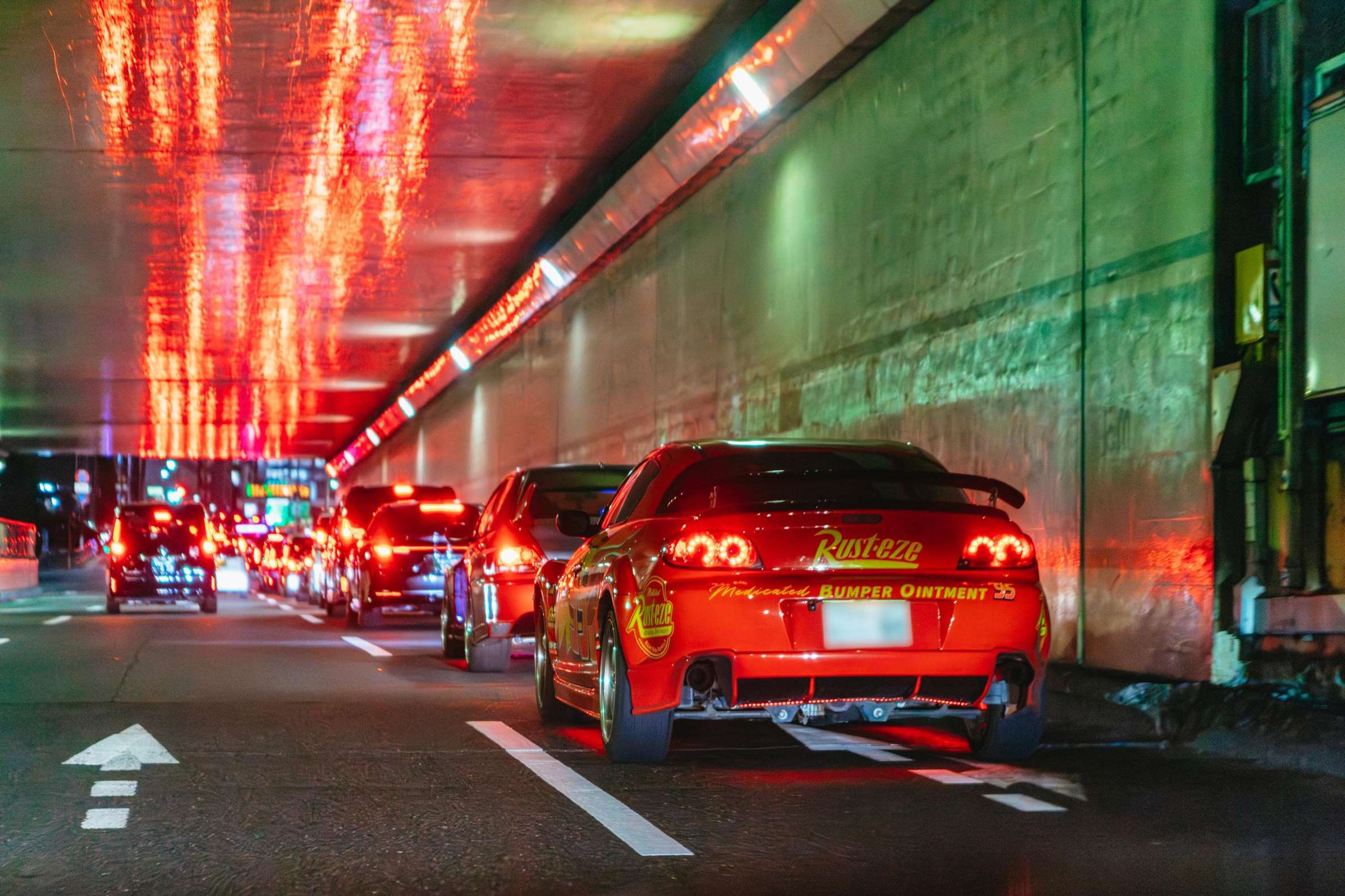
Daikoku PA Tour in Tokyo JDM Car Meet Experience with Guide
Ride the Wangan to Japan's most famous car meet without worrying how you get back. Local enthusiast drivers handle the expressway driving, the meet etiquette and the backup plans; you choose a date, book ahead and sit back.
4.8★average rating12,734traveler reviews100%free cancellation62countries travelers came from
Daikoku PA tour - which night ride fits you?
Every guided run here puts you in a passenger seat on the way to Daikoku PA, a highway rest stop you can only reach by car. The difference between the tours is what you ride in and how much of the night you spend there.
Getting thereDaikoku PA sits inside the expressway network, so no train, bus or footpath reaches it; a tour car, rental or taxi is the only way in.
Stranding riskTaxis do not wait at Daikoku and drivers will not enter a toll road for a return pickup, so a tour with a guaranteed ride back removes the biggest risk.
DocumentsYou need no driving license as a passenger, but Japanese law requires you to carry your physical passport at all times.
Size limitsMost sports car rides cannot take guests over 200 cm tall or 100 kg, and the cars are not wheelchair accessible.
Police closuresOfficers can clear Daikoku at short notice, most often on Friday and Saturday between 7:30 pm and 8:30 pm; guides reroute to spots like Umihotaru PA and some operators offer a refund instead.
RainA wet night thins the meet but tours still run, with a reschedule only for a severe storm or road closure.
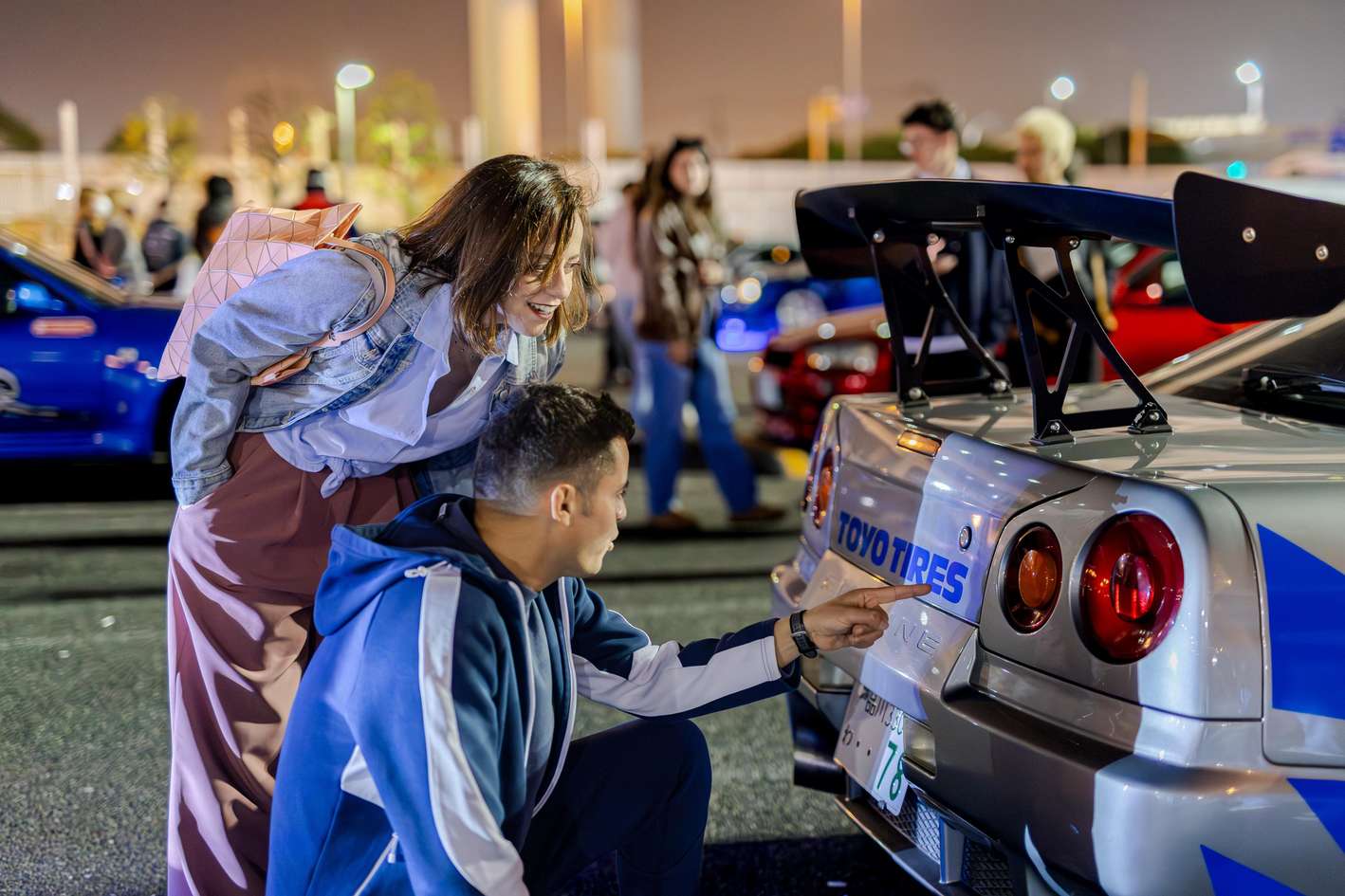
EtiquetteNever sit on, lean on or touch a parked car, and ask before a close-up photo of an owner or their vehicle.
Home timeStandard evening tours drop you off before the last trains, while midnight departures end after transit stops, so pick by how you plan to get back.
Booking aheadA specific car model usually needs about 48 hours' notice, and departures do not wait for late arrivals.
Your Daikoku PA night tour, sorted by fit
Answer a few quick questions and the finder points you to the tours that match.
1Who's coming?
2What's your budget?
3What do you want to see?
Your best match
match
Tokyo: Fast & Furious Tokyo Drift III Experience★ 4.8 (6,369) · 3 - 4 hours
Popular with solo travelers; 96% of solo travelers gave it 4 or 5 stars.
Booked 31 times yesterday
A 40-car fleet and a drop-off at your door in central Tokyo.
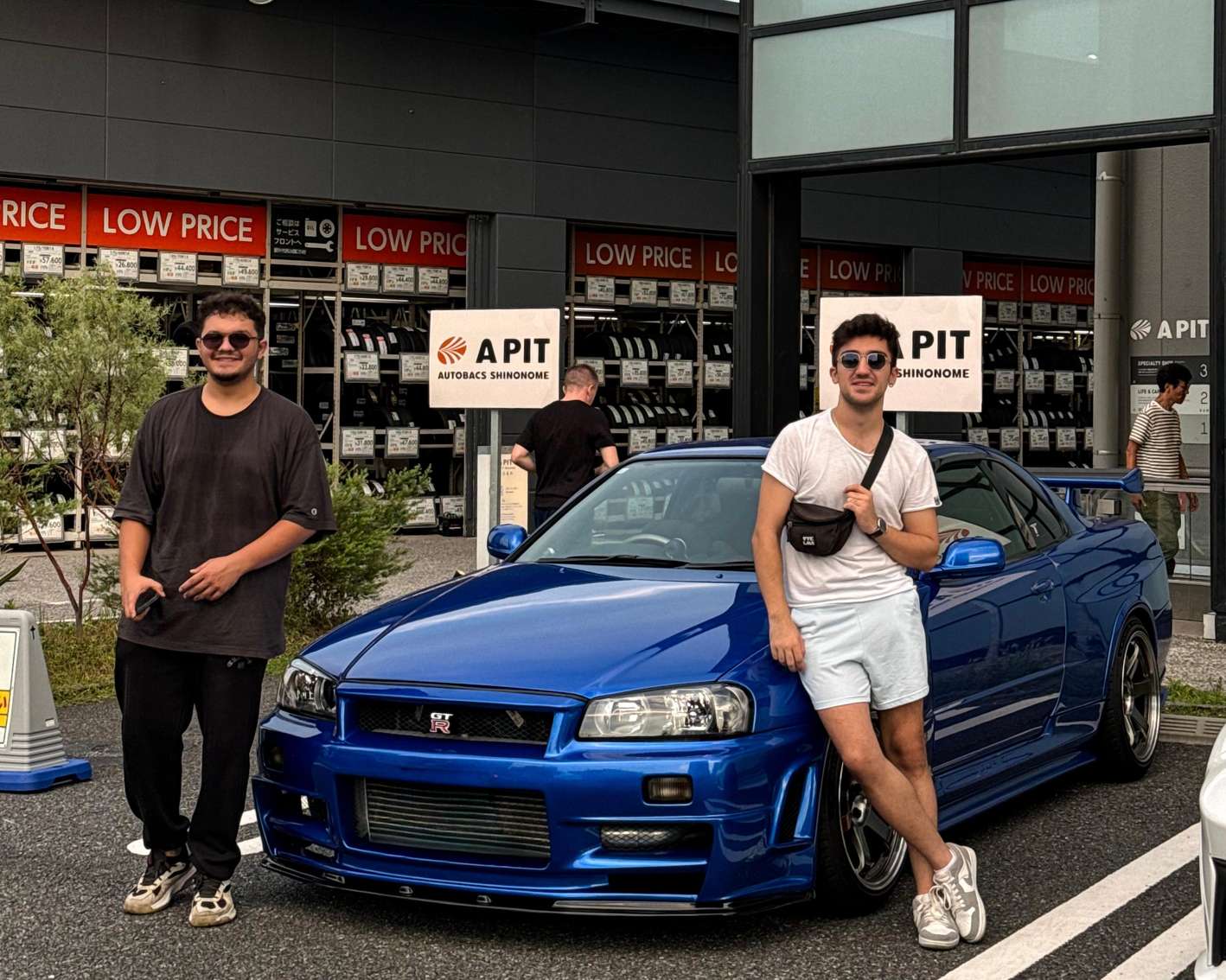
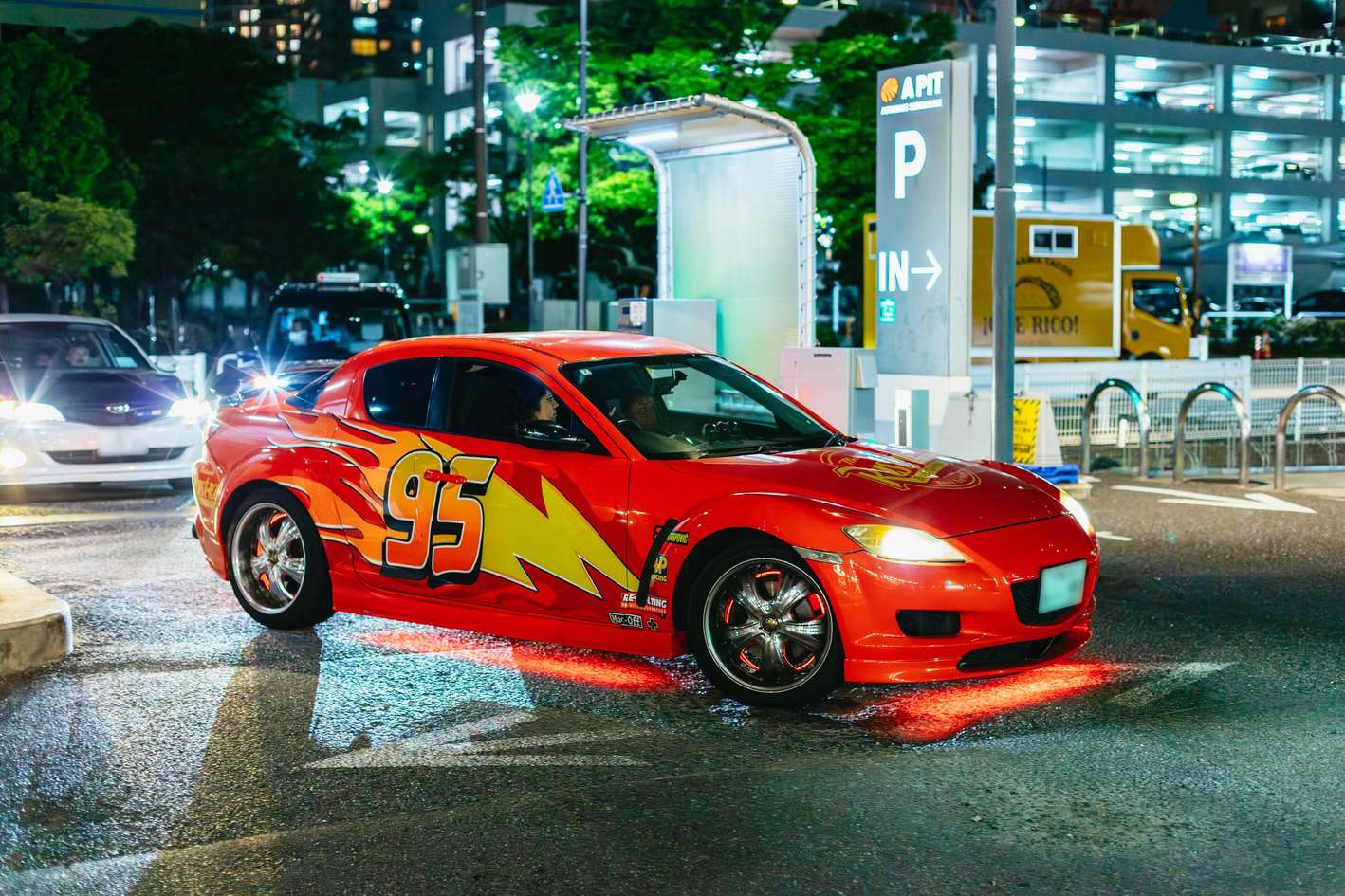
The night starts in Shibuya, where you check in with your driver before the convoy rolls out toward Tokyo Bay. The first stop is shopping at A PIT Autobacs in Shinonome, a huge parts store with tuning gear, a driving simulator and a café upstairs, so bring some cash for souvenirs.
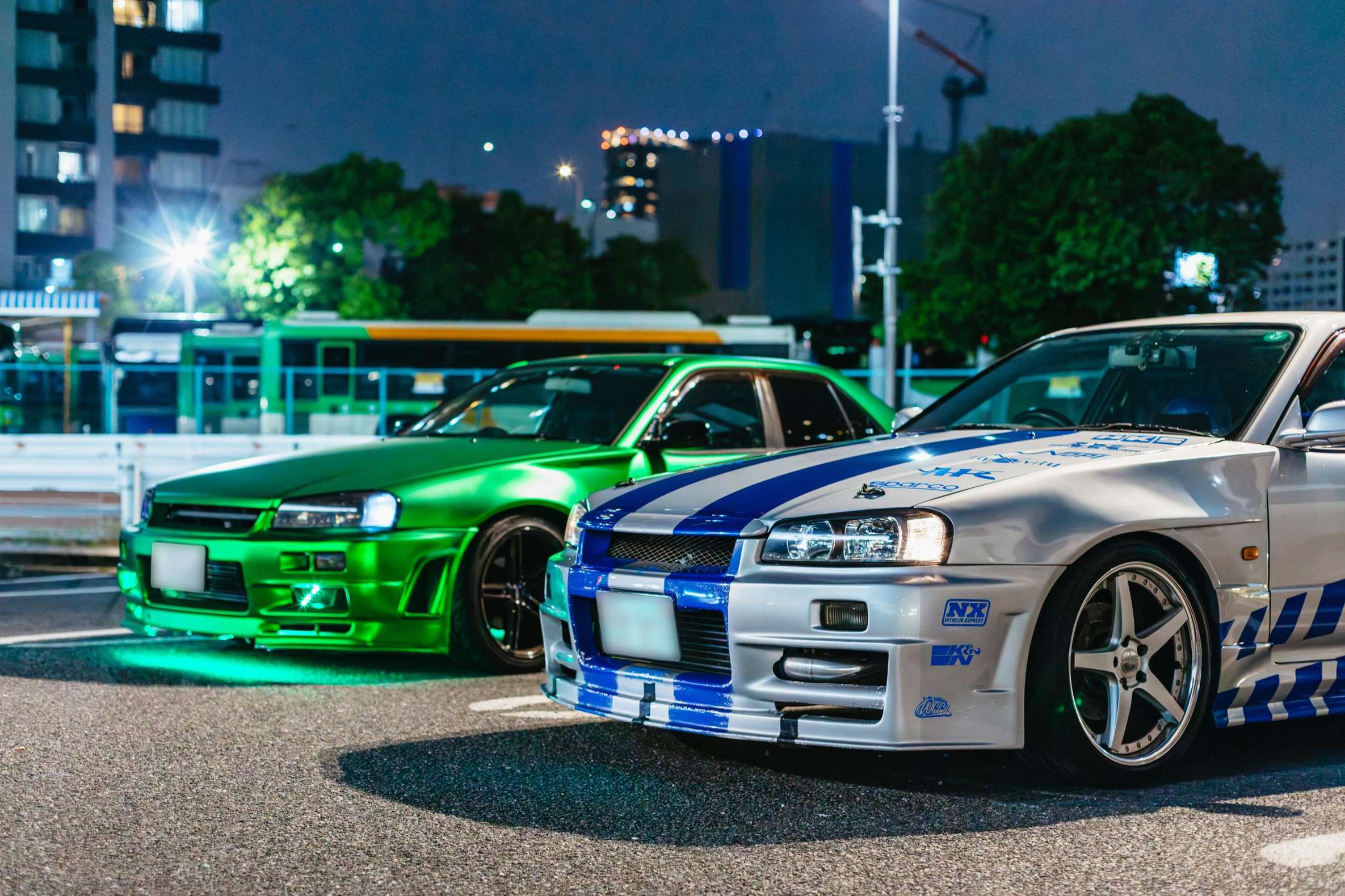
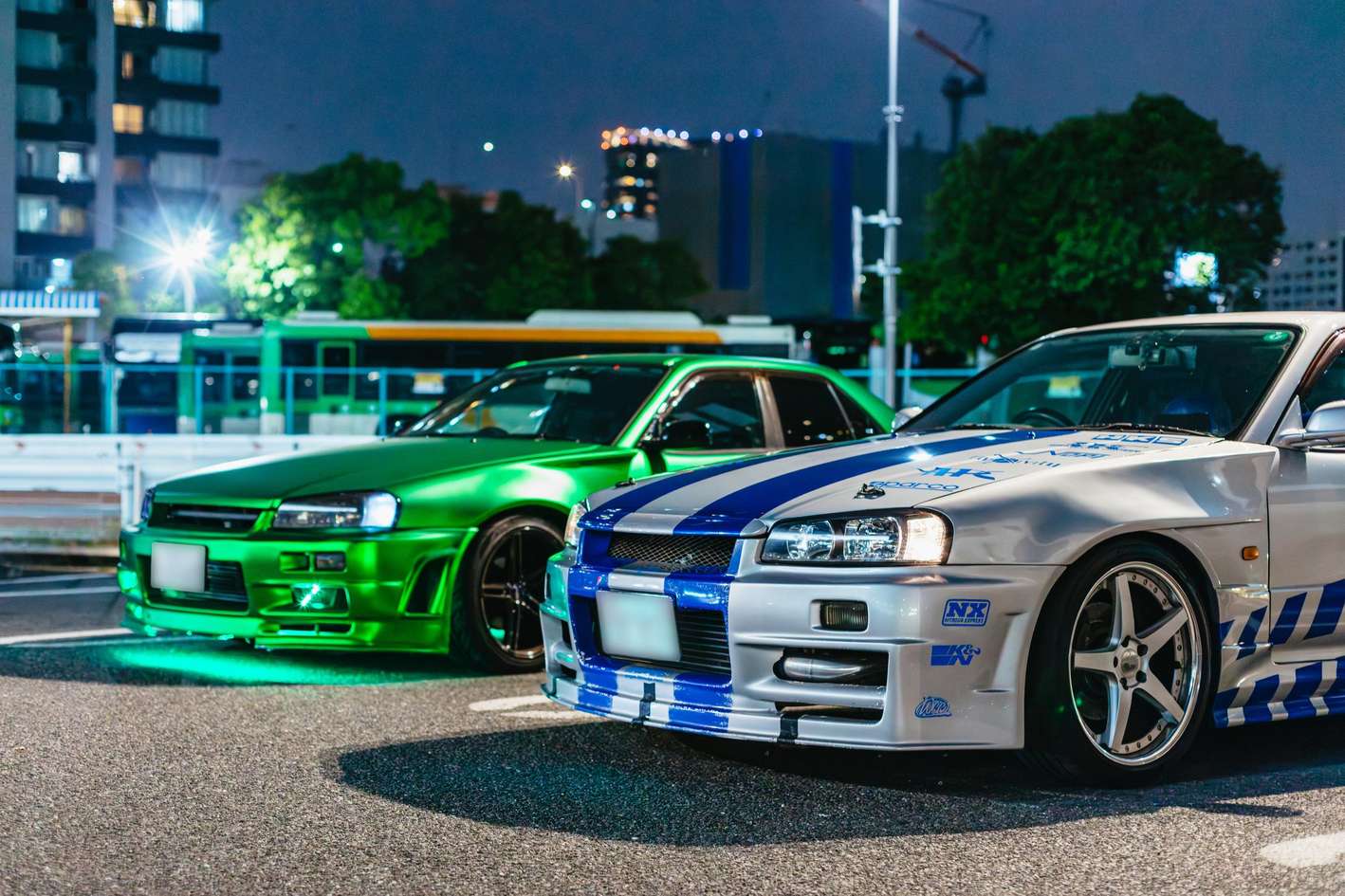
From there the drive crosses the Bayshore Route down to Daikoku Parking Area, the meet itself, where you get a full hour to walk among the modified Skylines, Supras and exotic builds.
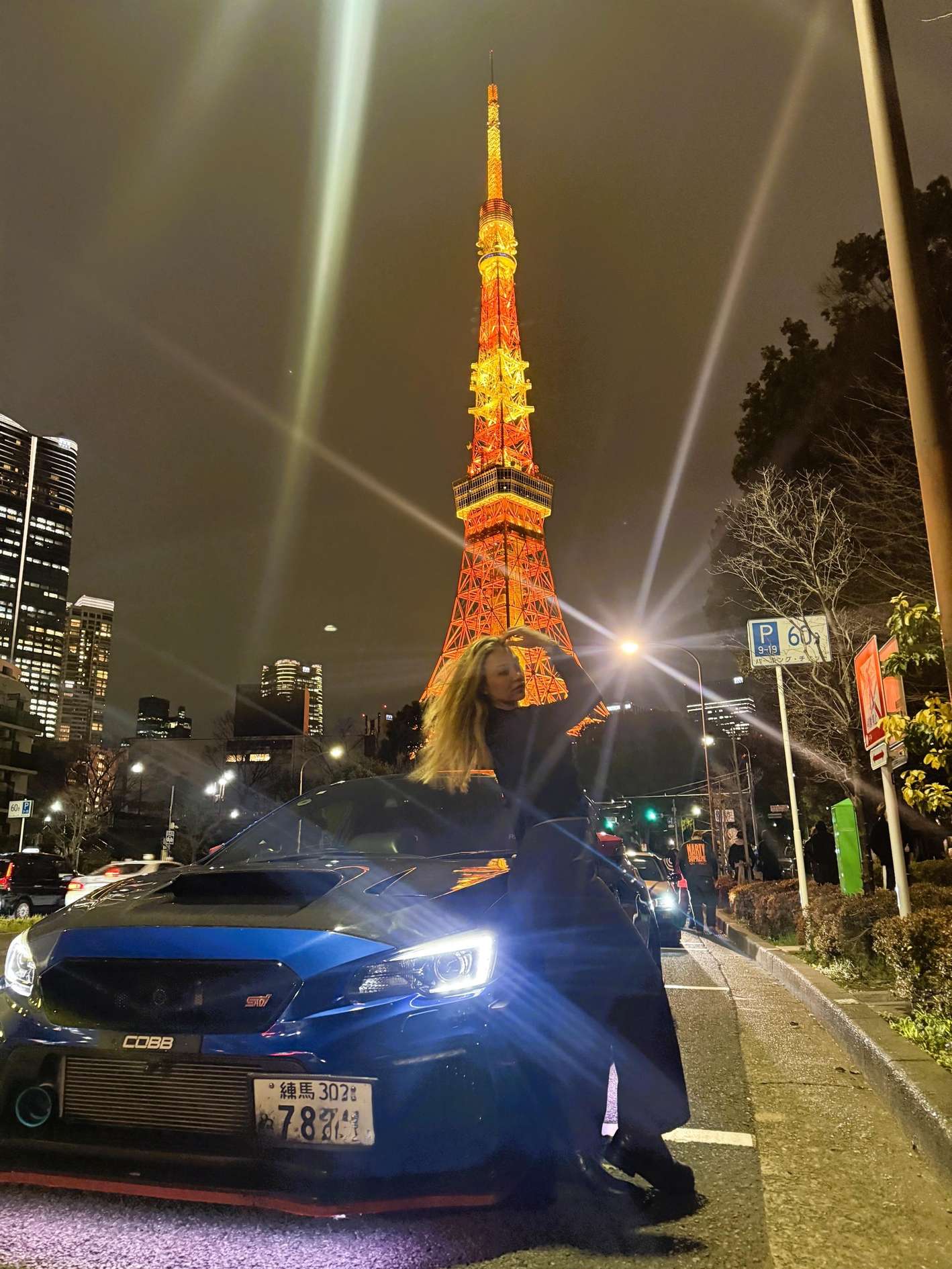
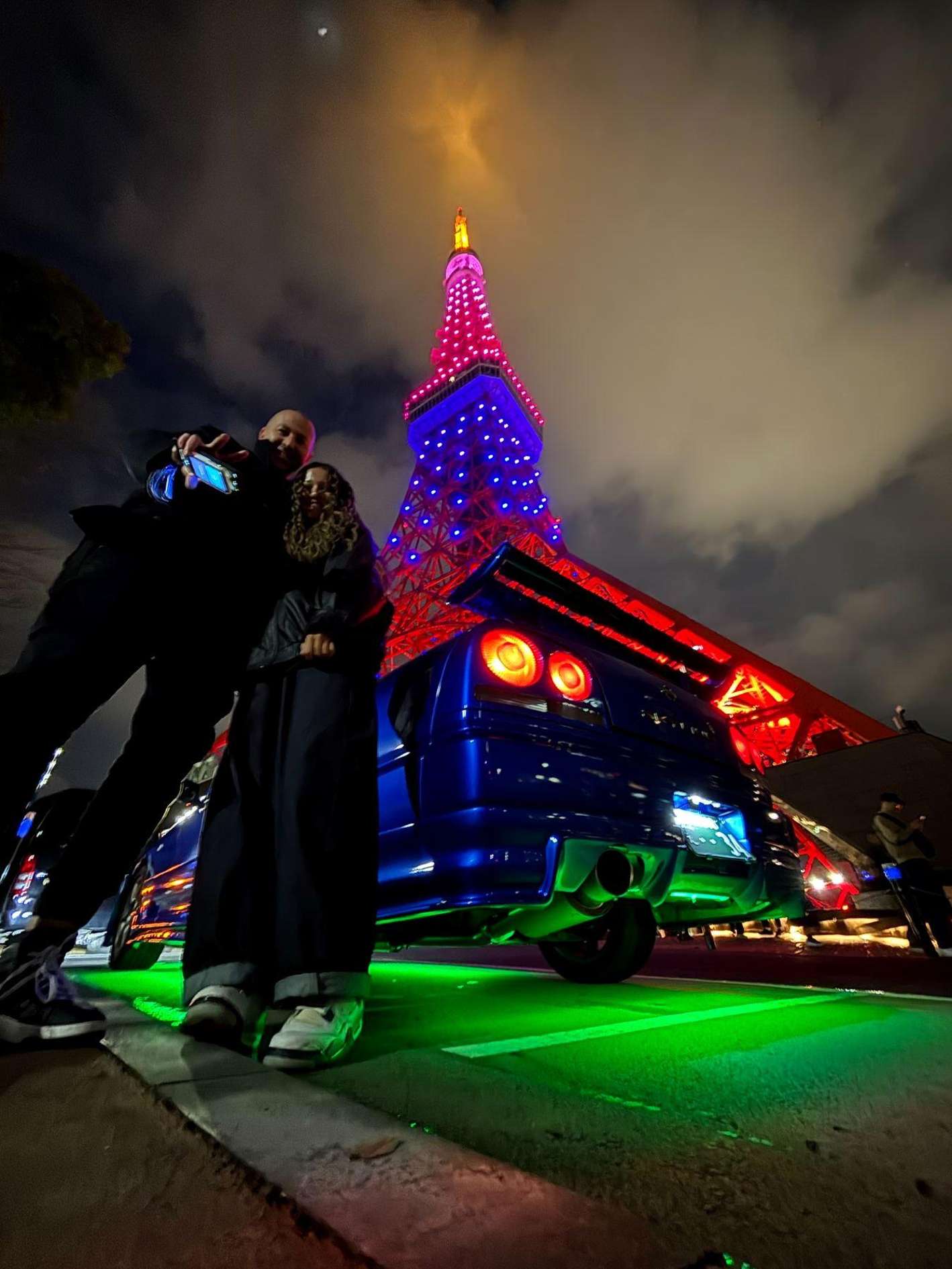
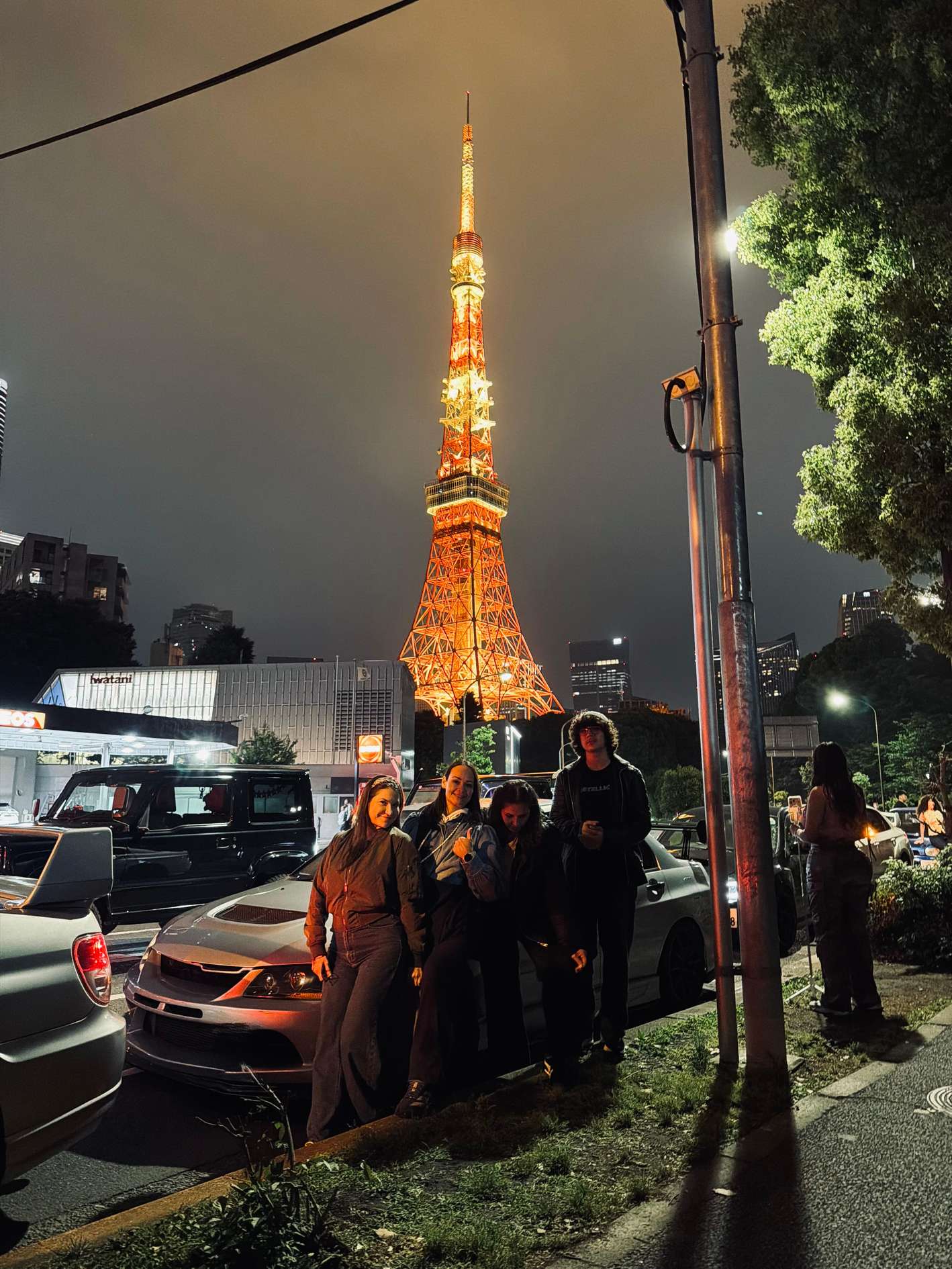
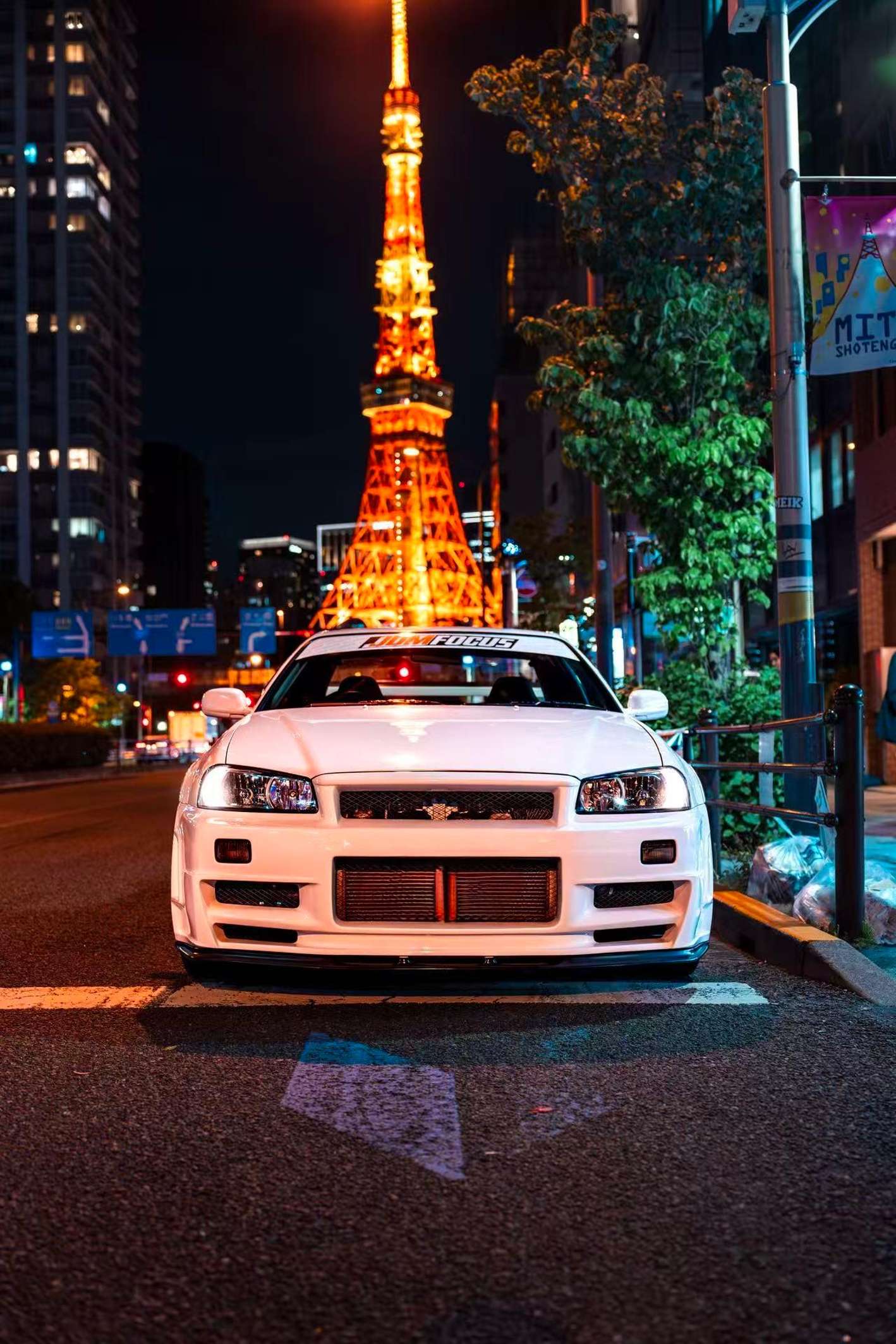
On the way back, the convoy pauses at Tokyo Tower for a 20-minute photo stop before dropping you off in Shibuya, Aomi or your hotel in central Tokyo. Tolls and fuel are covered in the booking.
Meeting point3 places, depending on your optionThe final drop-off back at the Shibuya night cafe where the evening began.Street View2autobacs Shinonome· 30 minTokyo's flagship car parts superstore, about a minute from Shinonome Station, with tuning floors, a simulator and a cafe. You get 30 minutes of free shopping time.3Daikoku Parking Area· 60 minThe famous highway rest stop on an artificial island in Yokohama, reached by a spiral ramp. You spend an hour walking among the parked JDM and modified cars at the meet.4Tokyo Tower· 20 minA 20-minute photo stop at the illuminated landmark, with your car or the city lights as the backdrop.5Shibuya City· 10 minA short pass back through Shibuya as the night drive winds down toward the drop-off points.From this tourDrop-off4 places, depending on your optionThe first drop-off in Shibuya for guests ending their night there.Street View
Where the other tours go
Daikoku Parking AreaTokyo Tower
Daikoku:Experience Tokyo's Car Culture in Iconic JDM Cars
Drop-off at accommodation inside Tokyo central area.Exclusive selection of JDM sports carsProfessional drivers/guides available in English, Portuguese, Japanese, SpanishFuel and toll feesStops at iconic sightseeing spots
Not included
Personal expensesWe cannot guarantee that your driver/guide will be fluent in a foreign language such as German, Italian, French, or ArabicEach driver only takes three people, and there are many daily customers. Some Japanese speak basic English for the tour, not for a long conversation where personal topics or curiosities about random subjects come up
Booking your Daikoku PA night tour, step by step
01
Pick your date and night
Start with the day of the week, because it shapes the meet. Friday nights bring a relaxed local crowd of classic JDM cars, while Saturday draws the biggest turnout of the week along with the highest chance of a police clearance between 7:30 pm and 9:15 pm. Sunday morning is a dependable option in daylight.
Pro tipFriday night suits travelers who want the enthusiast scene without weekend crowds
RecommendedCheck the weather before locking in, since rain can thin the turnout
02
Choose your option
Each tour lists several options, from shared sports car rides to private GT-R and R34 experiences, and the difference is real: some private plans add hotel pickup and a longer stop at the meet. Pick shared if you want the classic night run, private if you want the car to yourself for the evening.
Pro tipOn shared multi-car runs you can often swap into a different car at each stop
ImportantChildren aged 5 to 7 who need a booster seat require a message to the operator before booking
03
Book and watch for messages
Cancellation is free up to 24 hours before the start. After booking, set up WhatsApp or Instagram notifications, because operators send the exact meeting spot, car details and any traffic delay notices by direct message on the day.
ImportantCarry your physical passport on the night itself, since Japanese law requires it at all times
Pro tipOperators will email and message you if traffic pushes the start time back
04
Plan your route to the meeting point
Most night departures meet around Shibuya Station, with other regular groups leaving from Akihabara Station, the Tokyo Station Marunouchi North taxi stand or Tokyo Teleport Station in Odaiba. Shibuya is a 7-minute Yamanote Line ride from Shinjuku, or 20 to 23 minutes from Tokyo Station. Private and custom tours pick you up at your hotel.
RecommendedEat early and allow buffer time, since departures leave on schedule
Pro tipStaying in Yokohama instead? One tour meets at the Shin-Yokohama Station rotary
05
Arrive early on the night
Show your voucher QR code on your phone and find your guide at the agreed spot, then settle into the car before the convoy rolls. Tours run 3 to 4 hours and end with a drop-off back in central Tokyo, so plan your last train or onward taxi from there.
ImportantDepartures do not wait for late arrivals, and a missed departure is not refundable
RecommendedBring a warm layer, since the parking area sits in the open on an island in the bay
What Daikoku car meet tours are like, in reviewers' words
Most reviewers praise their guide by name for friendliness, car knowledge and skill behind the wheel.
Best surprise
Many travelers who knew little about cars still loved the night and say they would book it again.
Most common wish
Several reviewers wished the night had lasted longer and already plan to come back for another run.
Ride a manual EVO, WRX or Skyline on a Daikoku PA night tour run
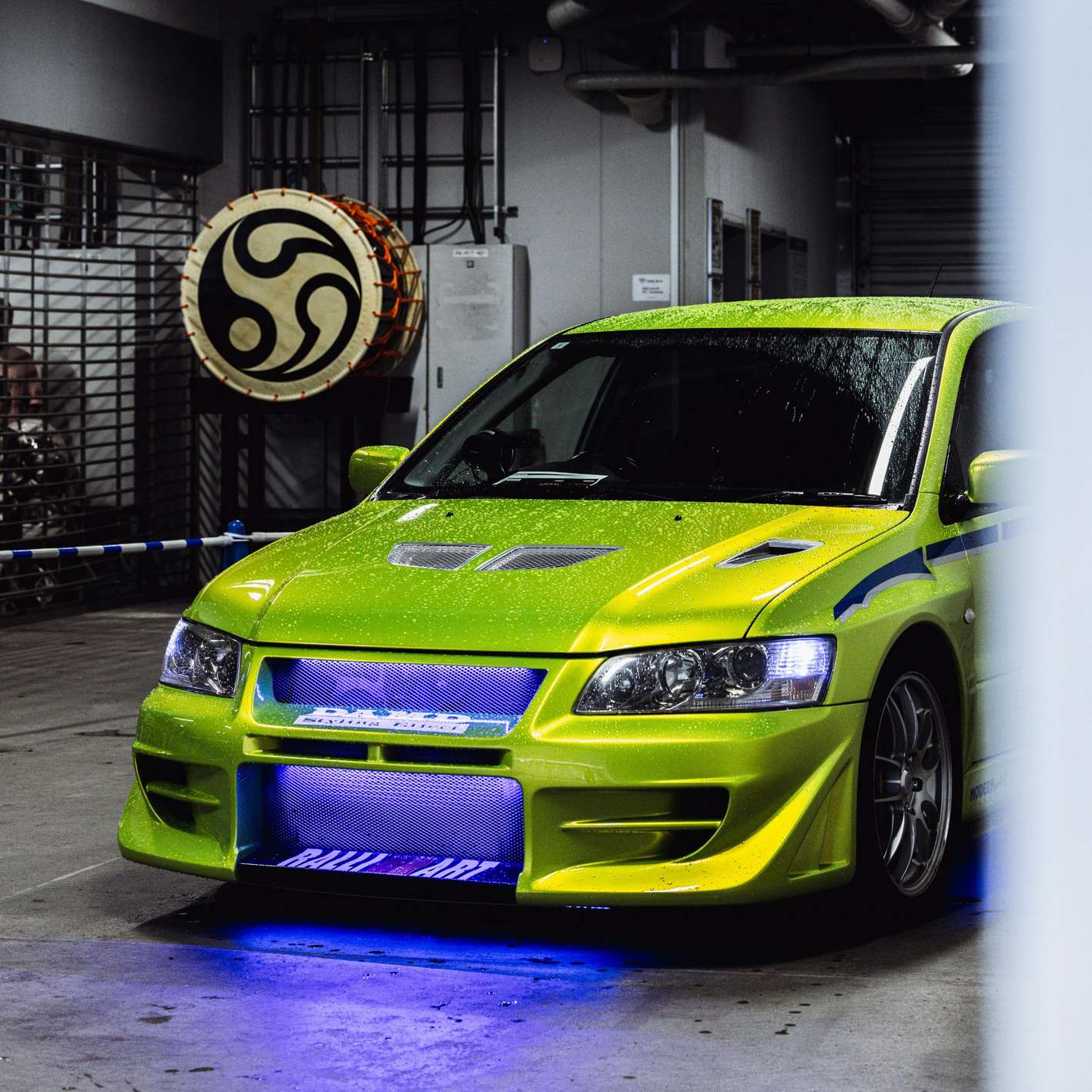
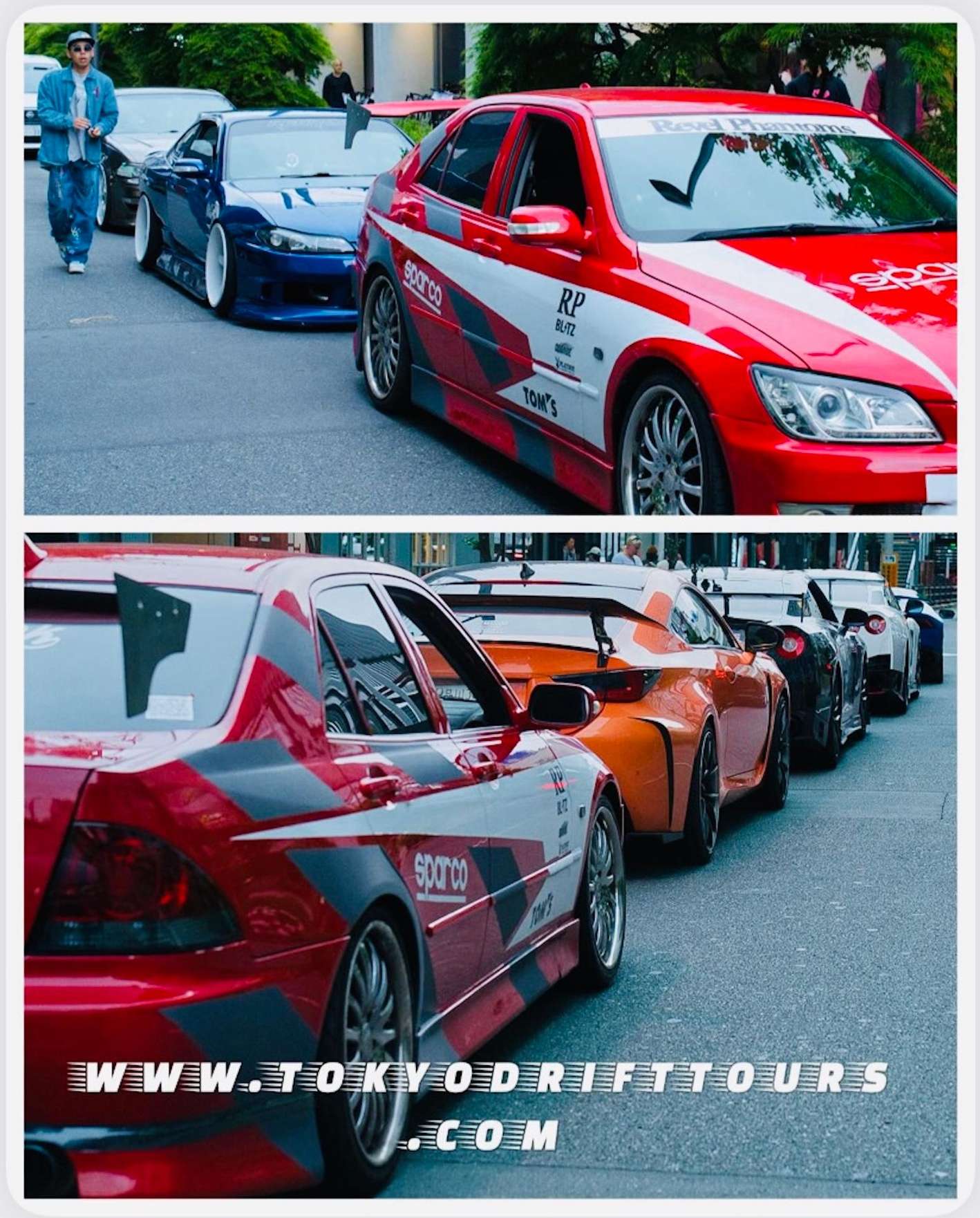
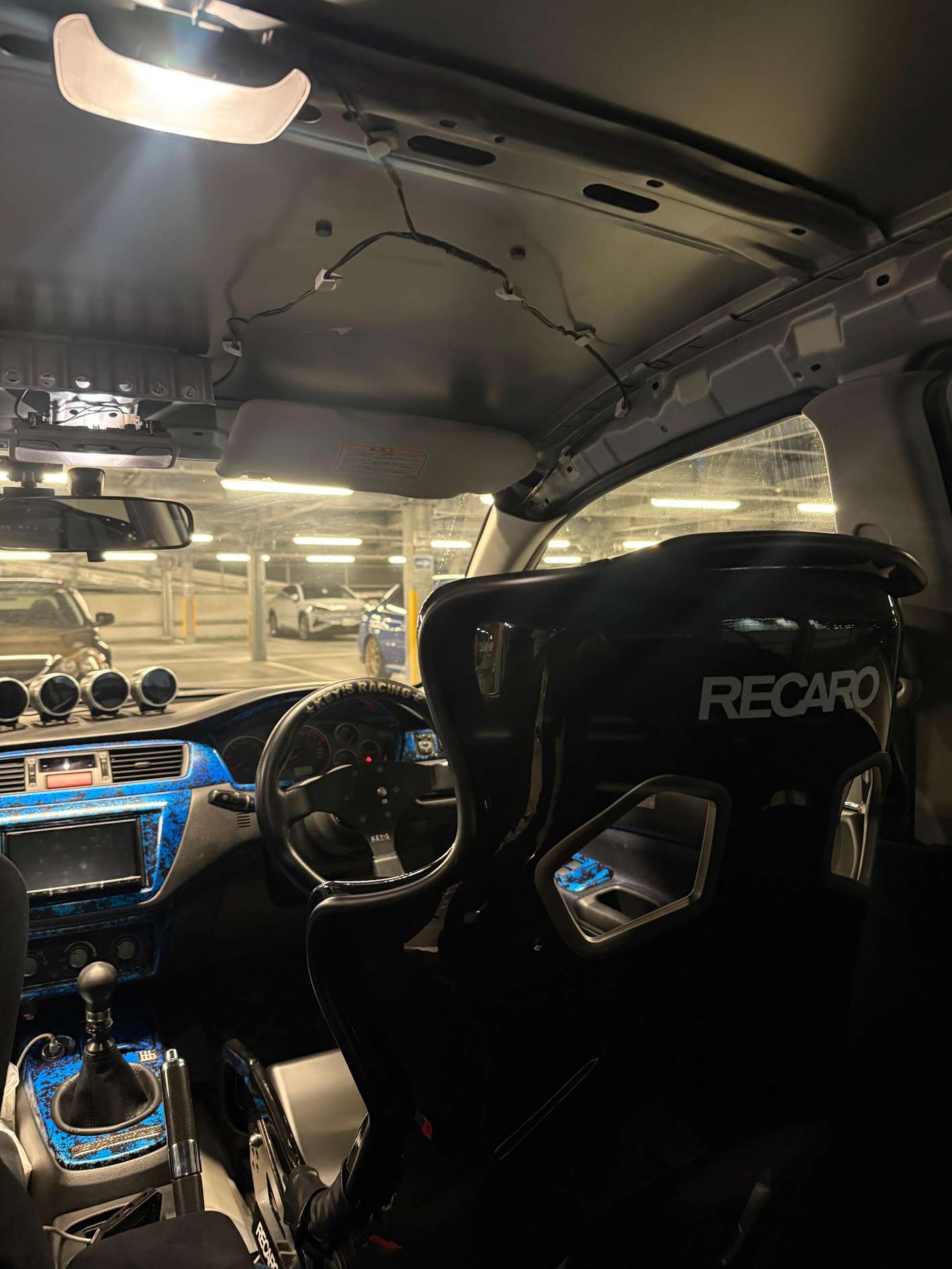
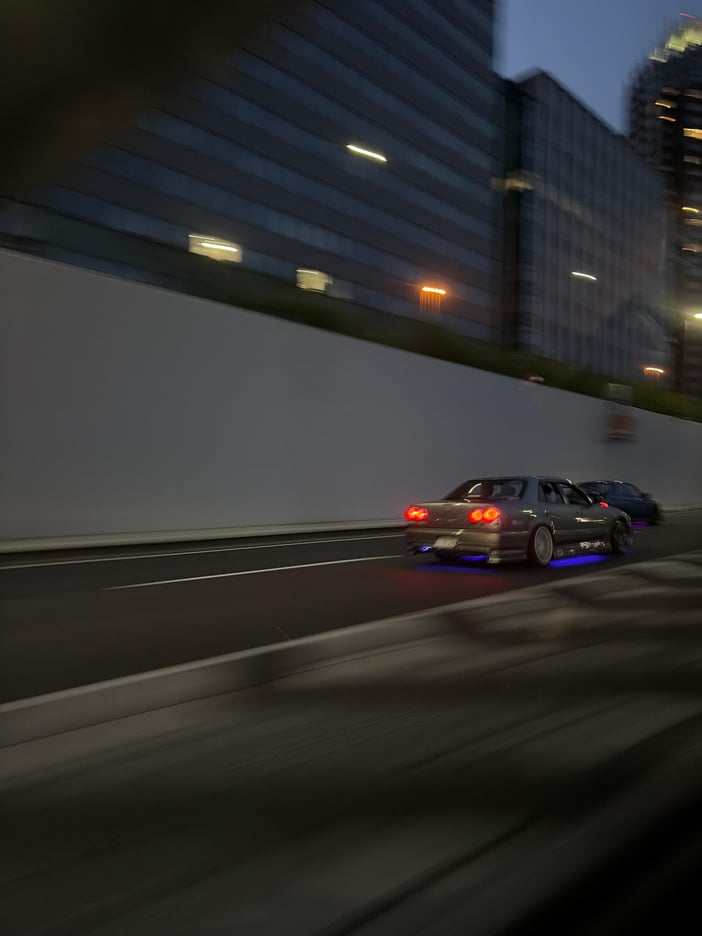
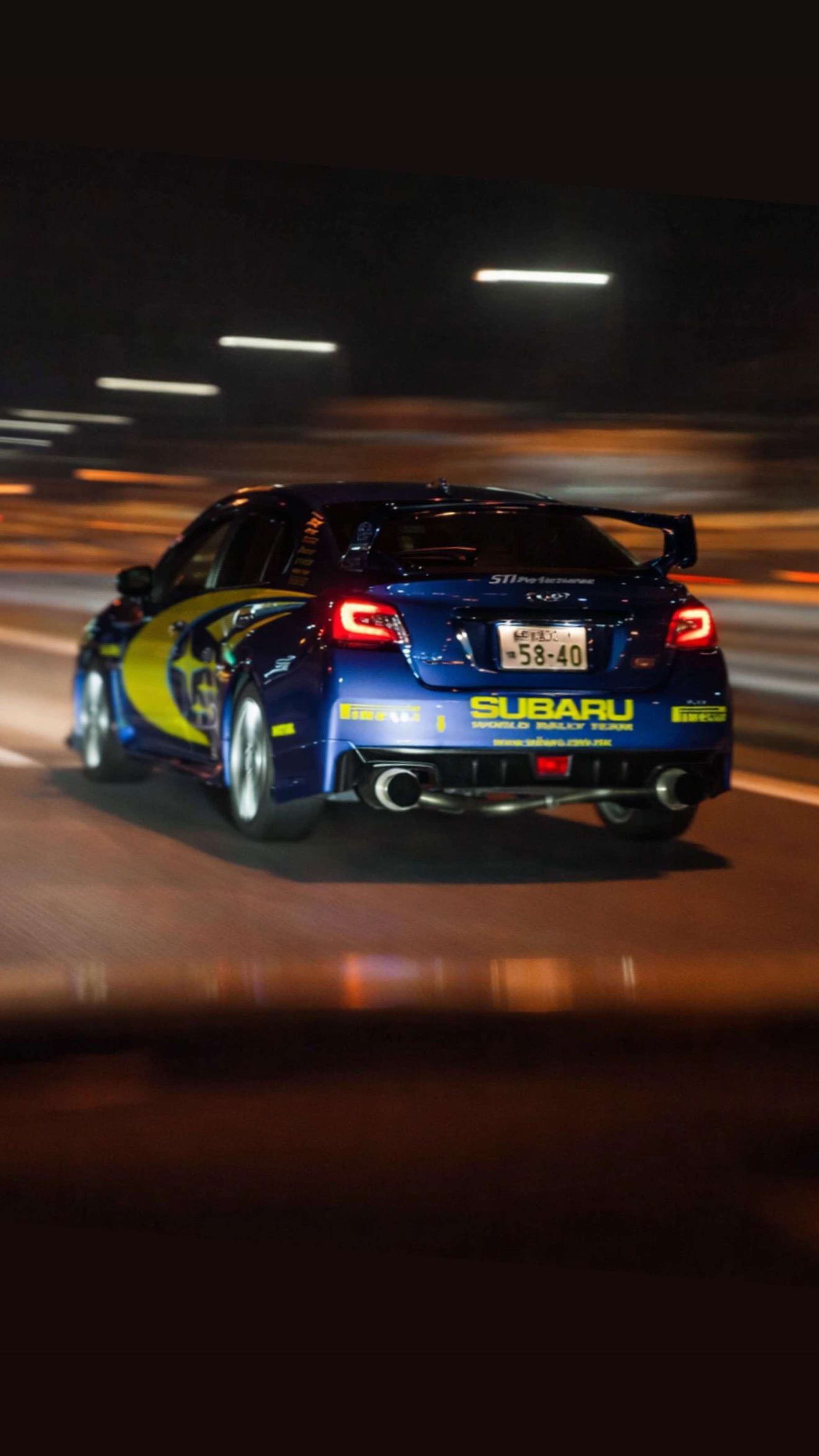
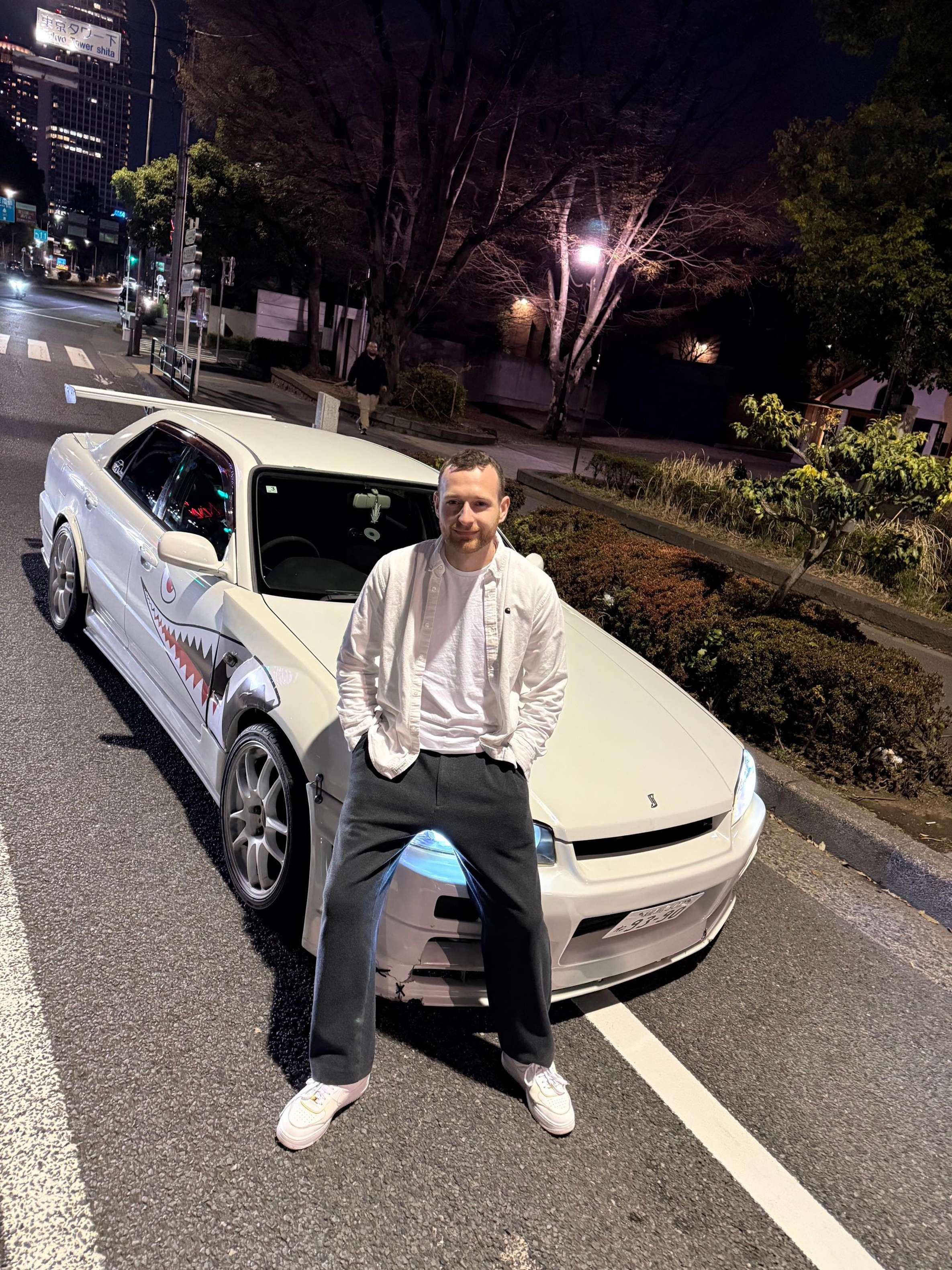
No vans, no automatics. This run puts you in a genuine manual JDM car, an EVO, a WRX STI or a Skyline, and cruises the Wangan and C1 expressways before parking up among the builds at Daikoku PA. Tokyo Tower, Rainbow Bridge and Shibuya Crossing fill the gaps between stops.
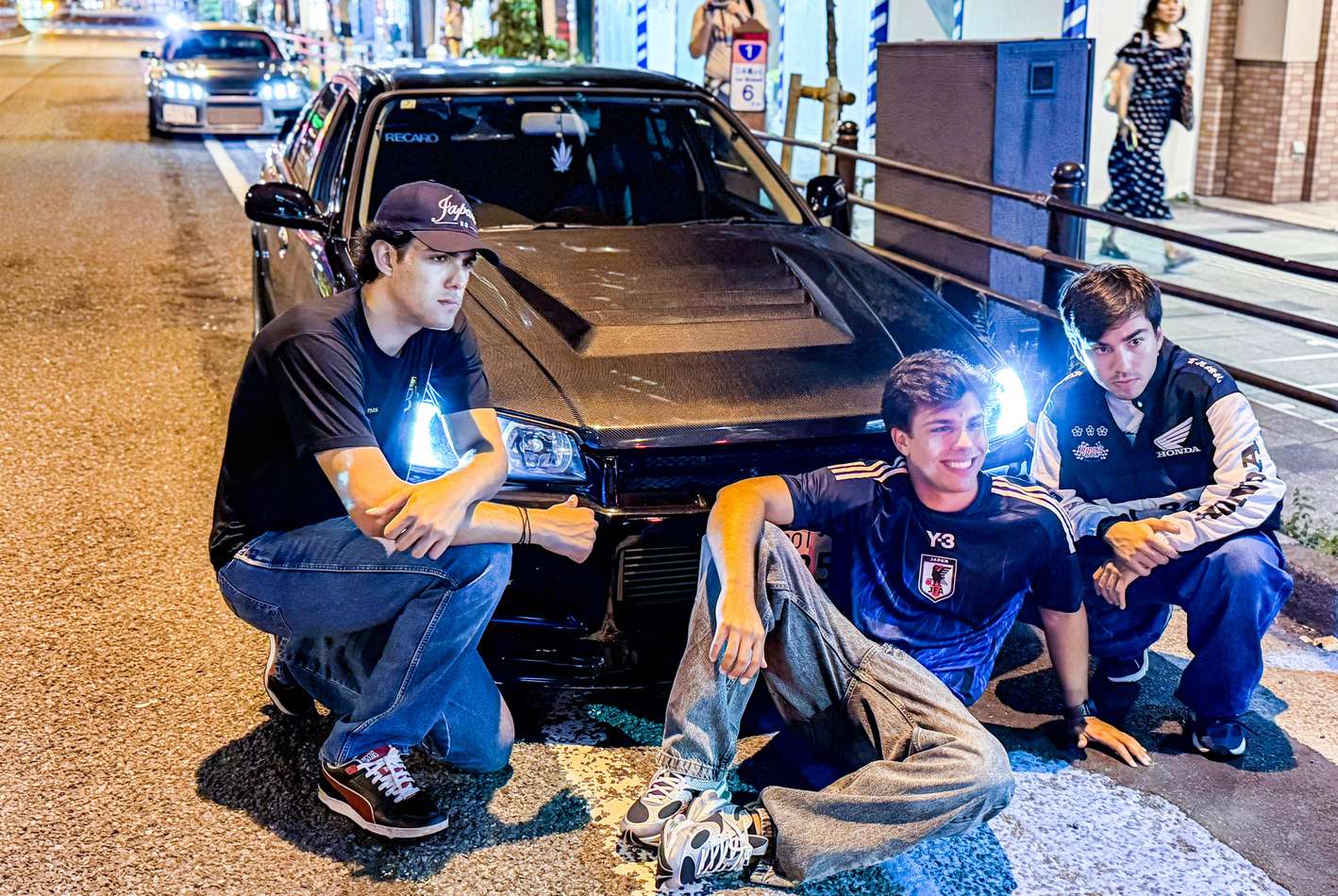
A club of enthusiast hosts rides with you in convoy, and an English speaker stays with the group all evening. If you want the closest thing to joining a real Tokyo night crew, this is the one that suits purists best.
Real manual JDM cars onlyEvery ride is a genuine manual EVO, WRX STI or Skyline; vans and ordinary vehicles never carry guests.
Highly rated by a thousand guestsA 4.9 rating from more than 1,000 reviews, with fuel, expressway tolls and parking all covered in the booking.
Closure proof built inIf police close Daikoku on the day, you can take a full refund or continue to an alternative spot, your choice.
Free cancellation up to 24 hours ahead, so you can hold a night now and decide later.
What to know before booking a night tour at Daikoku PA
Can stop the dayGood to knowGood news
01
ChoosingWhat it is, who it suits, when to go
6
Police closures
On Friday and Saturday nights police often clear the parking area between 7:30 pm and 9:30 pm. Guides watch for this and reroute to Umihotaru PA, about 28 minutes away, or Tatsumi PA. Follow police and staff instructions on site and leave without arguing.
Car choice
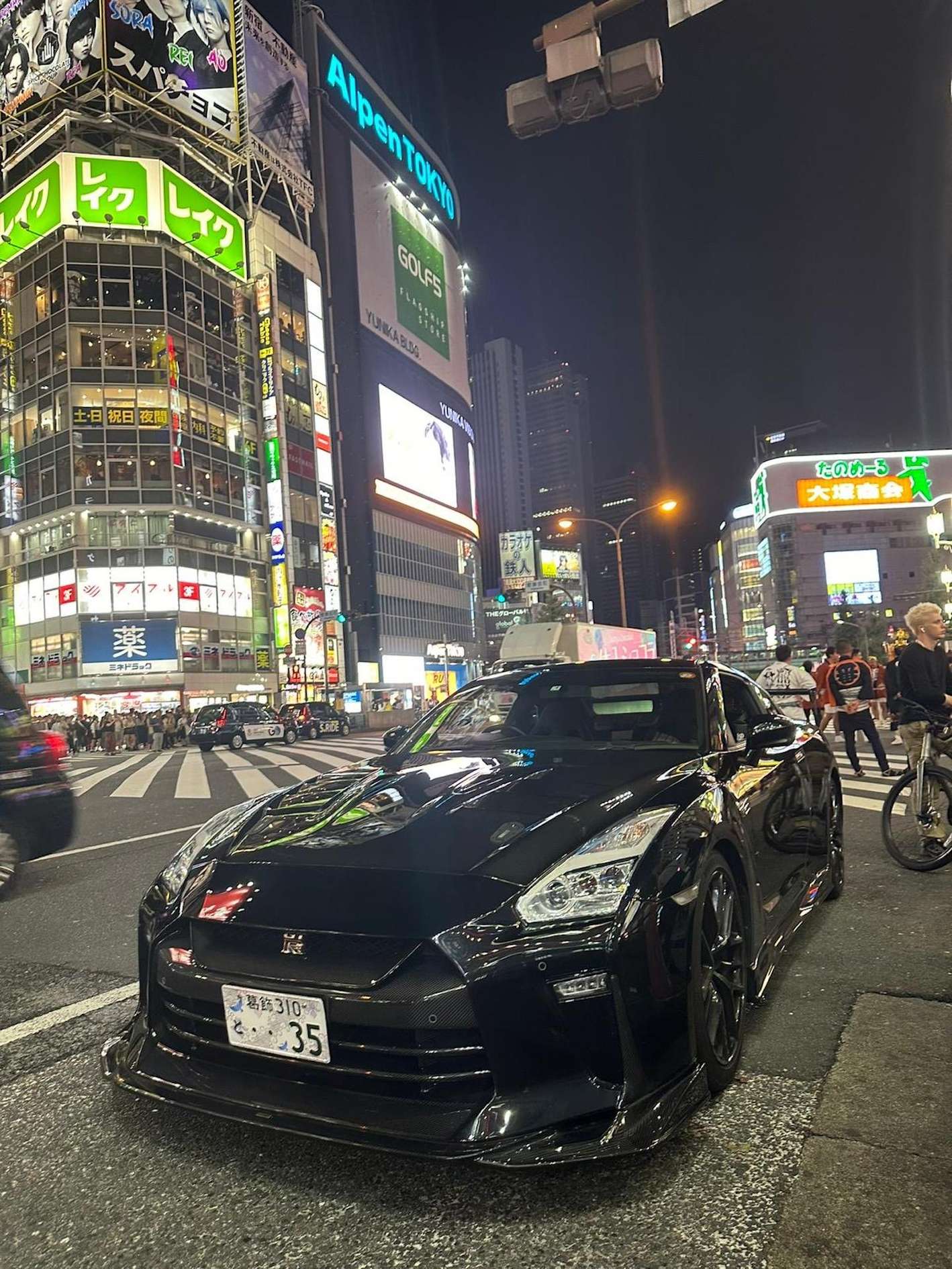
Many tours assign your car for the night, though a few let you request an R34, Supra or GT-R, and some let you swap into different cars at each stop. A specific model usually needs 48 hours notice, and private tours sometimes pick the car for you.
Space
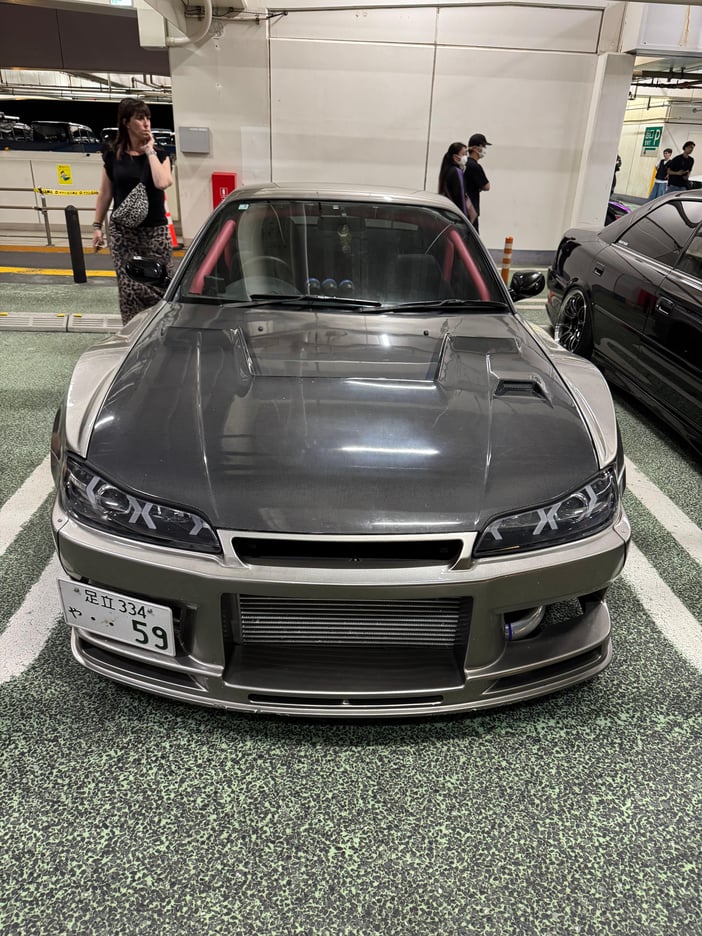
Rear seats in cars like the Silvia S15 are tight, and tall or heavy passengers should check seating before booking; travelers over 1.90 meters or 90 kilograms in particular. Large suitcases and big bags are not allowed, so leave them at your hotel.
Timing
Standard evening tours drop you back in time for the last trains around 11:30 pm. Midnight tours run later and finish after public transit has stopped, so plan on a hotel drop-off or a taxi at the end.
Crowds
Friday nights draw a relaxed local crowd of classic JDM cars, Saturday has the largest and most varied turnout, and Thursday nights often match weekend levels. Weekday meets run from about 7:30 pm, and Sunday mornings from 8 am bring classic and exotic cars in daylight.
Tipping
Tipping is not expected in Japan, so you can end the night with a thank you and nothing more. In the car, most drivers are happy to let you plug into the stereo and play your own music.
02
BookingHow far ahead, and what happens if plans change
1
Cancellation
You can cancel up to 24 hours before the tour for a full refund. If a booked car breaks down before departure, the operator offers a refund or a new date. Some operators also refund in full when police close Daikoku on the day, or reroute to another meet instead.
03
Before you goPapers, health, what to bring
2
DocumentsCan stop the day
You ride as a passenger, so no driving license or International Driving Permit is needed. Do bring your physical passport: Japanese law requires foreign visitors to carry it at all times, and police can ask to see it.
Weather
Rain can thin the meet without emptying it, and tours continue in light rain. Daikoku sits open to the bay, so winter nights feel near freezing; pack a warm layer even under a clear sky.
04
On the dayWhere to be, when, and how you get there
2
Pickup
Most tours meet around Shibuya Station, with other departures from Akihabara, Tokyo Station or Shinjuku, and private tours collect you at your hotel anywhere in central Tokyo. All tolls and fuel are covered in the booking, so there is nothing to pay in the car.
Late arrivalCan stop the day
Departures leave on time to hold the car meet slots, and drivers do not wait for stragglers. If you miss the start, the booking is not refundable. Your exact meeting spot and any updates arrive by WhatsApp, email or Instagram on the day, so keep notifications on.
05
During the tourWhat is expected of you
1
On site
Do not touch, lean on or sit on parked cars, and ask before close-up photos of an owner or a car. Drones are banned, flash into cars is out, and revving engines is off limits. Most visitors find owners friendly once they ask politely.
Daikoku car meet tour - the night at Tokyo's parking lot, explained
One parking lot on a Yokohama expressway island has become Tokyo's most talked-about car meet. Here is how the night works, which night to pick, and what to do when the police show up.
Yokohama· 35.66° N, 139.70° E
If you only remember three things
1
Arrive before 7:30 pm on Friday or Saturday, because police clear the lot from then on.
2
You cannot walk, cycle, bus or train in; entry is by expressway vehicle only, so book a tour.
3
Carry your physical passport at all times; Japanese law requires it, and sports cars have no room for anything bigger.
What a night at Daikoku PA really is
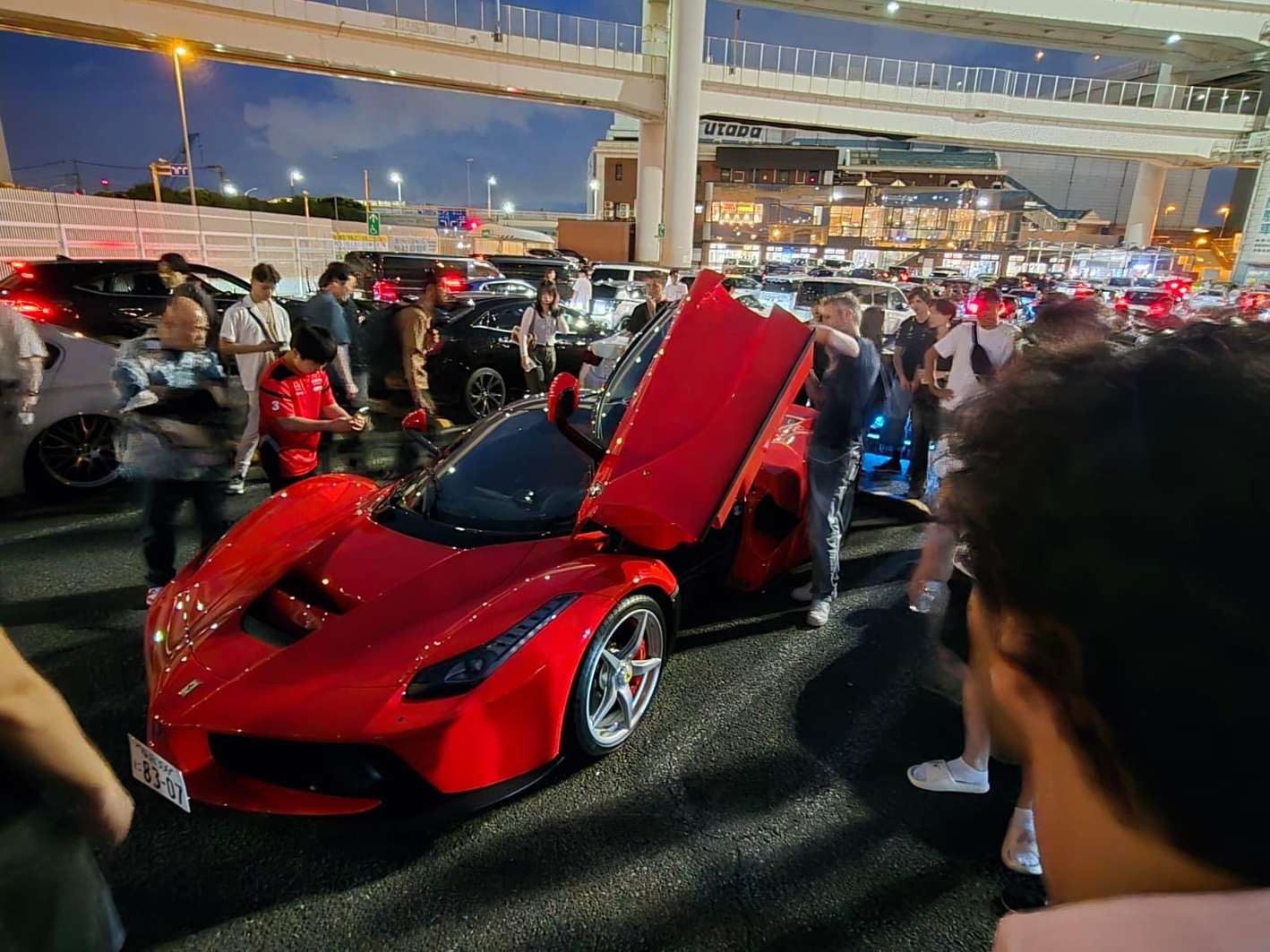
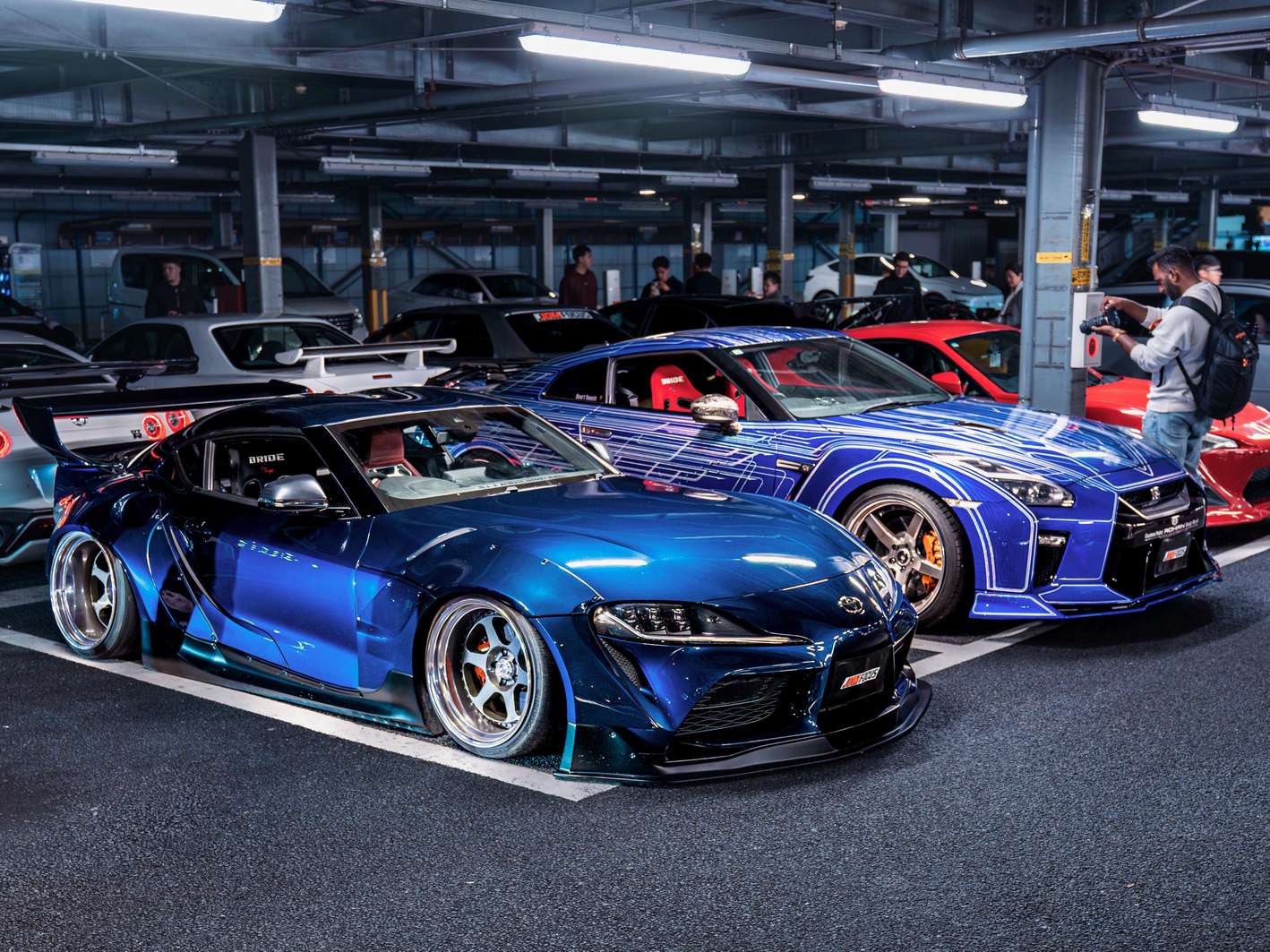
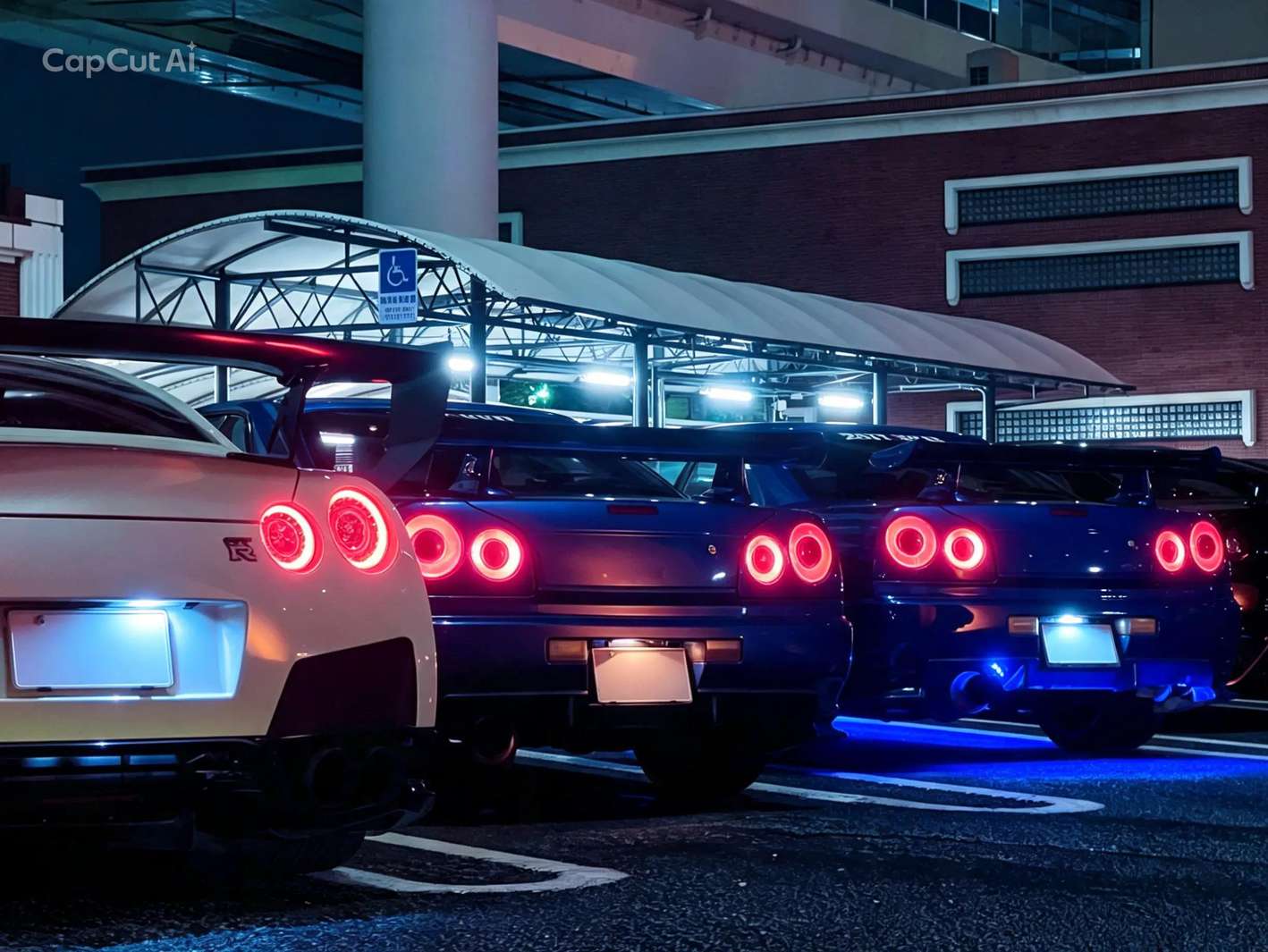
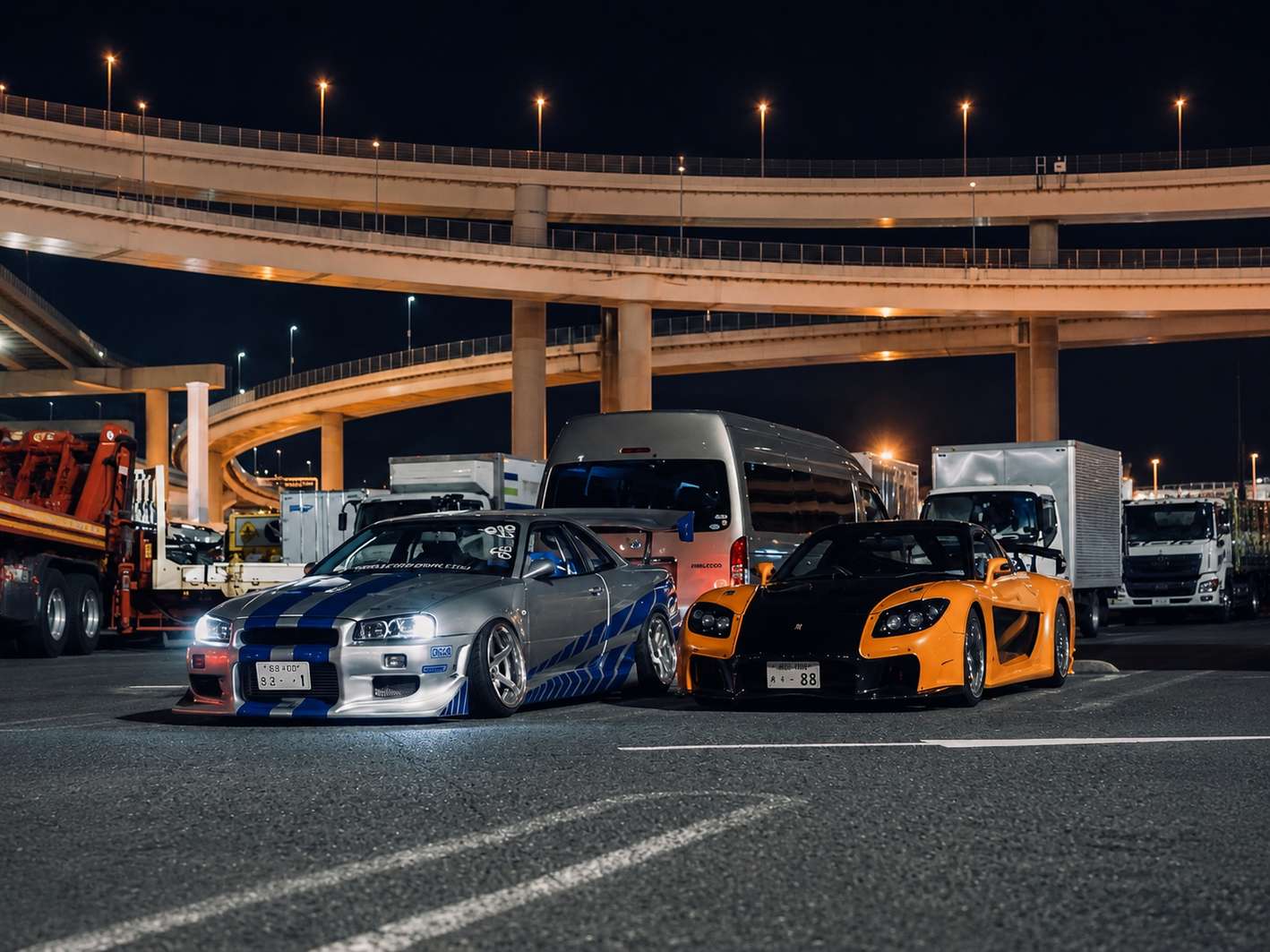
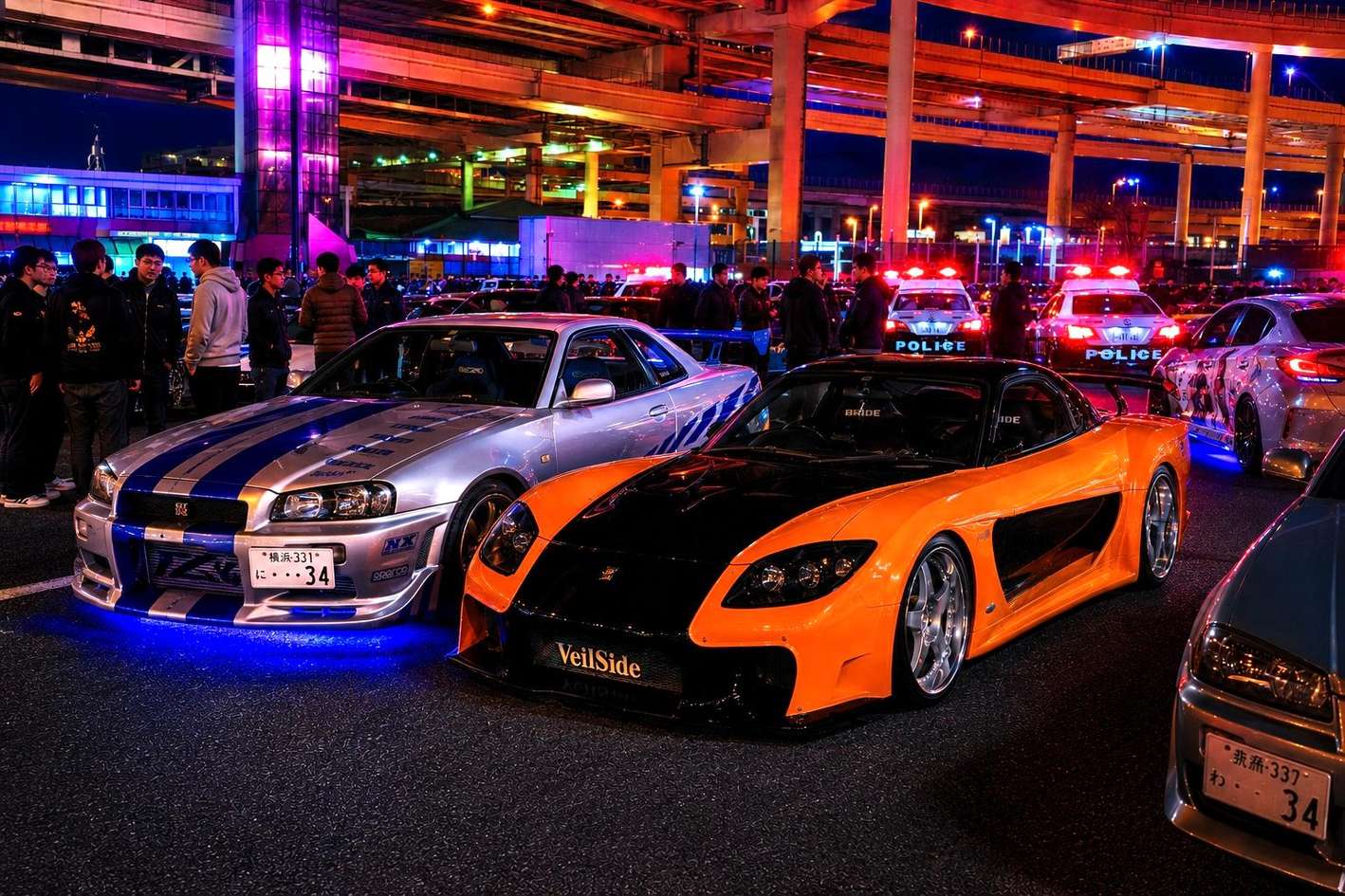
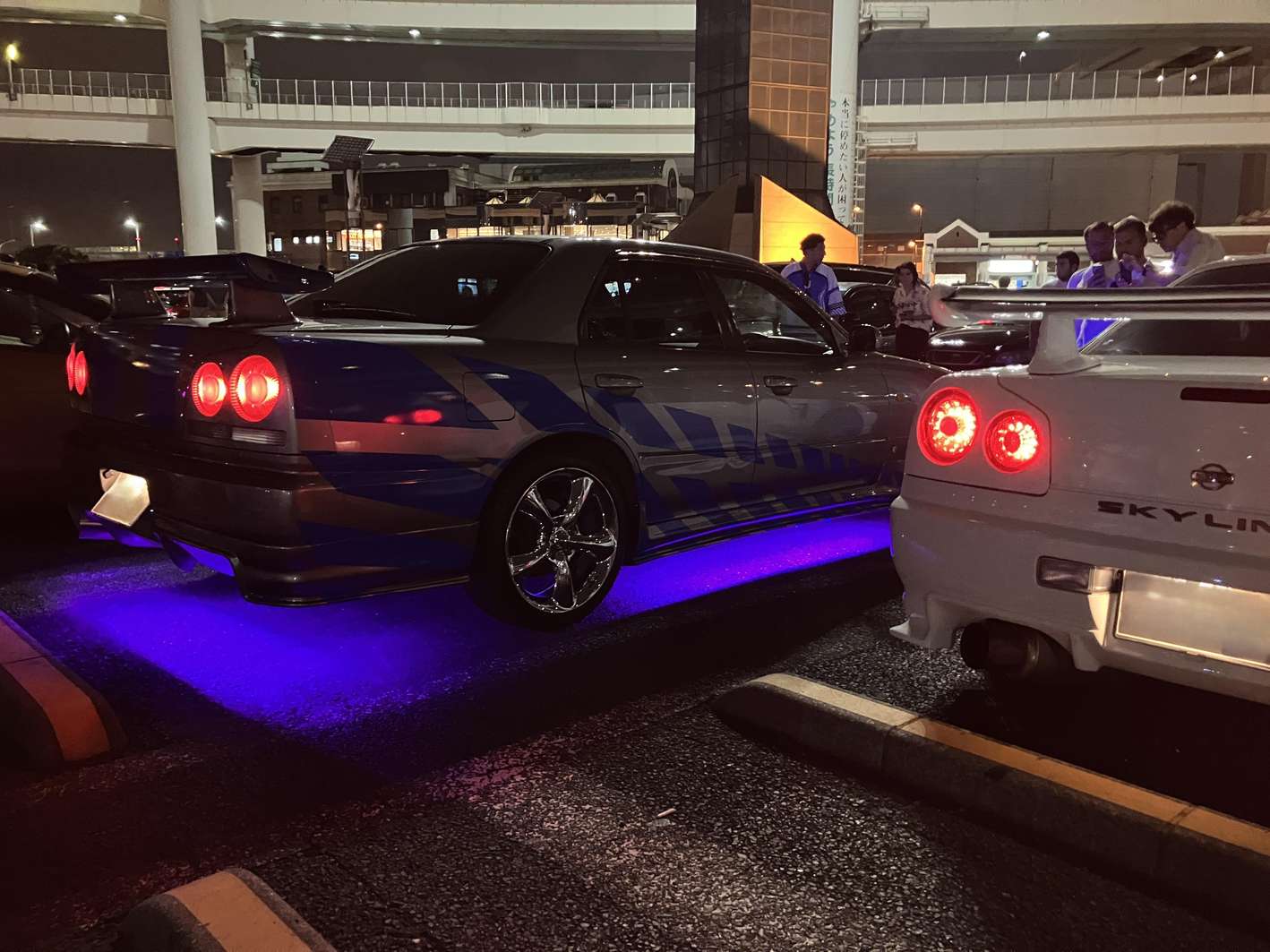
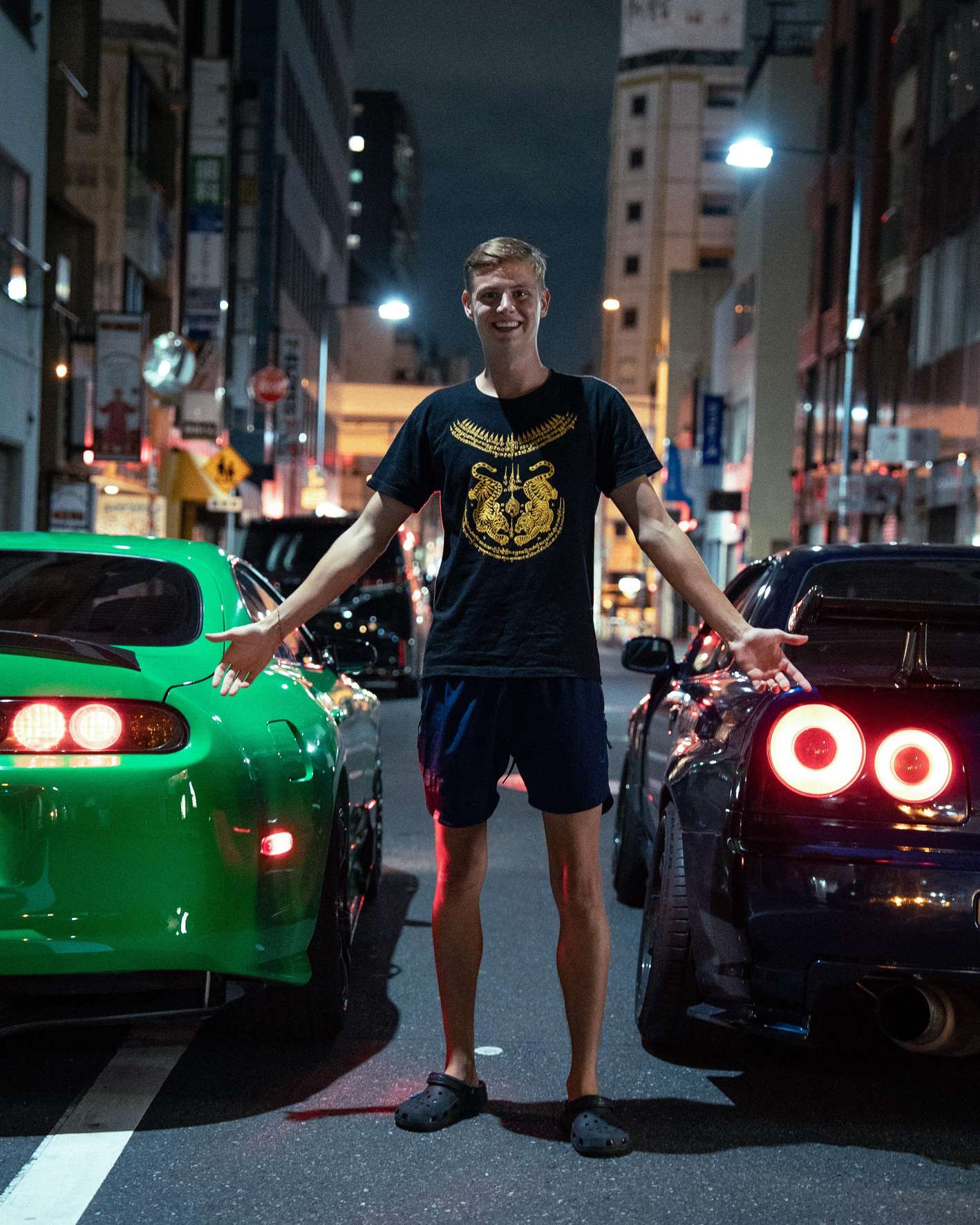
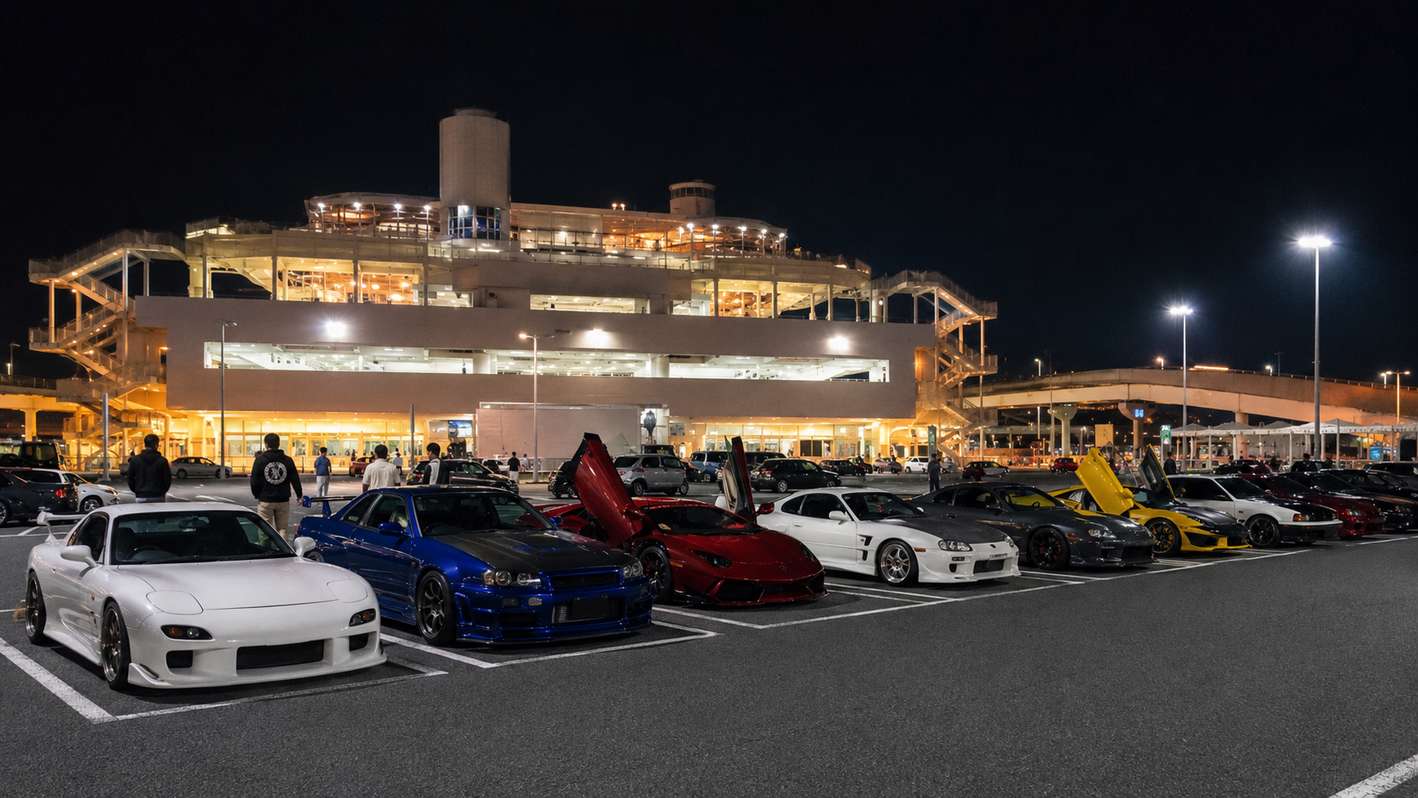
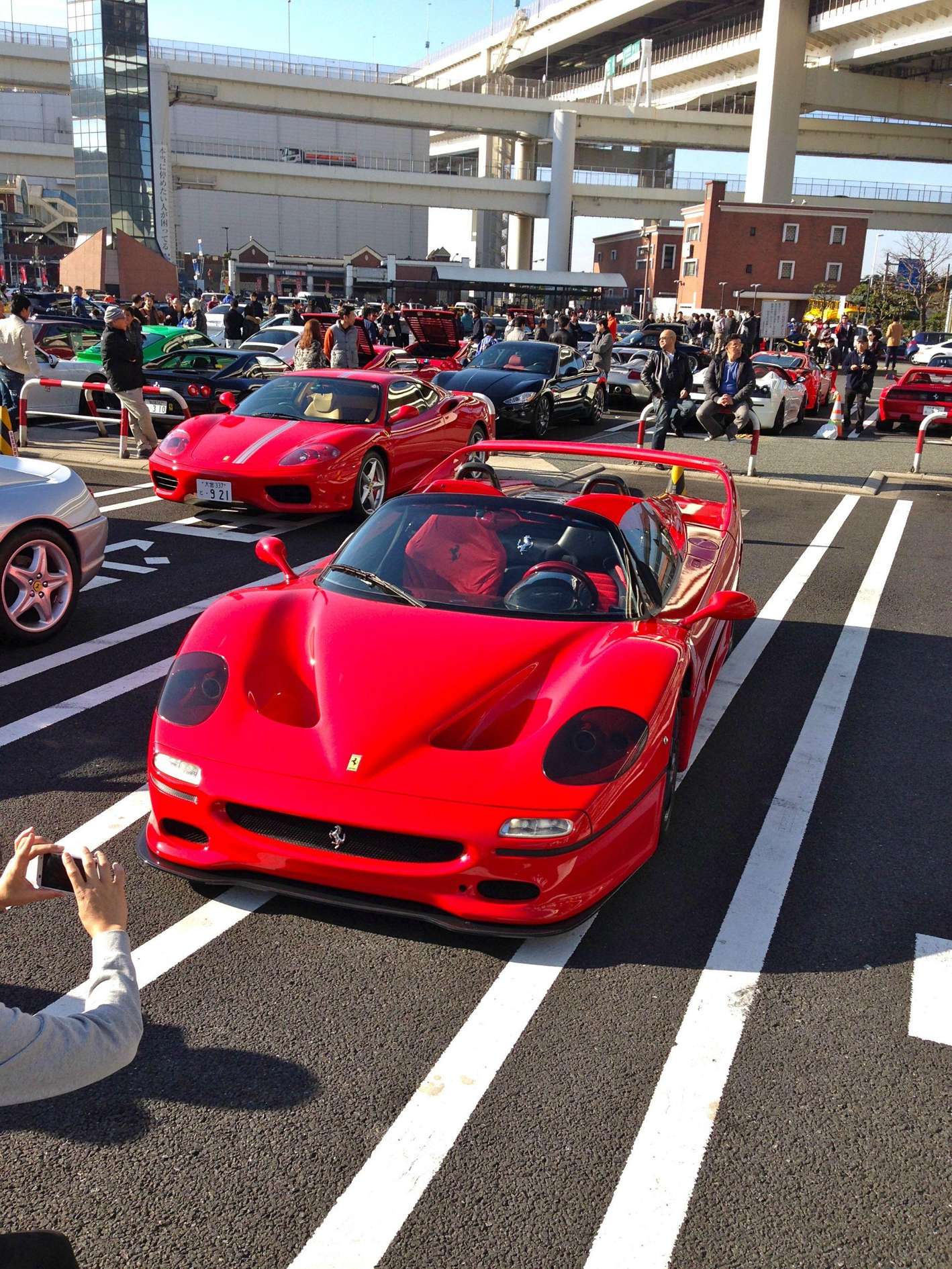
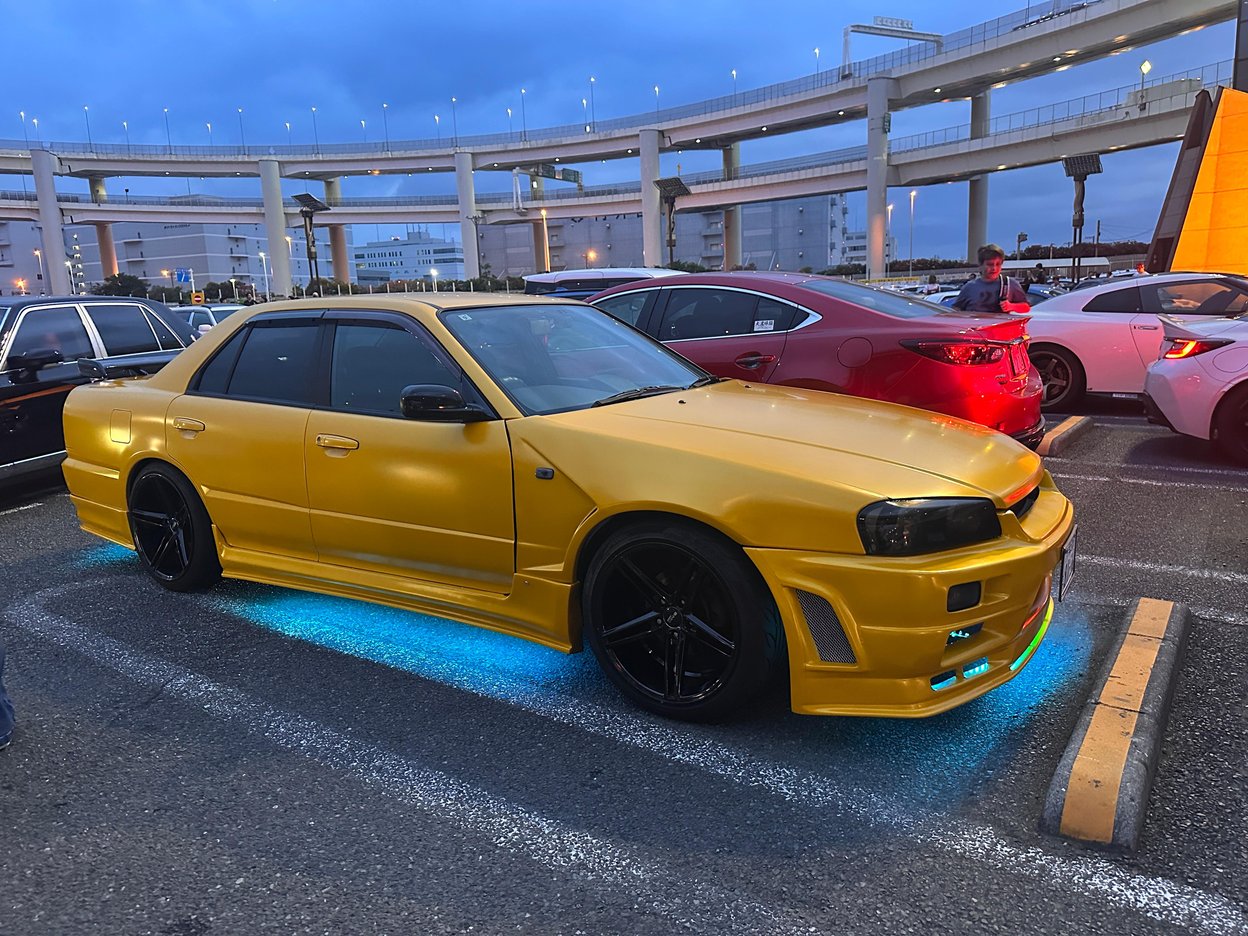
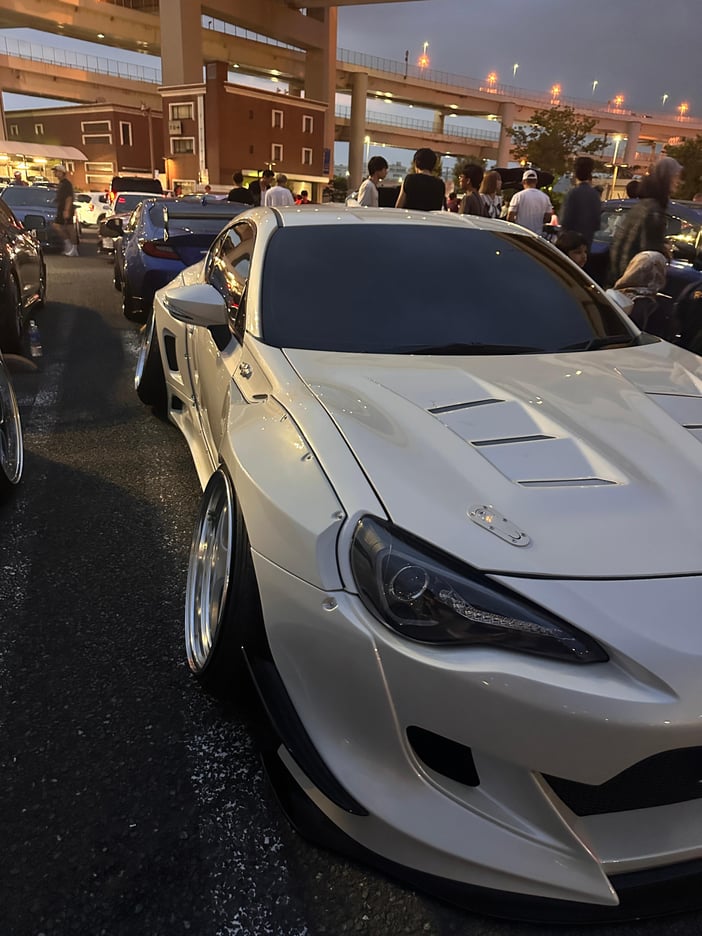
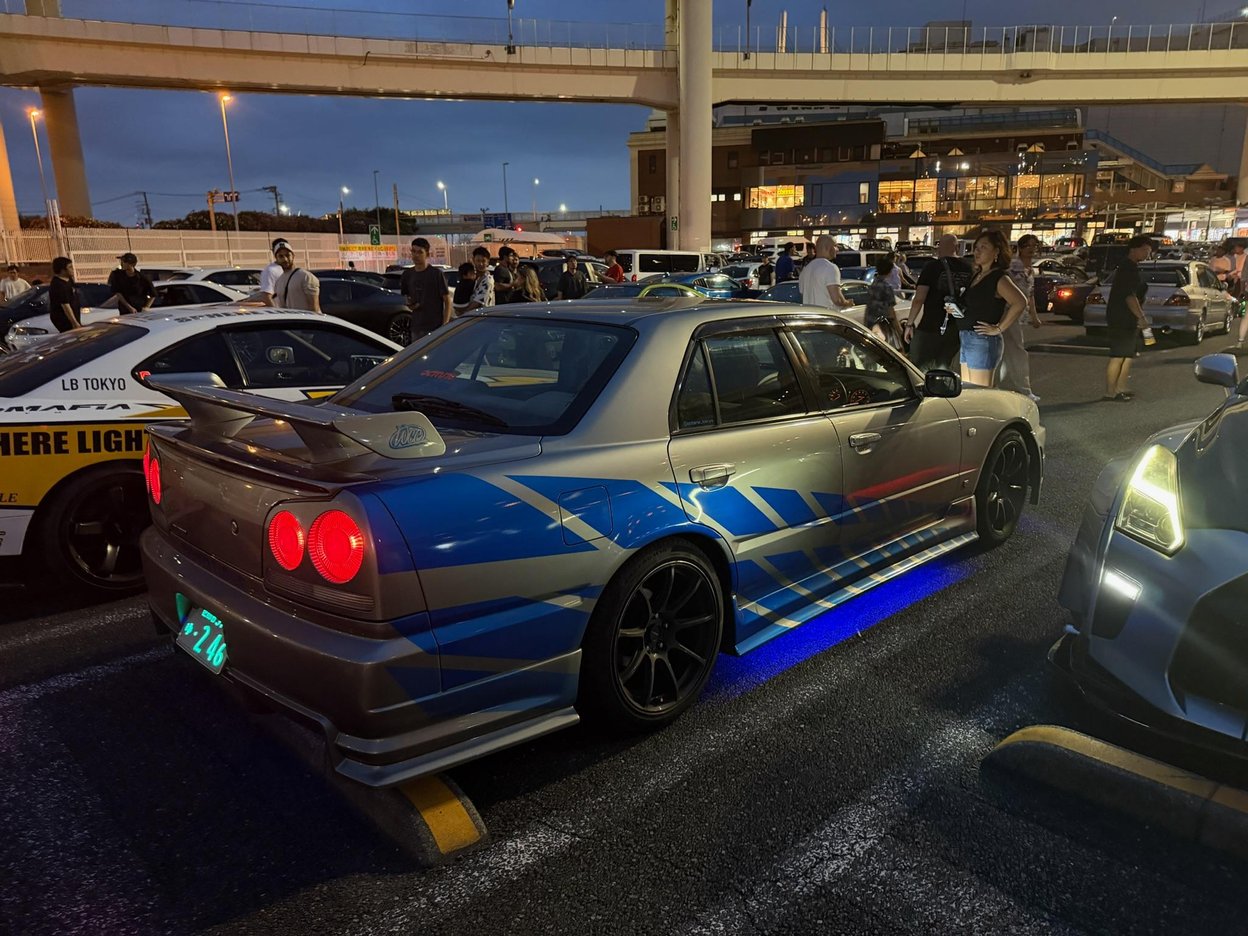
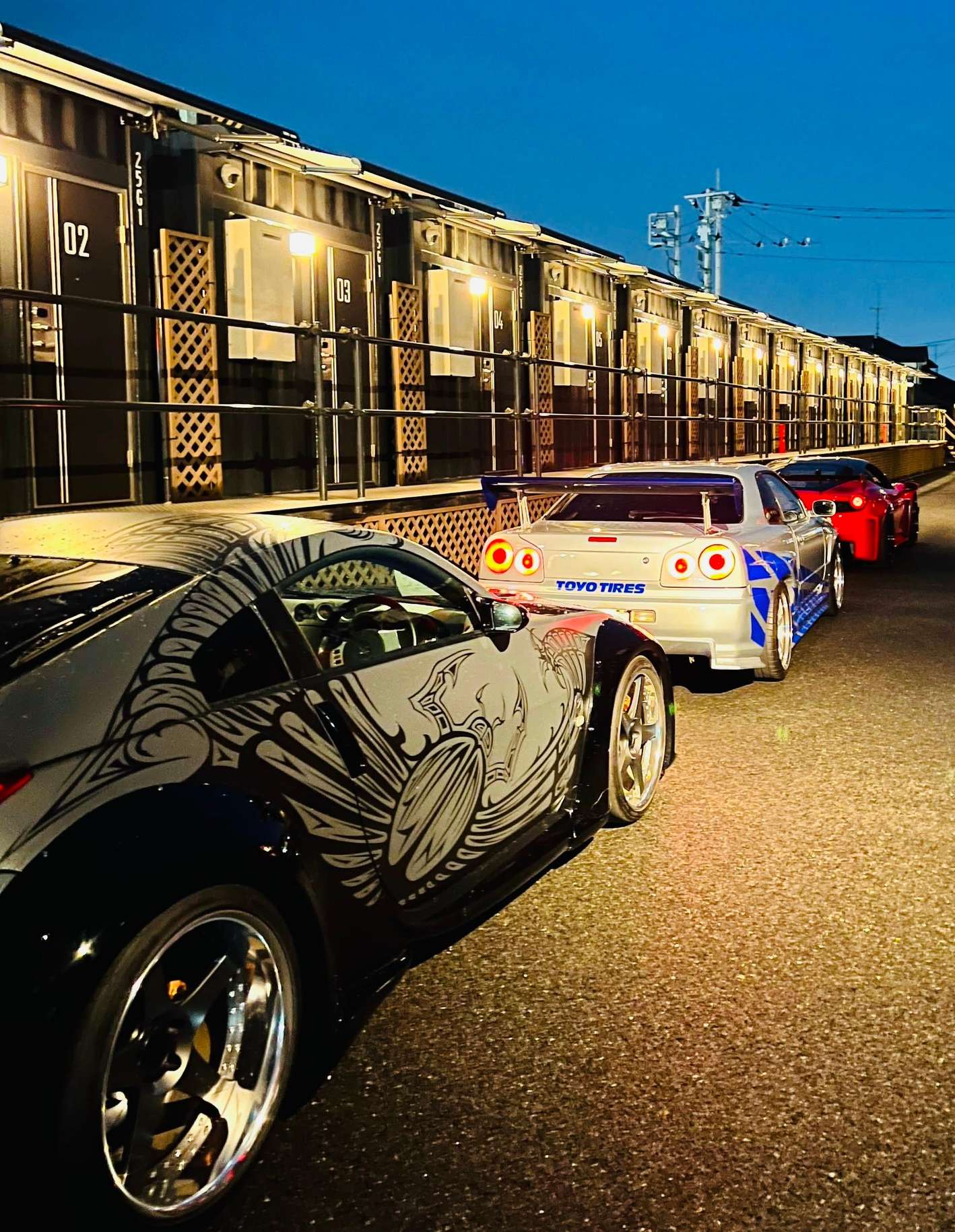
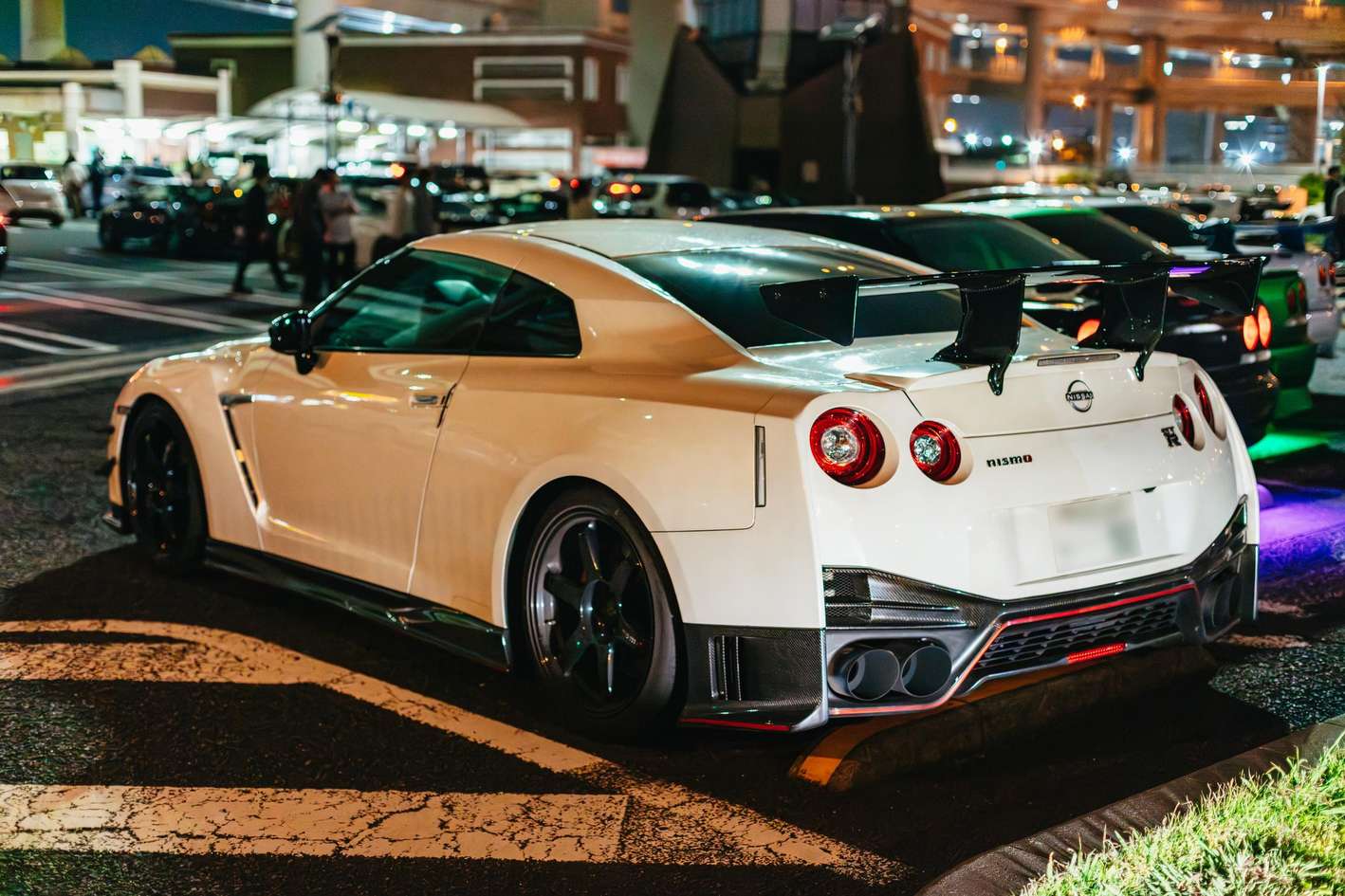
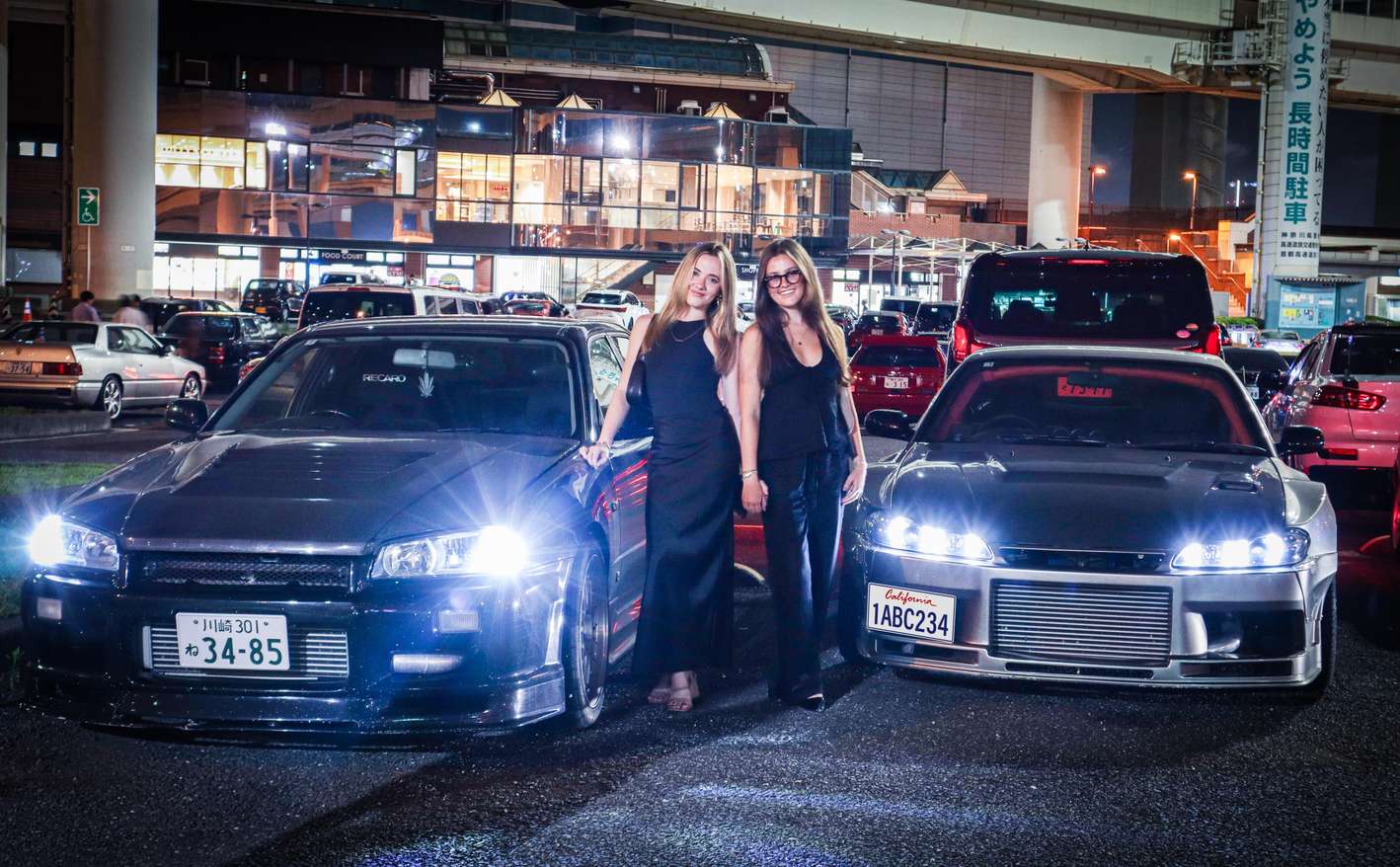
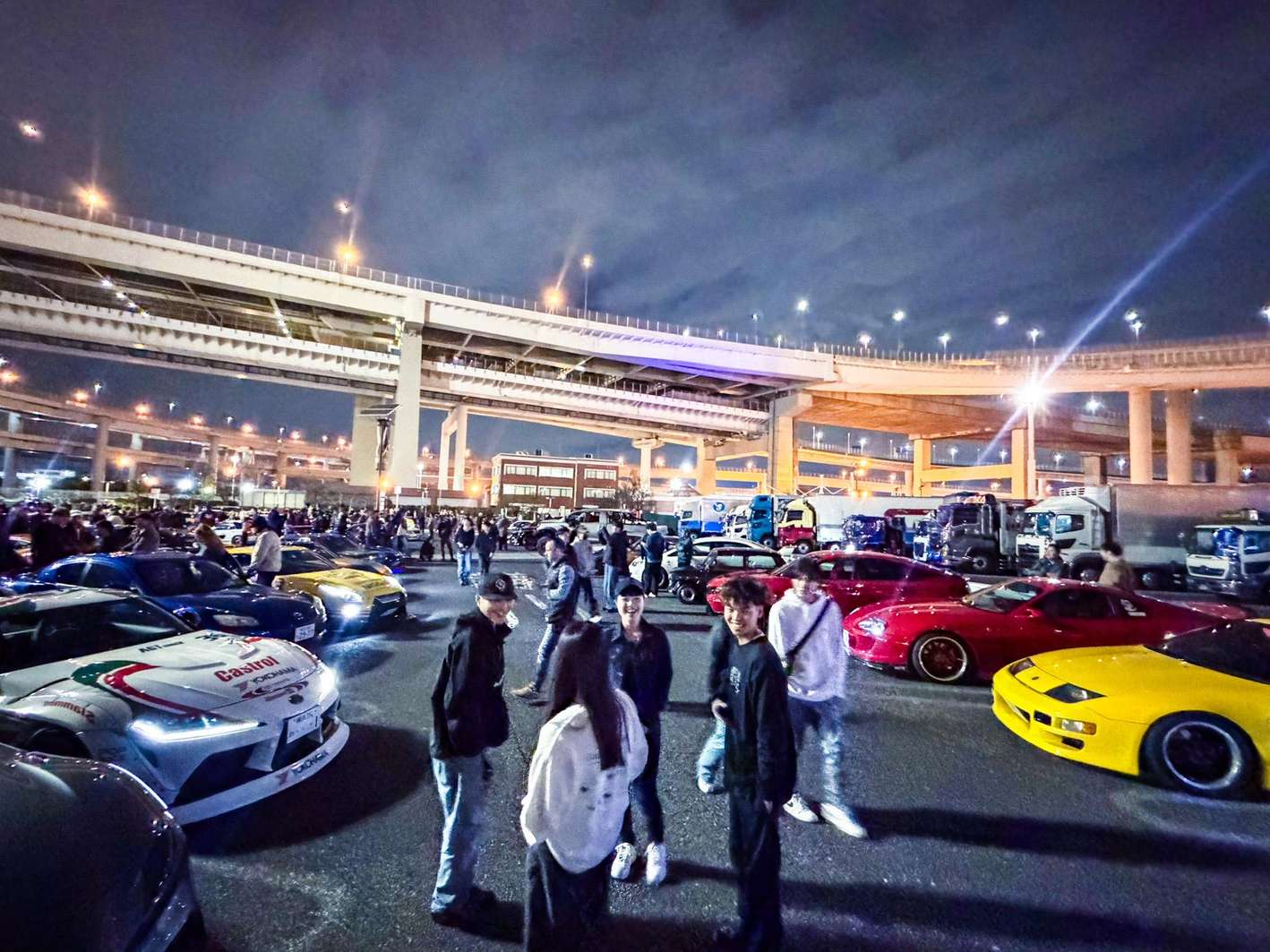
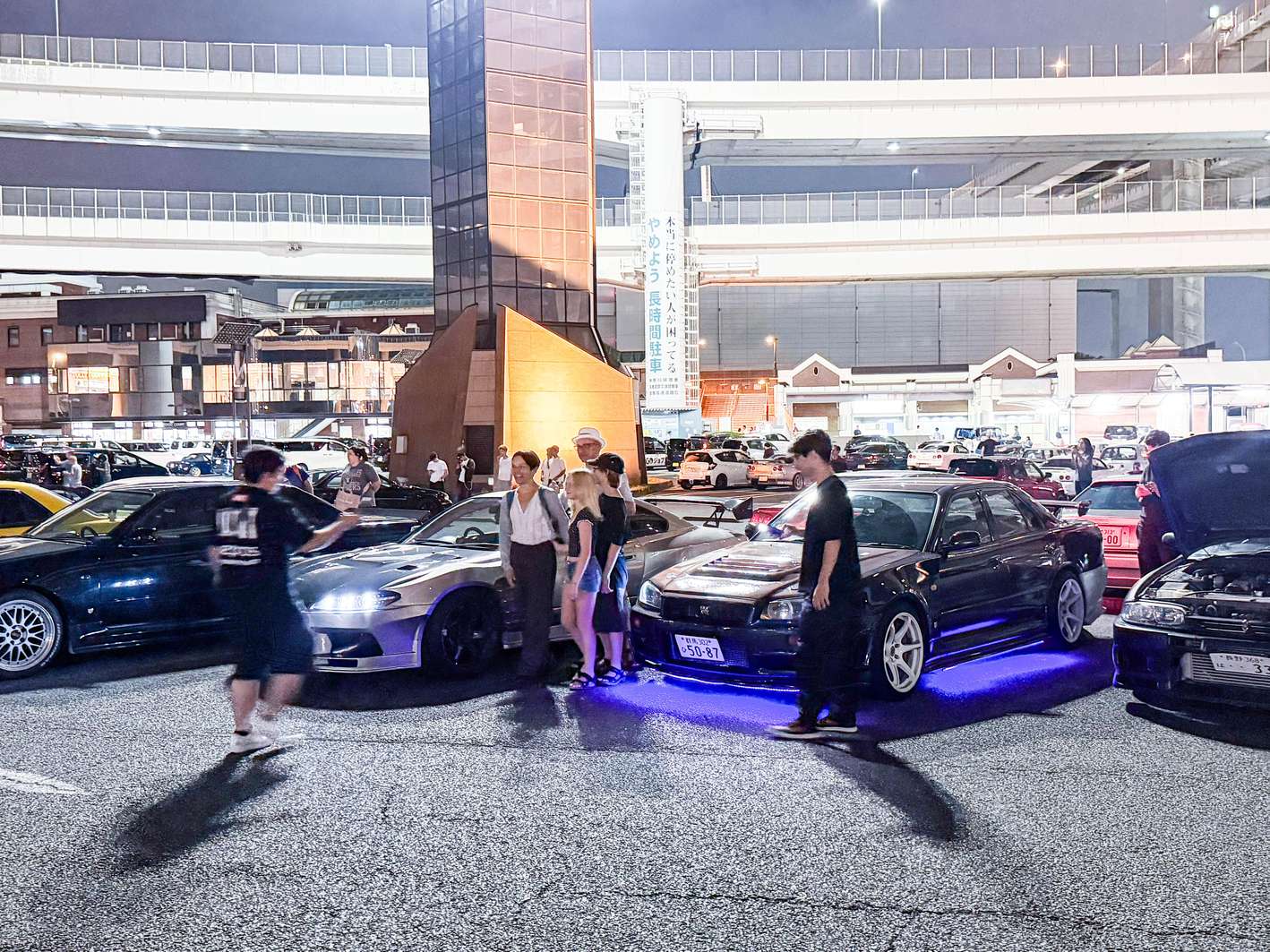
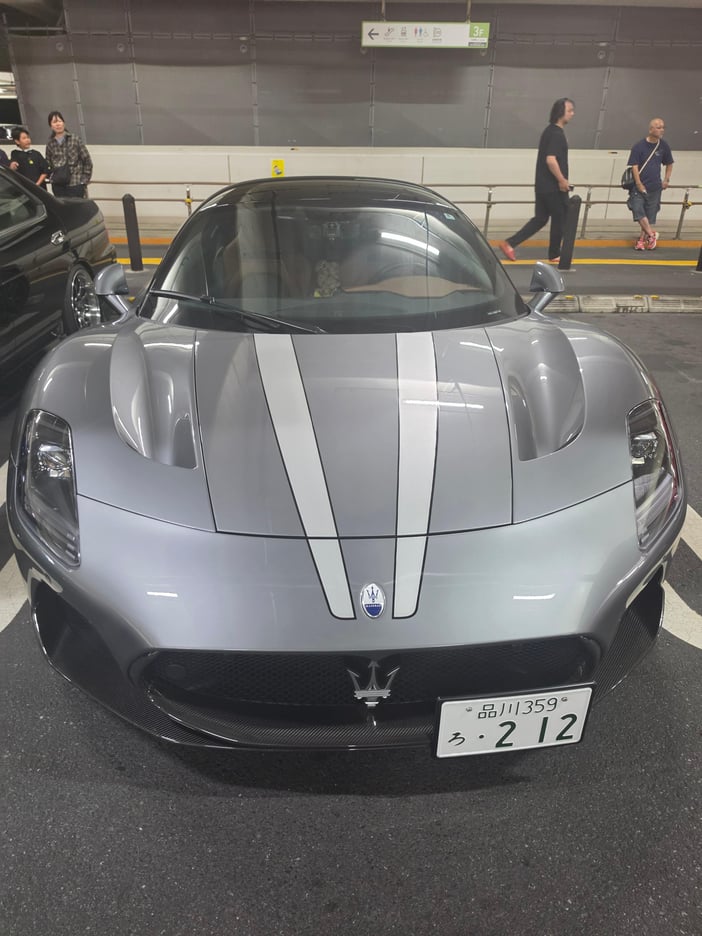
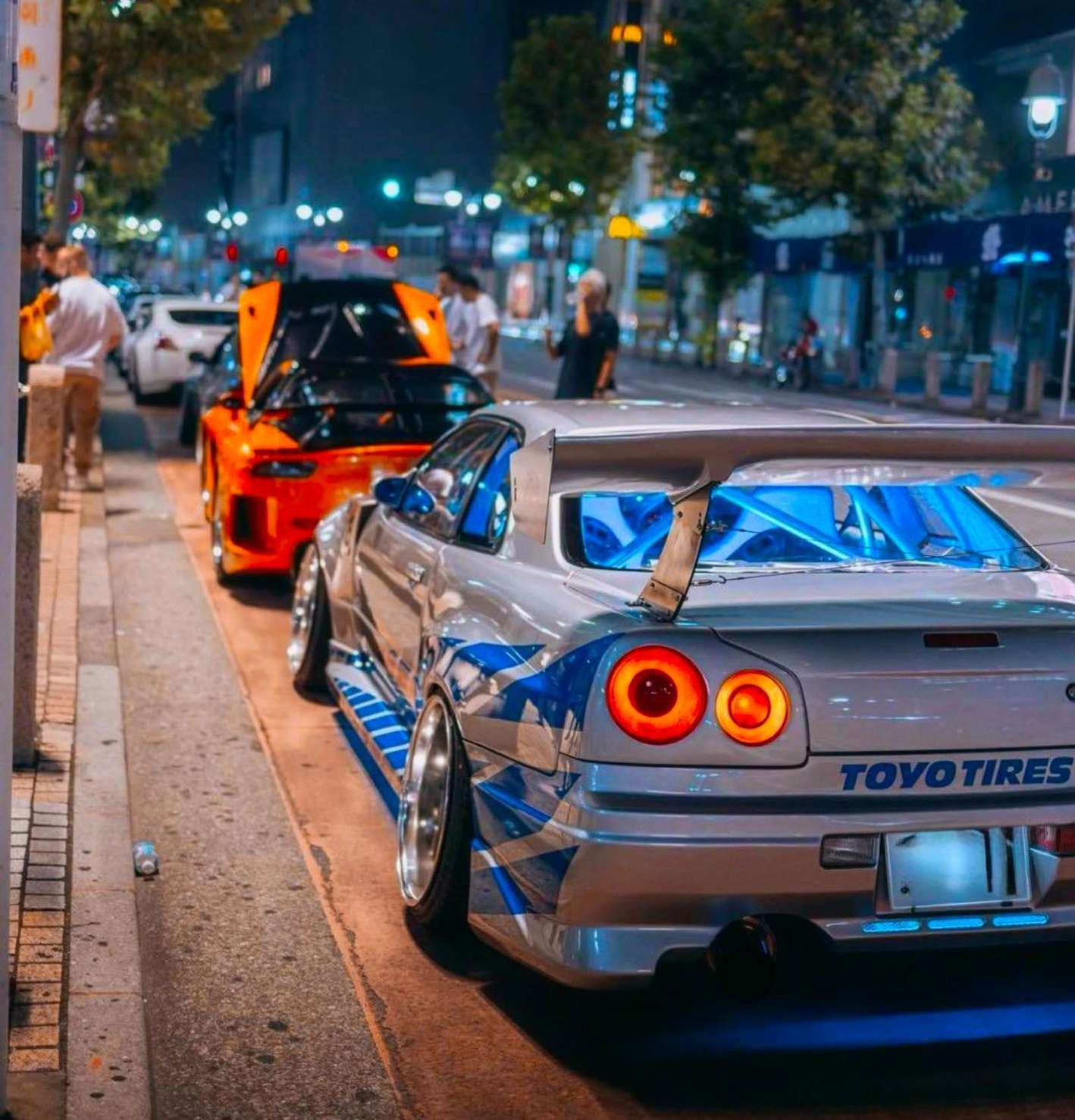
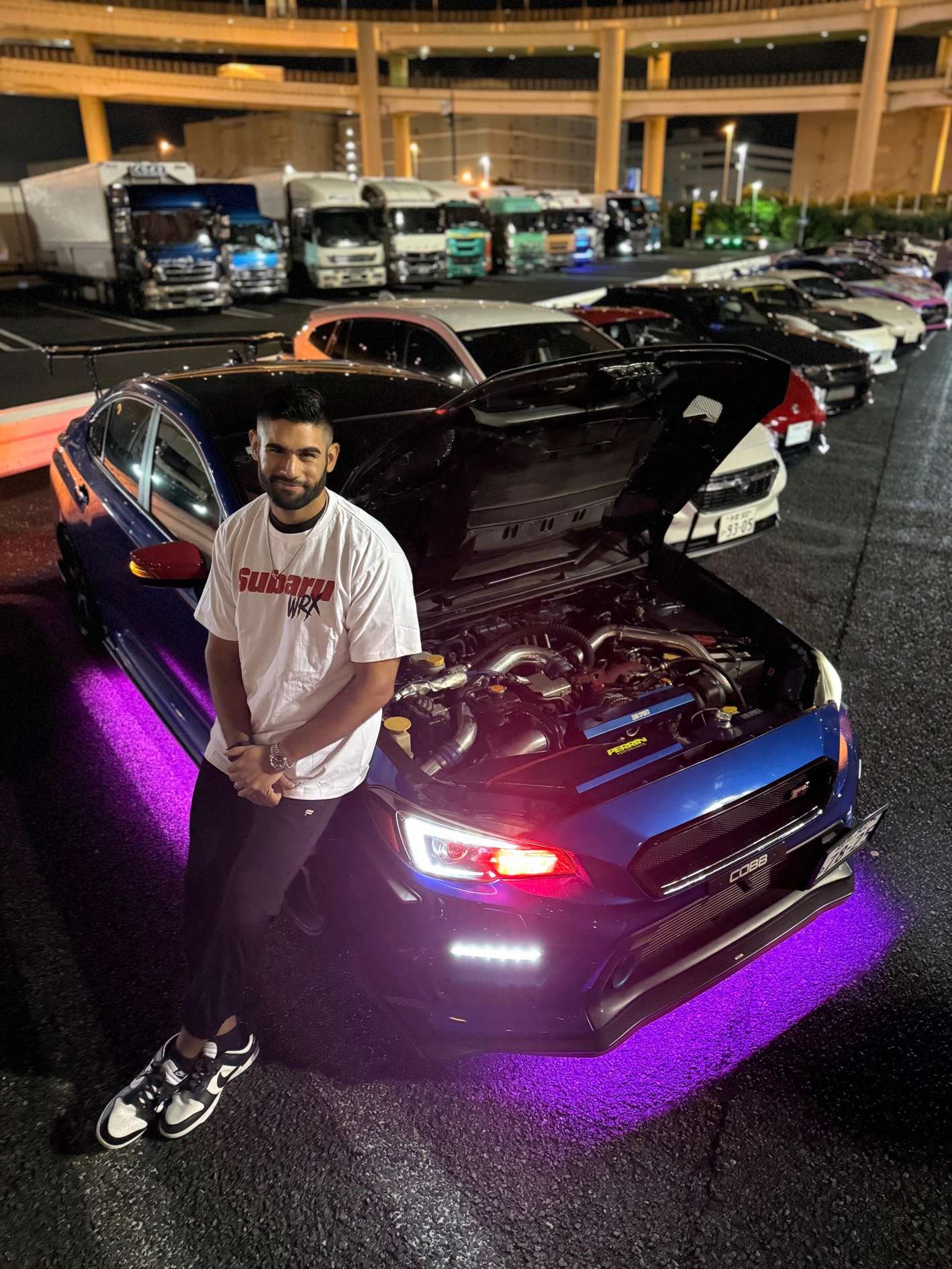
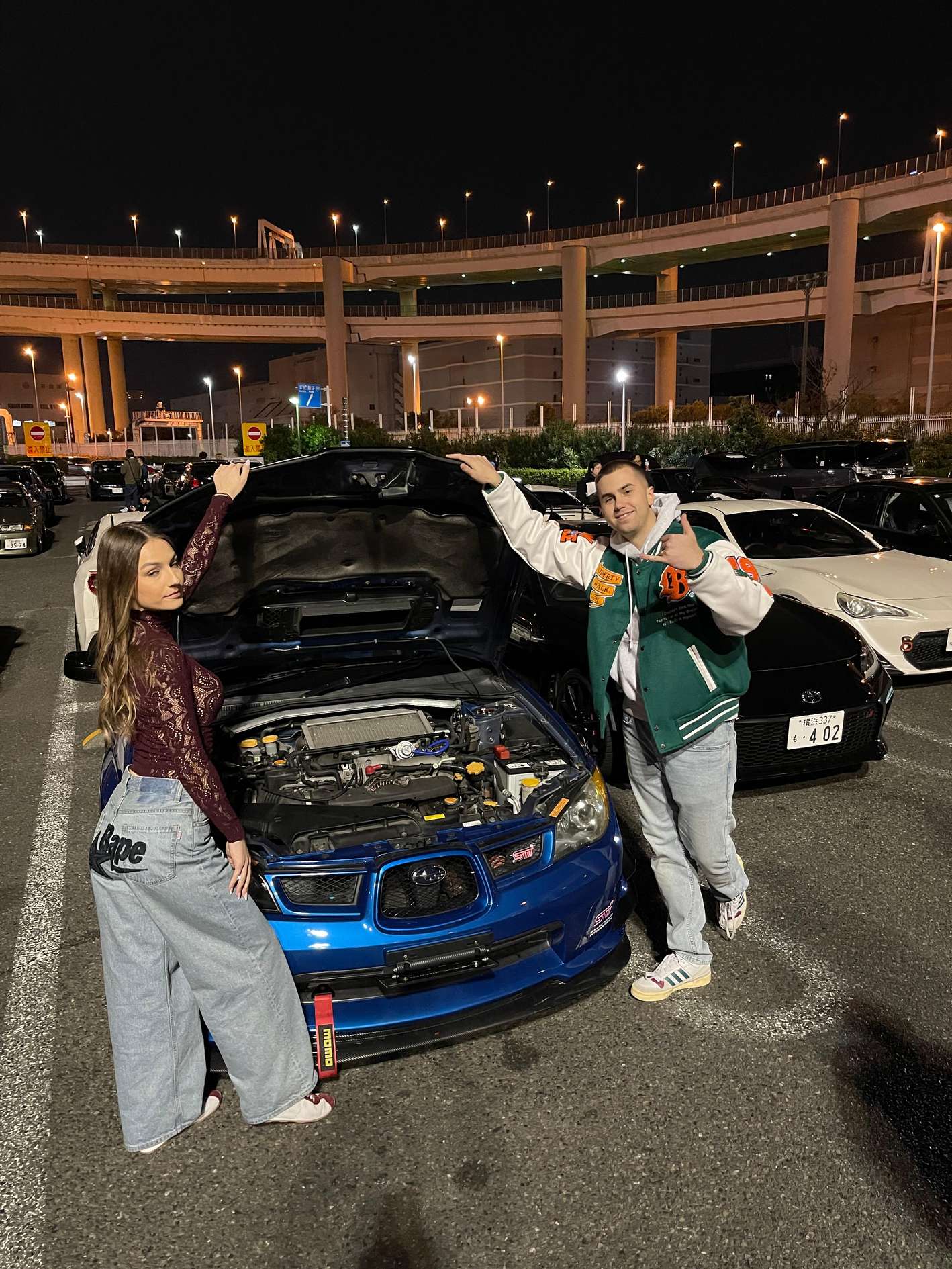
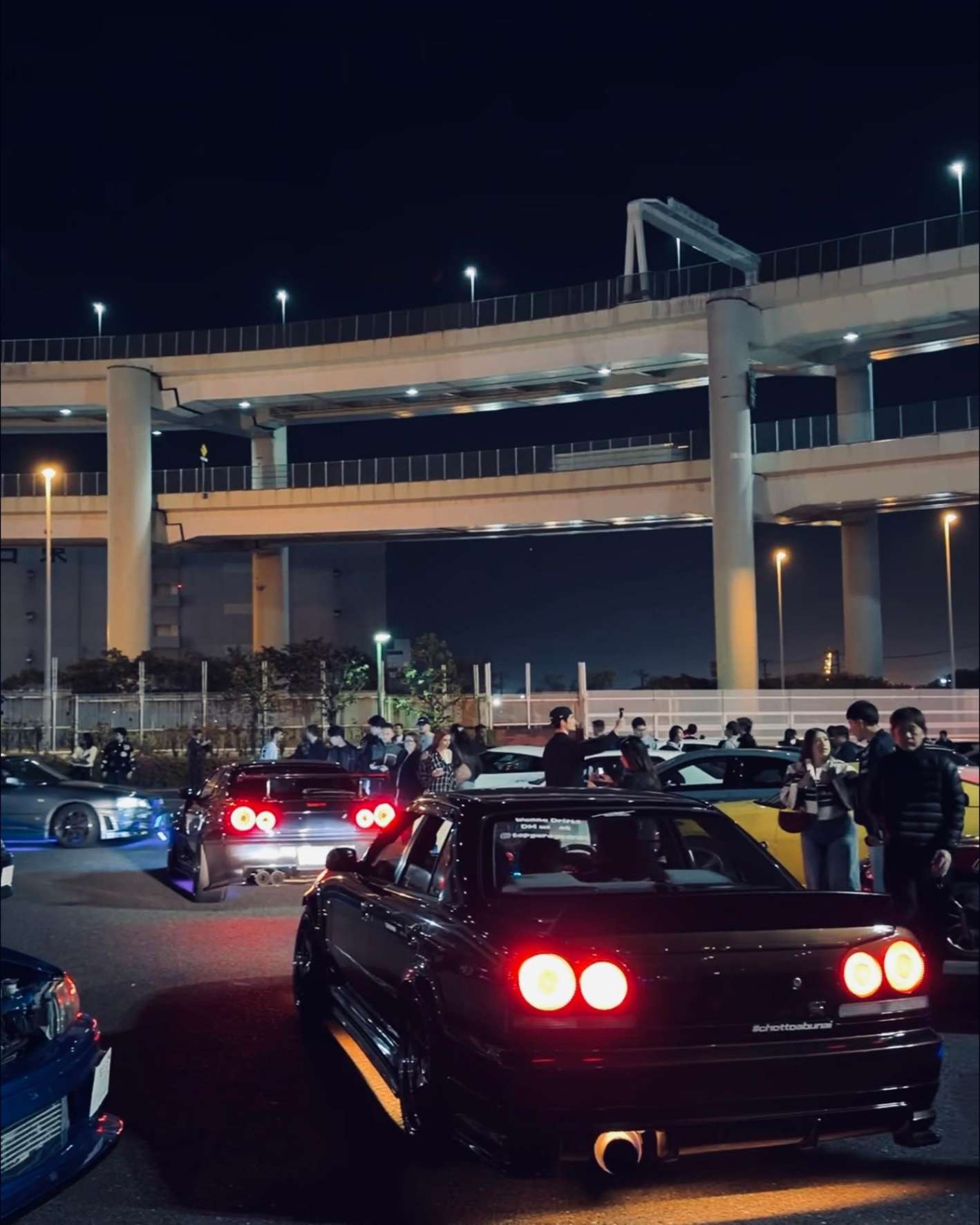
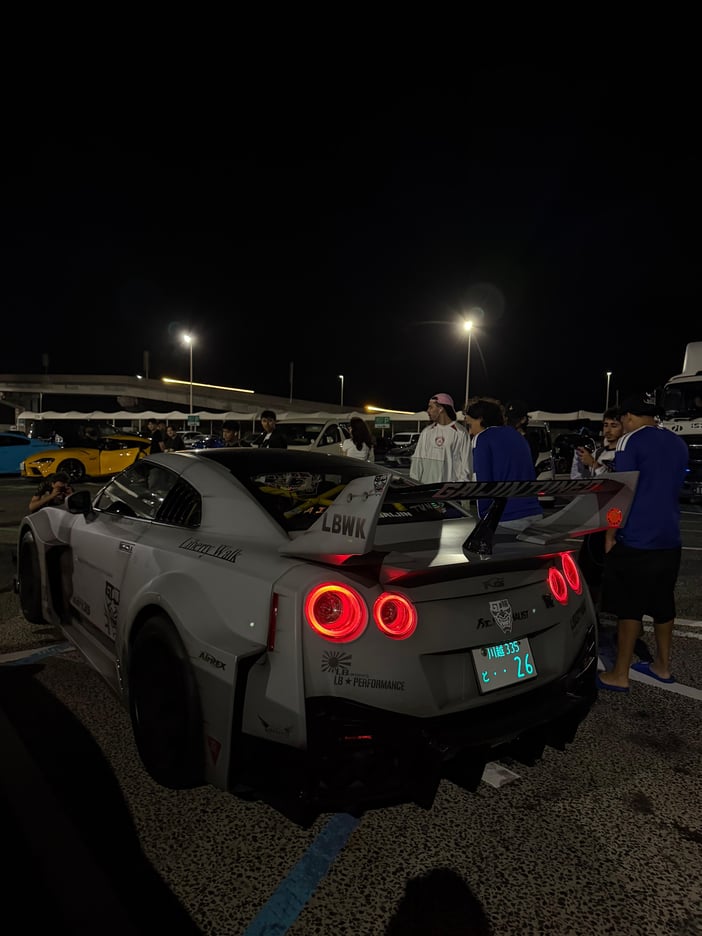
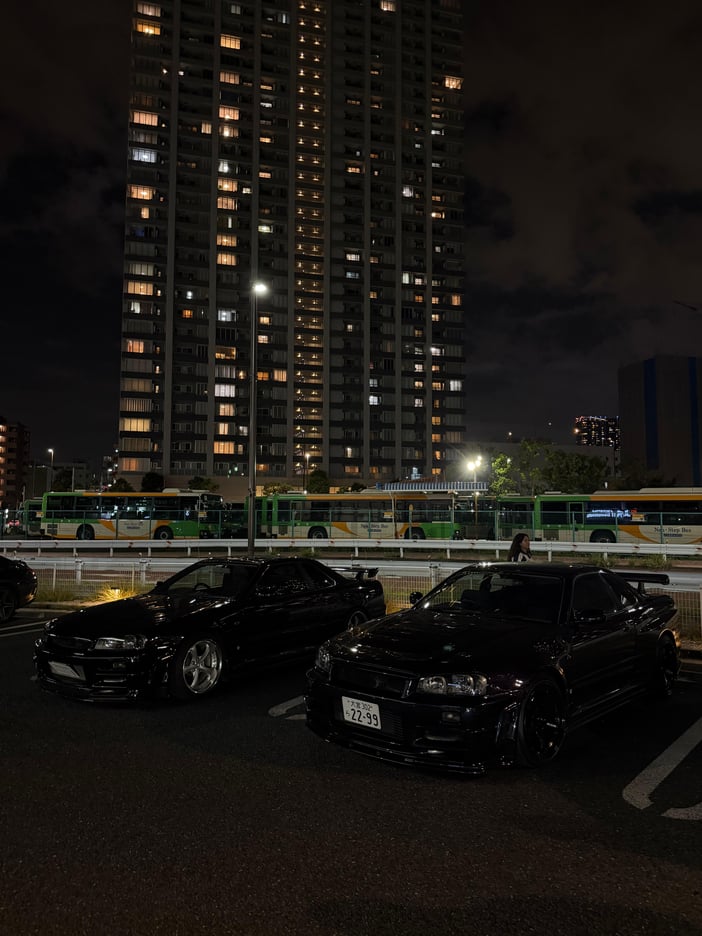
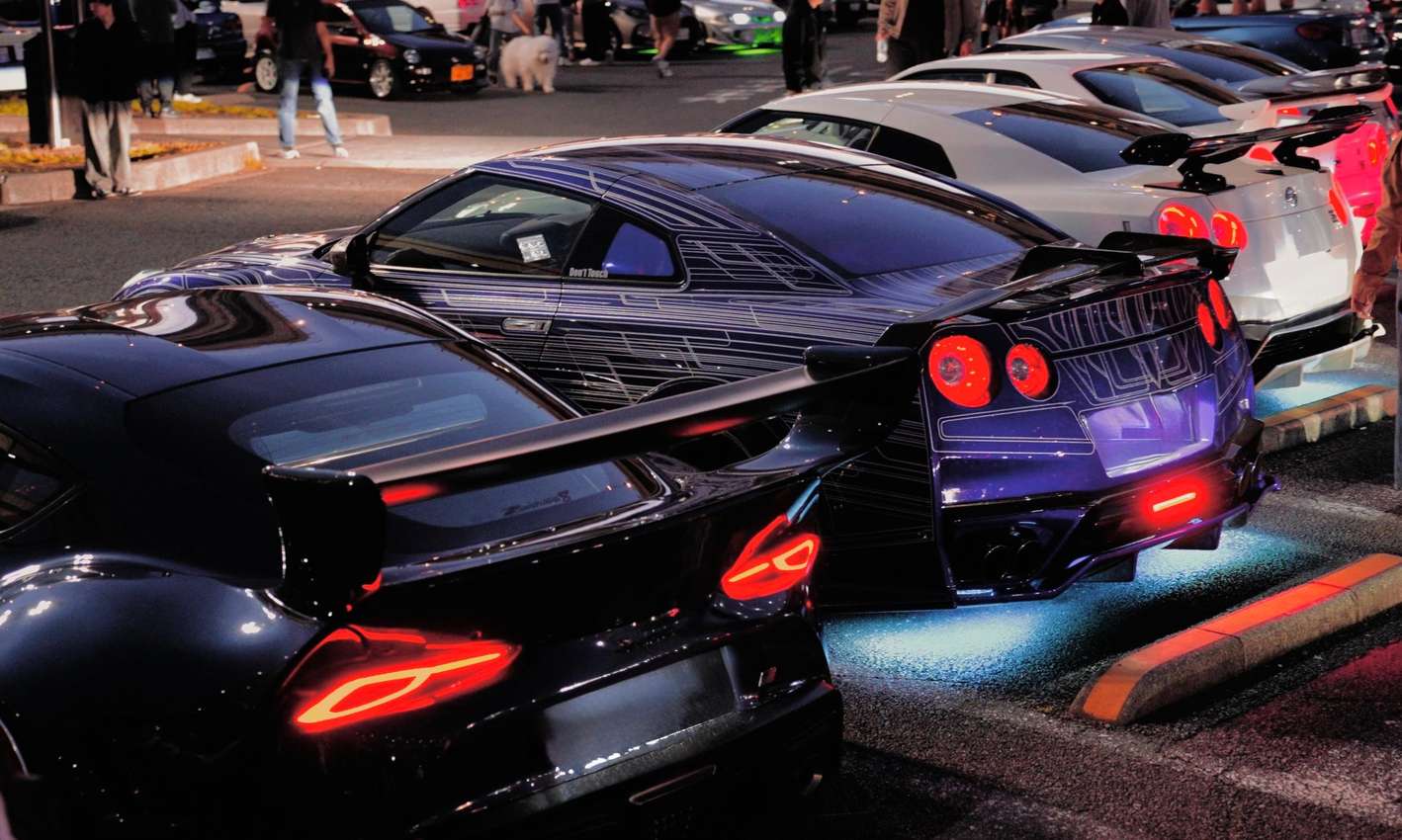
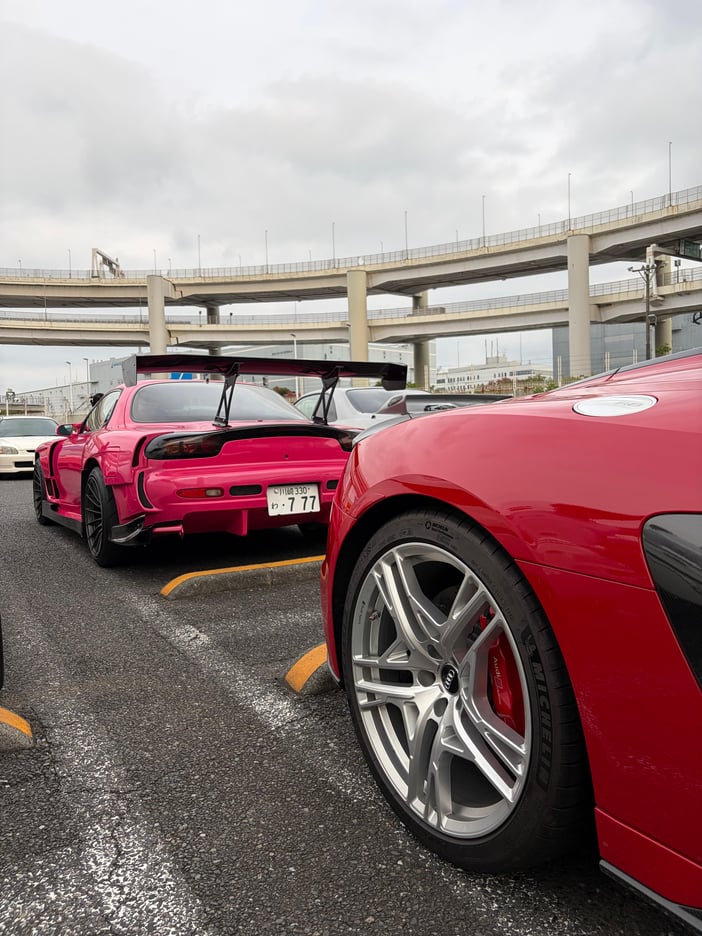
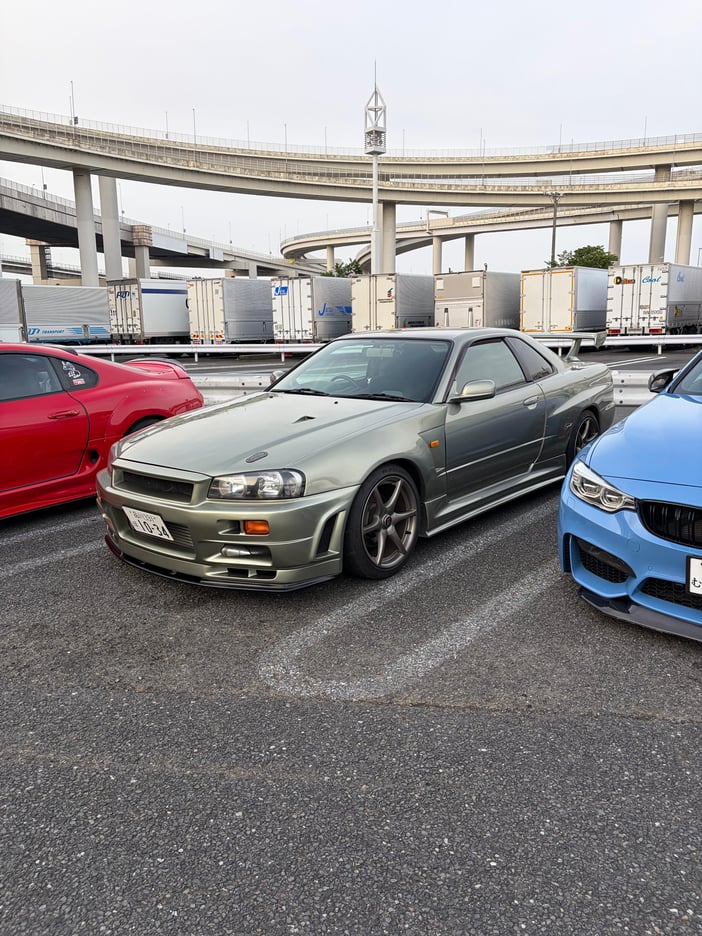
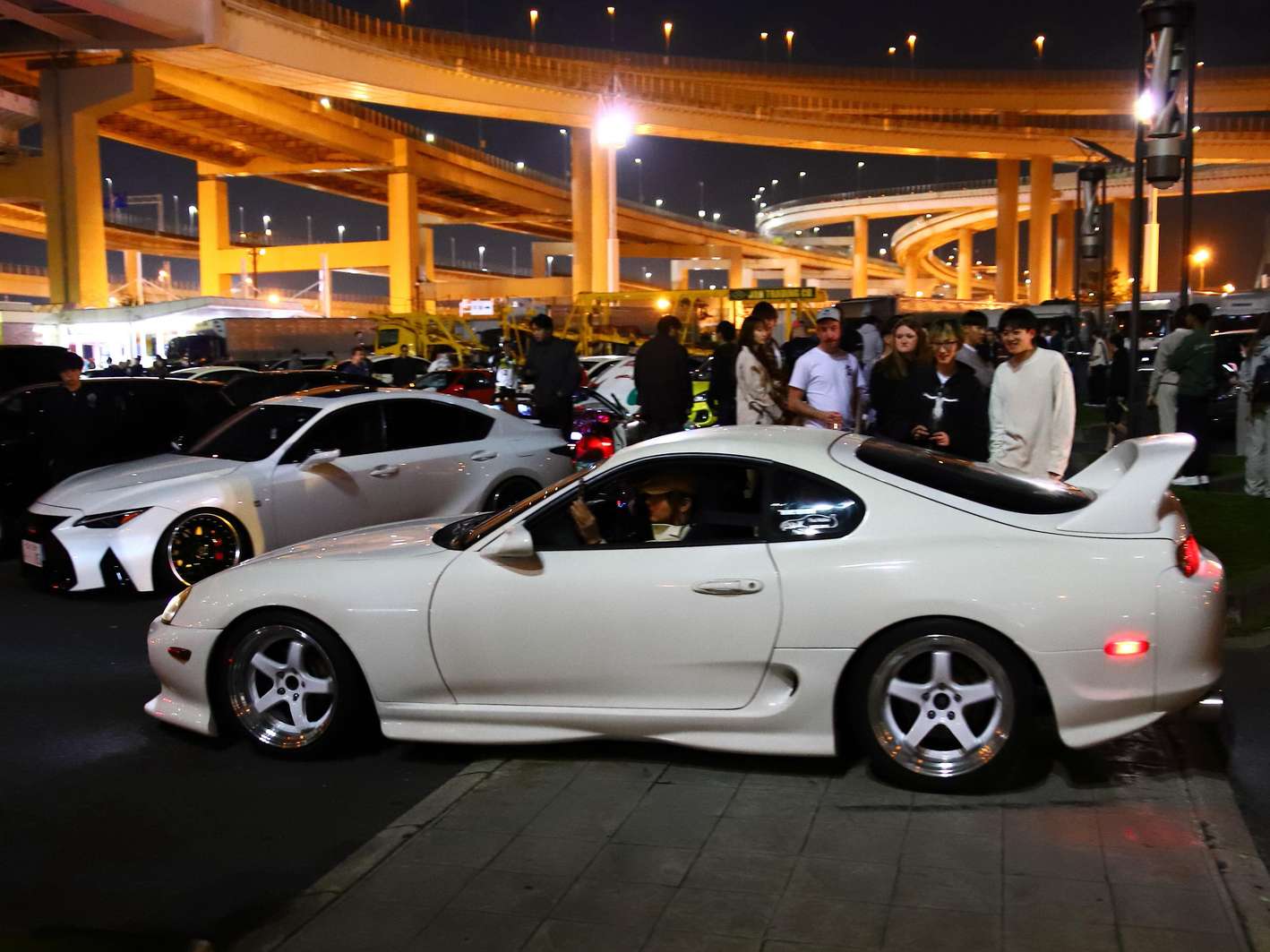
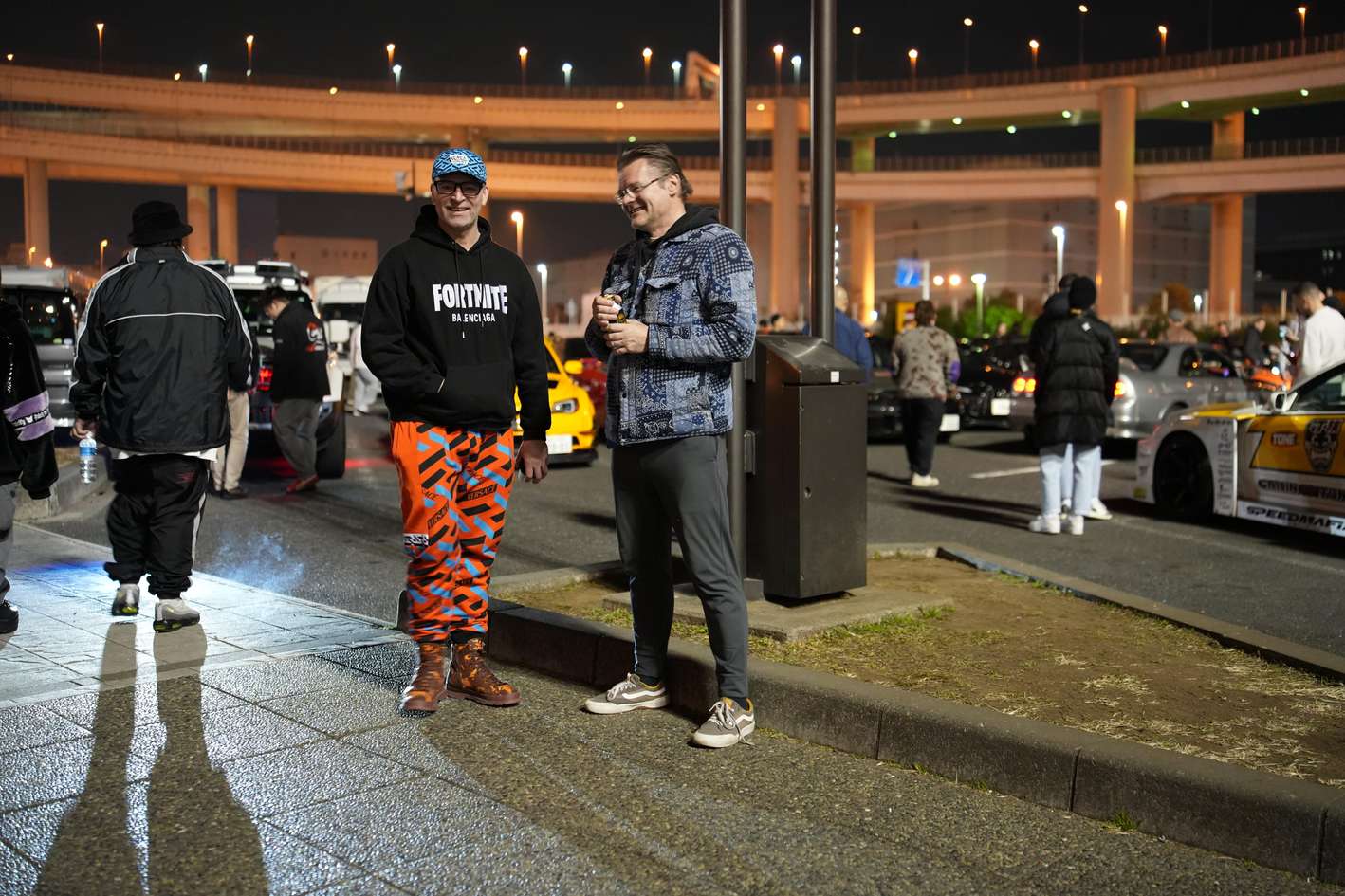
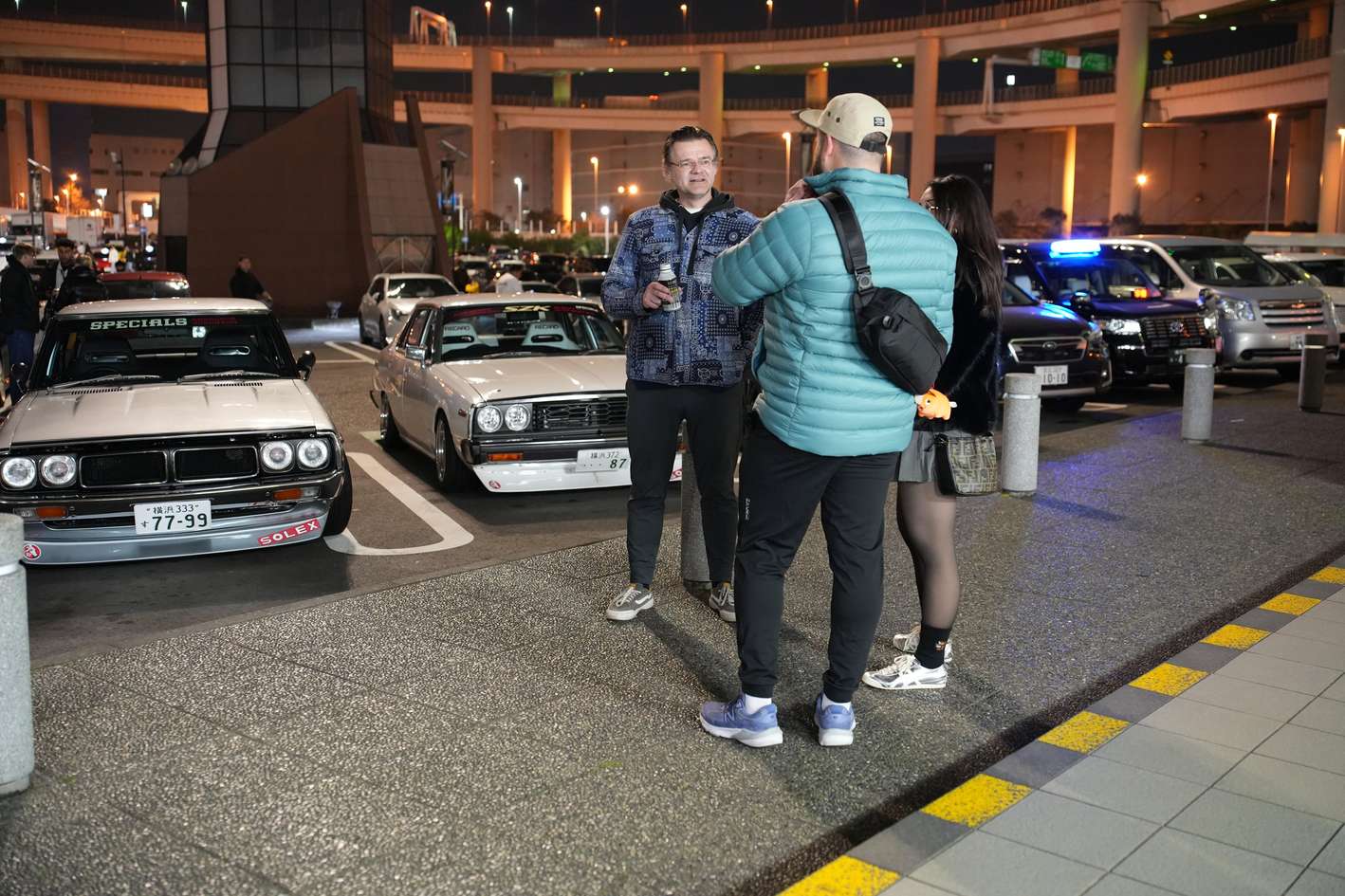
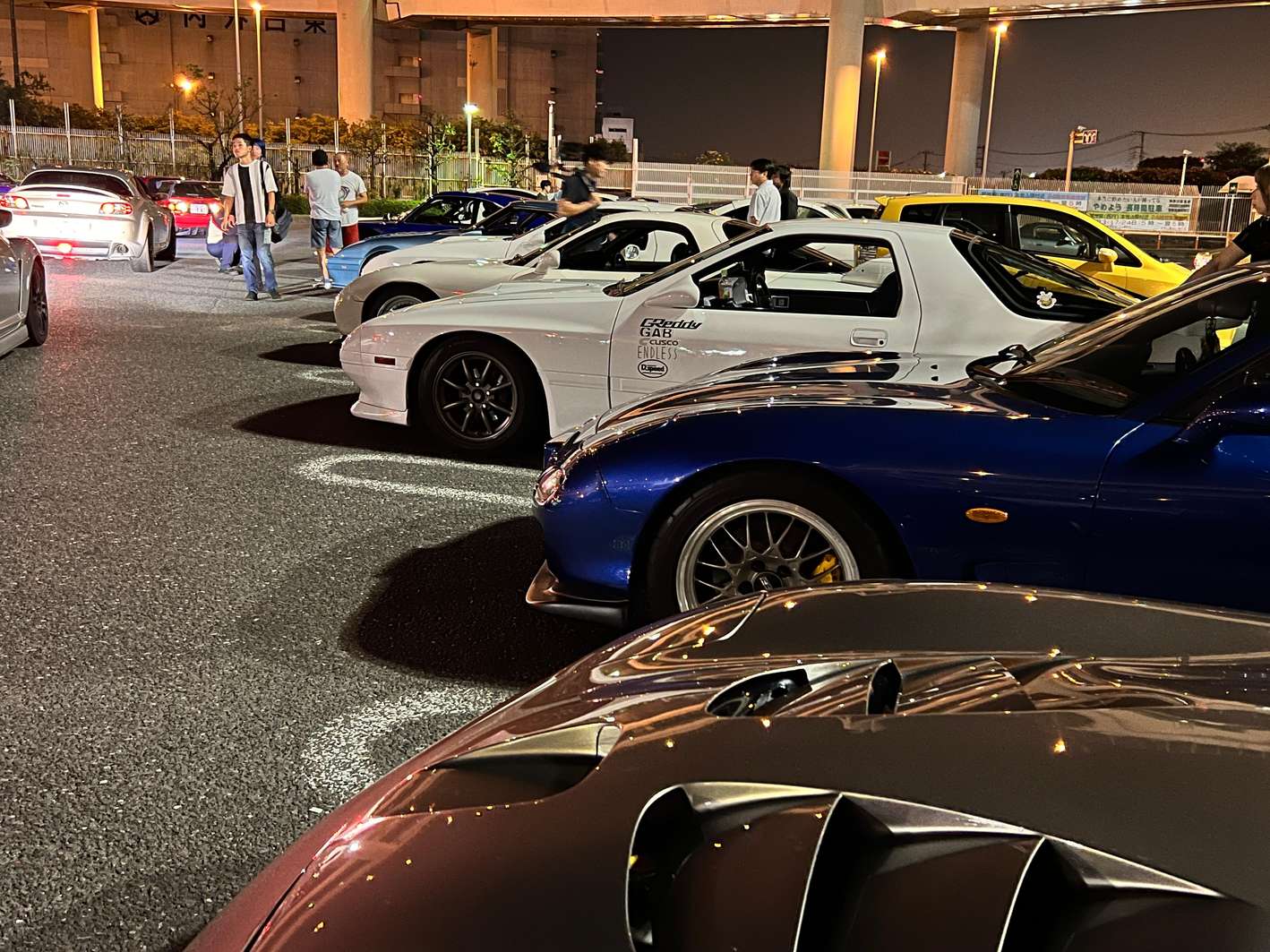
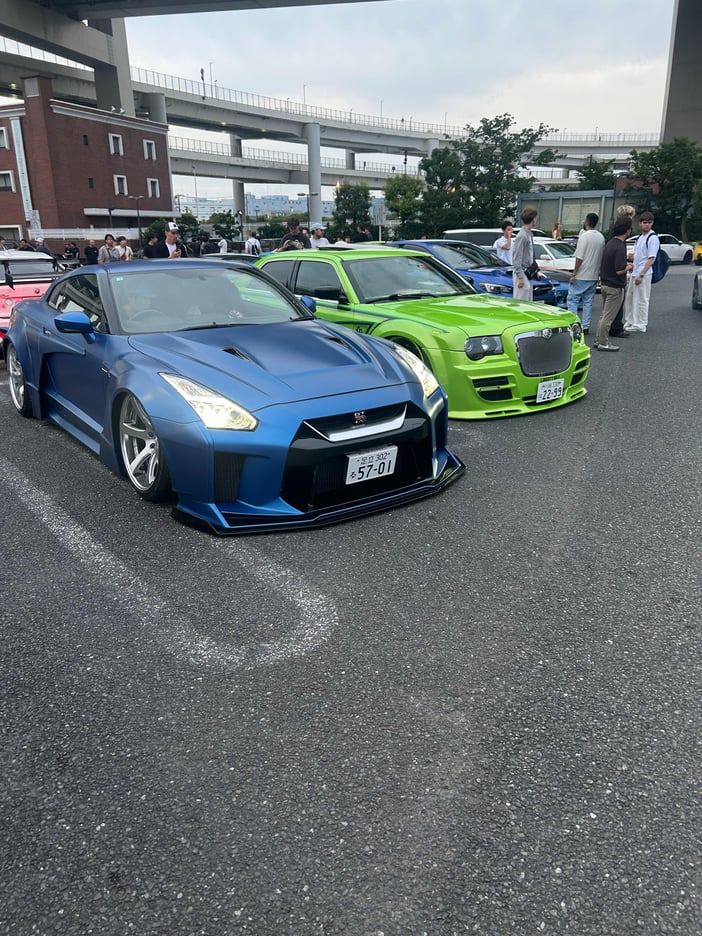
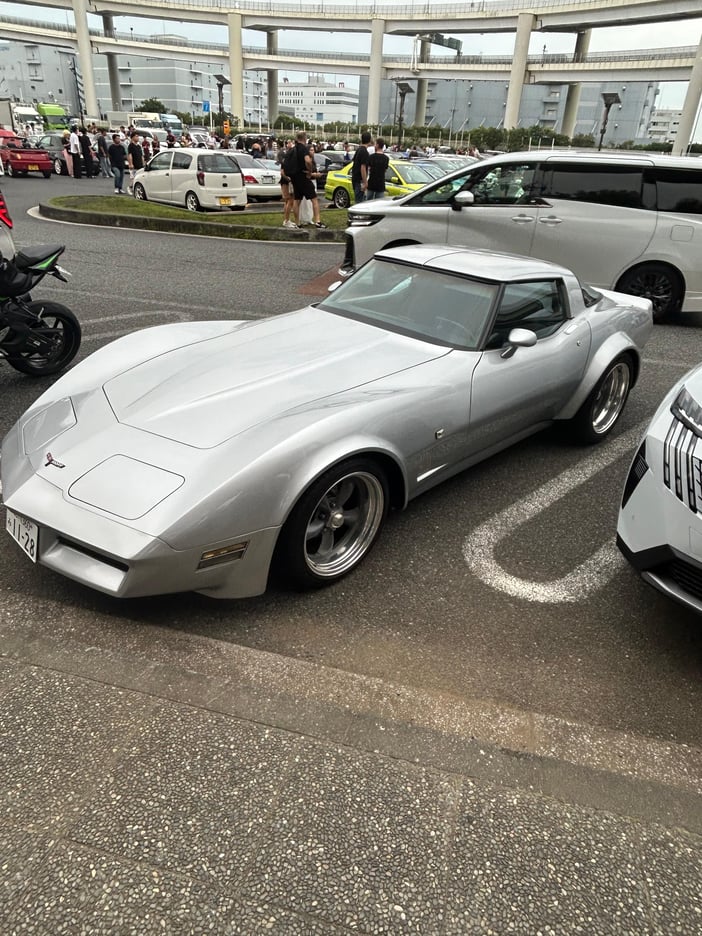
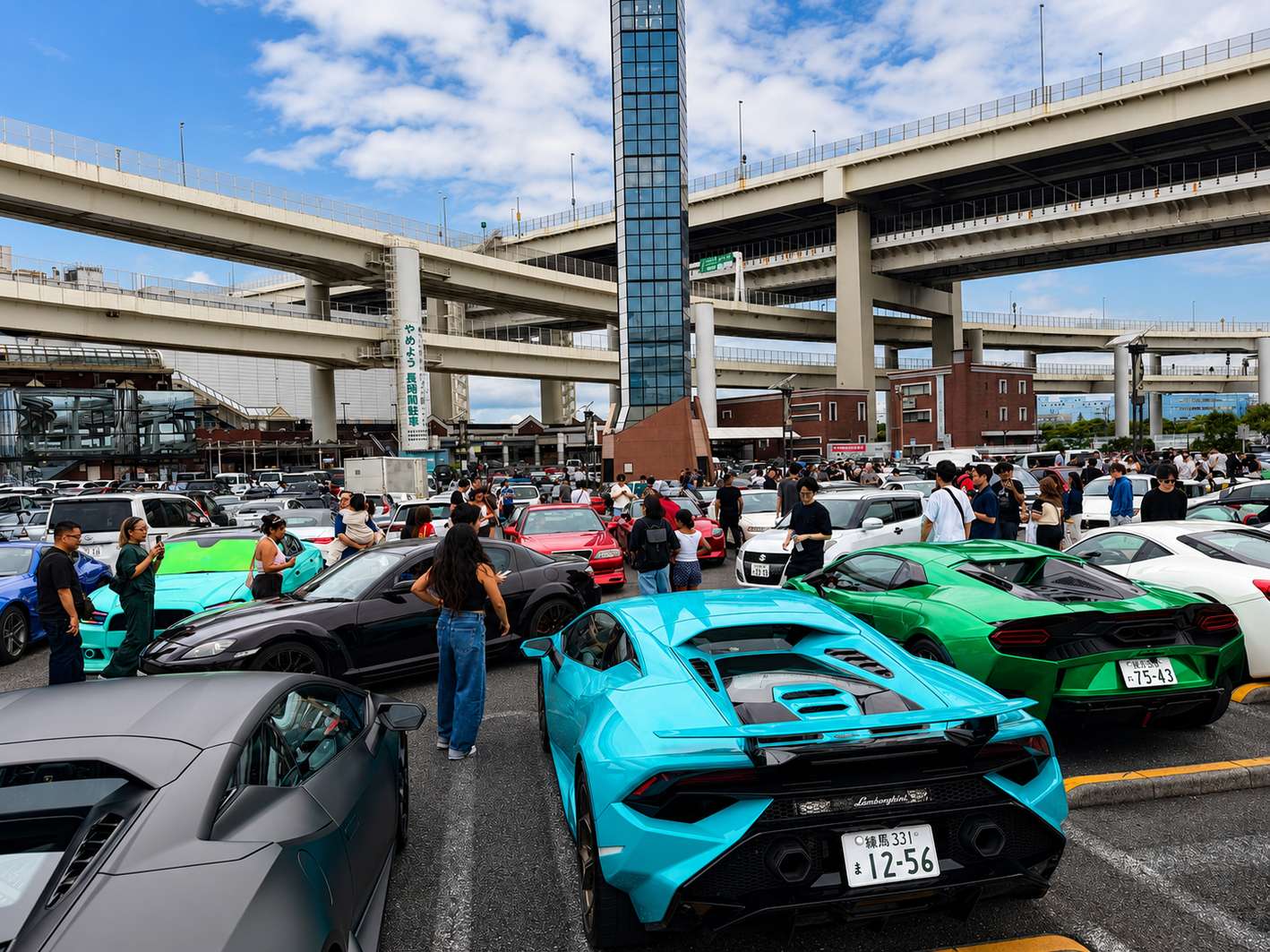
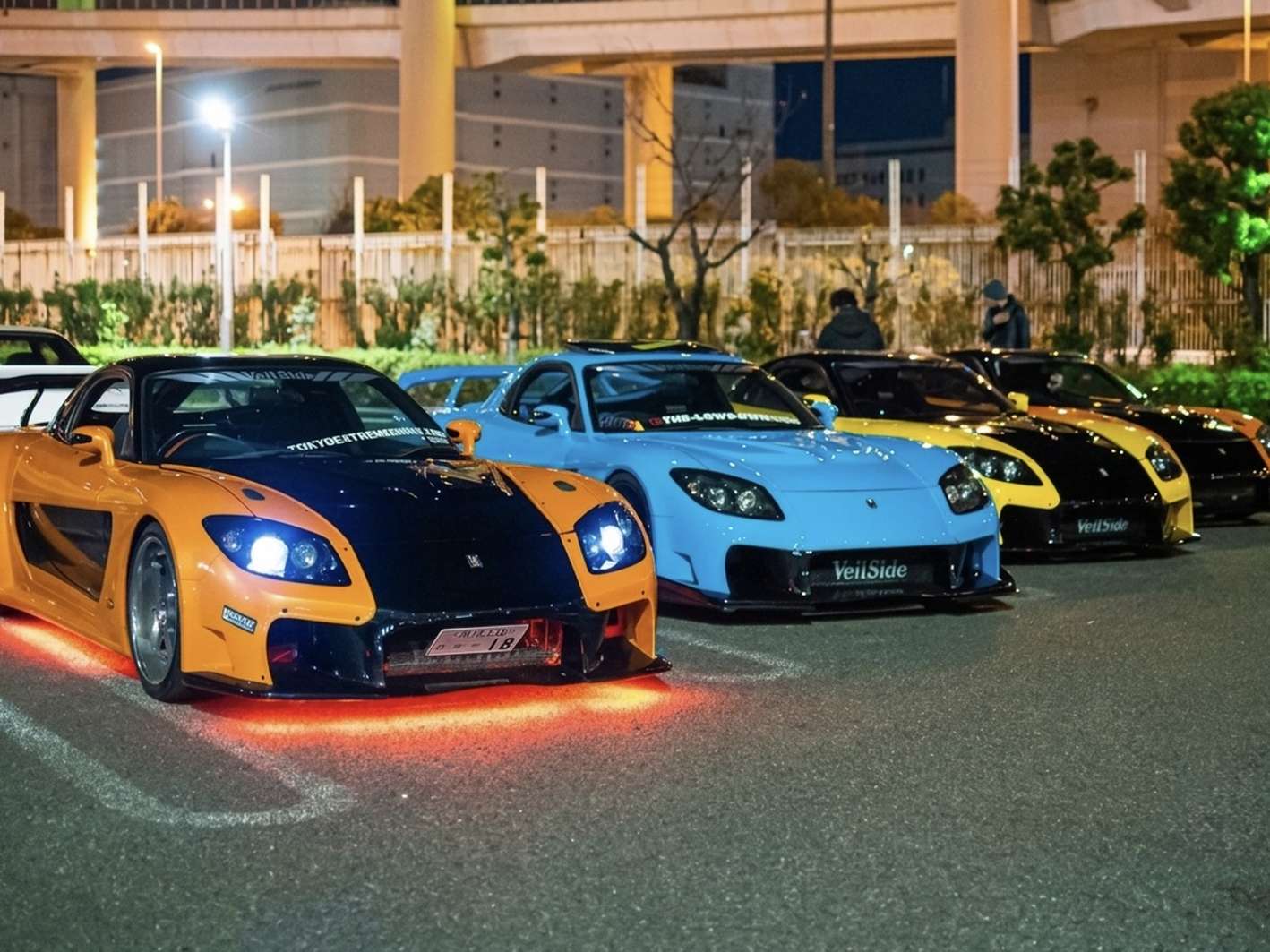
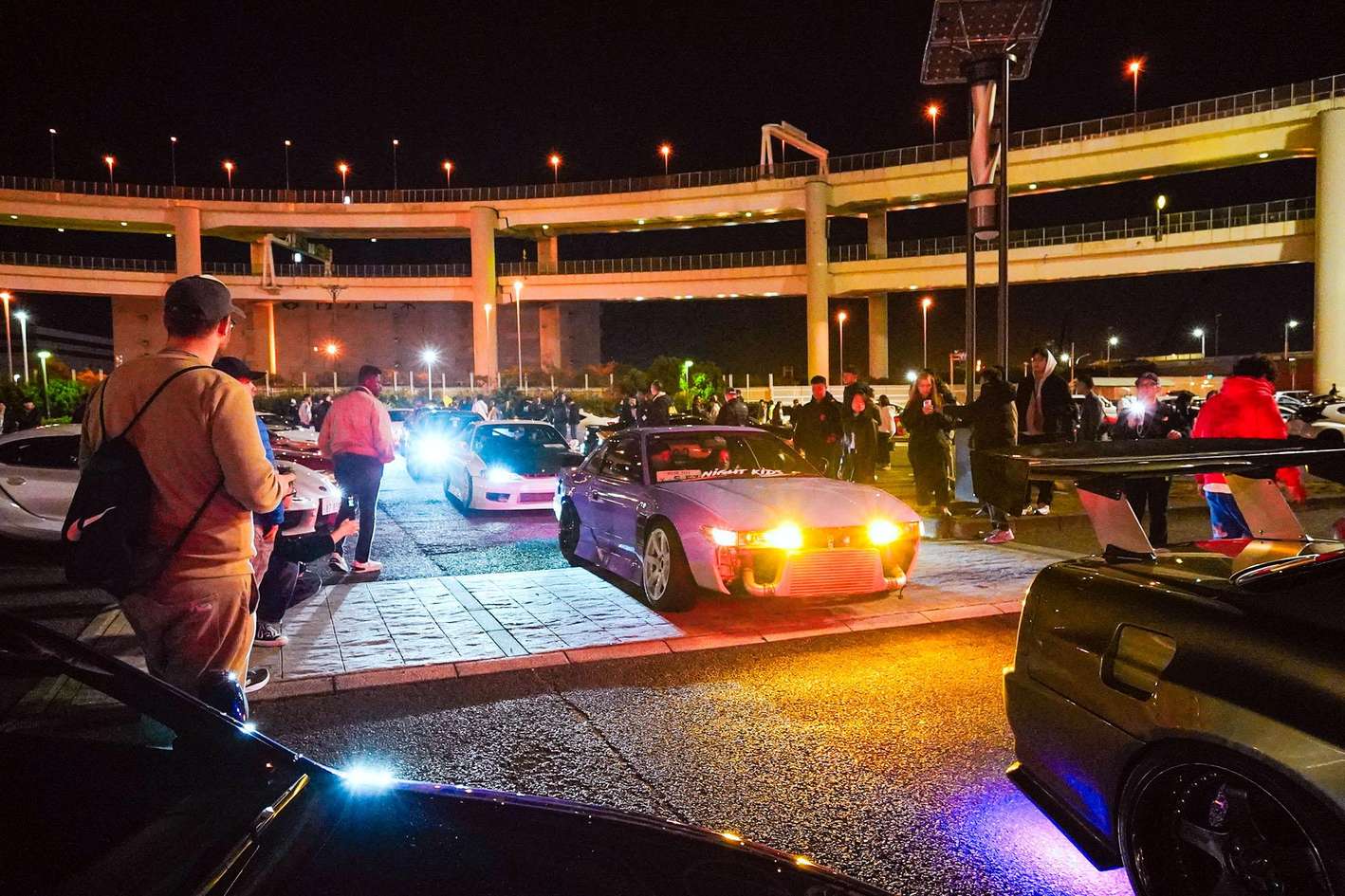
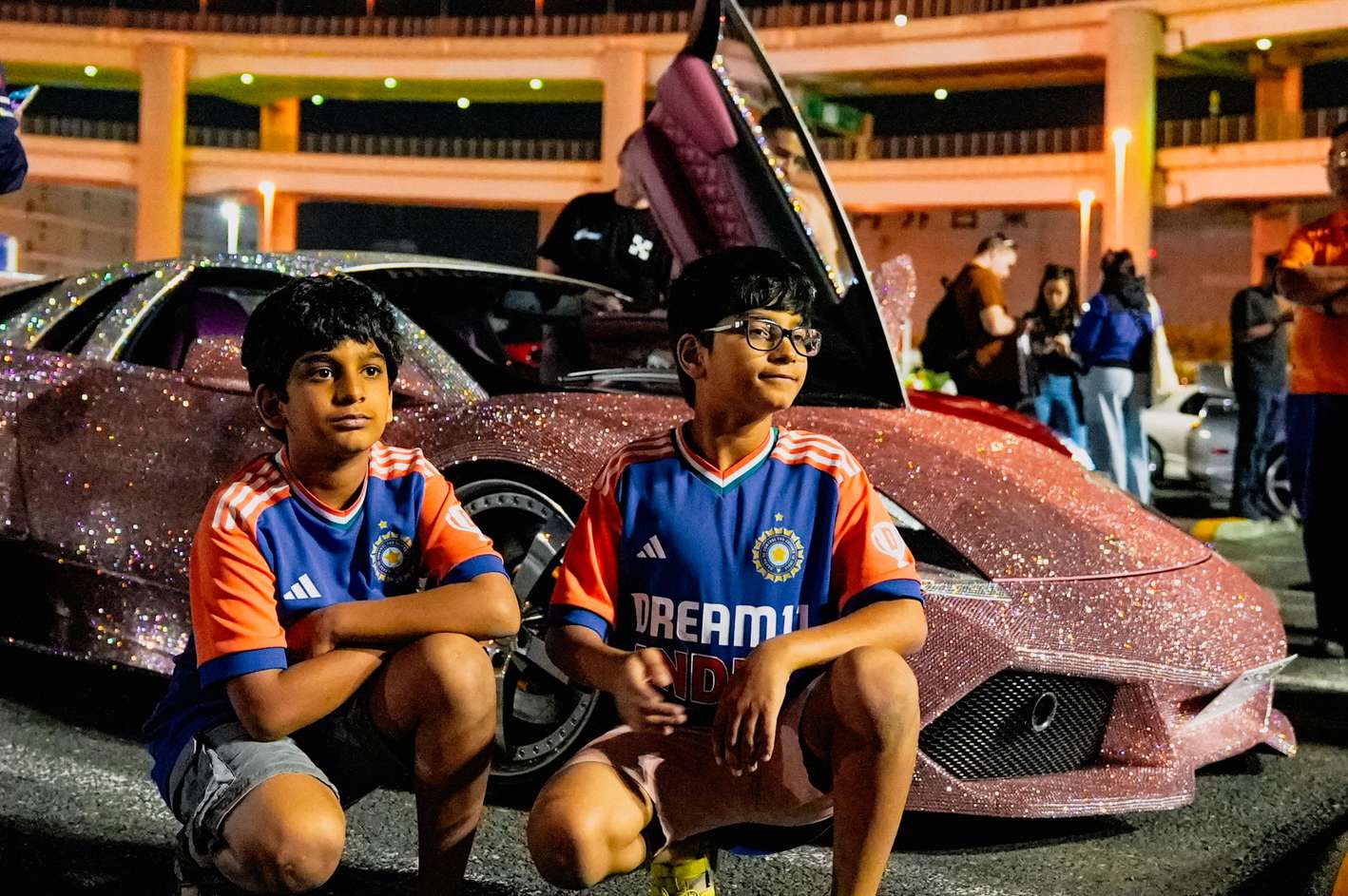
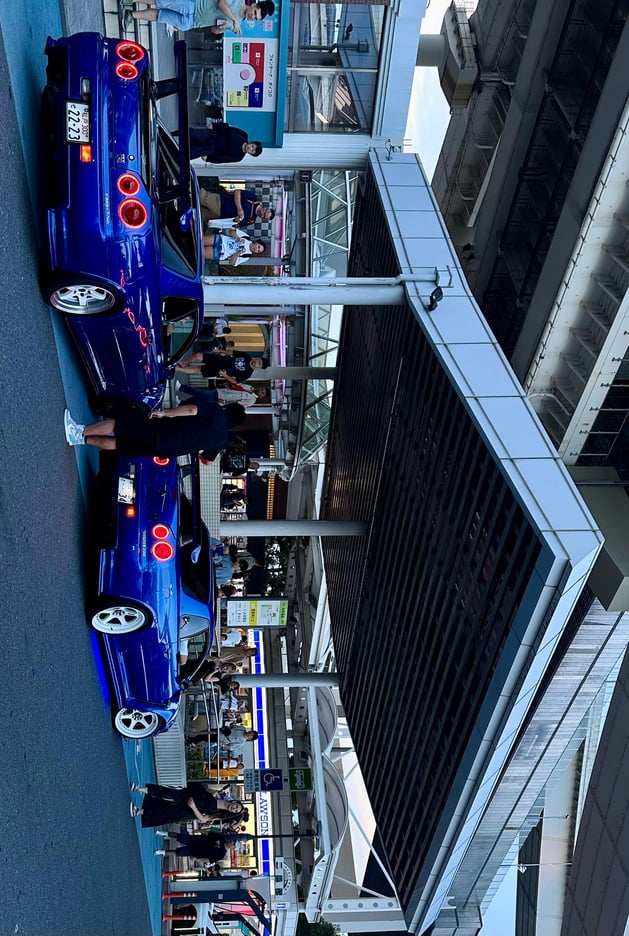
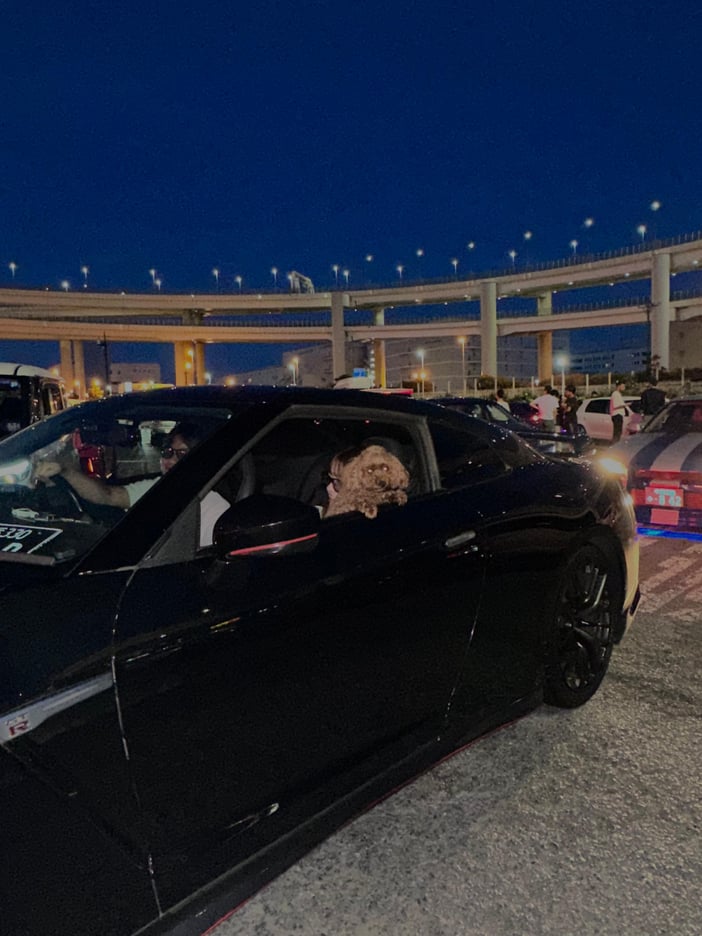
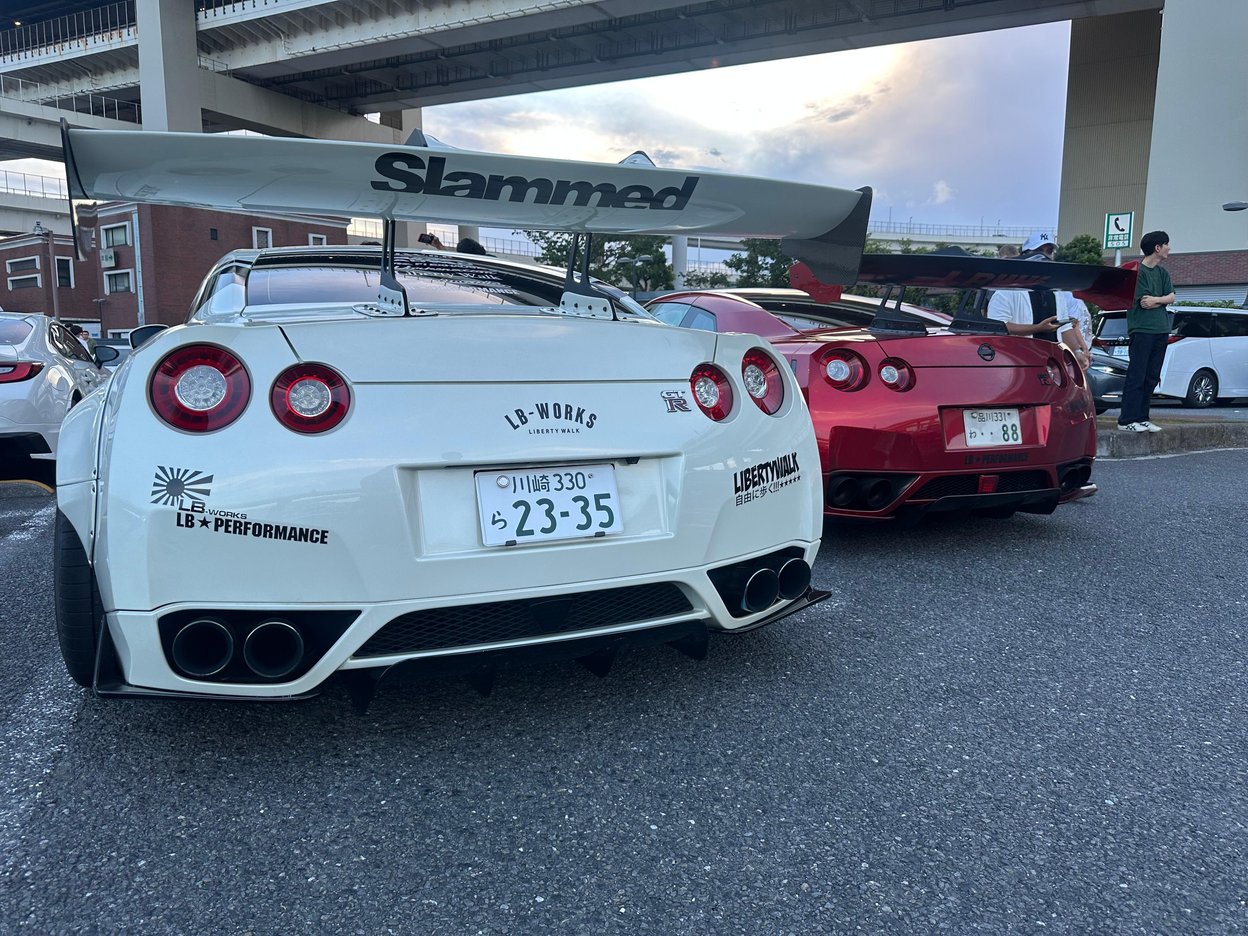
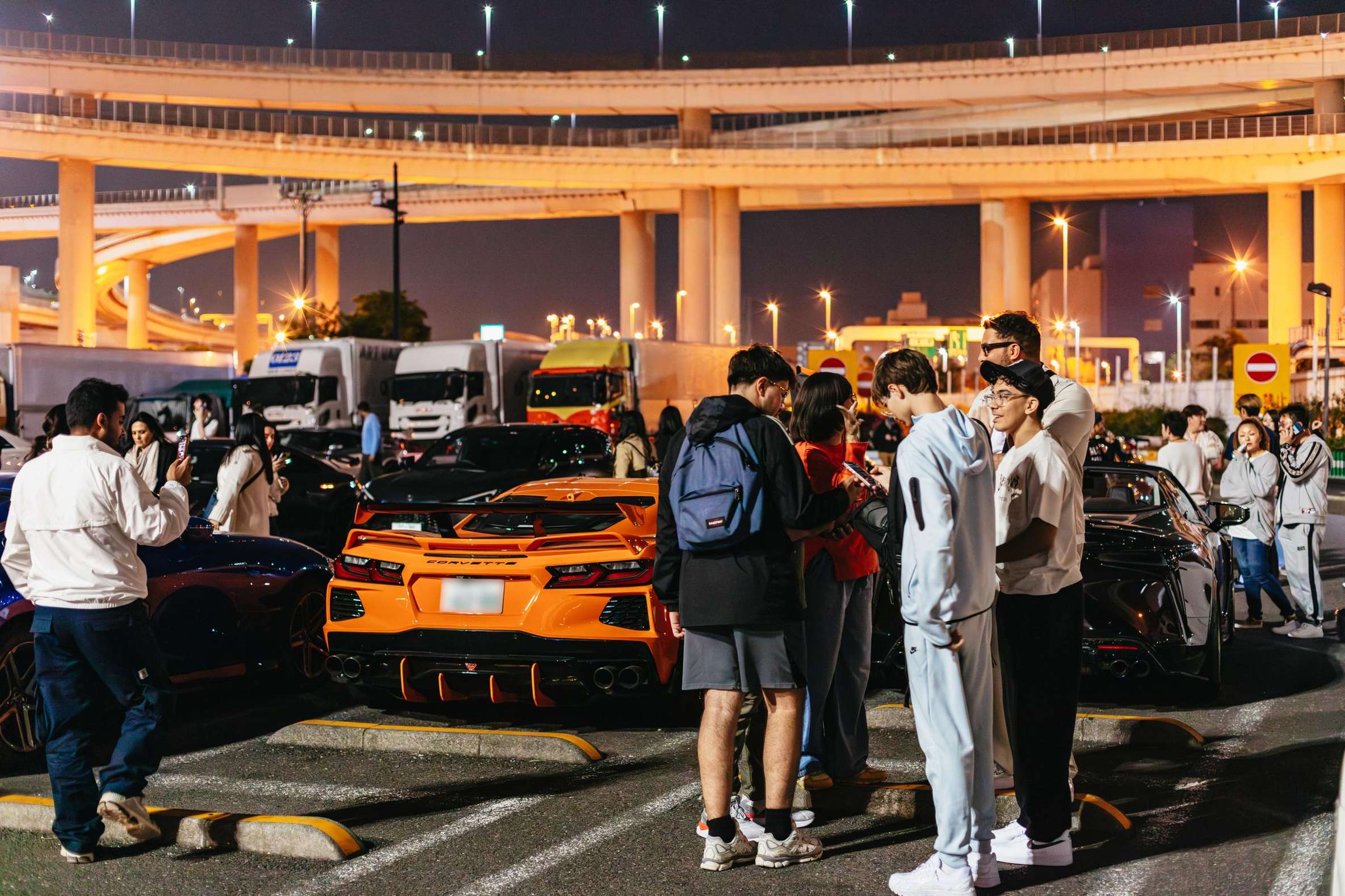
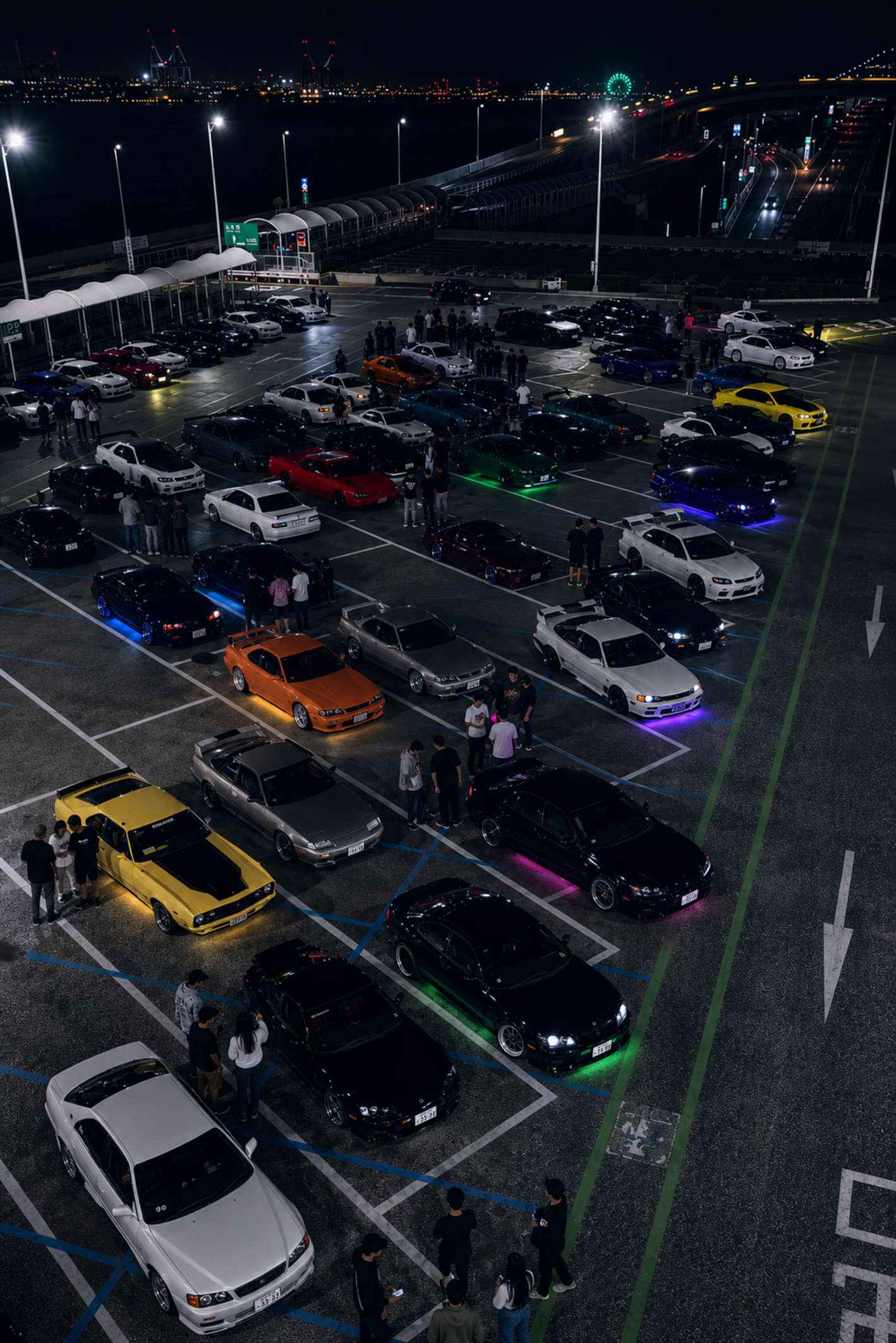
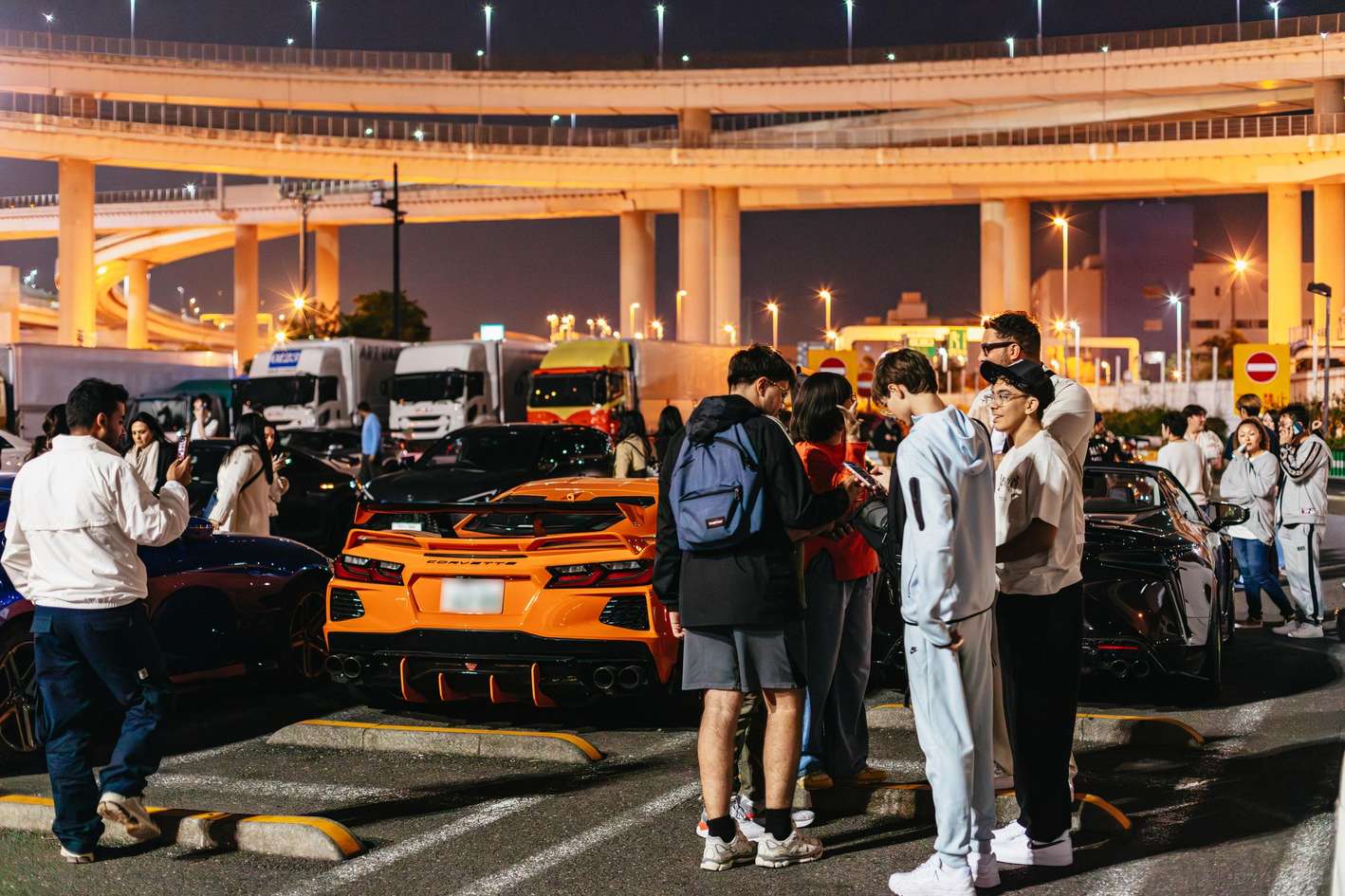
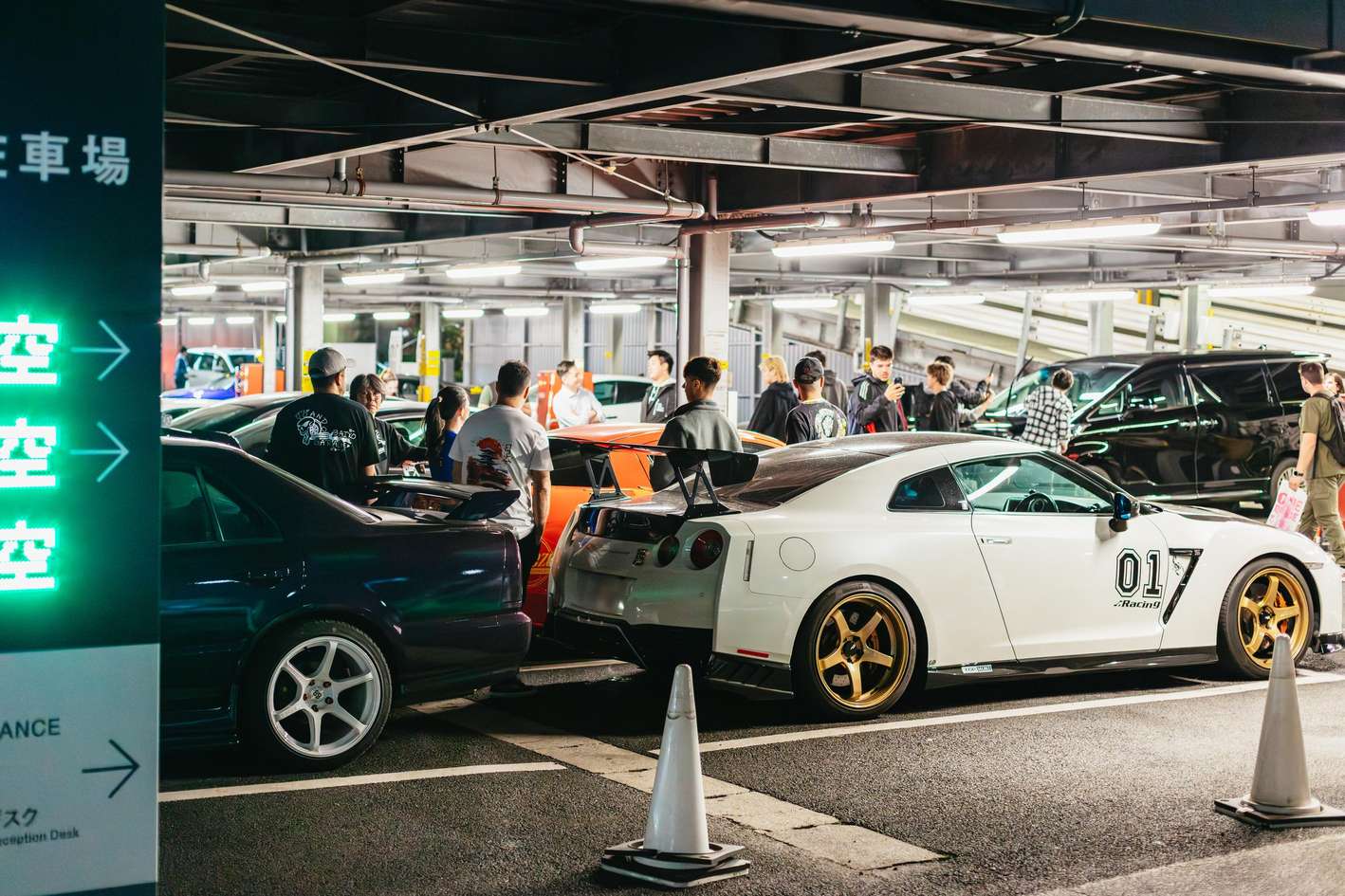
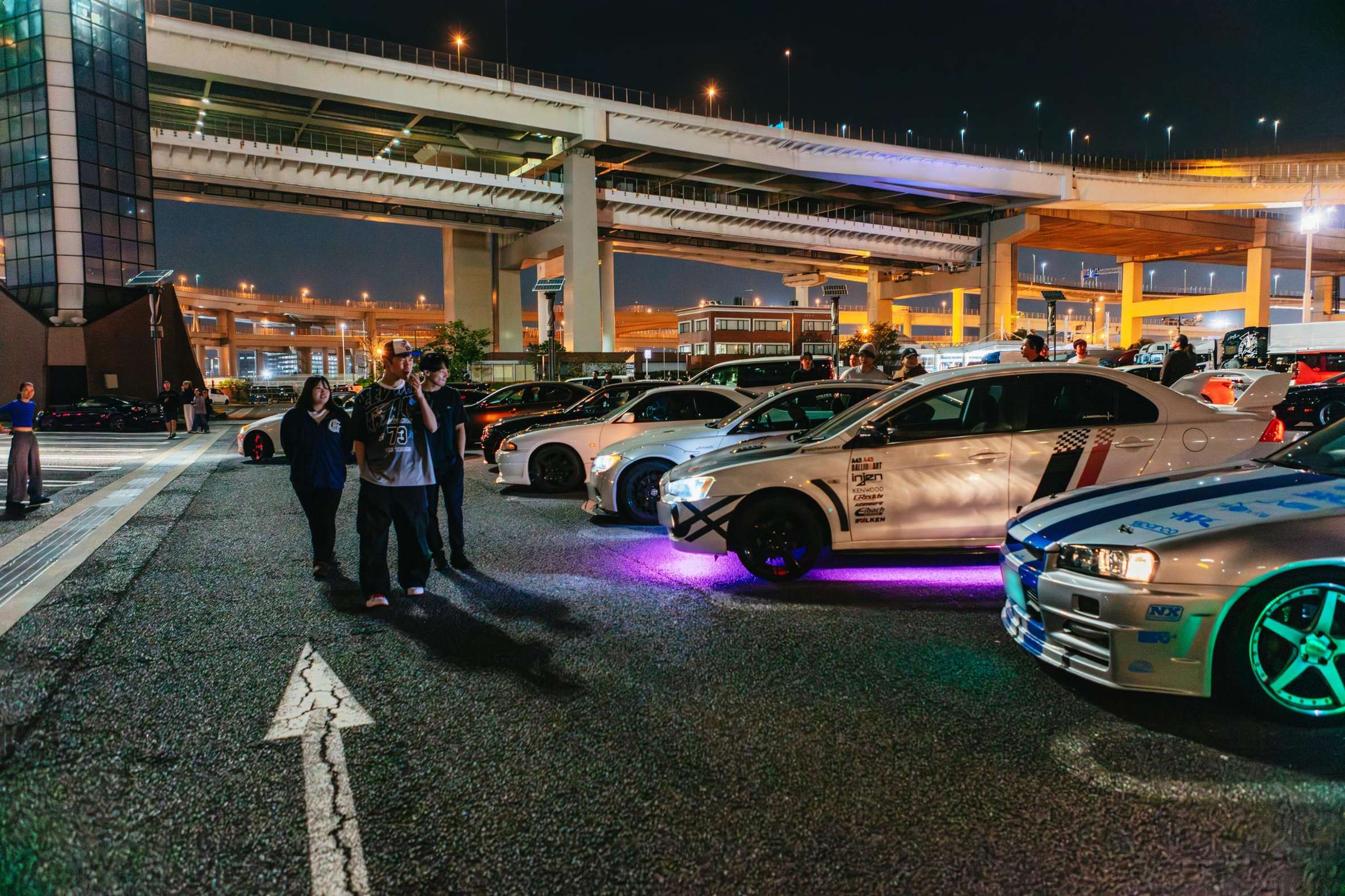
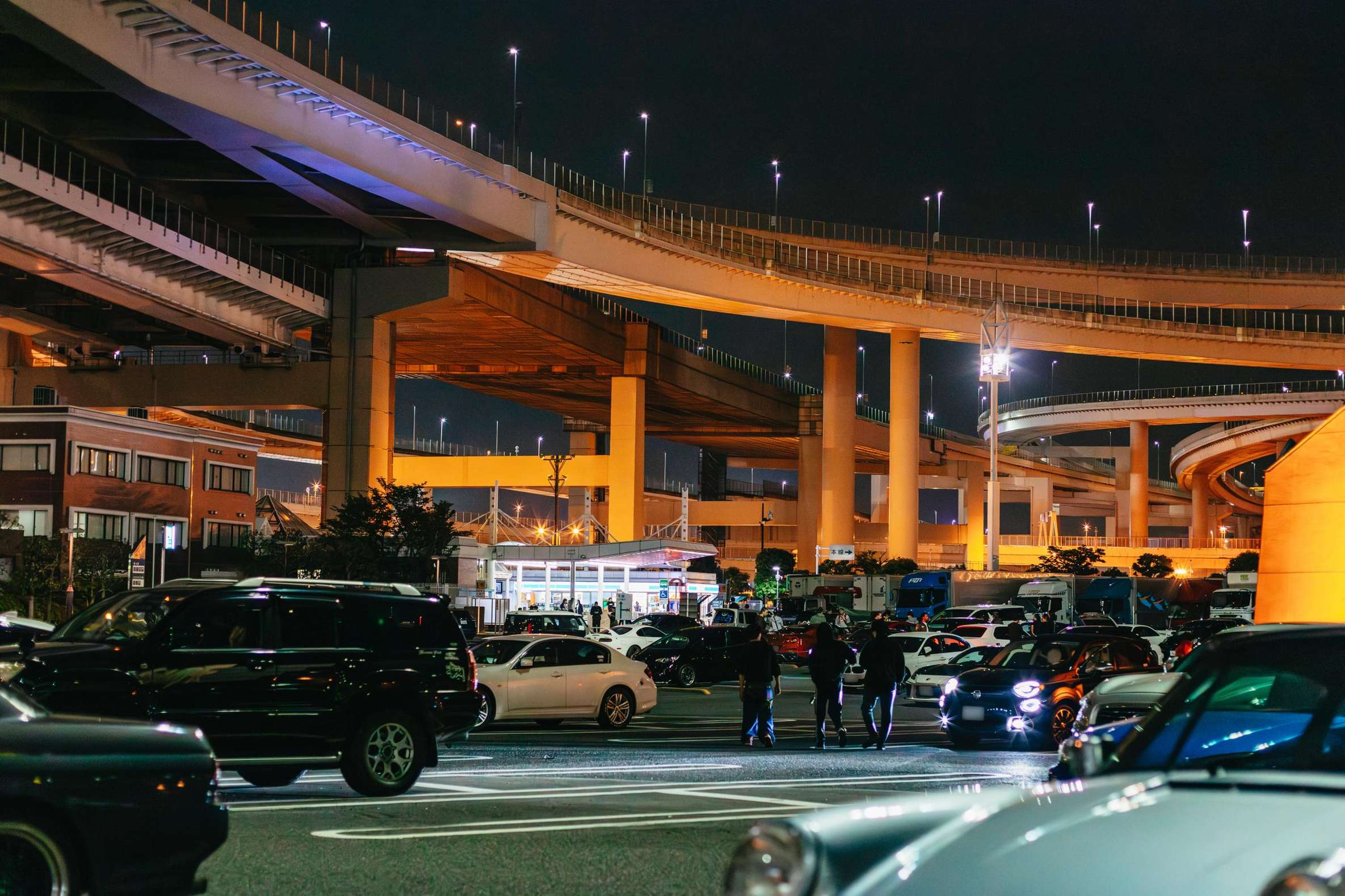
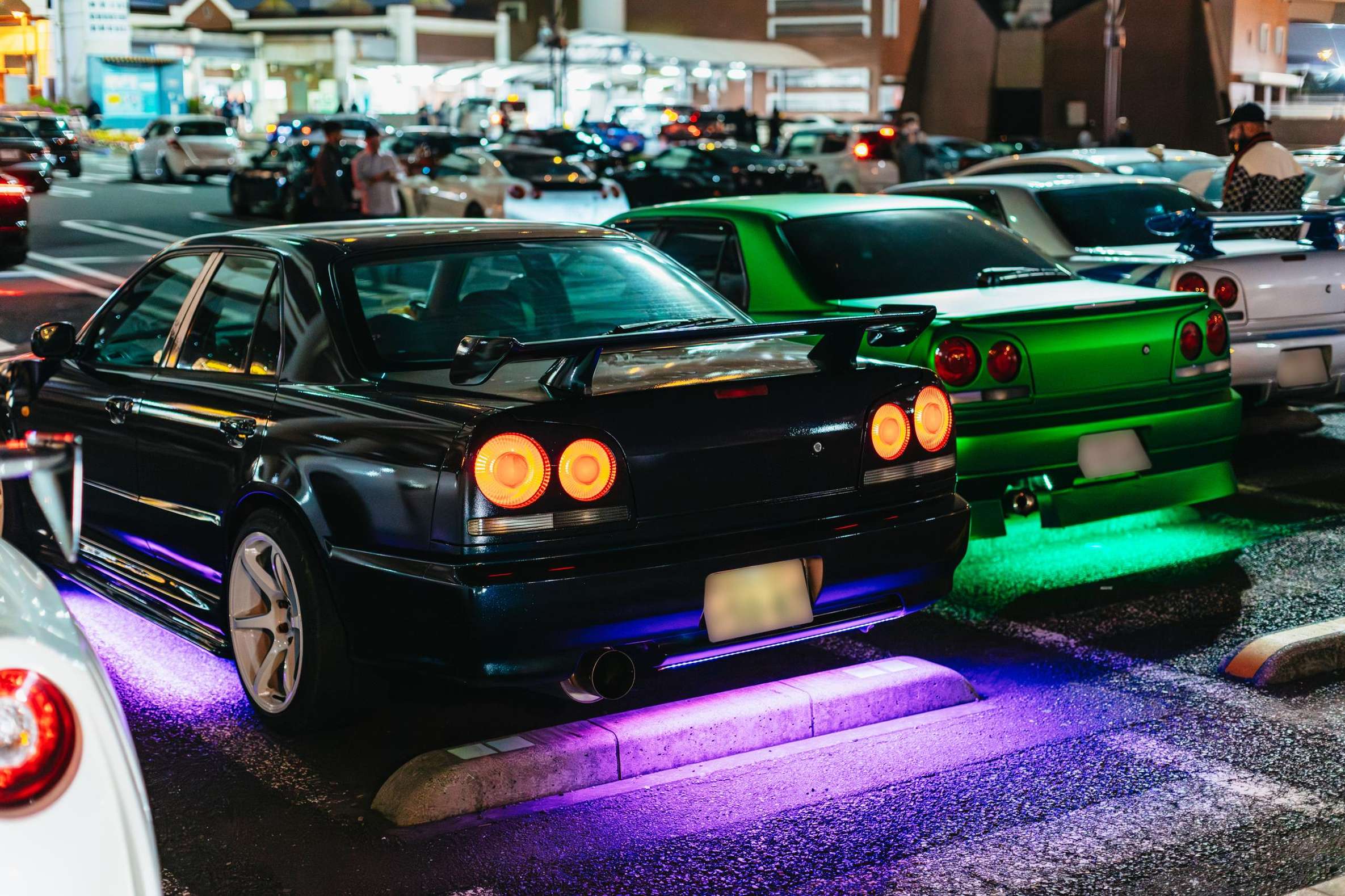
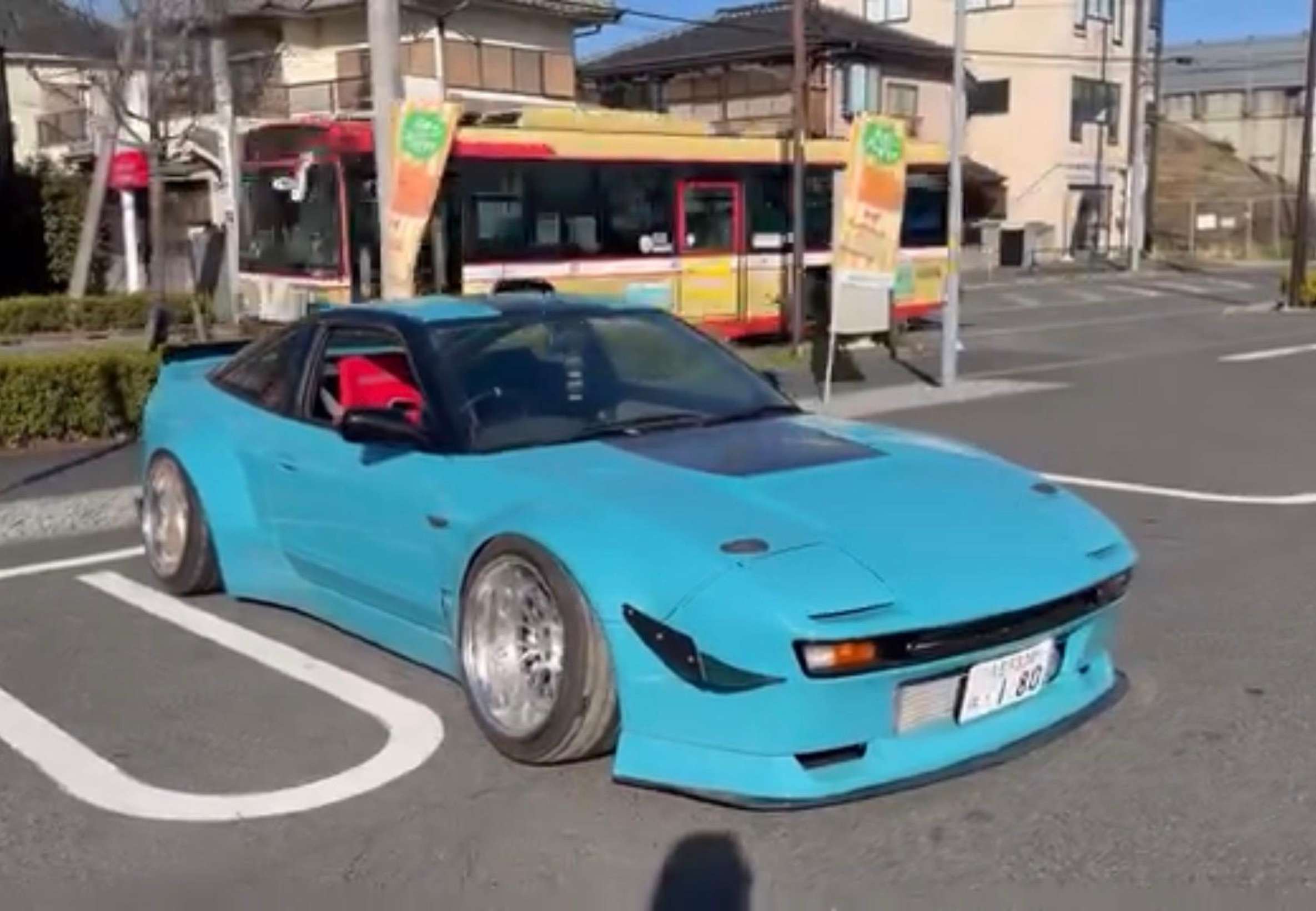
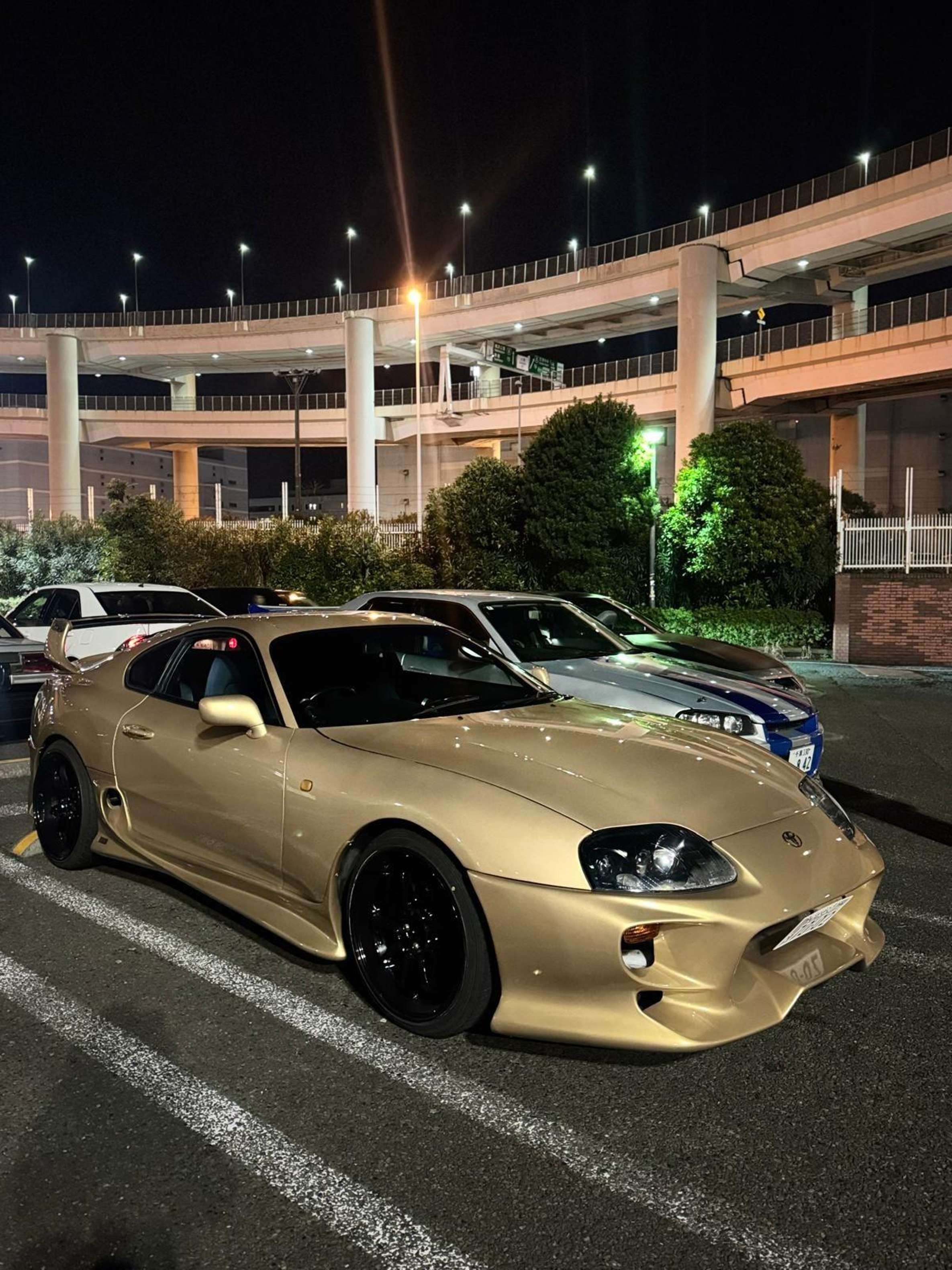
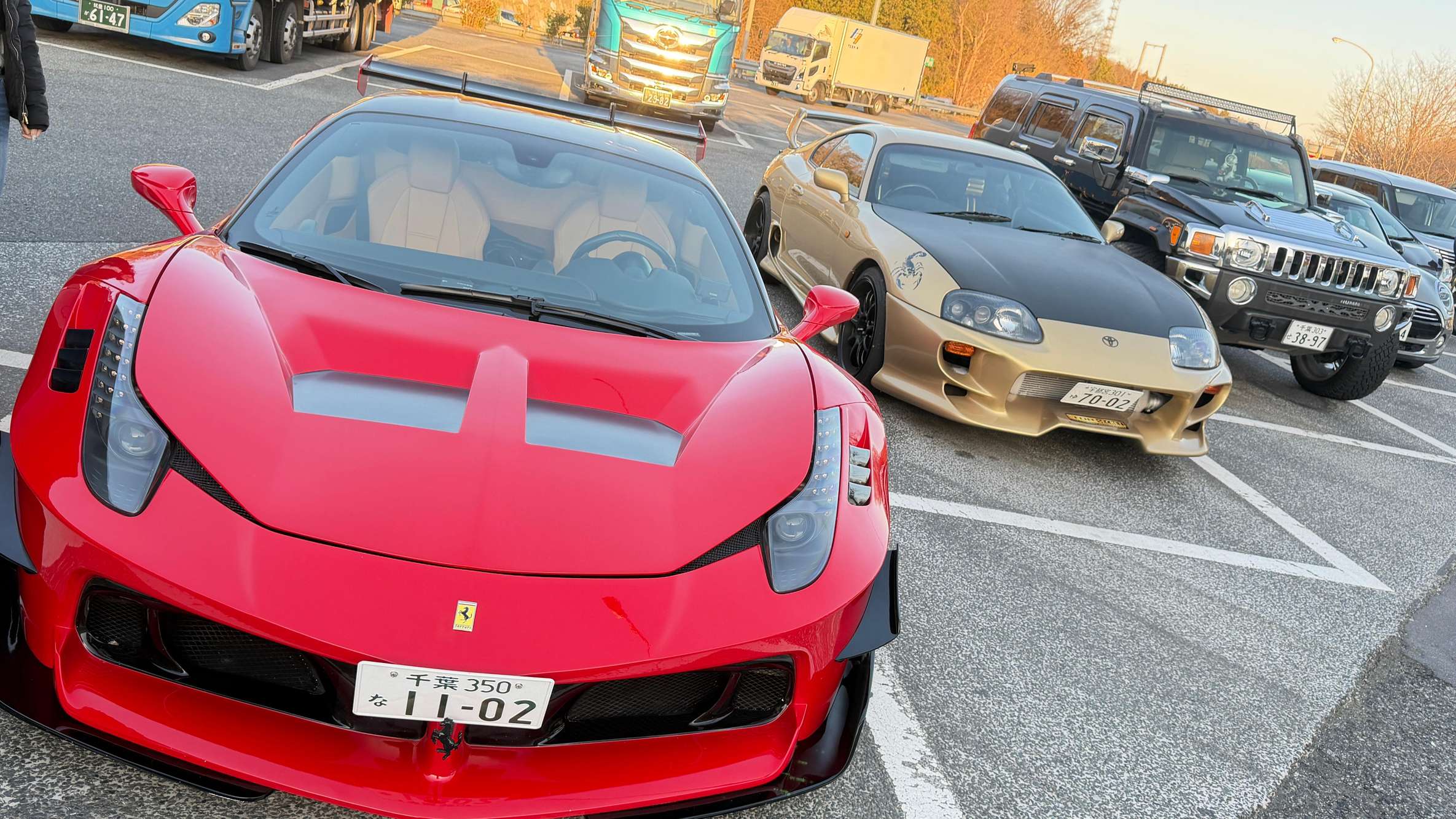
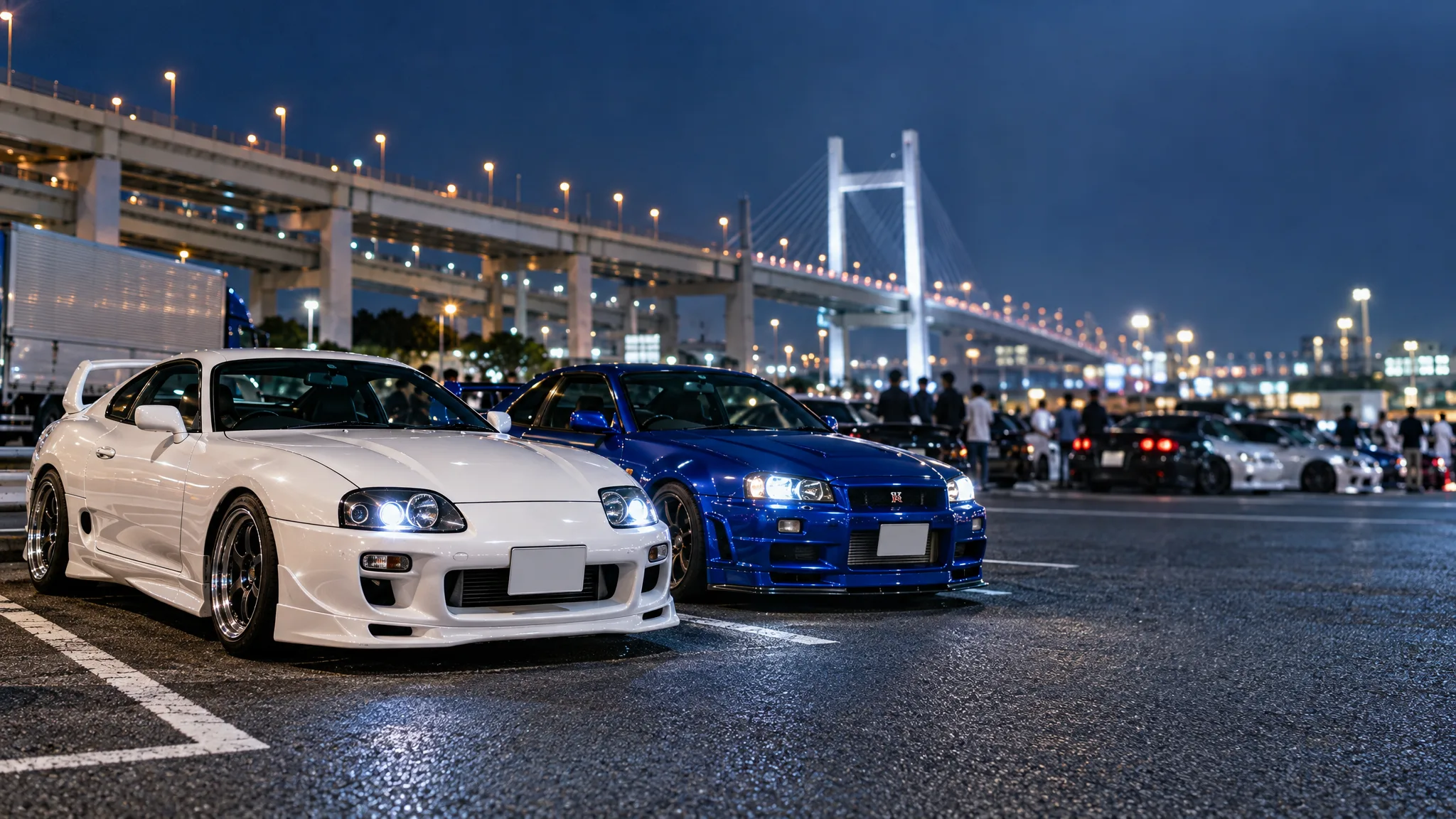
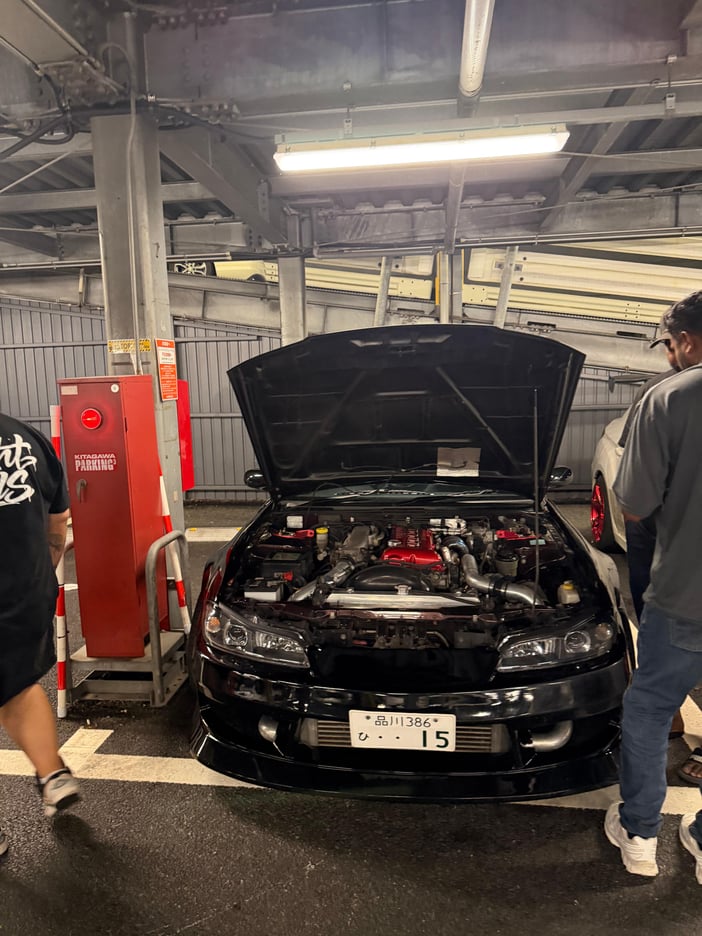
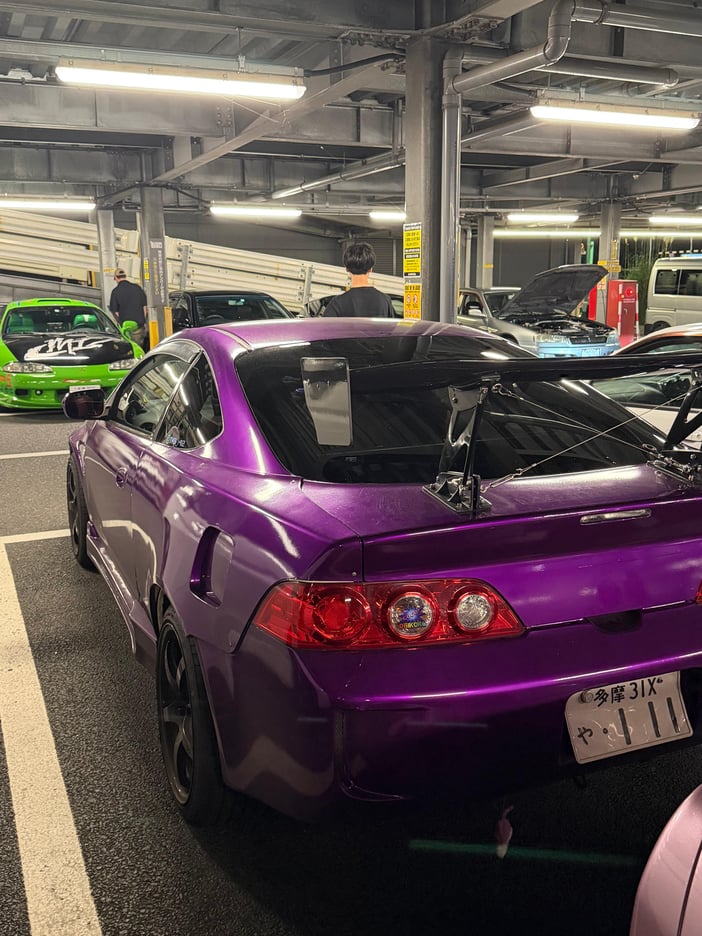
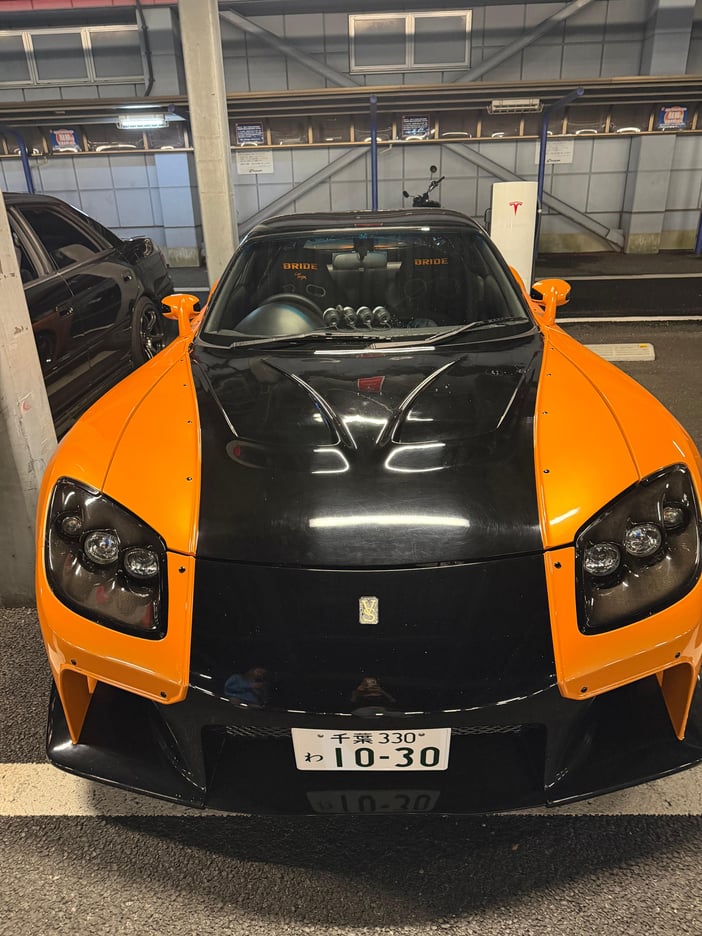
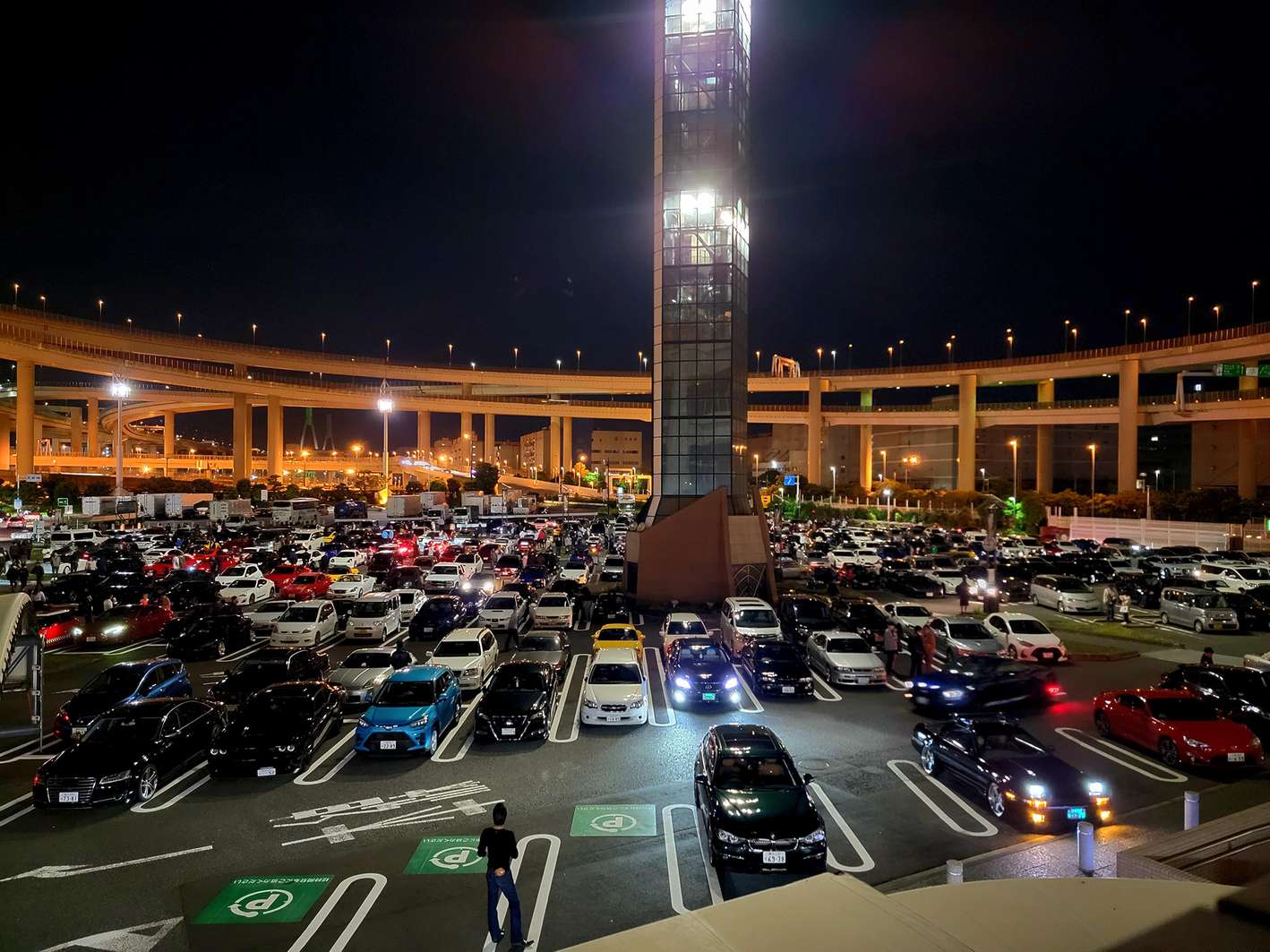
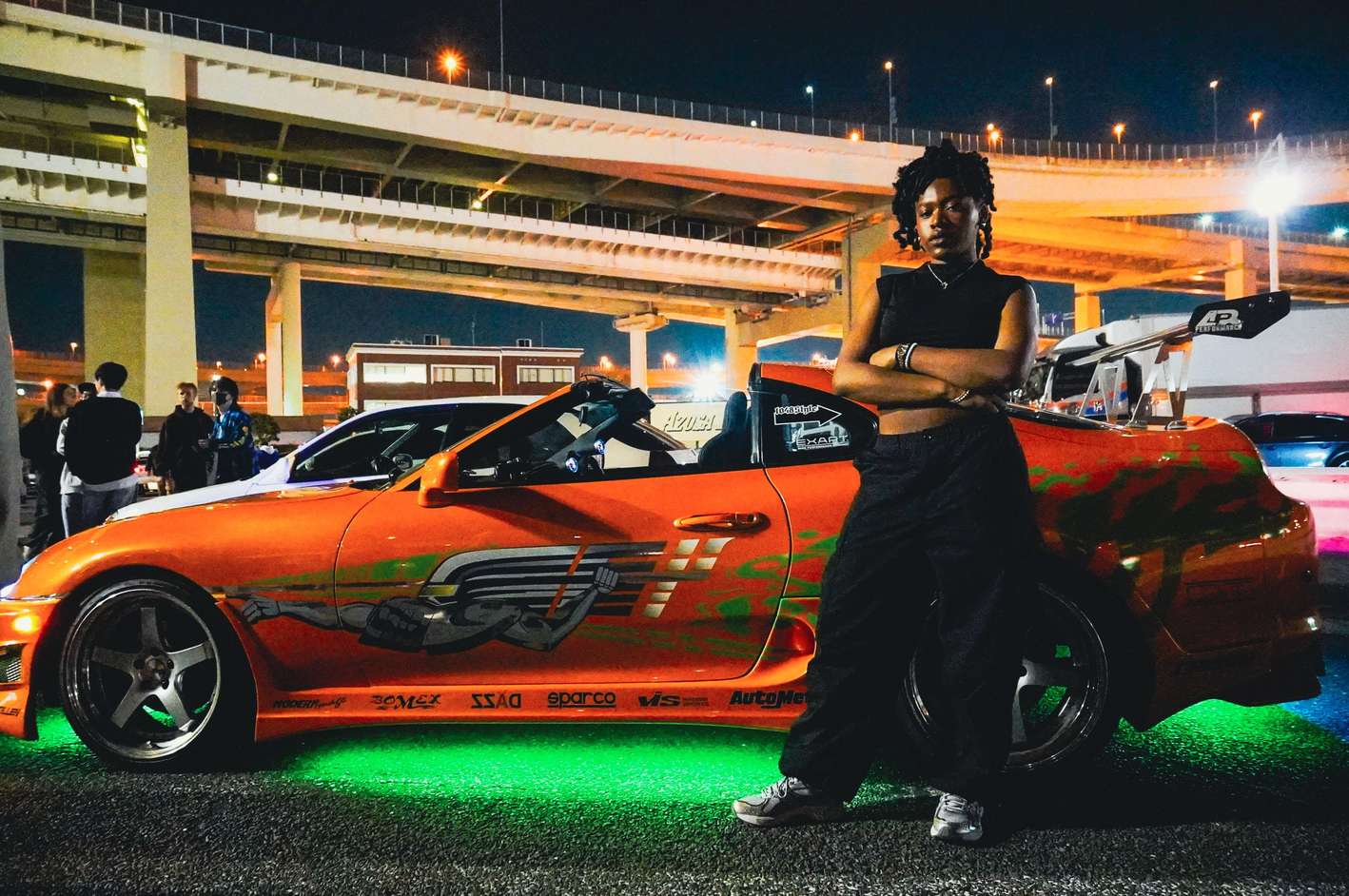
Late on a Friday, the third deck of Daikoku Parking Area fills with Skylines, Supras and Silvias idling in rows under the fluorescent lights of an expressway rest stop. Nobody stages it.
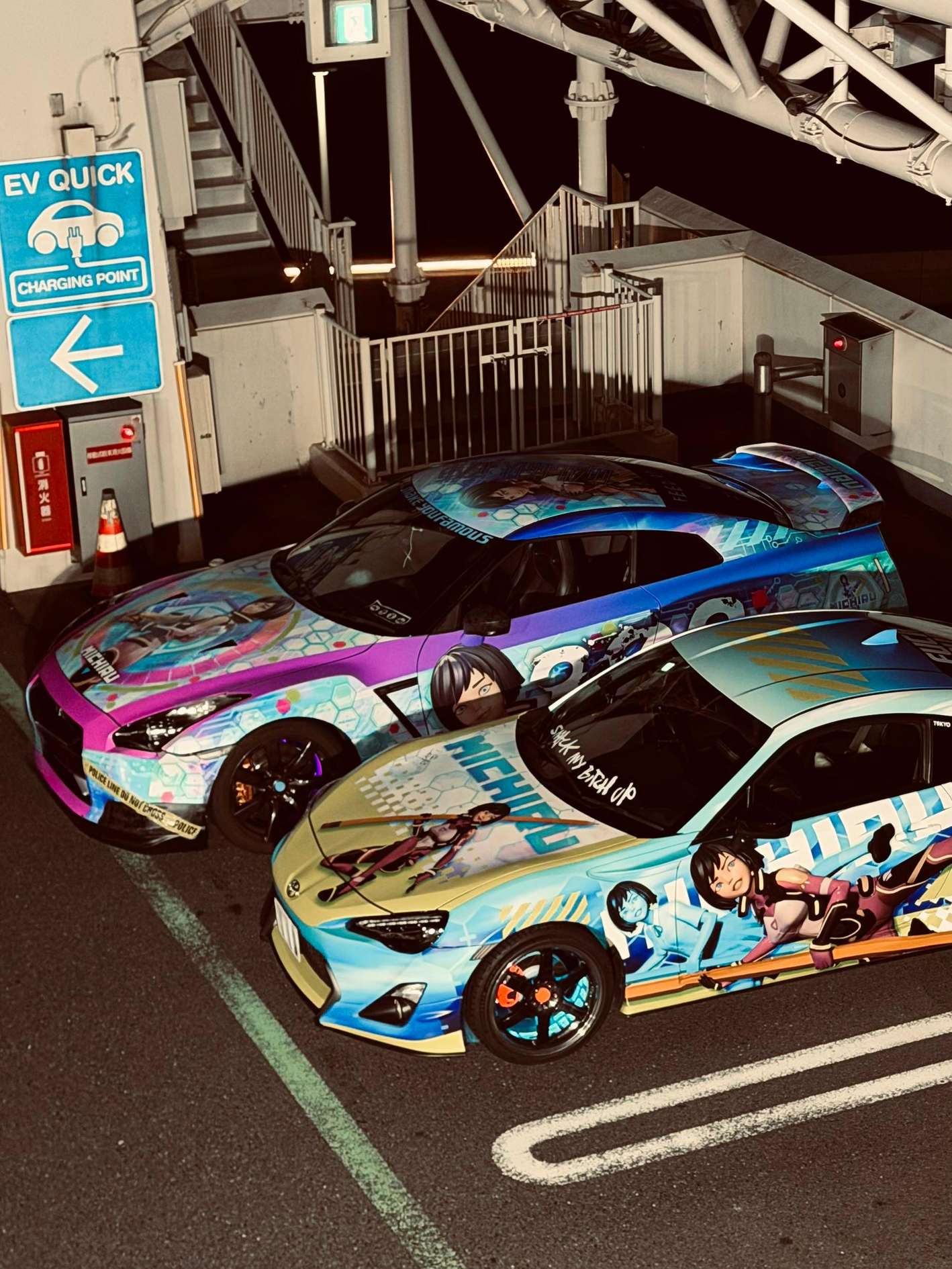
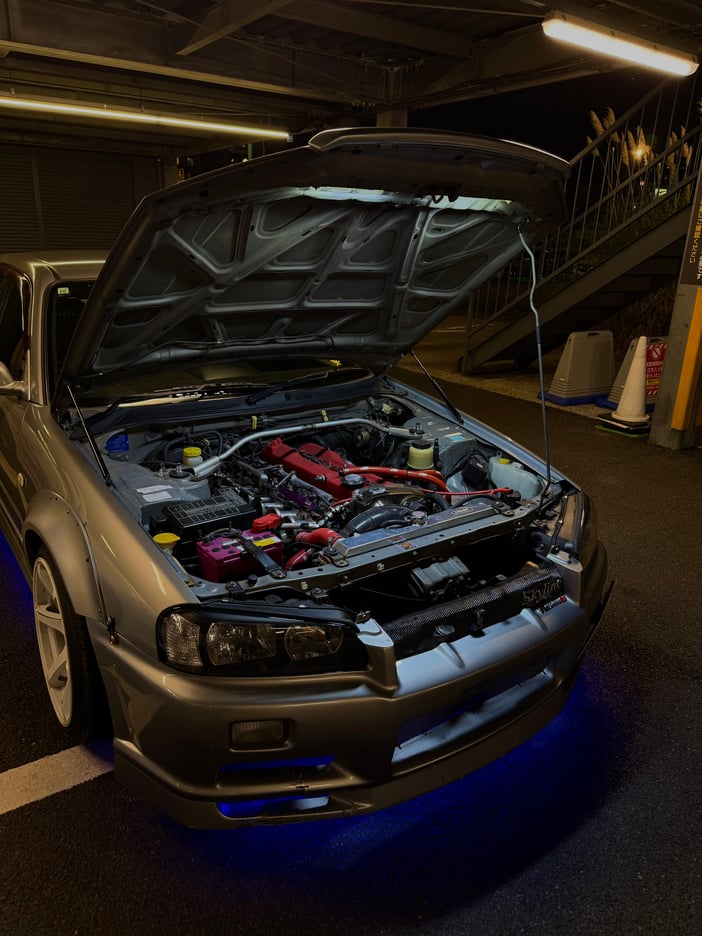
The owners drove in after work or after dinner, parked in the marked bays, and opened their hoods because that is what people do here. No drifting, no stunts, no film crew, just a spontaneous parking-lot gathering that happens to hold some of the best-built cars in Japan.
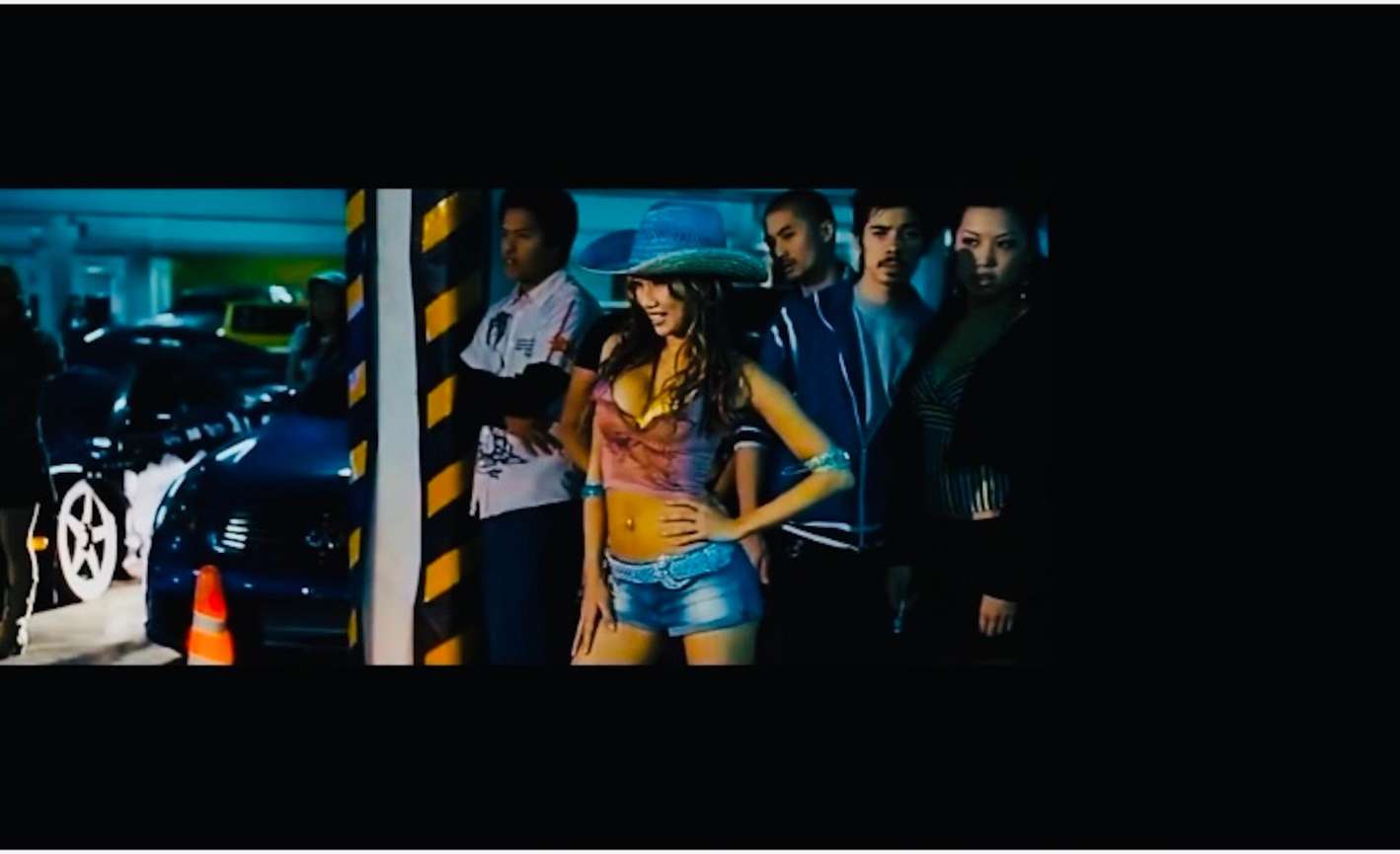
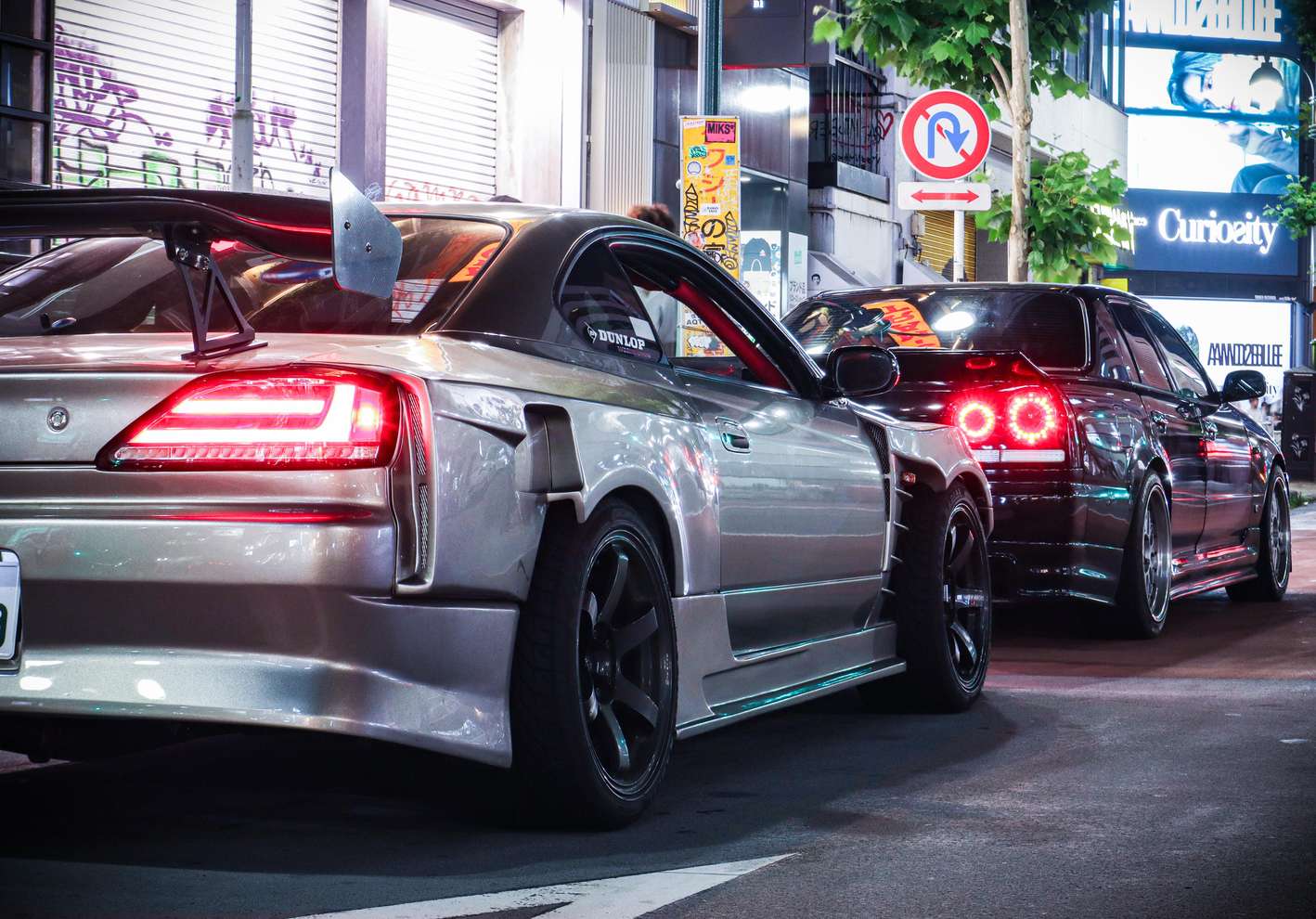
That honesty is the point. Tokyo Drift made the scene famous. The lot itself is quieter, and better for it: you walk between machines their owners tuned themselves, engines ticking as they cool.
A guided daikoku car meet tour gets you there in 30 to 45 minutes from central Tokyo, with the drive across the Rainbow Bridge and stops at Tokyo Tower folded in. ::myths What people wrongly assume Daikoku is a staged show with drifting stunts | It is a working rest stop with a spontaneous, stationary car gathering; police watch constantly and stunts never happen inside.
You can walk in from a nearby road | The lot sits inside a fenced expressway junction; walking in is illegal trespassing, punished by fines and arrest.
Any taxi can drop you off and pick you up | Taxis can drive you out there, but drivers will not wait or return for a pickup, so a one-way taxi risks stranding you.
So the first question settles itself: what you get is real, and it rewards an evening.
Rain can thin Daikoku’s meet, but not clear it out
April is one of the busiest months, with 12.4 rainy days, 17.6 dry days and a 19°C average high.
HighestMar to May, Nov
In betweenJan, Jun to Jul
LowestFeb, Aug to Oct, Dec
Darker: a higher how busy it gets score, out of 5
Tap a month to read it.
May is busier than usual, with 14.4 rainy days, 16.6 dry days and a 22.2°C average high.
HighestMar to Jul, Sep155 to 205 mm
In betweenAug, Oct143 to 147 mm
LowestNov to Feb38 to 81 mm
Darker months: higher, from 38 to 205 mm
Tap a month to read it.
May is busier than usual, with 14.4 rainy days, 16.6 dry days and a 22.2°C average high.
HighestMar to Oct12 to 14.4 days
LowestNov to Feb5 to 6.8 days
Darker months: higher, from 5 to 14.4 days
Tap a month to read it.
January is near-ordinary for tours, with 5 rainy days, 26 dry days and a 9.6°C average high.
HighestNov to Feb22.6 to 26 days
LowestMar to Oct15.8 to 19 days
Darker months: higher, from 15.8 to 26 days
Tap a month to read it.
August is among the quieter months, with 13.2 rainy days, 17.8 dry days and a 31.7°C average high.
HighestJun to Sep26.1 to 31.7 °C
In betweenApr to May, Oct to Nov17.4 to 22.2 °C
LowestDec to Mar9.6 to 15 °C
Darker months: higher, from 9.6 to 31.7 °C
Tap a month to read it.
Tour for this
Tokyo: Fast & Furious Daikoku JDM Night Tour - EVO,WRX&More4.9★ (543) · 4 hours · Hotel pickup · Free cancellation
Picking your Daikoku night - sports car, private tour or van
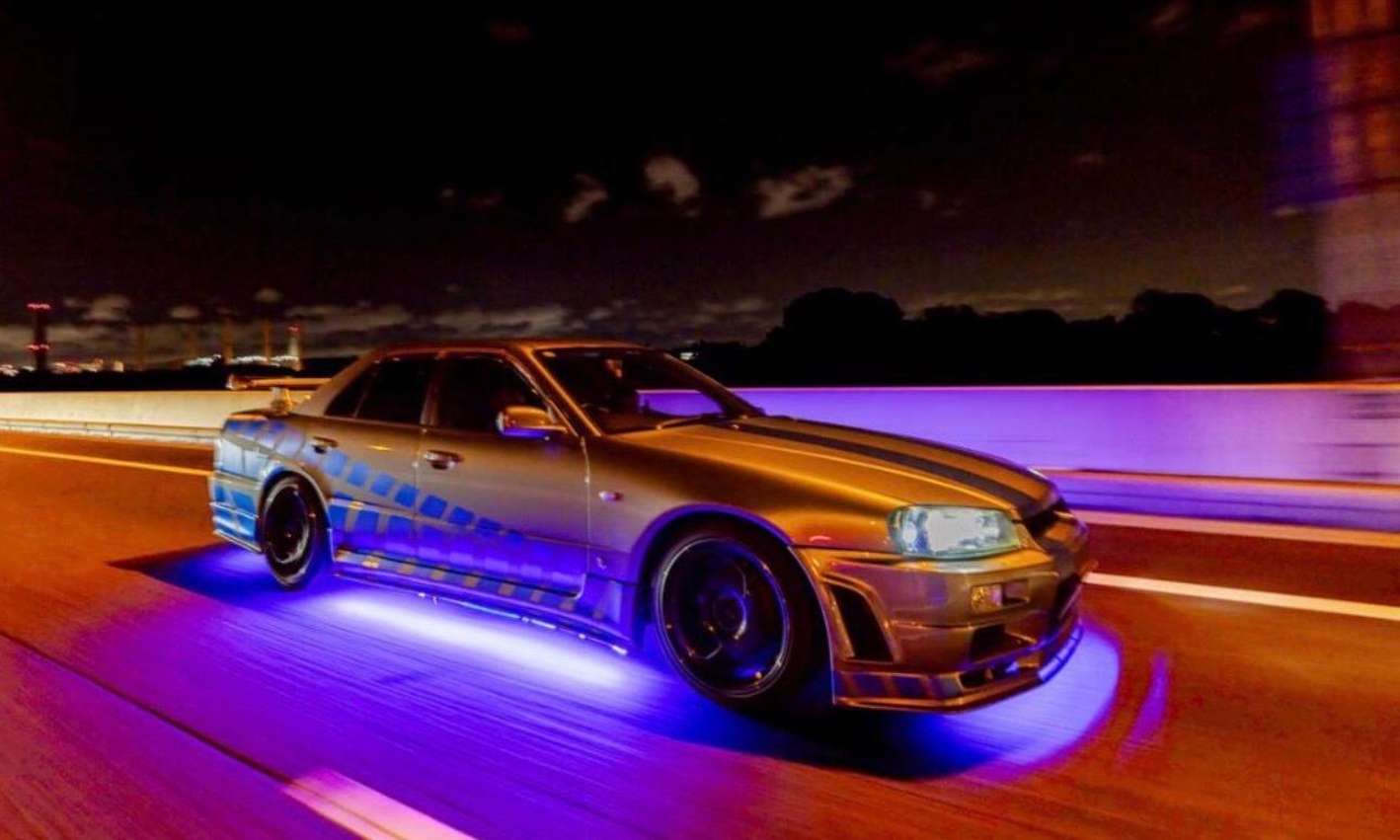
The first real choice of the night sits in the vehicle itself. On a passenger ride, a driver takes your group inside one JDM car, so the expressway cruise happens from a bucket seat in a machine like an R34 Skyline or a Supra.
On a van tour, you ride to the meet in a comfortable people carrier and do the admiring on foot at Daikoku. Same destination, different evening.
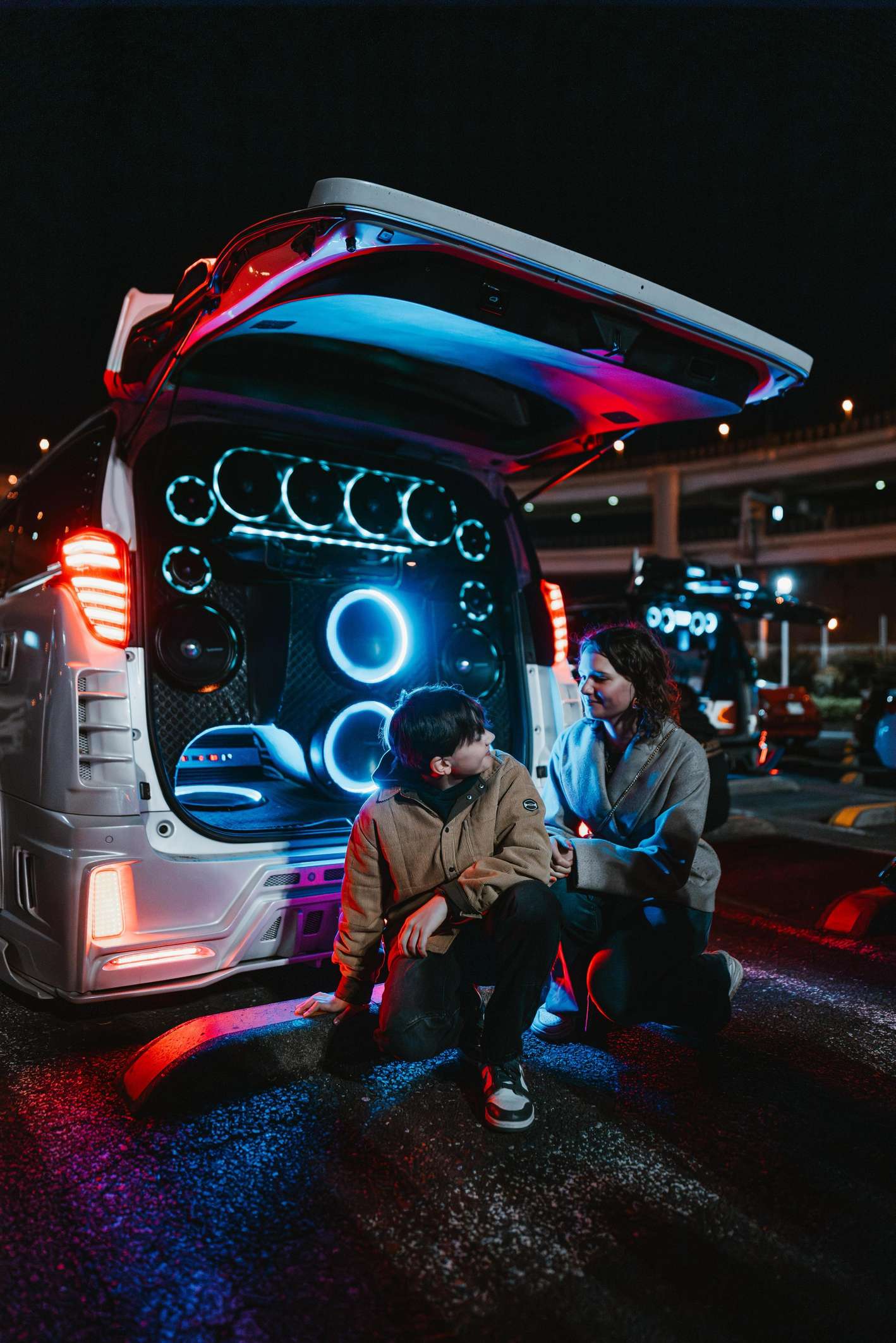
Vans suit groups. Small-group shared vans carry up to 15 guests, and some run modified Toyota Grand Hiace or Alphard Executive Lounge vehicles, which is the calm option for mixed crowds or anyone who wants the meet without the ride.
Private tours run the other way: hotel pickup anywhere in Tokyo, the car exclusive to your group all night, and a route you can shape. Cars on private runs include the R34 Skyline, R35 GT-R, Supra, Silvia and RX-7, and some operators let you swap between several during the night.
Tolls and fuel come with the booking on these tours, so the number on the card covers the highway.
If you want the in-car experience with a small crew, look at Daikoku:Experience Tokyo's Car Culture in Iconic JDM Cars, a 3.5-hour run with only three riders per car and English-speaking enthusiasts behind the wheel. ::compare Passenger tours side by side | JDM sports car ride | Private custom tour | Shared van tour Car | R34 Skyline, Supra, RX-7, EVO and similar | Your pick or the operator's choice, exclusive for the night | Toyota Grand Hiace or Alphard Executive Lounge Group size | About 3 riders per car | Just your group | Up to 15 guests Pickup | Meeting points in Shibuya, Akihabara or Tokyo Station | Hotel pickup across Tokyo | Meeting points in central Tokyo Tolls and fuel | Included in the booking | Included in the booking | Included in the booking Best for | Riding inside the scene | Flexibility and exclusivity | Groups and first-timers
Tour for this
Daikoku:Experience Tokyo's Car Culture in Iconic JDM Cars4.9★ (977) · 3.5 hours · Hotel pickup · Free cancellation
Daikoku runs on a weekly rhythm, and picking the night matters more than picking the car. Friday brings a relaxed, local crowd: classic JDM sports cars and tuners arriving after work, fewer exotics, slightly lighter police presence.
Saturday draws the largest turnout of the week, modified JDMs alongside supercars in something close to an exhibition, but it also carries the highest chance of police clearing the lot or shutting ramps between 7:30 and 9:15 pm.
Weekdays are underrated. Monday through Thursday evenings gather from around 7:30 pm, turnouts are smaller and steadier, and Thursday nights often reach a scale that rivals the weekend. Closures on weeknights are uncommon unless the lot overflows or the noise draws complaints, and when they happen they usually take effect around 8:30 or 9 pm.
The arithmetic for planners: weekend crowds arrive between 5:00 and 6:30 pm, police move from about 7:30 pm. A tour that gets you there early on a Friday buys you the classic-car crowd before any clearance; a Thursday run trades variety for reliability. ::w3
Daikoku Parking Area car meet turnouts by day
Sat: the busiest. Peak attendance starts by late afternoon, though police often close the area at night.
Bar height: how busy each day is, from very quiet to the busiestThe busiest: Sat
Tap a day to read it.
Tour for this
Fast and Furious : Tokyo Drift Experience & Daikoku Car Meet4.9★ (575) · Hotel pickup · Free cancellation
Why a Sunday morning works when Daikoku nights do not
Daylight changes the meet completely. From early morning, classics and European exotics roll onto the decks, and the peak runs from 8:00 to 10 am before owners drive off for their Sunday runs. Police closures are rare at this hour, which is exactly why families choose it.
Families pick it for the same reason. Tours accommodate parents traveling with car-enthusiast children and teenagers, and older kids tend to love the place.
Japanese automotive media, on the other hand, considers small children in the lot after dark a safety risk, because cars keep moving between parking spaces at night. If your crew includes young kids, a Sunday morning or daytime tour beats a Saturday night every time.
There is a small ritual to it: the hot chocolate vending machines inside the rest building have become part of the Sunday morning routine for visiting families. Arrive early, watch the classics file in, warm your hands, and let the teenagers photograph everything. ::w4
Sunday morning meet activity at Daikoku PA
Early arrivals6 am to 8 am
Early classics and sports cars roll in
Peak morning meet Peak8 am to 10 am
Widest variety of classics and exotics gather
Late morning10 am to noon
Steady turnover as early owners depart
Early afternoonnoon to 3 pm
Crowd clears out for Sunday drives
QuietBusyThe busiest
Tour for this
Tokyo: JDM Night Run in EVO, WRX & Skyline to Daikoku4.9★ (1,056) · 3 - 4 hours · Hotel pickup · Free cancellation
You cannot walk into Daikoku PA, so how do you get there
Daikoku sits on an artificial pier inside the Shuto Expressway junction, fenced on every side. No train, bus or footpath reaches it, and climbing the fence to walk in is trespassing that risks fines or arrest. That single fact shapes the whole visit.
A taxi can drive you out, and that is where the trap waits. There is no taxi stand inside the lot, drivers will not enter a toll road for a speculative pickup, and late at night nobody comes.
A round-trip metered taxi from central Tokyo with waiting time runs to tens of thousands of yen, and you still face the return problem. An organized tour solves both ends: round-trip transport in 30 to 45 minutes each way, with a driver who waits.
Departure points are subway-friendly. Most tours meet around Shibuya Station, with other regular departures near Akihabara Station, Tokyo Station's Marunouchi North Exit, or Tokyo Teleport in Odaiba; private tours pick up at your hotel.
Shibuya is 6 minutes from Shinjuku on the Fukutoshin Line, and Akihabara is a direct 4-minute ride from Tokyo Station. Standard evening tours leave Daikoku around 9:45 or 10 pm and drop you at hubs like Shinjuku in time for the last train.
Tokyo: JDM Performance Car Tour with Planned Daikoku Stop runs exactly this pattern, starting and ending at Shibuya Station with about an hour at the meet. ::w5
What to bring, and what happens when Daikoku plans change
Pack for a small car. Oversize luggage and large bags do not fit, because a coupe has almost no trunk, so leave the suitcase at the hotel and bring a day pack.
Carry your physical passport whenever you go out; Japanese law requires it and police can ask to see it. Passengers need no driving permit, since a guide drives.
Check the seat before you book if you are tall or broad.
Operators turn away guests over 6 ft 6 in and over 220 lbs, rear seats in cars like the Silvia S15 are brutally tight, and children aged 5 to 7 needing a booster seat require a message to the operator first. Wheelchair users should look at van-based alternatives.
Then the what-ifs. Departures do not wait; a missed start means no refund, so treat the meeting time as firm. Operators send the exact meeting spot and any delays by email, WhatsApp or Instagram, so keep notifications on.
Traffic can shift the route or schedule without changing the night. Rain thins the meet now and then without emptying the lot; dry months simply draw bigger turnouts. ::w1
A winter note for the packing list: the lot sits on an island in Yokohama Port, and bay winds make December-through-February evenings feel near freezing, so a proper jacket earns its place. ::ifthen What happens when the day changes Rain on the night | The tour goes ahead in rain; a severe storm or road closure means the operator contacts you to reschedule.
The booked car breaks down | You receive a full refund or an alternative date. Expressway traffic delays the start | The operator messages you by email or WhatsApp, and the itinerary adjusts on the day.
You arrive after departure | The group leaves without you and the booking is not refunded.
Tour for this
Tokyo Drift: Daikoku PA Supreme Car Experience 大黒PA4.7★ (484) · 3 hours · Free cancellation
The shape of the evening repeats across almost every tour. You meet your guide at a station or hotel, meet the car, and roll onto the expressway as the city lights come up.
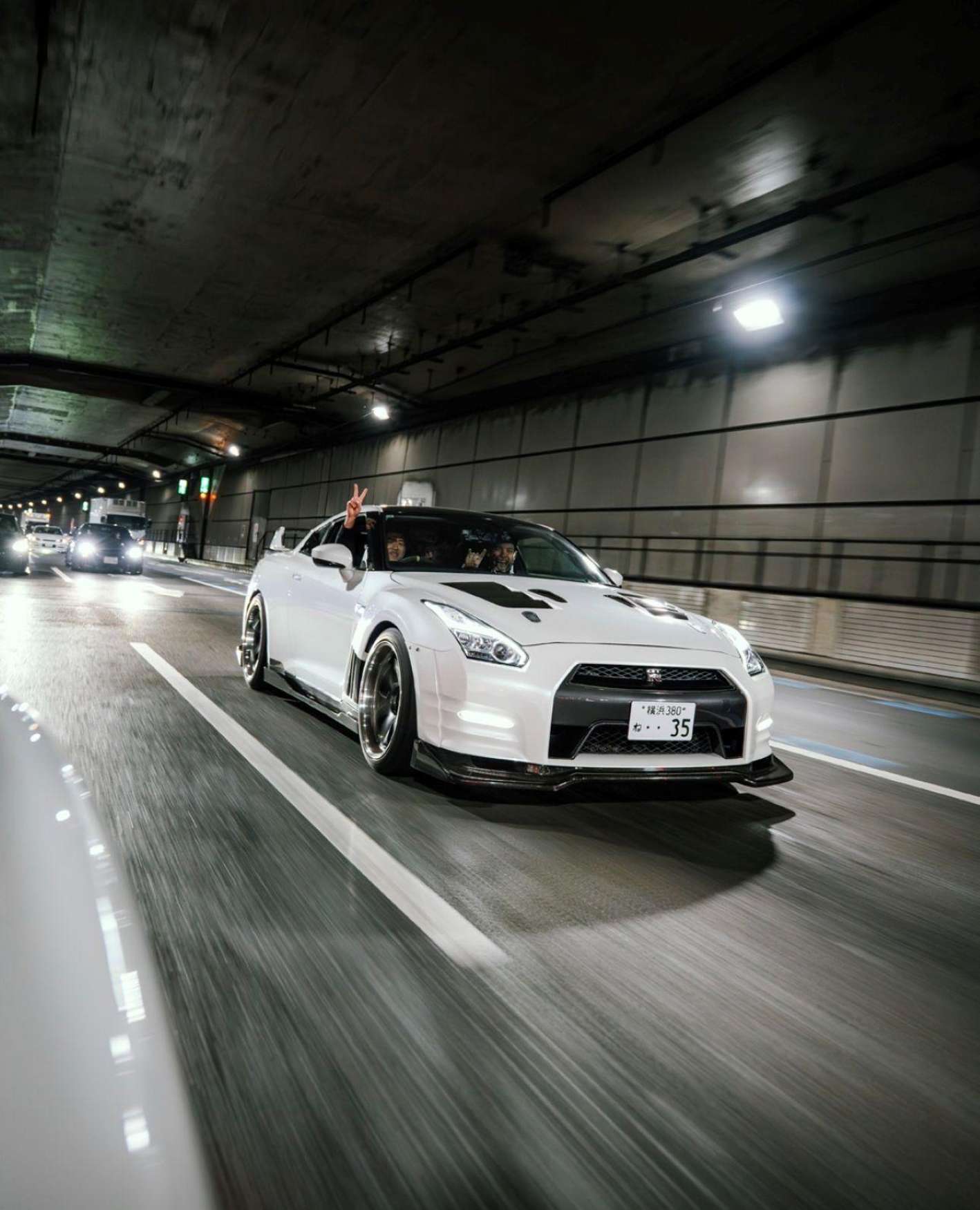
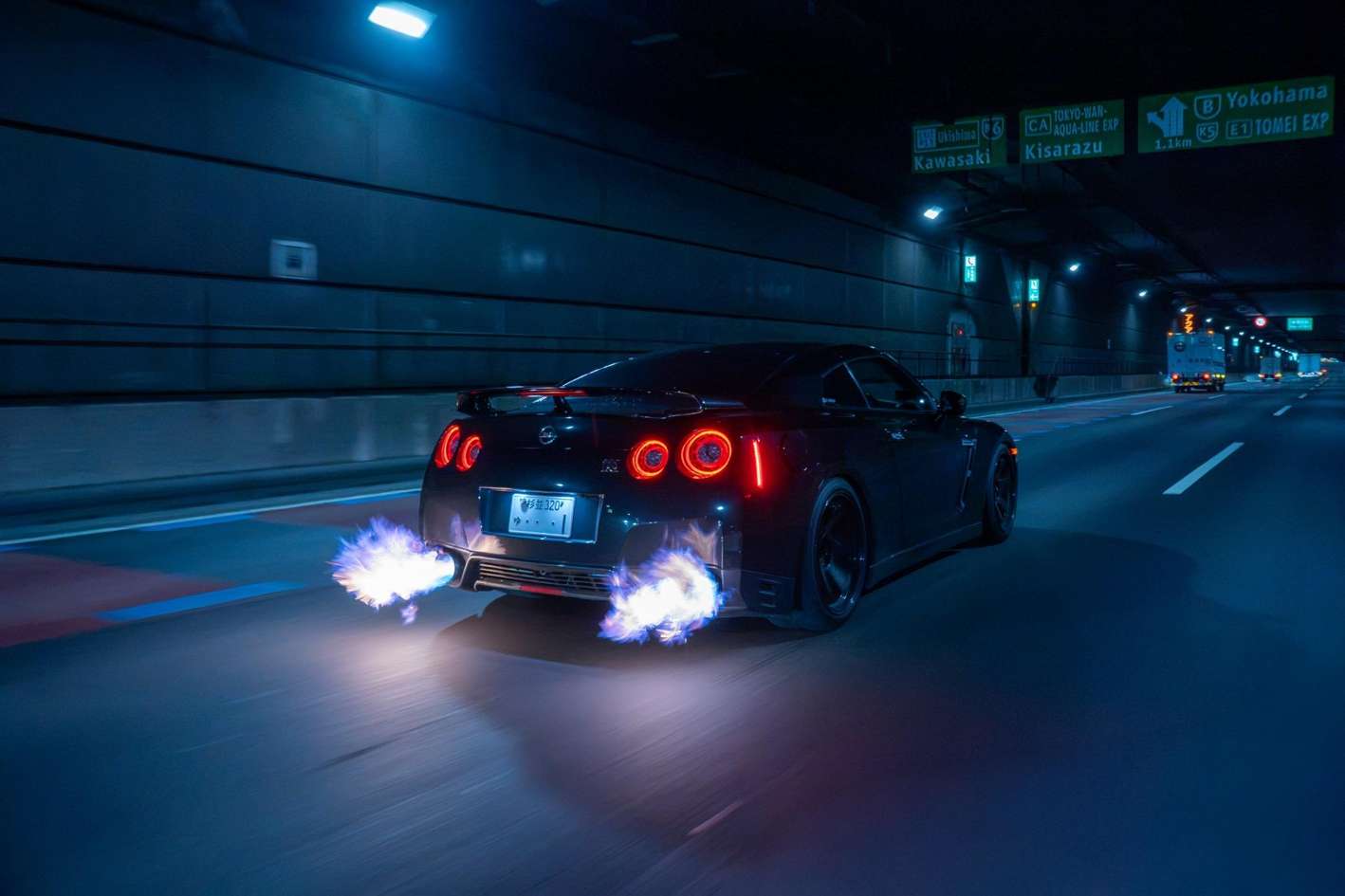
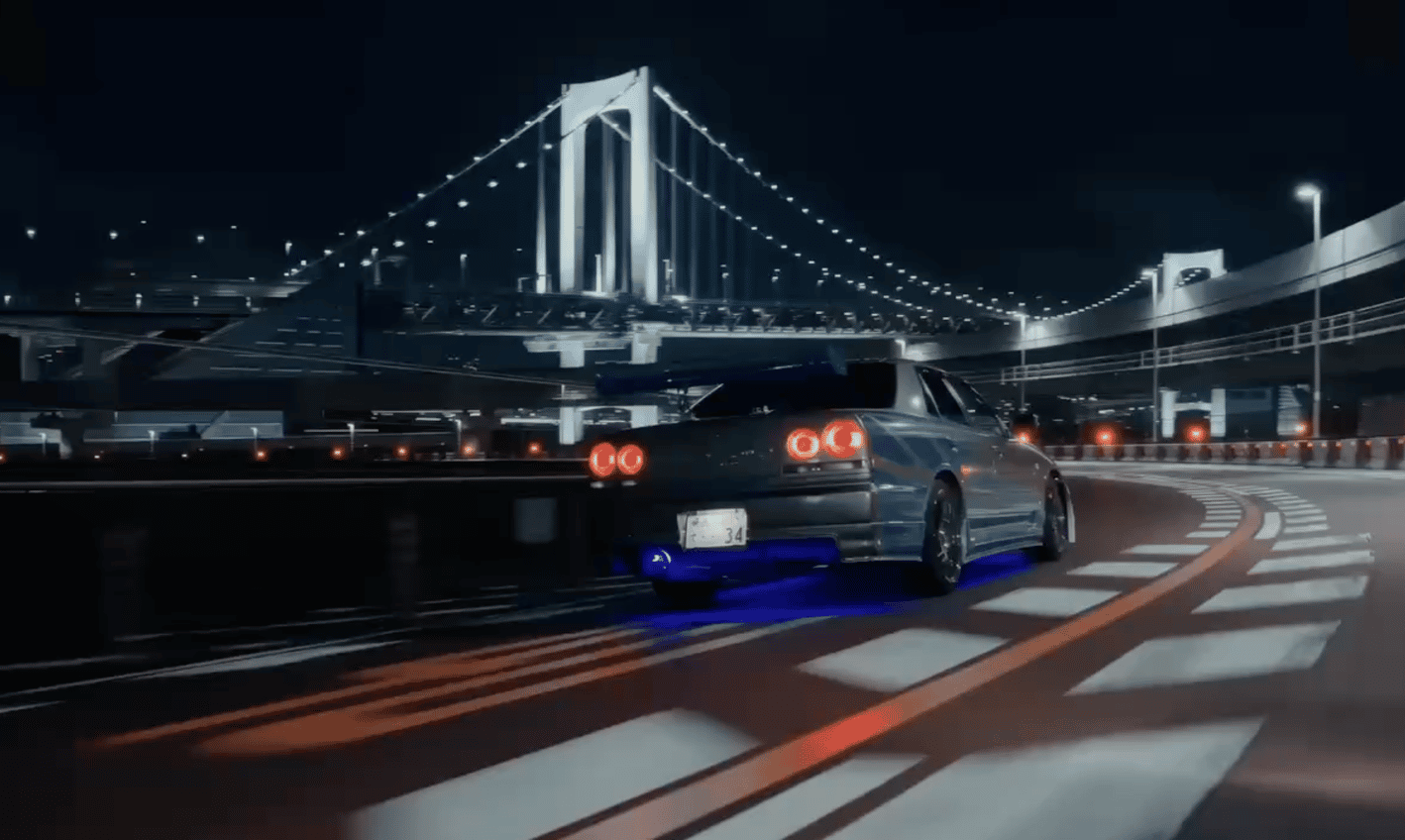
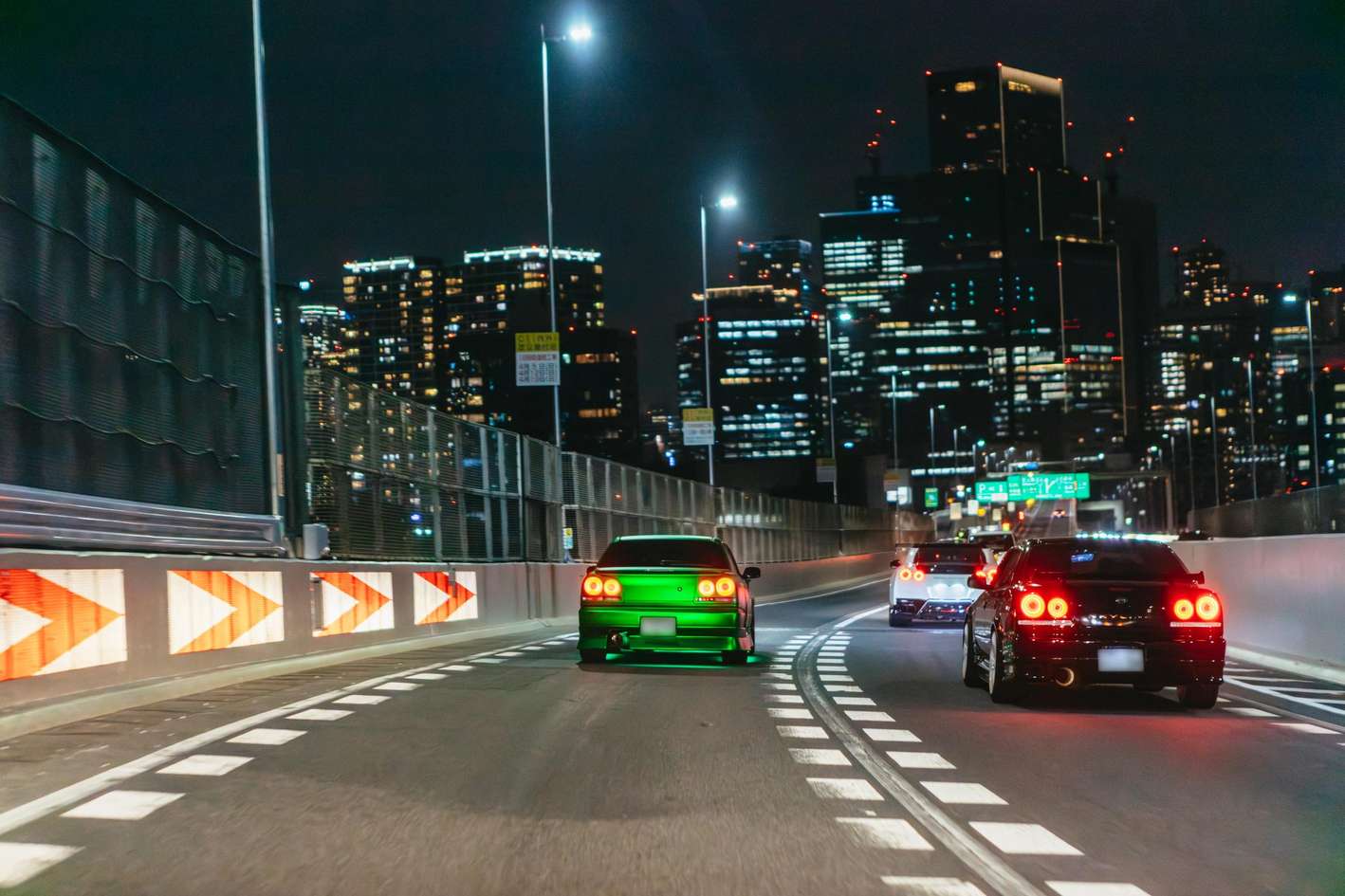
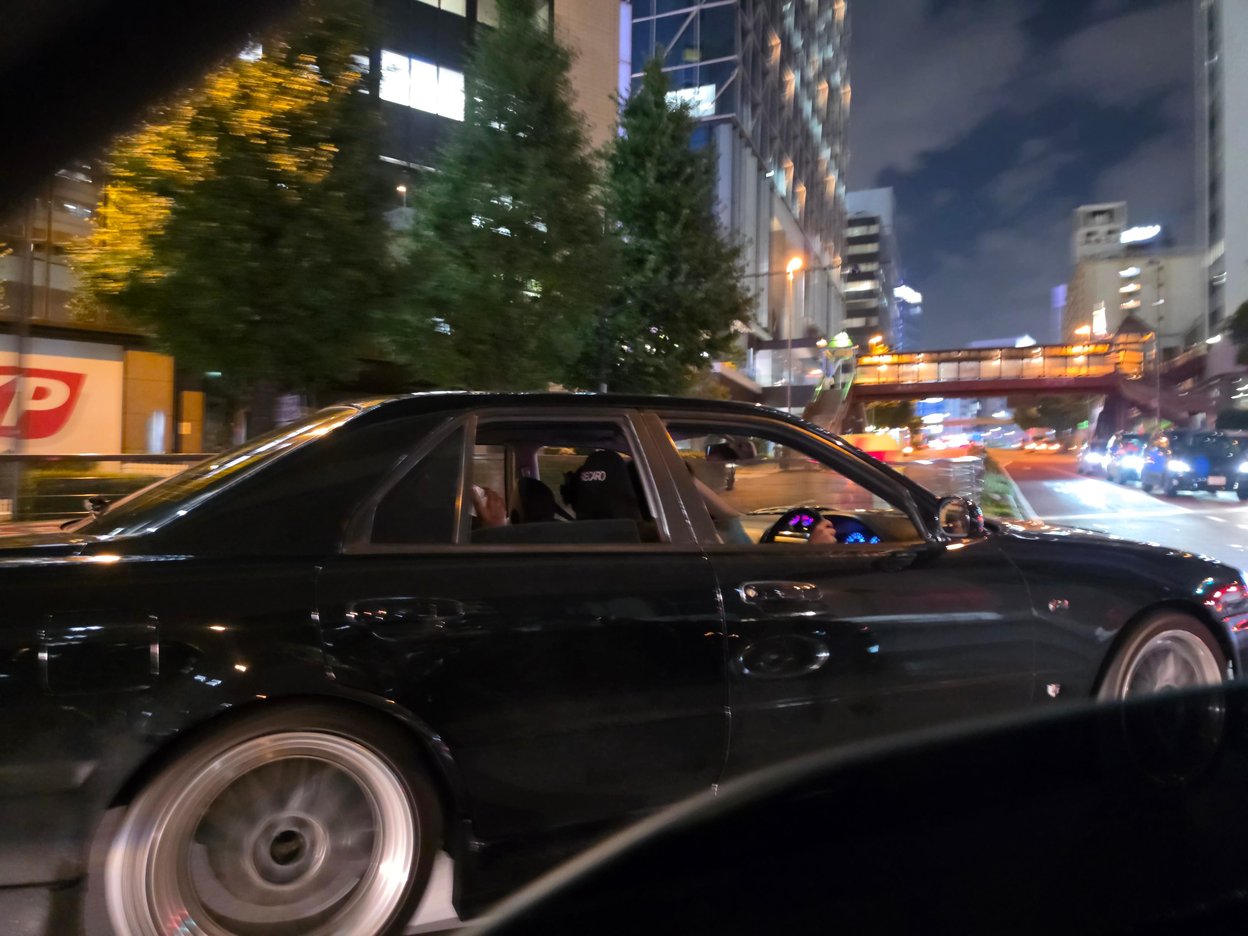
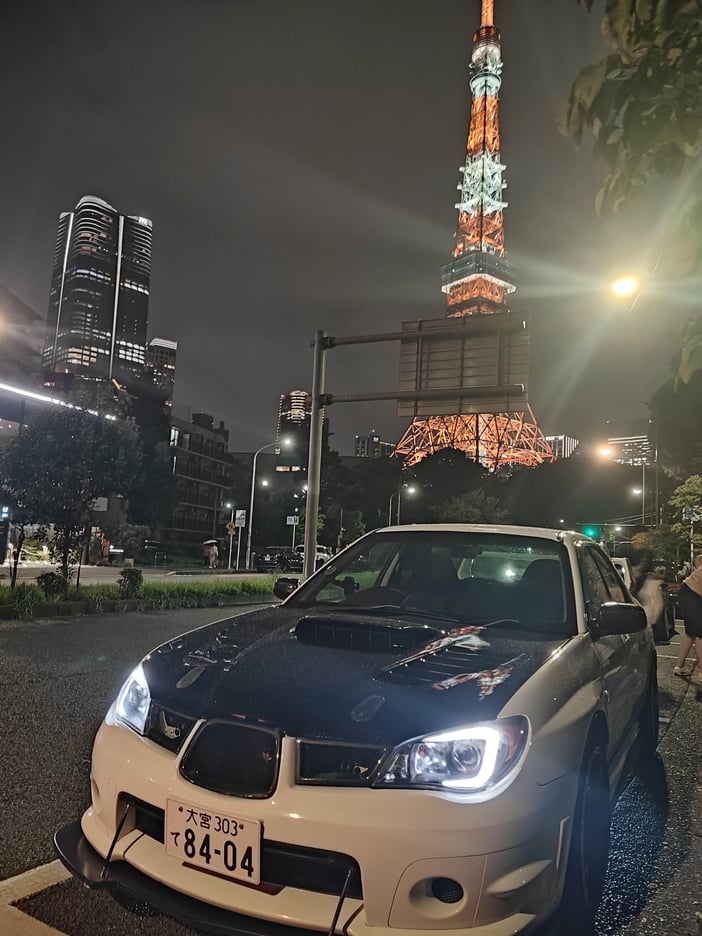
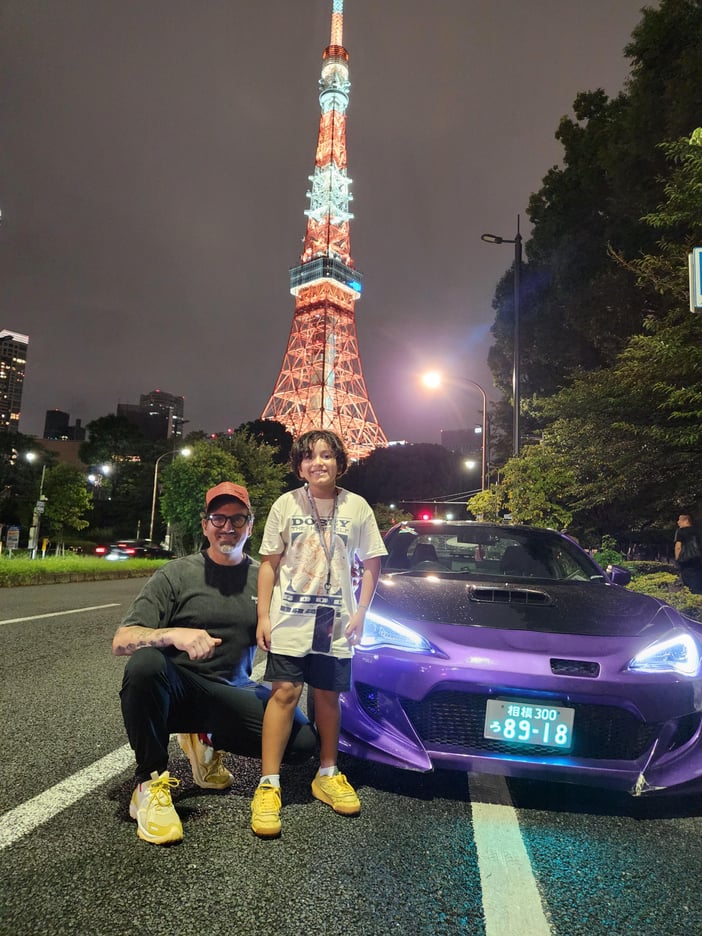
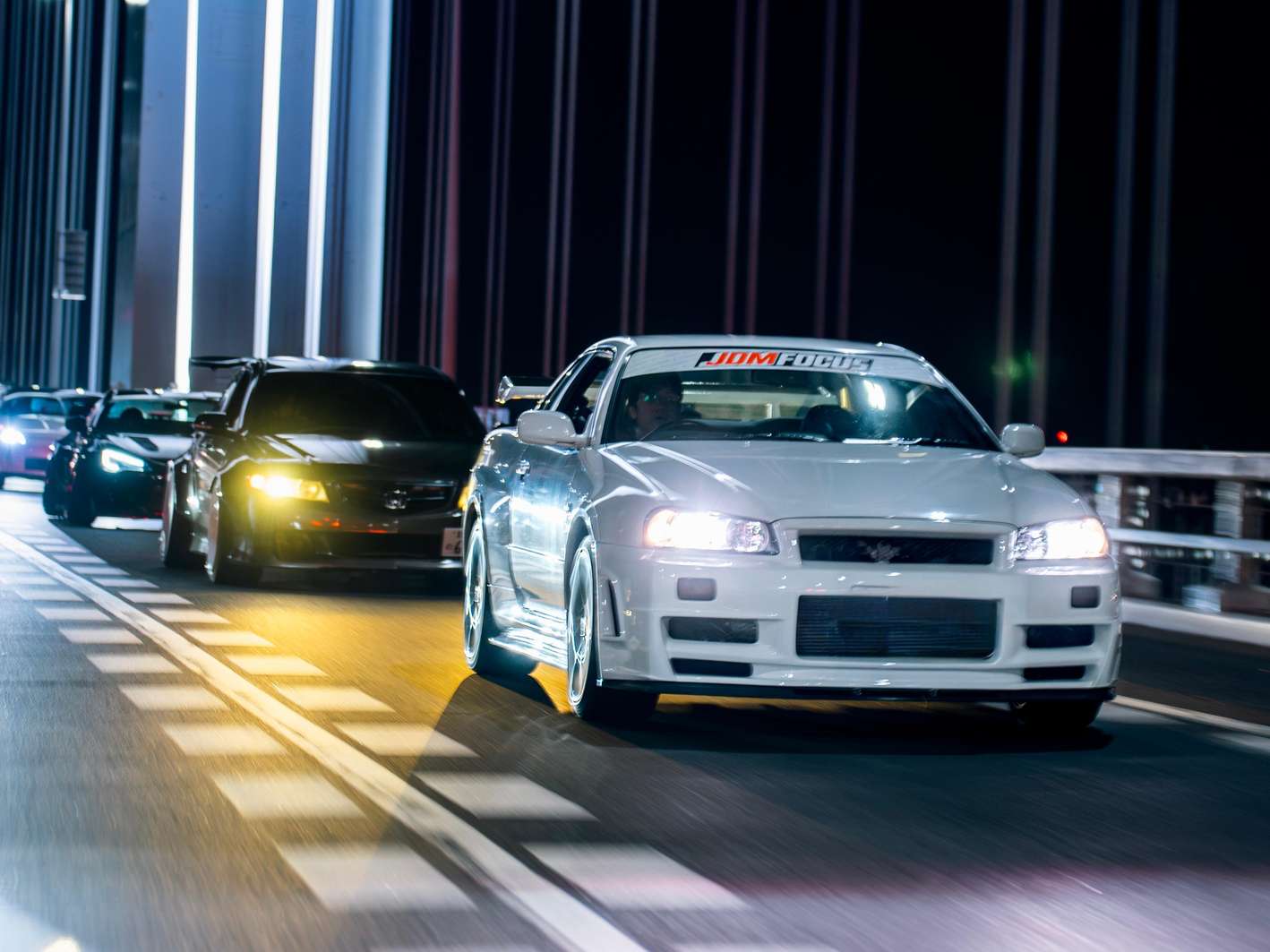
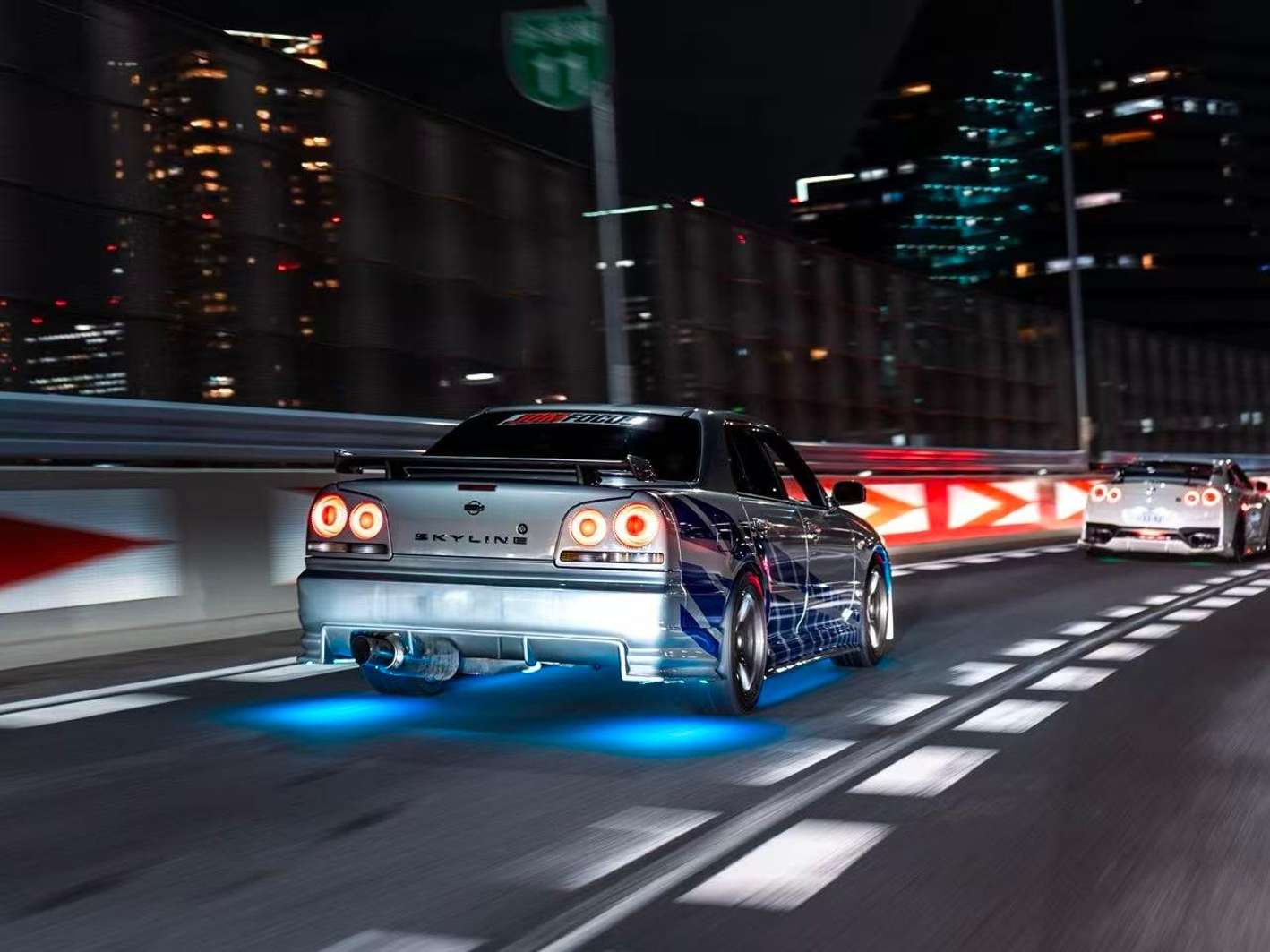
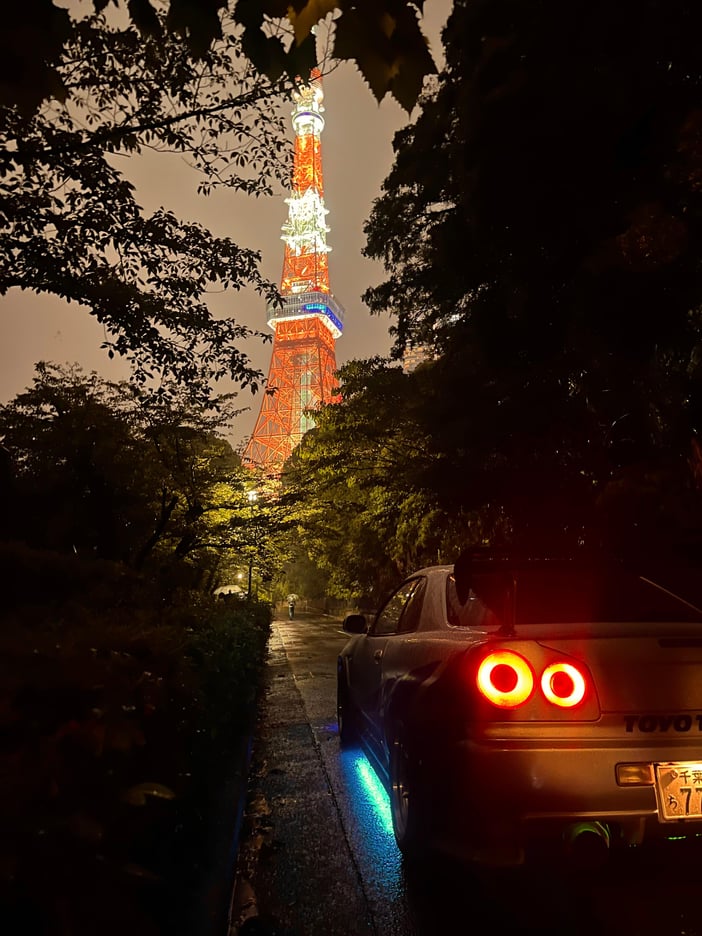
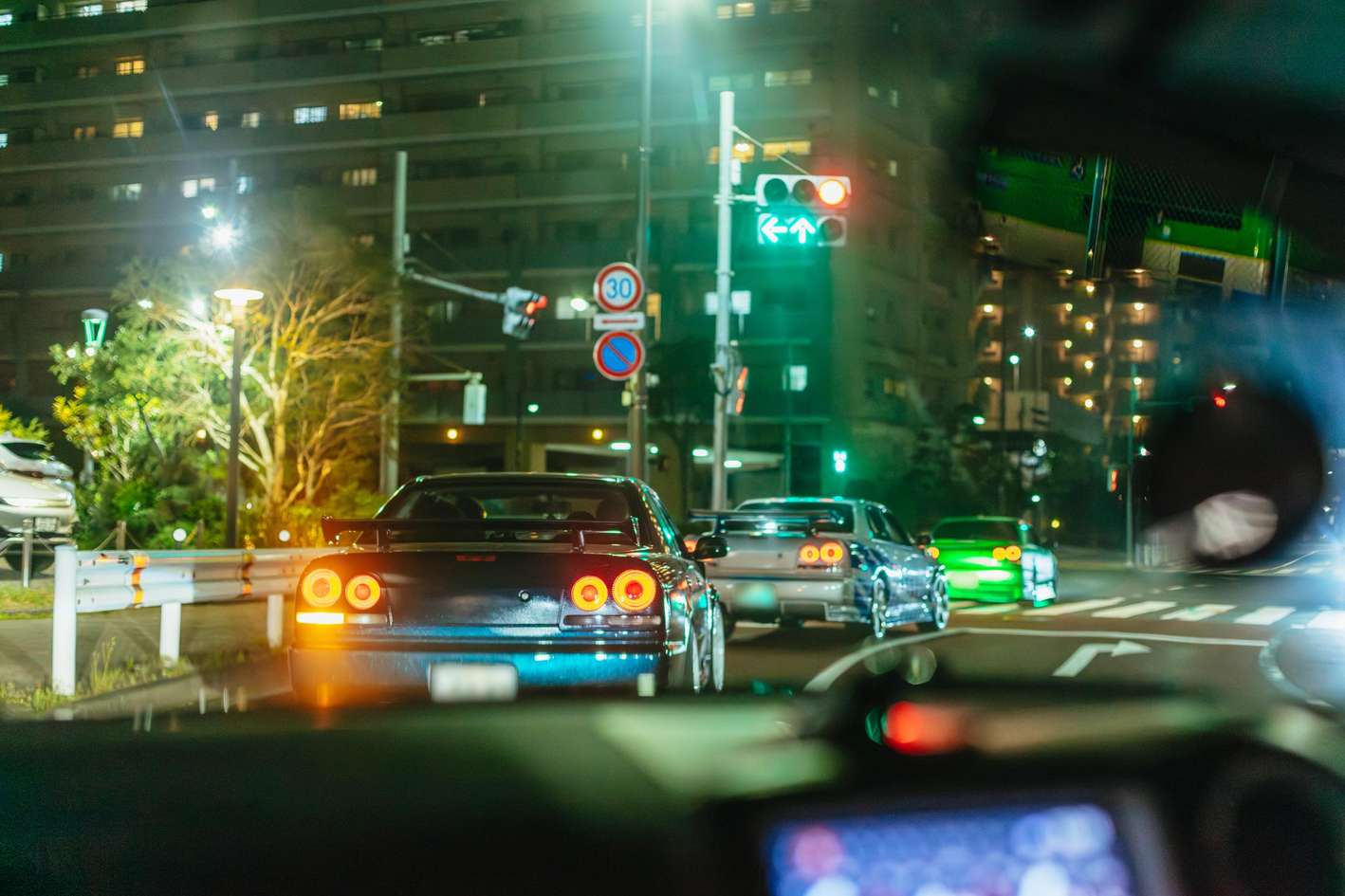
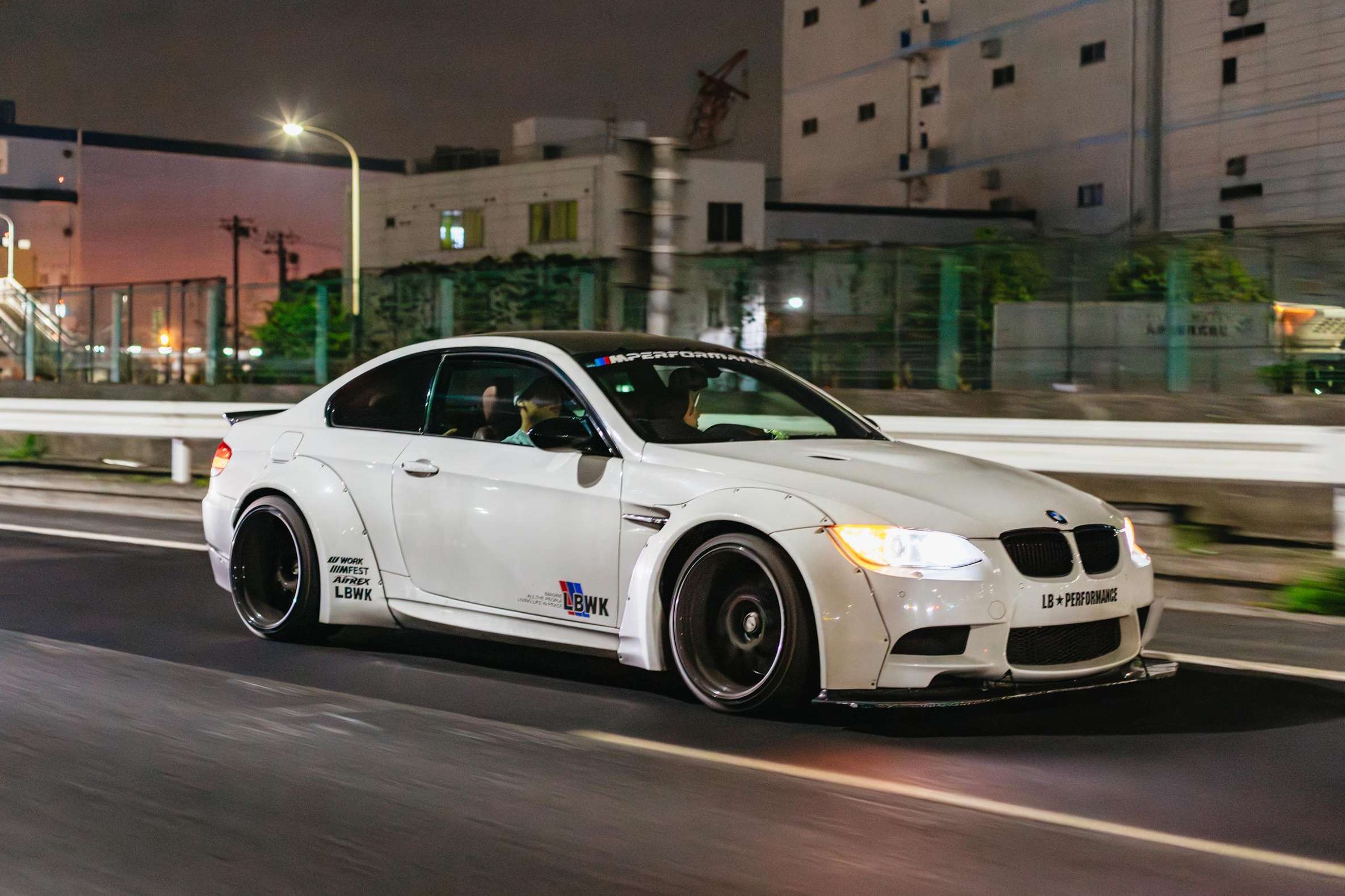
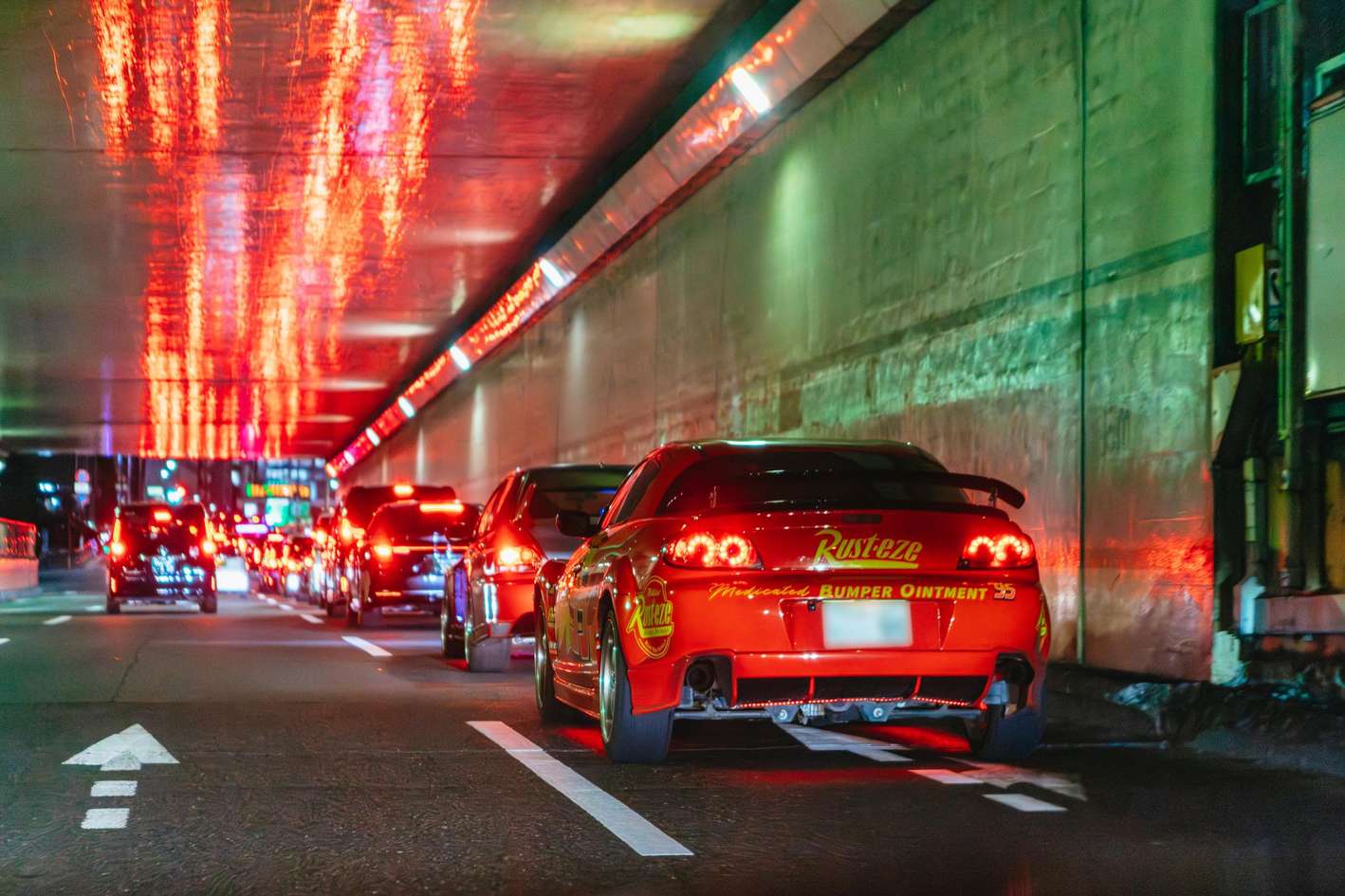
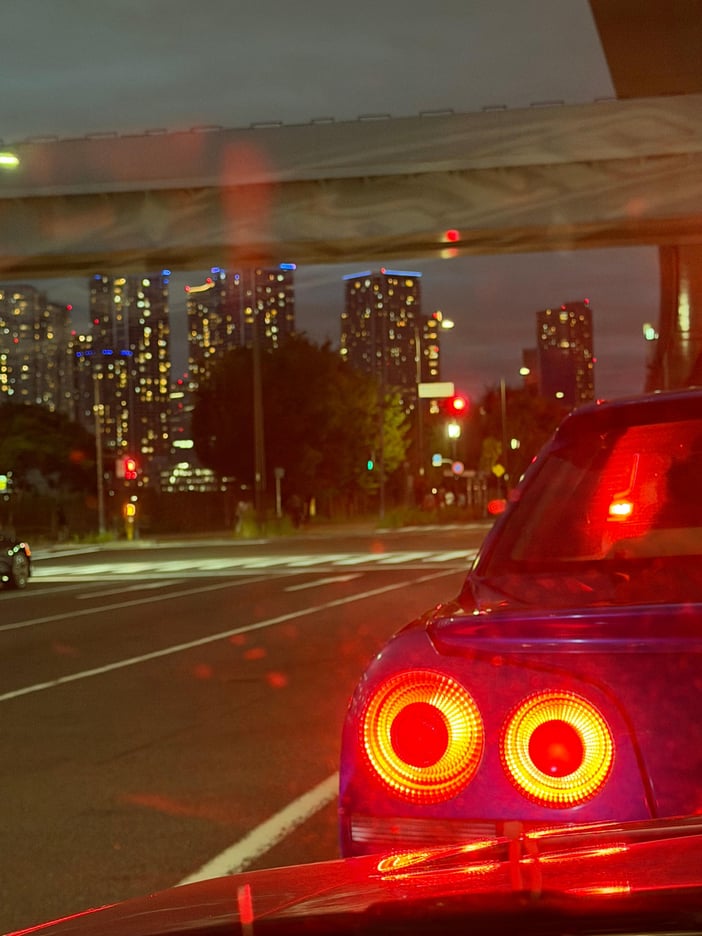
The run itself is half the appeal: across the Rainbow Bridge, along the Wangan Line with Tokyo Tower glowing behind you, drivers keeping a steady pace while passengers connect phones to the stereo.
Plan on about 60 minutes on the ground at Daikoku out of a 3-to-4-hour tour, with some private itineraries stretching it to 90. That hour is the meet: rows of tuned cars, owners wiping down paintwork, cameras everywhere.
Hunger has an answer inside the central building, where a food court runs ramen from Yokohama Ryumen, soba and udon, and beef hotpot until 9 pm, with a Tully's Coffee on the second floor closing at 8:00.
Then the drive home, usually with a photo stop or an expressway viewpoint such as Tatsumi PA on the way, and a drop-off near a major hub in time for the last train. ::timeline From departure to drop-off Meet and board | You join your guide at the agreed station or hotel and meet the car for the night | Operators send the exact spot by message app on the day Expressway cruise | The convoy crosses the Rainbow Bridge and runs the Wangan Route toward Yokohama | Photo stops at Tokyo Tower or a skyline rest area along the way The meet | Around an hour walking the decks among the modified cars | Ask before close-up photos, and stay out of driving lanes Food and coffee | The central building serves ramen, soba and beef hotpot until 9 pm | Hot chocolate from the vending machines is the classic stop Return | Departure from Daikoku around 9:45 to 10 pm on standard tours | Drop-off at a major hub or your hotel in time for the last train
Tour for this
Tokyo: Night JDM Car Cruise to Daikoku PA or Alternate Stop4.8★ (805) · 3 hours - 4 days · Hotel pickup · Free cancellation
The meet runs on respect, and the rules are simple once someone says them out loud. Never lean on, sit on or touch a parked car without permission, and do not open a door.
Ask before a close-up photo of an owner or a specific build, and skip anyone who has turned away. Flash photography and strong lights stay off unless invited.
Behavior around the cars matters just as much. Do not ask a driver to rev the engine, do not cheer a hard launch, and keep your own voice and music down; rowdy crowds are what bring police in and end everyone's night.
Stay out of the driving lanes, keep tripods clear of parking spots, leave no trash, and leave drones at the hotel because they are banned outright.
This is where a bilingual guide earns the ticket price. Owners at Daikoku talk about builds, turbos, suspension, the story behind a paint scheme, and most of that conversation happens in Japanese.
A guide who translates turns you from a spectator into someone who can ask what is under the hood and get a real answer. ::insider What nobody tells you Ask before the close-up | Owners decide who photographs their car up close, and a quick question opens doors.
Hands off the paint | Leaning, sitting or resting anything on a car is the fastest way to wear out your welcome. No revving requests | Encouraging drivers to rev or show off is what draws police and shuts the whole lot down.
A translator changes everything | With a bilingual guide you talk to owners about their builds instead of circling them.
Tour for this
Tokyo: Go Daikoku PA Fast & Furious 3 Sports Car Meetup4.6★ (541) · 3 hours · Free cancellation
If police clear the Daikoku lot, the night is not over
Every regular expects it eventually: loudspeaker announcements, owners closing hoods calmly, and the lot emptying onto the expressways in a slow, orderly exodus. Nobody argues, nobody panics, and for visitors it can look alarming the first time. It is neither.
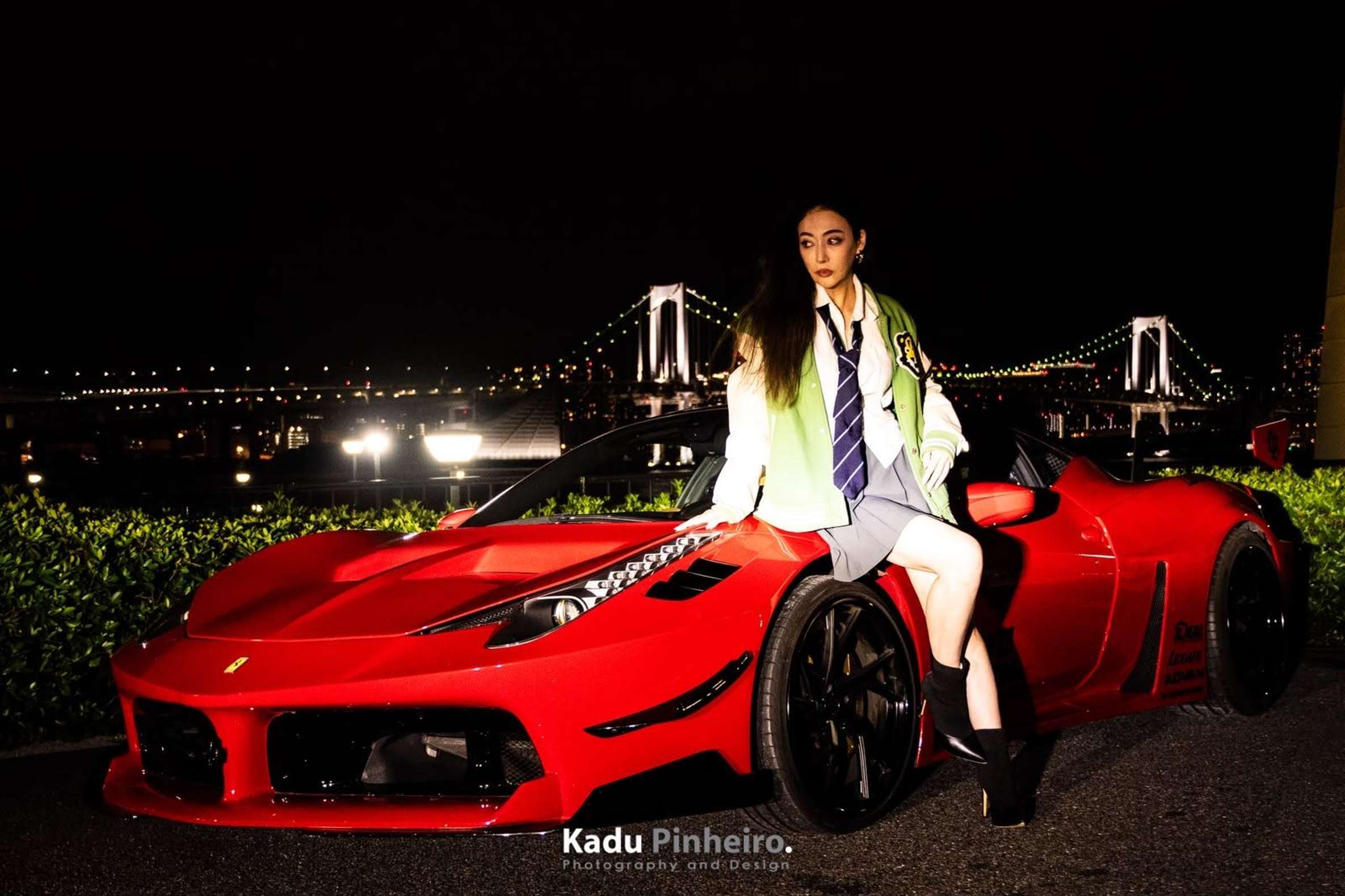
Guides plan for it. Umihotaru PA sits about 28 minutes away, a five-story rest stop on an artificial island in Tokyo Bay with observation decks over the water, and it hosts its own gatherings after Daikoku closes on weekend nights.
Tatsumi PA, about 43 minutes off, is another standing alternative, and A PIT Autobacs in Shinonome fills a quiet evening with cars of a different kind.
Some operators go further and offer a full refund if authorities close Daikoku on your day; read the terms before booking if that matters to you. ::quote What a traveler said The police cleared Daikoku early on our Friday night, and our guide simply rerouted to an alternative meet spot.
The night carried on, and we still saw rows of tuned cars.
Treat the closure as a scene change and it becomes one of the stories you tell.
Tour for this
Tokyo: JDM Car Culture, Daikoku & Tokyo Drift Vibes4.8★ (725) · 4 hours · Free cancellation
For cautious readers, the straight answer. Watching and photographing the gathering is legal under Japanese law; attending to look at cars breaks nothing. The activity that is illegal is entering on foot, since the lot sits inside the expressway network and pedestrians are banned from it by law.
The tours themselves operate inside Japan's transport rules. Under the Road Transport Act, private cars cannot generally carry passengers for payment without registration, and unlicensed paid transport is the illegal white-plate taxi practice.
Operators structure around this: the booking reads as a guided car-culture experience with English-speaking hosts, where passenger seating accompanies the guiding. That framing matters because a service that is purely transport would need permission, while guiding built on local knowledge does not.
One rule to keep in mind on the ground: under a Kanagawa prefectural ordinance, cheering on reckless driving after an officer orders you to stop in the Daikoku Futo zone carries a fine. Look, ask, photograph, and let the drivers do the driving.
Tour for this
Tokyo: Fast & Furious Tokyo Drift III Experience4.8★ (6,369) · 3 - 4 hours · Free cancellation
Some readers want the steering wheel, and this part is for them. Parking at Daikoku is free; you pay only the expressway tolls to reach it. The paperwork is the gate.
You need your physical passport with the entry stamp, your valid original domestic license, a paper International Driving Permit issued under the 1949 Geneva Convention, or an official Japanese translation if you hold a license from Germany, France, Switzerland, Belgium, Monaco or Taiwan, plus a credit card in the driver's name.
Licenses from China, Vietnam, Brazil and Indonesia do not work in Japan even with a permit. ::w2
Then the honest difficulty assessment. Tokyo expressways run narrow, exits appear on the left, right and center, and switching to left-side driving with your left hand on the shifter demands real focus at first.
Take an ETC-less car to a mixed toll lane, take a ticket, and never reverse at a gate that will not open; use the intercom instead.
Weigh that against what a tour gives you: a driver who knows the ramps, no permit worries, and the freedom to watch the city instead of the lanes. Many readers prepare properly and drive; plenty try the expressway once and happily book the passenger seat next time.
Mandatory documents to rent and drive in Japan
Physical passportRental companies require your physical passport with the immigration landing stamp to confirm your legal entry date into Japan.
Domestic driver's licenseYou must present your valid original home-country driver's license; an IDP is not valid without the physical domestic license.
1949 Geneva Convention IDPMust be an official paper booklet issued under the 1949 Geneva Convention. Digital versions, cards, or 1968 Vienna IDPs are invalid.
Official Japanese translationRequired for licenses from Germany, France, Switzerland, Belgium, Monaco, and Taiwan from an authorized body such as JAF or embassies.
Credit card in driver's nameRental agencies require a credit card in the primary driver's name to pay rental fees and cover deposits or expressway tolls.
Driving yourself
Rent a car in Shinjuku StationCompare cars from the rental companies in one search, then pick yours.
Car culture sights to pair with your Daikoku night
The night at Daikoku slots into a fuller car itinerary, and Tokyo gives you plenty to fill the days around it.
A PIT Autobacs Shinonome is the flagship: a huge parts superstore a one-minute walk from Shinonome Station on the Rinkai Line, open 9:00 to 9 pm, with a tuning floor, a driving simulator and a customer lot that often draws enthusiast cars.
Liberty Walk Tokyo in Harajuku shows the brand's wide-body designs and merchandise from 11:30 to 8 pm.
In Ginza, Nissan Crossing pairs a cafe with rotating road and concept car displays. In Yokohama, the NISMO showroom at the Omori Factory opens Saturdays and Sundays from 10:00 to 5 pm with heritage and motorsport vehicles.
On weekends, the underground garage at Akihabara UDX attracts informal enthusiast gatherings on its lower levels, and Daikanyama T-Site stocks deep automotive shelves for a slower afternoon.
Some tours already stitch these together: several Daikoku runs include a stop at A PIT Autobacs, and one operator combines Daikoku with Nissan headquarters and the NISMO facilities on weekday tours. Build a day around Shinonome or Ginza, then let the night take over. ::w6
Our guide Max was super friendly and a skilled driver - fun rides, safety never a concern. You don't need car knowledge either, Max made everything easy to appreciate.
A Daikoku night delivers exactly what the photos promise if you pick the night and arrive early.
Book a guided tour, get to the meet before 7:30 pm on a weekend or take a Thursday or Sunday morning slot, and the lot will be full. A guide translates, handles the closures, and gets you back for the last train.
Go ifYou want to ride inside a real JDM car with a driver who knows the sceneYou can reach a Shibuya or Akihabara meeting point by subway, or want hotel pickup on a private tourYou are traveling with car-mad teenagers and can take a Sunday morning slot
Skip ifYou expect drifting stunts or a staged show; the meet is a stationary gatheringYou plan to arrive on foot or by taxi without a return planYou need wheelchair access from a sports car ride
Our pick to book
Tokyo: Fast & Furious Tokyo Drift III Experience4.8★ (6,369) · 3 - 4 hours · Free cancellation
Straight answers on access, timing, closures and what a night at the meet involves.
Yokohama2026
Tonight the lot filled with Skylines and Supras under the spiral ramp. A guide translating for the owners makes every hood worth opening. Book the Friday early slot.
What is a Daikoku PA tour?
It is a guided night cruise from Tokyo to Daikoku Parking Area in Yokohama, a highway rest stop where modified Japanese sports cars gather. You ride as a passenger in a sports car, performance car or van, cross the Rainbow Bridge, and stop at landmarks like Tokyo Tower along the way.
Can I reach Daikoku PA by train, bus or on foot?
No. The parking area sits inside the Shuto Expressway junction on an artificial island in Yokohama, with no train or bus stops and no pedestrian entrances. Entry is only by vehicle on the Bayshore Route or Daikoku Line, which is why organized tours handle the round trip for you.
Can I just take a taxi there and back?
Taxis can make the 35 to 50 minute trip out, but there is no taxi stand at Daikoku PA and drivers will not enter a toll road on the chance of a pickup. Ride-hailing works early in the evening at best. A tour guarantees your ride home.
What happens if police close Daikoku PA on the night of my tour?
Closures happen on busy Friday and Saturday nights, most often between 7:30 pm and 8:30 pm. Police direct cars out over loudspeakers, and guides reroute to alternatives such as Umihotaru PA or Tatsumi PA. Some operators let you choose a full refund instead if Daikoku closes on the day.
Will a night tour get me back before the last train?
Standard evening tours finish in time, dropping you at hubs like Shinjuku Station around when trains and subways stop running between 11:30 pm and 12:30 am. Midnight runs that depart from 10 pm end well after, so plan on hotel drop-off or a taxi.
How long do I actually get at the car meet?
On a typical 3 to 4 hour tour you get about an hour walking the parking lot, with some private itineraries allowing up to 90 minutes. The rest of the night goes to expressway driving and stops at other car spots or landmarks.
Do I ride inside a JDM car or just look at them?
Both options exist. On a passenger ride, a driver takes your group in an individual car such as an R34 Skyline, Supra or EVO. On a van tour you travel in a comfortable van and view the meet on foot once you arrive.
Are highway tolls and fuel included in the price?
Yes. Expressway tolls, parking and fuel costs are covered in the booking fee, so nothing extra comes up when you reach the toll gates.
Which night gives me the biggest car meet?
Friday and Saturday evenings draw the largest and most varied turnout, with cars arriving between 5 pm and 6:30 pm, though police clear the lot earlier on those nights. Sunday mornings from 8 am offer a dependable daylight meet, and weeknights bring smaller, steadier gatherings.
Is there drifting or street racing at Daikoku PA?
No. Daikoku is a working highway rest stop where cars park and owners talk about their builds, under constant police monitoring. Engine revving, burnouts and drifting are prohibited, and clubs are ordered to leave if crowds get rowdy.
Can a tour pick me up in Yokohama instead of Tokyo?
Yes. One tour uses a meeting point directly at the Shin-Yokohama Station rotary, so you can join the convoy without crossing the city first.
How will I know the meeting point and exact car details?
Operators send meeting spot instructions and updates by direct message, email, WhatsApp or Instagram on the day. Activating those notifications before your start time means traffic delays or route changes reach you right away.
Ready for a Daikoku PA night tour in a Tokyo drift car?
Ride a real JDM fleet to the meet and back, with hotel drop-off in central Tokyo and free cancellation up to 24 hours before you go.
 Your best match