4.81,226 JDM fans drove the Wangan and parked at Daikoku
Daikoku Self Drive Tour JDM Sports Car Convoy Experience
Drive a JDM car in a guided convoy to Daikoku. A lead car handles navigation and toll gates while you follow Tokyo's expressways, then park among the modified cars at Japan's most famous car meet. Bring your home license plus a 1949 Geneva Convention permit and take the wheel.
"I recommend this 3000%! Traveling solo, James was super professional and shared his passion with real enthusiasm. Thanks James, thanks for everything!"
4.8★average rating1,226traveler reviews100%free cancellation31countries travelers came from
Choosing your Daikoku self drive tour
Two ways to join a Tokyo JDM night run exist on this site. Some tours put a professional driver behind the wheel while you ride as a passenger through Shibuya and the Wangan Route. The self-drive style of experience hands you the keys instead, and that difference decides everything: do you want to steer, or just be in the car?
PermitsDriving yourself in Japan needs a physical paper International Driving Permit issued under the 1949 Geneva Convention; Vienna Convention, digital and card-type permits do not count, and licenses from China, Vietnam, Brazil, Indonesia, France, Germany, Switzerland, Belgium, Monaco or Taiwan need different documents.
Age limitsNo JDM operator rents to an 18-year-old, most require 23 or older with three years of driving experience, and premium cars like the R34 GT-R often ask for 25 or 26.
ClosuresKanagawa police clear Daikoku PA between 7:30 pm and 8:30 pm on Friday and Saturday nights; guides reroute to Umihotaru or Tatsumi instead, and some operators refund the day if Daikoku is shut.
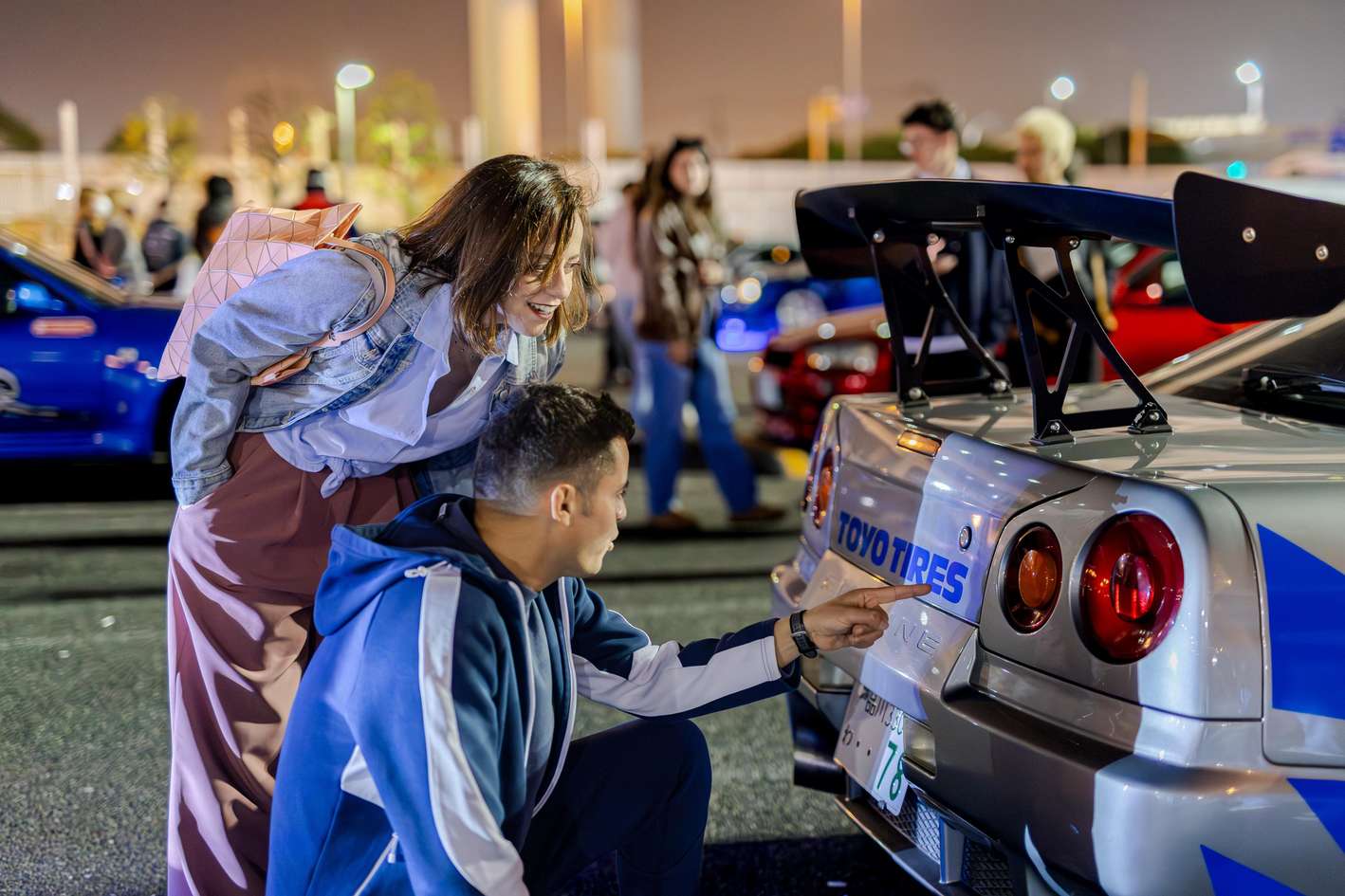
At the meetDo not sit on, lean on or touch parked cars, ask before close-up photos of an owner's car, and follow police or staff instructions straight away.
BookingEvening tours run to a fixed convoy schedule, so book a few days ahead and arrive at the meeting point early.
WeatherTours run rain or shine, though a severe storm or road closure gets you a reschedule or a full refund, and a rainy night only thins the meet.
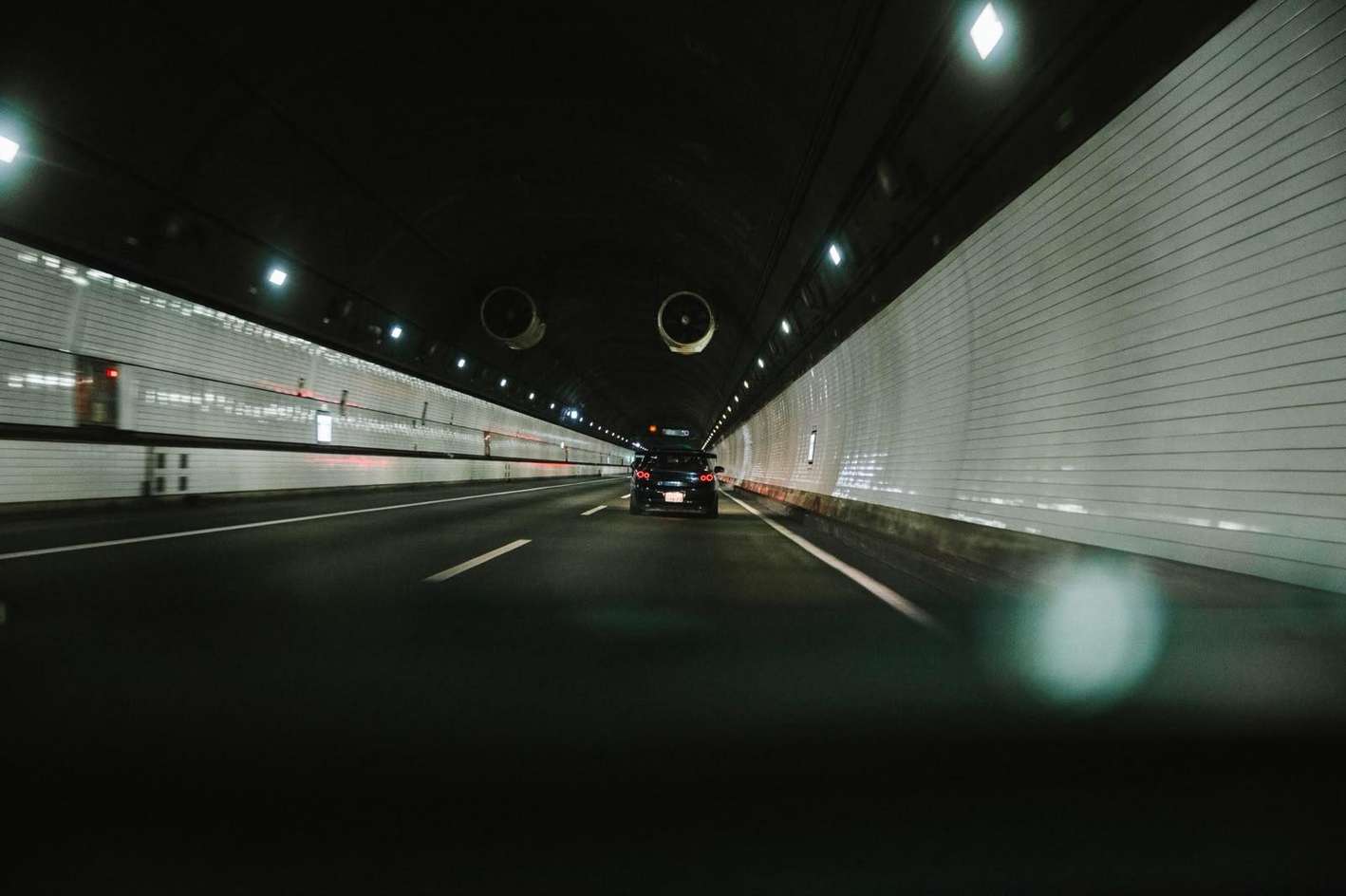
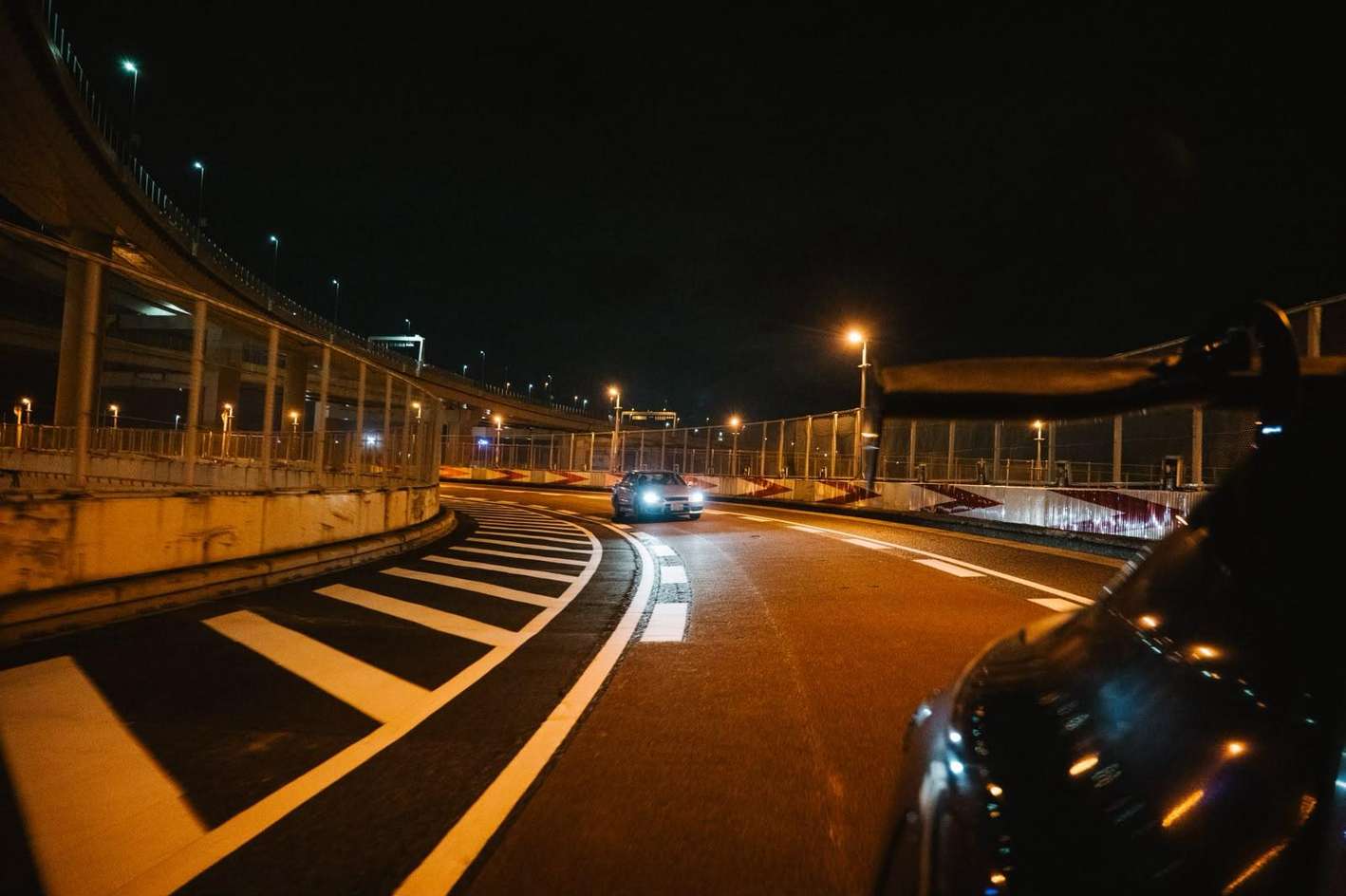
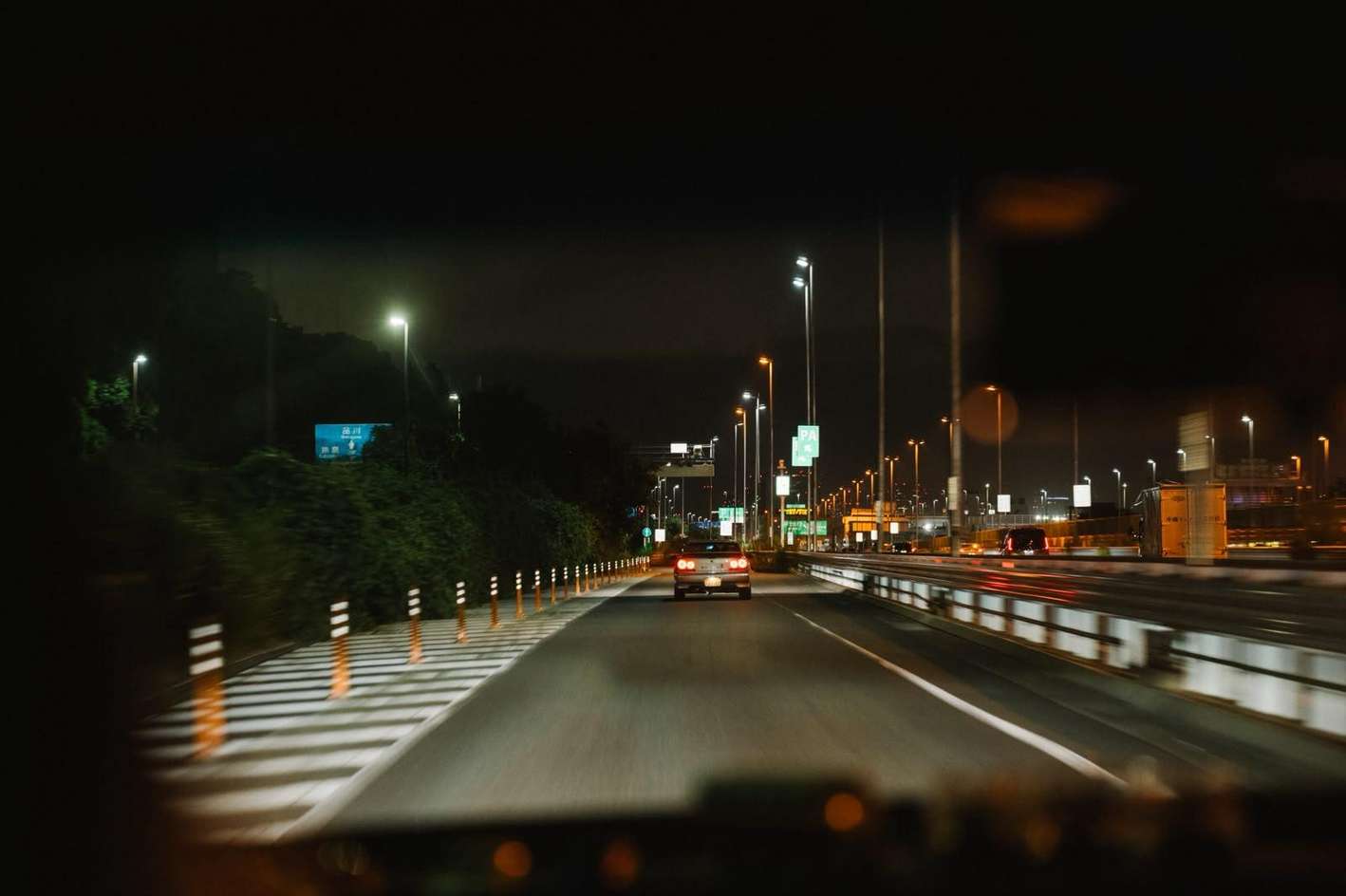
On the roadA lead car handles the navigation and toll gates, so you follow the convoy and never plan a route yourself.
documentTo drive a self drive tour you need a physical paper International Driving Permit issued under the 1949 Geneva Convention, and Vienna Convention or digital permits are not accepted in Japan.
Check your permit before booking, since the 1949 format is the only one that counts. If your license comes from France, Germany, Switzerland, Belgium, Monaco or Taiwan, arrange an official Japanese translation of your domestic license instead. No permit, no driver's seat, so a passenger tour with a professional driver is the fallback.
Two self drive tours to Daikoku PA, compared
Most popular
3 hours - 1 day·Chinese, English
4.8(880)
Tokyo: Fast and the Furious Tokyo Drift III JDM Car Tour
The widest choice of rides, from a 3-hour midnight run to a 4-hour GT-R option with Liberty Walk and Daikoku PA on every route.
Free cancellationPhoto and video support at recommended spotsVisit to Liberty Walk Tokyo (LBWK)
What you see and get on a self drive tour of Daikoku
9 stopsabout 2.5 h12 places
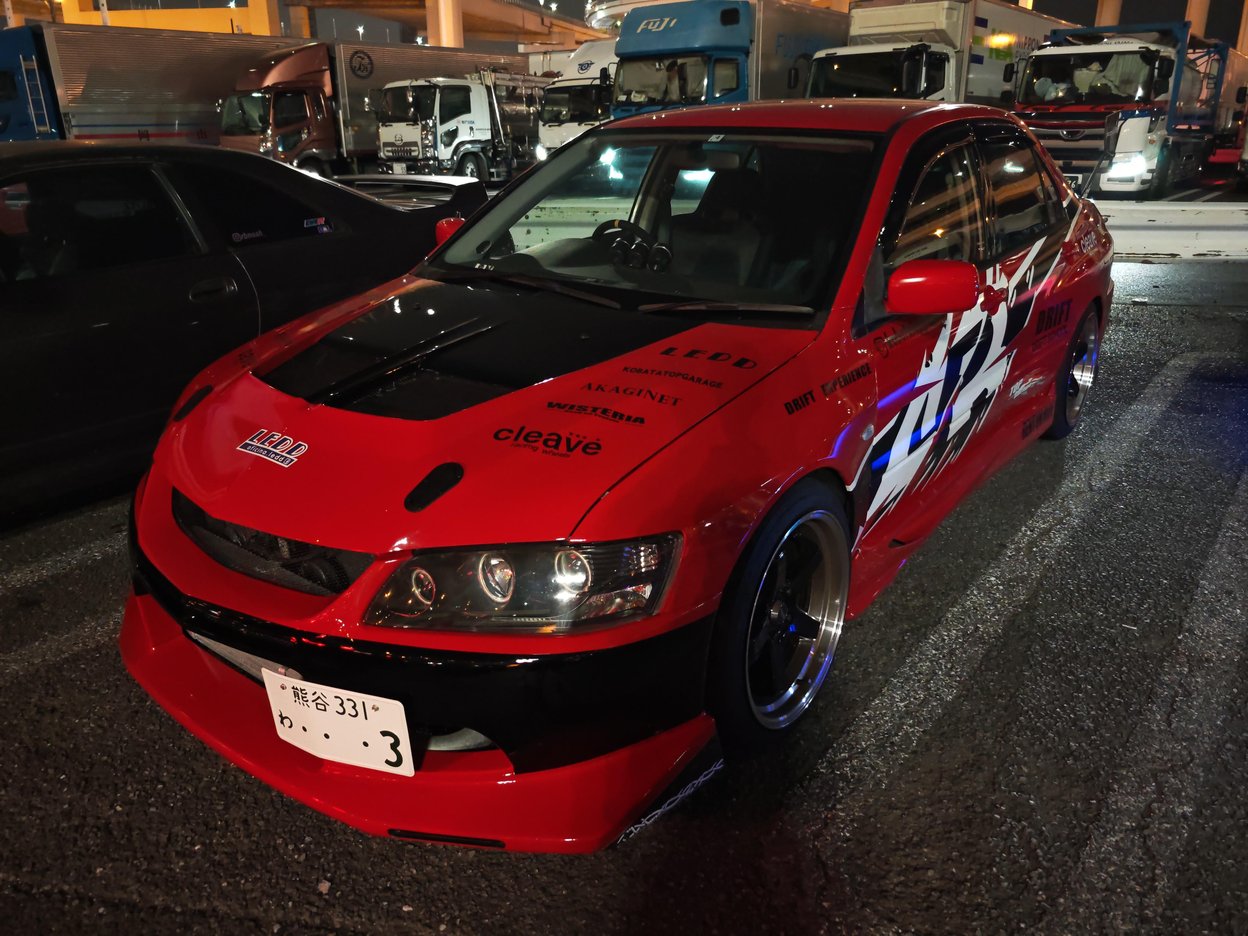
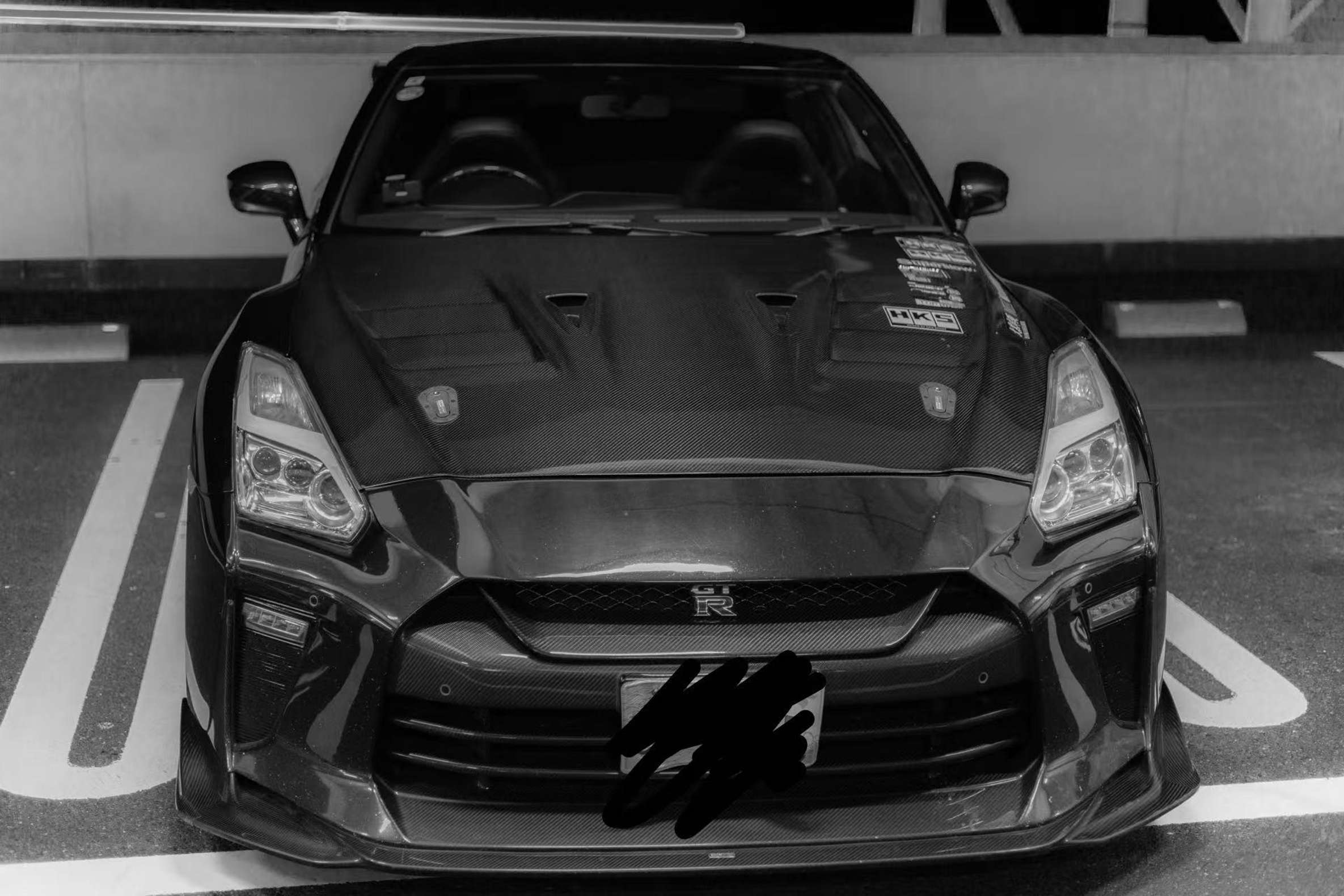
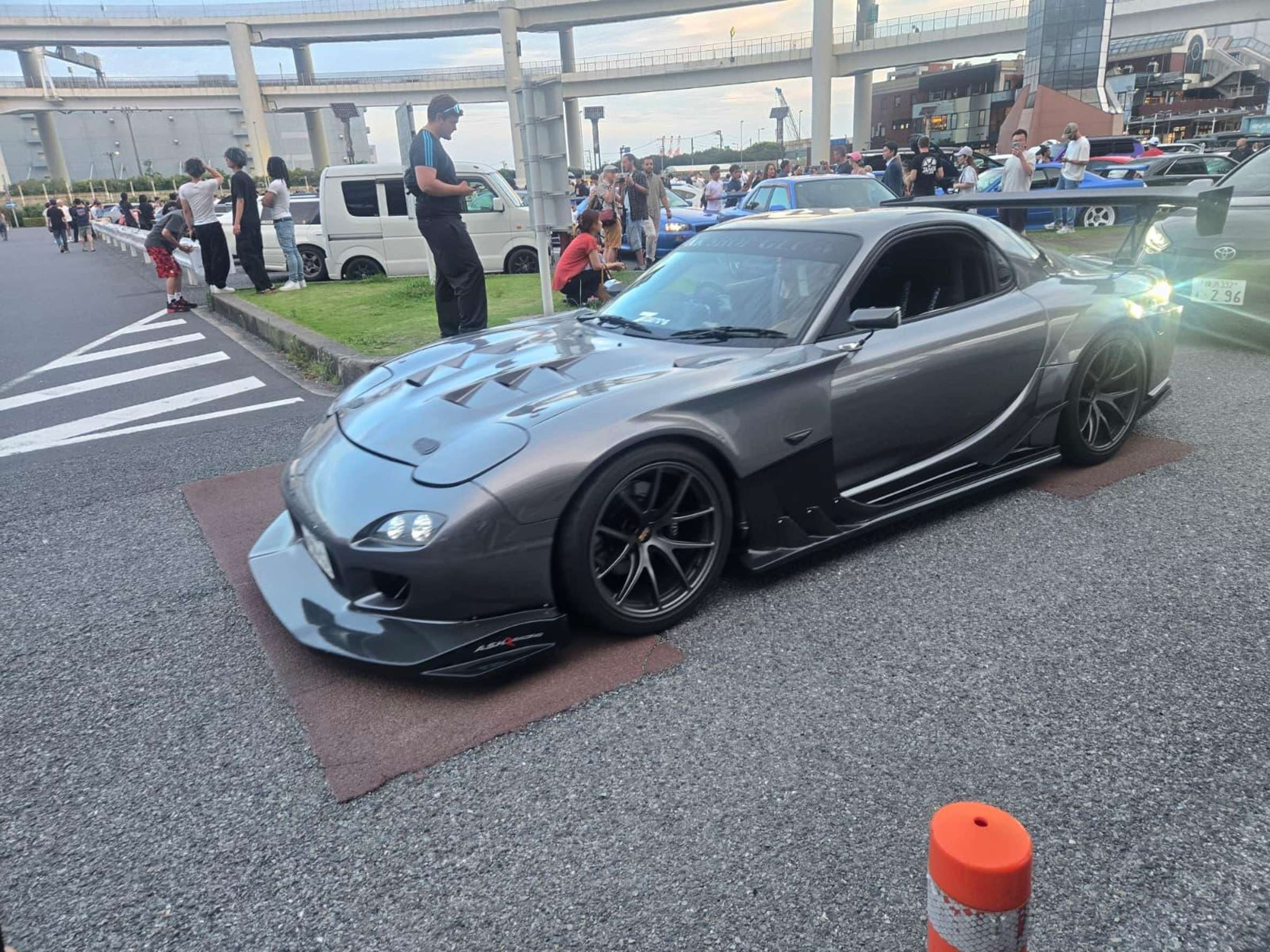
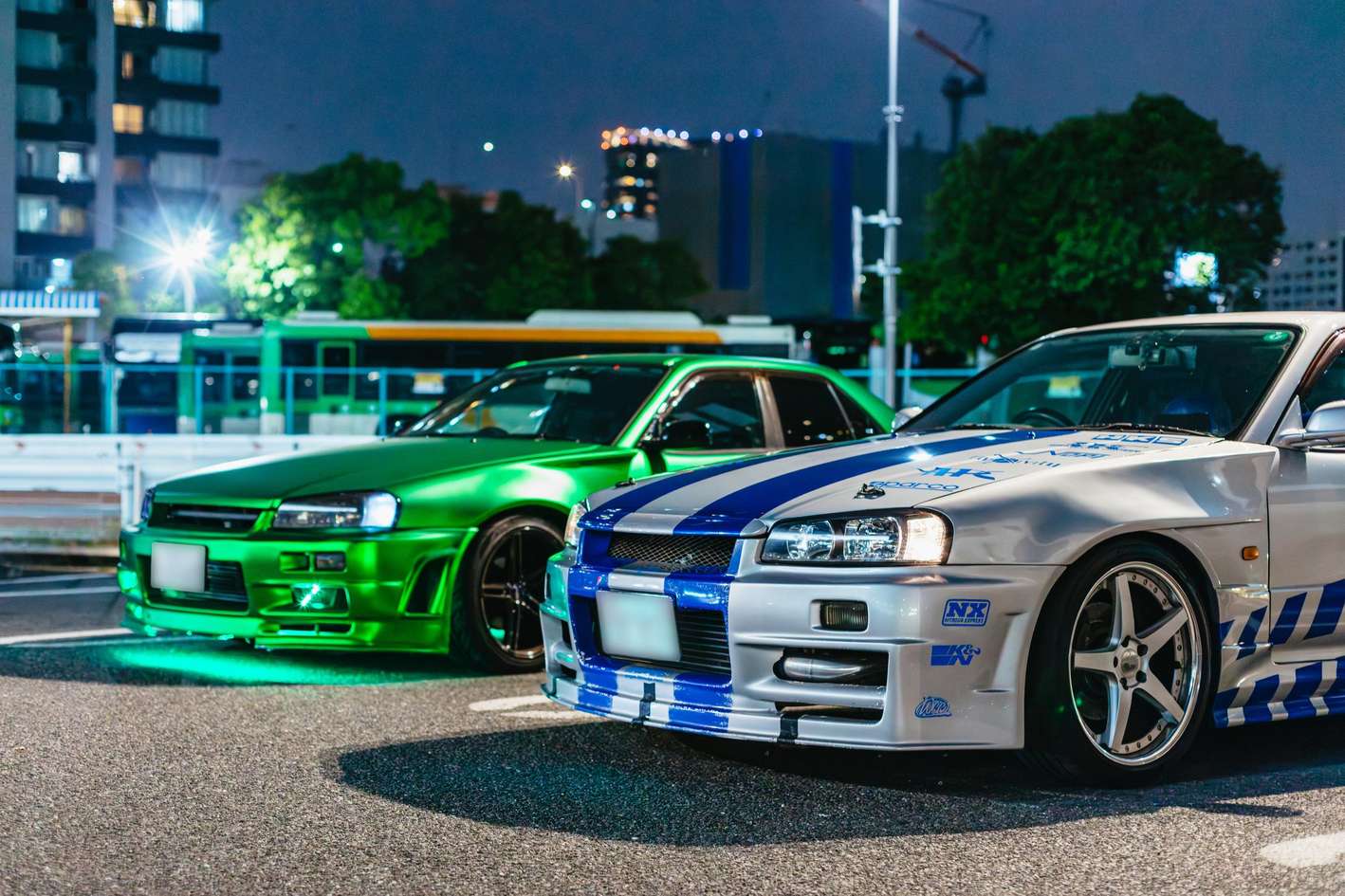
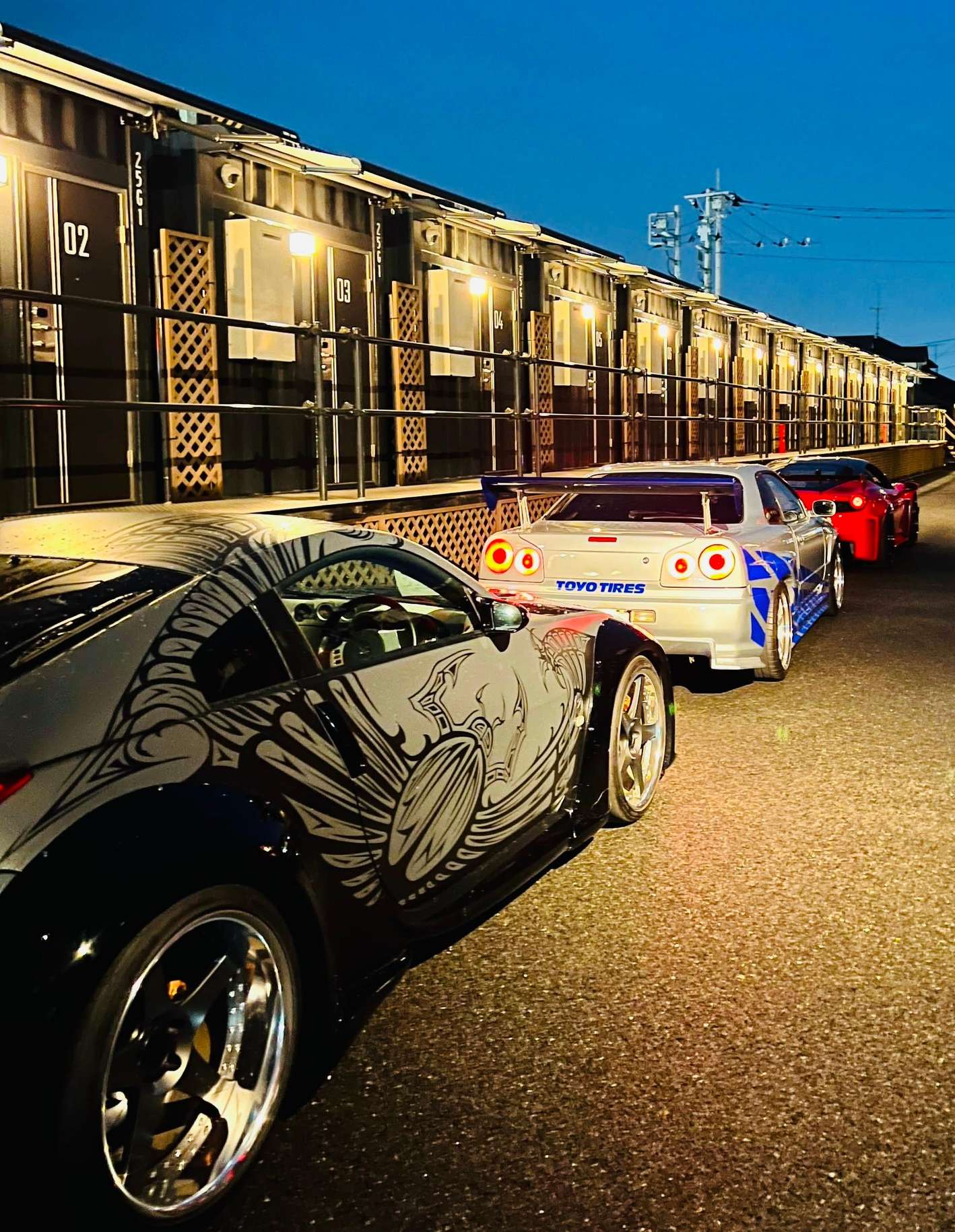
The cars come first. At Liberty Walk Tokyo in Harajuku you stand next to wide-body builds from one of Japan's best-known tuning brands, then slide into a modified JDM machine for the run.
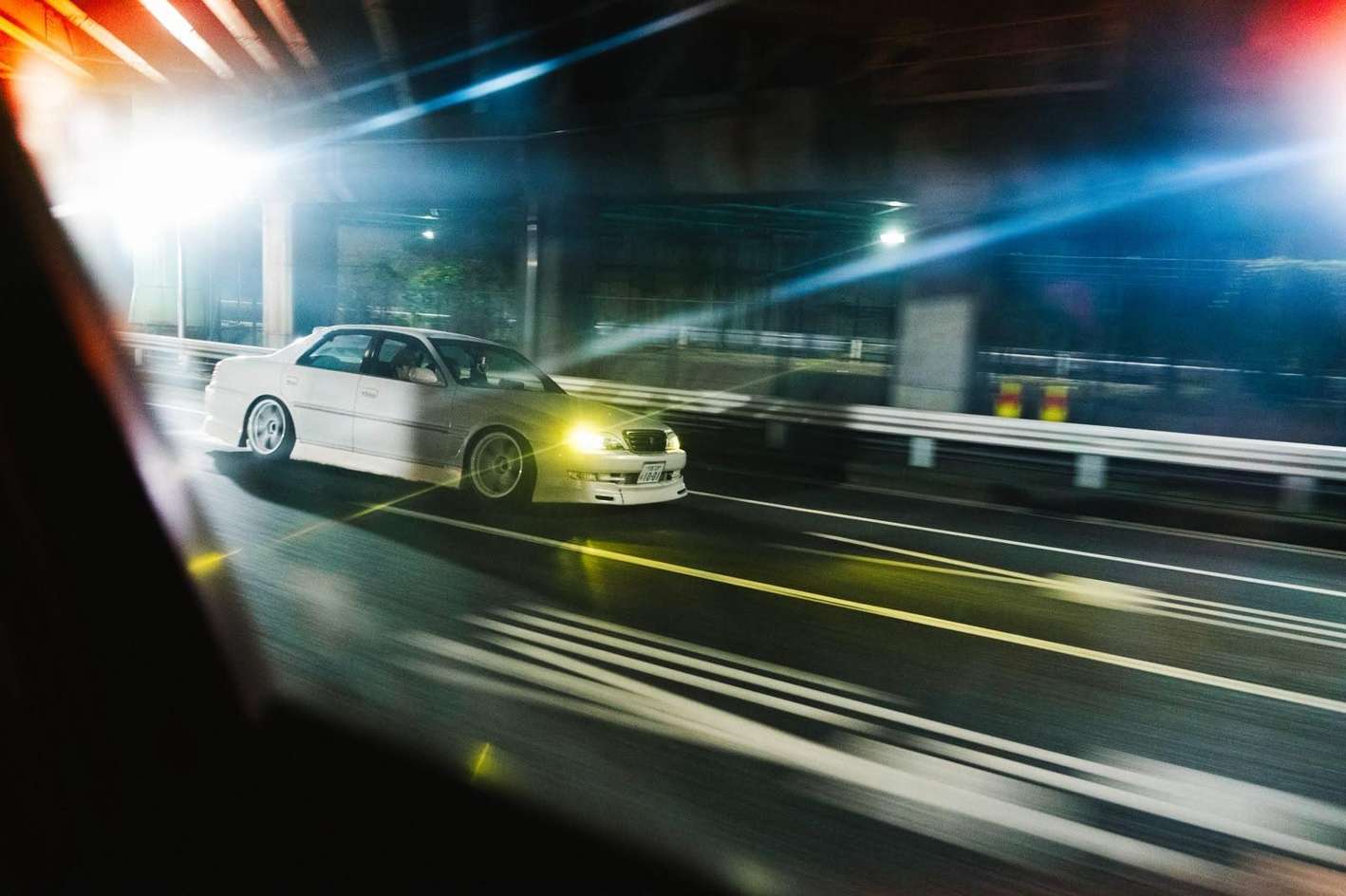
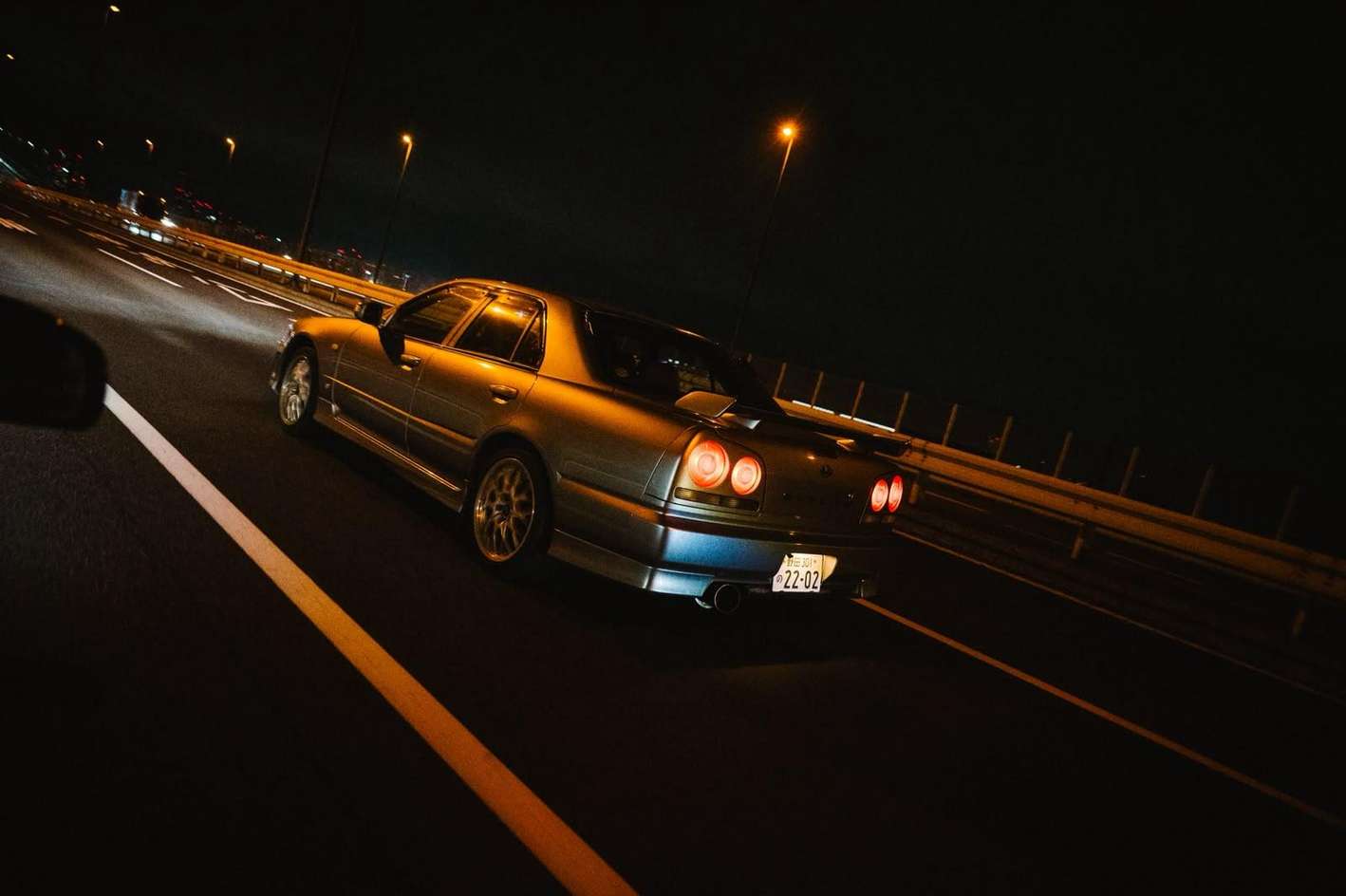
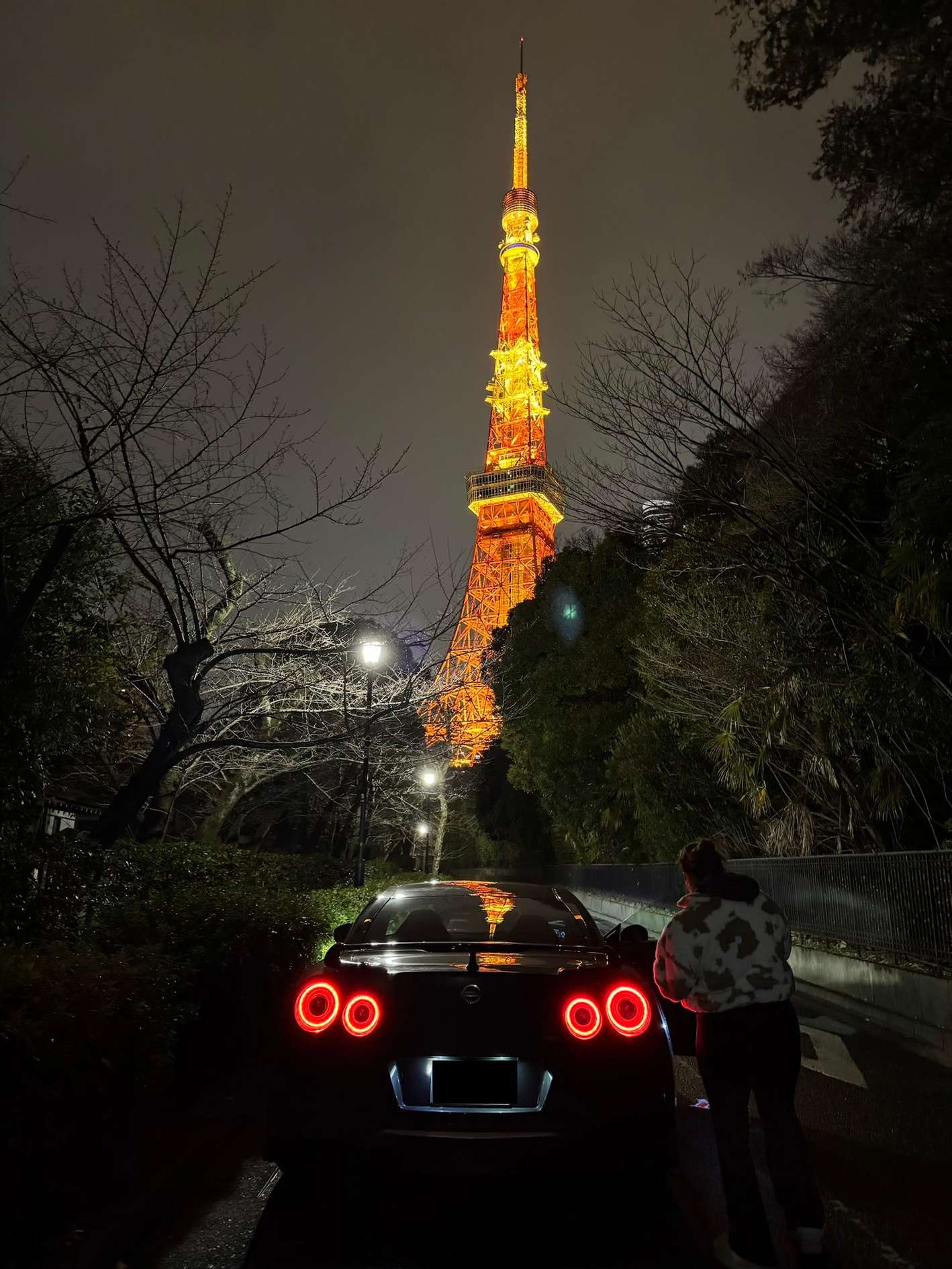
Shibuya Crossing and the Hachiko Statue pass by your window before the convoy climbs onto the Shuto Expressway and crosses Rainbow Bridge, with Tokyo Harbor, the Odaiba skyline and Tokyo Tower lit up around you.
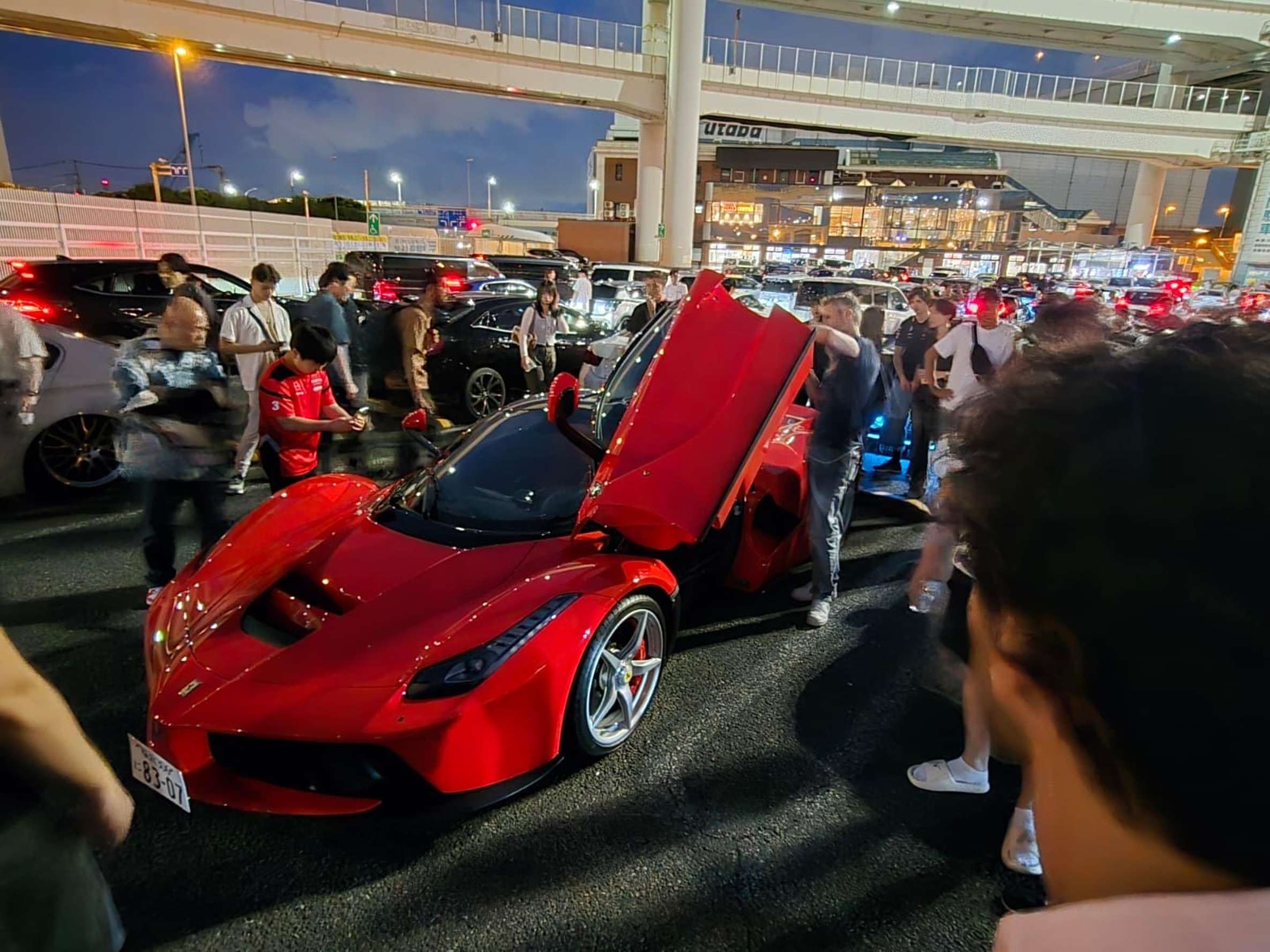
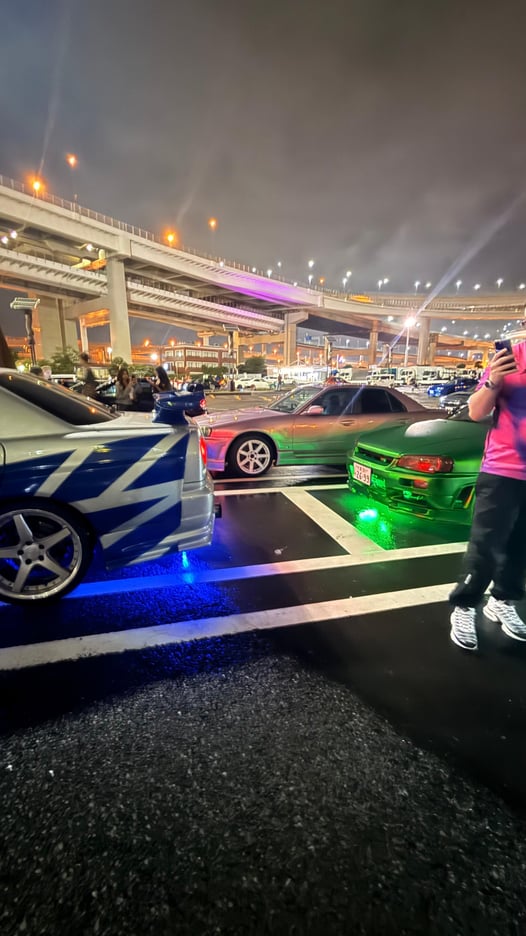
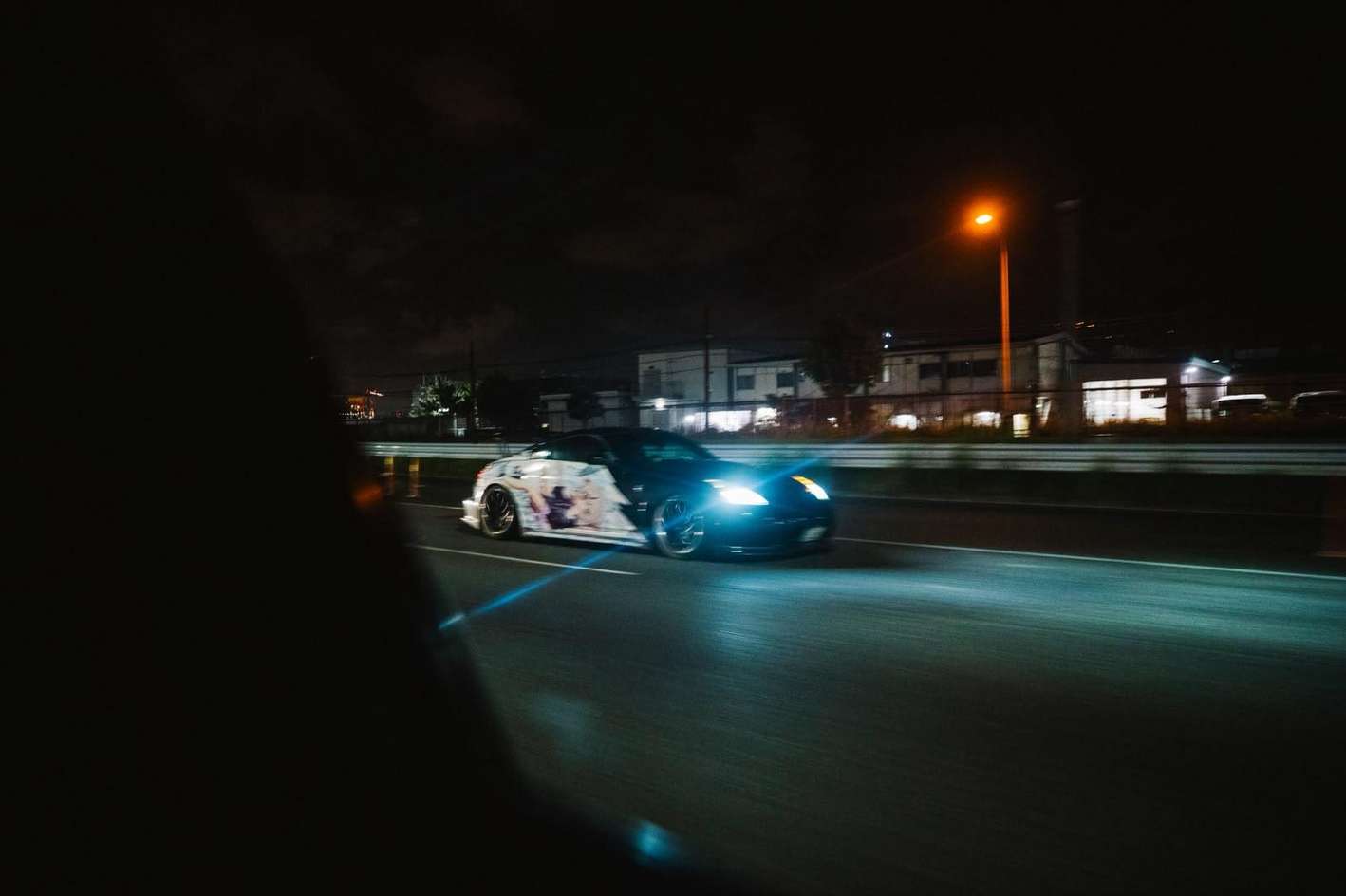
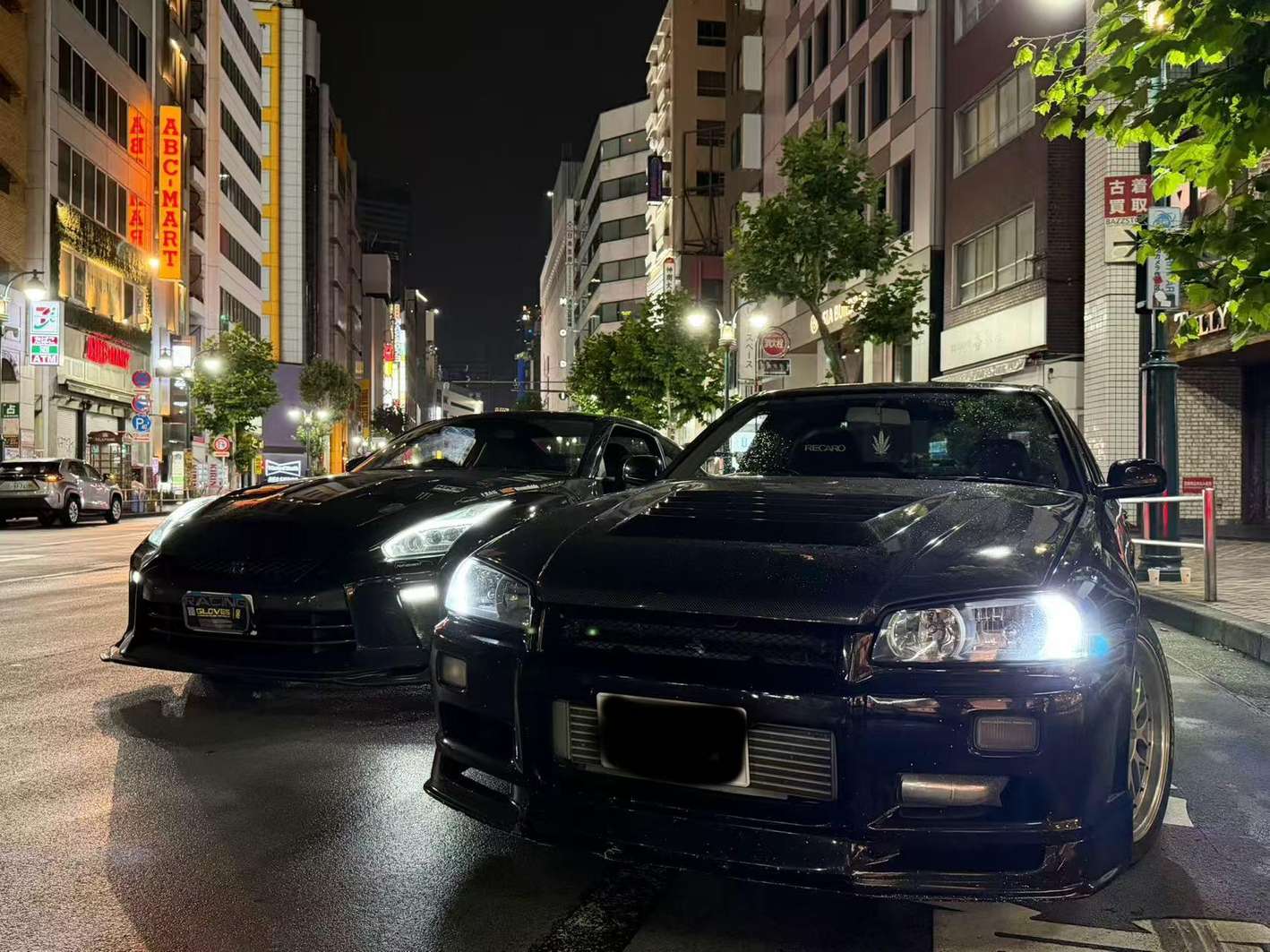
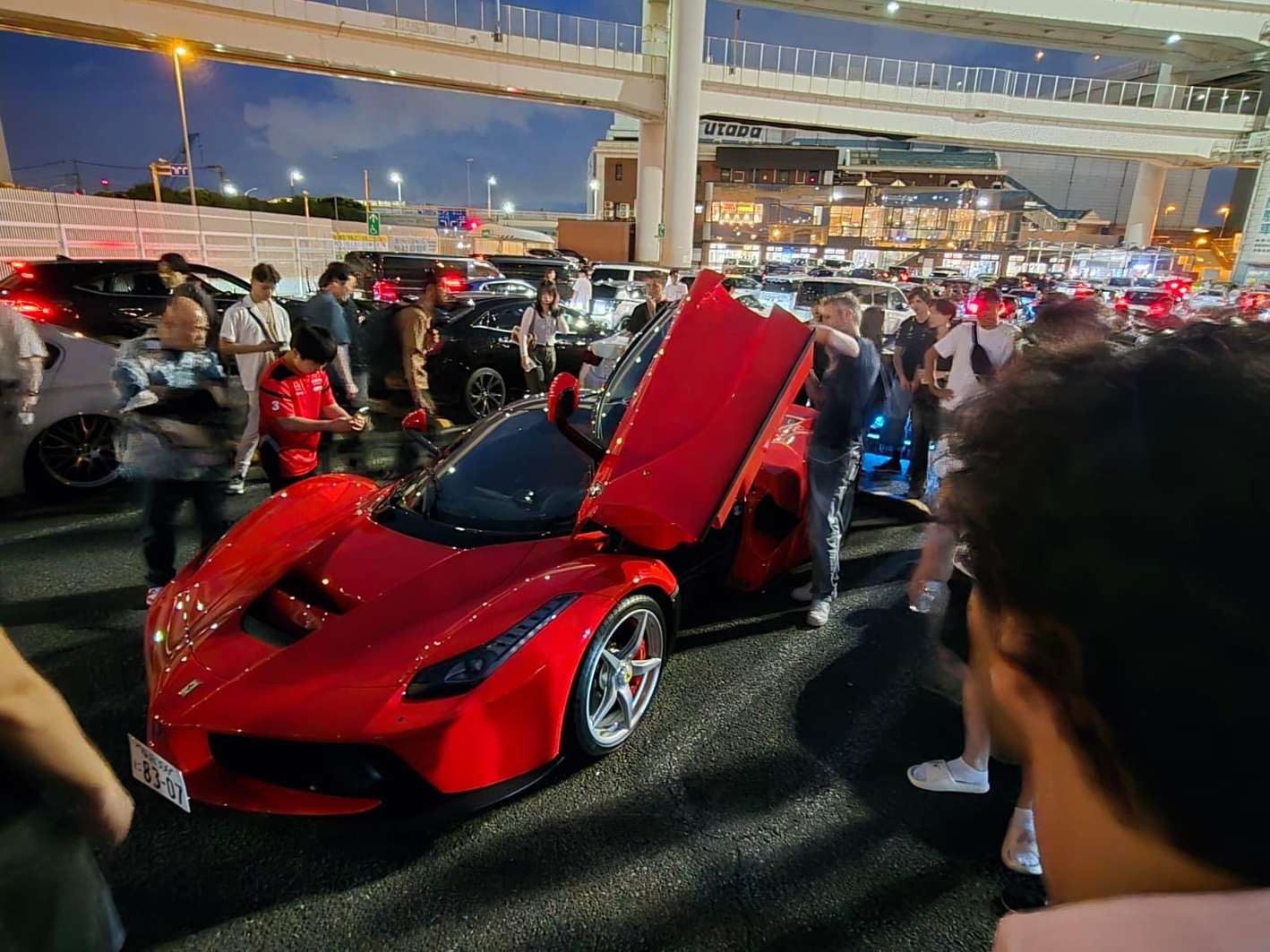
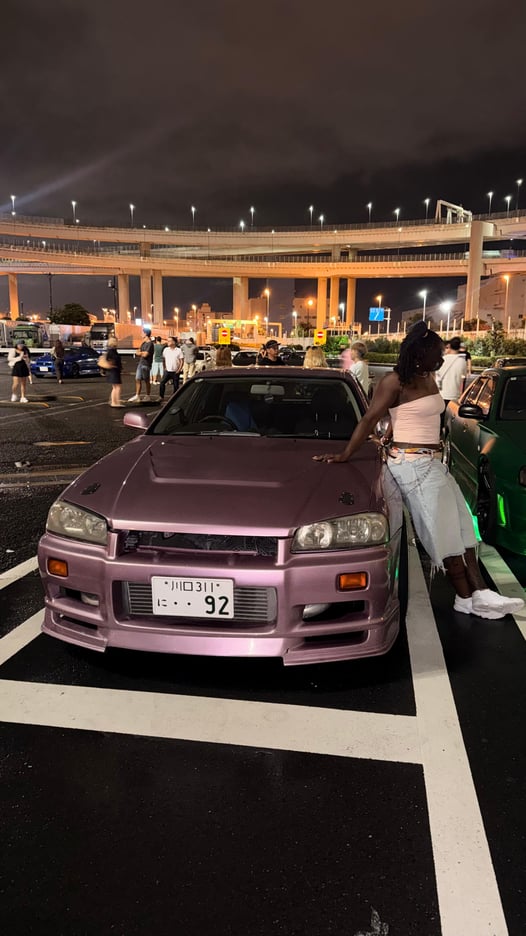
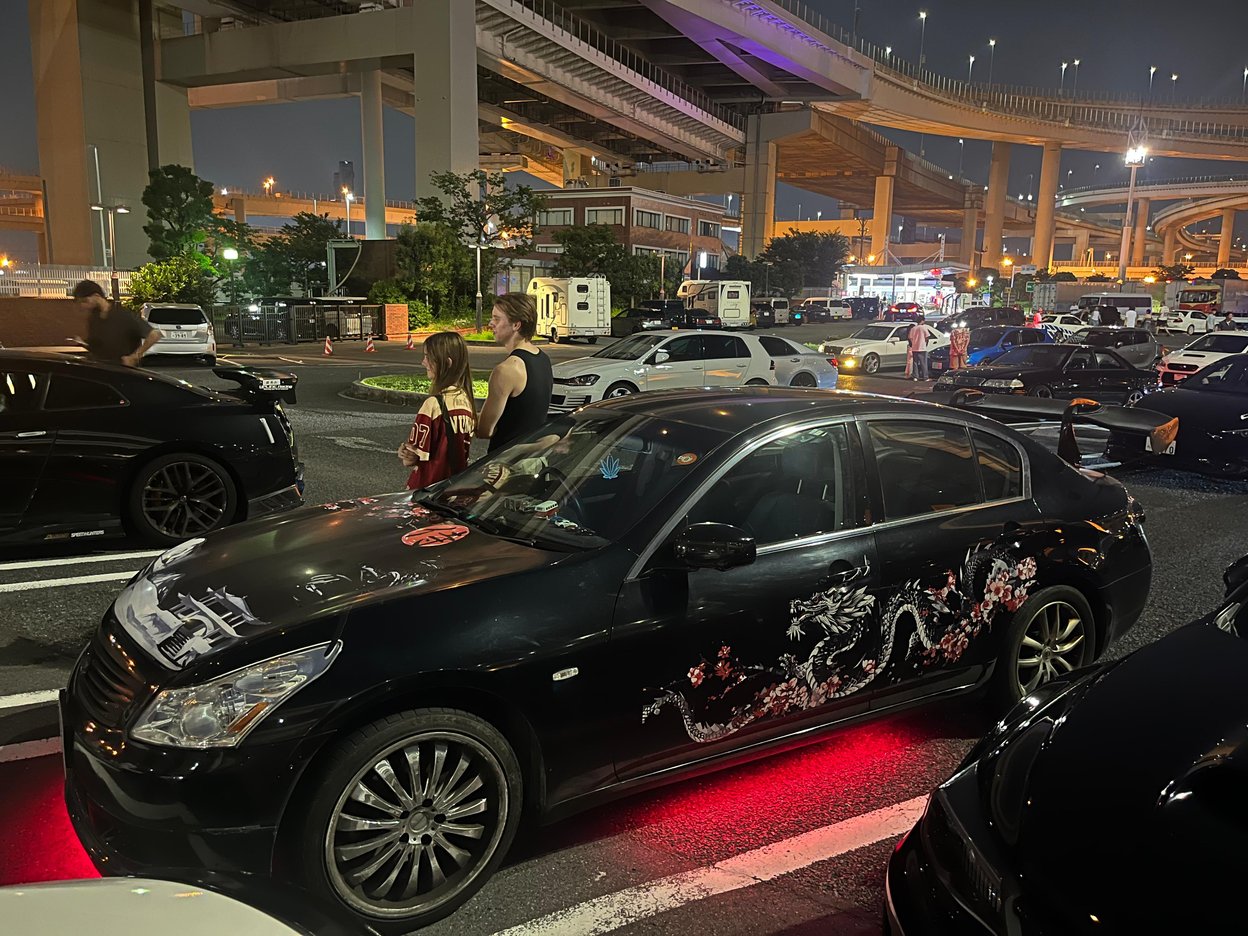
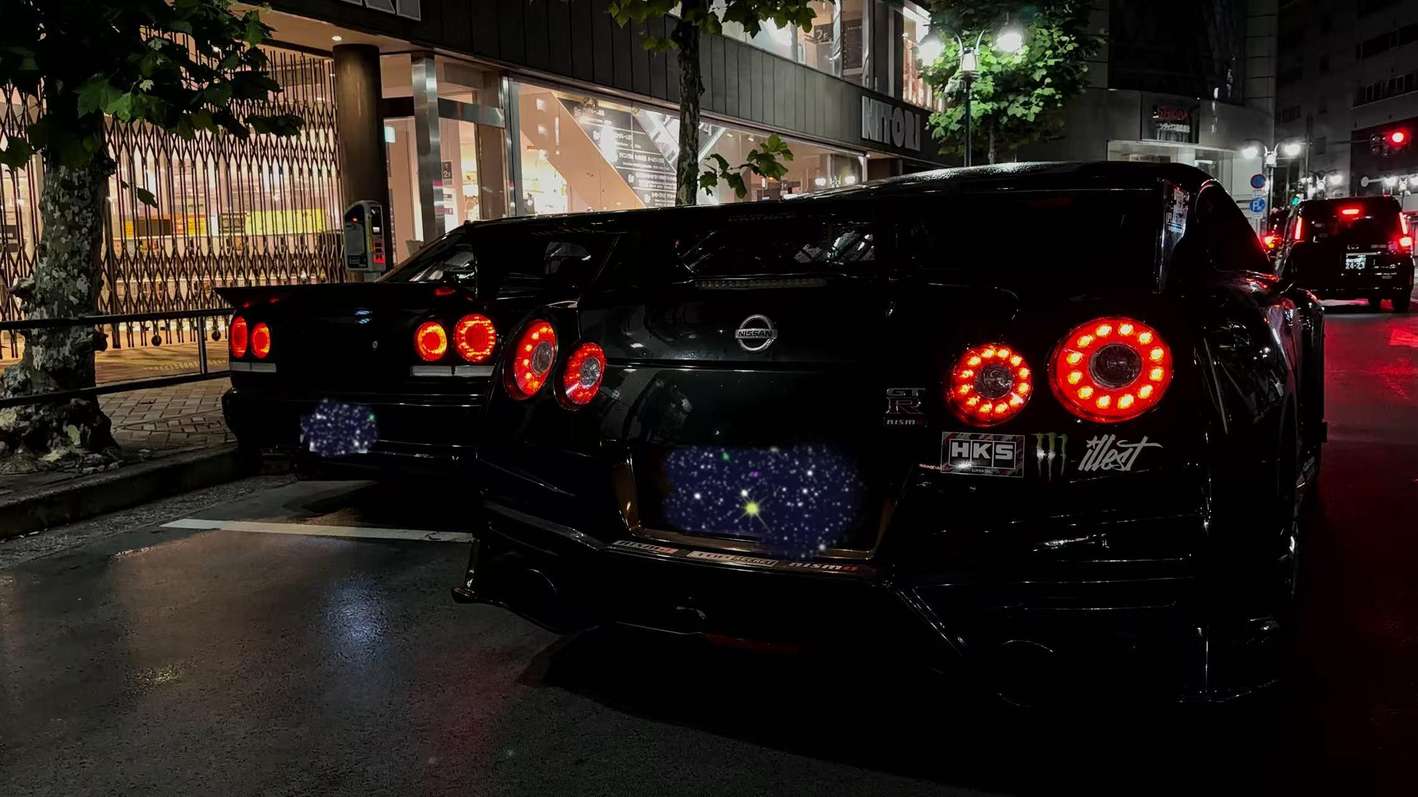
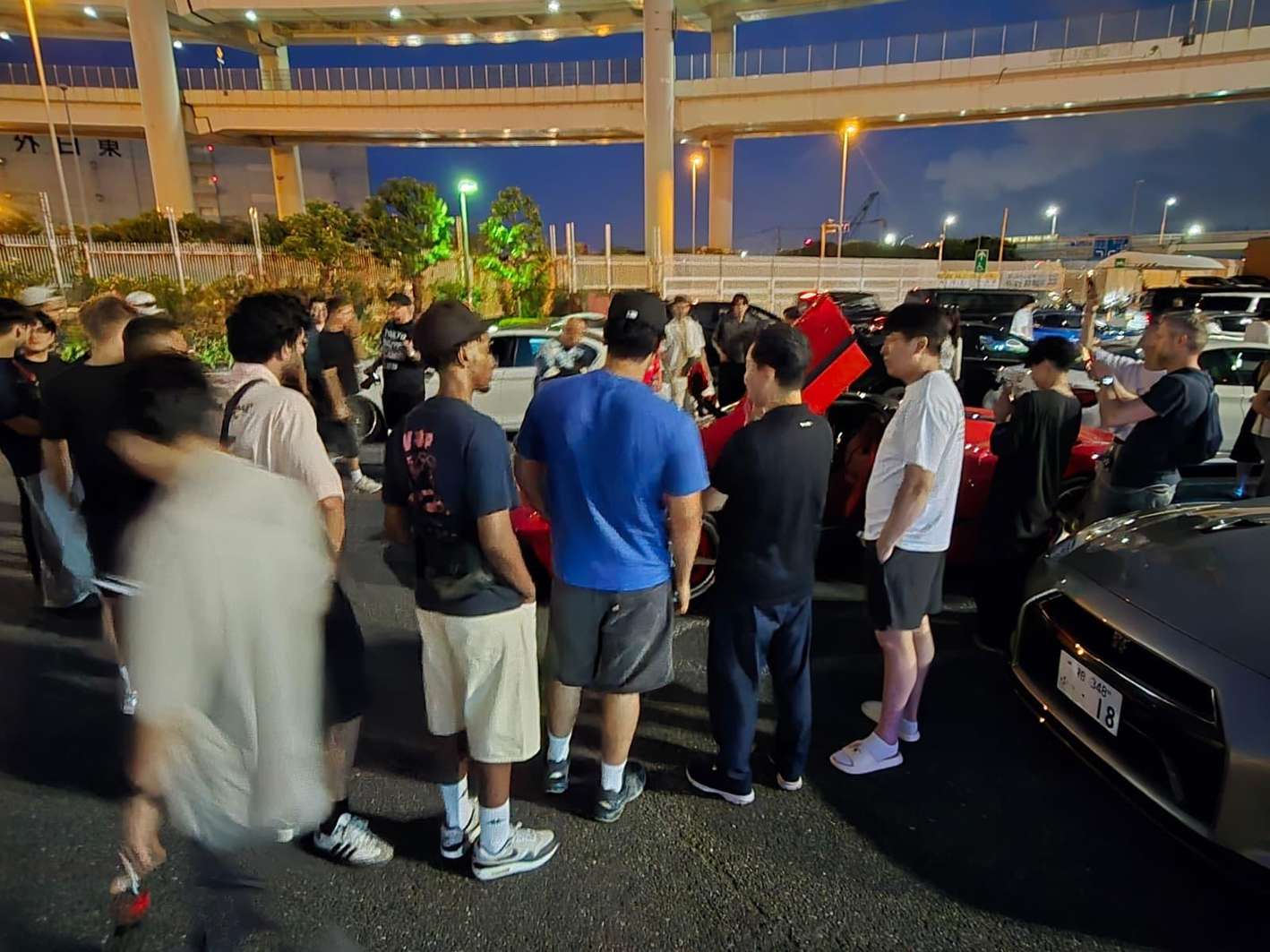
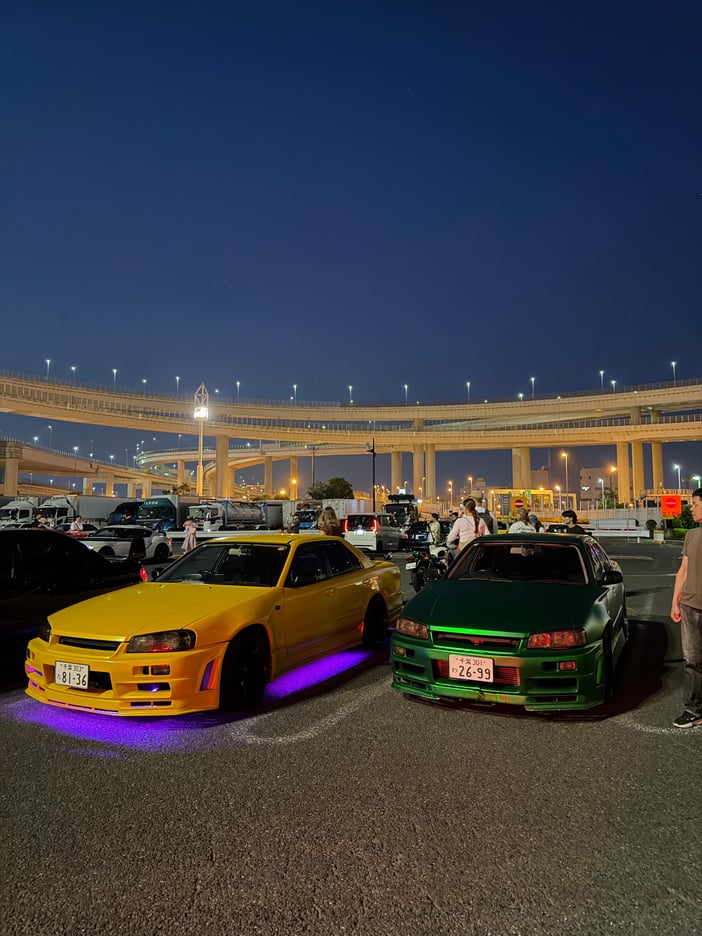
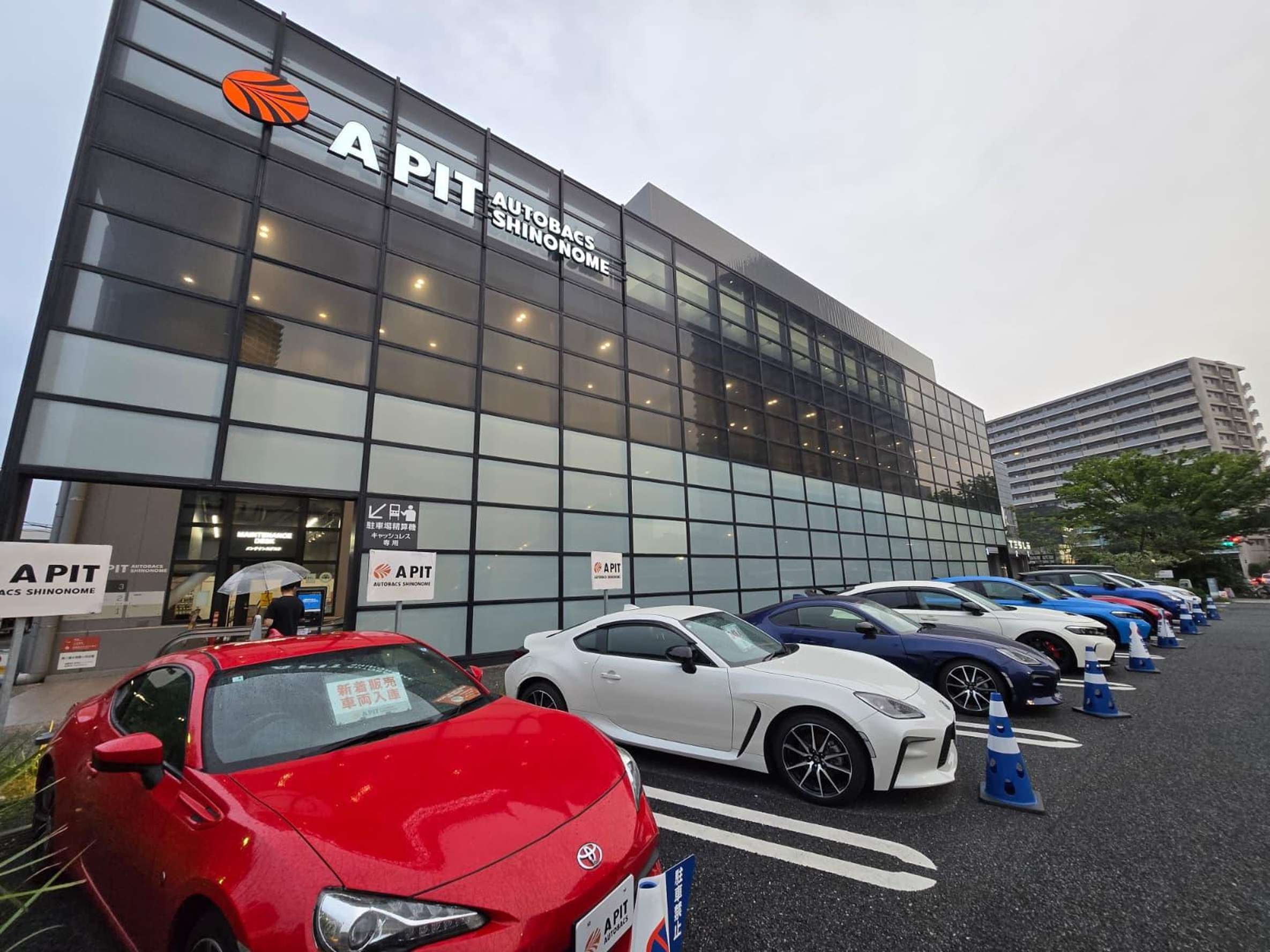
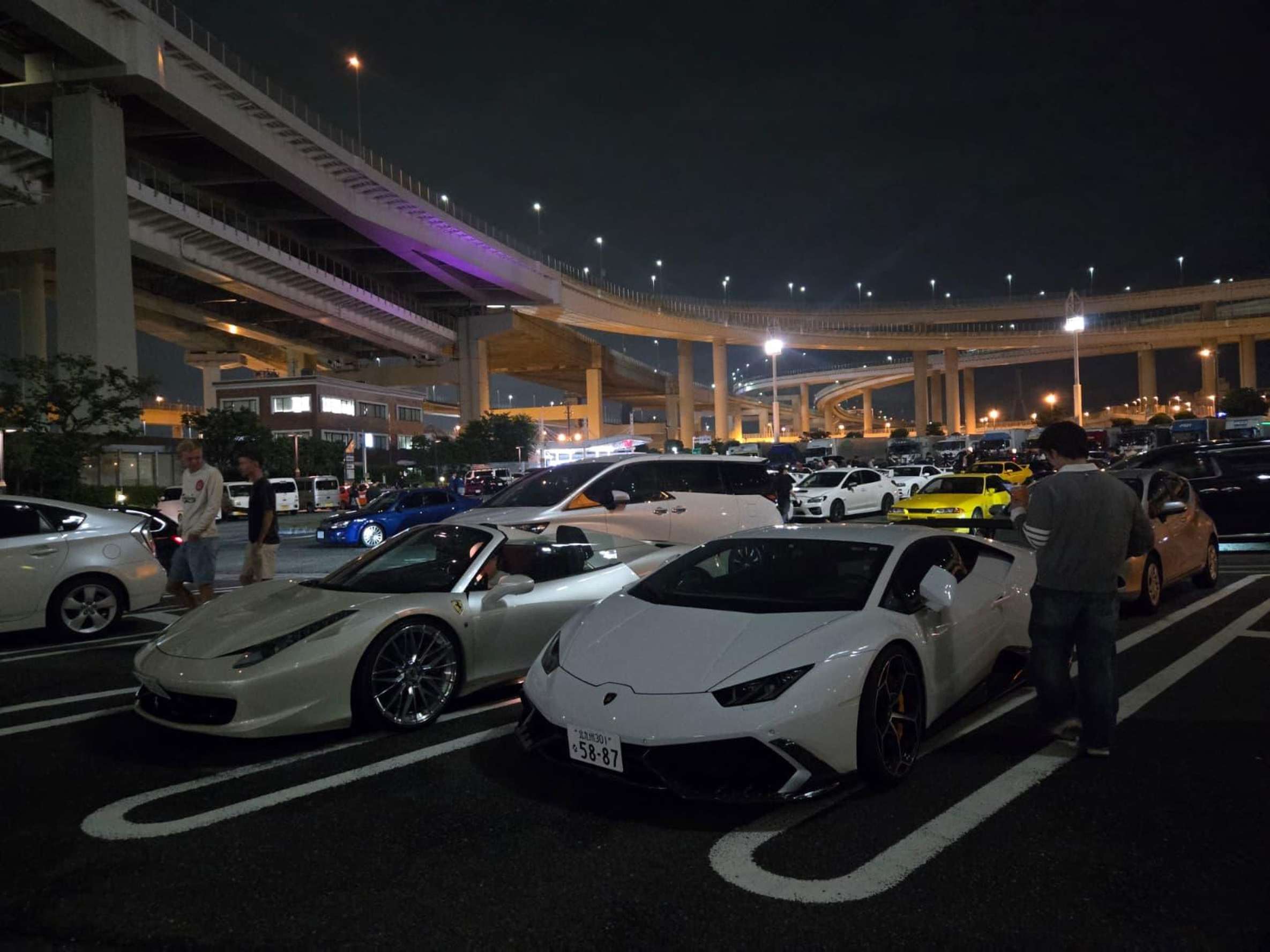
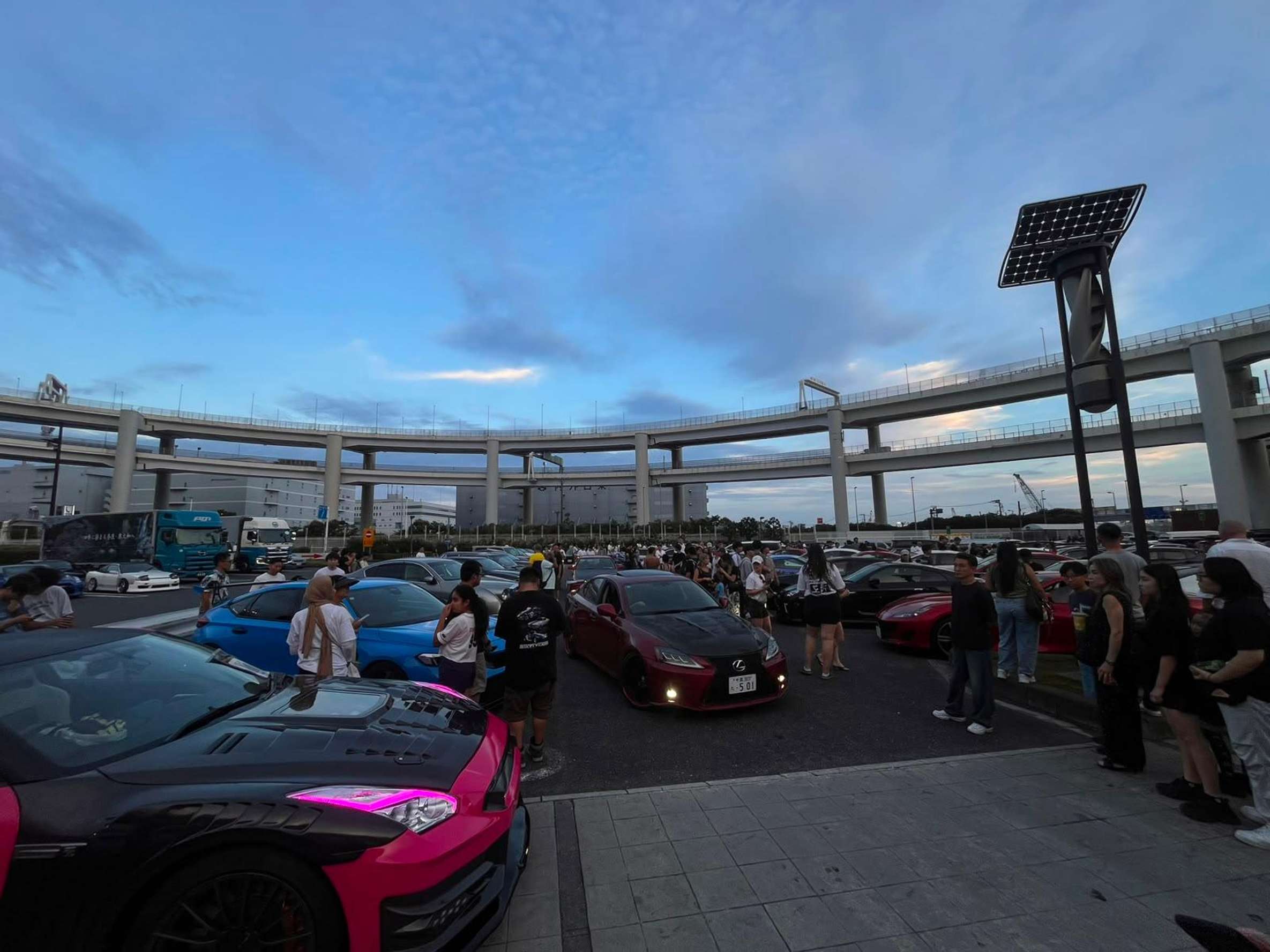
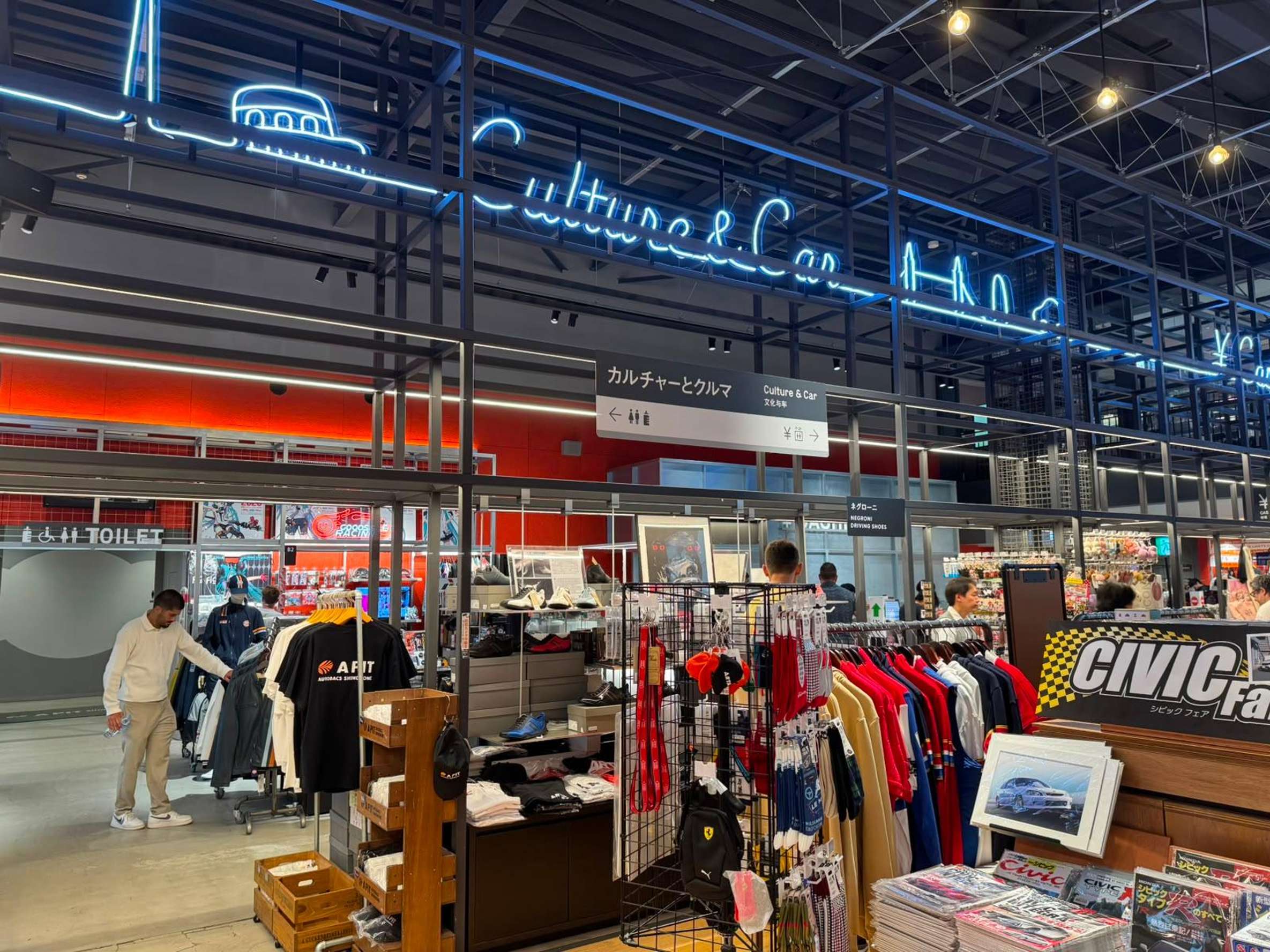
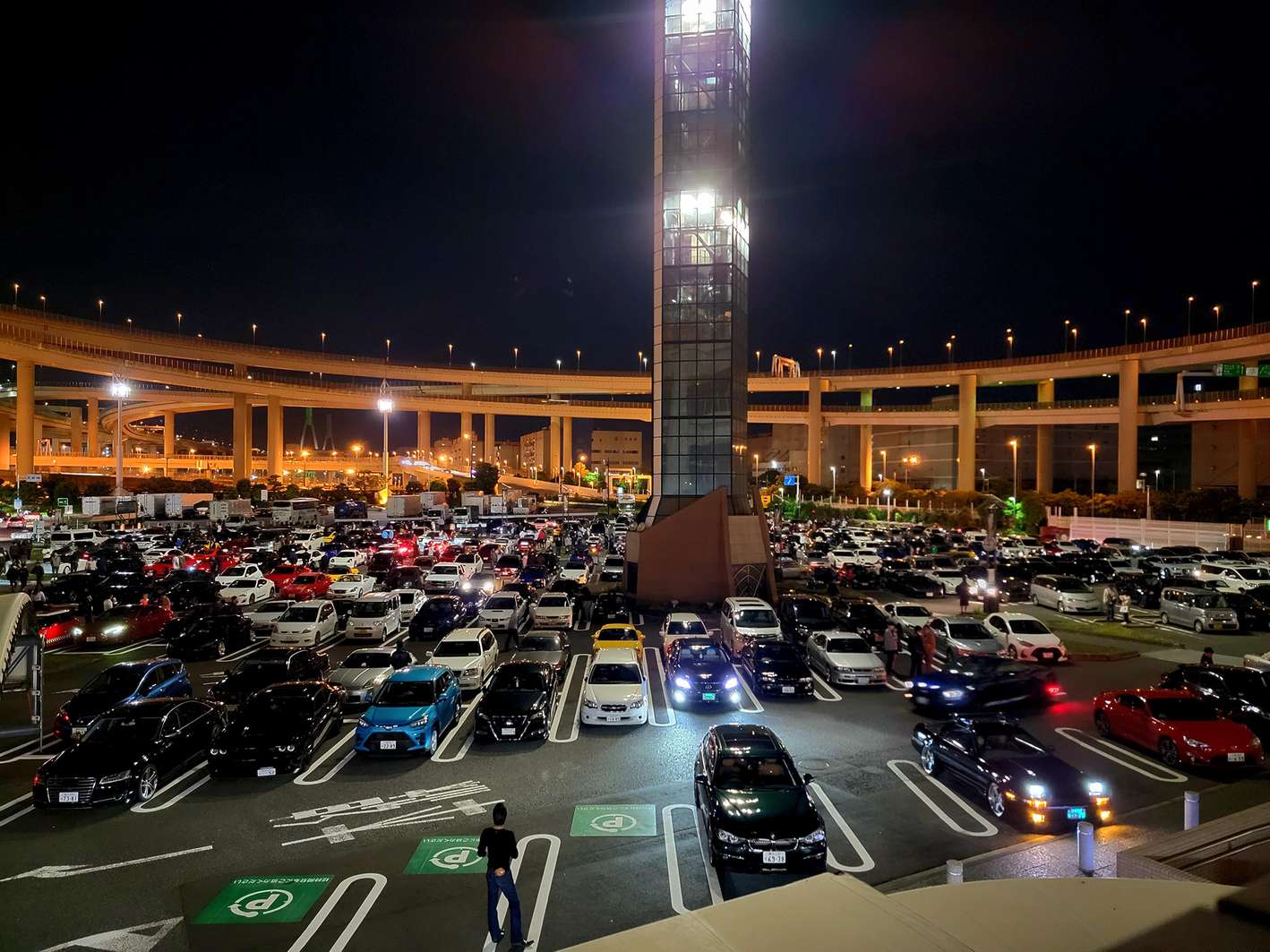
Daikoku Parking Area is the payoff: 45 minutes on the ground among GT-Rs, Supras and tuner builds. A stop at A PIT Autobacs Shinonome follows, then a photo break at Shiba Park before drop-off back in Harajuku.
Meeting point2 places, depending on your optionThe alternate drop-off by the clock tower at Yoyogi Park, so you can finish where it suits you in Harajuku.Street View2LIBERTY WALK TOKYO· 40 minThe Harajuku showroom of Japan's famous wide-body tuning brand, stocked with designs and automotive merchandise. You get 40 minutes of free time, photos and shopping.Street View3Shibuya Crossing· 5 minTokyo's busiest pedestrian crossing, known from racing films and games. The convoy passes through the neon streets, about five minutes.Street View4Hachiko Statue· 5 minThe famous dog statue outside Shibuya Station. A short walk and photo stop on the way out of Shibuya.Street View5Rainbow Bridge· 0 minThe convoy crosses this suspension bridge over Tokyo Harbor at night. Illuminated skyscrapers, Tokyo Tower and Tokyo Skytree fill the view.Street View6Daikoku Parking Area· 45 minJapan's legendary car meet spot on the expressway near Yokohama. You park up and spend 45 minutes among GT-Rs, Supras and modified street cars.7autobacs Shinonome· 30 minA large automotive store near Shinonome Station, open until 9 pm, with roughly 30,000 car parts and accessories. Half an hour to browse and shop.Street View8Shiba Park· 10 minA green park beside Tokyo Tower in Minato. The final photo stop, about ten minutes, with the tower as the backdrop.From this tourDrop-off2 places, depending on your optionDrop-off back in Harajuku, close to the Yoyogi Park meeting point where the evening started.Street View
Included
Night city drive through Tokyo for unforgettable scenic viewsOpportunity to see Rainbow Bridge with Tokyo Bay night viewsPhoto and video support at recommended spotsInsurance and support for safe driving (driver or passenger included)Enjoy complimentary hotel drop-off or designated location drop-off within central areas of TokyoYou do not need an international driving permit, as we will arrange a driver for you
Not included
Food and drinksPersonal expensesSmoking and drinking
Most reviewers praise their driver by name for making the ride fun, safe, and full of conversation about cars.
Best surprise
Several travelers did not expect how much photo and video help they got with the cars at every stop.
Most common wish
Many reviewers wish the night had lasted longer, especially when police ended the Daikoku meet early.
Booking your self drive tour to Daikoku
01
Pick the right night
Choose your date first, because the meet changes with it. Friday and Saturday evenings draw the biggest, most varied turnouts of modified JDM cars, while Sunday mornings between 8 am and 11:30 am run in daylight with fewer police closures.
Pro tipThursday nights often reach full weekend-level turnouts, and weeknight bookings are easier to find
Common mistakeAssuming a quiet Monday means no cars, gatherings still pick up from around 7:30 pm
02
Choose your car and transmission
Decide between an automatic and a manual R34 Skyline, or a passenger seat if someone in your group would rather not drive. Private options reserve the car for your group alone.
Common mistakeBooking the manual Bayside Blue R34 without real stick-shift experience, operators require it
RecommendedRequest your preferred car early, availability runs thin on weekend nights
03
Sort your licence documents
Bring a physical paper International Driving Permit issued under the 1949 Geneva Convention, your original domestic licence, your passport, and the credit card used to book. Card-type and digital permits are not accepted.
ImportantLicences from France, Germany, Switzerland, Belgium, Monaco or Taiwan need an official Japanese translation instead of an IDP
ImportantMost operators set a minimum age of 23, and premium cars often require 25 or 26
04
Confirm and plan the meeting point
Watch for your confirmation, then any start-time updates by email and WhatsApp if expressway traffic shifts the schedule. Regular departures meet around Shibuya Station, with other groups at Tokyo Station's Marunouchi North taxi stand or Akihabara Station.
Pro tipThe Yamanote Line runs Shibuya in 7 minutes from Shinjuku, so book a hotel near a Yamanote station
RecommendedSet the meeting point before your last train home becomes a factor, standard tours end early enough for it
05
Prepare for the day itself
Arrive with time to spare, leave large bags at your hotel because coupes have almost no luggage space, and dress warm for winter nights on the exposed waterfront rest stop. Tours run in rain, and severe storms or a substituted car earn a reschedule or full refund.
RecommendedPack a camera and a charged phone, guides shoot photos of you alongside the cars
ImportantCancel up to 24 hours in advance for a full refund, later than that and the booking stands
What to know before you book a self drive convoy to Daikoku
Can stop the dayGood to knowGood news
01
ChoosingWhat it is, who it suits, when to go
1
Convoy driving
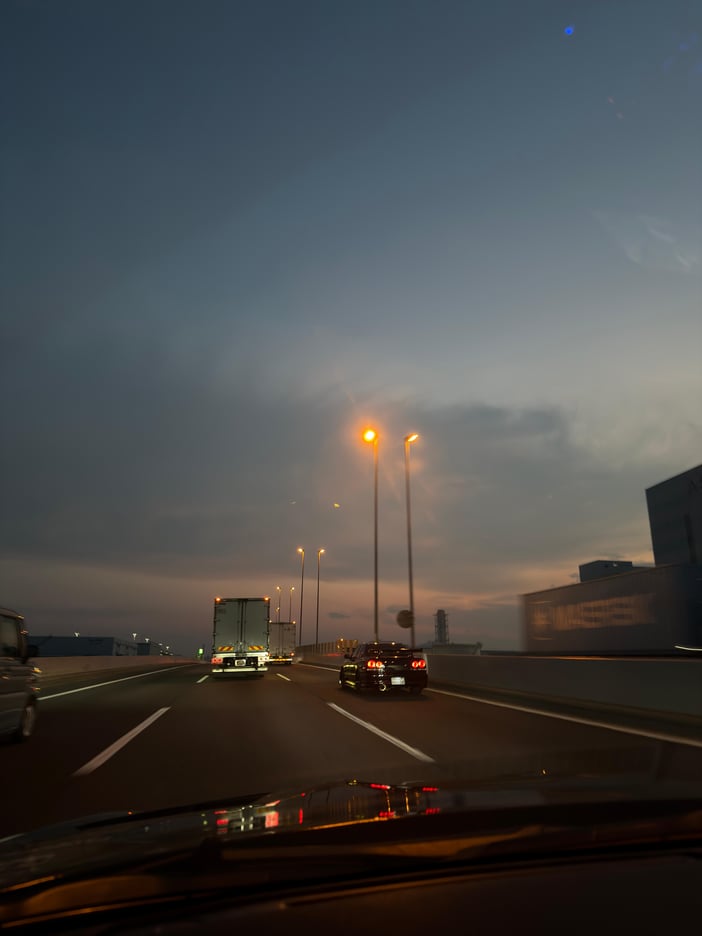
You follow a lead car that handles every interchange and toll gate on the multi-tier Shuto Expressway, so you never navigate on your own. The group may stop at a rest area to regroup and trade positions between cars.
02
BookingHow far ahead, and what happens if plans change
2
Deposits
Expect a credit card pre-authorization or security deposit when you drive a rental car. The amount depends on the operator, the car and the insurance options you pick, so check before you arrive rather than at the counter.
Police closuresCan stop the day
Kanagawa police can close Daikoku PA at any time, most often on Friday and Saturday evenings between 7:30 pm and 8:30 pm. Guides reroute to Umihotaru or Tatsumi Parking Area when that happens, and some operators offer a full refund if Daikoku closes on the day of your booking.
03
Before you goPapers, health, what to bring
3
DocumentsCan stop the day
To drive yourself on Japanese roads you need your original domestic license plus a physical paper International Driving Permit issued under the 1949 Geneva Convention. Digital permits and card-type permits are not accepted. Drivers licensed in France, Germany, Switzerland, Belgium, Monaco or Taiwan use an official JAF translation of their home license instead of a permit.
Minimum age
Most operators in this scene will not hand a modified car to anyone under 23, and some want at least three years of driving experience. Premium cars such as the R34 GT-R often require 25 or 26. Japan's legal driving age is 18, so the operator's rule is the one that counts.
Transmission
On the guided Daikoku rental you can pick between an automatic and a manual R34 Skyline. The manual car is reserved for drivers with real manual experience, and the escort checks credentials, passport and a credit card before the run.
04
During the tourWhat is expected of you
3
Toll gates
If your car has no ETC card, take the mixed lane and a toll ticket, then pay the booth attendant at the exit. If a barrier fails to open, never reverse. Stop in a lane marked Support and follow the intercom instructions from staff.
On board
Smoking and vaping inside the cars is prohibited and carries a heavy cleaning fee. Alcohol is banned in the vehicle, and Japan enforces strict drink-driving laws that apply to you as a driver as well.
Etiquette
At Daikoku you may not lean on, sit on or touch the paint of parked cars, and you should ask before photographing an owner or a specific car. Stay out of driving lanes, keep stereo volume down and follow police or staff instructions immediately if a closure is called.
Self drive to Daikoku - what the night road asks of you
Driving yourself to the Daikoku car meet is the boldest way in. The left-hand expressways, the papers in your pocket and the closing hours all ask something of you before the night works.
Yokohama· 35.67° N, 139.70° E
If you only remember three things
1
Take a toll ticket at the entrance if no ETC card is in the car, and never reverse at a closed gate bar.
2
Japan's alcohol law is zero tolerance: even 0.15 mg/L of breath alcohol costs a driver a 90-day suspension.
3
Carry your physical passport at all times; police can ask for it.
Self drive reality on Tokyo's left-hand expressways
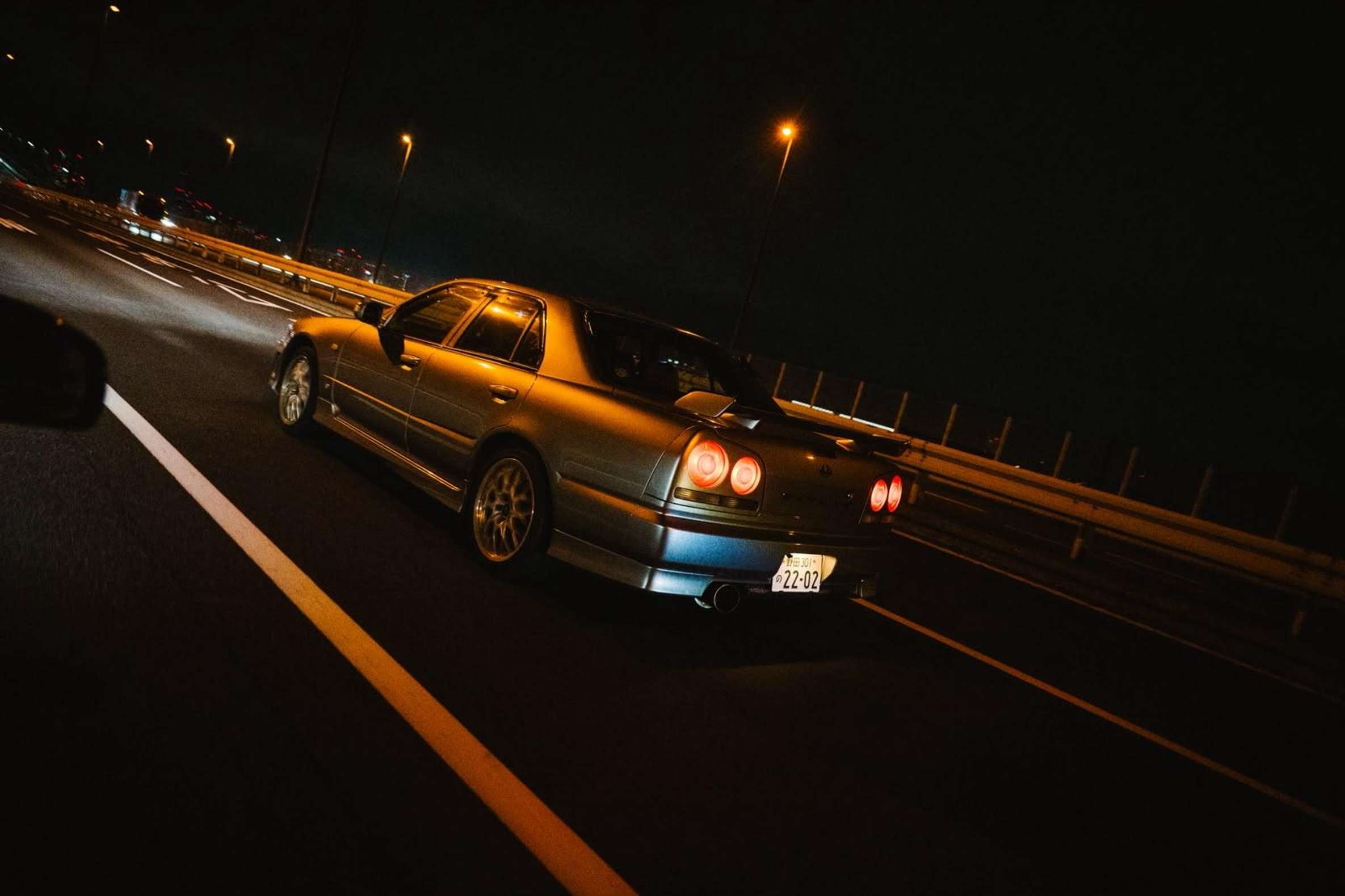
Tokyo's expressways are genuinely tricky. Lanes are complex, the road climbs and drops without warning, and exits sit on the left, the right and sometimes the center. The car is right-hand drive, so you shift with your left hand, and the first busy stretch demands real focus.
The roads themselves are narrower than the highways most visitors grew up on, with little room for error. The honest preparation is practice. Drivers not yet used to the left are advised to spend time on ordinary roads before attempting the Shuto Expressway.
A quiet street run before the meet does more than any amount of reading. That said, most people who join a convoy never wrestle this alone.
An experienced lead car navigates the multi-tier junctions and toll gates ahead of you, and radio guidance fills in the rest, which removes the navigation burden almost entirely. ::alert "The one thing that can stop the visit" Arrive without the correct paper and the drive cannot happen.
Japan accepts an International Driving Permit issued under the 1949 Geneva Convention, or a JAF translation. Permits issued under the Vienna Convention format are invalid even when they come from a member country. Licenses from China, Vietnam, Brazil and Indonesia are not valid for driving in Japan at all, IDP or not.
One law deserves its own sentence: Japan allows no alcohol for drivers, full stop. Refusing a breathalyzer is itself punishable. Passengers who knowingly ride with an impaired driver also face penalties, so nobody in the car has a reason to look the other way.
Tour for this
Fast and the Furious III/Tokyo Tower/Daikoku PA/JDM Car Meet4.8★ (346) · 3 - 4 hours · Free cancellation
Where the self drive convoy meets in central Tokyo
The evening starts at a station. Most night convoys to Daikoku assemble around Shibuya Station, with gathering points in Dogenzaka, Sakuragaoka and Jinnan. Other regular departures meet at Akihabara Station, the Tokyo Station Marunouchi North taxi stand, or Tokyo Teleport Station in Odaiba. Private and custom arrangements offer hotel pickup across central Tokyo instead.
Getting to any of these is simple on the trains. Shibuya sits directly on the JR Yamanote Line, seven minutes from Shinjuku and 20 to 23 minutes from Tokyo Station, with Tokyo Metro Ginza, Hanzomon and Fukutoshin lines adding more routes.
Tokyo Station is reachable on the Yamanote, Chuo or Keihin-Tohoku lines plus the Marunouchi subway line. From Tokyo Station, Akihabara is a direct four-minute ride on the Yamanote or Keihin-Tohoku lines.
Plan the last train times in reverse. The drive out runs roughly 30 to 45 minutes from central Tokyo, so arriving at the meeting point by train is the easy half of the evening; the plan for the way home depends on when the night finishes.
Tour for this
Tokyo: Fast and the Furious Tokyo Drift III JDM Car Tour4.8★ (880) · 3 hours - 1 day · Free cancellation
Going under your own steam is possible, and it suits drivers who want the freedom of their own timetable. It also comes with hard truths worth knowing before you rent.
Daikoku Parking Area sits inside the Shuto Expressway junction on Daikoku Pier in Yokohama. There is no train stop, no bus stop and no pedestrian entrance, so a vehicle on the expressway is the only way in, via the Bayshore Route (B) or the K5 Daikoku Line.
A rental car covers the roughly 37 minutes and 30.8 km from central Tokyo without traffic. Walking or cycling in is prohibited, and climbing the fences from the port side is illegal trespassing that risks arrest or heavy fines.
The return leg is where self drivers get caught. A taxi can carry you out for the 35 to 50 minute trip, but there is no taxi stand inside and no taxis waiting.
Drivers will not enter a toll road for a speculative pickup, especially late at night, so people who arrive by taxi run a real risk of being stranded. Ride-hailing works more often earlier in the evening. Drivers who go by car and park face none of that.
Getting home after your self drive night at Daikoku
The way out is the part regulars talk about most. From inside the parking area you cannot hail a taxi off the street, because taxis do not wait there and drivers will not enter a toll road hoping for a fare.
Ride-hailing apps can work, especially earlier in the evening, but nobody who knows the place relies on them late at night.
The reliable options are simple. Arrive in your own rental car and leave in it, or join a convoy whose driver handles the round trip. People who arrive by taxi from Tokyo or Yokohama usually arrange the return pickup in advance, or plan to leave before the crowds thin and demand rises.
One more thing worth knowing: the expressway toll is distance-based and the only charge attached to the trip. The parking area itself adds nothing, so the drive out costs no more than the drive in.
Tour for this
Tokyo: Fast and the Furious Tokyo Drift III JDM Car Tour4.8★ (880) · 3 hours - 1 day · Free cancellation
The economics are friendly once you are behind the wheel. Entry and parking at Daikoku are free of charge; the only cost is the distance-based expressway toll to reach it, with no separate fee for using the parking area.
A metered taxi round trip from central Tokyo, with an hour or two of waiting built in, costs more than most visitors expect once tolls and waiting time are counted, which is exactly why people who go often either drive themselves or book a seat in a convoy.
From Yokohama Station the trip is shorter and lighter on the wallet, but the same return-pickup problem applies.
Budget accordingly: fuel and tolls for a rental car are the whole outlay, and you can stay as long as the police allow. That freedom to linger over a particular car is the quiet argument for the self drive option.
Daikoku's parking deck is open to the sky on top of an artificial island in Yokohama Port, and coastal wind off the bay does most of the weather work.
Autumn nights fall from 15.2 degrees in October to 9.6 degrees in November, then December through February bring lows between 1.1 and 3.6 degrees. Winter meets feel close to freezing, so warm layers earn their space in the bag.
Space is the other constraint. Large bags and suitcases are prohibited on the sports car tours because a coupe barely has room for anything.
An AE86 has almost no luggage space at all, and you reach its rear seats through the front. Riding in someone else's car, one small soft bag each is the whole allowance.
Recommended"Pack everything in one small soft bag": A suitcase stays at the hotel. Coupes like the AE86 have almost no luggage space, and you reach the rear seats through the front.
The paragraph above settles the packing question outright: one bag, carried by hand, and nothing that needs folding. Anything bulky waits at the hotel, and nothing you bring should need a trunk.
Passport and driving papers for your self drive night
Two papers decide the evening, and they matter to different people.
The passport goes in a pocket every night. Japanese law requires foreign visitors to carry their physical passport at all times and present it to police on request, and a night out on the expressways is exactly when that gets checked.
Passengers on a guided ride-along need no driving permit since a professional driver is at the wheel, but the passport rule applies either way.
The driving permit matters only if you take the wheel. An International Driving Permit under the 1949 Geneva Convention, or a JAF translation, is what Japanese law accepts.
Permits in the Vienna Convention format are invalid here even when the country that issued them is a member, and licenses from China, Vietnam, Brazil and Indonesia do not work in Japan at all. Check the format before you travel, because no workaround exists at the rental counter.
James was professional and a great photographer! We saw amazing JDM and exotic cars at Daikoku PA, plus the view of Tokyo Tower was incredible. Highly recommend this!
Self driving to Daikoku rewards preparation. The expressways are narrow, the exits land on both sides, and the alcohol law allows nothing at all, so the drivers who enjoy the night most are the ones who practiced on quiet roads first and read the toll gate rules.
Do that, keep your passport in a pocket, and the parking deck at the end of the Bayshore Route is one of the most rewarding places a car-mad visitor can park in Japan.
Go ifYou already hold a valid 1949 Geneva Convention IDP or a JAF translationYou want free entry and parking, paying only expressway tollsYou have practiced driving on the left on ordinary roads first
Skip ifYou plan to arrive by taxi late at night, since return pickups are unreliableYou are traveling with small children after dark, when a Sunday morning visit fits betterYou have no IDP under the Geneva Convention format
Our pick to book
Tokyo: Fast and the Furious Tokyo Drift III JDM Car Tour4.8★ (880) · 3 hours - 1 day · Free cancellation
The permit, the convoy, the meet, and what happens if the night changes plan.
Yokohama2026
Tonight you follow a lead car over Rainbow Bridge and pull into Daikoku behind the wheel. Bring your paper IDP, you'll need it at check-in.
What driving license do I need to drive on a Daikoku self drive tour?
You need your physical domestic license plus a paper International Driving Permit issued under the 1949 Geneva Convention. Digital and card-type permits, and anything issued under the 1968 Vienna Convention, are not accepted.
If your license comes from France, Germany, Switzerland, Belgium, Monaco, or Taiwan, you cannot use an IDP. You instead show your original license with an official Japanese translation authorized by JAF.
How old do I have to be to drive a JDM sports car in the convoy?
Japan's legal driving age is 18, but rental operators set their own bar. Twenty-three with three years of driving experience is the most common requirement, and some accept drivers from 21 with a surcharge. Premium chassis like the R34 GT-R often ask for 25 or 26.
Is driving on Tokyo's expressways hard if I'm used to the right side of the road?
The first stretch takes focus: you sit on the right, shift with your left hand, and Tokyo's expressways are narrow with exits on the left, right, and center. On a self drive tour a lead car handles all navigation, so you simply follow it through the interchanges and toll gates.
Can I choose a manual or an automatic car for the self drive?
On a guided Daikoku tour rental you can pick between automatic and manual R34 Skylines. Manual experience is required for the manual Bayside Blue R34, so book that one only if you drive a stick regularly.
Can my partner or friend ride with me, and what does that cost?
Yes, most self drive convoys take a passenger. Pricing differs by operator: some charge a flat vehicle rate you can split with a passenger, others bill per person. The tour card shows which structure applies before you book.
What happens if police close Daikoku PA on the night of my drive?
Police clear the lot over loudspeakers and drivers leave without argument, often between 7:30 pm and 8:30 pm on weekend evenings. Guides reroute the convoy to other meet spots such as Umihotaru Parking Area or Tatsumi, and some operators give a full refund if Daikoku is closed by authorities that day.
Do I have to return the rental car with a full tank?
Yes. Cars go out with a full tank and come back full, or the operator charges by distance driven. Refuel at a station near the return branch, stop when the nozzle clicks off, and keep the final receipt to hand to staff.
Is there a security deposit when I book the driving car?
Yes, operators hold a security deposit or a credit card pre-authorization on the driver's card. The amount depends on the operator, the vehicle, and the insurance option you pick, so the tour card and the operator's terms are where the exact figure sits.
Which night gives the best car meet if I'm driving myself?
Friday evenings bring a relaxed crowd of classic JDM cars and tuners. Saturday draws the largest turnout of the week with the widest variety, but also the highest chance of an early police clearing. Weeknights from Monday to Thursday are steadier, and Thursdays often fill up like a weekend.